A wooden World War II hangar in Cape May. A battleship with 16-inch gun turrets on the Camden waterfront.
A miniature railroad world in Flemington where the mountains are fake, the obsession is real, and the details can swallow an afternoon. New Jersey has a funny way of hiding big transportation history in places you might drive past without thinking twice: a small airport, an old rail depot, a boatworks building, a quiet Shore town street.
But step inside the right museum and suddenly the state becomes a map of pilots, shipbuilders, railroad workers, baymen, mechanics, wartime crews, model builders, and people who simply refused to let old machines disappear.
These spots are perfect for history lovers who like their museums with engines, rivets, cockpits, cabooses, dock lines, and a little grease under the fingernails.
1. Aviation Hall of Fame & Museum of New Jersey
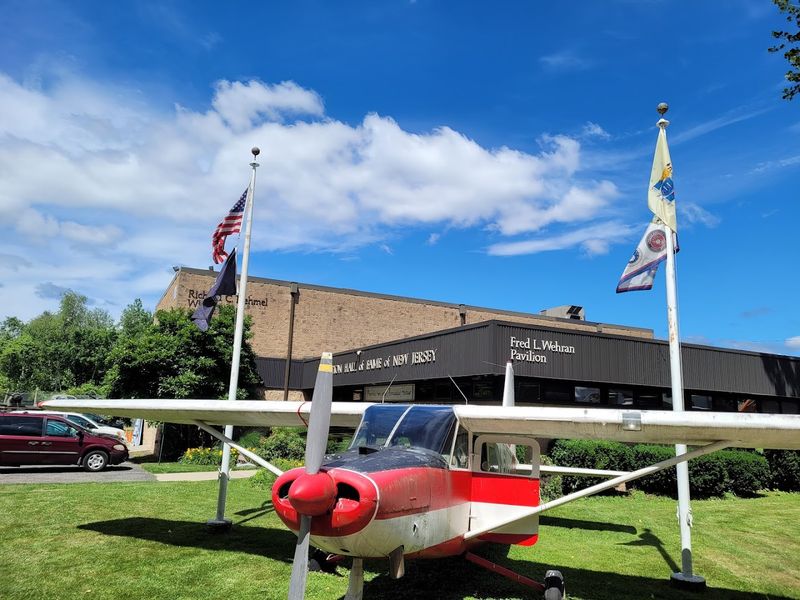
A rocket engine is not the sort of thing you expect to find waiting for you in Teterboro, but that is exactly the fun of this place. The Aviation Hall of Fame & Museum of New Jersey packs a surprising amount of aviation history into a museum that feels proudly hands-on and proudly Jersey.
Its exhibits cover aircraft, helicopters, engines, models, and the Garden State’s role in flight, including the rocket engine tied to the X-15 program and the first American hovercraft invented by Charles Fletcher.
For anyone who likes the “how does this actually fly?” side of aviation, the Fundamentals of Flight aerodynamics exhibit is a nice touch because it gives the museum more than a look-but-don’t-touch feel.
The Hall of Fame side adds the human story, spotlighting pilots, engineers, innovators, and space-age figures connected to New Jersey’s aviation legacy. It is not a sprawling mega-museum, so you can see it without turning your day into a military campaign.
The museum is generally open Wednesday through Saturday in timed sessions, and reservations help with staffing, which matters here because it is a nonprofit that relies heavily on people who care enough to keep the doors open.
2. NAS Wildwood Aviation Museum
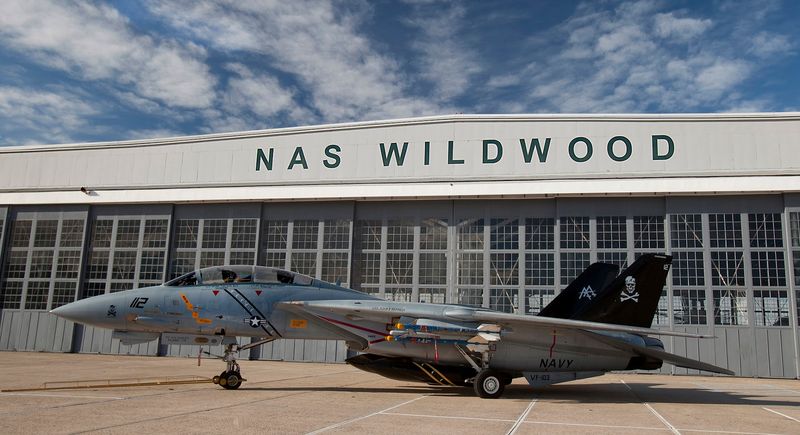
The building does half the storytelling before you even reach the aircraft. NAS Wildwood Aviation Museum sits inside historic Hangar #1 at Cape May Airport, an all-wood double-wide hangar assembled by the U.S.
Navy in 1942 from a kit delivered by railroad. During World War II, Naval Air Station Wildwood trained dive-bomber squadrons headed for the Pacific, and that history still gives the space a low, echoing seriousness beneath the family-friendly exhibits.
It is a strong pick if you want aviation history without the glass-case stiffness: expect aircraft, engines, military displays, hands-on pieces, and enough room for kids to move around without everyone whispering like they are in a library.
The hangar itself is on the state and national registers of historic places, which makes walking through it feel less like visiting a museum and more like stepping into the artifact.
One practical note: the hangar is not climate controlled, so dress for the season rather than the fantasy version of museum comfort. It is typically open daily from March through December, with weekday hours during January and February.
3. Millville Army Air Field Museum
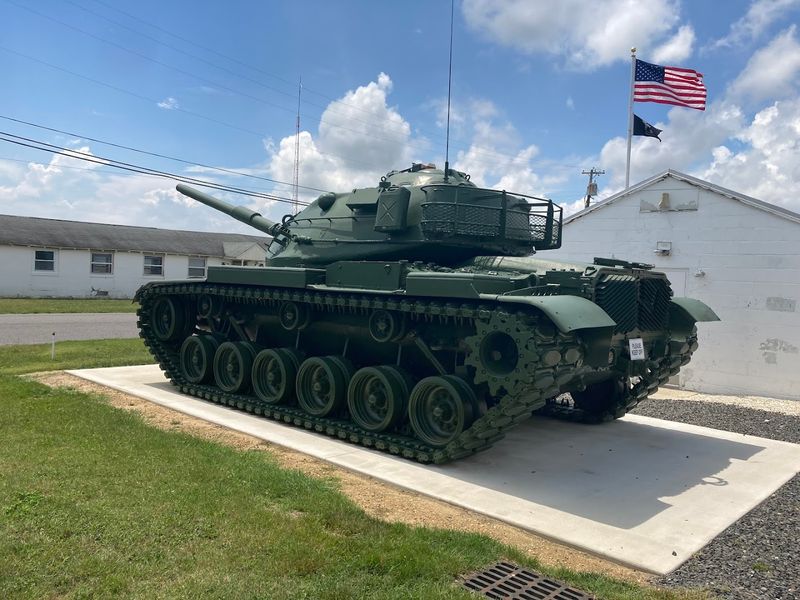
Before it became a museum stop, Millville’s airport had a much bigger job: it was dedicated in 1941 as “America’s First Defense Airport.”
By January 1943, the Millville Army Air Field was training fighter pilots, and the museum now tells the story of the people who passed through that wartime world. This is the kind of place that works especially well for visitors who like local history with national stakes.
You are not just looking at aviation as technology; you are seeing how a South Jersey airfield became part of the World War II training machine. The museum focuses on those who trained there, those who died there, and those who served in World War II and later conflicts.
That gives it a more personal, grounded feel than a museum built only around big shiny planes. Millville’s connection to P-47 Thunderbolt and P-40 Warhawk fighter training makes it especially appealing for military aviation buffs.
It is also a manageable visit, the sort of museum you can pair with a Cumberland County day trip rather than planning your whole weekend around it. Admission has historically been free, and regular hours have run Tuesday through Sunday, though tours and schedules are worth checking before heading out.
4. New Jersey Air Victory Museum
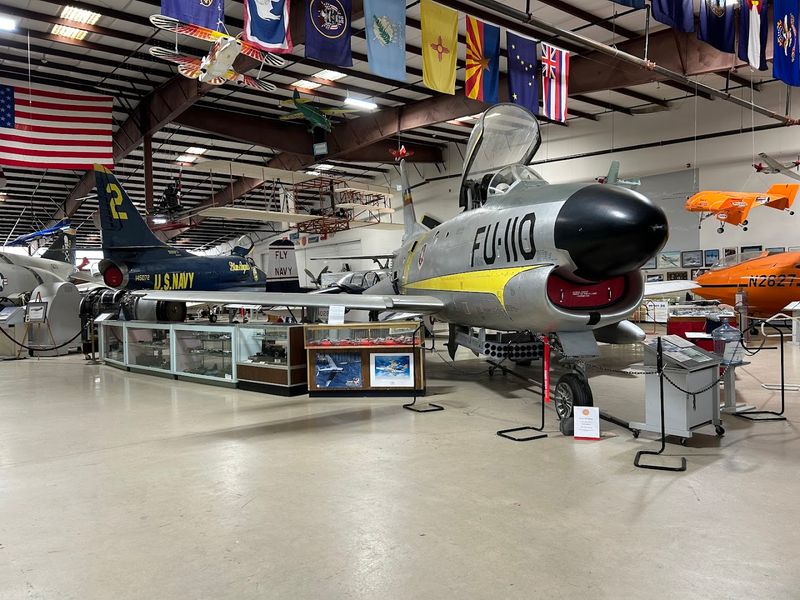
There is a certain thrill in standing near aircraft that look like they were built to make noise before they even start moving. The New Jersey Air Victory Museum in Lumberton leans into that feeling with one of the state’s larger collections of real warplanes, model aircraft, aviation artifacts, and research materials.
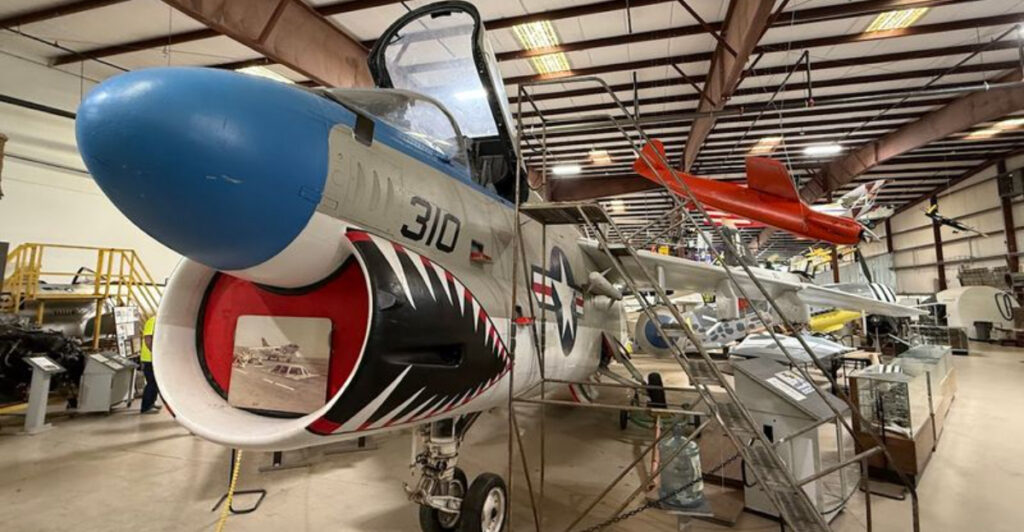
Its display list reads like a greatest-hits wall for military aviation fans: an A-4C Skyhawk, F-4A Phantom II, A-7B Corsair II, E-2B Hawkeye, F-14A Tomcat, T-34B Mentor, F-86L Sabre, RH-53D Sea Stallion, P-80A Shooting Star, and more.
The engine and ordnance displays add another layer for visitors who want to understand not just what flew, but what powered it and what these machines were designed to carry.
There is also a research library with rare books, newspapers, and blueprints tied to aviation and spaceflight, which gives the museum extra appeal for serious history types. It is located at South Jersey Regional Airport, so the setting fits the subject nicely.
Hours are limited to select days, and it is smart to check before going, especially because volunteer-run aviation museums can shift schedules when maintenance or staffing demands pop up.
5. New Jersey Museum of Transportation / Pine Creek Railroad
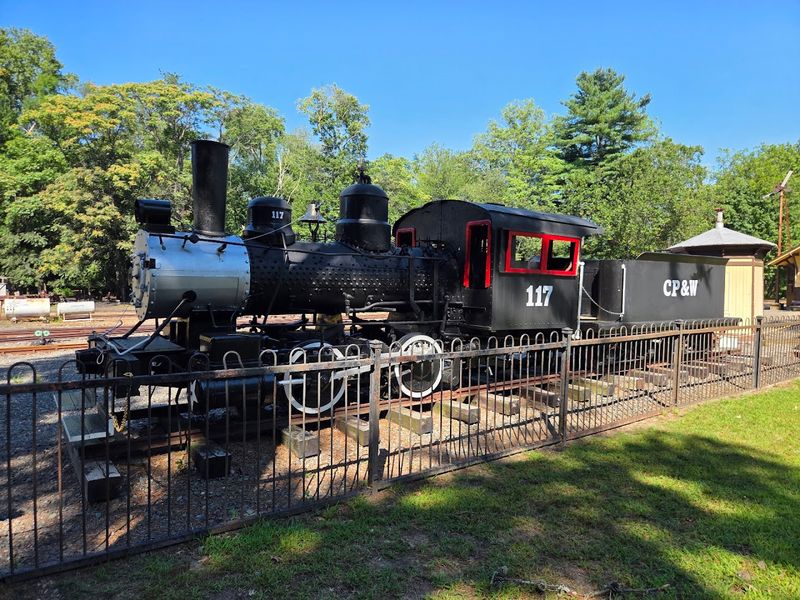
The first thing to know is that this is not just a museum where trains sit politely in retirement. At the New Jersey Museum of Transportation, better known to many families as Pine Creek Railroad, the main attraction is movement.
Located in Wall Township near Allaire State Park, it preserves and operates historic railroad equipment on a narrow-gauge tourist line, which means visitors get the charming click-clack payoff that static train displays cannot quite deliver.
Founded in 1952, it is considered one of the oldest continually operating narrow-gauge steam preservation railway exhibits in the country, and that longevity matters.
It gives the place a lived-in, volunteer-powered quality that train lovers tend to appreciate immediately. The rides are short enough for younger kids and nostalgic enough for adults who swear they are “just here for the children.”
Special trains often appear around holidays, and regular weekend operations are weather dependent, so this is one of those places where checking the day’s schedule saves disappointment.
Pairing it with Allaire makes for an easy history-heavy outing: trains, old buildings, picnic space, and just enough old-fashioned atmosphere to make your phone feel temporarily out of place.
6. Whippany Railway Museum
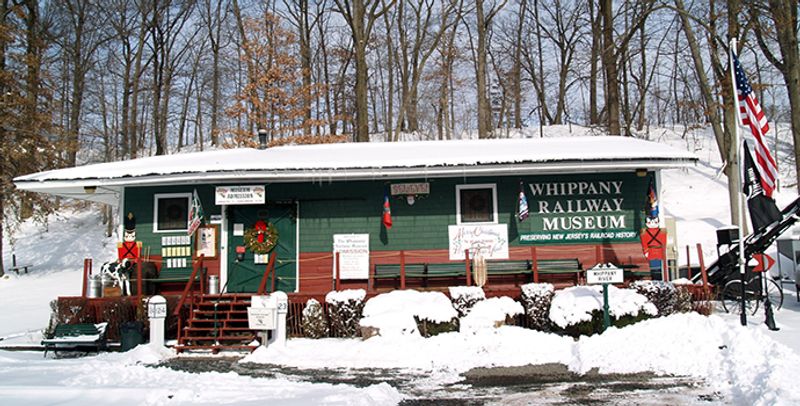
A restored freight house, a yard full of rail equipment, and the possibility of an excursion train make Whippany Railway Museum one of North Jersey’s most satisfying railroad stops.
It has been preserving New Jersey railway heritage since 1965, and the museum’s mission is refreshingly specific: restore, preserve, interpret, and operate historic railroad equipment and artifacts from New Jersey and the surrounding region.
Inside, displays often focus on a particular New Jersey or Morris County railroad, using models, photographs, paperwork, and artifacts to make railroad history feel local rather than abstract. Outside, the rolling stock is the big draw.
The collection includes cabooses, passenger cars, rail equipment, vintage displays, and notable pieces such as Southern Railway Steam Locomotive No. 385, a Whitcomb switcher, a fireless steam locomotive, and several historic cabooses.
It is especially good for visitors who like the nuts-and-bolts side of preservation: the museum feels like a place where people are actively saving equipment, not simply admiring it.
Public museum hours generally run Sundays from noon to 4 p.m. from April through October, with admission kept modest and special train events scheduled separately.
7. Maywood Station Museum
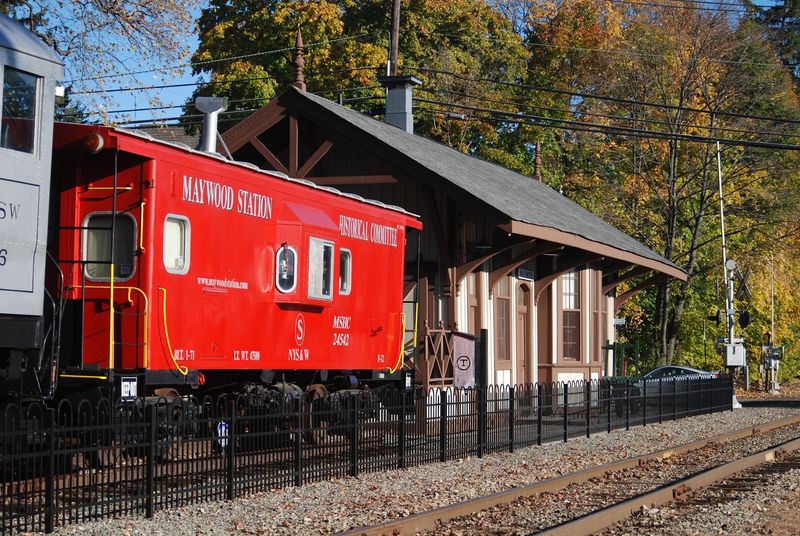
Sometimes the best railroad museums are the small ones that still feel tied to the tracks outside. Maywood Station Museum is housed in a historic New York, Susquehanna & Western Railway station in Bergen County, and its appeal comes from that close connection between building, town, and railroad.
This is not a giant rolling-stock yard; it is a compact local-history stop where photographs, documents, maps, displays, and artifacts build a timeline of Maywood Station, the NYS&W Railroad, nearby railroads, the borough, and the region around it.
The museum’s restored NYS&W ALCO S-2 locomotive and caboose give it extra visual punch, and the caboose has additional displays plus an operating model train layout.
That mix makes it a good fit for railroad fans who enjoy both the big machinery and the paperwork-and-stories side of transportation history. Exhibits change periodically, so repeat visitors may catch something different.
It also has the kind of volunteer-caretaker feel that can lead to unexpectedly great conversations if you happen to meet someone who knows the station’s stories by heart. Public openings vary through the year, and appointments have been used for groups, so treat it as a plan-ahead visit rather than a spontaneous rainy-day backup.
8. Waldwick Railroad Museum of Local History
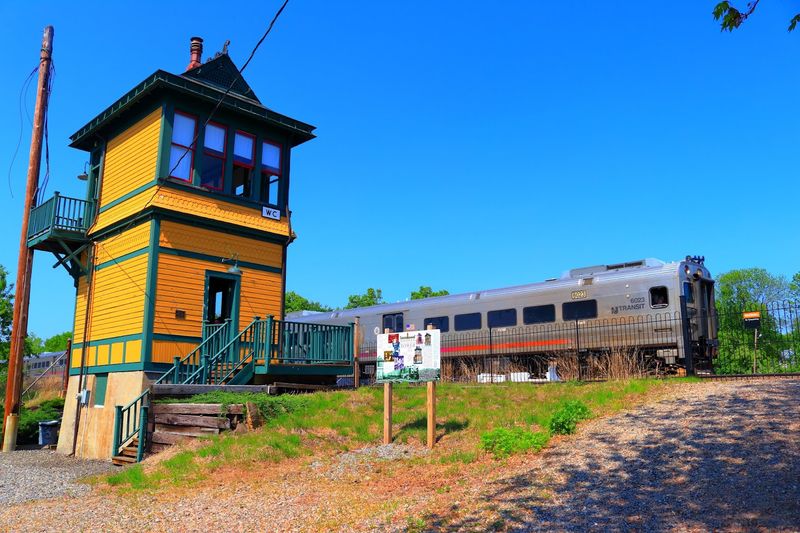
The old Waldwick station has the kind of survivor story preservation people love: built in 1887, neglected for decades, then brought back from the edge through a long restoration effort.
Now home to the Waldwick Railroad Museum of Local History, the Queen Anne-style station is one of the few remaining frame terminals predating 1900 on the Erie Railroad line in New Jersey.
That architectural detail matters because the building itself teaches you something before the exhibits even start. Inside, the focus stretches beyond trains into late-19th- and early-20th-century life, showing how the railroad shaped Waldwick’s growth, jobs, immigration patterns, businesses, and daily routines.
The museum’s collection includes historical photographs, documents, freight receipts, original lighting fixtures from the 1920s, part of the original yard fence, and an 1889 freight scale that still works. That last detail is exactly the kind of thing that makes a small local museum memorable.
The restored station sits near NJ Transit activity, which gives the whole visit a nice then-and-now contrast. It is best for people who like railroad history with a strong community angle rather than visitors looking for huge locomotives.
Tours and openings are limited, so check the current schedule before making the trip.
9. Phillipsburg Railroad Historians Museum
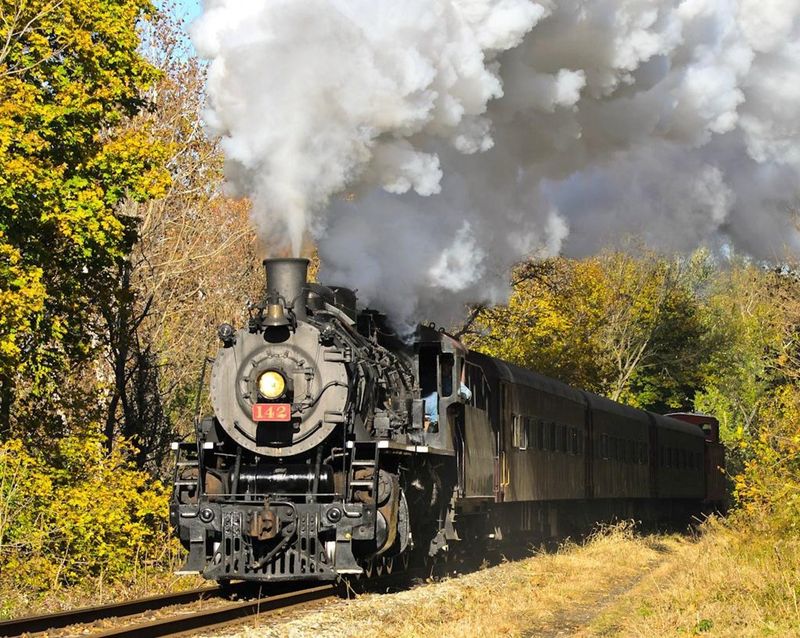
Phillipsburg has serious railroad bones, and this museum exists because a group of rail-interested volunteers decided those bones were worth saving.
Phillipsburg Railroad Historians was founded in 1990 to preserve local railroad history, and its collection has grown around both full-size railroad artifacts and the Centerville & Southwestern miniature railroad.
That miniature line has its own backstory: it began as the Becker Farm Railroad in Roseland and was later rescued and moved to Phillipsburg, where volunteers have continued rebuilding and operating it on selected dates.
The museum also maintains equipment tied to the region’s railroad past, including Lehigh & Hudson River cabooses, a GE 25-ton locomotive, a GE 44-ton locomotive, a flanger, and other rolling stock.
This is not a polished corporate museum; its charm is closer to a working preservation site where projects are visible and restoration is part of the story. Open houses and special operating days are the best time to go, especially if you want the miniature railroad experience.
The schedule can be selective rather than weekly, so plan around posted dates. For train lovers, that extra planning is worth it because Phillipsburg’s rail history feels wonderfully specific here, not borrowed from somewhere else.
10. Northlandz Miniature Wonderland
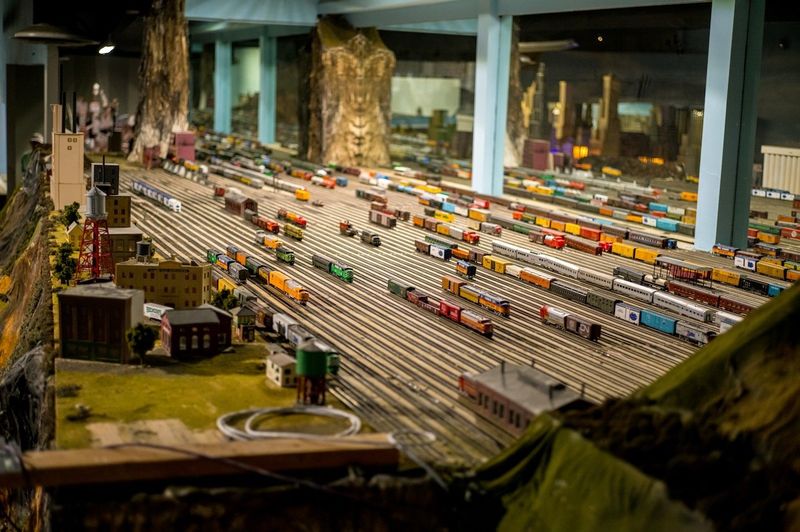
At Northlandz, restraint is not the point. This Flemington attraction is a three-dimensional love letter to model railroading, and it goes so far over the top that even people who “aren’t train people” usually end up pointing at bridges, tunnels, towns, cliffs, and tiny scenes like they have been assigned a scavenger hunt.
The museum is known for its massive miniature railroad layout, recognized by Guinness World Records, with miles of track, hundreds of bridges, more than 100 trains, mountains, tunnels, trees, and detailed handcrafted structures.
It was built by artist and model train enthusiast Bruce Williams Zaccagnino, and that matters because the place feels more like one person’s giant imagination made physical than a conventional museum.
Along with the indoor model railroad, there is a doll museum, a play area for kids, and an outdoor train ride when weather allows. This is the most playful stop on the list, but it still belongs here because model railroading is transportation history filtered through craftsmanship, obsession, engineering, and spectacle.
Northlandz is open seven days a week, and because the layout is extensive, give yourself more time than you think you need. You will almost certainly stop more than planned.
11. Vintage Automobile Museum of New Jersey
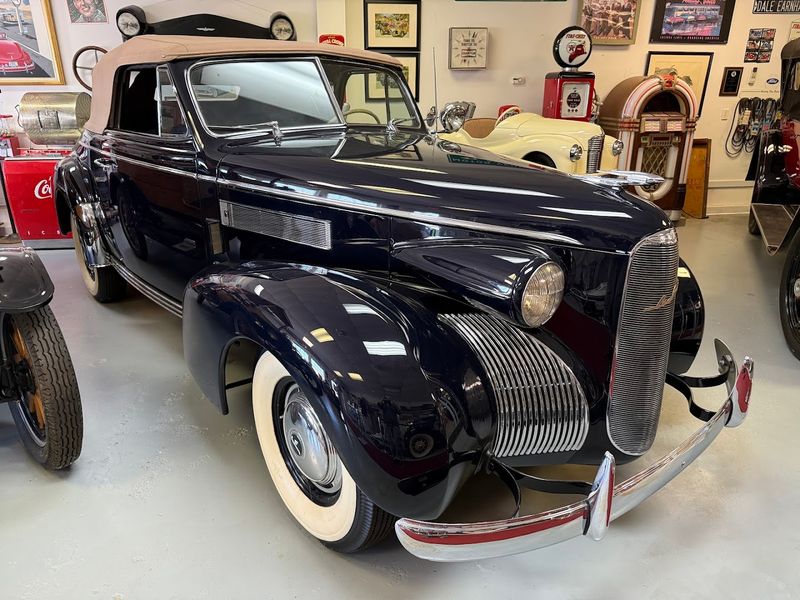
A good car museum should make you slow down, and this Point Pleasant spot does exactly that. The Vintage Automobile Museum of New Jersey offers close-up looks at classic cars and automotive memorabilia, with a collection spanning more than 75 years from the turn of the century through the Fabulous Fifties and beyond.
What makes it especially enjoyable is the scale. It is not an overwhelming warehouse where vehicles blur together; it is more intimate, which lets you actually notice hood ornaments, dashboards, upholstery, wheel shapes, paint colors, and the small design choices that make old cars feel so expressive.
The displays rotate, so one visit might lean into a certain era or even a special theme, while another may bring in different vehicles. That keeps the museum from feeling frozen.
It is also in the same Johnson Brothers Boat Works building complex as the New Jersey Museum of Boating, making it easy to pair two transportation museums in one outing. Admission is free, the museum is typically open Friday through Sunday from noon to 4 p.m., and volunteer hosts are part of the experience, so ask questions.
Car people usually have stories, and this is the right room for them.
12. New Jersey Maritime Museum
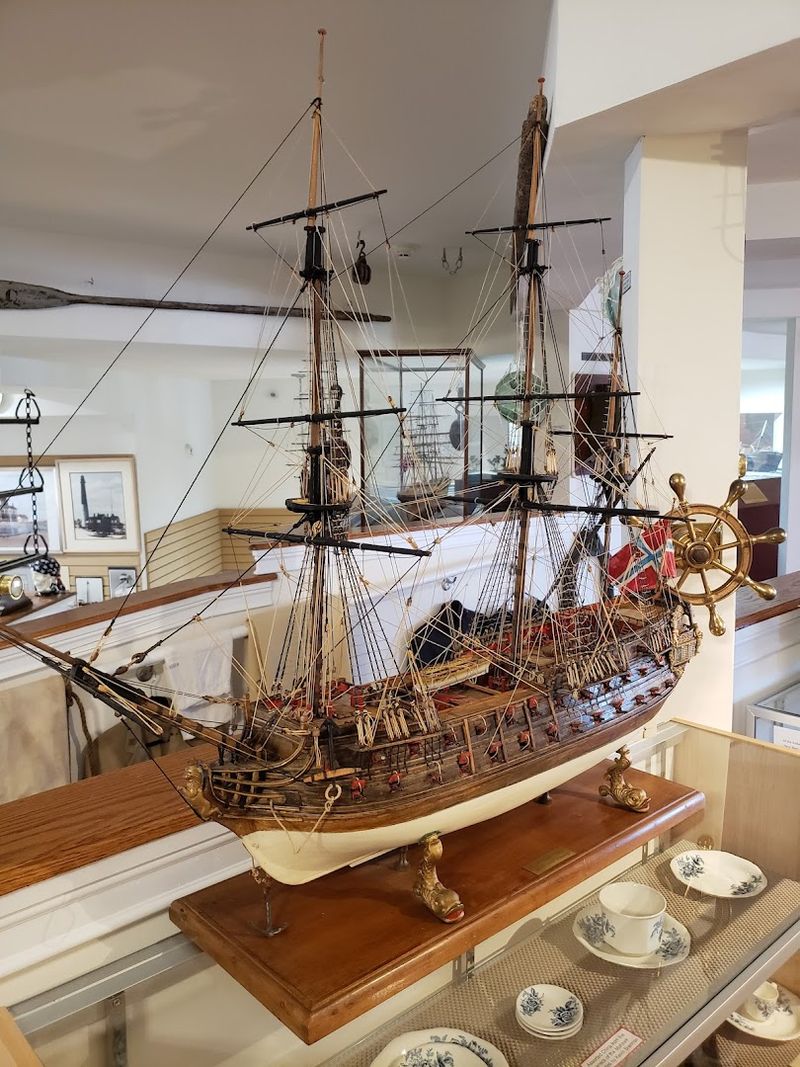
The Shore has plenty of beach history, but the New Jersey Maritime Museum in Beach Haven digs into the deeper, saltier version. This Long Beach Island museum is devoted to New Jersey’s maritime past, with rare nautical artifacts, photos, U.S.
Lifesaving Service record books, shipwreck material, diving history, and a library of maritime, New Jersey, and diving-related books. It is the sort of place where the ocean stops being scenery and becomes a working, dangerous, fascinating highway.
That makes it especially good for visitors who are drawn to shipwrecks, coastal rescues, old maps, maritime disasters, and the people who lived with the water as a job rather than a vacation backdrop.
The museum’s location in Beach Haven also makes it easy to fold into an LBI day, though it deserves more than a quick “we have twenty minutes before dinner” stop.
Exhibits reward slow looking, especially if you are the kind of person who reads labels and gets pulled into old photographs. Seasonal hours vary: it is generally open daily in June, July, and August, and Friday through Sunday from September through May.
For history lovers, it adds a thoughtful counterweight to the usual Shore routine.
13. Tuckerton Seaport & Baymen’s Museum
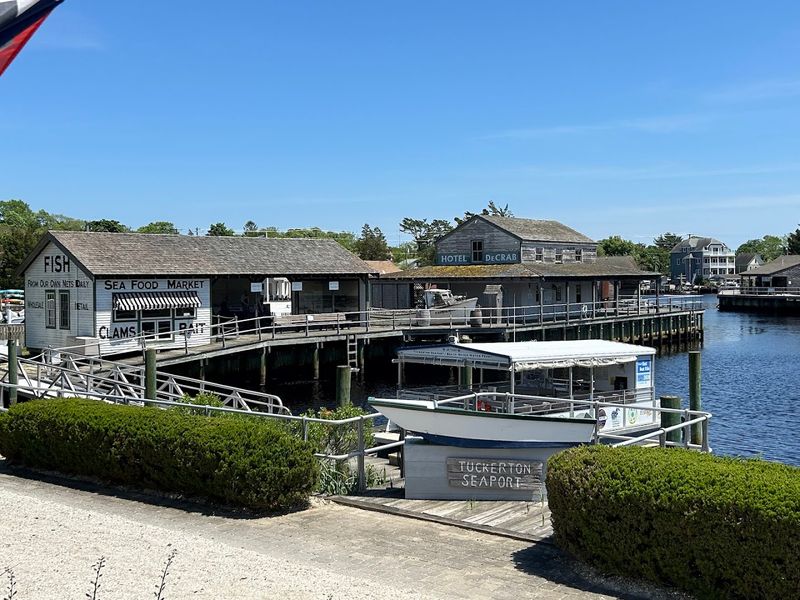
The smell of creek water and weathered wood does a lot of work at Tuckerton Seaport. Set on 40 acres along Tuckerton Creek, this is less a single-building museum and more a working maritime village built around Jersey Shore coastal culture.
The focus is on baymen, boatbuilding, decoys, folk traditions, the environment, and the daily skills that shaped life around Barnegat Bay. That gives it a different rhythm from the aviation and rail museums on this list.
You wander between buildings, demonstrations, exhibits, and waterfront views rather than moving from case to case. Programs aboard the Pohatcong II, narrated creek tours, ferry connections, classes, oral histories, and artist demonstrations all help the place feel alive instead of preserved under glass.
It is especially strong for readers who love history but also want texture: carved decoys, working boats, stories from local communities, live aquatic displays, and the sense that the Shore was built by labor as much as leisure. Admission is modest, with children under 5, active military, veterans, and members admitted free.
Winter hours are limited, but the Seaport is open year-round, which makes it a nice off-season Shore stop.
14. Battleship New Jersey Museum & Memorial
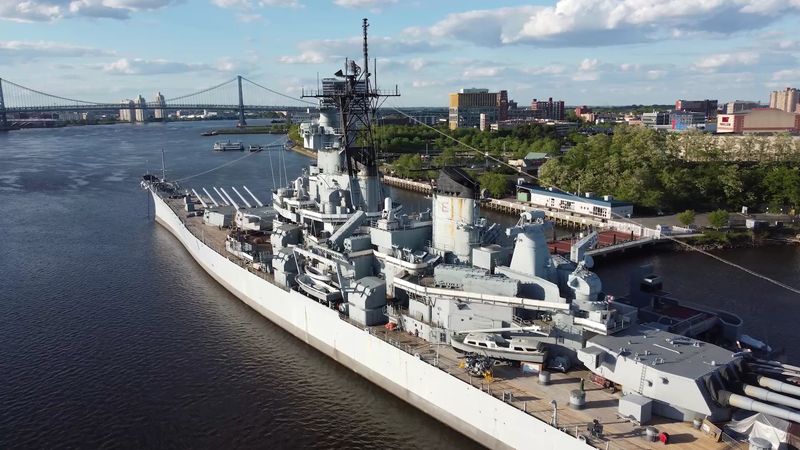
You do not really “enter” the Battleship New Jersey so much as board it, and that small difference changes everything. Moored on the Camden Waterfront, this museum lets visitors explore the longest, fastest, and most decorated U.S. battleship ever built.
The scale is the hook: massive guns, tight passageways, berthing spaces, the navigation bridge, the Admiral’s Cabin, the Combat Engagement Center, and enough ladders and steel to remind you that naval history was lived in cramped, noisy, disciplined quarters. It is one of the most physical museum experiences in the state.
You are not simply reading about sailors; you are walking through where they slept, worked, ate, planned, and waited. The ship’s story stretches from World War II through Korea, Vietnam, and the 1980s, which gives it a broader timeline than many single-era military museums.
There are self-guided and guided tours, plus special experiences like overnight encampments and add-on opportunities tied to the ship’s guns. It is open daily from 10 a.m. to 5 p.m., with final boarding at 4 p.m.
Wear comfortable shoes, expect stairs and tight spaces, and give yourself enough time to let the ship feel as huge as it is.