A tunnel wall suddenly flashes neon green under ultraviolet light. A tiny wooden door appears at the base of a tree.
A quiet cranberry village sits beyond sandy Pine Barrens roads, looking as if everyone just stepped away for lunch in 1910. New Jersey has plenty of big-ticket stops, but some of its best places ask you to slow down, squint a little, and follow the odd sign you almost drove past.
These are not the attractions shouting from every billboard. They are the ones people mention with a lowered voice, as if handing over a secret.
You might end up underground, beside a marsh full of birds, inside an old company town, or staring through a telescope at a sky that feels surprisingly dark for New Jersey. That is the fun of this list: every stop has that “how did I not know about this?” feeling.
1. Sterling Hill Mining Museum, Ogdensburg
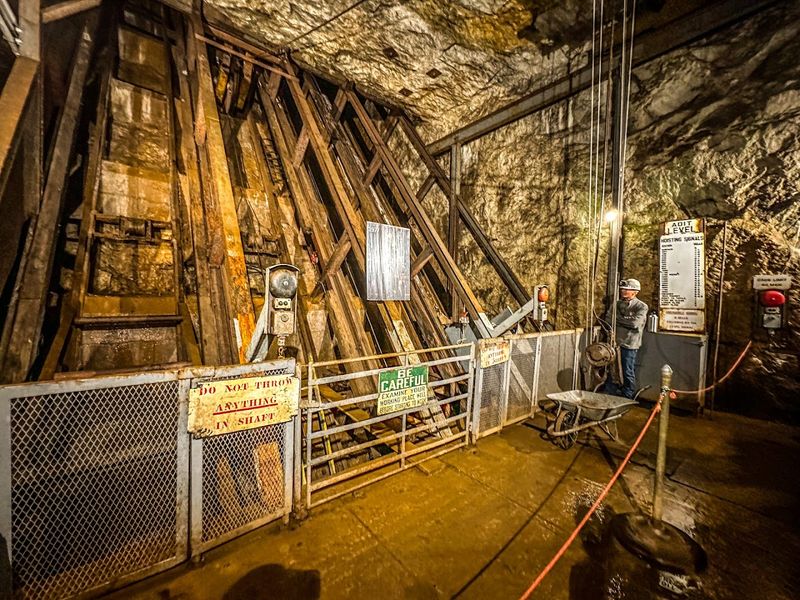
There is a moment on the Sterling Hill mine tour when the lights go down and the rock itself seems to wake up. Under ultraviolet light, the famous fluorescent minerals glow in wild streaks of green and orange, turning an old zinc mine into something that feels part science lesson, part magic trick.
That glow is the reason many people come, but the whole place is worth the drive to Ogdensburg.
This was once a working mine, and the tour takes you into actual underground passages where guides explain how miners worked, what they pulled from the earth, and why this corner of Sussex County became such a big deal in geology circles.
It is not polished in a theme-park way, which is exactly the charm. You see equipment, tunnels, mineral displays, and the kind of heavy industrial bones that make the history feel close.
Wear comfortable shoes and bring a layer, because underground spaces do not care what the weather is doing outside. Families like it because kids get the wow factor of glowing rocks; adults like it because there is much more history here than expected.
It is the rare museum where “don’t touch the walls” and “look at that rock glow” can both be part of the same afternoon.
2. South Mountain Fairy Trail, Millburn
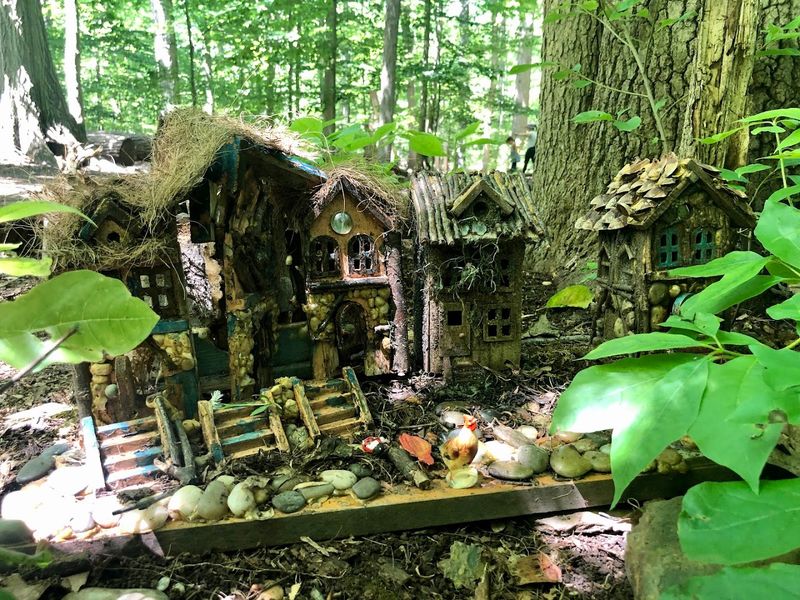
The first fairy house usually catches people off guard.
One minute you are walking through South Mountain Reservation like it is a normal wooded trail, and the next there is a tiny door tucked into tree roots, a miniature ladder leaning against bark, or a little handmade dwelling that looks like it belongs to someone with excellent taste and very small shoes.
The South Mountain Fairy Trail starts near the Locust Grove area in Millburn, making it one of the easiest hidden-feeling outings in North Jersey. The path is gentle enough for a casual walk, but it still has enough woodland texture to feel like an escape.
The real fun is in slowing down. Kids rush ahead looking for the next tiny scene, while adults pretend they are only admiring the craftsmanship.
This is a public park, so the best approach is simple: go during daylight hours, stay on the trail, and treat the fairy houses like outdoor art rather than toys. It is especially good for families, visiting relatives, or anyone who claims they “just want a short walk” and then ends up taking thirty photos of mossy miniature front doors.
It is whimsical without being sugary, and that is a tricky little spell to pull off.
3. Deserted Village of Feltville, Berkeley Heights
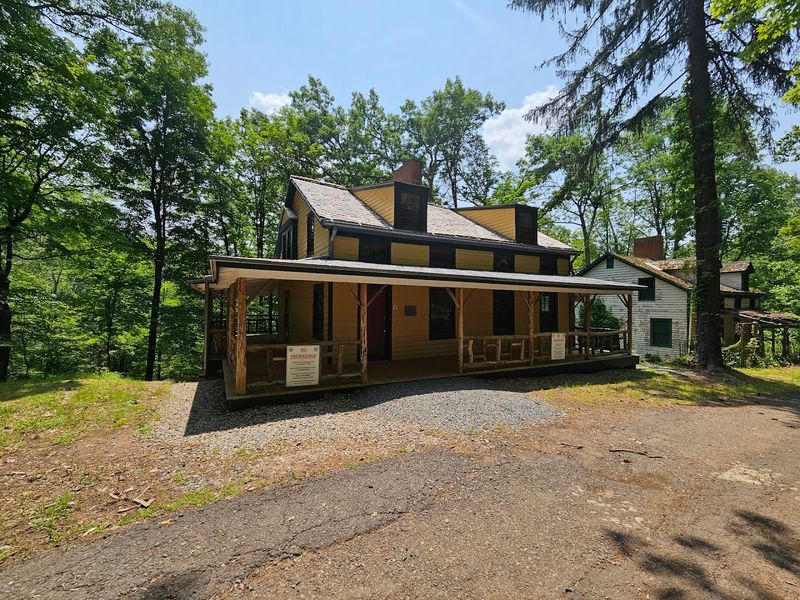
A row of old houses in the woods always feels like the beginning of a story. At the Deserted Village of Feltville in Watchung Reservation, that story has several chapters: mill village, planned community, summer resort, abandoned oddity, and now one of Union County’s most intriguing historic walks.
The site dates back to the 1800s, when businessman David Felt developed the area as a small manufacturing village. Later, it was reimagined as Glenside Park, a resort where city-weary visitors came for fresh air.
Today, the surviving buildings sit among trees and trails, giving the place a strange, calm quality. It is not “haunted attraction” spooky.
It is better than that: quiet, layered, and just mysterious enough to make you read every sign. Come here with time to wander.
The Watchung Reservation setting means you can pair the village with a longer hike, but even a short stop gives you plenty to look at. The old cottages, church-store building, and interpretive markers help the past come into focus without making the visit feel like homework.
Feltville is ideal for people who like history with a little atmosphere around the edges. You do not need dramatic ruins to feel the pull of a place that has been lived in, renamed, repurposed, and left behind.
4. Whitesbog Historic Village, Browns Mills
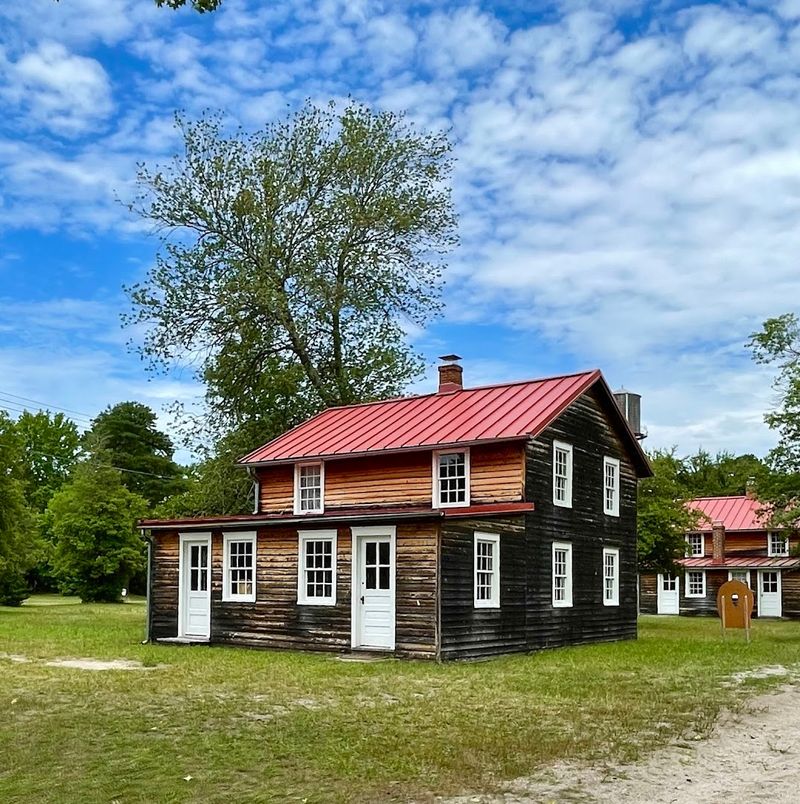
Cranberries, blueberries, sandy roads, and weathered buildings make Whitesbog feel like a place New Jersey has been keeping in its back pocket.
Set in the Pine Barrens near Browns Mills, this historic village is tied to cranberry farming and the development of the cultivated highbush blueberry, which is a pretty impressive legacy for a place that still feels so quiet.
The charm here is not one big showpiece. It is the collection of small things: the village buildings, the old general store, the cranberry bogs, the blueberry fields, and the flat, sandy paths that lead you deeper into the landscape.
You can walk, poke around, take photos, and get a better sense of how agriculture shaped this part of the state. It is especially lovely when the light hits the bogs just right, turning the water and grasses into something almost painterly.
Whitesbog works best for visitors who enjoy wandering without needing every minute scheduled. There are events and tours at times, but even a low-key visit gives you that rewarding feeling of having found a whole little world.
Bring shoes you do not mind getting dusty, and do not expect a flashy attraction. Expect Pine Barrens quiet, old farm-village texture, and the surprising thrill of realizing breakfast history happened right here.
5. Batsto Village, Hammonton
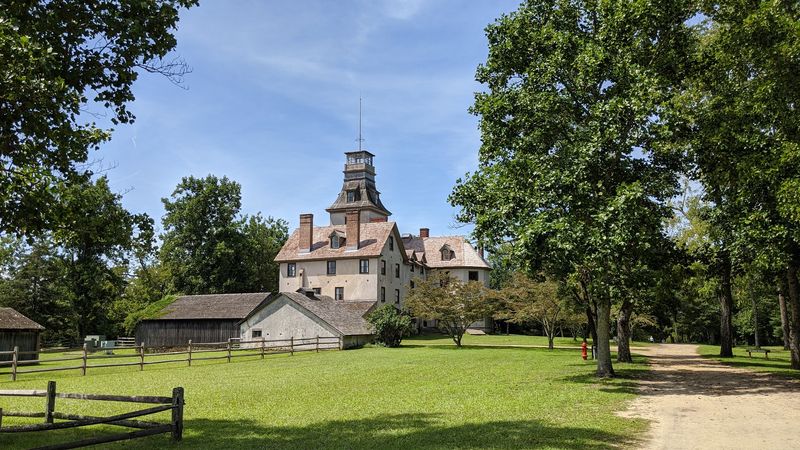
The road into Batsto sets the mood before you even park. Pines press in, the landscape gets quieter, and then suddenly there is a preserved village with a mansion, workshops, outbuildings, and enough history to make you wonder why it is not on every New Jersey day-trip list.
Batsto’s roots go back to the 1700s, when the area became known for iron production before later chapters brought glassmaking, farming, and the influence of Joseph Wharton. Today, the village sits within Wharton State Forest, and that setting is a huge part of the appeal.
You are not just stepping into a historic site; you are stepping into a Pine Barrens landscape where the buildings feel tied to the water, roads, and woods around them. Visitors can explore the grounds, stop by the visitor center, check out preserved structures, and often tour the mansion depending on availability.
It is a strong choice for history lovers, photographers, and anyone who wants a day trip that does not require rushing from one thing to the next. The village has room to breathe.
That makes it easy to imagine the noise of a working industrial community, even while standing in a place that now feels wonderfully still.
6. Roebling Museum, Roebling
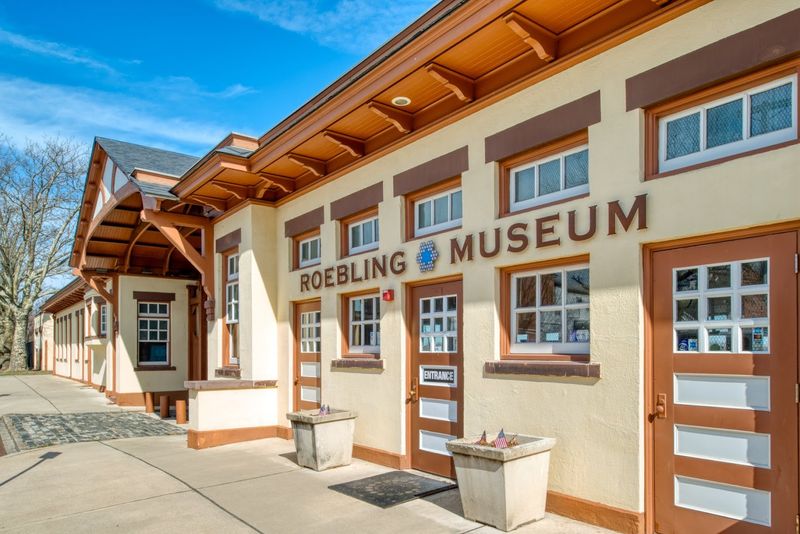
Steel cable does not sound romantic until you realize how much of modern America depended on it. The Roebling Museum tells the story of a company town built around John A.
Roebling’s Sons Company, whose wire rope and engineering work helped make some of the country’s most famous bridges possible. The museum sits in Roebling, a Burlington County town with industrial history built right into its streets.
This is not just a collection of old tools behind glass. It is a window into how workers lived, how immigrant families shaped the community, and how a New Jersey mill became connected to massive feats of engineering.
Bridge fans will have plenty to geek out over, but the human side of the story is just as strong. Give yourself time to look beyond the exhibits.
The surrounding mill-site landscape and company-town layout help the pieces click into place. You start to see how work, housing, ambition, and invention all braided together here.
It is the kind of museum that leaves you noticing suspension bridges differently afterward. Suddenly, all that cable and steel has a hometown, and it is sitting quietly along the Delaware River with more stories than most people expect.
7. InfoAge Science and History Museums, Wall Township
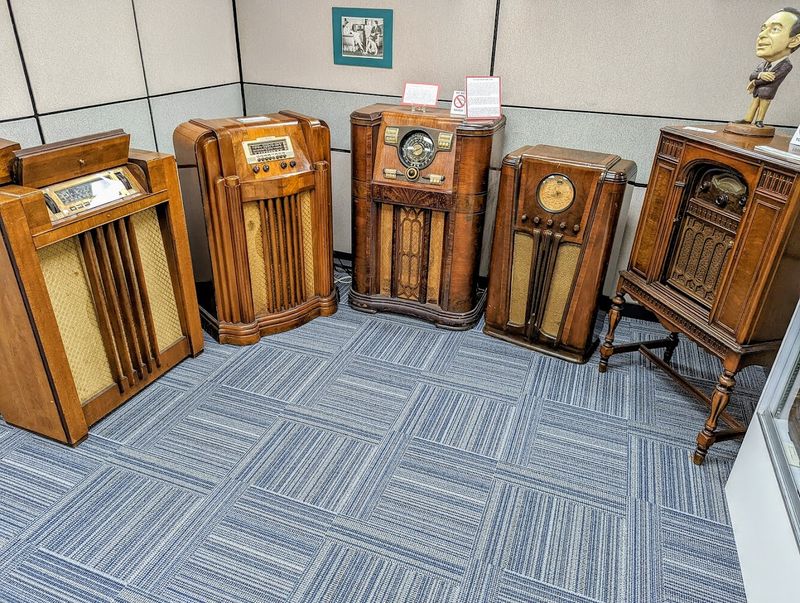
A former military site packed with radios, computers, shipwreck lore, model trains, space-age equipment, and hands-on science sounds like something a kid invented after being told to design the perfect museum. Somehow, it exists in Wall Township.
InfoAge Science and History Museums occupies part of the historic Camp Evans site, and the result is one of the most wonderfully oddball museum experiences in the state. The scale is part of the surprise.
This is not one tidy gallery you can breeze through in twenty minutes. InfoAge spreads across multiple buildings and includes a mix of museums and exhibits connected to communications, military history, electronics, innovation, and more.
Depending on what is open when you go, you might move from vintage radios to World War II history to early computers without ever feeling like the place is trying too hard to impress you. The best visits happen when you embrace the volunteer-powered personality of the place.
Ask questions. Read the signs.
Let yourself wander into the exhibit you did not expect to care about. InfoAge has a garage-lab energy, in the best way, where the passion behind the displays is obvious.
It is perfect for curious people, science-minded kids, and adults who still like buttons, machines, and stories about how technology got weird before it got sleek.
8. Rutgers Geology Museum, New Brunswick
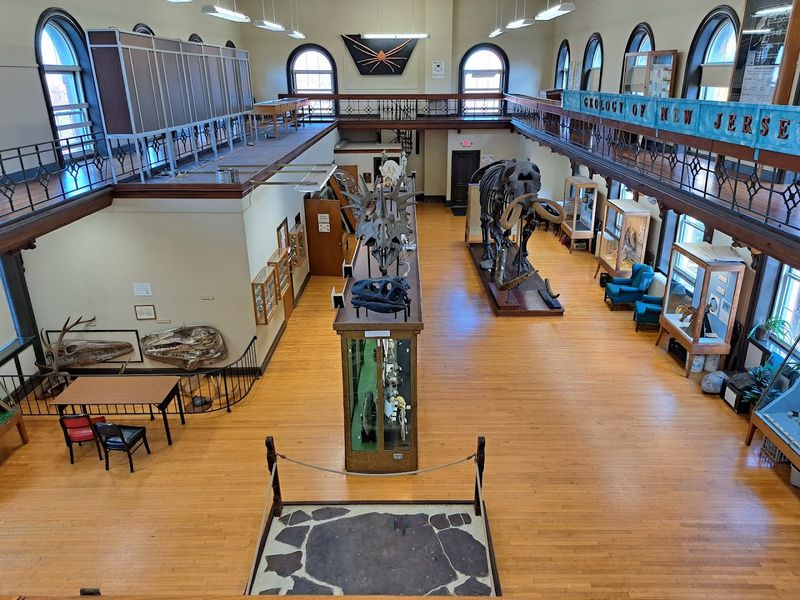
Upstairs in a Rutgers building, not far from the bustle of New Brunswick, a mastodon waits. That alone should be enough to get people through the door, but the Rutgers Geology Museum has more going for it than one impressive ancient skeleton.
Founded in the 19th century, the museum is one of those classic campus treasures that feels almost too easy to miss. Inside Geology Hall, visitors find fossils, minerals, natural history displays, and objects that connect New Jersey to much bigger stories about Earth’s past.
It is compact, but not thin. You can spend a satisfying amount of time here without needing a full museum day, which makes it a smart add-on to lunch in New Brunswick or a Rutgers campus stroll.
The free admission is a major bonus, especially for families, students, and anyone who likes a good low-cost find. Check current hours before going, since university museums can keep more limited schedules than larger attractions.
Once inside, take your time with the mineral cases and the prehistoric displays.
There is something delightful about finding real natural history tucked into a busy college town, especially when the reward includes standing near a mastodon and thinking, very reasonably, “New Jersey had this?”
9. The Stickley Museum at Craftsman Farms, Morris Plains
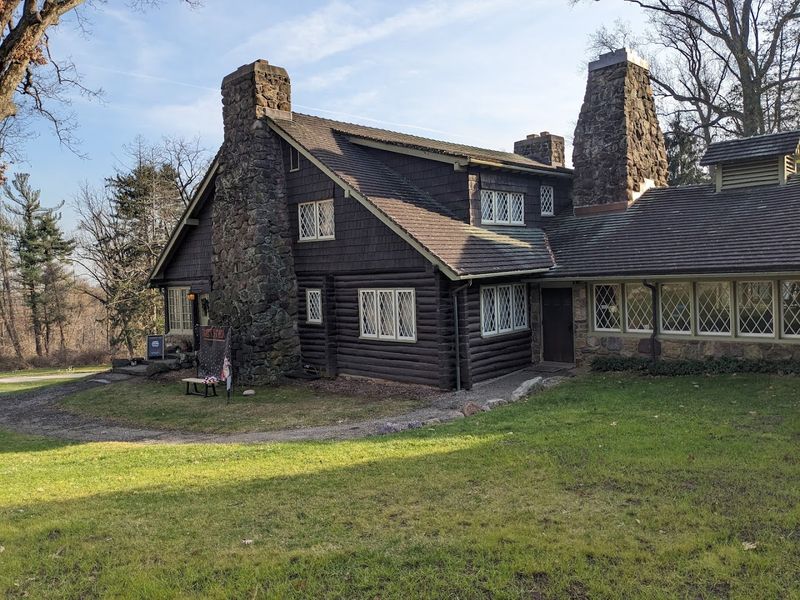
The Log House at Craftsman Farms has the rare confidence of a building that knows exactly what it wants to be. Heavy wood, clean lines, thoughtful proportions, and a deep sense of intention make the Stickley Museum feel less like a house tour and more like stepping inside a design philosophy.
Gustav Stickley, a major figure in the American Arts and Crafts movement, built Craftsman Farms in the early 20th century as an expression of his ideas about architecture, furniture, landscape, and everyday life. The site now operates as a historic house museum, and the guided tours are the real reason to go.
They help explain not just what you are seeing, but why it mattered: the materials, the handmade details, the reaction against fussy excess, and the belief that good design could shape a better way of living. This is a strong pick for anyone who likes old houses, furniture, architecture, or quiet places with a lot of personality.
It is not loud or oversized, which works in its favor. You notice the joinery, the light, the rooms, the way the house sits on the land.
By the end, you may find yourself judging your own furniture a little more harshly, but that is a risk worth taking.
10. Pequest Trout Hatchery and Natural Resource Education Center, Oxford
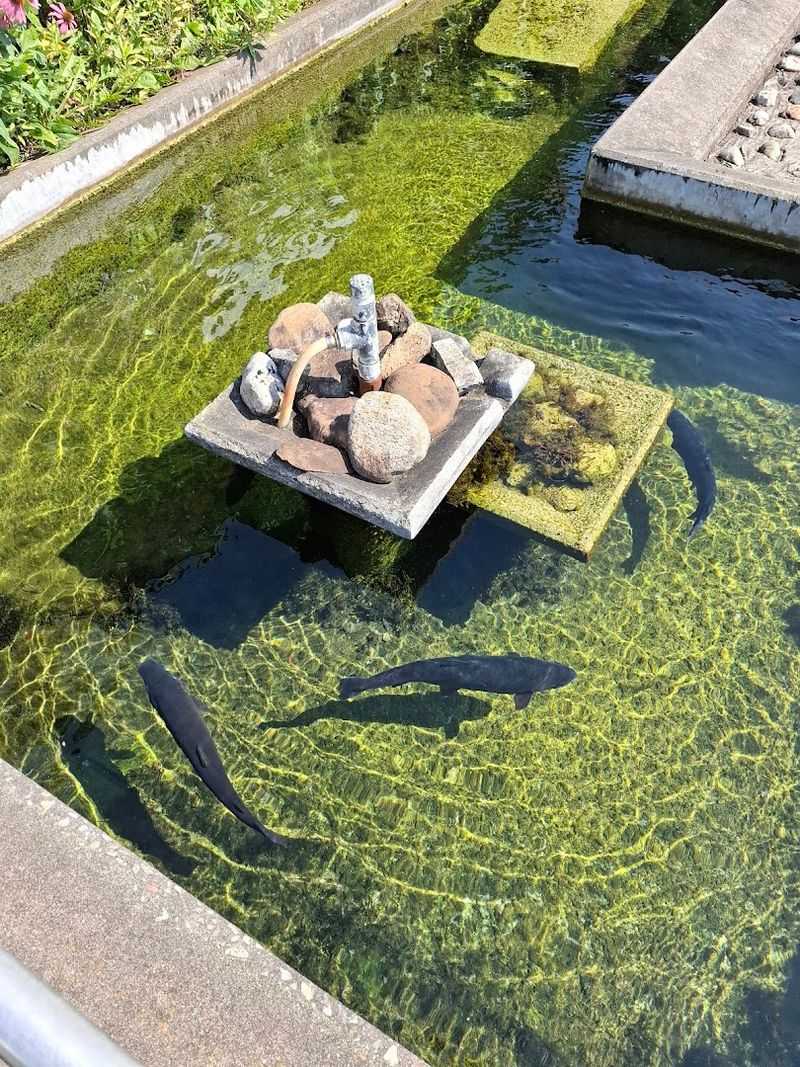
Rows of trout moving through long concrete raceways make a surprisingly hypnotic sight. At Pequest Trout Hatchery in Warren County, the machinery of conservation is right there in front of you: cold water, careful systems, and thousands upon thousands of fish being raised for New Jersey waterways.
Pequest is the state’s trout hatchery and also a natural resource education center, which means it works for both casual visitors and people who want to understand more about fishing, habitats, and wildlife management.
The setting near Oxford gives it a peaceful, rural feel, and the surrounding wildlife management area adds to the sense that you are visiting a working outdoor classroom rather than a standard attraction.
This is an especially good stop for families with kids who like animals, anglers who want a behind-the-scenes look, or anyone who enjoys places that explain how everyday outdoor recreation actually happens. You can watch trout in different stages, explore educational exhibits, and sometimes catch programs depending on the schedule.
It is not flashy, and that is the point. Pequest turns a simple question—where do stocked trout come from?—into a real outing. Add a walk nearby, and it becomes one of those easy, unfussy New Jersey finds that is more interesting than it first sounds.
11. UACNJ Observatory at Jenny Jump State Forest, Hope
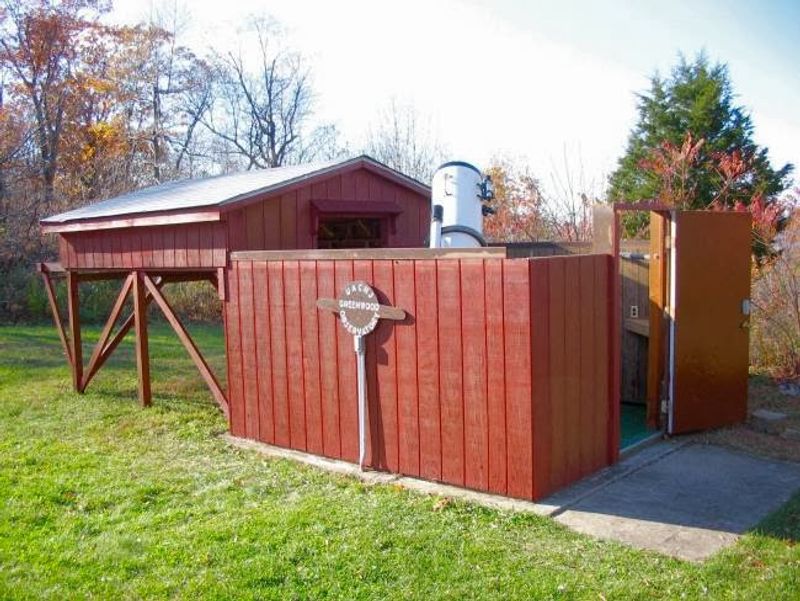
On the right night, Jenny Jump State Forest feels farther from New Jersey’s highways and shopping centers than the map says it is. The UACNJ Observatory takes advantage of that darker Warren County sky, giving visitors a chance to look up with people who truly know what they are seeing.
The observatory is run by the United Astronomy Clubs of New Jersey, and public programs are typically held on select Saturday evenings during the warmer months. The format is simple and satisfying: an astronomy presentation followed, weather permitting, by observing through telescopes.
That “weather permitting” part matters, because clouds have no respect for your weekend plans. Still, when the sky cooperates, it can be a memorable night.
This is one of the best entries on the list for people who want something different from the usual afternoon attraction. Bring patience, a jacket, and realistic expectations.
Astronomy rewards those who slow down. You might see planets, star clusters, the moon in startling detail, or deep-sky objects that make everyone around the telescope go quiet for a second.
The setting inside Jenny Jump also adds to the experience. You are not just looking at space; you are doing it from one of New Jersey’s loveliest high, wooded places.
12. Tulpehaking Nature Center and Abbott Marshlands, Hamilton
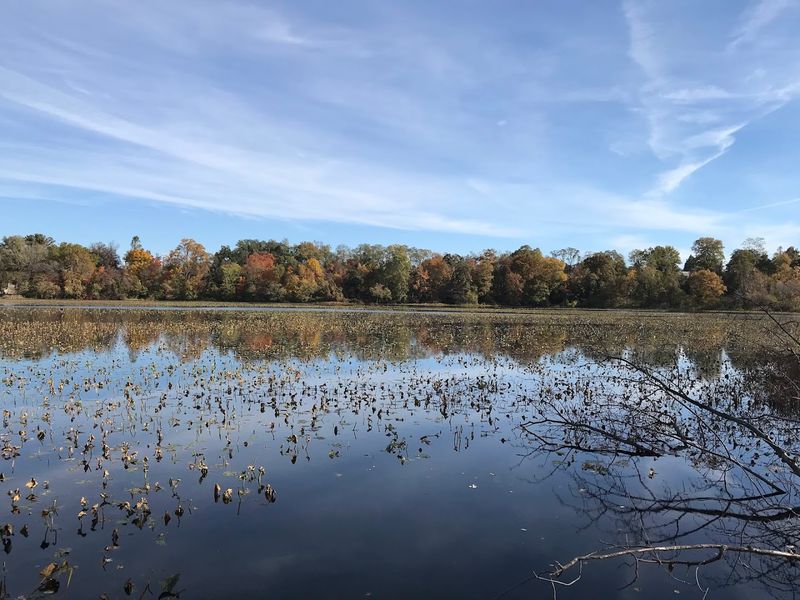
The Abbott Marshlands are the kind of place that proves “quiet” does not mean “empty.” Reeds move, birds flash between trees, frogs announce themselves, and the water carries the slow, muddy confidence of a landscape that has been important for a very long time.
Tulpehaking Nature Center in Hamilton serves as a gateway to the marshlands, giving visitors context before they head outside.
Exhibits and programs touch on nature, science, and archaeology, which makes sense here. The area is not just pretty; it is ecologically and culturally rich, with layers of human and natural history sitting close together.
That combination gives a simple walk more weight. This is a rewarding stop for birdwatchers, families, cyclists, and anyone who needs a reset without driving to the shore or the mountains.
Start at the nature center, then use the trails and nearby marsh access to shape the visit around your energy level. Some days, the best plan is to move slowly and see what appears: a heron, a turtle, a patch of wildflowers, or a view that makes Mercer County feel unexpectedly wild.
Tulpehaking and Abbott Marshlands are not loud about their appeal. They wait for you to pay attention, then keep giving you reasons to stay a little longer.
13. Shippen Manor Museum and Oxford Furnace, Oxford
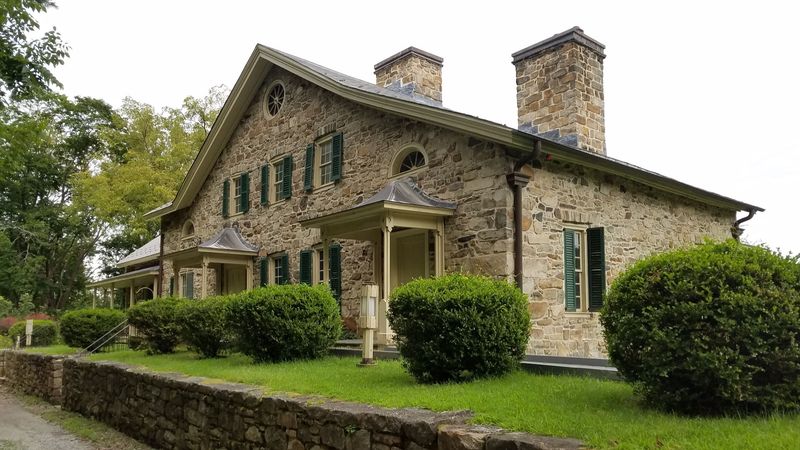
Iron history has a way of hiding in plain sight in Warren County. In Oxford, Shippen Manor and Oxford Furnace sit close enough to make a compact, satisfying history stop, but the story they tell reaches far beyond the size of the visit.
Shippen Manor is an 18th-century ironmaster’s residence, the kind of stone house that immediately suggests status, industry, and a good view of everything happening below. Nearby Oxford Furnace adds the heavier industrial piece of the story.
It is considered one of New Jersey’s important surviving furnace sites, and together the manor and furnace help explain how iron production shaped this part of the state. This is not a place where you rush in expecting spectacle.
It is better for visitors who enjoy connecting dots: house to furnace, owner to worker, raw material to finished product, small town to larger industrial network. Check tour availability for the museum before making a special trip, since historic house access can vary.
Even if your visit is brief, the pairing is worthwhile. Oxford’s iron past feels especially tangible here because the domestic and industrial sides are so close together.
You can stand near the furnace, then look toward the manor and understand, without much explanation, how power was arranged on the landscape.
14. The Raptor Trust, Millington
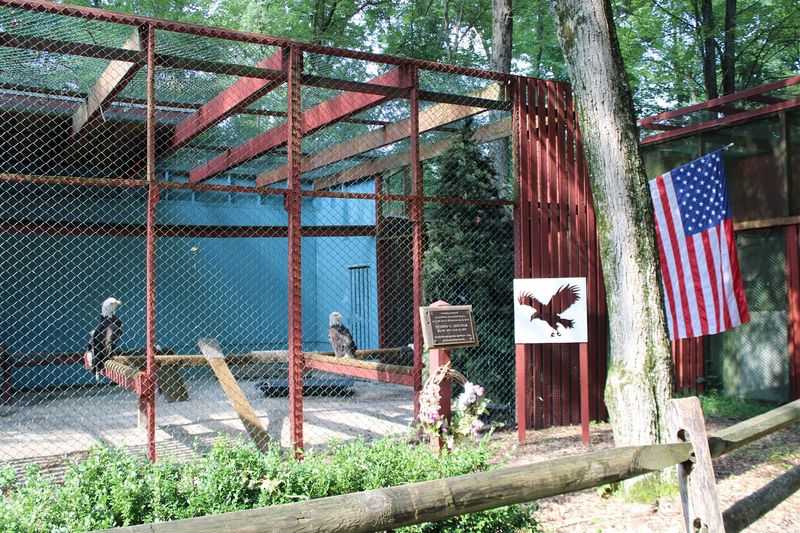
A bald eagle looking straight at you has a way of ending small talk. At The Raptor Trust in Millington, visitors can see hawks, owls, falcons, vultures, and other birds of prey up close while supporting a place built around rehabilitation and education.
The Trust provides medical care for injured and orphaned wild birds, and some birds that cannot safely return to the wild become part of the educational side of the facility. That distinction matters.
This is not a zoo trying to entertain you with animals. It is a working wildlife rehabilitation center with public areas where visitors can learn what these birds are, how they live, and why human choices affect them.
The setting near the Great Swamp adds to the visit, especially if you pair it with a nature walk in the area. Go quietly, give the birds space, and read the information posted around the enclosures.
The personalities are hard to miss: the stern owl, the watchful hawk, the vulture that looks like it knows something you do not. It is a moving stop, but not a gloomy one.
The Raptor Trust leaves you with a sharper eye for the birds overhead, which is one of the best souvenirs a place can give.
15. Howell Living History Farm, Hopewell Township
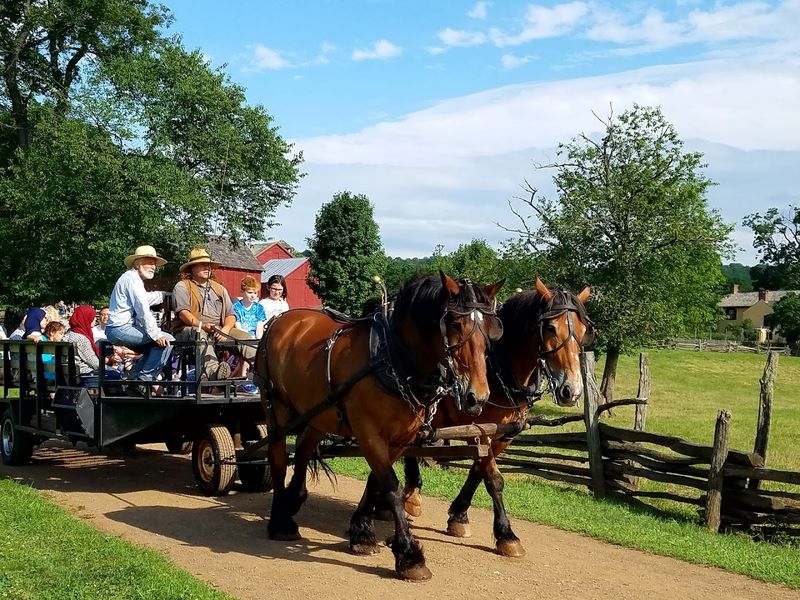
At Howell Living History Farm, the past does not sit behind glass. It sweats, clucks, creaks, plants, hauls, bakes, and occasionally smells like a barn.
That is the fun of it. This working farm in Hopewell Township interprets rural life around the turn of the 20th century, and it does so with enough hands-on energy to keep both kids and adults engaged.
Depending on the season and schedule, visitors might see plowing, planting, harvesting, sheep shearing, haying, blacksmithing, cooking, or animal care. The farm’s strength is that nothing feels overly staged.
Demonstrations are practical and physical, showing how much labor went into tasks that modern life has made almost invisible. Watching a team of horses work a field can teach more in five minutes than a whole wall of text.
This is an easy recommendation for families, but it is not only for children. Adults who like food history, agriculture, old tools, or quiet rural landscapes will find plenty to enjoy.
Wear shoes that can handle dirt, and check the event calendar before going because the best visits often line up with seasonal programs. Howell Farm feels like a real find because it does not just tell you how people lived.
It lets the rhythm of the place show you.
Share this story