Texas summers call for water, laughter, and the kind of lazy afternoons that stick with your kids long after they’ve grown. The state’s lakes offer more than just a place to cool off—they’re where your family can unplug, reconnect, and create those stories you’ll retell at every holiday gathering. From glassy waters perfect for paddleboarding to shaded coves ideal for picnics, these fifteen destinations prove you don’t need a plane ticket to make magical summer memories.
1. Inks Lake (Burnet County)
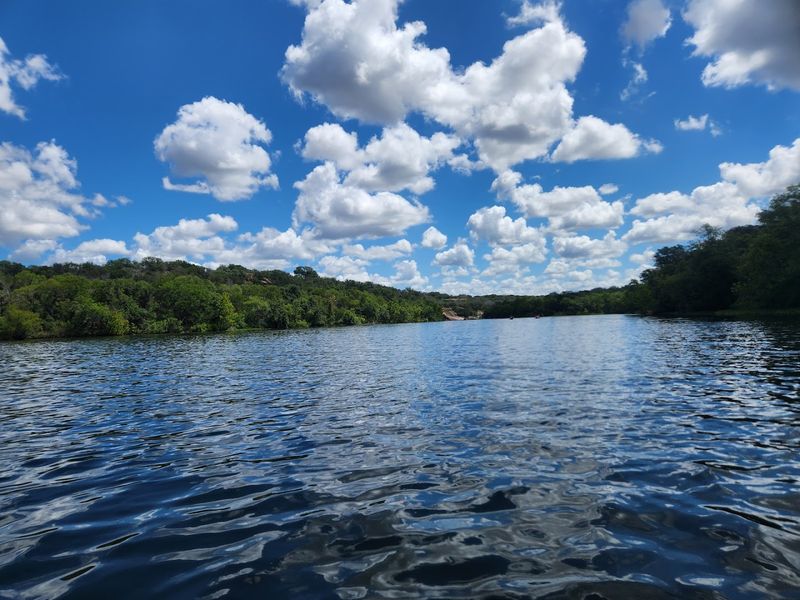
Clear water that stays consistent year-round makes this Highland Lakes gem a reliable escape when other Texas lakes turn murky or drop too low. The constant level comes from its position between two dams, creating a predictable shoreline that keeps your favorite swimming spots accessible all season long. Kids can wade in shallow areas without worrying about sudden drop-offs, while older swimmers enjoy the deeper sections near the rocky outcrops.
Devil’s Waterhole within Inks Lake State Park draws families who want more than just a beach day. The natural rock formations create a swimming area that feels like a private grotto, complete with cliff jumping spots for brave teens and calm pools for younger children. Pack water shoes because the rocks can be slippery, but they’re part of what makes this place feel special and different from typical sandy beaches.
Camping here means you’re steps from the water, with sites that offer shade trees and lake views. The park rents kayaks and paddleboards if you don’t have your own, making it easy to explore the coves and inlets without hauling gear from home. Early mornings on the water are particularly magical when mist rises off the surface and you might spot deer drinking at the shore.
Fishing from the banks or a boat yields white bass, catfish, and largemouth bass, giving young anglers plenty of action to keep them interested. The park’s hiking trails wind through rocky terrain with wildflowers in spring and fall colors that rival anything you’d see up north. Restrooms and shower facilities are clean and well-maintained, which matters more than you’d think when you’re dealing with sandy, wet kids at the end of a long day.
2. Lake Ray Hubbard (Rockwall)
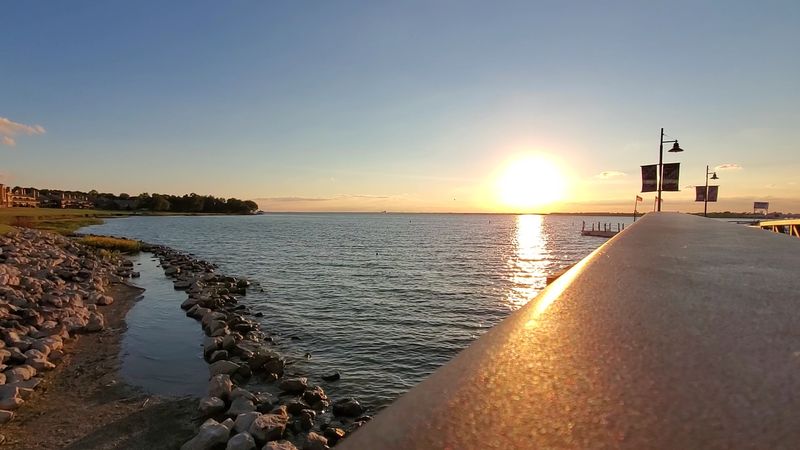
Sitting just east of Dallas, this sprawling reservoir offers big-city convenience without sacrificing that away-from-it-all feeling once you’re on the water. The lake stretches across multiple counties, but the Rockwall side provides some of the best family-friendly access points with parks that have actual amenities instead of just a boat ramp and a prayer. Sailboats dot the horizon most weekends, taking advantage of the consistent breezes that make this one of North Texas’s premier sailing destinations.
Harbor Rockwall and The Harbor entertainment district mean you can combine lake time with dining and shopping, which helps when your family can’t agree on spending the entire day outdoors. Rent a pontoon boat and pack a cooler, then cruise to quieter coves where the kids can swim without competing with jet skis for space. The water stays relatively calm in protected areas, perfect for teaching little ones to paddleboard or letting them float on inflatables without constant vigilance.
Multiple marinas offer boat rentals if you don’t own watercraft, and the staff actually take time to explain safety features and suggest family-friendly routes. Fishing tournaments happen regularly, but there’s still plenty of room for casual anglers to try their luck with crappie, catfish, and hybrid striped bass. Shore fishing spots with paved access make it possible to bring grandparents who might struggle with rocky banks or steep trails.
Sunset watching from the dam or waterfront restaurants has become a Rockwall tradition, with the sky putting on shows that make your phone camera work overtime. Nearby hotels and vacation rentals let you extend a day trip into a weekend getaway without the hassle of camping gear. The combination of natural beauty and modern convenience makes this lake ideal for families who want outdoor adventure but aren’t ready to rough it completely.
3. Caddo Lake (Harrison County)
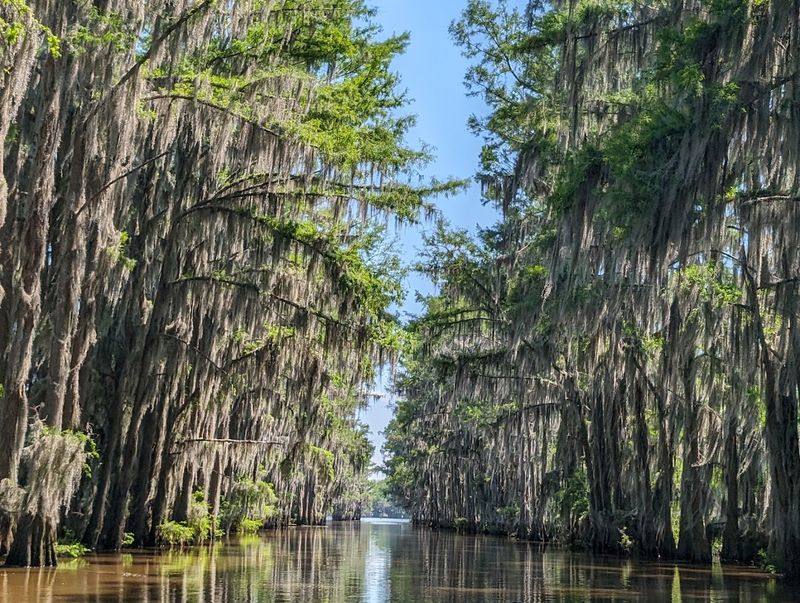
Spanish moss hanging from ancient cypress trees creates an otherworldly landscape that doesn’t look like Texas at all—more like something from a Louisiana bayou or a fairy tale illustration. This is Texas’s only naturally formed lake, fed by Big Cypress Bayou, and it sprawls across the border into Louisiana with a maze of sloughs, channels, and open water that begs to be explored slowly. Renting a canoe or kayak becomes less about exercise and more about drifting through a living museum where alligators sunbathe and great blue herons fish in the shallows.
Navigation requires attention because the waterways twist and turn through the cypress forest, creating a natural labyrinth that’s thrilling for older kids and slightly nerve-wracking for parents until you get your bearings. Guided boat tours are available for families who’d rather learn from an expert than risk getting turned around, and these guides share stories about the lake’s history and ecology that bring the place to life. The water lily blooms in summer transform parts of the lake into floating gardens that look almost too perfect to be real.
Caddo Lake State Park provides camping, cabins, and screened shelters that keep mosquitoes at bay while you sleep—important because the bugs here are enthusiastic about their jobs. Fishing for crappie, catfish, and largemouth bass is excellent, especially in the early morning when fog still hovers over the water and you feel like you’ve traveled back in time. The park’s interpretive programs teach kids about the unique ecosystem, including carnivorous plants and the difference between alligators and logs.
Photography opportunities here are endless, with light filtering through the trees and reflecting off the water in ways that make even phone snapshots look professional. Pack bug spray, bring patience, and prepare for a lake experience completely unlike the typical Texas reservoir with its motorboats and ski ropes.
4. Lake Austin (Austin)
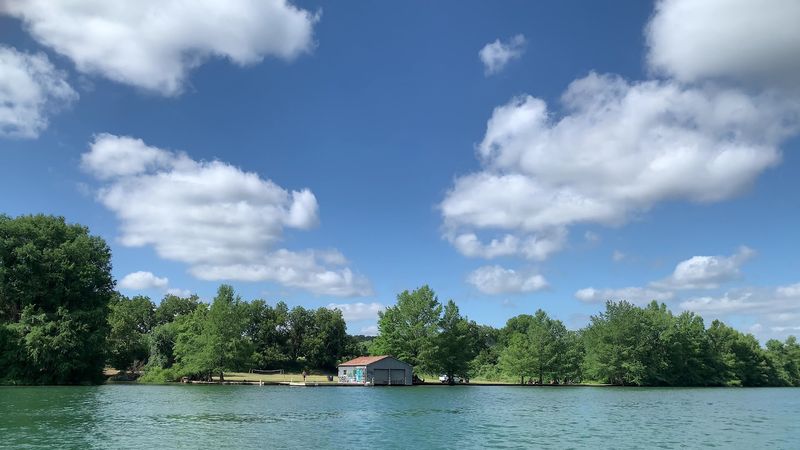
Stretching through the heart of Austin, this narrow reservoir feels more like a river than a traditional lake, winding between hills covered with expensive homes and public parks that give everyone a chance to enjoy the water. The no-wake zones in many sections keep things calmer than Lake Travis, making it better suited for families with younger children who aren’t ready for aggressive boat traffic. Stand-up paddleboarding has become hugely popular here because the protected water rarely gets choppy enough to dump beginners.
Emma Long Metropolitan Park on the lake’s western end offers camping and day-use areas with actual beaches—not just rocky shorelines where flip-flops are mandatory. The park can get crowded on summer weekends, but arriving early secures a good spot where your crew can claim shade and easy water access. Zilker Park on the eastern end provides another entry point, with the added bonus of Barton Springs Pool nearby if lake water feels too warm.
Kayak and paddleboard rentals are scattered along the shoreline, with several outfitters offering delivery service to public access points if you don’t want to deal with transportation. The water stays relatively clear compared to some Texas lakes, and the constant flow from upstream keeps temperatures pleasant even during brutal summer heat. Fish for largemouth bass, catfish, and sunfish from the banks or a kayak, though serious anglers usually head elsewhere for better catches.
Food trailers and restaurants within minutes of most access points mean you don’t need to pack elaborate picnics unless you want to. The Hike and Bike Trail along portions of the shoreline connects parks and provides easy walking for families who want to stretch their legs between swimming sessions. Live music venues and other Austin attractions nearby make it simple to combine lake time with the city’s famous cultural scene, giving everyone in the family something to enjoy.
5. Lake Livingston (Livingston)
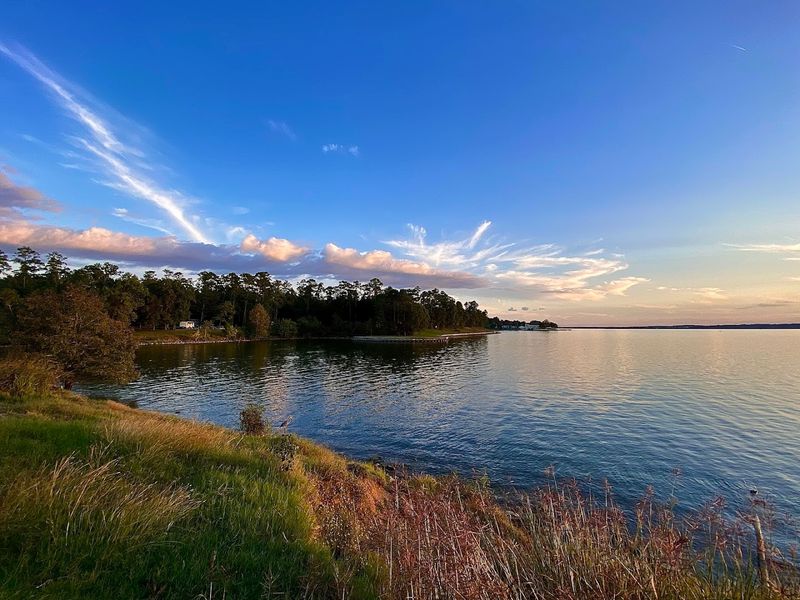
Covering over 80,000 acres about an hour north of Houston, this massive reservoir provides a quick escape for city dwellers who need water and trees without investing in a long drive. The lake’s size means you can find solitude even on busy weekends, especially if you’re willing to explore beyond the most popular boat ramps. White bass runs in spring bring anglers from across the region, but summer transforms the lake into a family playground with swimming, skiing, and lazy afternoons on pontoon boats.
Lake Livingston State Park anchors the southern end with campsites, cabins, and a swimming area that’s been improved with a sandy beach and designated swim zone. The park’s relatively flat terrain makes it accessible for families with small children or older relatives who can’t handle steep hills. Playgrounds and picnic areas with covered pavilions provide backup plans when the sun gets too intense or sudden thunderstorms roll through.
Fishing here is serious business, with tournaments happening regularly and local guides who know where the big catfish hide during different seasons. Crappie fishing in the submerged timber attracts anglers who enjoy the challenge of navigating around obstacles, while bank fishing at the dam spillway offers easier access for families just hoping to catch something. The lake’s murkier water means you’re fishing by feel and strategy rather than sight, which somehow makes it more exciting when you hook something substantial.
Marinas around the lake rent boats and provide fuel, ice, and supplies, functioning as small community centers where locals share fishing reports and weather updates. The surrounding pine forests feel more like East Texas than Central Texas, with humidity and vegetation that create genuine shade instead of scraggly mesquite trees. Nearby Livingston offers basic services and restaurants when you need a break from camp cooking, but most families find everything they need right at the lake.
6. Possum Kingdom Lake (Palo Pinto County)
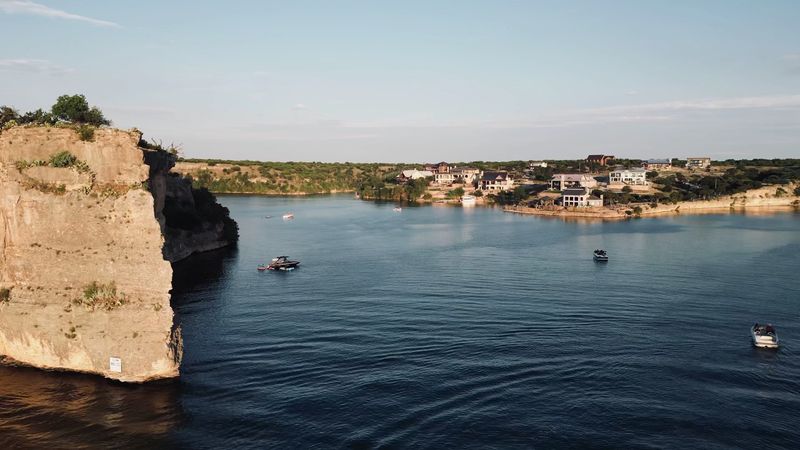
Dramatic rock cliffs rising from deep blue water create a landscape that surprises people who think Texas is all flat prairies and mesquite. The lake wraps around the Palo Pinto Mountains, forming a shoreline that includes everything from gentle beaches to sheer drops perfect for cliff jumping if your teenagers are brave and you’re okay with heart palpitations. Hell’s Gate, a narrow passage between towering rock walls, has become the lake’s most photographed spot, though navigating it requires decent boat-handling skills.
Water clarity here exceeds most Texas lakes, with visibility that lets you see several feet down—a welcome change from the murky brown reservoirs common across the state. Striper fishing draws serious anglers who chase the hybrid and native striped bass that thrive in the lake’s cooler depths. Catfish, white bass, and largemouth bass round out the fishing options, giving beginners plenty of chances for success while experts pursue trophy catches.
Possum Kingdom State Park provides camping and cabin rentals with stunning views, though sites book up months in advance for summer weekends. The park’s hiking trails wind through rocky terrain with wildflowers in spring and dramatic vistas year-round. Swimming areas with gradual entries accommodate younger children, while adventurous teens can explore the rock formations and find their own jumping spots away from crowds.
Boat rentals and marinas are scattered around the lake, with several offering pontoon boats perfect for families who want to cruise and swim without the speed and noise of ski boats. The combination of deep water, interesting geography, and relative seclusion makes this lake feel more exotic than its two-hour drive from Fort Worth would suggest. Sunsets reflecting off the cliffs turn the rocks shades of orange and pink that make you understand why people buy vacation homes here despite the remote location.
7. Lady Bird Lake (Austin)
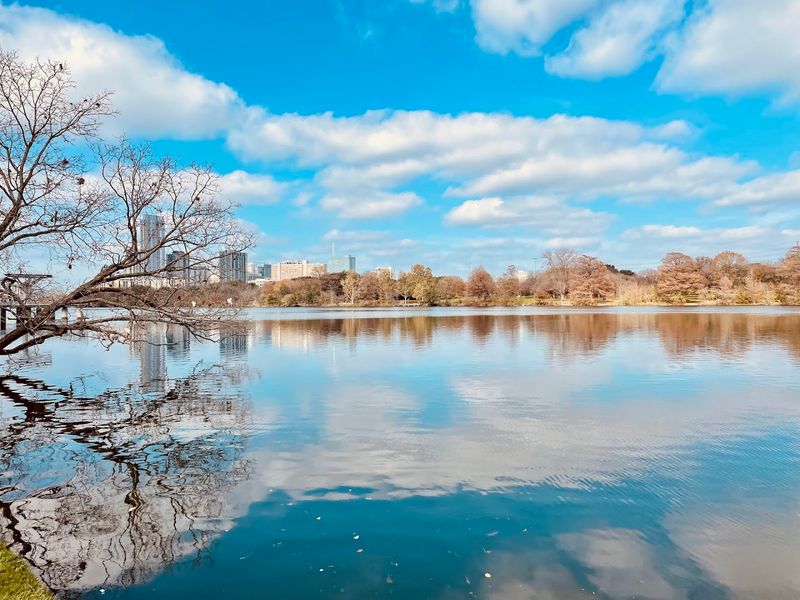
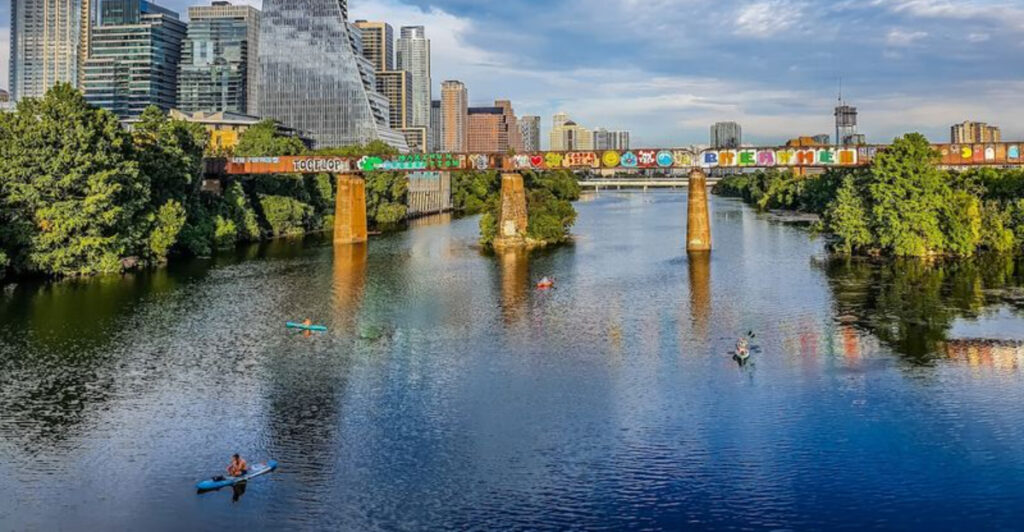
Running through downtown Austin, this dammed section of the Colorado River serves as the city’s outdoor living room where paddle boarders, kayakers, and trail users share space in remarkable harmony. The no-motorized-boats rule keeps things peaceful and safe for families, eliminating the wake and noise that can make other lakes stressful for beginners. Skyline views from the water provide that rare combination of urban energy and natural beauty, with bats emerging from under the Congress Avenue Bridge at dusk adding entertainment value.
The Ann and Roy Butler Hike and Bike Trail circles the lake for ten miles, connecting parks and providing access points where you can easily slip a kayak into the water or take a break on the grass. Zilker Park, Auditorium Shores, and other waterfront parks host festivals, concerts, and movie screenings that turn ordinary lake visits into special events. Rental shops along the shore make it easy to try paddleboarding or kayaking without investing in equipment, and the calm water means even first-timers usually stay dry.
Swimming isn’t officially encouraged due to water quality concerns, but people do wade in during hot summer days, especially near the springs that feed into the lake. The water stays surprisingly cool thanks to constant flow and springs, providing relief when air temperatures climb past 100 degrees. Stand-up paddleboard yoga classes happen regularly if your family includes teens or adults looking for something beyond basic recreation.
Wildlife watching from a kayak reveals turtles sunbathing on logs, herons fishing in the shallows, and occasional otters if you’re lucky and quiet. The urban location means you’re never far from food trucks, restrooms, or water fountains—practical considerations that matter when you’re out with kids all day. This lake proves you don’t need to leave the city to find genuine outdoor adventure and family bonding time on the water.
8. Lake Texoma (Sherman)
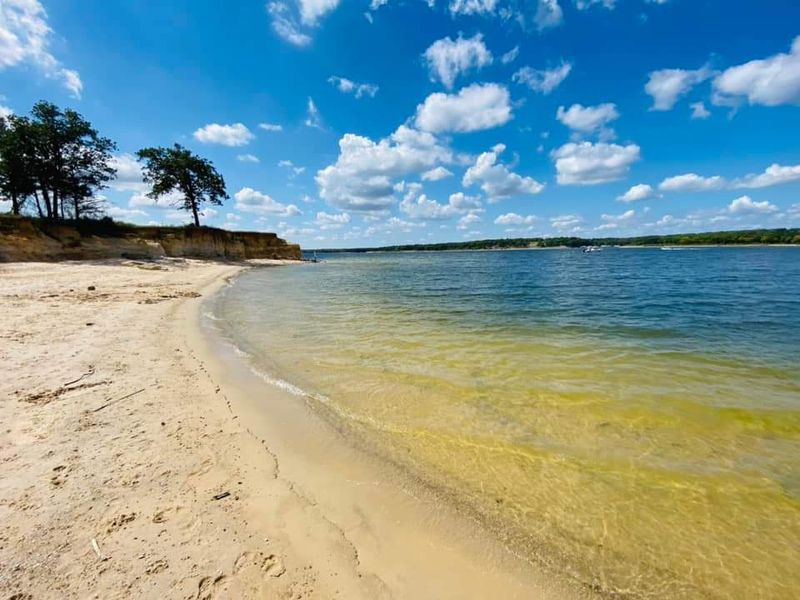
Straddling the Texas-Oklahoma border, this massive reservoir ranks as one of the largest in the United States, with enough room that you’ll never feel crowded even during peak season. The Red River and tributaries feed the lake, creating diverse habitat that supports excellent fishing for striped bass, catfish, and crappie. Charter fishing guides operate year-round, offering family-friendly trips that teach kids proper techniques while pursuing the lake’s famous stripers that can top fifty pounds.
Eisenhower State Park on the Texas side provides camping, cabins, and easy lake access with swimming beaches that feature actual sand instead of rocks or mud. The park’s relatively developed facilities include hot showers, clean restrooms, and a camp store that stocks forgotten essentials like marshmallows and firewood. Hiking trails through cross timbers habitat showcase the ecological transition zone where East Texas forests meet the prairie, with wildlife viewing that includes white-tailed deer, armadillos, and numerous bird species.
Marinas around the lake rent everything from jet skis to pontoon boats, making it possible to experience the water even if you don’t own equipment. The lake’s size means you can find quiet coves for swimming and picnicking away from the main traffic areas where water skiers and tubers congregate. Multiple boat ramps provide access, though weekends can create backups at the most popular launches.
Nearby towns including Sherman, Denison, and Durant offer restaurants, hotels, and attractions when you need a break from camping or want to extend a day trip into a longer vacation. The lake’s reputation for excellent fishing brings tournament anglers, but there’s still plenty of room for families just hoping to catch dinner and create memories. Water temperatures warm up nicely by early summer, staying comfortable through September for families who prefer shoulder-season visits when crowds thin out.
9. Canyon Lake (Comal County)
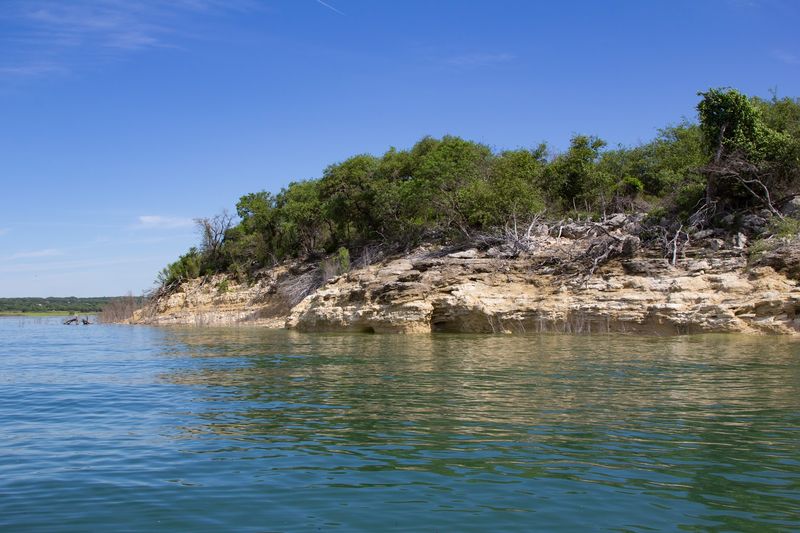
Nestled in the Texas Hill Country between San Antonio and Austin, this Army Corps of Engineers reservoir features water clarity that rivals coastal destinations, with turquoise hues that look photoshopped but are genuinely real. The lake sits in a protected valley surrounded by limestone cliffs and juniper-covered hills, creating scenery that feels more like a mountain retreat than typical Texas landscape. Eight parks around the shoreline provide varied experiences, from primitive camping to developed areas with playgrounds and swim beaches.
Canyon Park on the north shore offers one of the best family-friendly beaches, with shallow water extending far from shore and a designated swimming area separated from boat traffic. The sandy beach and grassy picnic areas provide space to spread out, while covered pavilions offer shade during the hottest part of the day. Overlook Park provides dramatic cliff views and hiking trails that reward the climb with panoramas across the entire lake.
Boat ramps stay busy on summer weekends, but the lake’s multiple arms and coves mean you can escape crowds if you’re willing to cruise a bit. Water skiing, wakeboarding, and tubing are popular activities, though designated quiet zones protect swimmers and paddlers. Fishing for white bass, catfish, and largemouth bass stays productive year-round, with spring white bass runs creating fishing frenzies that attract anglers from across the state.
The Guadalupe River below the dam offers a completely different experience, with cool water perfect for tubing when the lake gets too crowded or hot. Several riverside outfitters rent tubes and provide shuttle service, making it easy to float for a few hours without logistical headaches. Nearby Gruene and New Braunfels provide dining, shopping, and Schlitterbahn Waterpark for families who want to mix lake time with other attractions.
The combination of beautiful water, Hill Country scenery, and proximity to urban amenities makes this lake a perennial favorite for family summer outings.
10. Lake Grapevine (Grapevine)
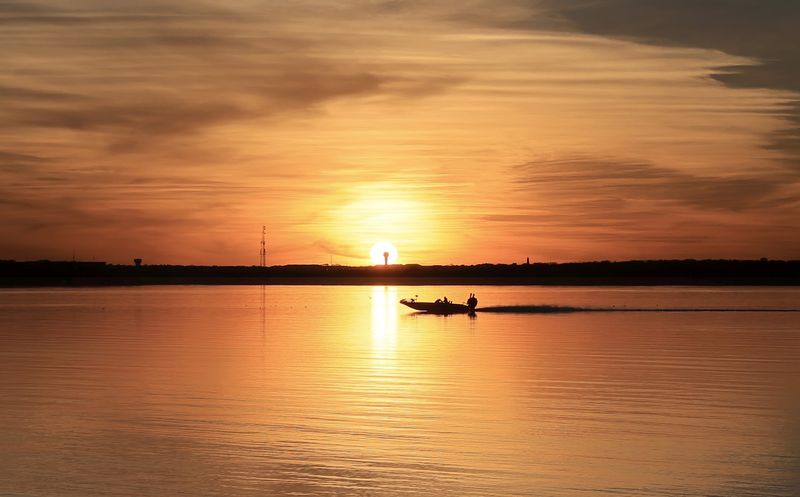
Serving the Dallas-Fort Worth Metroplex, this 12,740-acre lake provides urban residents with quick access to water recreation without requiring a full day of travel. The lake’s location near DFW Airport means you’ll occasionally hear planes overhead, but the trade-off is convenience and well-maintained facilities that reflect the area’s affluence. Multiple parks operated by the Army Corps of Engineers circle the shoreline, each offering different amenities and atmospheres to match your family’s preferences.
Oak Grove Park features a swimming beach with bathhouses, picnic areas, and a playground that keeps younger children entertained when they tire of the water. Meadowmere Park caters to boaters with excellent ramps and parking, while Twin Coves Park offers primitive camping for families who want a more rustic experience. The variety means you can visit multiple times and have completely different experiences depending on which park you choose.
Sailing is particularly popular here, with a yacht club and regular regattas that add visual interest even if you’re just watching from shore. The lake’s consistent winds make it ideal for learning to sail, and several schools offer lessons for kids and adults. Fishing for white bass, hybrid striped bass, and catfish keeps anglers busy, with multiple fishing piers providing accessible spots for families who don’t have boats.
The adjacent city of Grapevine offers historic downtown charm, wineries, and restaurants that turn a lake day into a fuller outing. Grapevine Mills Mall and Great Wolf Lodge are nearby if weather turns bad or you need backup entertainment for restless kids. The lake’s urban location means cell service works reliably and help is always close if emergencies arise—practical considerations that provide peace of mind for parents.
Summer concert series at some parks add evening entertainment, letting you extend your visit past typical day-use hours while enjoying music and sunset views over the water.
11. Lake Buchanan (Llano County)
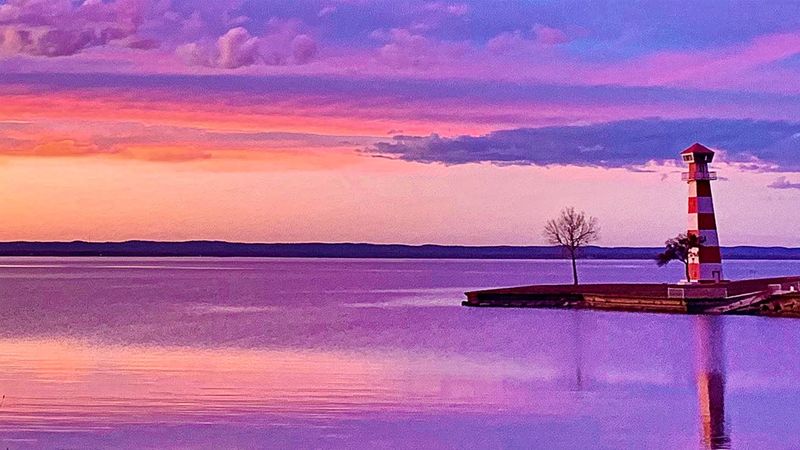
As the largest of the Highland Lakes, this 23-mile-long reservoir stretches through the Hill Country with a wild, undeveloped character that appeals to families seeking genuine nature experiences over manicured parks. The lake’s remote sections feel far from civilization despite being only a couple hours from Austin, with rocky shores and juniper-covered hills that define Texas Hill Country scenery. Black Rock Park provides one of the few developed access points, with camping and a boat ramp serving as base camp for exploration.
Bald eagles winter here from November through March, making this one of the most reliable places in Texas to spot America’s national bird. Local outfitters offer eagle-watching cruises that combine wildlife viewing with narrated tours explaining the lake’s ecology and history. Kids who might fidget through a normal boat ride stay engaged when there’s a chance to see massive birds swooping down to catch fish.
Fishing for striped bass, white bass, and catfish ranks among the best in the Highland Lakes chain, with the lake’s size and depth supporting healthy populations. Crappie fishing around submerged structures and points produces well during spring spawns. The lake’s level fluctuates more than downstream Highland Lakes, so checking current conditions before planning a trip prevents disappointment if boat ramps are out of the water.
Canyon of the Eagles Nature Park on the north shore offers lodging, camping, and hiking trails through protected habitat that showcases native plants and wildlife. The park’s dark skies program includes stargazing events that reveal constellations invisible from light-polluted cities. Swimming areas are limited compared to other Highland Lakes, but the trade-off is fewer crowds and a more peaceful atmosphere where you can actually hear birds singing over the sound of jet skis.
The lake’s size and relative isolation mean you need to come prepared with supplies, but the reward is experiencing Texas water recreation the way it existed before development transformed every shoreline into suburbs.
12. Lake Conroe (Conroe)
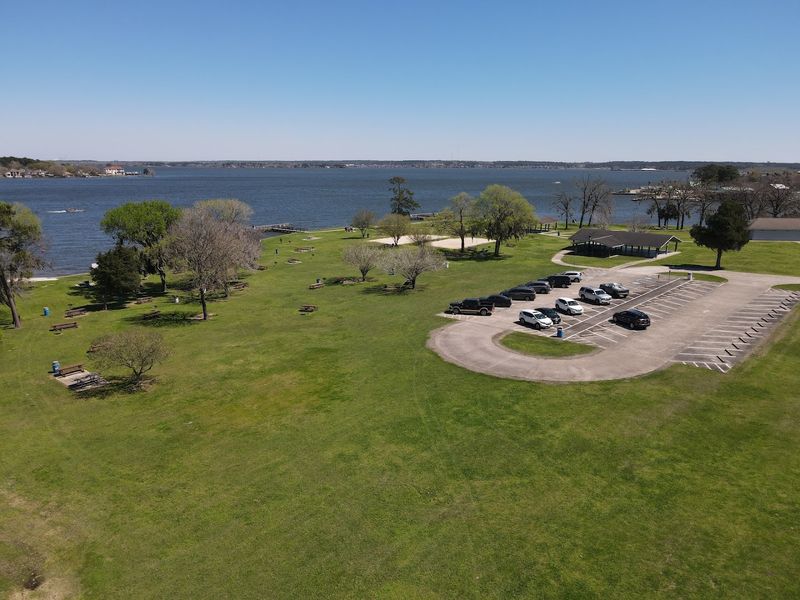
Just north of Houston, this 21,000-acre reservoir has evolved into one of Southeast Texas’s premier recreation destinations, with development that includes luxury homes, resorts, and every water activity imaginable. The lake’s proximity to Houston makes it a favorite weekend escape for city residents who want quick access to boating, fishing, and swimming without the commitment of a long road trip. Sam Houston National Forest surrounds much of the lake, providing a buffer of protected land that keeps some sections feeling wild despite the nearby urban sprawl.
Lake Conroe Park operated by the county offers swimming beaches, picnic areas, and a lazy river that appeals to families with younger children who want variety beyond just lake swimming. The park charges admission but provides amenities that justify the cost, including clean facilities and lifeguards during peak season. Boat ramps around the lake provide access for families who own watercraft or rent from one of several marinas that offer everything from kayaks to ski boats.
Fishing here is excellent year-round, with largemouth bass, white bass, catfish, and crappie providing action for anglers of all skill levels. The lake hosts numerous bass fishing tournaments, attracting professional anglers who pursue the lake’s legendary lunkers. Hybrid striped bass stocking programs have created another target species that fights hard and grows large enough to impress teenagers who claim regular fishing is boring.
Waterfront restaurants and bars create a social scene that extends lake visits beyond daytime hours, with live music and dining options that let families enjoy sunset views while someone else handles the cooking. The Lone Star Monument and Historical Flag Park on the west shore provides a unique attraction combining Texas history education with lake access. Water temperatures warm early in spring and stay comfortable through October, giving this lake one of the longest swimming seasons in Texas.
The combination of natural beauty, modern amenities, and proximity to Houston ensures this lake stays busy, but the size means you can still find space to claim as your own for the day.
13. Lake LBJ (Kingsland)
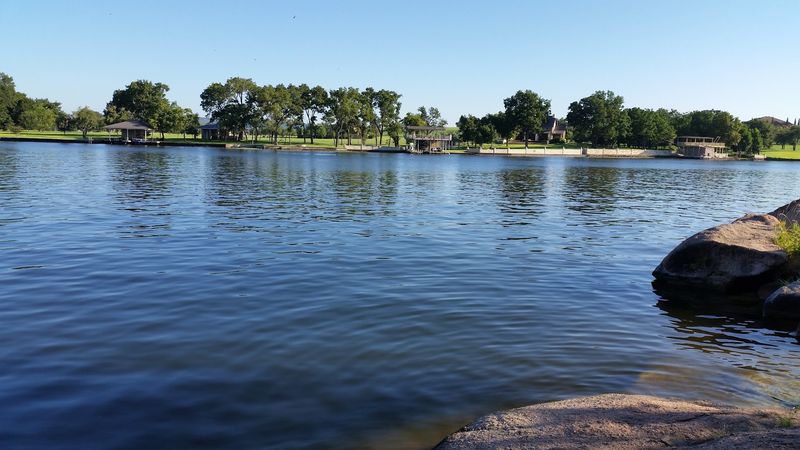
Named for President Lyndon B. Johnson, this constant-level Highland Lake maintains steady water levels year-round, eliminating the exposed mudflats and fluctuating shorelines that plague other Texas reservoirs during dry spells. The stability makes it popular with homeowners who build docks and waterfront property without worrying about their investments ending up high and dry.
For visiting families, the consistent level means your favorite swimming spot and boat ramp remain accessible no matter when you visit.
The lake’s relatively narrow shape and calm water make it ideal for paddleboarding, kayaking, and other activities where you’d rather not fight boat wake and wind chop. Several public parks provide lake access, though the shoreline is heavily developed with private property limiting options compared to more remote Highland Lakes. Kingsland and surrounding communities offer boat rentals, guide services, and supplies, making it easy to show up and get on the water without extensive planning.
Fishing for largemouth bass, white bass, and catfish stays productive throughout the year, with the lake’s constant level helping maintain consistent fish habitat. Striped bass and hybrid stripers cruise the deeper sections, providing excitement for anglers who target them with live bait or lures. The lake’s connection to the chain of Highland Lakes means fish move between reservoirs, creating variety in what you might catch on any given day.
Luxury resorts and vacation rentals along the shore cater to families who want lake access without camping gear and campfire cooking. Several waterfront restaurants let you boat right up to the dock, order lunch, and head back out without ever leaving the water. The Hill Country scenery surrounding the lake provides beautiful backdrops for photos, with rocky hills covered in juniper and oak trees framing views across the water.
Summer weekends bring boat traffic, but the lake’s length provides room to spread out and find quieter areas where your family can swim and play without constant noise and wake from passing boats.
14. Lake Travis (Austin)
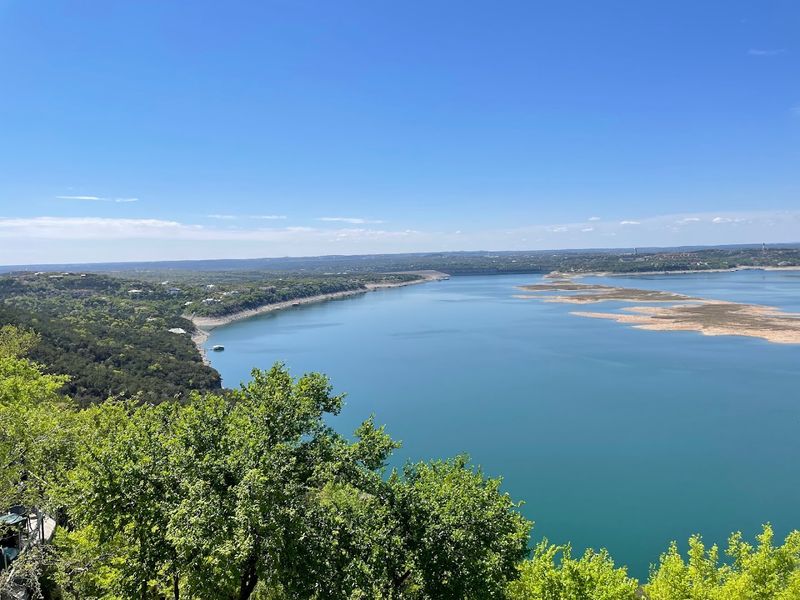
Stretching 65 miles through the Hill Country northwest of Austin, this reservoir defines Texas lake culture with its dramatic canyons, party coves, and enough room that everyone from families to college students can find their scene. The lake’s depth and size create water clarity that surprises first-time visitors expecting the murky brown common to many Texas lakes. When water levels are full, the shoreline reveals limestone cliffs perfect for jumping if your family includes brave souls who enjoy that particular thrill.
Hippie Hollow Park gained fame as Texas’s only clothing-optional public park, but dozens of other parks around the lake provide family-friendly access with more conventional dress codes. Pace Bend Park offers primitive camping and miles of undeveloped shoreline where you can find your own private cove. Arkansas Bend Park features improved camping with water and electric hookups, along with hiking trails that showcase Hill Country vegetation and wildlife.
Boat ramps at various parks provide access, though weekend waits can test your patience during peak summer months. Multiple marinas rent everything from jet skis to pontoon boats, with some offering instruction for families new to boating. The lake’s size means you can cruise for hours exploring different arms and canyons, each with its own character and scenery.
Swimming areas range from rocky shores to sandy beaches created by years of boats dropping anchor in favorite spots.
Waterfront restaurants including The Oasis, Ski Shores, and Carlos’n Charlie’s provide dining with views, many featuring multi-level decks that let you watch boat traffic while enjoying chips and queso. Fishing for largemouth bass, striped bass, and catfish stays productive despite heavy recreation traffic, with early mornings and weekdays offering the best chances. The lake’s fame means it gets crowded, but the trade-off is excellent facilities, nearby services, and the energy that comes from being at Texas’s most iconic lake destination.
15. Lake Whitney (Whitney)
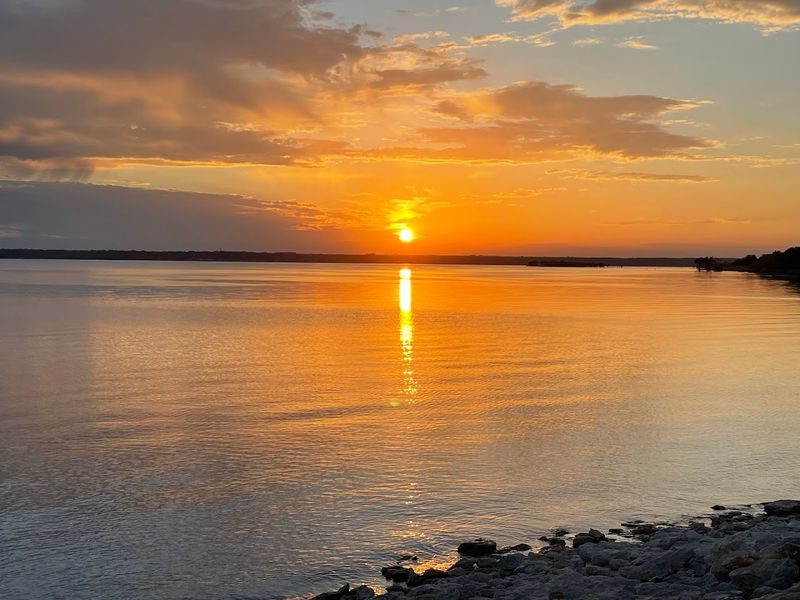
Sitting where the Brazos River was dammed in the 1950s, this 23,000-acre reservoir about an hour south of Fort Worth offers Hill Country beauty without the crowds and development that transformed lakes closer to Austin. Limestone bluffs rise from the western shore, creating dramatic scenery and excellent fishing structure where bass and catfish hide in the rocky crevices. The lake’s relative isolation means you’ll encounter more locals than tourists, giving it an authentic Texas feel that’s increasingly rare at popular recreation destinations.
Lake Whitney State Park provides camping, screened shelters, and cabin rentals with lake views that make you want to extend your stay. The park’s swimming beach features a bathhouse and designated swim area separated from boat traffic, creating a safe zone for children to splash and play. Hiking trails wind through juniper and oak forests, offering wildlife viewing opportunities and Hill Country vistas that reward the effort of climbing.
Fishing here is exceptional, with white bass runs in spring creating action so fast your arms get tired from reeling in fish. Largemouth bass, smallmouth bass, and spotted bass all inhabit the lake, giving anglers variety in both target species and fishing techniques. Catfish grow large in the Brazos River channel, with blues and channels both present in numbers that keep bait fishermen happy.
Crappie fishing around submerged timber and rocky points produces well during spring spawns.
Multiple marinas around the lake provide boat ramps, fuel, and supplies, with several offering boat rentals for families who don’t own watercraft. The towns of Whitney and Hillsboro nearby offer basic services and a few restaurants when you need a break from camp cooking. Waco sits about 45 minutes south, providing backup entertainment options including Magnolia Market if your family includes fans of home improvement shows.
The lake’s size and varied geography mean you can visit repeatedly and explore different areas, from the wide-open main basin to narrow creek arms that feel intimate and secluded.
Share this story