Texas is famous for its sprawling cities like Houston, Dallas, and Austin, but some of the state’s most memorable experiences happen in its smaller towns. These places offer a slower pace, genuine hospitality, and a chance to see a side of Texas that feels untouched by the rush of modern life. Whether you’re craving wide-open desert landscapes, historic main streets, or riverside hideaways, these 16 charming towns deliver an escape that feels like stepping into another world entirely.
1. Fort Davis
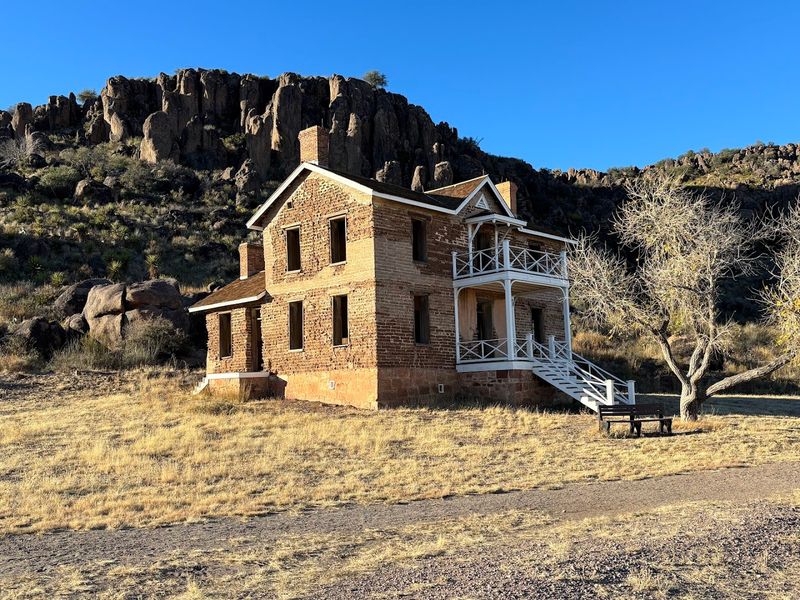
Nestled in the Davis Mountains at over 5,000 feet elevation, Fort Davis offers cooler temperatures and starry skies that seem impossible in Texas. The town centers around a historic fort that once protected travelers on the San Antonio-El Paso road, and today you can walk through restored barracks and officers’ quarters that tell stories of frontier life. It’s the kind of place where you notice the quiet first.
The McDonald Observatory sits just up the mountain, hosting star parties where you can peer through massive telescopes at galaxies millions of light-years away. On a clear night, the Milky Way stretches across the sky so vividly it looks painted on. The drive up to the observatory winds through scenic mountain roads lined with ponderosa pines and junipers, nothing like the flat scrubland most people picture when they think of Texas.
Downtown Fort Davis consists of a few blocks of stone buildings housing antique shops, a historic hotel, and local cafes serving homemade pie. The Hotel Limpia, built in 1912, still welcomes guests with creaky wooden floors and rocking chairs on the veranda. You can sip coffee there in the morning and watch practically nothing happen, which is precisely the point.
Hiking trails wind through Davis Mountains State Park, where you might spot mule deer, javelinas, or the occasional black bear. The Indian Lodge, built by the Civilian Conservation Corps in the 1930s, offers pueblo-style rooms with thick adobe walls that stay cool even in summer. The landscape feels more like New Mexico than Texas, with rocky peaks and grasslands that turn golden in afternoon light.
Fort Davis proves that Texas has genuine mountains, cool weather, and small-town charm all in one package. The population hovers around 1,200 people, and locals know each other by name. It’s a place where you can disconnect completely, breathe mountain air, and remember what silence actually sounds like.
2. Rockport
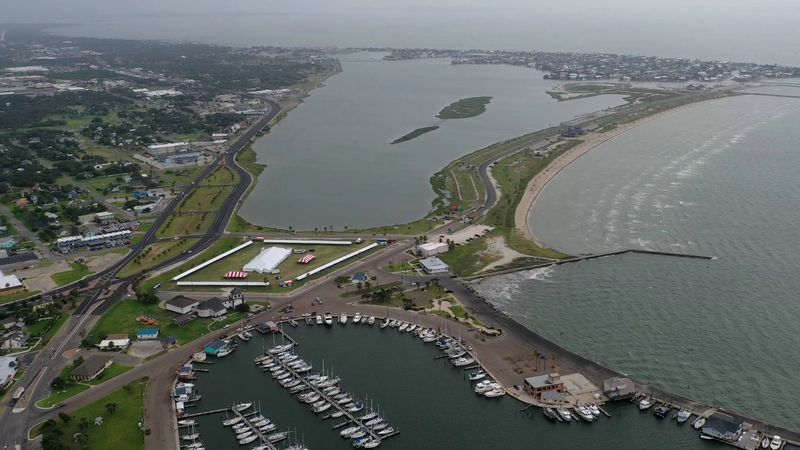
Rockport sits on the Texas Gulf Coast where Aransas Bay meets the open water, and it’s built its reputation on fishing, art galleries, and some of the best birdwatching in North America. The whooping cranes winter here, and watching these massive endangered birds wade through the marshes is something you don’t forget. The town has a laid-back coastal vibe that feels more like a fishing village than a tourist trap.
The harbor fills with shrimp boats and charter fishing vessels, and you can buy fresh seafood right off the docks. Local restaurants serve fried shrimp, grilled redfish, and oysters that were in the bay that morning. Rockport Beach Park offers a Blue Wave certified beach with calm, shallow water perfect for families, plus picnic areas shaded by wind-sculpted live oaks that lean dramatically toward the ground.
Art galleries line the downtown streets, showcasing paintings, sculptures, and photography inspired by coastal life. The Rockport Center for the Arts hosts exhibitions and workshops, and during the annual Rockport Art Festival, artists from across the state set up booths along the waterfront. The town takes its arts scene seriously, and you’ll find quality work that goes beyond typical beach souvenirs.
Fulton Mansion State Historic Site preserves a Second Empire-style home built in the 1870s with innovations like indoor plumbing and a central heating system. Tours reveal how wealthy ranchers lived on the coast during Reconstruction. Nearby, the Texas Maritime Museum chronicles the state’s seafaring history with exhibits on shipwrecks, offshore oil, and commercial fishing.
Kayaking through the shallow bays and salt marshes brings you close to dolphins, herons, and roseate spoonbills. The water stays warm most of the year, and the protected bays rarely get rough. Rockport doesn’t try to be flashy or resort-like.
It remains a working coastal town that happens to be beautiful, where fishing guides outnumber tour operators and locals still make their living from the sea.
3. Lockhart
Named the official Barbecue Capital of Texas in 1999, Lockhart continues to live up to its legendary reputation. Four legendary barbecue joints—Kreuz Market, Smitty’s Market, Black’s Barbecue, and Chisholm Trail—draw pilgrims from across the country who line up for brisket, sausage, and ribs cooked over post oak wood. The smell of smoke hangs over downtown like a delicious fog.
Kreuz Market serves meat on butcher paper with no forks, no barbecue sauce, and no apologies. The philosophy is simple: good meat doesn’t need anything but salt, pepper, and smoke. Smitty’s operates out of the old Kreuz building, where soot-blackened walls and ancient brick pits create an atmosphere that feels like stepping back a century.
Black’s has been family-run since 1932, and their brisket practically melts on your tongue.
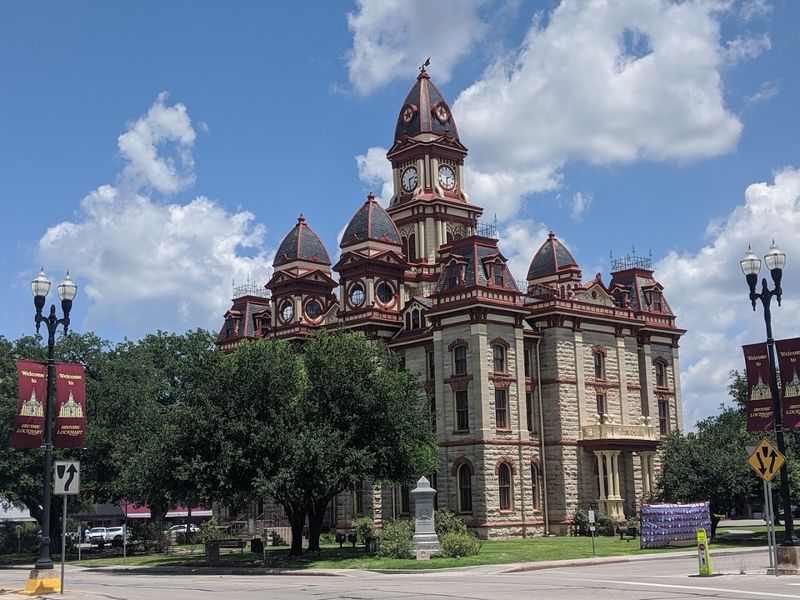
Beyond barbecue, Lockhart’s town square centers on a stunning Romanesque Revival courthouse built in 1894, with a clock tower visible for miles. The square hosts festivals throughout the year, including Chisholm Trail Roundup, which celebrates the town’s cattle-driving heritage with parades, rodeos, and live music. Antique stores and boutiques fill the historic storefronts surrounding the courthouse.
The Caldwell County Jail Museum offers tours of cells that once held outlaws, complete with original iron bars and graffiti scratched into the walls by inmates. The Dr. Eugene Clark Library, designed by noted architect O’Neil Ford, showcases mid-century modern architecture rare in small Texas towns. Walking around Lockhart, you notice the care taken to preserve historic buildings rather than tear them down for parking lots.
Lockhart doesn’t pretend to be anything other than what it is: a small Texas town that happens to make the best barbecue on the planet. The population sits around 13,000, big enough to have character but small enough that traffic never becomes an issue. You come for the brisket, but you leave appreciating the whole town.
4. Terlingua
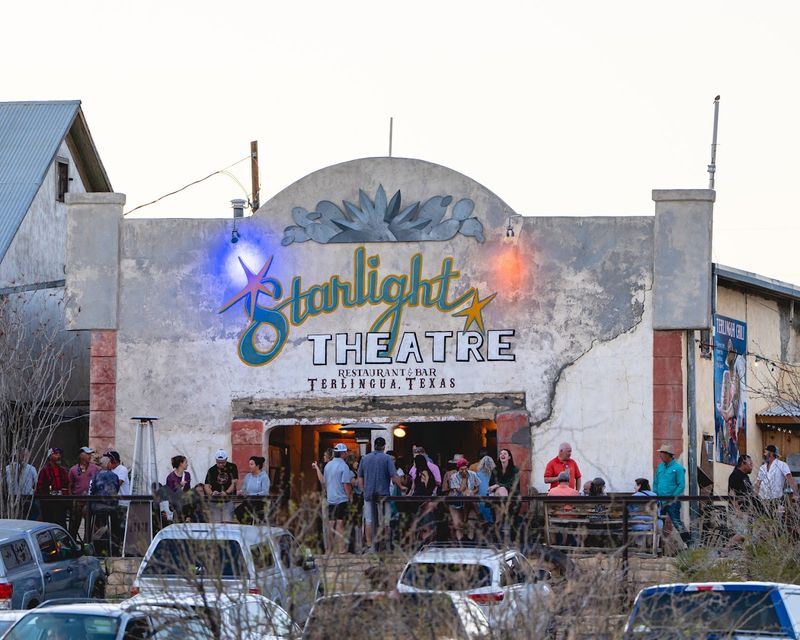
Once a thriving mercury mining town, Terlingua later slipped into ghost-town status before finding new life as a quirky desert outpost for artists, adventurers, and lovers of wide-open spaces. The ruins of the old Chisos Mining Company still stand, with crumbling adobe walls and rusted equipment scattered across the desert. It’s the kind of place where the post office shares a building with a bar.
The Terlingua Trading Company serves as the social hub, offering cold beer, live music, and a porch where travelers swap stories about hiking the Chisos Mountains or rafting the Rio Grande. The famous Terlingua International Chili Championship happens here every November, drawing chili cooks and spectators to the desert for a weekend of competition and celebration. The event has been running since 1967 and feels wonderfully chaotic.
Stargazer’s Inn and other quirky accommodations offer places to stay that range from renovated mining shacks to geodesic domes. There’s no light pollution for a hundred miles in any direction, making the night sky absolutely spectacular. You can sit outside after dark and watch satellites drift past while coyotes yip in the distance.
Big Bend National Park lies just down the road, offering some of the most dramatic desert landscapes in North America. The Chisos Mountains rise like islands from the desert floor, and the Rio Grande cuts through Santa Elena Canyon with walls towering 1,500 feet overhead. Terlingua serves as base camp for exploring all of it, with river outfitters, hiking guides, and locals who know every trail and swimming hole.
The population fluctuates between a couple hundred permanent residents and however many travelers happen to be passing through. There’s no cell service, no chain stores, and no pretense. Terlingua attracts people who want to live differently, whether that means painting in a converted trailer or leading raft trips through desert canyons.
It’s as far from city life as you can get in Texas, both geographically and philosophically.
5. Wimberley
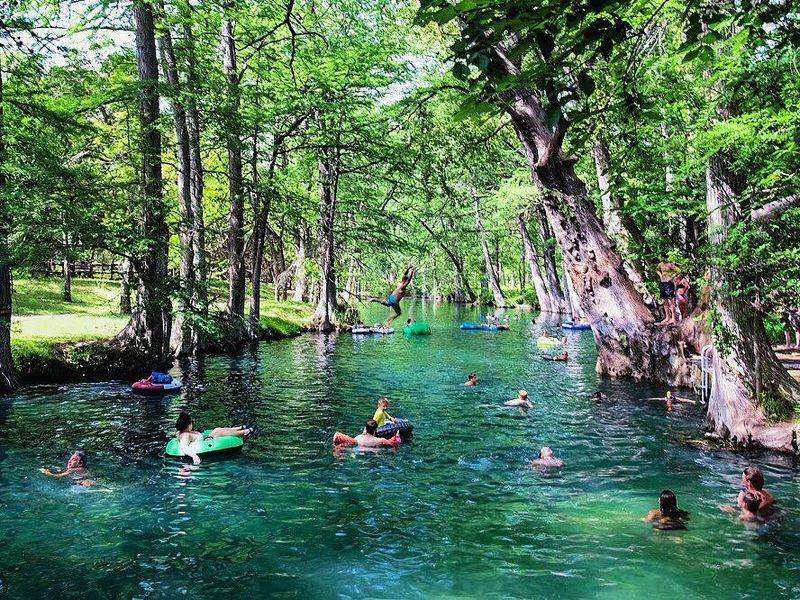
Set along Cypress Creek in the Texas Hill Country, Wimberley offers a peaceful escape defined by clear spring-fed waters, shady cypress trees, and a slower pace of life. Blue Hole Regional Park offers a swimming area so clear you can count the minnows, surrounded by towering cypress trees that have been growing for centuries. The water stays cool year-round, fed by underground springs that never run dry.
Artists and craftspeople have made Wimberley their home, creating a thriving creative community that shows up in galleries, studios, and markets throughout town. The first Saturday of every month from April through December, Wimberley Market Days transforms Lion’s Field into a sprawling outdoor market with hundreds of vendors selling everything from handmade furniture to artisan food. It’s become one of the largest outdoor markets in the Southwest, and the variety is genuinely impressive.
Downtown Wimberley consists of a few blocks packed with boutiques, antique stores, and restaurants that lean heavily on Hill Country ingredients. You’ll find everything from Texas wine to locally roasted coffee to handmade leather goods. The town has managed to grow its tourism appeal without becoming overly commercialized, maintaining a genuine small-town feel even on busy weekends.
Jacob’s Well, just outside town, is a natural spring that flows from an underwater cave system. The opening looks like a perfect circle cut into the limestone, and the water is so clear it seems shallow until you realize it drops down over 100 feet. Swimming is allowed during certain times, but diving into the caves is restricted due to the danger.
It’s an otherworldly spot that photographs beautifully.
Hiking trails wind through the Wimberley Valley, offering views of rolling hills, limestone bluffs, and the cypress-lined creek. Old Baldy, a prominent hill on the edge of town, provides panoramic views after a short but steep climb. Wimberley keeps things low-key and natural, attracting visitors who want Hill Country beauty without the crowds that pack Fredericksburg or Boerne.
The town feels like a secret that too many people know about but somehow remains charming anyway.
6. Mason
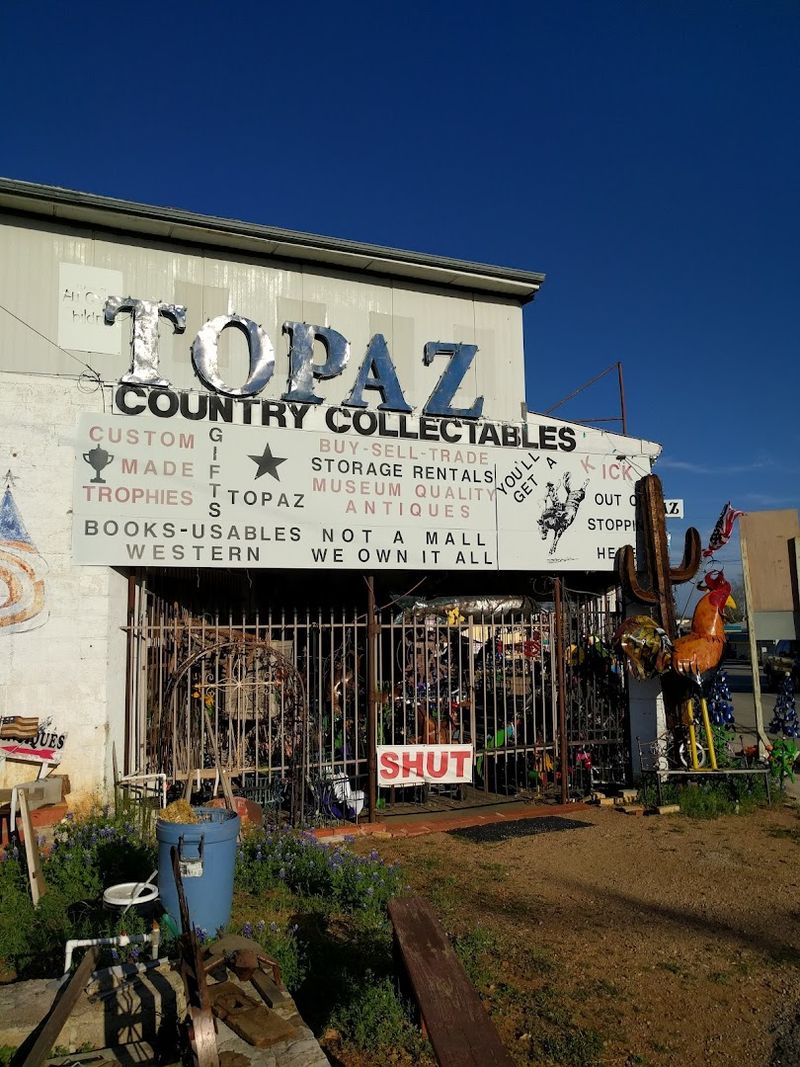
With the Llano River flowing nearby and some of the state’s richest topaz deposits just outside town, Mason combines natural beauty with a sense of tranquility that’s hard to find elsewhere. The town square centers on a beautiful limestone courthouse built in 1909, surrounded by buildings that have housed businesses for over a century. Walking around the square feels like stepping into a time when towns moved at a human pace.
Topaz hunting draws rockhounds to the area, where you can dig through creek beds and hillsides looking for the state gemstone of Texas. Several ranches around Mason allow visitors to search for topaz, and finding a clear blue stone in the gravel is surprisingly thrilling. The Mason County Rockhound Report provides maps and information about where to look, and local shops sell equipment and offer tips for successful hunting.
The Fort Mason historical site preserves buildings from an 1851 frontier fort where Robert E. Lee once served. The officers’ quarters and other structures remain, offering a glimpse into military life on the Texas frontier.
The Eckert James River Bat Cave Preserve, managed by The Nature Conservancy, hosts millions of Mexican free-tailed bats from May through October. Watching them emerge at dusk creates a swirling black cloud against the sunset.
Mason’s downtown includes cafes, antique stores, and the Willow Creek Cafe, famous among locals for homestyle cooking. The town celebrates Jubilee, a two-day festival every June with arts, crafts, food, and entertainment on the courthouse square. It’s the kind of community event where everyone shows up, not because they have to, but because they genuinely enjoy it.
The Llano River offers fishing, swimming, and kayaking through scenic Hill Country landscape. The water runs clear over limestone bedrock, creating pools deep enough to swim and shallow stretches perfect for wading. Mason doesn’t advertise itself heavily or try to compete with bigger Hill Country towns.
It remains a quiet, friendly place where topaz glitters in the creek beds and the biggest decision you’ll make is whether to go rockhounding or river floating first.
7. Jefferson
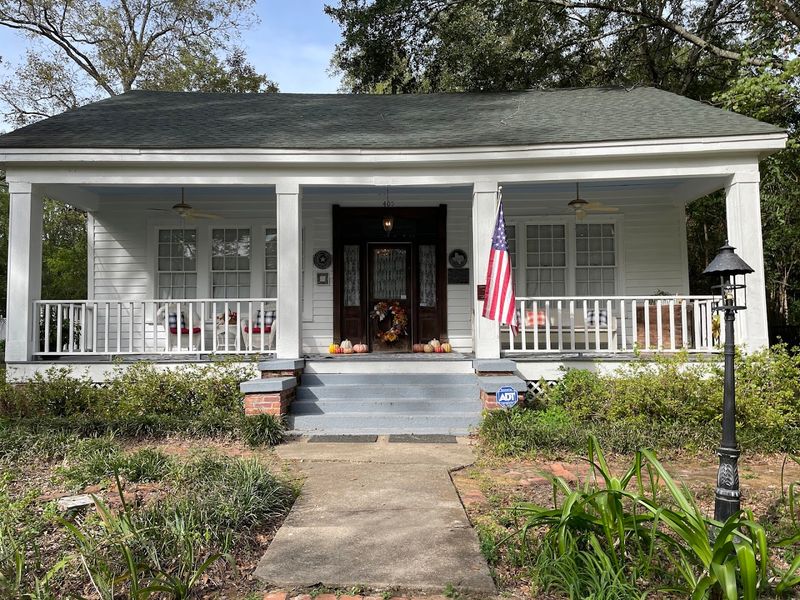
Jefferson thrived as a riverboat port in the 1800s when Big Cypress Bayou connected it to the Red River and eventually to New Orleans. Steamboats brought goods, people, and wealth, making Jefferson the second-largest port in Texas at one point. Then the railroad bypassed the town, the river traffic dried up, and Jefferson basically froze in time, preserving dozens of antebellum and Victorian homes that now make it one of the most historically intact towns in Texas.
Walking through Jefferson’s historic district feels like wandering through a living museum where people actually live in the restored homes. The Excelsior House Hotel has been operating continuously since the 1850s, hosting guests like Ulysses S. Grant, Rutherford B.
Hayes, and Oscar Wilde. The rooms feature period furniture, and staying there means sleeping in the same spaces where famous historical figures once rested.
Ghost tours have become a major draw, with several companies leading nighttime walks through supposedly haunted buildings and cemeteries. Whether you believe in spirits or not, the stories add an eerie dimension to the already atmospheric streets. The Jefferson Hotel, the Grove, and several bed-and-breakfasts claim paranormal activity, and the town has embraced its reputation as one of the most haunted in Texas.
Antique shops fill the downtown storefronts, offering everything from Victorian furniture to vintage jewelry to Civil War memorabilia. The quality and quantity of antiques available here rival much larger cities, and serious collectors make regular trips to Jefferson to hunt for treasures. Caddo Lake State Park, just outside town, offers kayaking through cypress swamps draped in Spanish moss, creating an atmosphere more Louisiana than Texas.
Jefferson hosts festivals throughout the year, including the Candlelight Tour of Homes during the holidays when historic homes open for evening tours lit entirely by candlelight. The town has about 2,000 residents who have worked hard to preserve their heritage without turning it into a theme park. Jefferson proves that small East Texas towns can be just as charming and historically significant as anything in the Hill Country or along the coast.
8. Gruene (New Braunfels)
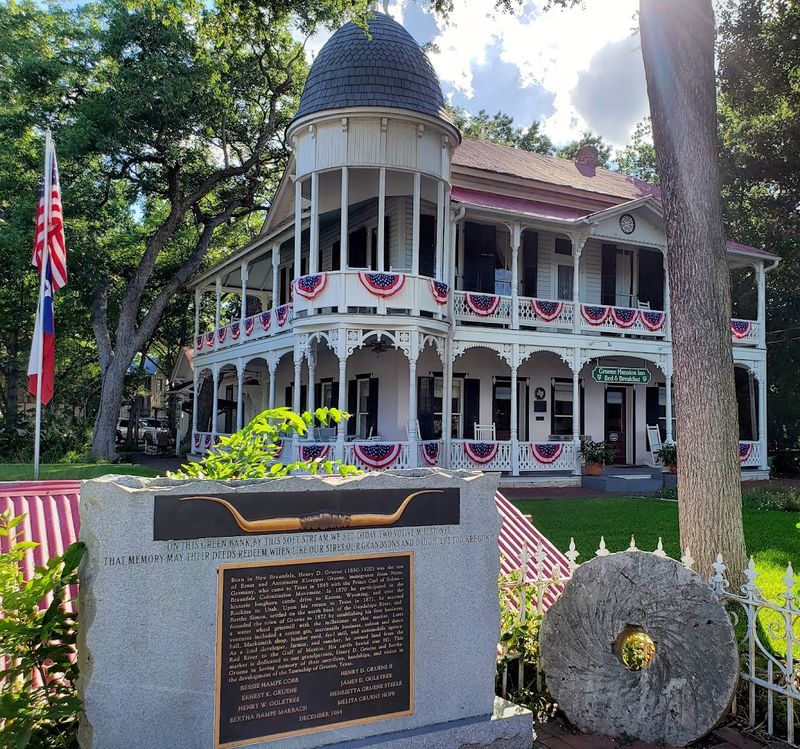
The entire town is listed on the National Register of Historic Places, and walking its few streets feels like visiting a movie set, except everything is real and functional. Gruene Hall, built in 1878, claims the title of oldest continually operating dance hall in Texas.
Gruene Hall has hosted everyone from Willie Nelson to George Strait to modern country and Americana artists. The building remains wonderfully unchanged, with a tin roof, screen windows, and a worn wooden dance floor that has absorbed decades of boot scuffs. On weekend nights, the hall fills with dancers while others sit at picnic tables in the beer garden, listening to live music under the stars.
The acoustics are perfect, the atmosphere is authentic, and the experience is purely Texan.
The Guadalupe River flows right past Gruene, offering tubing, kayaking, and swimming during the warmer months. Several outfitters rent tubes and provide shuttle services, making it easy to float for a few hours through scenic Hill Country landscape. The water stays cool even in summer, fed by springs upstream, and the experience of drifting lazily down the river with friends ranks among the most quintessentially Texan activities possible.
Gruene’s historic buildings now house shops, restaurants, and galleries. The Gristmill Restaurant operates out of the ruins of a 100-year-old cotton gin, with outdoor seating overlooking the river. The food is solid Texas fare—burgers, catfish, chicken-fried steak—served in an unforgettable setting.
Antique stores and boutiques fill the other historic structures, offering a mix of genuine antiques and Hill Country crafts.
Technically part of New Braunfels, Gruene maintains its own distinct identity and zip code. The town has resisted overdevelopment, keeping things small-scale and authentic. You can walk the entire historic district in twenty minutes, but most visitors spend hours exploring, eating, listening to music, and soaking in the atmosphere.
Gruene delivers Hill Country charm concentrated into a few perfect blocks.
9. Alpine
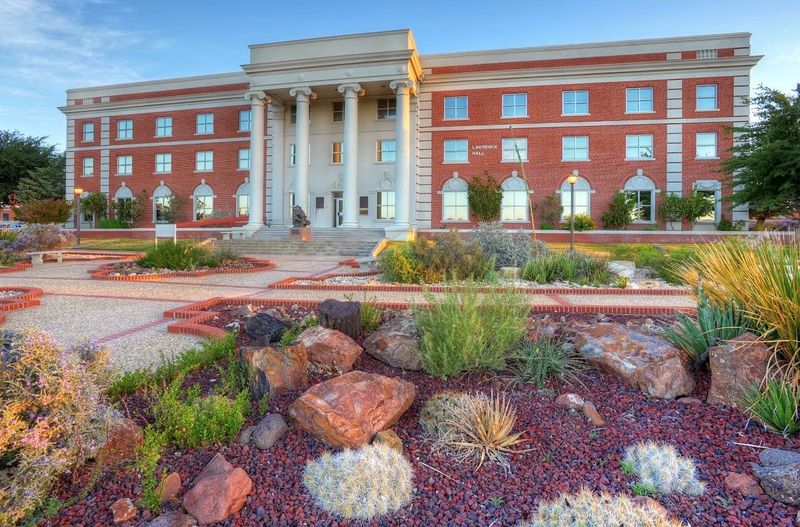
The town has about 6,000 residents, making it feel substantial compared to the tiny outposts scattered across West Texas. Sul Ross State University brings a college-town energy with art exhibitions, lectures, and a surprising amount of cultural activity for such a remote location.
The Museum of the Big Bend, located on the Sul Ross campus, houses extensive collections documenting the natural and cultural history of the Trans-Pecos region. Exhibits cover everything from prehistoric artifacts to ranching history to contemporary art inspired by the desert landscape. The museum is free and genuinely excellent, offering context that enriches any visit to the surrounding area.
Downtown Alpine features historic buildings housing galleries, bookstores, restaurants, and the beautifully restored Holland Hotel. The Kiowa Gallery showcases work by regional artists, and the Front Street Books offers an impressive selection for a town this size. Railroad Blues, a local restaurant and bar, serves steaks, burgers, and live music in a renovated train depot.
The food scene punches above Alpine’s weight class, with several restaurants offering quality meals you wouldn’t expect in the middle of the desert.
The Davis Mountains and Big Bend National Park lie within easy driving distance, making Alpine a comfortable base for exploring West Texas. The town has real infrastructure—grocery stores, gas stations, hotels—that the smaller surrounding communities lack. After days spent hiking remote canyons or driving empty highways, Alpine feels almost cosmopolitan.
The landscape around Alpine consists of wide-open desert grasslands punctuated by distant mountains. The sky seems impossibly large, and sunsets paint the horizon in colors that look exaggerated but are completely real. Alpine attracts artists, writers, and outdoor enthusiasts who want access to wilderness without giving up all amenities.
It’s remote enough to feel like an escape but developed enough to be livable, striking a balance that makes it the unofficial capital of the Big Bend region.
10. Salado
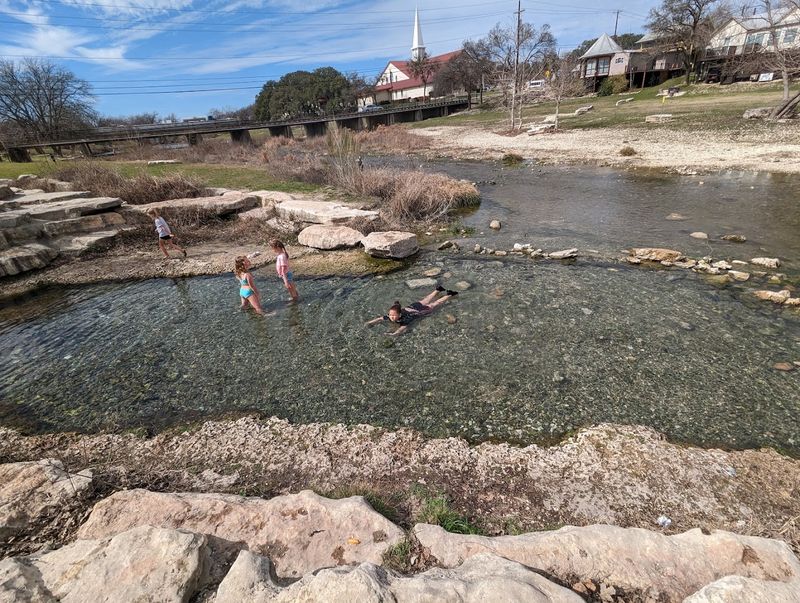
Built around Salado Creek and its natural springs, Salado became a popular stopping point for cowboys driving cattle north along the Chisholm Trail, helping establish the town as an important crossroads in early Texas. The town became an important stagecoach stop between Austin and Waco, and several historic buildings from that era still stand, now housing shops, galleries, and restaurants. The entire village has been designated a Cultural District by the Texas Commission on the Arts.
The Stagecoach Inn, built in the 1860s, served travelers for decades and now operates as a museum showcasing frontier life. Walking through the rooms filled with period furniture and artifacts, you get a sense of what accommodations looked like when Texas was still rough country. The inn sits right on Main Street, which follows the old stagecoach route and remains the heart of modern Salado.
Art galleries fill the historic buildings, featuring paintings, sculptures, jewelry, and crafts created by local and regional artists. Salado takes its arts community seriously, hosting regular exhibitions, studio tours, and the Salado Art Fair, which draws artists and collectors from across the state. The quality varies, but you’ll find genuinely talented artists working in traditional and contemporary styles.
Tablerock Amphitheater, carved into a natural limestone hillside, hosts outdoor performances including the long-running historical drama “Salado Legends.” The natural acoustics and scenic setting create an unforgettable venue for live theater. Salado Creek flows clear and cool through town, with parks and walking paths following its banks. The creek is shallow enough to wade in most places, and families often picnic on its limestone banks.
Salado’s restaurants range from casual cafes to upscale dining, with several establishments earning reputations that draw visitors from Austin and Dallas. The Inn at Salado offers farm-to-table cuisine in a restored historic home, and the Barton House serves elevated comfort food. The town has managed to cultivate a sophisticated culinary scene without losing its small-town character.
Salado remains small—around 2,000 residents—but it delivers an experience that feels rich with history, art, and genuine Hill Country charm. It’s the kind of place where you stop for lunch and end up spending the whole afternoon.
11. Port Aransas
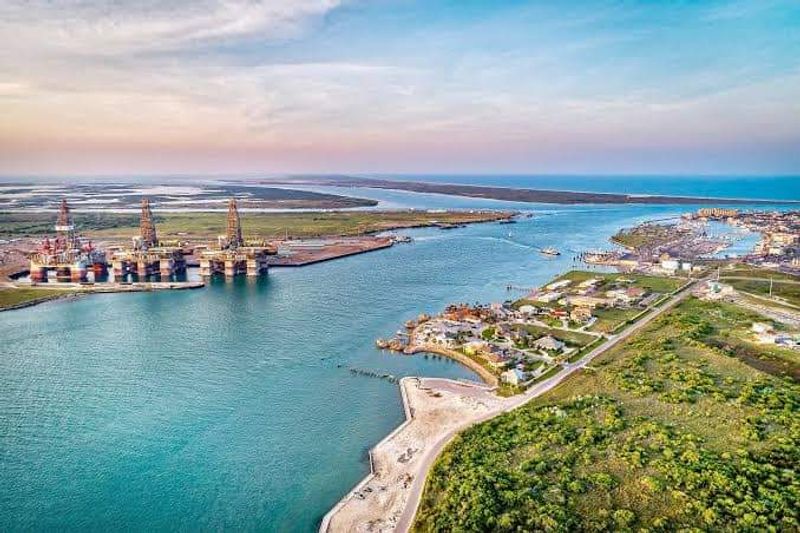
Port Aransas occupies the northern tip of Mustang Island, accessible by a free ferry that carries cars across the ship channel from Aransas Pass. The ferry ride itself sets the tone, with dolphins often swimming alongside and pelicans diving for fish in the wake. Port A, as locals call it, has been a fishing village since the 1800s and maintains that laid-back coastal character despite growing popularity.
The town’s main drag, Cotter Avenue, runs parallel to the beach and hosts surf shops, seafood restaurants, souvenir stores, and beach bars. Everything feels casual and unpretentious, with most people wearing flip-flops and swimsuits even when they’re not at the beach. The vibe is more working fishing village than resort town, and that authenticity makes Port A feel genuine in a way many coastal destinations don’t.
Fishing defines Port Aransas, with charter boats leaving daily for deep-sea trips targeting kingfish, red snapper, and marlin. The jetties that protect the ship channel offer shore fishing for speckled trout, redfish, and flounder. You can fish from the beach, the jetties, or from several piers without needing a boat.
The town hosts fishing tournaments throughout the year, and you’ll see serious anglers alongside families just hoping to catch dinner.
The beaches stretch for miles in both directions, with soft sand and gentle waves perfect for swimming. The University of Texas Marine Science Institute operates a small aquarium and research facility open to visitors, offering touch tanks and exhibits about Gulf Coast marine life. Leonabelle Turnbull Birding Center features a boardwalk through coastal wetlands where you can spot roseate spoonbills, reddish egrets, and dozens of other species.
Port Aransas took a direct hit from Hurricane Harvey in 2017, and the community’s rebuilding effort showcased the resilience of its residents. The town has recovered beautifully, with new buildings designed to withstand future storms while maintaining the relaxed beach-town aesthetic. Port A doesn’t try to be fancy or exclusive.
It remains a place where you can dig your toes in the sand, catch fish for dinner, and watch the sun sink into the Gulf without anyone trying to sell you a timeshare.
12. Bandera
The town sits in the Hill Country along the Medina River, surrounded by working ranches where real cowboys still ride horses and move cattle. Bandera embraces its cowboy culture without turning it into a theme park, maintaining authenticity that visitors can feel immediately.
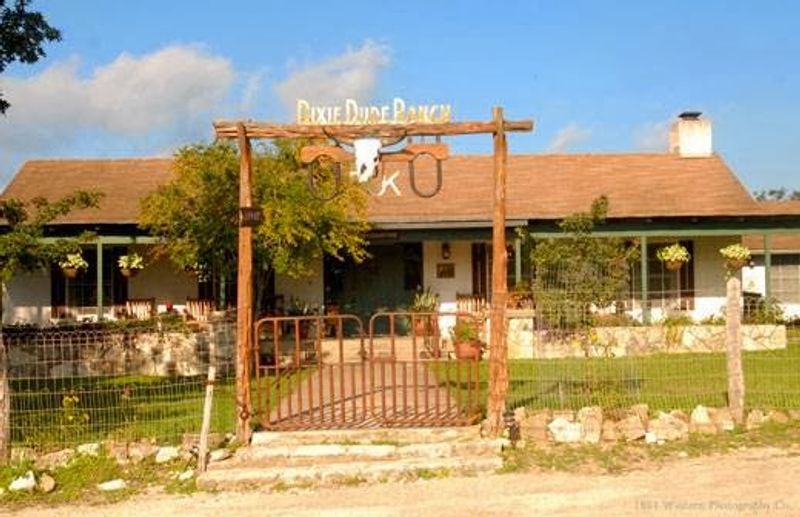
Dude ranches dot the countryside around Bandera, offering guests the chance to ride horses, learn roping, and experience ranch life. These aren’t pretend operations—many are working ranches that also host visitors, giving you a genuine taste of cowboy culture. The Mayan Ranch, Dixie Dude Ranch, and others have been welcoming guests for generations, and staying at one provides an immersive Western experience.
Rodeos happen regularly in Bandera, with cowboys competing in bull riding, barrel racing, and calf roping at the Mansfield Park arena. Saturday night rodeos during summer draw locals and visitors who pack the stands to watch riders test their skills. The competition is real, the cowboys are professionals, and the atmosphere is pure Texas.
Watching a bull rider get thrown into the dirt while his buddies laugh and help him up captures the spirit of the town.
Downtown Bandera centers on a historic courthouse square with buildings dating to the 1800s. The Old Spanish Trail Restaurant serves chicken-fried steak and other Texas classics, while the 11th Street Cowboy Bar offers cold beer and live country music. Antique stores and Western wear shops fill the storefronts, selling everything from vintage spurs to custom-made cowboy boots.
The Medina River flows clear and cool through town, popular for tubing, swimming, and kayaking. Limestone cliffs and cypress trees line the banks, creating scenic spots perfect for picnicking or just sitting in the shade. Hill Country State Natural Area, just outside town, offers over 40 miles of trails for hiking, mountain biking, and horseback riding through rugged terrain.
Bandera delivers authentic cowboy culture in a setting that remains working ranch country, not a tourist attraction pretending to be the Old West.
13. Llano
Located in the heart of the Hill Country, Llano has earned a reputation for two things Texans take seriously: outstanding barbecue and some of the region’s best river recreation. The town grew up around granite quarries that produced the pink stone used in the Texas State Capitol, and many of Llano’s historic buildings showcase the beautiful local granite. The courthouse, built in 1893, gleams pink in the afternoon sun.
Cooper’s Old Time Pit Bar-B-Que draws people from across Texas for brisket, pork chops, and sausage cooked over mesquite wood. The setup is wonderfully simple: you walk up to the massive outdoor pits, point at the meat you want, and they cut it right there. You pay by the pound, grab sides from inside, and eat at picnic tables.
The meat speaks for itself—smoky, tender, and perfectly seasoned.
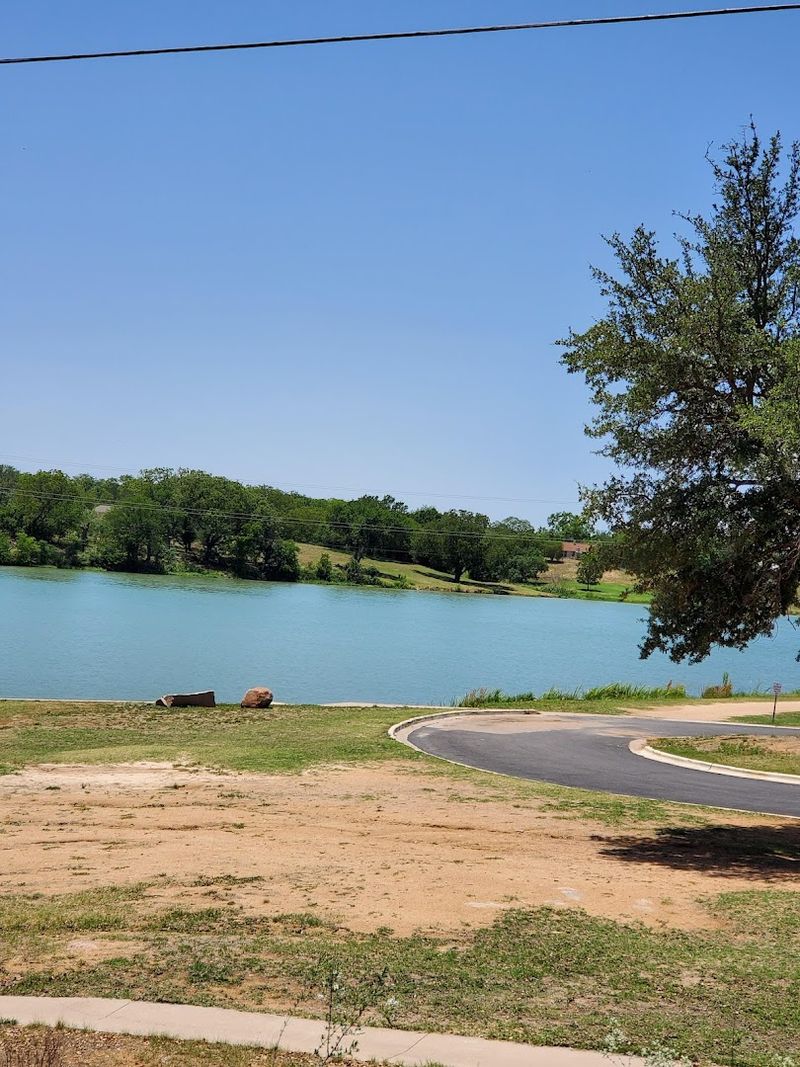
The Llano River offers some of the best swimming, fishing, and kayaking in the Hill Country. The water runs clear over granite bedrock, creating pools deep enough to dive into and shallow stretches where kids can wade safely. Badu Park, right in town, provides river access with picnic areas and campsites under towering pecan trees.
On summer weekends, the river fills with families floating on tubes and swimming in the cool water.
Llano County is known as the Deer Capital of Texas, with whitetail deer populations that attract hunters every fall. The town celebrates this heritage with the Deer Capital of Texas Festival each October, featuring arts, crafts, food, and entertainment. The Llano River Wine Trail connects several wineries in the area, offering tastings of wines made from Texas-grown grapes.
Enchanted Rock State Natural Area lies just outside town, featuring a massive pink granite dome that rises 425 feet above the surrounding landscape. Hiking to the summit provides panoramic views of the Hill Country stretching to the horizon. The rock has been sacred to various Native American tribes for thousands of years, and standing on top at sunset, you understand why.
Llano combines river recreation, great food, and access to natural wonders in a package that feels effortlessly Texan.
14. Nacogdoches
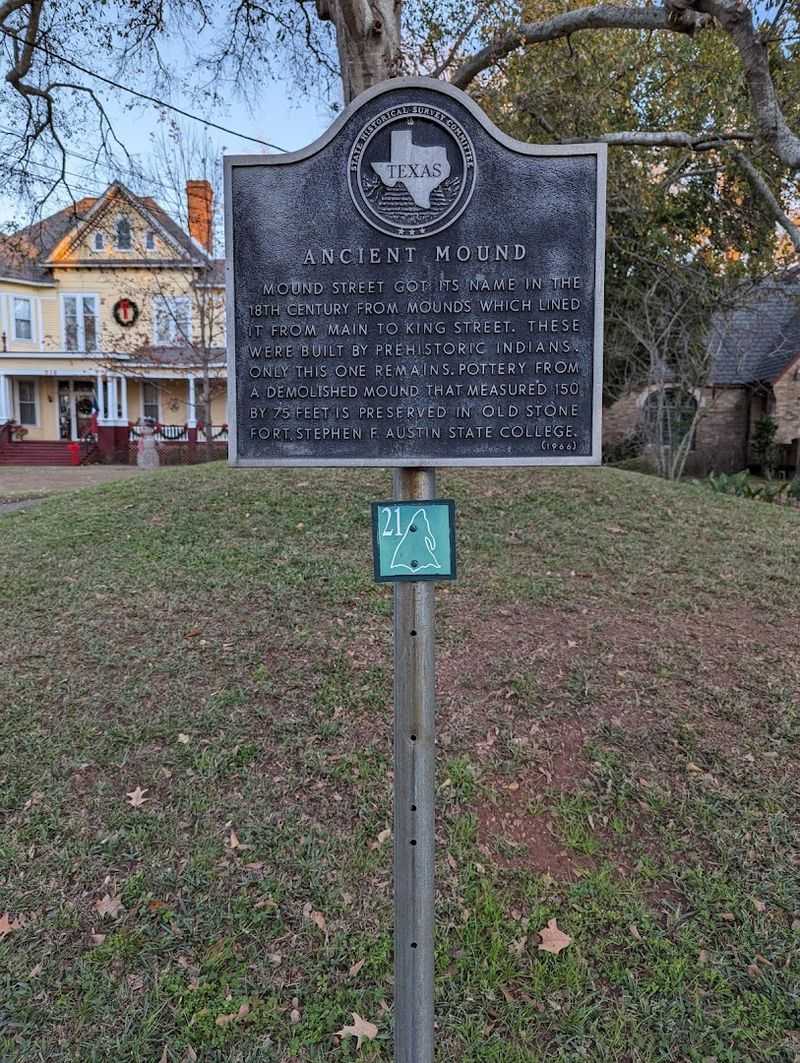
The town has witnessed Spanish colonial rule, Mexican independence, the Texas Revolution, and everything since, accumulating layers of history that show up in architecture, museums, and the stories locals tell. Walking through downtown, you pass buildings that have stood for over 150 years.
Stephen F. Austin State University brings energy and culture to Nacogdoches, with about 13,000 students adding vitality to a town of roughly 33,000 residents. The university’s influence shows up in theaters, art galleries, music venues, and a general intellectual atmosphere uncommon in towns this size.
The Stone Fort Museum, a replica of an 1779 trading post, houses artifacts and exhibits documenting East Texas history.
The historic downtown district features brick streets lined with locally-owned shops, restaurants, and the beautifully restored Fredonia Hotel. The Old University Building, constructed in 1859, stands as one of the oldest university structures in Texas. The Sterne-Hoya House Museum preserves an 1830s home where Sam Houston was baptized and Davy Crockett stayed on his way to the Alamo.
These aren’t just plaques and empty buildings—they’re well-maintained museums that bring history to life.
Piney woods surround Nacogdoches, creating a landscape completely different from the rest of Texas. Tall loblolly pines, hardwood forests, and creeks flowing through dense vegetation feel more like Arkansas or Louisiana than the Texas most people imagine. The Azalea Trail, a driving route through residential areas, showcases thousands of azaleas blooming in spring, turning neighborhoods into explosions of pink, red, and white.
Nacogdoches celebrates its history without being stuck in the past. The town has a thriving arts scene, quality restaurants, and a genuine sense of community. The East Texas landscape of pine forests and red soil creates an environment distinct from Hill Country or West Texas.
Nacogdoches offers a different flavor of small-town Texas, one rooted in deep history and surrounded by woods rather than wide-open spaces.
15. Marfa
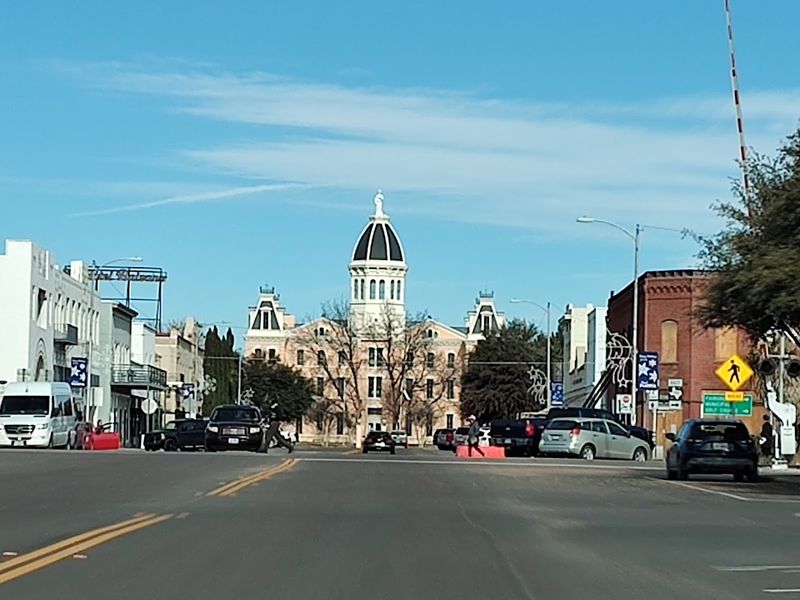
Marfa exists as an improbable art oasis in the middle of the West Texas desert, transformed from a dying railroad town into an internationally recognized art destination. Donald Judd, the minimalist artist, moved here in the 1970s and began installing large-scale permanent art pieces across the high desert landscape. His Chinati Foundation now manages 340 acres of art installations that draw visitors from around the world to this remote town of fewer than 2,000 people.
The art in Marfa isn’t confined to galleries—it’s integrated into the landscape and abandoned buildings. Judd’s 100 untitled works in mill aluminum fill two former artillery sheds, creating a meditative experience as light plays across the metal surfaces throughout the day. Dan Flavin’s installation in former army barracks uses colored fluorescent lights to transform concrete spaces into glowing environments.
Experiencing these works requires time and contemplation, rewarding visitors who slow down.
Downtown Marfa consists of a few blocks of shops, galleries, restaurants, and the iconic Hotel Paisano, where the cast and crew of “Giant” stayed during filming in 1955. The town has attracted artists, writers, and creative people who’ve opened businesses that feel authentic rather than touristy. Marfa Book Company stocks an excellent selection curated for literary tastes, and several restaurants serve food that would impress diners in much larger cities.
The Marfa Lights, mysterious glowing orbs that appear in the desert east of town, have puzzled observers for over a century. A viewing area along Highway 90 lets you watch for the unexplained lights, which dance and split in ways that defy easy explanation. Whether they’re atmospheric phenomena, car headlights, or something stranger, they add to Marfa’s otherworldly atmosphere.
Marfa attracts a specific type of visitor—people interested in contemporary art, dramatic landscapes, and the strange alchemy that happens when creative people gather in remote places. The town has become somewhat famous, which has brought tourism and rising prices, but it remains genuinely weird and wonderful. Standing in the desert at sunset, surrounded by art installations with mountains on the horizon, you understand why artists chose this unlikely spot to create something extraordinary.
16. Fredericksburg
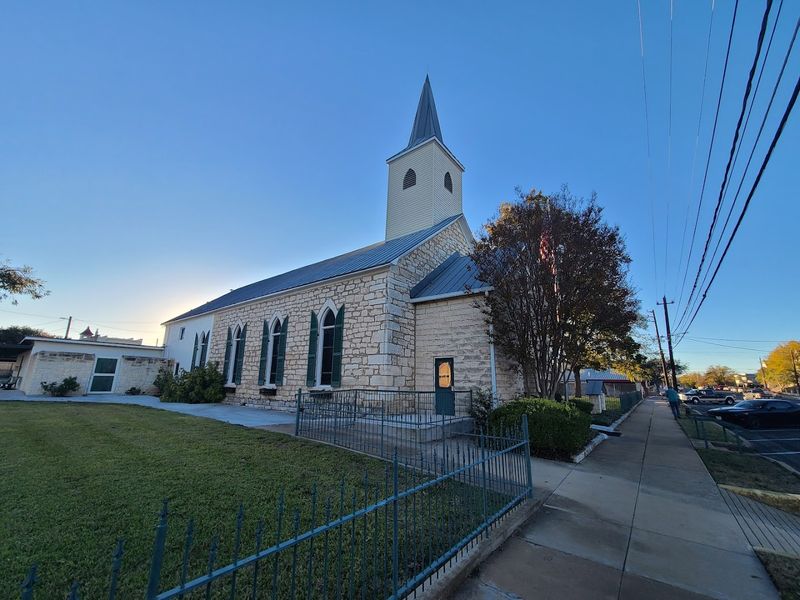
Founded by German settlers in 1846, Fredericksburg has preserved much of its European heritage, creating a town where historic stone buildings, German culture, and Hill Country scenery come together. The German influence still shows up everywhere—in the limestone buildings with thick walls and steep roofs, in bakeries selling strudel and bratwurst, and in street names that sound like they belong in Bavaria. Main Street stretches for blocks, lined with shops, galleries, restaurants, and wine tasting rooms.
The National Museum of the Pacific War honors Fredericksburg native Admiral Chester Nimitz, who commanded Allied forces in the Pacific during World War II. The museum complex covers six acres with exhibits, restored aircraft, and the Japanese Garden of Peace. It’s one of the finest military museums in the country, comprehensive and moving, offering hours of exploration for history enthusiasts.
Wineries and vineyards dot the countryside around Fredericksburg, part of the Texas Hill Country wine region that has grown into a legitimate industry. Tasting rooms along Highway 290 offer samples of wines made from grapes grown in Texas soil, with some producers creating quality bottles that surprise skeptics. The wine trail has become a major draw, with visitors hopping from winery to winery, tasting everything from crisp whites to bold reds.
Enchanted Rock State Natural Area lies just north of town, and peach orchards surround Fredericksburg, producing fruit celebrated across Texas. During peach season, roadside stands sell fresh peaches, peach ice cream, and peach everything. The town hosts Oktoberfest each fall, celebrating its German heritage with beer, music, and traditional food.
Main Street fills with visitors during peak season, especially weekends, making Fredericksburg one of the busiest small towns in Texas.
Fredericksburg has grown significantly, with bed-and-breakfasts, boutique hotels, and vacation rentals filling the town and surrounding countryside. The tourism industry has brought prosperity but also crowds that can overwhelm the small-town charm on busy weekends. Despite the popularity, Fredericksburg retains its character, with locally-owned businesses outnumbering chains and German heritage still evident in the architecture and culture.
It’s the most developed town on this list, but it earned its place through genuine charm, excellent food, quality shopping, and Hill Country beauty that makes the drive worthwhile.
Share this story