Dallas has a secret that many visitors and even some locals don’t know about: some of the city’s best cultural experiences won’t cost you a dime. From ancient samurai armor to contemporary installations that challenge how you see the world, the city offers museum experiences that rival those in much larger cities. Best of all, you can explore world-class art and history without emptying your wallet, making culture accessible to everyone who’s curious enough to walk through the doors.
1. Dallas Museum of Art (Dallas Arts District)
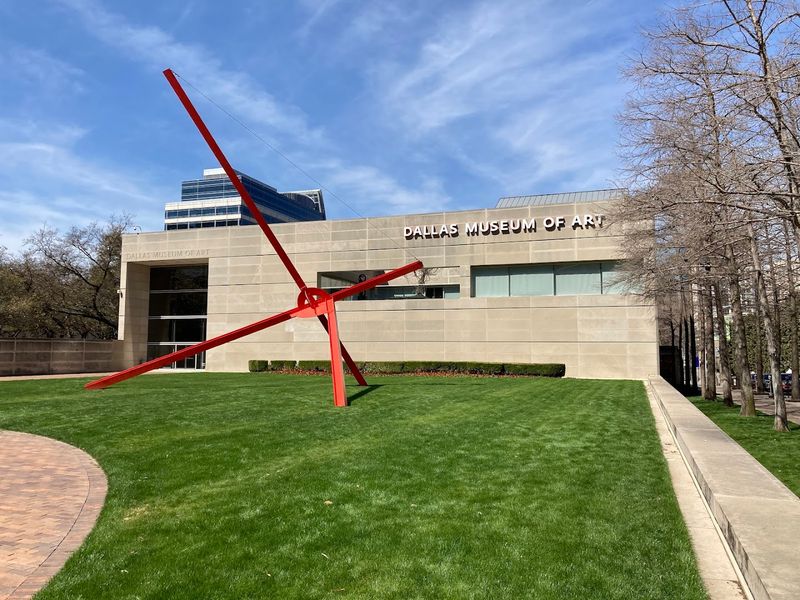
Free admission every single day means you can pop into one of the country’s top art museums whenever the mood strikes. The DMA houses more than 24,000 works spanning 5,000 years, from ancient Egyptian artifacts to cutting-edge contemporary pieces. You could visit weekly for a year and still discover something new each time.
The museum’s collection includes European masters, African art, and one of the most impressive collections of contemporary art in the Southwest. Special exhibitions rotate regularly, and while some charge admission, the permanent collection alone offers enough to fill an entire afternoon. The building itself spans multiple levels, so wear comfortable shoes.
Thursday evenings bring extended hours until 9 p.m., and the museum takes on a different energy as the sun sets. Families with kids will appreciate the Center for Creative Connections, an interactive space where touching and exploring are actually encouraged. It’s designed to make art accessible to all ages, not just something to admire from a distance.
Parking can get pricey in the Arts District, but the museum is easily accessible via DART rail. The St. Paul Station drops you right in the heart of the district. If you’re driving, check for street parking on the edges of the district to save a few bucks.
The museum café offers a solid lunch option if you’re planning a longer visit, though you’re also welcome to bring snacks. Free admission doesn’t mean a rushed experience—the staff wants you to take your time. On slower weekday mornings, you might find yourself nearly alone with masterpieces that would draw crowds in other cities.
Download the museum’s app before you go. It offers audio tours and detailed information about specific works without requiring you to read every placard. The DMA proves that world-class culture doesn’t require a world-class budget, just curiosity and a couple of hours to spare.
2. Crow Museum of Asian Art (Dallas Arts District)

Tucked into the same Arts District neighborhood as the DMA, the Crow Museum specializes in art and culture from China, Japan, India, and Southeast Asia. Admission is always free, making it one of Dallas’s best-kept cultural secrets. The collection might be smaller than some major museums, but what it lacks in size, it makes up for in quality and focus.
Jade carvings, Buddhist sculptures, and delicate ceramics fill the galleries with stories from across centuries. The museum does an excellent job of providing context, so you’re not just looking at beautiful objects—you’re understanding their significance. Rotating exhibitions bring in works from private collections and other institutions, ensuring there’s always a reason to return.
The building itself feels intimate compared to some of the district’s larger institutions. You can easily see the entire collection in about an hour, though many visitors find themselves lingering longer. The quiet galleries offer a peaceful break from the city’s hustle, almost meditative in their calm.
Educational programs and workshops happen regularly, many of them free or low-cost. From tea ceremonies to calligraphy demonstrations, these events offer hands-on ways to engage with Asian cultures. Check the museum’s calendar before your visit—you might time it perfectly with something special.
The museum takes its educational mission seriously without being stuffy about it. Labels are written in clear language that doesn’t require an art history degree to understand. Kids are welcome, though the museum’s vibe skews toward a quieter, more contemplative experience than some of the more interactive museums in town.
Street parking in the Arts District can be hit or miss, but the Crow shares the neighborhood with the DMA and several other cultural institutions. Make a day of it by visiting multiple museums in the same trip. The Crow Museum proves that you don’t need a massive building or an entrance fee to offer a meaningful cultural experience.
3. Dallas Contemporary (Design District)
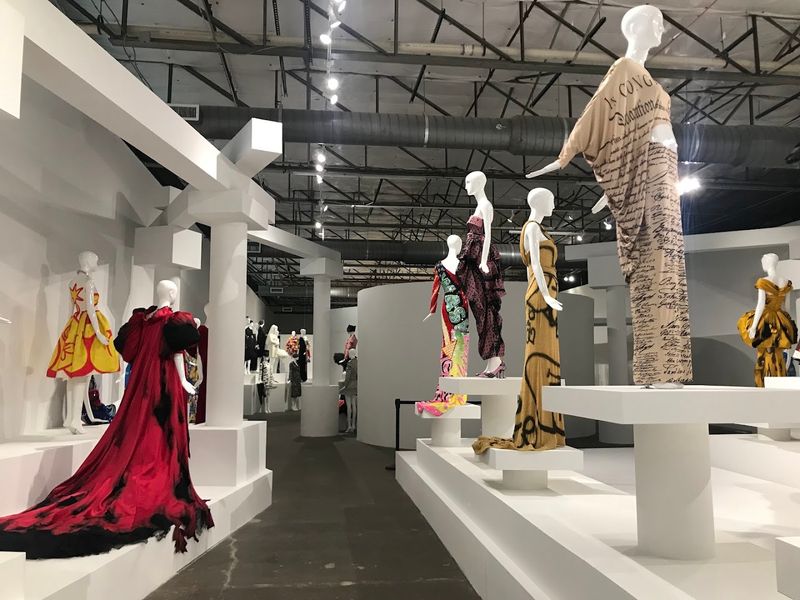
If you think contemporary art means stuffy galleries and pretentious explanations, Dallas Contemporary will change your mind fast. This non-collecting museum focuses entirely on rotating exhibitions, always free to the public. Housed in a converted warehouse space, the venue embraces its industrial bones with concrete floors and soaring ceilings that give artists room to think big.
Exhibitions change several times a year, featuring both emerging artists and established names pushing boundaries. You might encounter massive installations, video art, or pieces that make you question what art even is—and that’s exactly the point. The museum doesn’t shy away from challenging or political work, which keeps things interesting and occasionally controversial.
Located in the Design District, the museum sits among furniture showrooms, restaurants, and other creative businesses. The neighborhood has a completely different vibe from the formal Arts District downtown. It feels more raw, more experimental, more like the kind of place where artists actually work.
Parking is generally easier here than in the Arts District, with street parking and small lots scattered around. The museum building itself is hard to miss—look for the modern structure that stands out among the older industrial buildings. Inside, the staff tends toward friendly and approachable rather than intimidating, happy to chat about the current exhibitions.
The museum hosts opening receptions for new exhibitions, and these events draw a crowd that’s more jeans and sneakers than cocktail attire. Free wine, interesting people, and a chance to see new work before the crowds arrive—it’s one of Dallas’s better deals. Even if you miss the opening, weekday afternoons tend to be quiet, giving you space to experience the art on your own terms.
Dallas Contemporary doesn’t try to be everything to everyone. Instead, it does one thing exceptionally well: presenting contemporary art in a way that feels accessible and relevant. No permanent collection means no repeats, so every visit offers something completely different from the last.
4. African American Museum of Dallas (Fair Park)
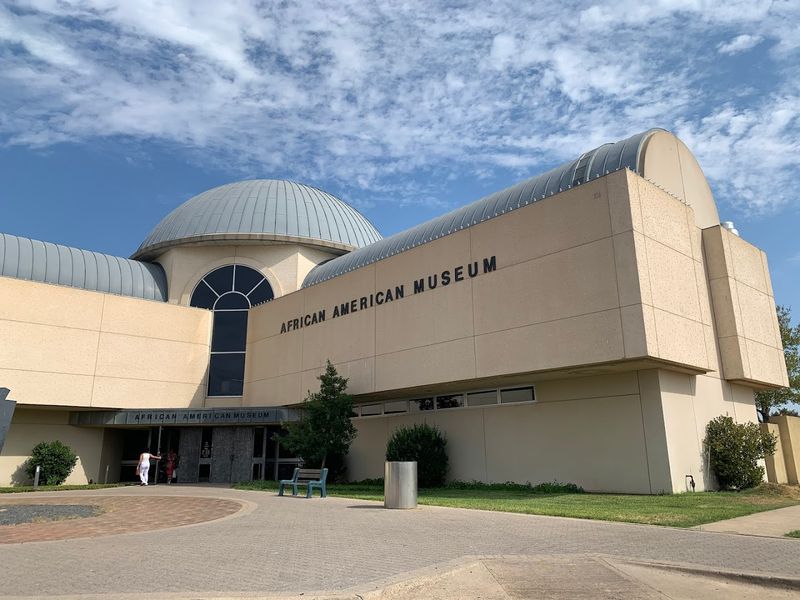
Fair Park might be best known for hosting the State Fair of Texas, but it’s also home to the only museum in the Southwest dedicated exclusively to African American culture. Admission is free, though donations are encouraged and help keep the lights on. The museum occupies a building designed by Black architect William Sidney Pittman, adding another layer of historical significance to the experience.
The collection covers art, history, and culture from Africa through the African diaspora and into contemporary Black American life. Quilts, paintings, sculptures, and historical artifacts tell stories that often get left out of mainstream museums. Temporary exhibitions tackle everything from civil rights history to contemporary social issues, always with depth and nuance.
Fair Park itself is worth exploring if you’ve got time—it’s a National Historic Landmark with Art Deco architecture from the 1936 Texas Centennial Exposition. The museum sits among other cultural institutions and green spaces, making it easy to spend a whole afternoon in the area. Just know that Fair Park can feel a bit empty outside of State Fair season, which gives it an eerie quiet but also means you’ll have the museum mostly to yourself.
The museum’s research library holds one of the largest collections of African American historical materials in the region. Scholars and genealogists use it regularly, but it’s open to anyone interested in digging deeper. The staff knows the collection inside and out and can point you toward specific resources if you’re looking for something particular.
Parking at Fair Park is plentiful and usually free outside of major events. The museum is easy to find once you’re on the grounds—just follow the signs. Inside, the galleries are well-organized and thoughtfully curated, with enough information to provide context without overwhelming you with text.
This museum fills an important gap in Dallas’s cultural landscape, and the fact that it’s free removes any barrier to entry. Whether you’re a history buff, an art lover, or just curious, you’ll leave with a broader understanding of stories that shaped not just Dallas, but the entire country.
5. Latino Cultural Center (Deep Ellum / Downtown Dallas area)
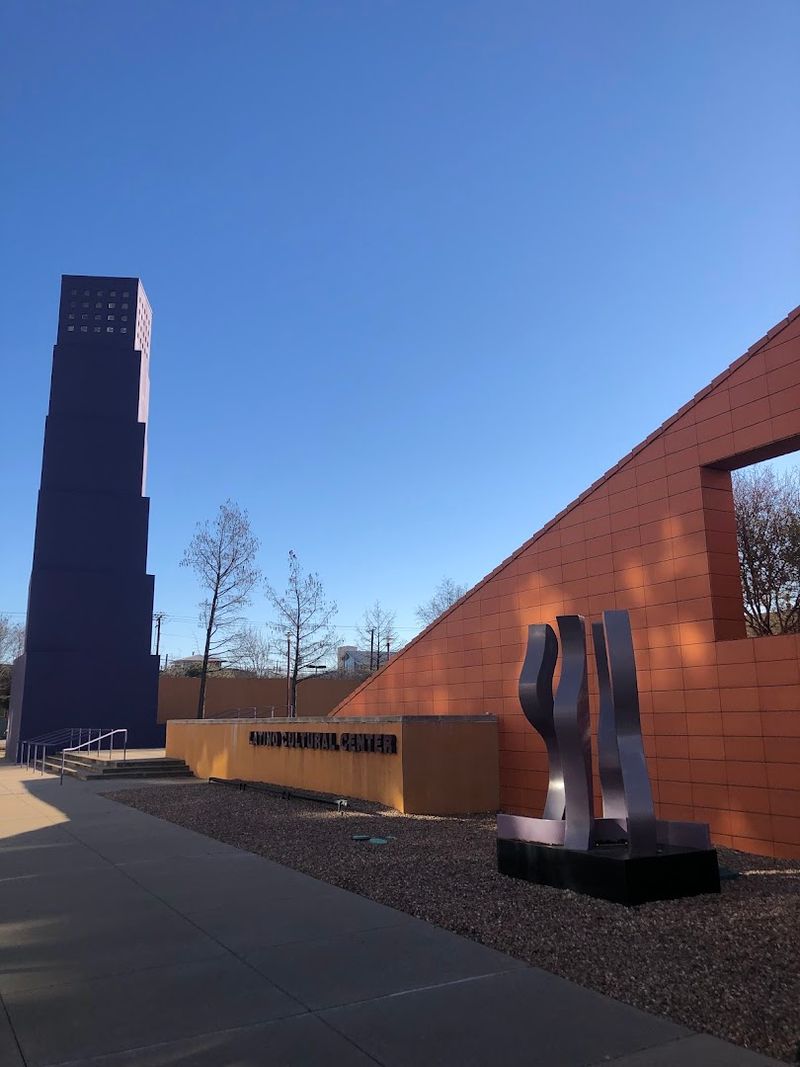
Bright colors, bold architecture, and a mission to celebrate Latino arts and culture make the Latino Cultural Center impossible to ignore. The building itself is a work of art, with its distinctive design standing out in the neighborhood. Admission to the galleries is free, and the center regularly hosts performances, film screenings, and cultural events—many of which are also free or very affordable.
The gallery spaces rotate exhibitions featuring Latino artists from Texas, across the Americas, and beyond. You might find traditional folk art displayed alongside contemporary installations, photography projects documenting immigrant experiences, or multimedia works exploring identity and heritage. The center doesn’t limit itself to one definition of Latino culture, which keeps the programming fresh and diverse.
Beyond the galleries, the center includes a theater that hosts everything from Spanish-language plays to dance performances and concerts. A library and resource center offers books, films, and educational materials focused on Latino culture and history. Even if you just stop by for a quick gallery visit, you’ll likely notice flyers and posters advertising upcoming events worth marking on your calendar.
The center’s location puts it within easy reach of Deep Ellum’s restaurants and music venues, making it simple to combine a museum visit with lunch or dinner. Street parking is available, and the center has its own lot for visitors. The neighborhood has changed dramatically in recent years, with new development bringing more restaurants and businesses to the area.
Weekend afternoons often bring families with kids, especially when the center hosts special events or workshops. The staff is bilingual and welcoming, happy to answer questions about the current exhibitions or upcoming programs. Even if you don’t speak Spanish, you’ll find plenty to appreciate—art has a way of communicating across language barriers.
The Latino Cultural Center represents Dallas’s commitment to celebrating its diverse communities, and free admission ensures everyone can participate. Whether you’re interested in contemporary art, traditional crafts, or just learning more about cultures that have shaped Texas, this center delivers with authenticity and heart.
6. The Samurai Collection (Harwood District)
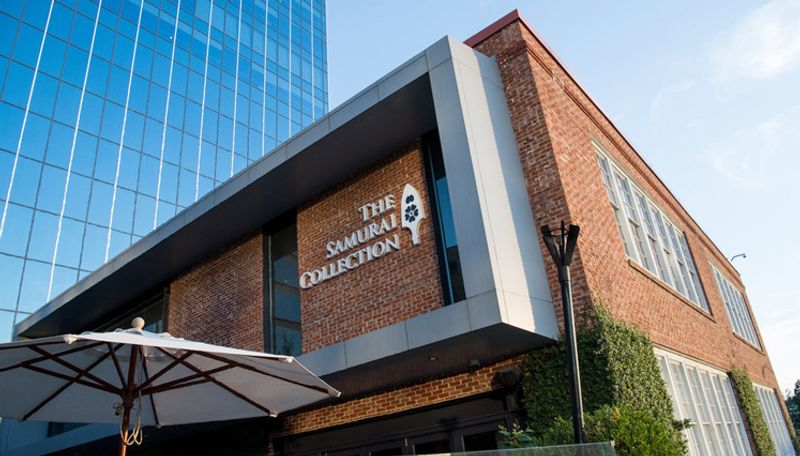
Walking into a luxury high-rise in the Harwood District to find one of the world’s finest samurai collections feels wonderfully unexpected. The Samurai Collection is free to visit, though you need to check their hours since they’re not open every day. Located in a residential building, the museum occupies a dedicated space filled with armor, swords, and artifacts spanning several centuries of Japanese warrior culture.
The collection includes complete suits of armor worn by actual samurai, some dating back to the feudal era. Swords displayed throughout the galleries aren’t replicas—these are genuine weapons crafted by master swordsmiths. The level of detail in the armor is stunning, from the intricate lacing to the decorated helmets designed to intimidate enemies on the battlefield.
What makes this collection special isn’t just the objects themselves, but how they’re presented. Informative displays explain the history and significance of each piece without dumbing it down. You’ll learn about the samurai code of bushido, the different types of armor worn by warriors of various ranks, and the spiritual significance of the katana sword.
The museum is small—you can see everything in about 30 to 45 minutes. But those minutes pack in more authentic Japanese warrior culture than you’d find in many larger institutions. Photography is allowed, so bring your camera if you want to capture some of these incredible pieces.
Because it’s located in a residential building, the museum has a unique, almost private feel. You won’t battle crowds here, though weekends can bring more visitors than weekdays. The Harwood District itself is one of Dallas’s newer developments, with restaurants and shops nearby if you want to make an afternoon of it.
Parking in the Harwood District can be tricky, with most options being paid garages. Check the museum’s website for specific parking recommendations before you go. The building has security, so you’ll need to check in at the desk and let them know you’re visiting the museum.
The Samurai Collection proves that great museums can exist outside traditional museum districts. It’s a hidden gem that rewards the effort it takes to find it with an authentic look at Japanese warrior culture.
Share this story