Texas summers hit different when you know where the real swimming spots are. While tourists crowd the usual attractions, locals have been keeping some seriously gorgeous swimming holes under wraps for years. These hidden gems offer crystal-clear water, natural beauty, and that perfect escape from the scorching heat without the massive crowds you’ll find at more famous locations.
1. Hamilton Pool Preserve (Dripping Springs)
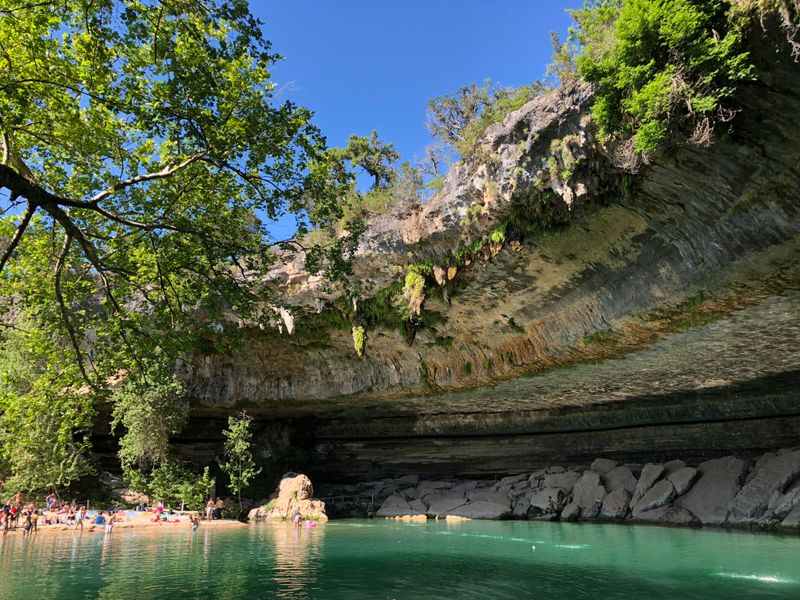
Picture a 50-foot waterfall spilling over a limestone overhang into a jade-green pool that looks like something from a fantasy movie. That’s Hamilton Pool, and honestly, it’s almost too beautiful to be real. The swimming area sits beneath a massive grotto created when an underground river’s dome collapsed thousands of years ago, leaving behind this incredible natural cathedral.
Getting here requires reservations because Travis County finally had to start limiting visitors after word got out. You’ll need to book online ahead of time, and spots fill up fast during summer weekends. The half-mile hike down to the pool isn’t terrible, but you’re definitely earning your swim.
The water stays refreshingly cool year-round, fed by underground springs that keep it around 70 degrees even when it’s blazing hot outside. Moss and ferns drape the limestone walls, and if you’re lucky enough to visit after recent rain, that waterfall becomes absolutely thunderous. Swimming directly under the falls isn’t allowed anymore due to occasional rock falls, but the pool itself is plenty big for a proper swim.
Here’s the thing nobody tells you: the preserve sometimes closes swimming when bacteria levels get too high after heavy rains. Always check their status before you drive out. Also, the trail can get slippery, so wear shoes with actual grip, not flip-flops.
Amenities are pretty basic with restrooms and a small picnic area up top. No food or drinks are sold on-site, so pack everything you need. The preserve protects endangered salamanders, which means no sunscreen or lotions in the water.
Plan accordingly and bring shade gear instead.
Photography here is incredible, but the lighting inside the grotto works best in the morning or late afternoon. Midday sun creates harsh shadows that don’t do the place justice. This spot deserves your camera’s memory card, trust me.
2. Devil’s Waterhole (Burnet)
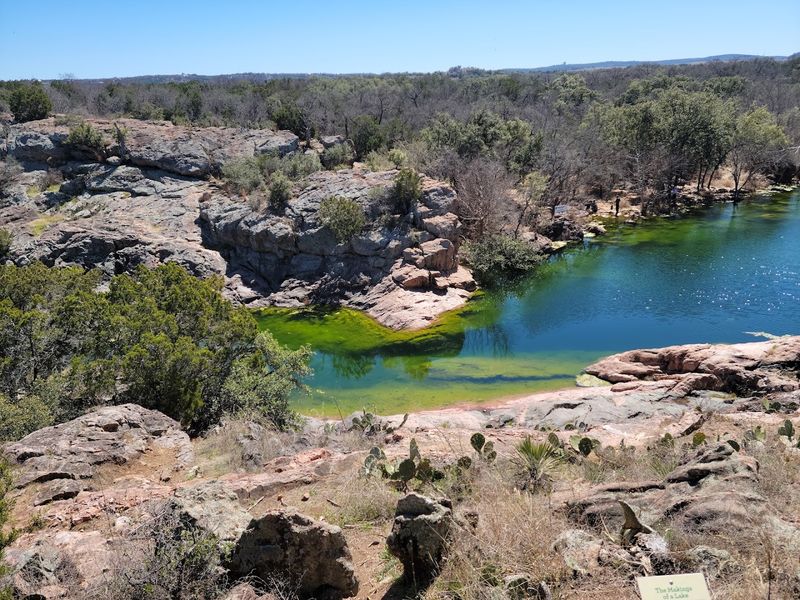
Locals in Burnet County have been jumping off these granite cliffs into deep blue water since before Instagram made everything famous. Devil’s Waterhole earned its name from the supposedly bottomless depths, though it’s actually around 20 feet deep in most spots. The real draw here is the combination of cliff jumping, rope swings, and water so clear you can see straight to the rocky bottom.
Access has gotten trickier over the years since this spot sits on private property within Inks Lake State Park’s general area. You’ll need to enter through the state park and hike about a mile on trails that aren’t always clearly marked. Weekdays are your best bet for avoiding crowds and finding parking that doesn’t require a hike before your hike.
The granite formations create natural diving platforms at various heights. Start low if you’re new to cliff jumping because that water hits harder than it looks from above. Experienced jumpers go for the higher ledges, but seriously, know your limits and check the depth before you launch yourself into space.
Water temperature fluctuates more than spring-fed pools since this is part of Inks Lake’s system. Summer months bring warmer water that’s actually pleasant for longer swimming sessions. The granite rocks heat up like crazy though, so water shoes or sandals you don’t mind getting wet are basically required unless you’ve got hobbit feet.
Wildlife sightings are common, including turtles sunbathing on rocks and the occasional water snake (they’re harmless but still startling). Eagles and hawks circle overhead, and if you’re quiet, deer sometimes come down to drink early in the morning. Bring binoculars if you’re into that sort of thing.
No lifeguards patrol this area, and cell service is spotty at best. Swim with a buddy and let someone know where you’re going. The park charges a standard entrance fee, and you’ll want to arrive early during summer weekends because they close the gates when capacity is reached.
3. Krause Springs (Spicewood)
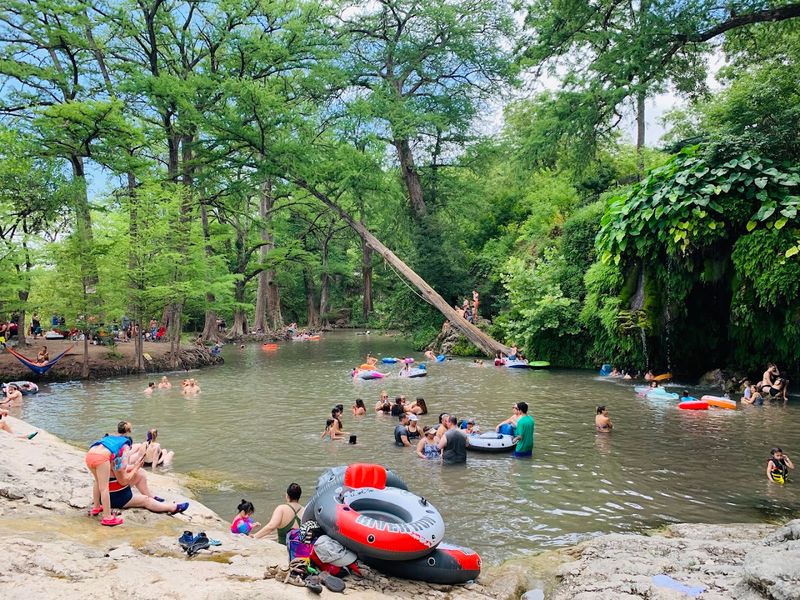
What started as a family’s private swimming hole back in the 1950s has turned into one of the Hill Country’s best-kept semi-secrets. Krause Springs features not just one pool but several, including natural spring-fed swimming areas and a human-made pool that gets filled with that same crystal-clear spring water. The property sprawls across 115 acres of pure Texas beauty.
The main natural pool sits in a grotto-like setting where 32 springs bubble up from the limestone, creating small waterfalls that cascade into the swimming area. Temperatures hover around 68-70 degrees year-round, which feels absolutely perfect on a scorching summer afternoon. The man-made pool up the hill offers a slightly warmer option when you need a break from the bracing spring water.
This place operates as a privately-owned day-use area and campground, so there’s an admission fee that’s actually pretty reasonable. The family that owns it has maintained the natural character while adding useful amenities like changing rooms, picnic tables, and grills. They’ve even planted butterfly gardens that attract hundreds of species during peak season.
Camping here is phenomenal if you want to extend your visit. Tent sites nestle under massive oak trees, and you’ll fall asleep to the sound of spring water trickling over rocks. Primitive camping keeps things rustic, but the bathhouses are clean and well-maintained.
Just remember to book ahead because word has definitely spread about this place.
The rope swing remains a major attraction, and watching people work up the courage to let go never gets old. Little kids can wade in the shallow areas while older swimmers explore the deeper sections. The natural setting means you’re sharing space with minnows, dragonflies, and the occasional frog.
They’re closed Tuesdays and Wednesdays for maintenance and to give the springs a break from constant use. Cash is preferred for admission, though they’ve started accepting cards. Alcohol isn’t allowed, and they’re serious about the no-glass-containers rule since broken glass and bare feet make terrible combinations.
4. Gorman Falls Swimming Area (Bend)
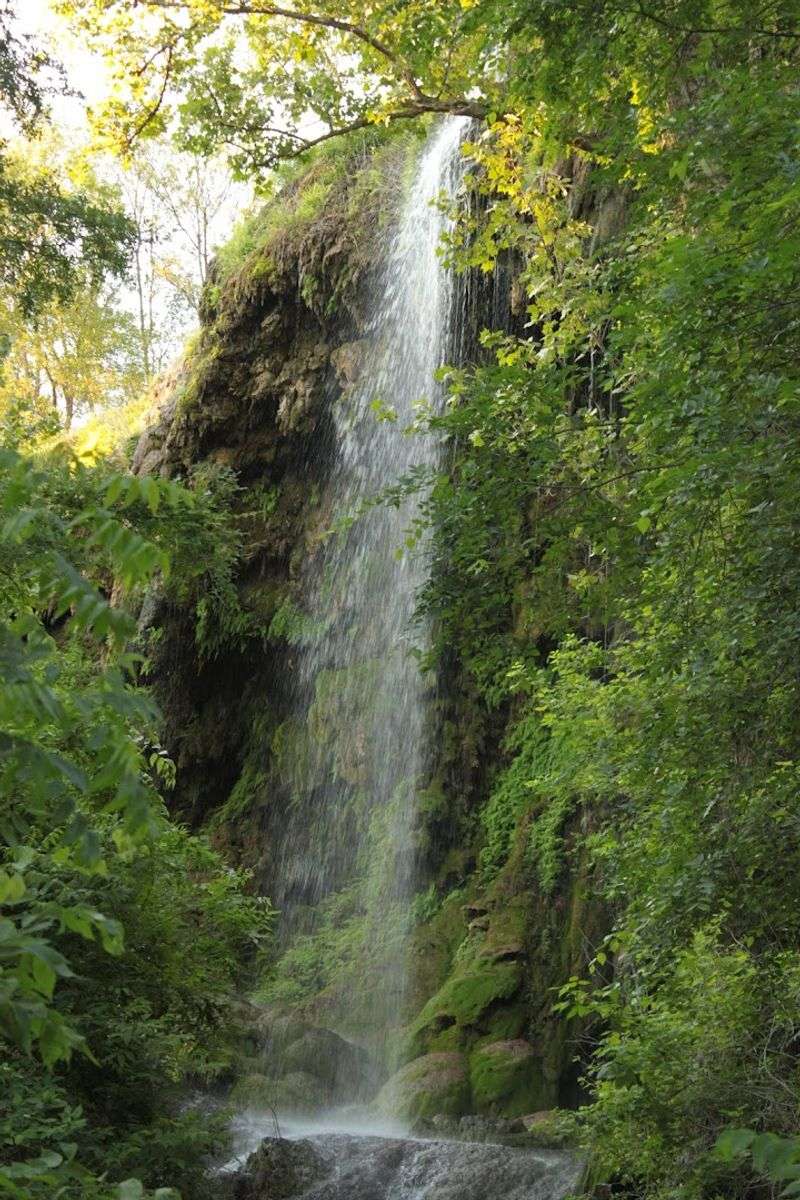
Hidden deep within Colorado Bend State Park, Gorman Falls dumps 70 feet down a moss-covered limestone cliff that looks transplanted from some tropical rainforest. The falls feed into a swimming area that most visitors never reach because getting there requires a serious commitment. We’re talking a six-mile round-trip hike through rugged terrain that’ll have your legs questioning your life choices.
The trail follows the Colorado River for stretches before cutting inland through classic Hill Country landscape. You’ll cross Gorman Creek multiple times, and after heavy rains, those crossings can get tricky. Wear shoes that can handle water and rocks because you will get wet regardless of how carefully you try to hopscotch across.
Swimming happens in the pool at the base of the falls, though the park sometimes restricts it depending on water levels and safety conditions. The water is cold, fed by springs that maintain cave-like temperatures even in August. That shocking chill is actually perfect after the hot hike in, and you’ll appreciate every degree below body temperature.
What makes this spot truly special is the travertine formations and the vibrant green moss that covers everything. The falls create a constant mist that keeps the moss thriving, and the whole scene looks prehistoric. Rare plants grow here that exist in only a few locations worldwide, so stay on designated paths and don’t touch the formations.
Cell service is nonexistent out here, and the park is genuinely remote. Bring way more water than you think you need because dehydration sneaks up fast. Snacks are essential too since six miles is no joke, especially in Texas heat.
Start early to avoid the worst of the afternoon sun.
The park requires reservations for this hike, limiting daily visitors to protect the fragile ecosystem. Book through the Texas Parks and Wildlife website well in advance. They also offer guided hikes on weekends that provide interesting geological and historical context you’d miss otherwise.
No facilities exist at the falls themselves, so plan accordingly. The main park area has restrooms and water, but that’s miles away when you’re at Gorman. This isn’t a spot for casual visitors, but if you’re up for the adventure, it’s absolutely worth the effort.
5. Blue Hole (Georgetown)
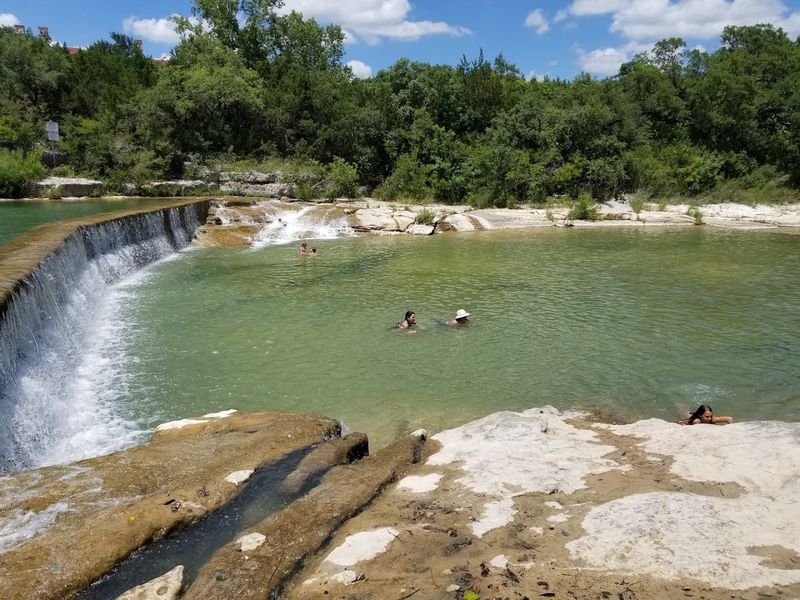
Right in the middle of Georgetown sits a swimming hole so blue it looks photoshopped. Blue Hole is spring-fed from the Edwards Aquifer, pumping out water that stays around 72 degrees year-round and maintains that distinctive turquoise color that gave the place its name. The best part?
It’s walking distance from the town square, making it possibly the most convenient secret swimming spot in Texas.
The city of Georgetown manages this park, and they’ve done a solid job balancing access with preservation. There’s a nominal admission fee during summer months when lifeguards are on duty. The park includes the swimming area, picnic facilities, and trails along the San Gabriel River that are perfect for working up an appetite before hitting the water.
Depth varies throughout the swimming area, with shallow sections perfect for younger kids and deeper spots where you can actually swim laps if you’re into that. The rope swing sees constant action during peak hours, and there’s usually a line of kids waiting their turn. Limestone ledges provide natural seating where you can dangle your feet while you wait for a spot to open up.
Here’s what locals know: arrive before 11 AM during summer weekends or prepare to wait for parking. The lot fills up fast, and street parking gets competitive. Weekday afternoons offer the best combination of good weather and manageable crowds.
Early morning swimming before work is actually a thing here, and once you try it, you’ll understand why.
The park prohibits glass containers, alcohol, and disposable grills, and they enforce these rules consistently. Lifeguards keep watch during designated hours, but you’re on your own outside those times. The water is generally safe, but they occasionally close for water quality issues after major storms wash debris into the system.
Amenities include changing rooms, restrooms, and plenty of shaded picnic areas. Food trucks sometimes park nearby on weekends, or you can walk to downtown Georgetown for proper restaurants. The historic town square is legitimately charming and worth exploring after your swim.
Photography is fantastic here, especially in late afternoon when the sun hits the water at just the right angle to make that blue pop even more. Local families treat this place like their backyard pool, which creates a community vibe you don’t find at tourist-heavy locations.
6. Blanco State Park Swimming Area (Blanco)
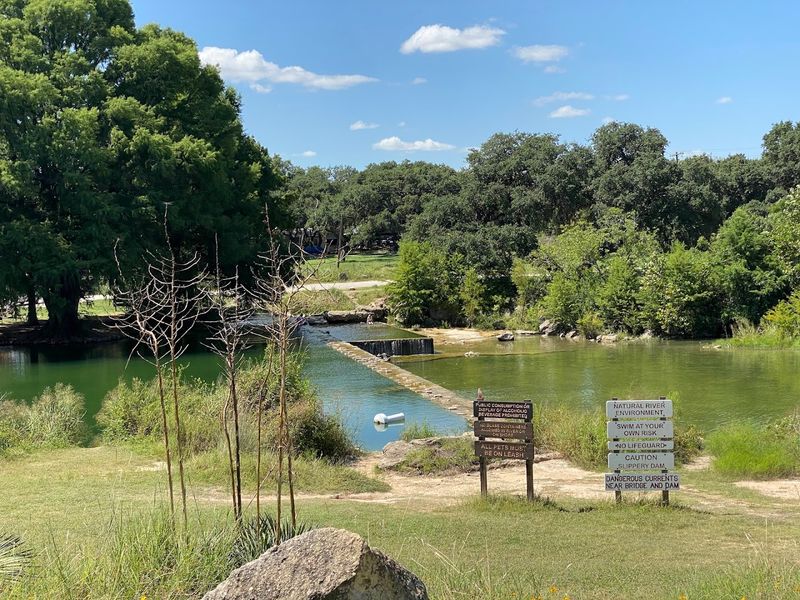
The Blanco River runs right through this compact state park, creating swimming opportunities that change with the seasons and water levels. When conditions are right, you get clear water flowing over limestone shelves with cypress trees providing natural shade along the banks. It’s classic Texas river swimming without the party-crowd chaos that’s taken over some other spots.
Water depth and flow vary dramatically depending on recent rainfall. After dry spells, the river becomes a series of shallow pools perfect for wading and cooling off. Following good rains, it transforms into a proper swimming river with enough current to make floating downstream entertaining.
Always check current conditions because this river can go from calm to dangerous surprisingly quickly during flash floods.
The park’s swimming area is clearly marked, and during summer months, it gets monitored regularly. Lifeguards aren’t stationed here, so you’re responsible for your own safety and watching your kids. The river bottom is mostly limestone and gravel, which is easier on feet than sharp rocks but still warrants water shoes if you’re tender-footed.
Tubing is hugely popular here, and the park offers a convenient setup where you can float downstream and walk back up to do it again. Bring your own tube or rent from vendors in town. The float is mellow enough for families but still more interesting than sitting in a pool.
Just watch for the occasional downed tree branch and shallow spots where you might scrape bottom.
Camping facilities here are excellent if you want to make a weekend of it. Sites include water and electric hookups, and the park stays relatively quiet compared to larger, more famous state parks. Screened shelters offer a middle ground between tent camping and RVs, complete with lights and fans for those muggy summer nights.
The small-town vibe of Blanco adds to the appeal. Population barely cracks 2,000, so you’re getting genuine small-town Texas, not some tourist trap. The state park sits right on the edge of town, meaning you can walk to local restaurants and the old courthouse square.
Entrance fees follow standard Texas State Parks rates, and they accept the Texas State Parks Pass if you’re a frequent visitor. Facilities include clean restrooms, picnic areas with grills, and a playground for kids who somehow still have energy after swimming all day. This spot works best for people who appreciate a more low-key swimming experience without needing waterfalls or cliff jumping to have a good time.
Share this story