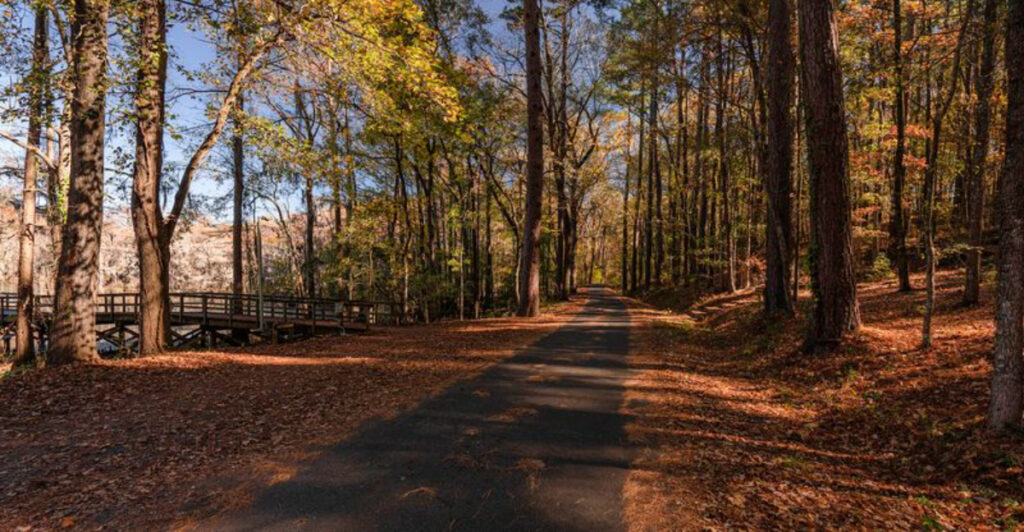
Sometimes you need to hit pause on the noise and chaos of everyday life. Texas has plenty of hidden corners where you can unplug, unwind, and remember what quiet feels like. From misty swamps to canyon sunsets, these seven spots offer the kind of peace that actually sticks with you long after you head home.
1. Caddo Lake State Park (Karnack)
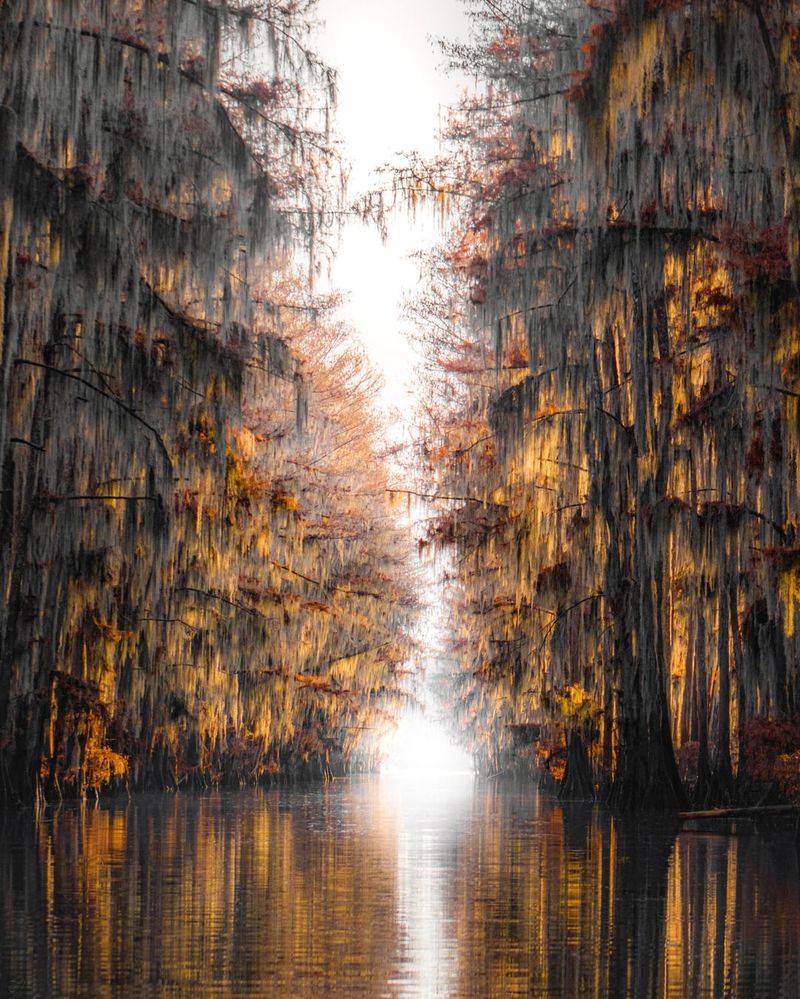
Paddling through Caddo Lake feels like slipping into another world entirely. Bald cypress trees tower above you, their knobby knees poking through the tea-colored water while Spanish moss sways in the breeze. The maze of bayous and sloughs creates a natural labyrinth that swallows up city stress faster than you can say “where’s my phone charger?”
Mornings here are something special. Mist rises off the water like smoke, and the only sounds you’ll hear are birds calling and your paddle dipping through the surface. Rent a canoe or kayak and explore at your own pace, weaving between cypress trunks that have stood for centuries.
You might spot an alligator sunbathing on a log or a great blue heron fishing in the shallows.
The park offers cabins and campsites if you want to extend your escape beyond a day trip. Screened shelters let you sleep surrounded by nature without becoming mosquito bait, which anyone who’s camped in East Texas will appreciate. Fishing is popular here too, with largemouth bass and catfish waiting beneath the lily pads.
What makes Caddo Lake truly peaceful is how it forces you to slow down. There’s no rushing through a swamp when you’re navigating narrow channels and ducking under low-hanging branches. Your phone probably won’t have signal anyway, which turns out to be a blessing rather than a problem.
The lake spans nearly 27,000 acres between Texas and Louisiana, making it the only natural lake in Texas of significant size. That bit of trivia might not matter much when you’re floating beneath ancient trees, but it reminds you that some places have resisted change for good reason. This is one of those rare spots where nature still runs the show, and honestly, she does a better job than most of us ever could.
2. Palo Duro Canyon State Park (Canyon)
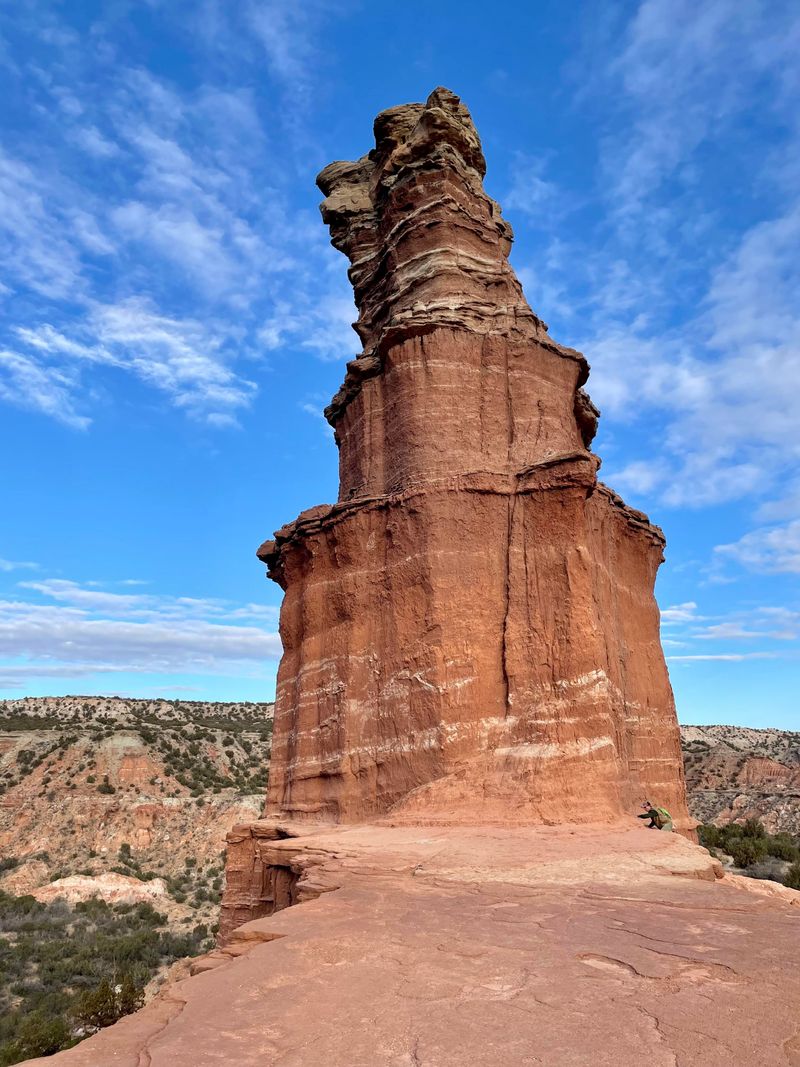
Most people picture flat plains when they think of the Texas Panhandle, so stumbling upon Palo Duro Canyon feels like discovering a secret the land kept hidden. The second-largest canyon in the United States drops 800 feet below the caprock, revealing layers of red, orange, and yellow rock that glow like fire when the sun hits them right. Standing at the rim and looking down takes your breath away every single time.
Hiking trails wind through the canyon floor, ranging from easy walks to challenging climbs that reward you with panoramic views. The Lighthouse Trail is the most famous, leading to a distinctive rock formation that stands like a sentinel over the landscape. Early morning hikes mean cooler temperatures and better wildlife spotting chances, though sunset paints the canyon walls in colors that cameras never quite capture properly.
Camping here puts you under some of the darkest skies in Texas. Without city lights for miles, the stars come out in full force, reminding you just how small your daily worries actually are. The quiet at night is profound, broken only by coyotes singing in the distance or the wind whistling through the canyon.
Mountain biking is another way to explore, with trails that challenge experienced riders while still offering routes for beginners. Horseback riding lets you channel your inner cowboy as you traverse terrain that hasn’t changed much since the days when Comanche and Kiowa peoples called this area home.
The canyon was carved over millennia by the Prairie Dog Town Fork of the Red River, a process that continues today at a pace too slow for human eyes to notice. That geological patience feels contagious when you’re sitting on a canyon overlook watching shadows shift across ancient rock. Time moves differently here, and rushing through Palo Duro would miss the entire point of coming in the first place.
3. Fort Worth Water Gardens (Fort Worth)
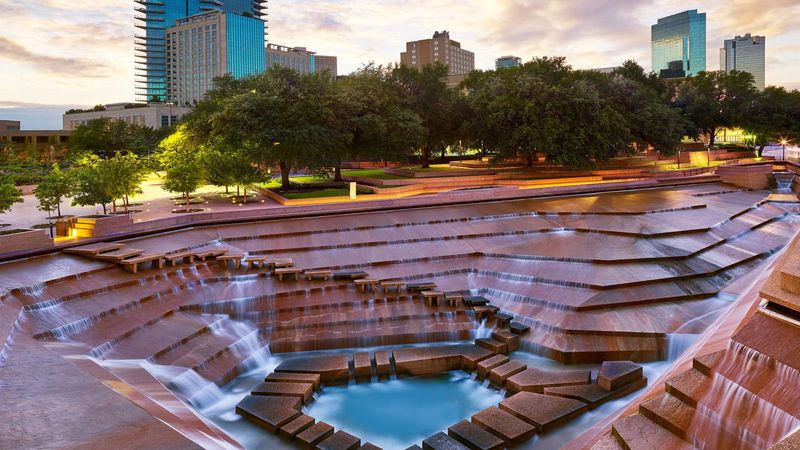
Right in the middle of downtown Fort Worth sits a concrete oasis that drowns out traffic noise with the sound of rushing water. The Fort Worth Water Gardens proves you don’t need to drive hours into the wilderness to find peace. Sometimes tranquility hides in plain sight between skyscrapers and office buildings.
Three distinct pools offer different experiences. The Aerating Pool features fountains that spray and dance, creating a playful atmosphere perfect for watching water catch sunlight. The Quiet Pool lives up to its name with still water reflecting sky and clouds like a mirror.
But the Active Pool is where magic happens.
Walking down into the Active Pool feels like descending into a canyon made by human hands. Water cascades down terraced walls on all sides, creating a roar that blocks out everything else. Stand at the bottom and the city disappears completely, replaced by tons of water flowing around you in a carefully controlled chaos.
It’s meditative in a way that surprises first-time visitors who expected just another city park.
Designed by architect Philip Johnson and opened in 1974, the Water Gardens were built as a cooling respite for downtown workers and visitors. The brutalist concrete design might not win beauty contests, but it creates spaces that interact with water in ways traditional parks never could. Locals come here on lunch breaks to reset their minds before returning to work.
The gardens are free to visit and open daily from sunrise to sunset, making them accessible whenever you need a quick escape. Bring a book and claim a spot along the Quiet Pool, or brave the mist at the bottom of the Active Pool. Either way, you’ll leave feeling like you traveled much farther than a few blocks from the parking garage.
Urban peace might sound like an oxymoron, but Fort Worth figured out how to make it real.
4. Laguna Atascosa National Wildlife Refuge (Los Fresnos)
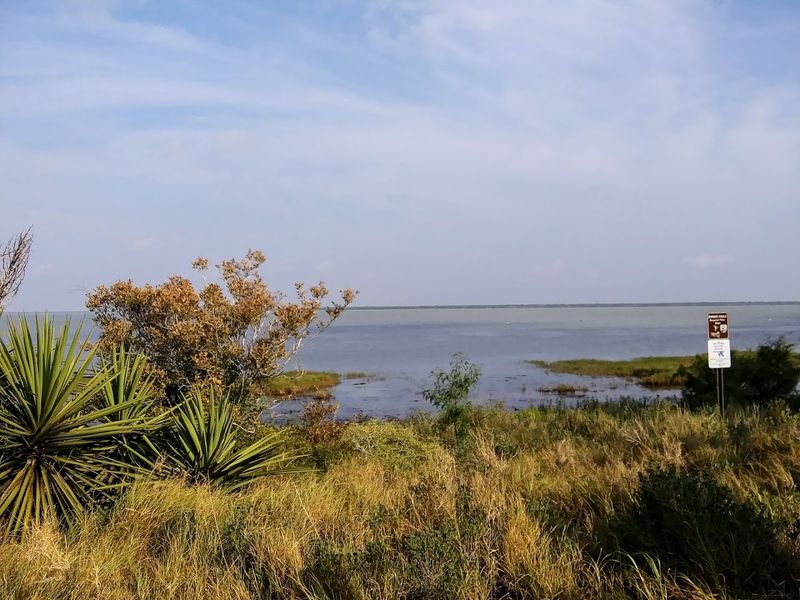
Down in the Rio Grande Valley where Texas meets the Gulf of Mexico, Laguna Atascosa spreads across 98,000 acres of coastal prairie, thorn forest, and wetlands. This refuge protects some of the most threatened habitat in North America, and visiting feels like stepping back to a Texas that existed before highways and strip malls took over.
Birders consider this place holy ground. Over 400 species have been recorded here, including rare finds like the Aplomado falcon and the tiny green jay. Even if you can’t tell a warbler from a sparrow, watching thousands of sandhill cranes descend at sunset will make you understand why people drive from across the country with binoculars and camera lenses longer than your arm.
Wildlife viewing opportunities extend beyond birds. Alligators sun themselves along Laguna Madre, and if you’re incredibly lucky, you might spot one of the few remaining ocelots in the United States. White-tailed deer browse in the thorn scrub, and javelinas root around looking for prickly pear cactus to munch.
The refuge also protects nesting sea turtles on nearby beaches during summer months.
Two scenic drives loop through different habitats, letting you explore without leaving your air-conditioned car when South Texas heat becomes oppressive. Walking trails offer closer encounters for those willing to brave mosquitoes and humidity. The Lakeside Trail provides easy access to water views where you can watch wading birds hunt for fish.
What makes Laguna Atascosa peaceful isn’t just the absence of crowds, though you’ll often have trails to yourself on weekdays. It’s the sense of wildness preserved against all odds. Development pressures constantly threaten refuges like this one, making every visit feel slightly precious.
Watching a roseate spoonbill wade through shallow water or hearing the haunting call of a caracara reminds you that some things are worth protecting, even when protection requires effort and sacrifice.
5. Gorman Falls / Colorado Bend State Park (Bend)
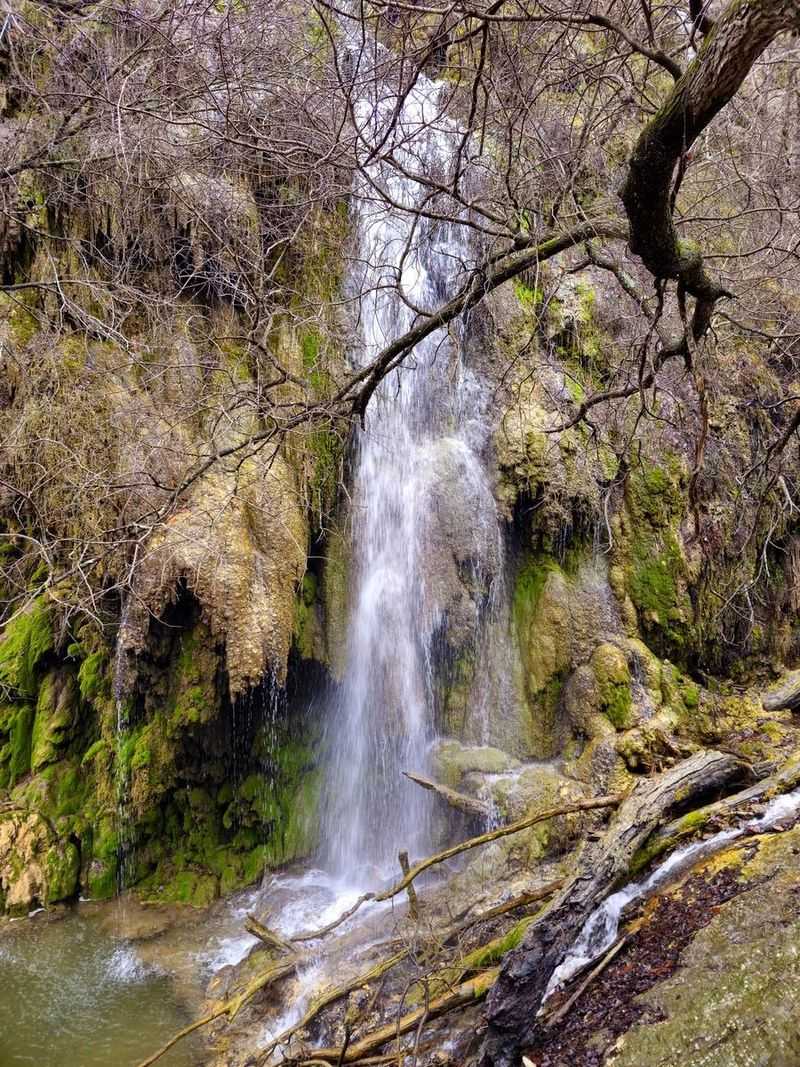
Getting to Gorman Falls requires commitment. You’ll hike roughly three miles round trip over rocky terrain that tests your ankles and your determination. But when you round that final bend and see a 70-foot waterfall spilling over a limestone cliff covered in emerald moss and ferns, you’ll forget every stumble along the way.
The falls flow year-round thanks to springs feeding the cascade, creating a microclimate that supports plants you wouldn’t expect in the Texas Hill Country. Maidenhair ferns cling to wet rock faces, and the air smells like damp earth and growing things. Travertine formations build slowly where mineral-rich water deposits calcium carbonate, adding tiny layers that will eventually become solid rock in a few thousand years.
Colorado Bend State Park surrounds the falls with 5,328 acres of rugged Hill Country terrain. The Colorado River curves through the property, offering spots for swimming, fishing, and kayaking when water levels cooperate. Gorman Creek flows into the river near the falls, and following the creek downstream reveals pools and smaller cascades worth exploring.
Cave tours take you underground into Gorman Cave, where you can see formations that took millennia to create. The cave stays a constant cool temperature year-round, providing relief from summer heat. Park rangers lead the tours and explain the geology while you duck through passages and marvel at stalactites hanging like stone icicles.
Camping here means primitive sites without hookups, which filters out the RV crowds and leaves space for people who don’t mind roughing it a bit. Nights are dark and quiet, perfect for stargazing or just sitting by a campfire listening to the river flow past. Cell service is nonexistent, which forces you to actually disconnect whether you planned to or not.
The hike to Gorman Falls isn’t suitable for everyone due to uneven terrain and stream crossings that can be tricky after rain. But physical challenges often lead to the most rewarding destinations. Standing beneath the falls with mist on your face, you’ll understand why some peace requires a little effort to reach.
6. Balcones Canyonlands National Wildlife Refuge (Marble Falls)
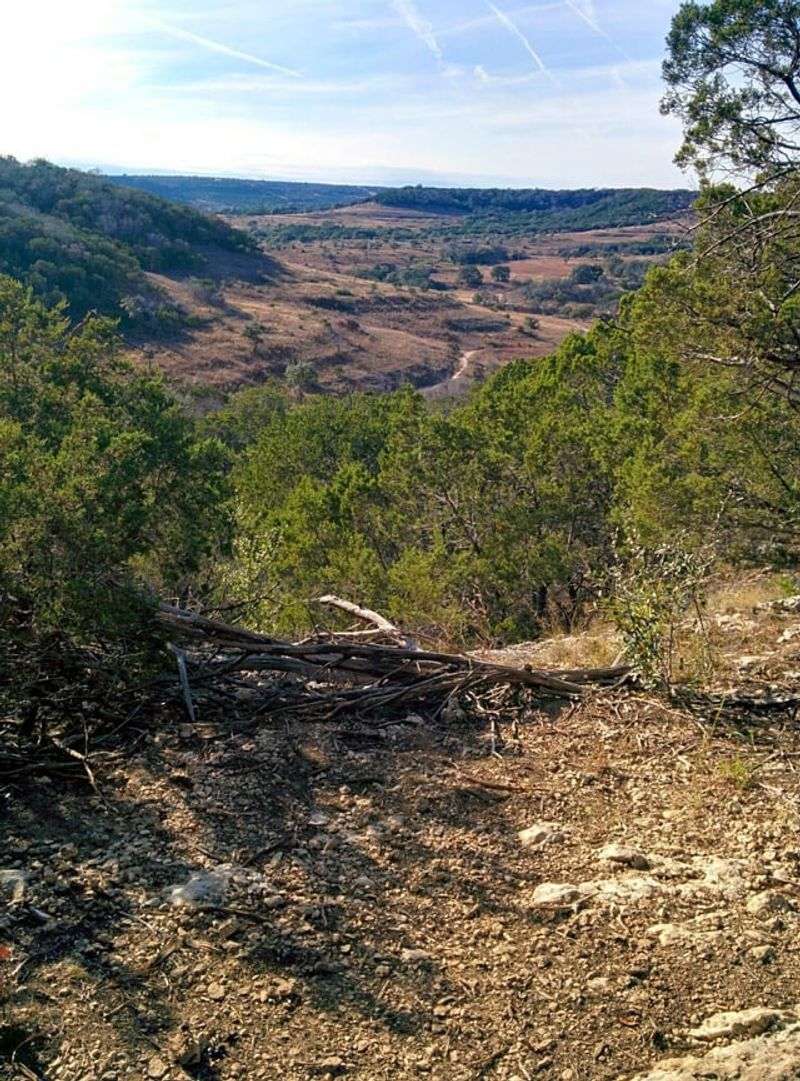
Balcones Canyonlands sprawls across 27,000 acres of Hill Country terrain northwest of Austin, protecting habitat for two endangered songbirds most people have never heard of. The golden-cheeked warbler and black-capped vireo depend on these canyonlands for survival, but you don’t need to be a bird nerd to appreciate the peaceful solitude this refuge offers.
Multiple tracts make up the refuge, with different areas open to the public on rotating schedules. This limited access keeps crowds manageable and gives wildlife space to thrive without constant human disturbance. Check the website before visiting to confirm which areas are open, then prepare for hiking that ranges from easy nature walks to challenging scrambles over limestone ledges.
The landscape here is classic Hill Country: juniper and oak trees clinging to rocky hillsides, seasonal creeks carving through limestone, and views that stretch for miles when you reach high points. Spring wildflowers paint the ground in bluebonnets, Indian paintbrush, and dozens of other species that bloom after good rains. Fall brings migrating birds passing through on their way to warmer climates.
What you won’t find here are developed facilities. No visitor center greets you with air conditioning and gift shops. No paved trails make hiking easy in flip-flops.
Balcones Canyonlands is managed for wildlife first, with human recreation as a secondary consideration. That approach creates an experience that feels authentic rather than packaged for tourists.
Hunting is allowed during specific seasons, so check regulations and wear bright colors if you visit during fall and winter. The refuge also conducts prescribed burns to maintain habitat, which means areas occasionally close for fire management. These practices might seem inconvenient, but they’re essential for keeping the ecosystem healthy.
Solitude comes easily here because many Texans don’t even know this refuge exists. While crowds pack into state parks on weekends, you can hike Balcones Canyonlands trails with only birdsong for company. That kind of peace feels increasingly rare in Central Texas, where growth and development consume open space faster than most people realize.
Visit while these canyonlands remain protected and peaceful.
7. Big Bend National Park
Big Bend sits so far from everything else that darkness and silence become tangible things you can almost touch. This massive park occupies 801,000 acres of Chihuahuan Desert along the Rio Grande, where Texas curves around Mexico in a geographical quirk that gave the park its name. Getting here requires commitment since you’re genuinely in the middle of nowhere, but that remoteness is exactly what makes it peaceful.
Three distinct ecosystems exist within the park boundaries. Desert lowlands feature ocotillo, lechuguilla, and creosote bush adapted to brutal heat and minimal rainfall. The Chisos Mountains rise to nearly 8,000 feet, creating a sky island where ponderosa pines and Arizona cypress grow in conditions cooler and wetter than the surrounding desert.
The Rio Grande corridor supports cottonwoods and willows that provide crucial habitat for wildlife.
Hiking options range from short nature walks to multi-day backpacking trips through remote wilderness. The Window Trail in the Chisos Basin leads to a dramatic pour-off where a creek spills into the desert below. Lost Mine Trail climbs to viewpoints overlooking miles of mountains and desert.
Experienced hikers tackle the South Rim loop, camping overnight at primitive sites where the only lights come from stars and your headlamp.
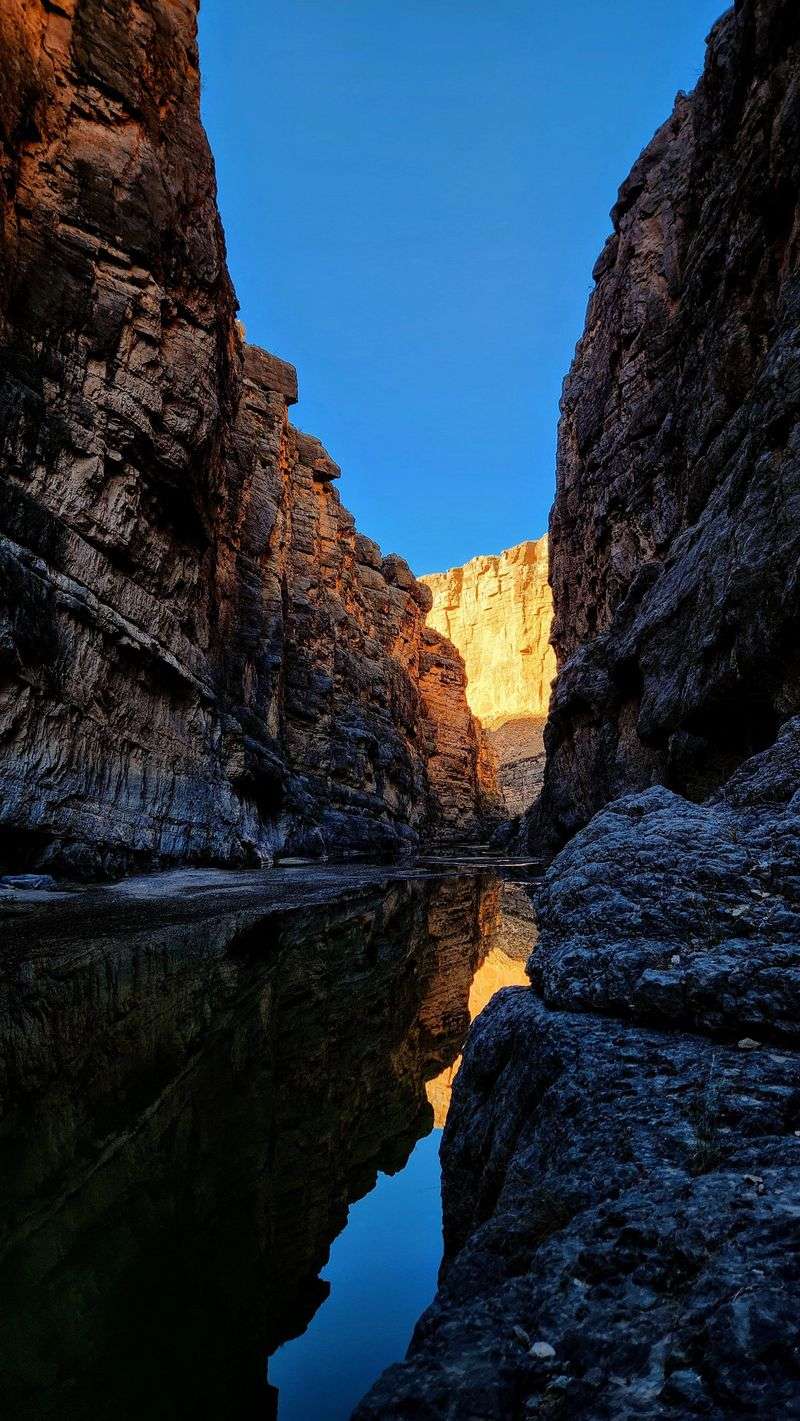
River trips down the Rio Grande take you through spectacular canyons with walls rising hundreds of feet on both sides. Santa Elena Canyon is the most famous, with the river carving through limestone cliffs that block out the sun for much of the day. Outfitters in nearby towns provide guided trips, or you can obtain permits and paddle yourself if you have proper equipment and experience.
Big Bend’s International Dark Sky Park designation recognizes some of the darkest night skies in North America. On moonless nights, the Milky Way stretches across the sky so clearly that you can see why ancient peoples imagined gods and heroes in the stars. Meteor showers put on shows that make you feel like you’re watching the universe breathe.
Wildlife includes black bears, mountain lions, roadrunners, javelinas, and over 450 bird species. Seeing a bear requires luck, but their presence adds an edge of wildness that keeps you alert. The peace here isn’t soft or gentle, but rather the profound quiet of a landscape that has no interest in human concerns and will outlast all of us by millions of years.
Share this story