Tennessee holds more than mountains and music. Beneath the surface and tucked into small towns across the state, gem and mineral shops offer visitors a chance to take home something truly special.
Whether you’re hunting for a polished geode, a raw crystal cluster, or a hands-on mining experience, these seven stops deliver treasures you won’t find anywhere else.
1. Agnes’ Appalachian Gems – Gatlinburg
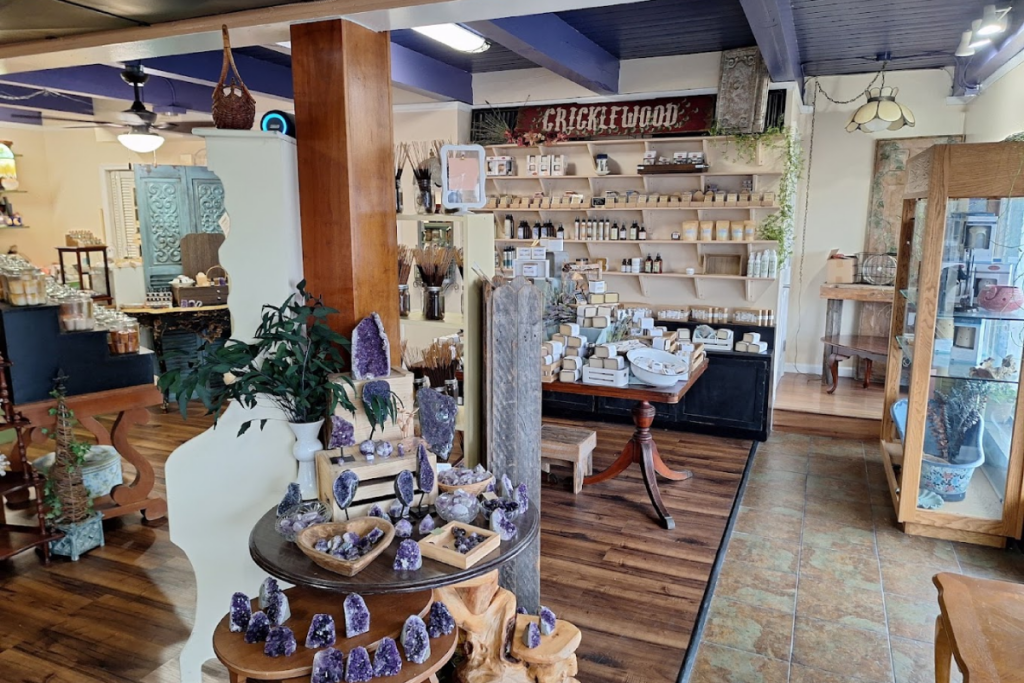
Walking into this Gatlinburg shop feels like stepping into a collector’s personal vault. Shelves stretch from floor to ceiling, packed with specimens that range from thumbnail-sized wonders to statement pieces heavy enough to anchor a coffee table.
The vibe is serious without being stuffy, and the staff knows their stuff.
Collectors gravitate here because the selection goes beyond tourist trinkets. You’ll find Brazilian amethyst cathedrals, Arkansas quartz points, local smoky quartz, and minerals sourced from dig sites across multiple continents.
The labeling is clear, the pricing is fair, and the inventory rotates often enough that repeat visits always reveal something new.
First-time rockhounds won’t feel lost, either. The shop balances high-end collector pieces with affordable starter specimens, tumbled stones, and educational displays that explain what you’re looking at.
If you’re curious about a particular rock or crystal, someone behind the counter can usually tell you where it came from and what makes it geologically interesting.
Location matters here. Gatlinburg draws millions of visitors every year, but this shop doesn’t lean into the theme-park energy that dominates the main strip.
It’s quieter, more focused, and built for people who actually care about what they’re buying. That makes it a solid stop whether you’re building a collection or just want a souvenir with some substance.
The shop also carries tools and supplies for hobbyists. Rock hammers, display stands, magnifying loupes, and field guides line one wall, making it easy to pick up what you need for your next dig or to properly showcase what you’ve already found.
It’s a one-stop spot for anyone who takes their rockhounding seriously.
Parking can be tight in Gatlinburg, especially during peak season, but the shop is walkable from most downtown hotels. Plan to spend at least thirty minutes browsing if you’re even remotely interested in minerals.
The selection is dense, and it’s easy to lose track of time comparing specimens or debating which geode deserves a spot in your luggage.
Agnes’ Appalachian Gems doesn’t try to be flashy. It’s a straightforward rock shop with a deep inventory, knowledgeable staff, and a layout that rewards careful browsing.
If you’re passing through the Smokies and want to leave with something more meaningful than a souvenir mug, this is where you stop.
2. Smoky Mountain Relic Room – Sevierville
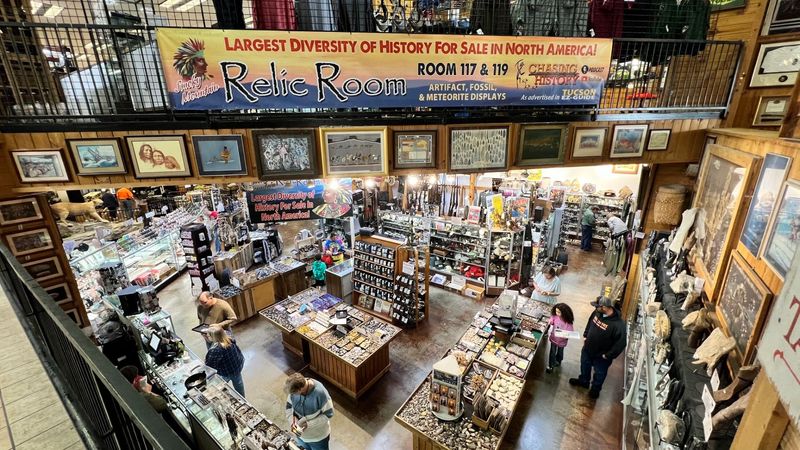
Most gem shops stick to rocks. This place throws in fossils, meteorites, and artifacts that could fill a small natural history museum.
The mix makes it one of the more unusual stops in the Smokies, and the variety keeps things interesting even if you’re not a hardcore mineral collector.
Genuine fossils sit alongside crystal clusters and polished stones. You’ll spot trilobites, ammonites, dinosaur teeth, and petrified wood sharing shelf space with amethyst geodes and fluorite specimens.
The shop also stocks meteorite fragments, which isn’t something you see every day. Each piece comes with information about its origin, age, and geological significance.
The artifact side of the inventory adds another layer. Arrowheads, Civil War relics, old coins, and vintage tools create a treasure-hunt atmosphere that appeals to history buffs as much as rock enthusiasts.
It’s not a curated museum experience, but that’s part of the charm. Everything is for sale, and the eclectic mix means you never quite know what you’ll find tucked into a corner display.
Pricing spans a wide range. Small tumbled stones and fossilized shark teeth start at a few dollars, making them easy impulse buys for kids or casual visitors.
Higher-end specimens, rare meteorites, and larger fossils carry price tags that reflect their rarity and condition. The shop doesn’t inflate prices to take advantage of tourist traffic, which is refreshing in a region where markup can get aggressive.
Staff members are approachable and willing to answer questions without hovering. If you’re curious about a particular fossil or want to know more about a mineral’s properties, they’ll walk you through it.
The shop also offers display cases, stands, and educational materials for anyone looking to build or organize a collection at home.
Sevierville sits just outside Gatlinburg and Pigeon Forge, so the area gets heavy tourist traffic. The Relic Room is easy to reach from major roads, and parking is more manageable than in the busier mountain towns.
The shop’s location makes it a convenient stop if you’re already exploring the Smokies or heading to one of the area’s other attractions.
The mix of minerals, fossils, meteorites, and artifacts sets this shop apart from the typical gem-shop lineup. It’s a solid pick if you want variety, a little history, and the chance to leave with something genuinely uncommon.
3. Little River Gem Mine – Sevierville
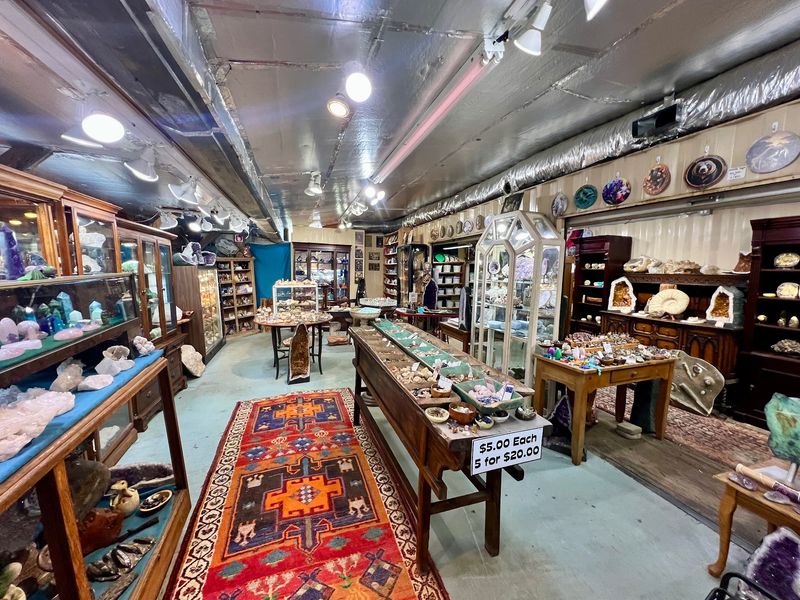
Buying a rock off a shelf is one thing. Pulling it out of a sluice box yourself hits differently.
Little River Gem Mine offers that hands-on experience, and it’s one of the reasons families and first-time rockhounds keep showing up. You’re not just shopping here. You’re mining.
The setup is simple. You buy a bucket of mining rough, grab a spot at one of the sluices, and start washing.
Water runs through wooden troughs, and as you shake and rinse your material, gemstones, minerals, and fossils start to appear. The staff explains what to look for and how to work the sluice, so even kids can figure it out quickly.
Each bucket is pre-salted with finds, but that doesn’t make the experience less fun. You’ll pull out garnets, amethyst, quartz, pyrite, fossils, and sometimes larger pieces like geodes or arrowheads.
The thrill of spotting something shiny in the gravel is real, and younger visitors especially love the treasure-hunt aspect. It’s a low-pressure way to introduce kids to geology without dragging them through a museum.
The mine offers buckets at different price points, with higher-tier options containing rarer or larger specimens. If you’re doing this as a family activity, the mid-range buckets usually offer the best balance of variety and value.
The staff will help you identify everything you find and bag it up so you can take it home.
Beyond the sluices, the mine has a small shop stocked with polished stones, jewelry, fossils, and mineral specimens. If you didn’t find exactly what you wanted in your bucket, you can browse the shelves and pick up something specific.
The shop also sells tools, display cases, and rock-identification guides.
Location-wise, Little River Gem Mine sits just off the main highway in Sevierville, making it easy to reach from Gatlinburg or Pigeon Forge. The site is outdoors but covered, so you can mine even if the weather isn’t perfect.
Expect to spend at least an hour here if you’re mining. Rushing through defeats the purpose.
This isn’t a high-end collector stop. It’s a hands-on experience that gives you something tangible to take home.
If you’re traveling with kids or want to try gem mining without driving to a remote dig site, this is a solid choice. The combination of activity and souvenir makes it a standout on the list.
4. The Rock Spot – Pigeon Forge
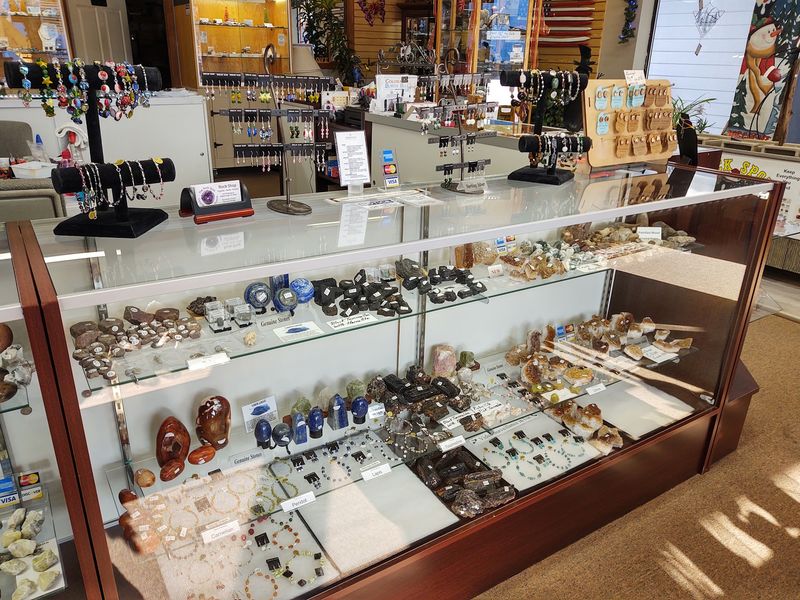
Pigeon Forge is packed with attractions, so a straightforward rock shop might seem easy to overlook. But The Rock Spot has earned its place in one of Tennessee’s busiest tourist towns by keeping things simple, well-stocked, and accessible.
No gimmicks, no mining upcharge. Just a solid selection of minerals, crystals, and fossils at fair prices.
The shop’s layout is compact but organized. Bins of tumbled stones sit near the entrance, perfect for kids or anyone looking for inexpensive souvenirs.
Deeper into the store, you’ll find larger specimens: geodes, crystal clusters, polished slabs, and raw minerals from around the world. The inventory leans toward popular items like amethyst, quartz, citrine, and selenite, but there’s enough variety to keep seasoned collectors browsing.
Pricing is transparent, with most items clearly labeled. The shop doesn’t inflate costs to take advantage of tourist traffic, which is a nice change in a town where everything from parking to pancakes can feel overpriced.
Small tumbled stones start at a dollar or two, while larger display pieces range into the hundreds depending on size and rarity.
Staff members are helpful without being pushy. If you have questions about a particular stone’s properties or origin, they’ll answer.
If you just want to browse in peace, they’ll let you. That balance makes the shop comfortable for both casual visitors and people who know exactly what they’re looking for.
The Rock Spot also carries metaphysical items like sage bundles, incense, and crystal jewelry. If that’s not your thing, it’s easy enough to skip that section and focus on the geology side.
The shop doesn’t push any particular angle, so you can engage with the inventory however you want.
Location is a major advantage. The shop sits in the heart of Pigeon Forge, within walking distance of major attractions and restaurants.
If you’re already in town for Dollywood, go-karts, or one of the dinner shows, this is an easy add-on stop. Parking is available nearby, though it can fill up during peak tourist season.
The shop is a good fit for families, collectors, and anyone who just wants to pick up a rock or two without committing to a full mining experience. It’s not the biggest or flashiest shop on this list, but it delivers exactly what it promises: a well-curated selection of minerals and crystals in a convenient location.
Sometimes that’s all you need.
5. Pigeon Forge Gem Mine – Pigeon Forge
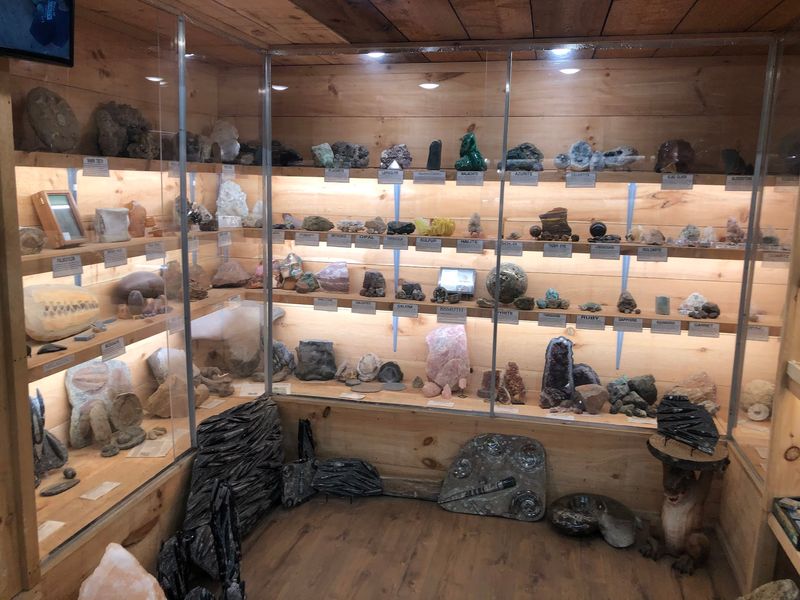
Some people want to browse. Others want to dig.
Pigeon Forge Gem Mine caters to the second group, offering a hands-on mining experience that lets you walk away with gems and minerals you actually found yourself. It’s a popular stop for families, school groups, and anyone who prefers activity over window shopping.
The process is straightforward. You purchase a bucket of mining rough, head to one of the covered sluice stations, and start washing.
Water flows through the troughs, and as you shake and rinse your material, gemstones and minerals begin to surface. Staff members are stationed nearby to help identify what you’re finding and explain how the sluice works if you’re new to it.
Buckets come in different sizes and price tiers. The basic option gives you a solid mix of common finds like quartz, amethyst, pyrite, and garnets.
Upgrade buckets include larger or rarer specimens, and sometimes you’ll pull out fossils, arrowheads, or even small geodes. Everything is pre-salted, but that doesn’t diminish the excitement of spotting something shiny in the gravel.
Kids especially enjoy this setup. The tactile experience of sifting through rocks, combined with the instant reward of finding something to keep, makes it more engaging than a typical museum or shop visit.
Adults appreciate it too, especially if they’re looking for a low-key outdoor activity that doesn’t require hiking or advance planning.
Once you’ve finished mining, the staff will help you identify and bag your finds. They’ll explain what each stone is, where it typically comes from, and any interesting properties it has.
If you’re building a collection or just want to learn more about geology, this part of the experience adds educational value beyond the fun of sluicing.
The mine also has a retail shop on-site. If you didn’t find a specific stone you wanted or you’re looking for polished specimens, jewelry, or display supplies, you can browse the shelves before you leave.
The shop carries a decent selection of minerals, fossils, and metaphysical items, though the main draw here is definitely the mining experience.
Location-wise, the mine is easy to reach from anywhere in Pigeon Forge. It’s close to major attractions, restaurants, and hotels, making it a convenient stop if you’re already spending the day in town.
The covered sluices mean you can mine even if the weather isn’t perfect, though you should expect to get a little wet.
If you want a souvenir you actually worked for, this is the place. The combination of hands-on activity and tangible reward makes it a standout option for families and first-time rockhounds.
6. Rocky Top Crystals – Alcoa
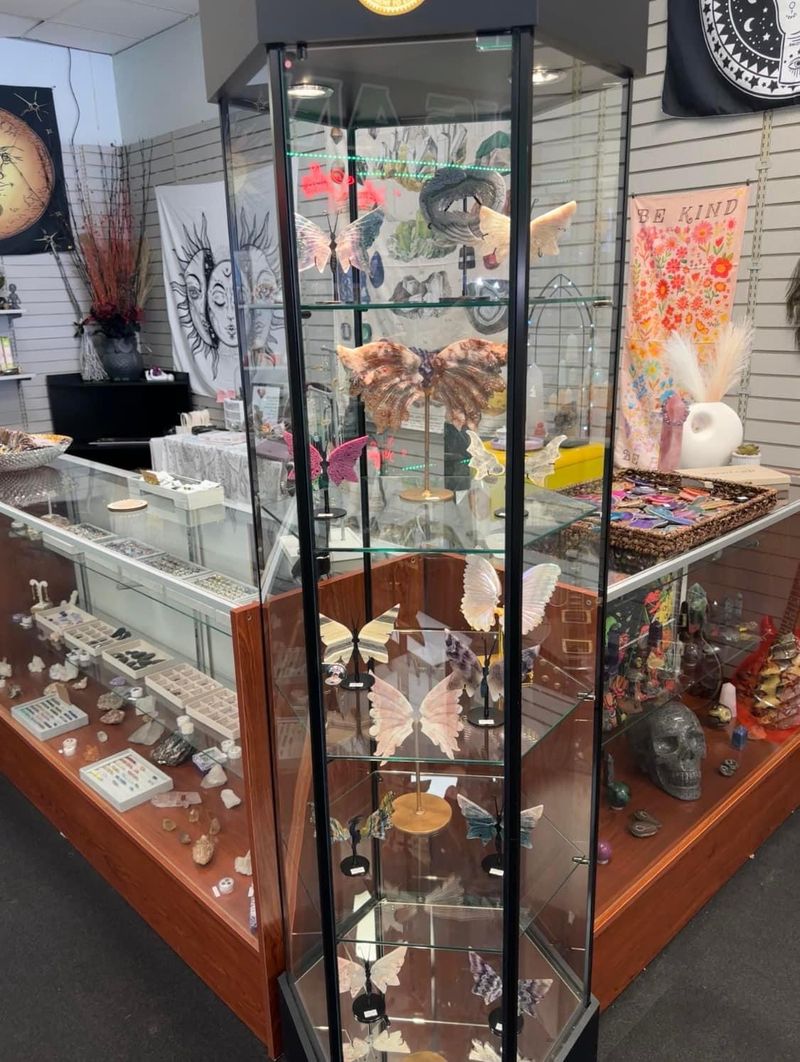
Most of the gem shops on this list cluster around the Smokies. Rocky Top Crystals breaks that pattern, sitting in Alcoa and offering a different vibe from the tourist-heavy mountain towns.
The shop focuses on crystals, minerals, and metaphysical supplies, and it draws a mix of collectors, spiritual practitioners, and curious visitors looking for something unique.
The selection is broad. You’ll find raw crystal specimens, polished stones, tumbled pieces, and larger display items like geodes and amethyst clusters.
The shop stocks popular varieties like quartz, citrine, selenite, and labradorite, along with less common minerals that appeal to serious collectors. Everything is labeled with origin information and pricing, making it easy to compare options.
Rocky Top Crystals also carries metaphysical items. Incense, sage bundles, tarot decks, candles, and crystal jewelry fill several sections of the shop.
If that’s not your interest, it’s easy to focus on the geology side without feeling out of place. The shop welcomes everyone, whether you’re buying a crystal for its mineral properties or its supposed energetic qualities.
Staff members are knowledgeable and approachable. They can answer questions about a stone’s origin, composition, and uses without pushing any particular belief system.
If you’re new to crystals or minerals, they’ll help you find something that fits your budget and interests. If you’re a seasoned collector, they’ll point you toward the more unusual or high-quality specimens.
Pricing is reasonable, especially compared to shops in high-traffic tourist areas. Small tumbled stones start at just a few dollars, while larger or rarer pieces can run into the hundreds.
The shop doesn’t inflate prices to take advantage of its location, and frequent sales or promotions make it even easier to find a good deal.
Alcoa sits just outside Knoxville, making Rocky Top Crystals accessible if you’re exploring East Tennessee but want to avoid the Gatlinburg-Pigeon Forge corridor. The shop is in a standalone building with its own parking, so you don’t have to deal with crowded tourist strips or limited spaces.
It’s a quieter, more relaxed shopping experience.
The shop also hosts occasional workshops, classes, and events focused on crystals, minerals, and related topics. If you’re interested in learning more about how to use or care for your stones, these events offer a deeper level of engagement than a simple retail visit.
Rocky Top Crystals offers a solid alternative to the Smokies-focused shops. The broader geographic location, combined with a strong inventory and welcoming atmosphere, makes it worth the trip if you’re anywhere in the region.
7. The Hidden Gem – Winchester
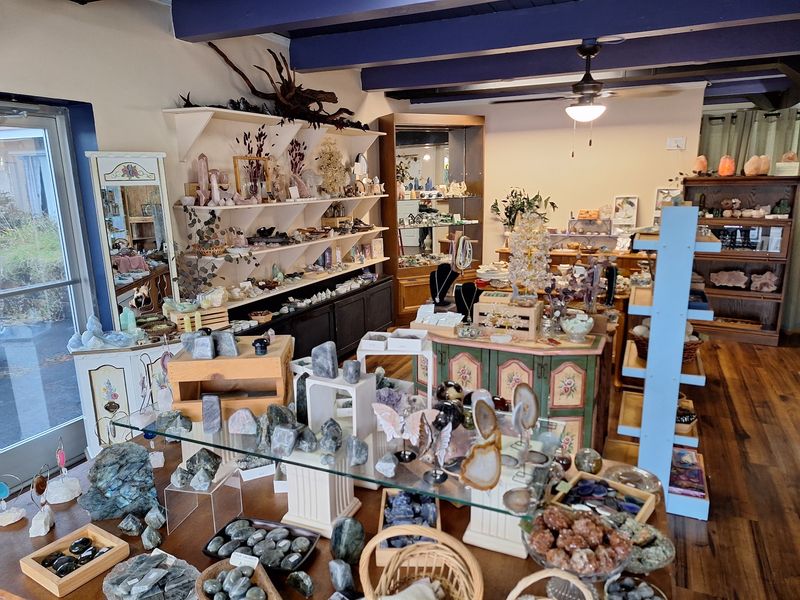
Winchester sits in southern Middle Tennessee, far enough from the Smokies to offer a completely different feel. The Hidden Gem fits its name perfectly, tucked into a small town that doesn’t see the same tourist crowds as Gatlinburg or Pigeon Forge.
If you’re exploring this part of the state and want to pick up a mineral or two, this shop delivers without the chaos.
The inventory covers the basics well. Tumbled stones, polished specimens, raw crystals, and small fossils fill the shelves, with a focus on affordability and accessibility.
You won’t find museum-quality rarities here, but you will find solid examples of quartz, amethyst, agate, jasper, and other popular minerals. The shop also carries local stones when available, giving visitors a chance to take home something connected to Tennessee geology.
Pricing is budget-friendly. Most items fall into the impulse-buy range, making it easy to grab a handful of tumbled stones or a small crystal cluster without breaking the bank.
Larger pieces are available at slightly higher price points, but even those are priced fairly compared to shops in tourist-heavy areas. The shop doesn’t try to maximize profit off every sale, which keeps the atmosphere relaxed and welcoming.
Staff members are friendly and knowledgeable without being overbearing. They’ll answer questions, offer suggestions, and help you find what you’re looking for, but they won’t hover or pressure you into buying something you don’t need.
It’s a small-shop feel where the focus is on building relationships with customers rather than maximizing transactions.
The Hidden Gem also stocks metaphysical items like incense, candles, and crystal jewelry. If you’re not interested in that side of the inventory, it’s easy to skip and focus on the minerals and stones.
The shop caters to a range of interests without pushing any particular angle.
Winchester itself is worth a visit if you’re exploring southern Middle Tennessee. The town has a historic downtown, local restaurants, and a slower pace that contrasts sharply with the state’s busier tourist destinations.
The Hidden Gem fits into that vibe perfectly, offering a low-key shopping experience that feels more like supporting a local business than navigating a tourist trap.
Location-wise, Winchester is about an hour and a half from Nashville and roughly the same distance from Chattanooga. It’s not a destination you’d go out of your way for solely to visit a rock shop, but if you’re already in the area or passing through, it’s a worthwhile stop.
The shop is easy to find, parking is plentiful, and the small-town setting makes for a pleasant change of pace.
The Hidden Gem rounds out this list by offering a southern Middle Tennessee option that balances selection, affordability, and small-town charm. It’s a solid pick if you want a rock shop experience without the crowds.
Share this story