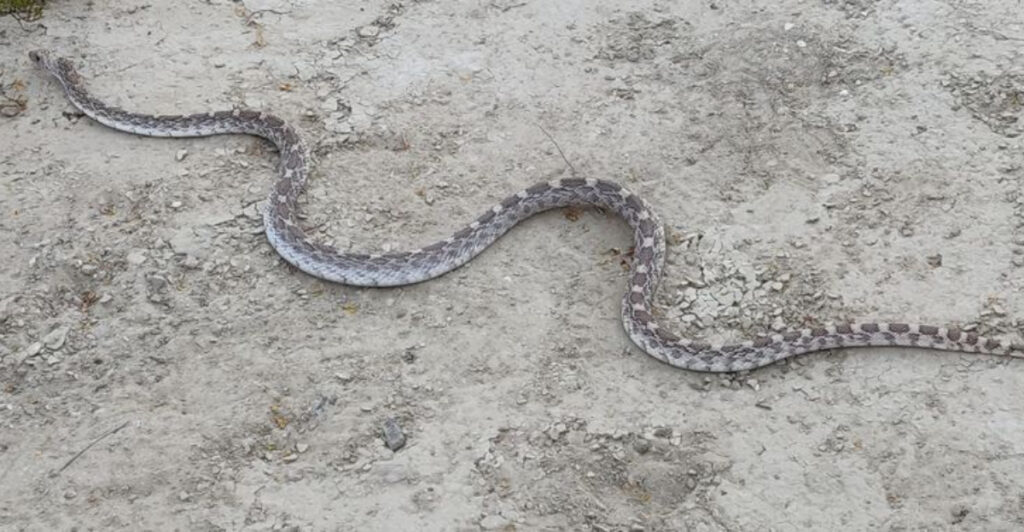
Texas is home to more rattlesnake species than any other state, with over a dozen varieties slithering across diverse landscapes. While most folks associate these venomous reptiles with remote desert regions, rattlesnakes have adapted to surprisingly varied environments throughout the Lone Star State. From suburban backyards to popular hiking trails, these pit vipers turn up in places that might catch you off guard, making awareness and caution essential for anyone spending time outdoors.
1. Trans-Pecos & West Texas Deserts
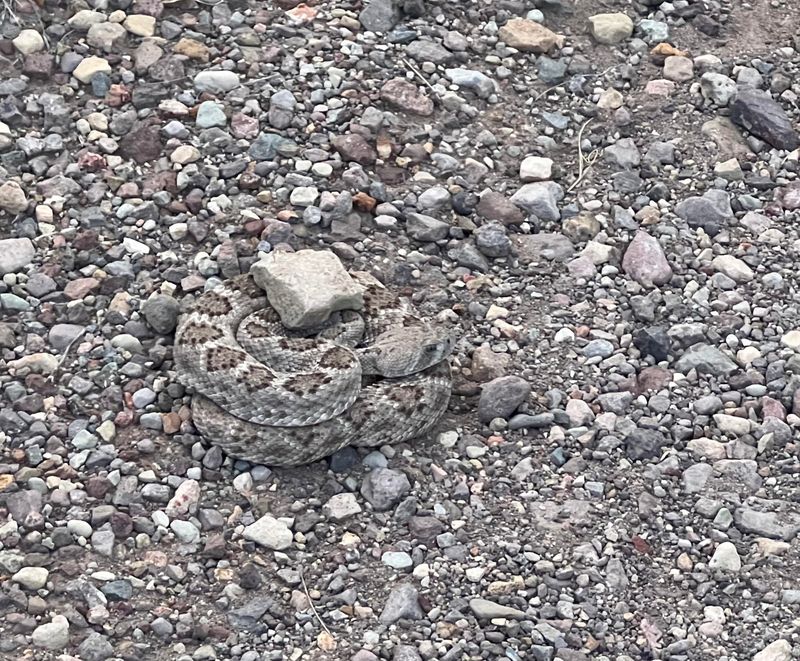
West Texas deserts represent prime rattlesnake territory, where scorching temperatures and arid conditions create the perfect habitat for multiple species. The Trans-Pecos region hosts Western diamondbacks, Mojave rattlesnakes, and rock rattlesnakes, all thriving among the creosote bushes and rocky outcrops. Visitors to Big Bend National Park or Guadalupe Mountains often spot these reptiles sunning themselves on trails or hunting rodents at dusk.
Temperature extremes force rattlesnakes here to become masters of timing. During summer months, they hunt primarily at night when cooler air brings out their prey. Come winter, they den up in rocky crevices, sometimes gathering in groups of dozens to conserve warmth.
Rock piles and abandoned buildings provide ideal shelter, making even developed areas risky. Ranch hands and oil workers regularly encounter rattlers near equipment sheds and water tanks. The snakes gravitate toward any structure offering shade and protection from predators.
Hikers should watch where they step and avoid reaching into shadowy spaces without looking first. Rattlesnakes blend remarkably well with the tan and brown landscape, making them nearly invisible until movement gives them away. Early morning and late afternoon present the highest encounter risk during warmer months.
Desert camping requires extra vigilance since rattlesnakes hunt actively during twilight hours. Keep tents zipped and shake out boots before putting them on each morning. Food storage becomes critical too, as rodents attracted to crumbs inevitably draw hunting snakes.
The vast, seemingly empty desert actually teems with rattlesnakes adapting perfectly to harsh conditions that would challenge most creatures.
2. Edwards Plateau & Texas Hill Country
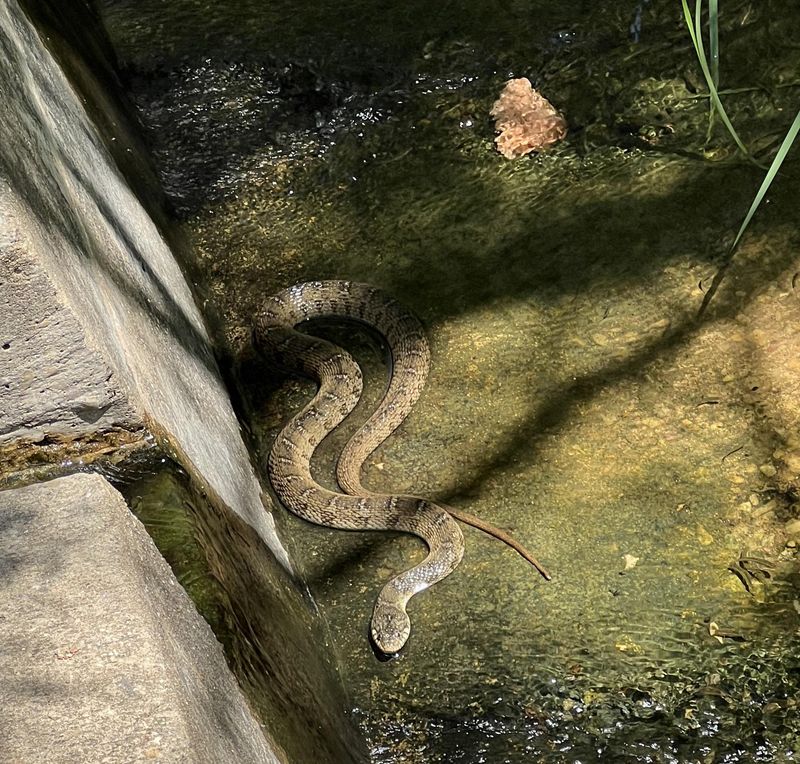
Rolling hills and limestone outcrops make the Texas Hill Country more than just a scenic destination for weekend getaways. This region supports healthy populations of Western diamondbacks, rock rattlesnakes, and the occasional Mojave rattler. The rocky terrain provides countless hiding spots, while abundant wildlife ensures plenty of prey.
Popular tourist towns like Fredericksburg and Kerrville sit squarely in rattlesnake country. Homeowners regularly find these snakes in gardens, under porches, and near stone retaining walls. The same beautiful rock features that attract buyers also attract rattlesnakes seeking shelter and hunting grounds.
Creek beds and water sources become rattlesnake magnets, especially during dry spells. Snakes gather near stock tanks, swimming holes, and river access points where prey animals come to drink. Anyone exploring Pedernales Falls or Enchanted Rock should stay alert near water features and rocky areas.
Spring brings increased activity as rattlesnakes emerge from winter dens and begin searching for mates. March through May sees the highest number of human encounters as both people and snakes become more active outdoors. Hikers on the Hill Country Trail or visitors to Longhorn Cavern State Park should exercise particular caution during these months.
Vineyards and ranch properties offer ideal habitat combinations of open grassland and rocky refuges. Workers pruning grapevines or mending fences frequently spot rattlers basking in morning sun. The picturesque landscape that draws tourists and new residents also sustains one of the healthiest rattlesnake populations in the state, making awareness essential for anyone living in or visiting this beautiful region.
3. Panhandle Plains & Palo Duro Canyon
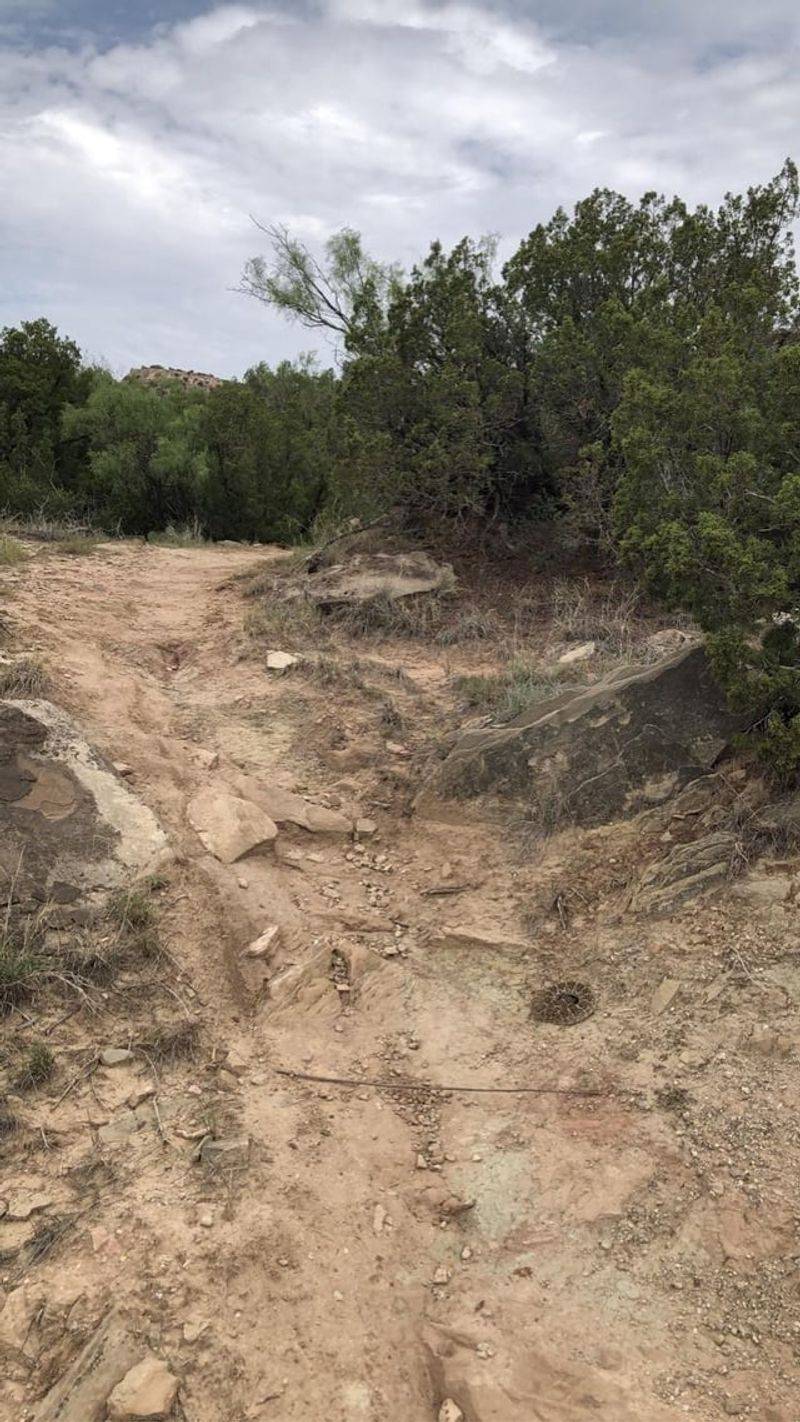
Flat grasslands stretching to the horizon might seem like unlikely rattlesnake habitat, but the Texas Panhandle proves otherwise. Prairie rattlesnakes dominate this region, perfectly adapted to life among wheat fields, cattle ranches, and oil patches. Their smaller size and cryptic coloring help them disappear into the golden grasses.
Palo Duro Canyon stands out as a rattlesnake hotspot within the plains. The second-largest canyon in America features rocky ledges, caves, and diverse microclimates that attract Western diamondbacks alongside prairie rattlers. Hikers descending the Lighthouse Trail or exploring side canyons should watch their step, especially near rock formations.
Agricultural areas harbor more rattlesnakes than most farmers prefer to admit. Grain storage attracts rodents, which in turn draw hunting snakes. Combines and tractors occasionally uncover snake dens during field work, revealing just how many reptiles share the landscape with crops and livestock.
Prairie dog towns create unexpected danger zones since rattlesnakes actively hunt these colonial rodents. Abandoned burrows provide ready-made dens, and the constant activity attracts multiple predators. Anyone photographing prairie dogs or exploring these areas should maintain safe distances and watch for basking snakes.
Caprock Canyons State Park offers spectacular scenery but also serious rattlesnake populations. The escarpment zones where plains meet canyon country create edge habitat that supports diverse prey and numerous snakes. Bison viewing and hiking become more exciting when you realize you’re sharing trails with venomous residents.
Despite the wide-open spaces suggesting easy visibility, rattlesnakes blend seamlessly into grass and rock, making the Panhandle a place where caution beats complacency every time.
4. Sweetwater & West-Central Texas
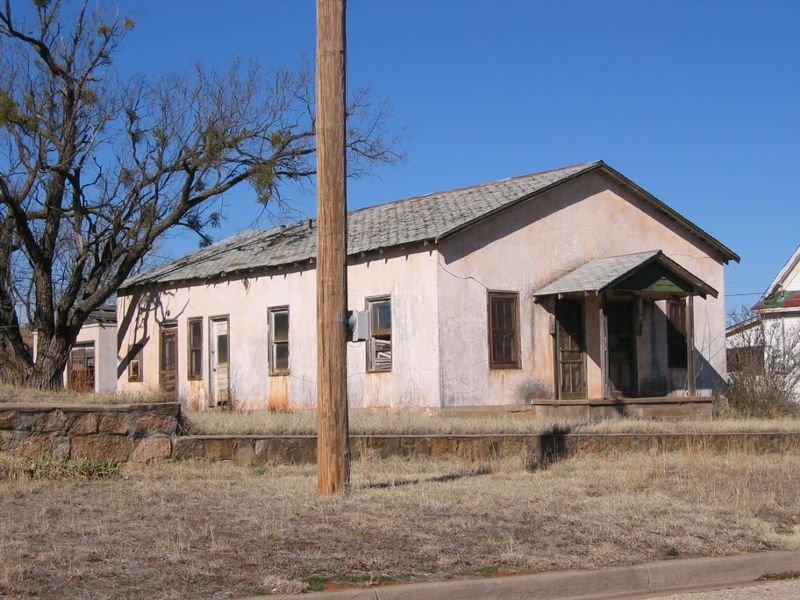
Sweetwater earned its reputation as the Rattlesnake Capital of Texas for good reason. Each March, the famous Rattlesnake Roundup draws thousands of visitors to see just how many snakes call this region home. West-central Texas combines ranch country, oil fields, and small towns, all sharing space with impressive rattlesnake numbers.
Mesquite thickets and rocky pastures create ideal hunting grounds for Western diamondbacks. Ranchers moving cattle or checking water lines encounter these large rattlers regularly throughout the year. The snakes grow particularly large here, with some specimens exceeding six feet in length.
Abilene and surrounding communities deal with rattlesnakes venturing into residential areas, especially during spring and fall. New housing developments built on former ranch land essentially place homes directly into established snake habitat. Garage encounters and backyard surprises happen frequently enough that most locals know exactly who to call for snake removal.
Lake areas like Lake Sweetwater and Abilene State Park attract both people and rattlesnakes. The snakes hunt along shorelines for frogs, birds, and small mammals. Fishermen and campers should inspect their gear and surroundings, particularly when setting up near brush or rocky areas.
Oil field workers face regular rattlesnake encounters while servicing well sites and pipeline routes. The industrial activity disturbs snakes but doesn’t eliminate them. Equipment yards and storage areas provide shelter, while rodents attracted to human activity ensure steady food supplies.
West-central Texas demonstrates how rattlesnakes adapt to human-modified landscapes, thriving alongside agriculture, energy production, and growing communities. The sheer density of snakes in this region surprises newcomers but seems perfectly normal to longtime residents who’ve learned to coexist with their scaly neighbors.
5. Lower Rio Grande Valley & South Texas Brushlands
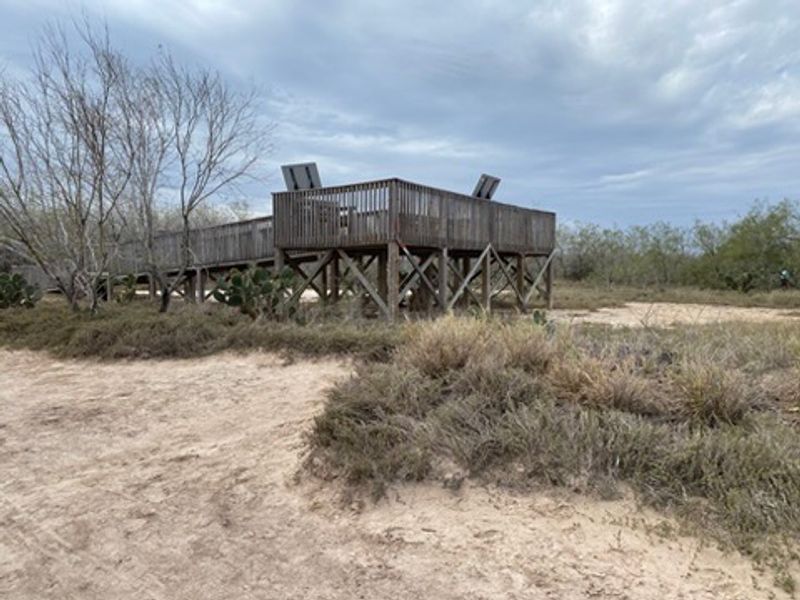
Dense thornbrush and subtropical heat make South Texas an unexpected rattlesnake stronghold. The Lower Rio Grande Valley hosts Western diamondbacks and occasional timber rattlers in remaining natural areas. Thick vegetation provides cover while the warm climate keeps snakes active nearly year-round, unlike their northern cousins who hibernate for months.
Birding hotspots like Santa Ana National Wildlife Refuge and Bentsen-Rio Grande Valley State Park require visitors to watch where they walk. Photographers focused on rare tropical birds sometimes step dangerously close to basking rattlesnakes hidden beneath palm fronds or among thorny brush. The same habitat diversity attracting birds also supports healthy snake populations.
Agricultural regions growing citrus and vegetables create edge habitat where fields meet brush. Irrigation attracts rodents and other prey animals, concentrating rattlesnakes along field margins and near water sources. Farmworkers harvesting crops occasionally encounter large rattlers that wandered from adjacent wild areas overnight.
Residential areas in McAllen, Harlingen, and Brownsville experience regular snake visits, especially properties backing up to resacas or nature preserves. Swimming pools, garden sheds, and ornamental landscaping all attract snakes seeking water or hunting opportunities. The year-round warmth means rattlesnakes never truly disappear, remaining a constant consideration for outdoor activities.
Border areas and ranch country support particularly robust populations since large tracts remain undeveloped. Hunters pursuing deer and javelina should exercise caution when field dressing game or moving through brush. The combination of dense cover, abundant prey, and mild winters creates conditions where rattlesnakes thrive in numbers that surprise even experienced outdoorspeople.
South Texas proves that rattlesnakes aren’t just desert dwellers but adaptable predators succeeding in diverse environments from subtropical thickets to manicured suburbs.
6. East Texas Piney Woods & Forested Areas
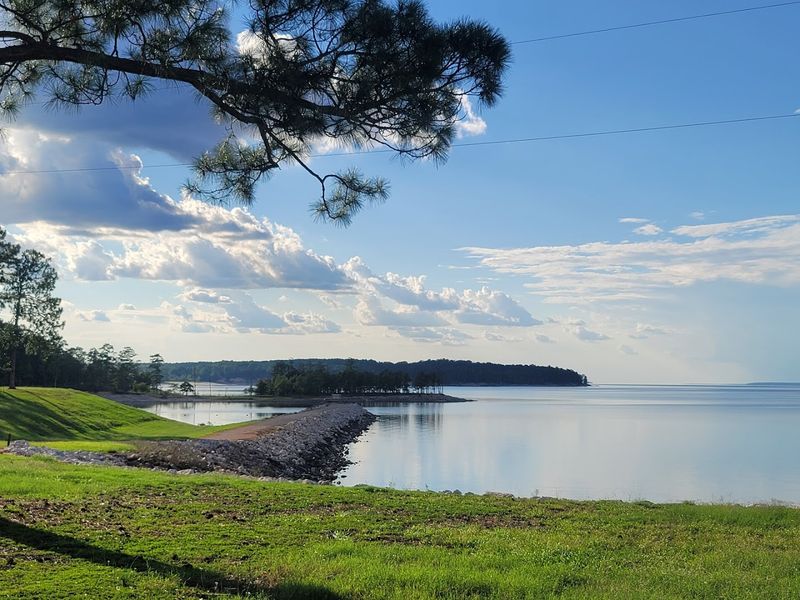
Pine forests and hardwood bottomlands seem like the last place you’d expect rattlesnakes, but East Texas surprises many visitors. Timber rattlesnakes inhabit these woods, preferring rocky outcrops and forested hillsides. Their darker coloration helps them blend with leaf litter and shadows, making them nearly invisible on the forest floor.
National forests like Davy Crockett and Angelina provide vast habitat for these secretive snakes. Hikers on the Lone Star Trail or hunters pursuing deer often pass within feet of timber rattlers without noticing them. Unlike their aggressive Western diamondback cousins, timber rattlesnakes typically remain motionless, relying on camouflage rather than warning rattles.
Lake areas such as Sam Rayburn Reservoir and Toledo Bend feature timber rattlers along wooded shorelines. Fishermen accessing remote coves or setting up bank camps should inspect surroundings carefully. Snakes hunt along water edges for frogs and small mammals, particularly during early morning and evening hours.
Old homesteads and hunting camps scattered through the woods attract rodents, which in turn draw rattlesnakes. Abandoned structures provide shelter while nearby clearings offer basking spots. Anyone exploring old cabins or outbuildings should proceed cautiously and never reach into dark spaces blindly.
Timber operations and pipeline right-of-ways create edge habitat that concentrates wildlife, including rattlesnakes. Clear-cuts adjacent to mature forest provide diverse microhabitats supporting robust prey populations. Forestry workers and surveyors working in these transitional zones encounter rattlers more frequently than those in uniform habitat.
The humid, forested environment of East Texas contrasts sharply with classic rattlesnake desert imagery, yet these adaptable predators thrive here, reminding us that they’ve successfully colonized nearly every Texas ecosystem through remarkable flexibility and resilience.
7. Central Texas Woodlands & Suburban Fringe
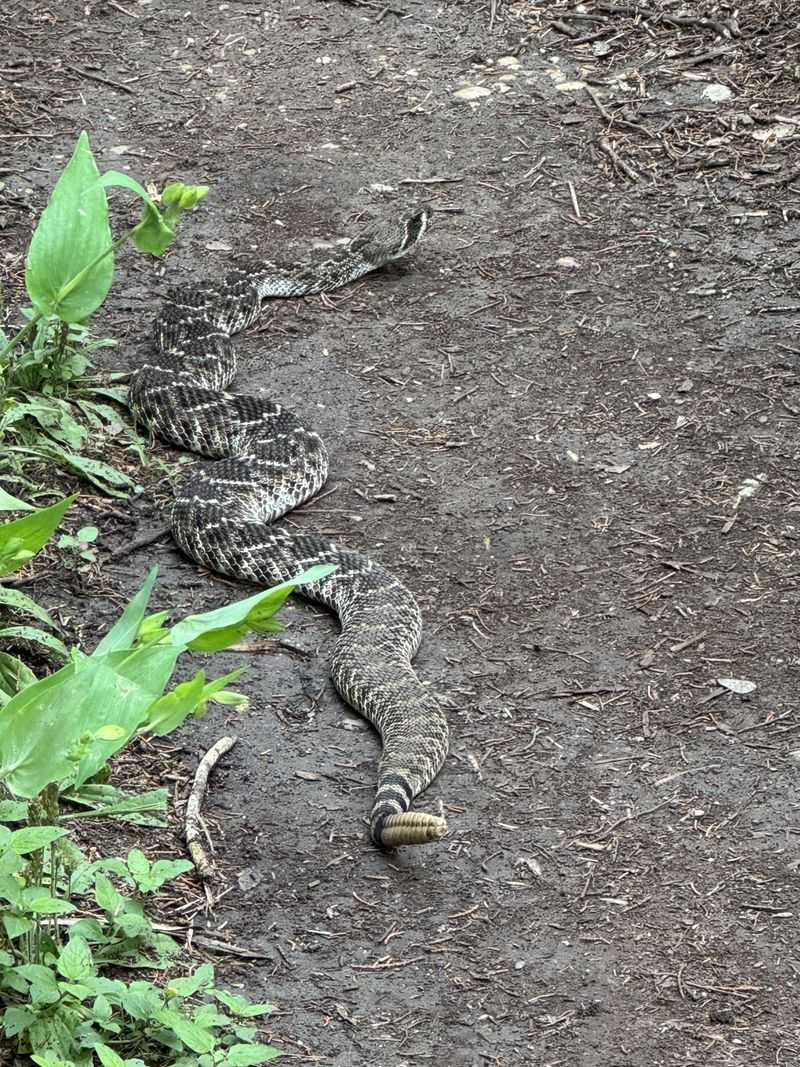
Austin, San Antonio, and surrounding suburbs sprawl directly into prime rattlesnake habitat, creating frequent human-wildlife conflicts. Central Texas woodlands feature juniper brakes, limestone ledges, and oak mottes that Western diamondbacks and timber rattlesnakes call home. Development hasn’t eliminated these snakes but instead forced closer contact with people.
Greenbelt trails and nature preserves within city limits host healthy snake populations. The Barton Creek Greenbelt in Austin sees regular rattlesnake sightings, especially during spring when snakes emerge from winter dens. Mountain bikers and trail runners occasionally have close calls with snakes basking on sun-warmed rocks or crossing paths.
New housing developments built on former ranch land place homes directly into established territories. Homeowners discover rattlesnakes in garages, under decks, and near swimming pools with alarming regularity. The snakes aren’t invading but simply continuing to use areas they’ve occupied for generations, now intersecting with human spaces.
Golf courses and parks provide manicured landscapes that still attract rodents and other prey. Water features, rock gardens, and maintained vegetation create excellent habitat. Golfers retrieving balls from rough areas or maintenance workers trimming vegetation should stay alert for snakes taking advantage of these green spaces.
Schools and playgrounds located near natural areas occasionally deal with rattlesnake visitors. Administrators in rapidly growing districts implement snake awareness programs teaching children to recognize and avoid these reptiles. The reality of suburban Central Texas means rattlesnakes remain neighbors rather than distant wilderness creatures.
As development continues pushing into Hill Country and surrounding regions, encounters will likely increase, making education and coexistence strategies essential for residents who chose homes in beautiful natural settings without fully considering what else thrives there.
Share this story