Texas is massive, and even if you’ve lived here your whole life, chances are you’ve barely scratched the surface. While everyone flocks to Big Bend National Park or South Padre Island, there are incredible places tucked away in corners of the state that don’t make it onto most people’s radar. These hidden gems offer everything from ancient rock art to rolling sand dunes, and they’re waiting for you to discover them.
1. Hueco Tanks State Park & Historic Site (El Paso)
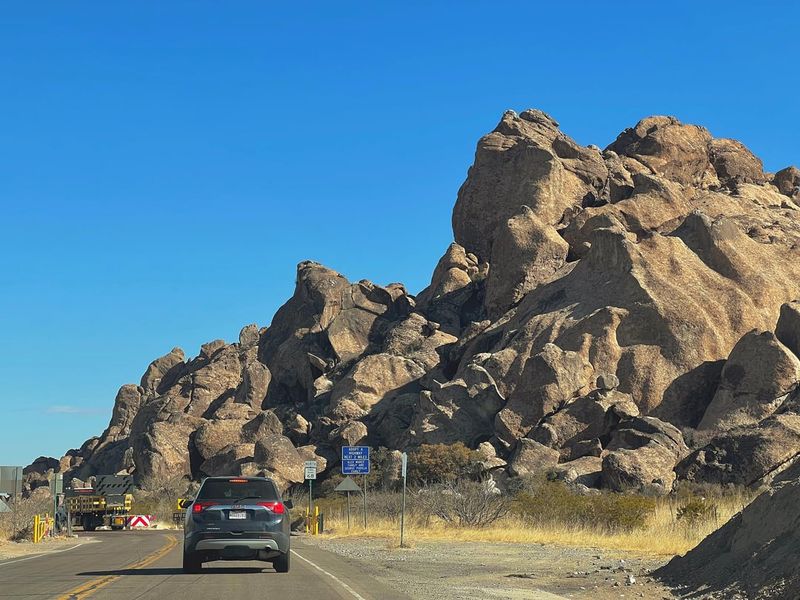
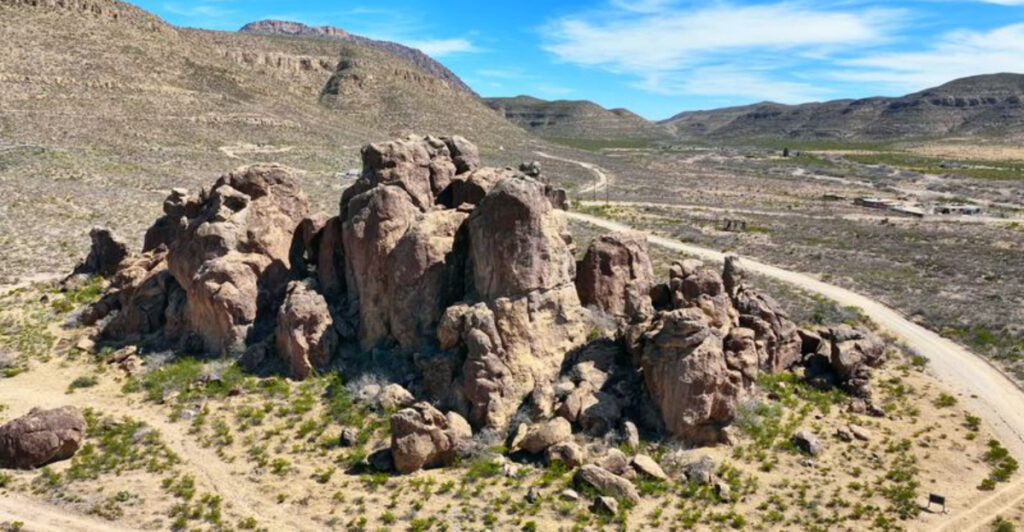
Out in the Franklin Mountains near El Paso, massive rock formations rise from the desert floor like nature’s own sculpture garden. Hueco Tanks gets its name from the natural rock basins that collect rainwater, creating life-saving pools in an otherwise arid landscape. For thousands of years, these water sources attracted everyone from ancient hunter-gatherers to Apache warriors, and they left their mark in the form of stunning pictographs.
The rock art here is absolutely mind-blowing. Over 3,000 paintings cover the boulders, depicting everything from human figures and animals to mysterious masks that still puzzle archaeologists today. Some of these images date back more than 4,000 years, making them older than the Egyptian pyramids.
The park limits daily visitors to protect these irreplaceable treasures, so you’ll need a reservation.
Rock climbers know Hueco Tanks as one of the best bouldering destinations in North America. The unique volcanic rock creates challenging routes with incredible holds and overhangs. Even if you’re not scaling the rocks yourself, watching climbers tackle these natural puzzles is pretty entertaining.
Guided tours take you into areas where the most significant pictographs are located, and the rangers know their stuff. They’ll explain the different cultures that passed through here and what archaeologists have learned from studying the artwork. Without a guide, you’re limited to the North Mountain area, which is still worth exploring.
Spring and fall offer the best weather for visiting, though winter can be gorgeous too. Summer temperatures regularly push past 100 degrees, making hiking pretty miserable. The park sits just 32 miles northeast of El Paso, close enough for a day trip but far enough to feel like you’ve escaped into another world entirely.
Pack plenty of water, wear sturdy shoes, and prepare to step back in time at one of Texas’s most archaeologically significant sites.
2. Monahans Sandhills State Park (Monahans)
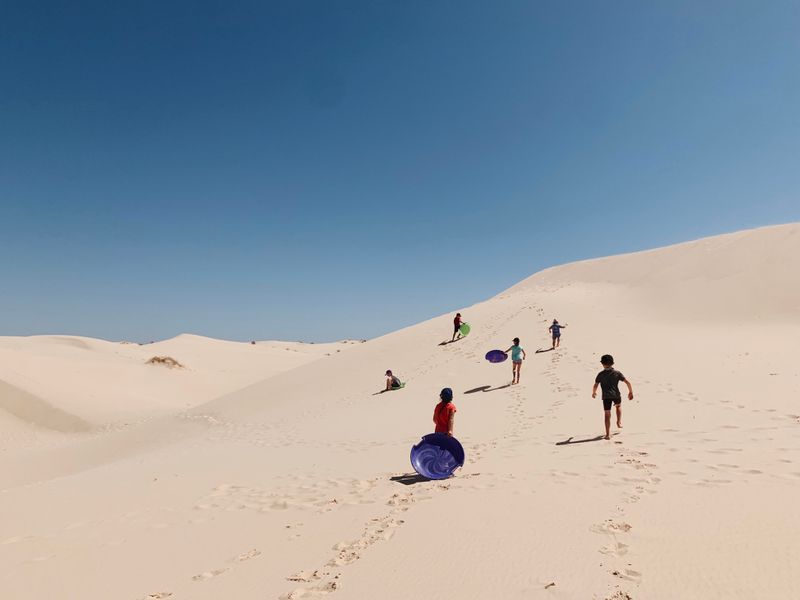
Imagine finding the Sahara Desert plopped down in the middle of West Texas. That’s basically what Monahans Sandhills feels like. These aren’t your typical Texas landscapes of mesquite and cactus—we’re talking about 3,840 acres of genuine sand dunes that can reach up to 70 feet high.
The sand here is so fine and pale that it almost glows under the Texas sun.
What makes this place genuinely unusual is that you’re actively encouraged to play on the dunes. The park rents sand discs and toboggans so you can surf down the slopes like it’s a snow day in July. Kids absolutely lose their minds here, but honestly, adults have just as much fun once they stop worrying about looking silly.
The dunes shift constantly with the wind, creating an ever-changing landscape that never looks quite the same twice. Early morning is magical, when the low sun creates dramatic shadows across the rippled sand. Sunset is equally spectacular, with the sand taking on shades of pink and gold that photographers dream about.
Despite the harsh environment, life persists here in fascinating ways. Harvard shin oak trees grow throughout the dunes, some with root systems extending 90 feet down to reach water. These trees can survive being completely buried by sand, then grow back when the dunes shift again.
You’ll also spot wildlife tracks in the sand—everything from roadrunners to kit foxes leaves their signature.
The park is located right off Interstate 20, making it super accessible if you’re driving between Dallas and El Paso. Most people zoom past on the highway without realizing this natural wonder sits just minutes away. There’s camping available if you want to experience the dunes under starlight, which is absolutely worth doing.
The Milky Way stretches across the sky with zero light pollution to dim its brilliance, and the silence is profound in a way that’s increasingly rare in our noisy world.
3. Big Bend Ranch State Park (Terlingua)
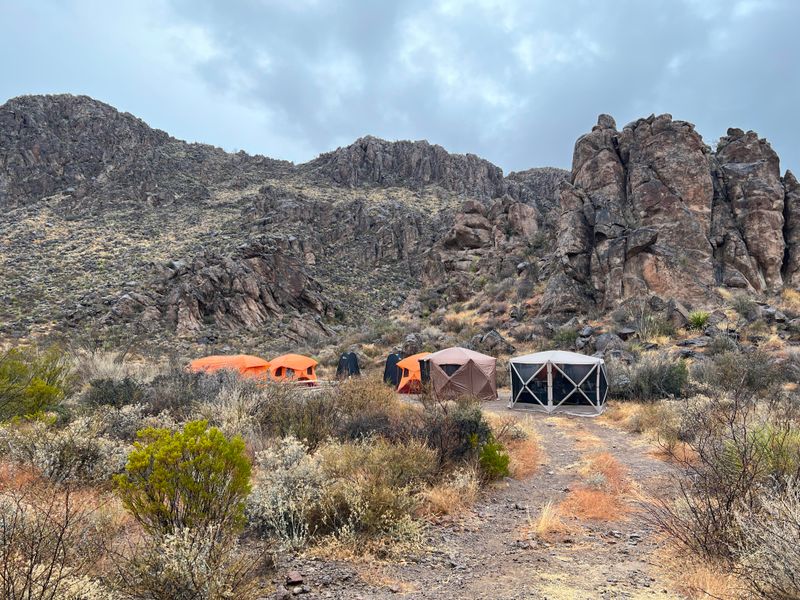
Big Bend National Park gets all the attention, but its lesser-known neighbor is actually Texas’s largest state park and arguably even more wild. Big Bend Ranch State Park sprawls across nearly 300,000 acres of Chihuahuan Desert, offering an experience that feels genuinely remote and untamed. This isn’t a place for casual tourists—it’s for people who want adventure without guardrails.
The landscape here reads like a geology textbook come to life. Ancient volcanic formations create a moonscape of weird rock formations, collapsed lava tubes, and colorful mineral deposits. The Solitario is a massive circular geological formation that looks like a giant crater but is actually an eroded dome.
From the air, it’s perfectly round and absolutely stunning.
River Road (FM 170) runs through the park and ranks among the most scenic drives in America. It twists along the Rio Grande for 50 miles, with the river on one side and towering cliffs on the other. Around every curve, the views get more dramatic.
Pullouts let you stop and soak it all in, though you’ll want to watch for cyclists who also love this challenging route.
Hiking trails range from easy walks to serious backcountry treks that require permits and preparation. The Closed Canyon Trail is relatively short but incredibly rewarding, taking you through a narrow slot canyon with walls that nearly touch overhead. Rancherias Loop is a 19-mile backpacking route that shows you the park’s incredible diversity, from desert flats to mountain ridges.
This park sees a fraction of the visitors that Big Bend National Park attracts, which means you might have entire canyons to yourself. The solitude is part of the appeal, but it also means you need to be self-sufficient. Cell service is nonexistent, water sources are scarce, and help is far away.
Come prepared with navigation tools, plenty of water, and a healthy respect for the desert environment that will reward your effort with unforgettable experiences.
4. Caddo Lake State Park (Karnack)
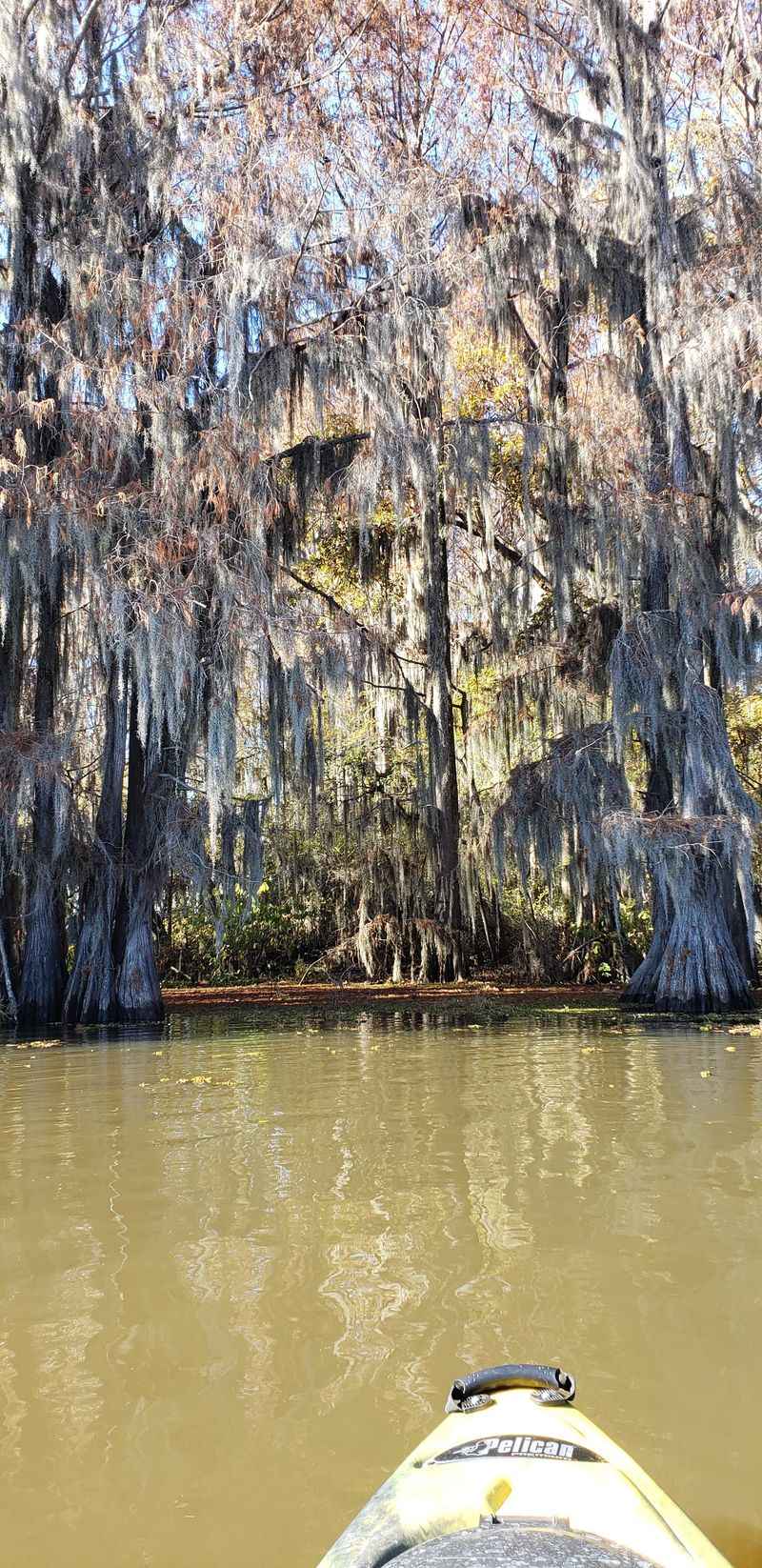
Nothing in Texas looks quite like Caddo Lake. Ancient bald cypress trees rise from dark, mysterious waters, their trunks draped with Spanish moss that hangs like ghostly curtains. The whole place feels like it belongs in Louisiana rather than Texas, which makes sense since the lake actually straddles the state line.
This is East Texas at its most atmospheric and hauntingly beautiful.
The lake formed naturally when a massive logjam on the Red River backed up water into the cypress swamps. Later, a dam raised the water level, creating the intricate maze of bayous, sloughs, and channels that exist today. Paddling through this labyrinth feels like exploring a fantasy world where time moves differently and modern life seems impossibly far away.
Kayaking or canoeing is really the only way to properly experience Caddo Lake. You can rent boats at the park or bring your own. The waterways twist and turn through the cypress forest, creating an endless puzzle of passages.
It’s genuinely easy to get lost here, so a GPS or good map is essential. The park marks some routes, but half the fun is exploring unmarked channels.
Wildlife thrives in this unique ecosystem. Alligators live here—yes, actual alligators in Texas—though they’re generally shy and not aggressive. You’ll definitely see turtles sunning themselves on logs, great blue herons stalking fish in the shallows, and possibly river otters if you’re lucky and quiet.
The bird watching is exceptional, especially during migration seasons.
The lake’s history adds another layer of interest. Steamboats once navigated these waters, bringing goods and passengers to remote settlements. Caddo Indians lived here for centuries before that, and their presence still echoes in the place names and archaeological sites.
The whole area has a timeless quality that makes you feel connected to something much older than yourself. Visit in spring when wildflowers bloom along the shoreline, or in fall when the cypress needles turn brilliant orange before dropping into the dark water below.
5. Devils River State Natural Area (Del Rio)
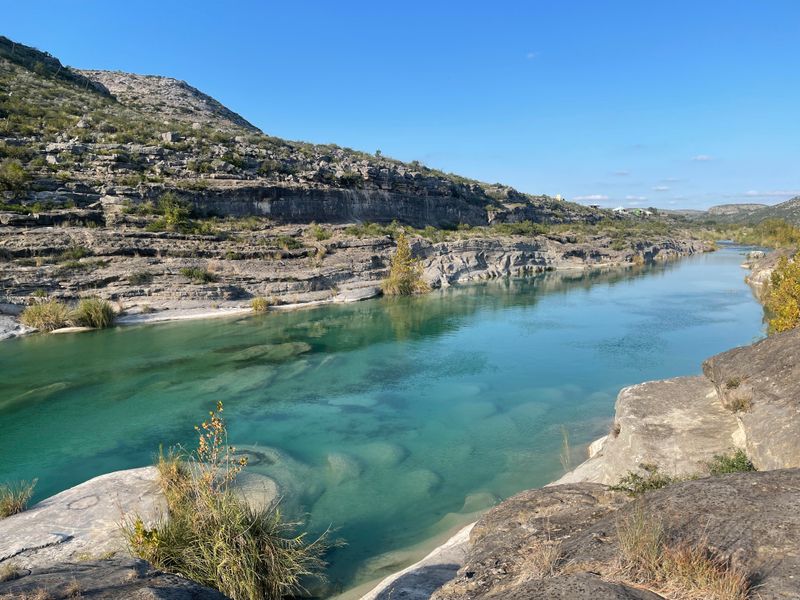
Most Texas rivers run muddy brown, especially after rain. The Devils River is the stunning exception. Its water runs so clear and blue that it looks photoshopped, even in person.
This spring-fed river maintains its clarity year-round, creating one of the most pristine waterways in the entire state. It’s also one of the most remote and challenging to access, which is exactly why it’s stayed so perfect.
Getting here requires commitment. The natural area is located about 45 miles north of Del Rio, and the last stretch involves rough dirt roads that can become impassable after storms. There’s no cell service, limited facilities, and you need to be completely self-sufficient.
The park requires advance reservations and limits visitors to protect this fragile ecosystem.
Once you arrive, the effort pays off immediately. The river flows through limestone canyons, creating deep pools perfect for swimming and cliff jumping. The water stays cool even in summer, fed by springs that maintain a constant temperature.
Snorkeling reveals a surprising underwater world of fish, turtles, and interesting rock formations.
Paddling the Devils River is a bucket-list experience for Texas kayakers and canoeists. Multi-day trips take you through increasingly remote canyon country where the only sounds are birdsong and flowing water. Rapids range from easy to moderate, making it accessible for intermediate paddlers.
Camping along the river means falling asleep to stars so thick they light up the canyon walls.
The area also contains significant archaeological sites, including ancient pictographs painted on rock overhangs. Some of these images are thousands of years old, created by hunter-gatherers who recognized this place as special long before modern visitors arrived. The park protects these sites carefully, and viewing them is a privilege that comes with responsibility.
Plan your visit for spring or fall when temperatures are reasonable and water levels are typically good. Summer can be brutally hot, though the cold river water helps. Winter occasionally brings freezing temperatures that make camping less appealing.
Whenever you go, bring everything you need and pack out everything you bring in. This place has stayed pristine because visitors treat it with respect.
6. Bentsen-Rio Grande Valley State Park (Mission)
South Texas doesn’t get much attention from nature lovers compared to the Hill Country or West Texas, but that’s a huge mistake. Bentsen-Rio Grande Valley State Park sits in one of the most biodiverse regions in North America, where species from Mexico mingle with North American wildlife. Bird watchers from around the world make pilgrimages here to spot species found nowhere else in the United States.
The park protects a remnant of the subtropical forest that once covered the Rio Grande Valley. Most of this habitat has been cleared for agriculture, making the remaining patches incredibly valuable for wildlife. Walking the trails here feels like stepping into a different country—which makes sense, since Mexico is literally just across the river.
Over 500 bird species have been recorded in the Rio Grande Valley, and Bentsen is one of the best places to see them. Green jays, with their brilliant blue and green plumage, are common here but found almost nowhere else in the U.S. Plain chachalacas make their distinctive calls from the treetops.
If you’re really lucky, you might spot a rare Mexican species that’s wandered north.
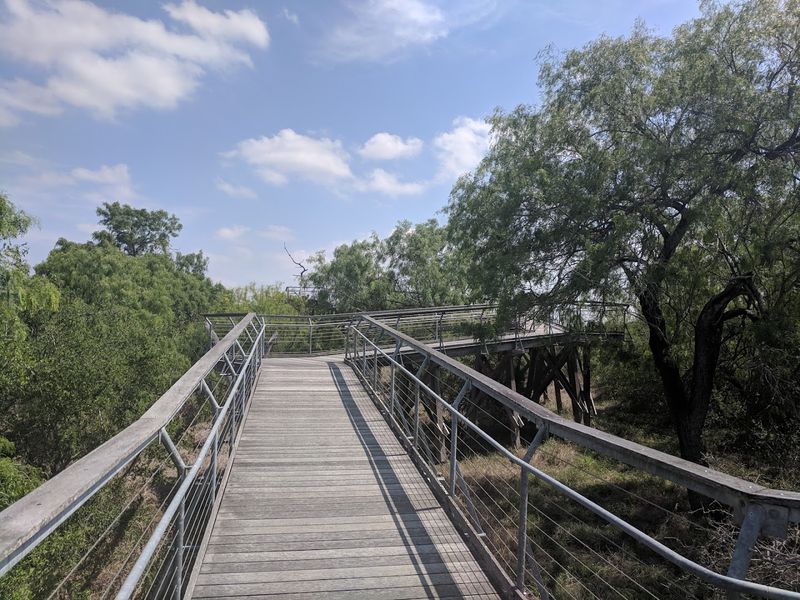
The park’s hawk observation platform attracts serious birders, especially during migration seasons when thousands of raptors pass overhead. Fall brings rivers of hawks, eagles, and falcons heading south for winter. Spring reverses the flow as birds return north to breed.
Even if you’re not a hardcore birder, watching this natural phenomenon is pretty incredible.
Beyond birds, the park offers excellent hiking and biking trails through the subtropical forest. The vegetation here is completely different from what you’ll see elsewhere in Texas. Ebony trees, cedar elms, and various thorny shrubs create dense thickets that provide cover for wildlife.
You might encounter white-tailed deer, javelinas, or even a bobcat if you’re observant and quiet.
The park is located near Mission, making it easily accessible from the McAllen area. It gets hot here—really hot—so winter is the prime visiting season. Comfortable temperatures and peak bird activity make November through March ideal.
The park has improved trails, a visitor center, and knowledgeable volunteers who can point you toward whatever species you’re hoping to see.
7. Caprock Canyons State Park & Trailway (Quitaque)
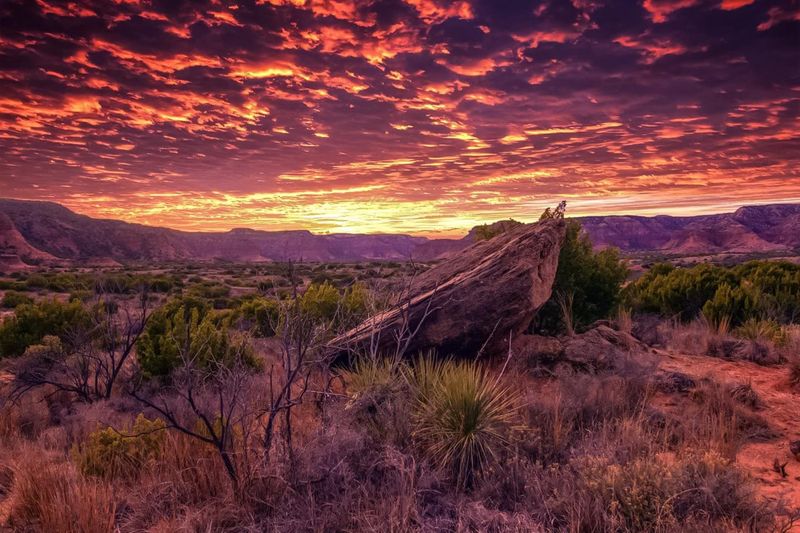
The Texas Panhandle doesn’t exactly scream “scenic destination” to most people. Flat, windy, and endless—that’s the stereotype. But where the High Plains suddenly drop away into the Caprock Escarpment, a completely different landscape emerges.
Caprock Canyons State Park reveals colorful canyons, dramatic rock formations, and one very special resident: the official Texas State Bison Herd.
These aren’t zoo animals behind fences. The bison roam freely throughout the park, descendants of the vast herds that once thundered across the plains by the millions. Seeing them against the backdrop of red rock canyons creates a connection to the Old West that feels almost spiritual.
Give them plenty of space—they’re wild animals and surprisingly fast despite their bulk.
The geology here tells an incredible story. Layers of red, orange, and white rock represent millions of years of ancient seas, rivers, and wind-blown sand. Erosion has carved these layers into hoodoos, balanced rocks, and narrow canyons that change color throughout the day as the sun shifts position.
Photographers love this place for good reason.
Hiking trails range from easy nature walks to challenging backcountry routes. The Upper Canyon Trail follows the rim, offering panoramic views across the breaks. The Lower Canyon Trail descends into the heart of the canyon system, where you’re surrounded by towering walls and might encounter wildlife around every bend.
Both trails showcase the park’s diverse beauty.
The Caprock Canyons Trailway is a converted railway bed that runs for 64 miles, making it one of the longest rail-trails in Texas. Mountain bikers, hikers, and horseback riders all use this trail, which passes through three historic railroad tunnels and crosses dramatic trestle bridges. The Clarity Tunnel, at 750 feet long, is pitch black inside—bring a good light.
Located near the tiny town of Quitaque (pronounced “KITTY-quay”), the park feels genuinely remote. You won’t find crowds here like at more famous state parks. Spring and fall offer the most pleasant weather, though each season has its charm.
Wildflowers bloom in spring, fall brings cooler temperatures and changing colors, and winter can dust the red rocks with snow for a surreal contrast. This is authentic Texas Panhandle country, raw and beautiful in ways that surprise everyone who makes the trip.
8. Big Thicket National Preserve (Kountze)
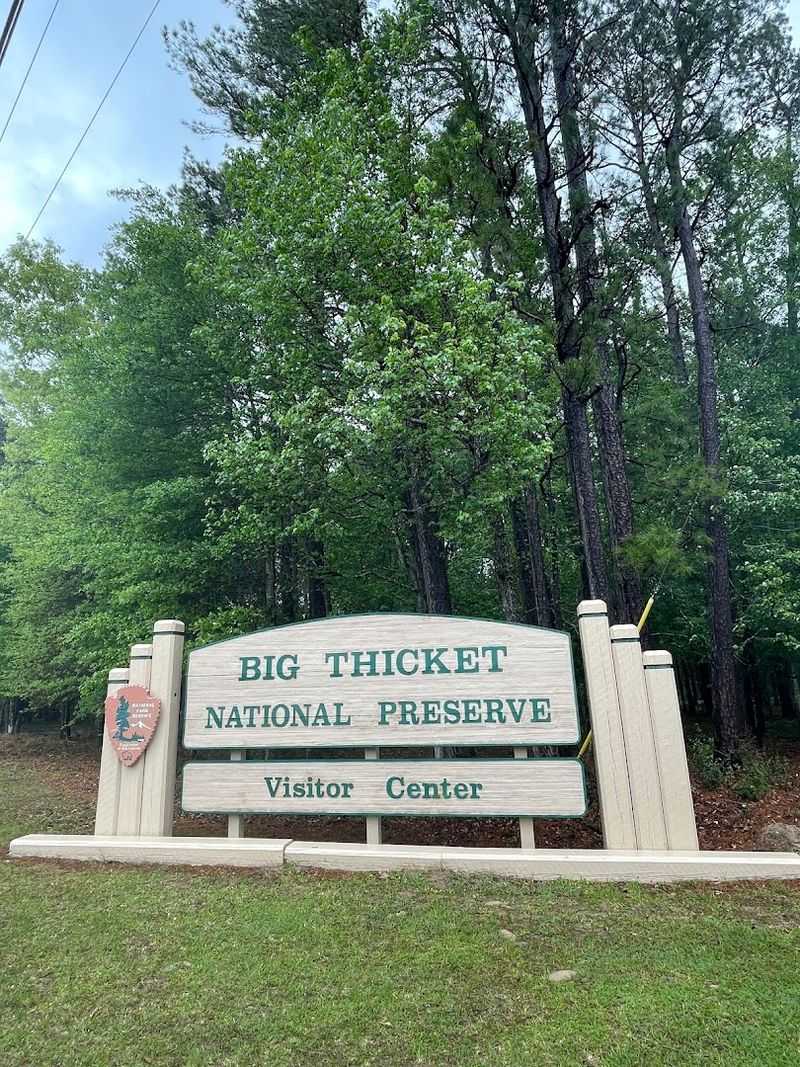
When people imagine Texas, they picture deserts, cowboys, and wide-open spaces. Big Thicket destroys that stereotype completely. This is a jungle—an honest-to-goodness jungle in Southeast Texas where ecosystems from the eastern forests, central plains, and southeastern swamps all collide.
The biodiversity here rivals any place in North America, earning it the nickname “biological crossroads of North America.”
The preserve protects 15 separate units totaling over 113,000 acres, though the forest itself is much larger. Within this relatively small area, you’ll find everything from longleaf pine forests to cypress swamps, from sandy deserts to hardwood forests. Plant species from drastically different climates grow side by side in combinations found nowhere else on Earth.
Over 85 tree species grow here, more than in any other forest in North America. Four of the five types of carnivorous plants in North America thrive in Big Thicket’s acidic wetlands, including several species of pitcher plants and sundews. Orchids bloom in the understory.
The variety is almost overwhelming for botanists and nature lovers.
Wildlife diversity matches the plant life. Black bears have recently returned after decades of absence. Alligators lurk in the waterways.
Over 300 bird species have been recorded, making it a prime bird watching destination. The preserve is also home to the ivory-billed woodpecker—or at least, persistent rumors suggest this supposedly extinct bird might survive in these dense forests.
Paddling the waterways offers the best way to experience Big Thicket’s swampy sections. The Neches River flows through the preserve, its dark tannic water reflecting the towering cypress trees that line its banks. Shorter paddling routes explore smaller creeks where you might be the only human for miles.
The silence and wildness feel primordial.
Hiking trails provide access to different ecosystems. The Kirby Nature Trail showcases the transition from dry pine forest to wet cypress slough in less than a mile. The Big Sandy Creek Trail follows an old tramway through varied habitats.
Each trail reveals different aspects of this incredibly complex landscape. The preserve is located north of Beaumont, easily accessible from Houston but far enough to feel remote. Visit in spring for wildflowers and migrating birds, or in fall when temperatures drop and the forest comes alive with color.
Share this story