Fresh-picked fruit, sprawling fields, historic barns, and working dairies make Indiana’s farms far more interesting than a view from the highway. Across the state, these destinations invite visitors to experience agriculture up close through orchards, farm markets, animals, seasonal activities, and preserved homesteads that reveal generations of local history.
Some have become popular family attractions, while others remain quieter discoveries perfect for an easy day trip. Together, they show how deeply farming continues to shape Indiana’s landscape and identity. Whether you come for food, scenery, or hands-on fun, these 8 remarkable farms deserve far more attention.
1. Traders Point Creamery (Zionsville)
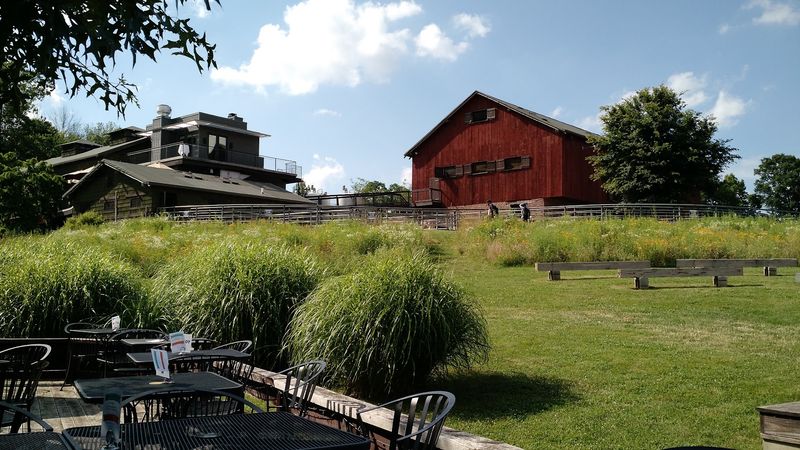
Green hills and black-and-white cows set the scene at Traders Point Creamery, and the view alone can slow a busy day right down. Tucked into Zionsville, this organic dairy farm mixes polished visitor spaces with working-farm character in a way that is easy to enjoy.
Rolling pastures are a big part of the appeal. Instead of rushing from one activity to another, many visitors will probably enjoy taking a simple walk, looking across the fields, and noticing how the barns, fences, and open land create a classic Indiana farm picture.
The grass-fed cows are central to the story here, and that adds a strong connection between the landscape and the food produced on site. Even without digging into technical details, it is easy to understand the farm’s focus by seeing animals out on pasture and then visiting the creamery afterward.
The artisan creamery gives the farm an extra layer of interest because it helps turn a scenic outing into a food-centered experience. That means a visit can appeal to more than one kind of traveler, from families wanting fresh air to adults looking for a slower afternoon with local flavors.
Historic barns add texture rather than acting like background decoration. They help the property feel grounded, and they pair nicely with the cleaner, more modern parts of the farm, including spaces where guests can sit down for a farm-to-table meal.
Planning ahead is smart here, especially on weekends, since places with both scenery and dining can draw steady crowds. Comfortable shoes also make sense, because the farm walks are part of the fun.
For anyone wanting an Indiana farm visit with good food, pretty views, and a polished but still rural setting, Traders Point Creamery stands out without needing flashy tricks. It offers a calm, well-rounded experience built around land, animals, and the simple pleasure of being outdoors.
2. Fair Oaks Farms (Fair Oaks)
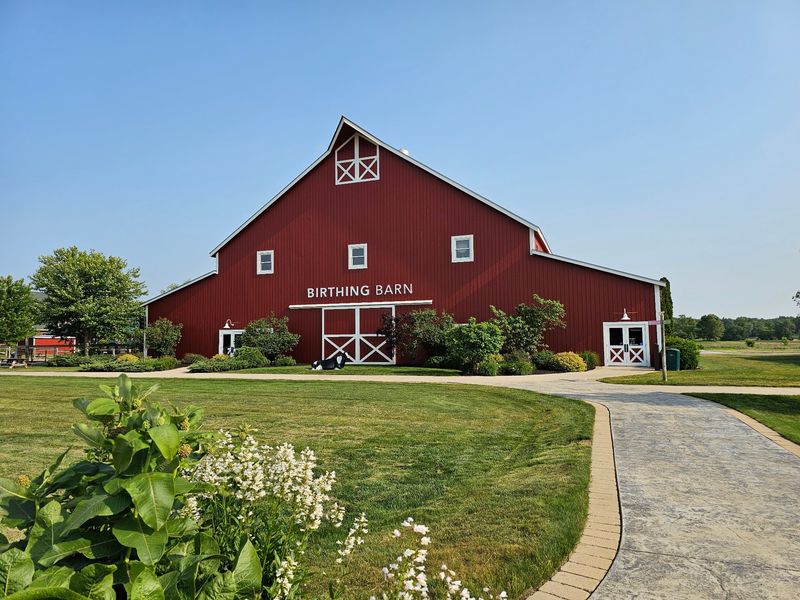
Big is the word that fits Fair Oaks Farms best. In Fair Oaks, the scale is part of the experience, turning a working dairy and pig farm into a place where agriculture, learning, and day-trip fun come together across a broad stretch of countryside.
Visitors who have only seen small farm stands may be surprised by how much ground this destination covers. There are animal-focused experiences, interactive attractions, places to eat, and wide views that help explain modern farming in a way that feels direct rather than distant.
Because it is a major visitor stop, it helps to think of the trip more like a planned outing than a quick pop-in. Checking what is currently open is a smart move, especially since its main adventures are operating through summer 2026, and schedules can shape how much time should be set aside.
The dairy and pig sides give the farm a stronger educational angle than many scenic rural spots. Instead of only admiring barns from afar, guests can engage with exhibits and spaces designed to show how large-scale agriculture works, which can be especially useful for kids who rarely see farms up close.
Restaurants on site make it easier to stay longer without feeling rushed. That can matter on a property this spread out, since a full visit may involve plenty of walking and more than one stop.
Open country all around keeps the place from feeling boxed in, even with all the built features. Between the farm structures and the surrounding landscape, there is still plenty of that broad northern Indiana look that gives the visit a strong sense of place.
Fair Oaks Farms may not match the quiet mood of a tiny orchard lane, but that is not the point. Its strength is showing farming at a larger scale while still giving visitors room to explore, eat, learn, and spend serious time in an agricultural setting.
3. The Farm at Prophetstown (Battle Ground)
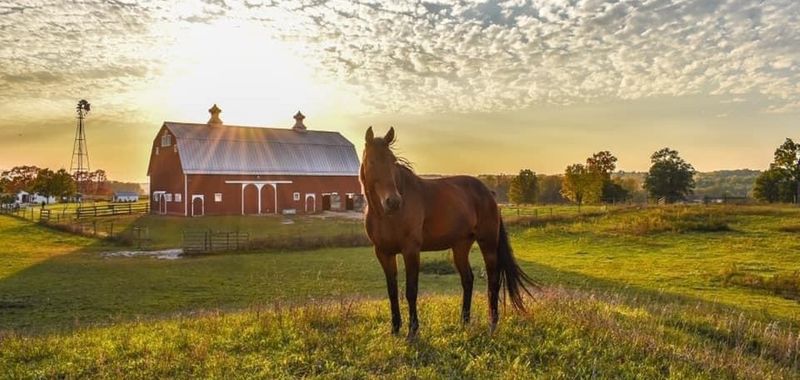
Step onto The Farm at Prophetstown and the pace changes fast. Located inside Prophetstown State Park near Battle Ground, this living-history farm focuses on Indiana rural life of the 1920s, using heritage livestock, old farming methods, and period details to build a clear picture of the past.
Rather than chasing flashy attractions, the farm leans into everyday scenes. Gardens, simple buildings, old-fashioned tools, and open fields work together to show how farm life once looked before giant machinery and modern systems changed the landscape.
That older setup can be especially interesting for families because it makes history easier to picture. Reading about earlier farm life in a book is one thing, but seeing livestock breeds, fenced plots, and working spaces in person gives the topic more shape and meaning.
The setting inside a state park also helps. A visit can pair farm history with a broader outdoor day, which makes the stop attractive for travelers who want variety instead of staying in one type of attraction for hours.
Heritage livestock are one of the strongest reasons to slow down and pay attention here. They connect the site to older agricultural traditions, and they remind visitors that farming history is not only about buildings and tools but also about the animals that supported daily life.
Rural scenery matters just as much as the demonstrations and structures. The visual mix of fields, paths, fences, and barns gives the farm a grounded look that suits the time period it represents.
Comfortable walking shoes are useful, especially for visitors planning to explore both the farm and the surrounding park areas. Taking time to read signs or join interpretive activities can also make the experience richer.
For travelers interested in a farm with history at the center, The Farm at Prophetstown offers a thoughtful, hands-on change of pace. It highlights how Indiana agriculture once worked, and it does so through real spaces that are easy to imagine as part of daily life.
4. Chellberg Farm (Porter)
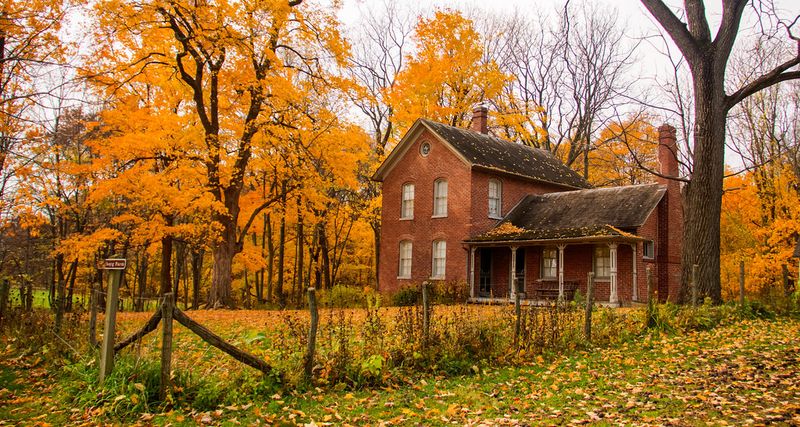
Not every memorable Indiana farm sits in wide-open farmland. Chellberg Farm, in Porter within Indiana Dunes National Park, offers a different setting, where a preserved historic farmstead meets woodland edges and tells part of the story of Swedish immigrant families in northern Indiana.
The first surprise is how the farm and forest work together visually. Instead of endless fields in every direction, visitors find a more tucked-away landscape, one where clearings, old structures, and trees create a quieter rural scene with a strong historic character.
That backdrop makes the place especially interesting for travelers who like context with their scenery. The buildings and grounds serve as reminders that farming in this region was shaped by immigrant labor, family routines, and the challenge of making a living close to the dunes and woods.
Because Chellberg Farm sits inside a national park, it can fit nicely into a bigger day of exploring. A trip might include beaches, trails, or other heritage sites nearby, with the farm adding a human story to a landscape many people mainly associate with sand and shoreline.
The preserved farmstead details matter here more than flashy activities. Looking closely at the house, barn, and surrounding grounds helps visitors notice how simple materials, practical layouts, and hardworking design choices shaped everyday life on an earlier Midwestern farm.
Woodland nearby gives the site a distinct mood compared with more open orchard or dairy destinations. In photos, that mix of rustic buildings and leafy surroundings can be especially striking, particularly when the seasons shift and the colors change.
Visitors should wear shoes suited for walking and allow a little time to read any interpretive signs or materials available on site. Moving slowly works best in a place like this, since much of its appeal comes from observation rather than nonstop activity.
Chellberg Farm stands out because it adds immigration history, regional landscape, and preserved architecture to the farm conversation. That blend gives it a special place among Indiana destinations that deserve more notice.
5. Tuttle Orchards (Greenfield)
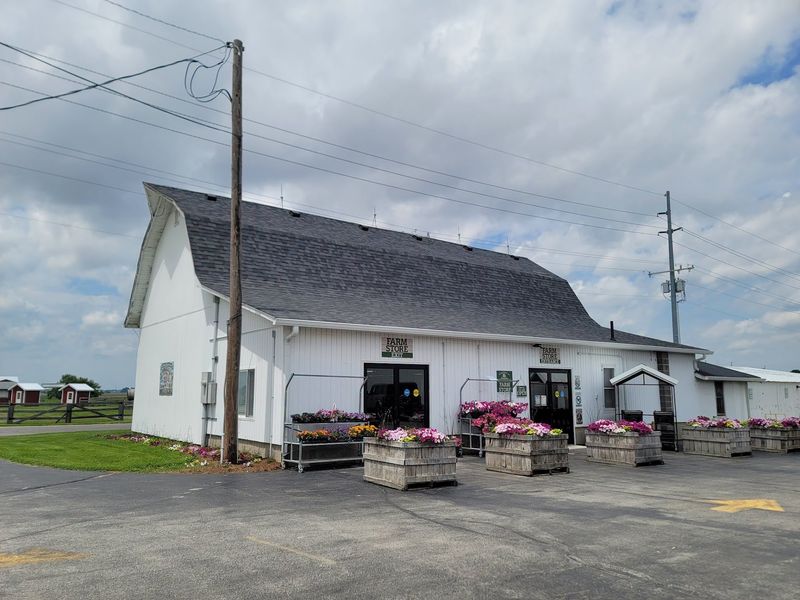
Crisp apples, bright pumpkins, and rows of seasonal produce give Tuttle Orchards an easy kind of charm. In Greenfield, this family-run farm brings together orchard views, pick-your-own fun, and a farm market setup that makes the visit practical as well as scenic.
Season matters a lot here, which is part of the fun. One trip might focus on apples and cool-weather color, while another could center on pumpkins, greenhouse browsing, or fresh produce from the growing season.
That changing calendar gives the farm a built-in variety many travelers appreciate. Instead of offering the same picture every month, Tuttle Orchards shifts with the harvest, so repeat visits can look and feel different depending on when they happen.
Apple picking is often the headline activity, and for good reason. Walking through orchard rows has a simple appeal that works for families, couples, and anyone who likes being outside without needing a packed schedule.
The farm store adds another reason to stop even for visitors short on time. Fresh produce and farm goods can turn a scenic outing into something useful, especially for people who enjoy bringing home ingredients instead of only taking photos.
The greenhouse broadens the experience by giving the property more than one visual texture. Between planted spaces, orchard lines, and open farm areas, there is enough variety to keep the visit from feeling repetitive.
Weekends during prime fall season can be busy, so earlier arrival times may help. Bringing bags, checking seasonal availability, and wearing shoes that can handle dust or soft ground are all smart moves.
Tuttle Orchards succeeds because it keeps the basics strong. The countryside setting, family-farm identity, seasonal picking, and straightforward produce focus create a place that is inviting without trying too hard.
For anyone wanting a classic Indiana orchard day with plenty to look at and something good to carry home, this Greenfield favorite deserves more space on the radar.
6. Huber’s Orchard and Winery (Borden)
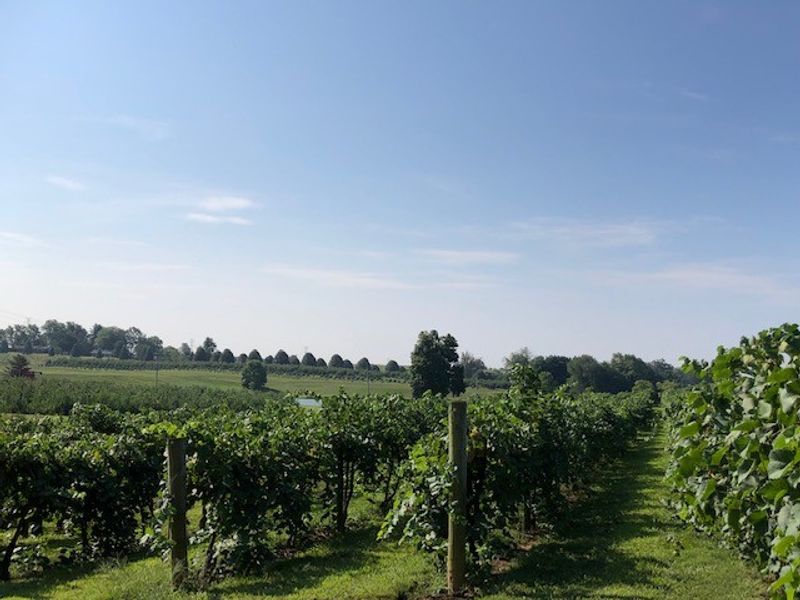
Southern Indiana brings a different look to farm country, and Huber’s Orchard and Winery shows that off well. Near Borden, the property spreads across orchards, vineyards, ponds, and rolling ground that gives the whole place a photo-friendly shape without needing much help.
There is a lot happening here, but the land itself does plenty of the work. Fruit-growing areas, water features, and long views across the countryside create natural variety, so the visit rarely feels stuck in one visual note.
Pick-your-own options are a major draw because they turn the trip into more than a walk-and-look stop. Depending on the season, visitors can plan around harvest time and enjoy the kind of hands-on activity that makes farm destinations easy to remember.
The vineyard side brings another layer that sets Huber’s apart from a standard orchard. Combined with farm-fresh goods and winery appeal, it attracts mixed groups well, since some people may come for scenery and food while others are interested in fruit, drinks, or browsing.
Ponds on the property help break up the farmland in a nice way. They add reflective views, open sky, and a softer edge to the rows of crops and farm structures, which is one reason the setting often stands out in photos.
Because the destination is large and popular, visitors may want to map out priorities before arriving. Picking fruit, shopping, walking, and lingering over the views can easily fill more time than expected.
Comfort matters too. Weather-ready clothing, sturdy shoes, and a little flexibility with timing can make the trip smoother, especially during busy seasonal stretches when crowds and harvest schedules shape the day.
Huber’s Orchard and Winery earns attention by offering a broad rural experience with a strong visual payoff. The blend of orchards, vineyards, farm goods, and sweeping southern Indiana scenery gives it a fuller identity than a single-purpose farm stop, which helps it stand out across the state.
7. Heritage Farm & Events, LLC (Flora)
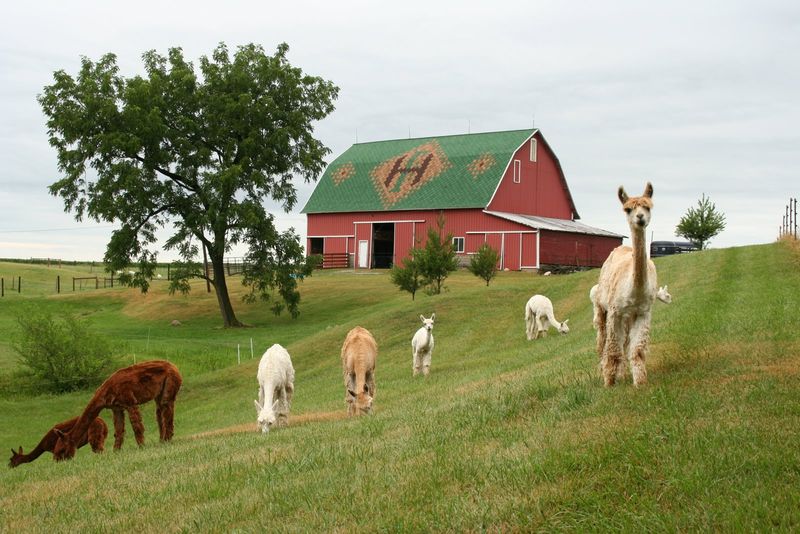
Some farm places are built for crowds, while others shine through quiet and space. Heritage Farm and Events, LLC in Flora falls into the second group, offering a peaceful working-farm setting surrounded by open Carroll County countryside and anchored by classic red-barn scenery.
The wide views are a big part of why it catches attention. Instead of packing visitors into one busy zone, the property leans on the strength of the landscape, where fields, sky, and simple farm buildings create a clean, uncluttered picture of rural Indiana.
Its farmstay angle adds a feature not every destination on this list can offer. Overnight experiences can change the rhythm of a visit, giving guests more time to settle in, watch the light change over the fields, and notice small details that day-trippers often miss.
Events also shape the identity of the farm, but the red-barn setting remains the visual anchor. That familiar structure gives the property a strong sense of place and helps it deliver the kind of countryside look many people hope to find when they leave the city behind.
Because it is a working farm, visitors should approach the experience with respect for the land and any posted guidance. Rural stays usually go best when guests are prepared for natural sounds, changing weather, and a slower schedule than a hotel or downtown attraction would offer.
This is a good pick for travelers who want breathing room more than nonstop activity. A notebook, camera, or simple evening walk may fit the setting better than a tightly packed checklist.
Checking event schedules or farmstay availability ahead of time is the practical move, since experiences can vary by date. Planning meals and arrival timing also helps when staying in a country setting.
Heritage Farm and Events stands out through calm, openness, and overnight rural charm. For travelers looking to spend time on a real Indiana farm rather than only passing through one, Flora offers a quieter kind of standout destination that deserves a stronger share of attention.
8. Beasley’s Orchard (Danville)
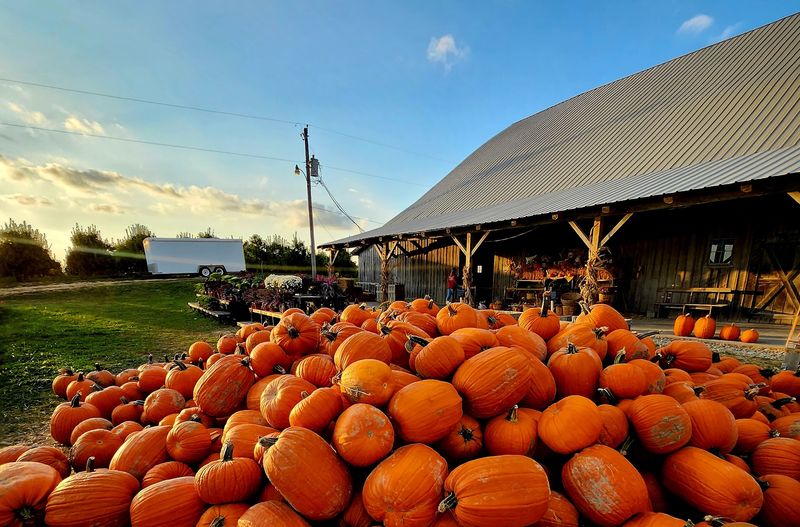
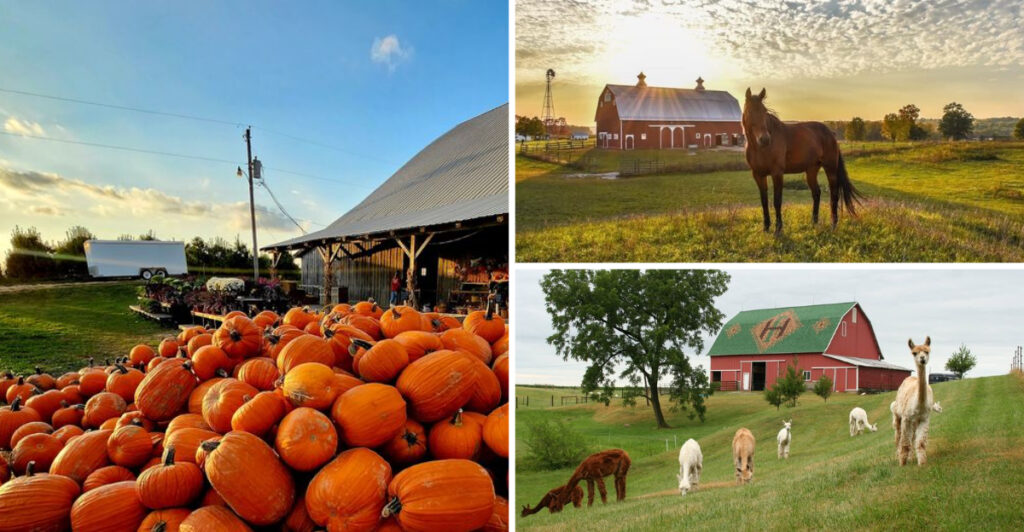
A Civil War-era barn gives Beasley’s Orchard a strong opening image before the apples, pumpkins, and cider even enter the picture. In Danville, this third-generation working farm combines old-structure character with the familiar pleasures of seasonal produce and classic Indiana fall scenes.
That historic barn does more than decorate the background. It gives the farm a memorable center point, adding age and weight to a place that also thrives on harvest-time energy, family outings, and the steady appeal of local crops.
Apples are a major part of the identity here, and they pair naturally with cider and orchard views. Visitors who enjoy farms that connect scenery with things to taste and take home will likely find plenty to notice without needing a complicated plan.
Pumpkins and seasonal U-pick crops expand the experience beyond one harvest. That makes the farm more flexible for returning visitors, especially during the busiest autumn stretch when families are looking for activities that feel outdoorsy, simple, and festive without being overproduced.
The corn maze adds movement and play to the visit. While some guests may head straight for produce or the barn photos, others will appreciate having an activity that breaks up the trip and gives kids room to burn off energy.
Homegrown produce keeps the farm rooted in its working identity. Even with the visitor appeal, there is still a clear connection to what the land grows, and that balance helps the place come across as more than a seasonal photo stop.
Busy weekends are likely during peak harvest season, so arriving earlier can make parking and browsing easier. Shoes that can handle uneven ground are also a smart call, especially after rain.
Beasley’s Orchard deserves more attention because it brings several strong elements together in one place: a striking old barn, productive farmland, seasonal picking, and the kind of countryside look many Hoosiers recognize instantly. It is a vivid snapshot of Indiana farm culture with plenty of personality.
Share this story