Texas hiking doesn’t have to mean sweating buckets or gasping for air on steep climbs. Plenty of trails across the state offer stunning scenery, interesting wildlife, and memorable outdoor experiences without demanding you train like you’re climbing Mount Everest. Whether you’re introducing kids to nature, recovering from an injury, or simply prefer a relaxing stroll over a cardio workout, these eight trails prove that easy doesn’t mean boring.
1. Creekfield Lake Nature Trail (Needville)
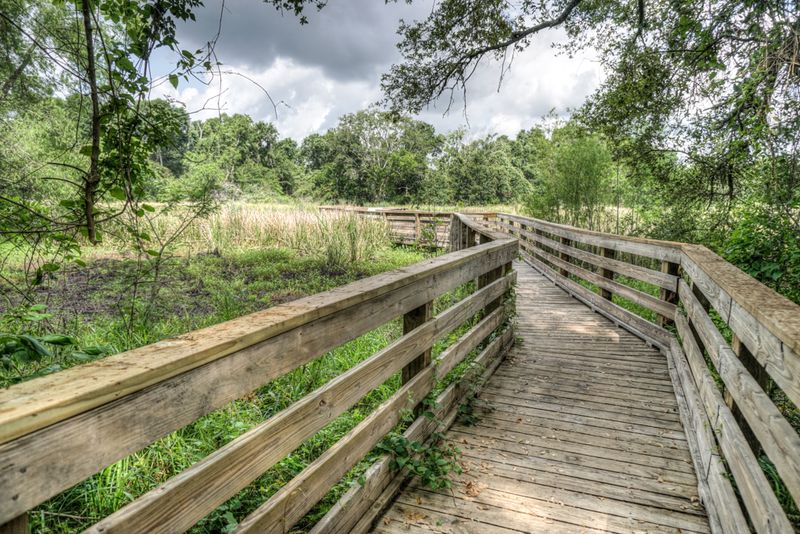
Not every great hike requires mountain gear or marathon training. Creekfield Lake Nature Trail wraps around a quiet lake south of Houston, offering flat terrain and enough shade to keep you comfortable even when Texas decides to crank up the heat. The entire loop measures just over a mile, making it perfect for families with little ones or anyone who wants fresh air without the fitness test.
Boardwalks carry you over marshy sections where turtles sun themselves on logs and herons stalk through shallow water looking for breakfast. The trail stays level throughout, so you can focus on spotting wildlife instead of watching your footing on rocky inclines. Bring binoculars if you’re into birdwatching—the lake attracts dozens of species year-round.
Benches appear regularly along the path, giving you plenty of spots to rest or simply enjoy the view. The trail surface alternates between packed dirt and wooden walkways, both easy on the knees and ankles. You won’t find dramatic elevation changes or challenging scrambles here, just peaceful walking through classic Texas wetland scenery.
Early morning visits reward you with cooler temperatures and more active wildlife. Ducks paddle across the lake while dragonflies zip between cattails along the shore. The surrounding forest provides a natural sound barrier, muffling highway noise and creating a surprisingly tranquil atmosphere despite being relatively close to civilization.
Parking sits right next to the trailhead, eliminating any lengthy approach hikes before you even start. The path stays well-maintained throughout the year, with clear markers preventing any wrong turns. Dogs are welcome on leashes, making this an excellent choice for four-legged family members who also appreciate an easy outing.
Summer visits work best in early morning or late afternoon when shade covers more of the trail. Spring brings wildflowers along the edges, adding splashes of color to your walk. The entire experience feels more like a pleasant nature stroll than actual hiking, which is exactly the point for anyone seeking outdoor time without the workout intensity.
2. Bald Cypress Trail (Spring Branch)
Giant cypress trees rising from the water create a scene that feels more Louisiana bayou than Texas Hill Country. Bald Cypress Trail follows a spring-fed creek where these impressive trees have grown for decades, their distinctive “knees” poking up through the shallow water like wooden stalagmites. The trail stretches less than two miles round trip, keeping things manageable for casual hikers.
Crystal-clear water flows steadily through the creek, cool enough to dip your feet on warm days. The path stays relatively flat, following the natural contours of the creek bank without any significant climbs. Shade from the towering cypress canopy keeps temperatures comfortable even during summer months when other trails become sweat factories.
Moss drapes from branches overhead, swaying gently in the breeze and adding to the magical atmosphere. The creek itself runs shallow enough in most spots that kids can safely wade while adults relax on the banks. Fish dart through the clear water, visible from above as they navigate between submerged roots and rocks.
The trail surface consists mainly of packed earth with some rocky sections near the creek, but nothing requiring special footwear beyond basic sneakers. Wooden bridges cross smaller tributaries, adding variety without introducing difficulty. You’ll share the path with families, older hikers, and locals who treat this trail as their regular walking spot rather than a challenging workout.
Birdsong fills the air throughout the hike, with species ranging from cardinals to woodpeckers making their homes in the mature trees. The creek’s constant gurgling provides pleasant background noise, drowning out any thoughts about work deadlines or traffic jams. Several spots along the way invite you to stop and simply soak in the peaceful surroundings.
Fall visits showcase the cypress trees’ namesake trait—they’re deciduous conifers that turn rusty orange before dropping their needles. Spring brings fresh green growth and higher water levels that make the creek even more impressive. The trail proves that spectacular scenery doesn’t require spectacular effort, delivering a memorable outdoor experience without demanding athletic prowess.
3. Caddo Lake State Park Trails (Karnack)
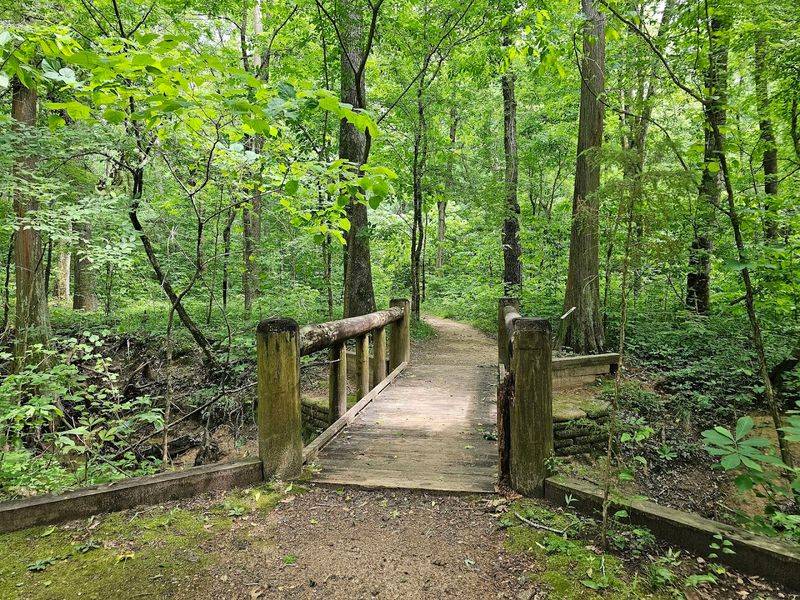
Spanish moss dripping from ancient cypress trees creates an atmosphere straight out of a Southern Gothic novel. Caddo Lake sits in Texas’s far northeast corner, closer to Louisiana in both geography and character than to stereotypical Texas landscapes. The park’s trail system offers multiple easy options through this unique ecosystem, none requiring mountain goat balance or exceptional endurance.
The Forest Trail loops through upland woods for about 1.5 miles, staying relatively flat while showcasing the transition between swamp and forest environments. Armadillos rustle through leaf litter while woodpeckers hammer away at dead trees overhead. The trail surface consists of packed earth and pine needles, soft underfoot and easy on joints.
For something even easier, the park’s nature trail runs less than a mile while providing excellent wildlife viewing opportunities. Interpretive signs explain the unique ecology of this cypress swamp, one of the few naturally occurring lakes in Texas. Alligators occasionally sun themselves near the water, adding excitement without danger since they typically avoid people.
The real magic happens when you simply wander near the lake’s edge, where massive cypress trees rise from dark water creating an almost mystical scene. Lily pads float on the surface while turtles perch on logs watching visitors pass. The still water reflects the forest canopy, doubling the visual impact of this unusual landscape.
Bird diversity here rivals anywhere in Texas, with species ranging from bald eagles to prothonotary warblers depending on season. Bring binoculars and a field guide—you’ll want them. The relatively flat terrain means you can walk slowly, scanning the canopy without worrying about tripping over roots or rocks.
Spring brings blooming water lilies and migrating birds, making it peak season for nature photography. Summer can be buggy, so pack insect repellent and consider early morning visits when mosquitoes are less active. Fall colors arrive later here than in other parts of Texas, with cypress trees turning rusty orange well into November.
These trails prove that dramatic scenery doesn’t require dramatic effort. The landscape does all the heavy lifting while you simply stroll through, soaking in an environment unlike anywhere else in the state.
4. Heritage Loop (Bandera)
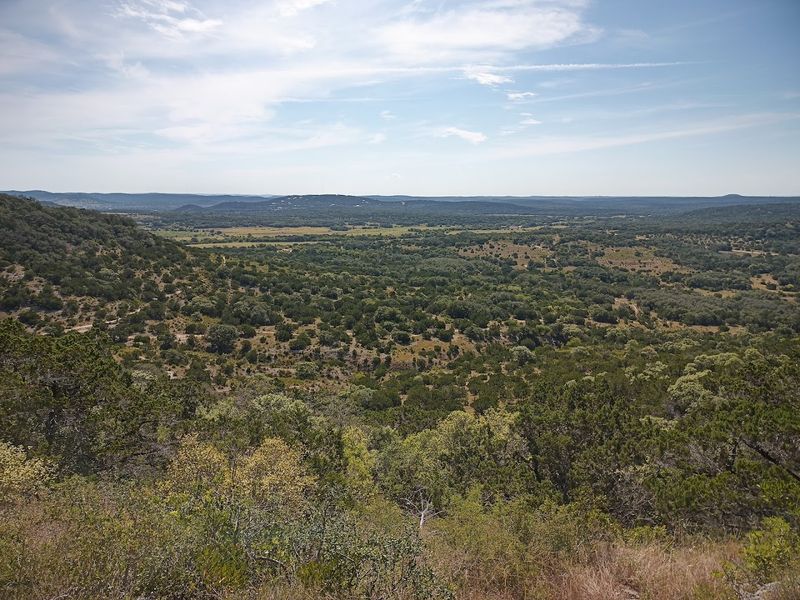
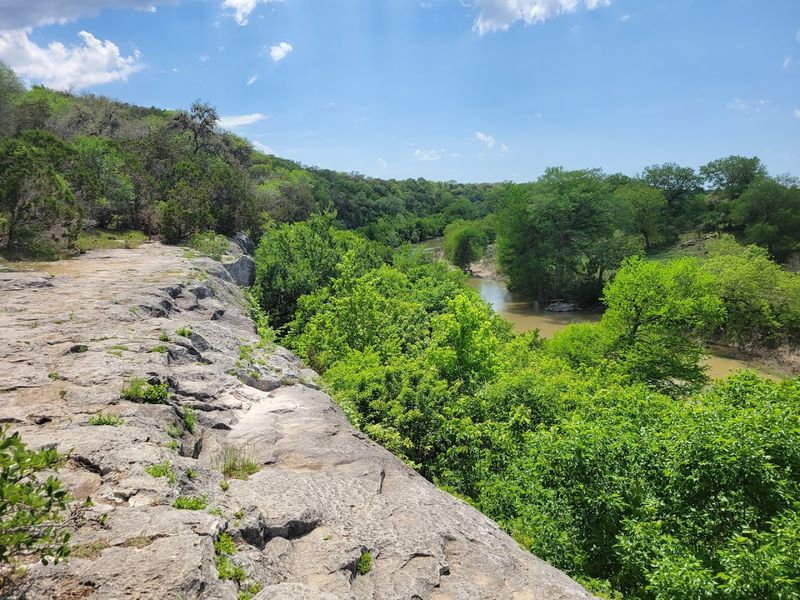
Bandera calls itself the Cowboy Capital of the World, and Heritage Loop gives you a taste of Hill Country beauty without requiring rodeo-level toughness. This trail circles through classic Central Texas landscape—live oaks, juniper, limestone outcroppings, and seasonal wildflowers—while keeping elevation changes gentle enough for casual hikers. The complete loop measures around two miles, perfect for a morning or afternoon outing.
Rocky sections appear here and there, but nothing requiring technical scrambling or special footwear beyond sturdy sneakers. The trail winds through terrain that feels authentically Texan, with prickly pear cacti dotting the hillsides and limestone boulders creating natural sculptures. Wildlife sightings might include deer, roadrunners, or various lizard species basking on sun-warmed rocks.
Shade varies throughout the hike, with oak canopy covering some sections while others leave you under open sky. The mix keeps things interesting without becoming uncomfortable, especially during cooler months when Texas hiking reaches its prime. Views open up occasionally, revealing rolling hills stretching toward the horizon in classic Hill Country fashion.
The trail surface alternates between packed dirt, rock, and occasional grassy patches, all manageable without hiking poles or technical gear. Some gentle ups and downs add variety without crossing into genuinely challenging territory. You’ll get a bit of a workout, but nothing that’ll leave you gasping or sore the next day.
Spring transforms this trail into a wildflower showcase, with bluebonnets, Indian paintbrush, and dozens of other species painting the landscape in vibrant colors. The mild elevation changes actually enhance flower viewing, creating natural terraces that display blooms at different heights. Bring a camera—the photo opportunities multiply during March and April.
Local hikers use this trail regularly, creating a friendly atmosphere where you’ll likely exchange greetings with other outdoor enthusiasts. Dogs are welcome on leashes, making it popular with Bandera residents exercising their four-legged friends. The trail stays well-marked throughout, with clear signage preventing any navigation confusion.
Summer mornings work best for beating the heat, while fall and winter offer comfortable all-day hiking conditions. The relatively short distance means you can complete the loop without packing extensive supplies, though water remains essential year-round. Heritage Loop delivers authentic Hill Country scenery without demanding extreme fitness, perfectly balancing beauty and accessibility.
5. Sotol Stroll Loop (Big Spring)
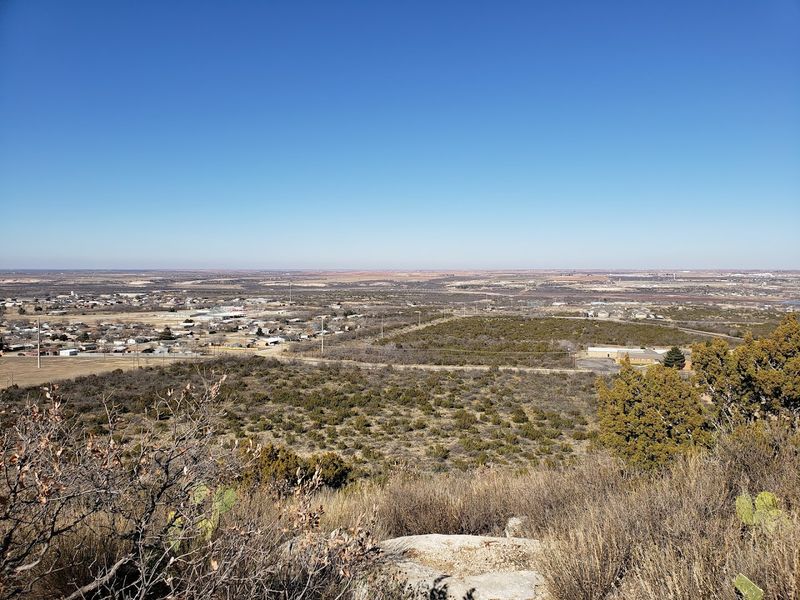
West Texas doesn’t apologize for its harsh beauty, but Sotol Stroll Loop makes it surprisingly approachable. This trail at Big Spring State Park winds through classic desert landscape without punishing your legs or lungs. The completely flat terrain and short distance—just over a mile—let you experience the stark beauty of this region without suffering through it.
Sotol plants, with their spiky rosettes and tall flowering stalks, give the trail its name and dot the landscape like natural sculptures. Yucca, prickly pear, and various grasses complete the desert plant community, adapted to survive in an environment that receives minimal rainfall. The plants might look harsh, but they create their own stark beauty against the endless West Texas sky.
Big sky country takes on literal meaning here, with horizons stretching in every direction and clouds creating dramatic displays overhead. The lack of trees or tall vegetation means unobstructed views throughout your walk. Sunsets turn spectacular, painting the entire sky in oranges, pinks, and purples that reflect off the desert floor.
The trail surface consists of packed caliche and dirt, firm enough for easy walking but soft enough to cushion your steps. Virtually no elevation change means you can maintain whatever pace feels comfortable without worrying about climbs. The loop configuration eliminates any need to retrace your steps, keeping the experience varied despite the relatively short distance.
Wildlife adapted to desert conditions appears throughout the day—lizards scurry across the path while hawks circle overhead searching for prey. Roadrunners occasionally dash across the trail, living up to their cartoon reputation for speed. Jackrabbits with their enormous ears rest in the shade of desert shrubs, their camouflage making them invisible until they bolt.
Spring brings surprising wildflower displays when winter rains have been adequate, proving that even desert landscapes can explode with color. Summer demands early morning or late afternoon visits when temperatures become bearable. Fall and winter offer the most comfortable hiking conditions, with mild temperatures and clear skies dominating the forecast.
The trail’s simplicity becomes its strength—there’s nowhere to get lost, nothing to trip over, and no challenging sections to navigate. You can focus entirely on the unique desert environment surrounding you, appreciating a landscape many Texans never experience despite living in the same state.
6. Nature Trail (Big Spring)
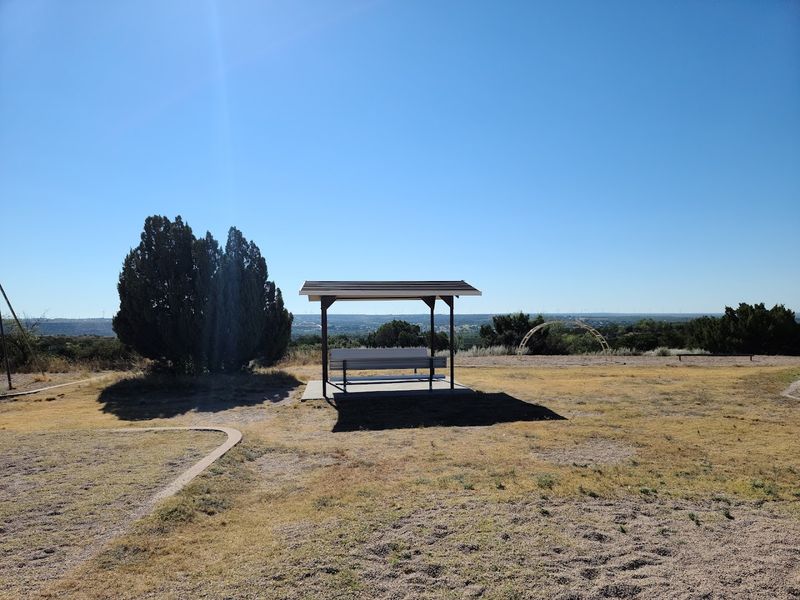
Sometimes the best hikes are the ones that don’t try too hard. Big Spring State Park’s Nature Trail keeps things refreshingly simple—a short loop designed for learning rather than endurance testing. Interpretive signs along the way explain the desert ecosystem surrounding you, turning a casual walk into an outdoor classroom without the boring parts.
The trail barely reaches half a mile, making it perfect for young kids, older adults, or anyone who wants fresh air without committing to a major expedition. The path stays wide and well-maintained, with packed dirt providing stable footing throughout. You could complete this walk in sneakers, sandals, or even dress shoes if necessary, though that last option isn’t exactly recommended.
Each interpretive sign focuses on a different aspect of the Chihuahuan Desert ecosystem—how plants conserve water, which animals thrive here, why the soil looks the way it does. The educational component adds depth to what might otherwise be just a short stroll. Kids actually engage with the signs rather than complaining about being dragged on a hike, which counts as a major parenting win.
Native plants line the trail, carefully labeled to help you distinguish between sotol, yucca, prickly pear, and the various grasses and shrubs that make up the desert plant community. The landscaping feels natural rather than overly manicured, maintaining the authentic West Texas atmosphere. Benches appear at intervals, inviting you to sit and observe rather than rush through.
The complete lack of elevation change makes this accessible for virtually anyone who can walk. No steep sections, no rocky scrambles, no technical challenges whatsoever. The trail simply loops through representative desert habitat, letting you experience the environment without fighting against it.
Bird activity picks up during cooler morning and evening hours when desert species become more active. The open terrain makes wildlife spotting easier than in forested environments where animals hide in dense vegetation. Lizards sun themselves on rocks throughout the day, providing entertainment for observers of all ages.
This trail works perfectly as a warm-up before tackling Sotol Stroll Loop, or as a standalone outing when time or energy runs limited. The educational signs make it especially valuable for visitors unfamiliar with desert ecosystems. You’ll leave knowing more about West Texas ecology than you did arriving, all without breaking a sweat or feeling exhausted.
7. Turks Cap Trail (Rockport)

Coastal Texas offers a completely different hiking experience from the state’s more famous Hill Country or desert regions. Turks Cap Trail at Goose Island State Park winds through maritime oak forest just minutes from the Gulf of Mexico, delivering an easy walk through a unique ecosystem. The trail stays flat and short, measuring well under a mile while showcasing plants and wildlife adapted to salt air and sandy soil.
Twisted live oaks create a canopy overhead, their branches sculpted by constant coastal winds into artistic shapes. Spanish moss drapes from limbs while resurrection ferns cling to bark, thriving in the humid Gulf air. The understory features turks cap plants—red tubular flowers that give the trail its name—along with various shrubs and vines creating a lush, almost jungle-like atmosphere.
Salt air carries in from the nearby bay, mixing with earthy forest scents to create a distinctive coastal smell. Birdsong fills the air constantly, with species ranging from warblers to woodpeckers making their homes in this protected habitat. During migration seasons, the trail becomes a hotspot for bird enthusiasts hoping to spot rare species passing through.
The trail surface consists of sandy soil mixed with decomposed organic matter, soft underfoot and easy on joints. Roots occasionally cross the path, but nothing requiring careful navigation or athletic ability. The terrain stays level throughout, eliminating any cardiovascular challenges beyond the basic act of walking.
Interpretive signs explain the unique coastal ecosystem surrounding you, highlighting how plants and animals adapt to life near the Gulf. The educational component adds value beyond just physical exercise, making this trail particularly good for families with curious kids. The short distance means even young children can complete the loop without meltdowns or exhaustion.
Summer brings heat and humidity typical of the Texas coast, making early morning or late afternoon visits most comfortable. Spring and fall offer ideal conditions, with mild temperatures and active wildlife. Winter remains pleasant for hiking, rarely dipping into truly cold temperatures.
The trail’s proximity to the famous Big Tree—a massive live oak over 1,000 years old—makes it easy to combine both attractions in a single visit. You can admire one of the largest live oaks in the country, then walk this trail through younger specimens, gaining perspective on how these trees grow and change over centuries.
8. Winding Woodlands Trail (Smithville)
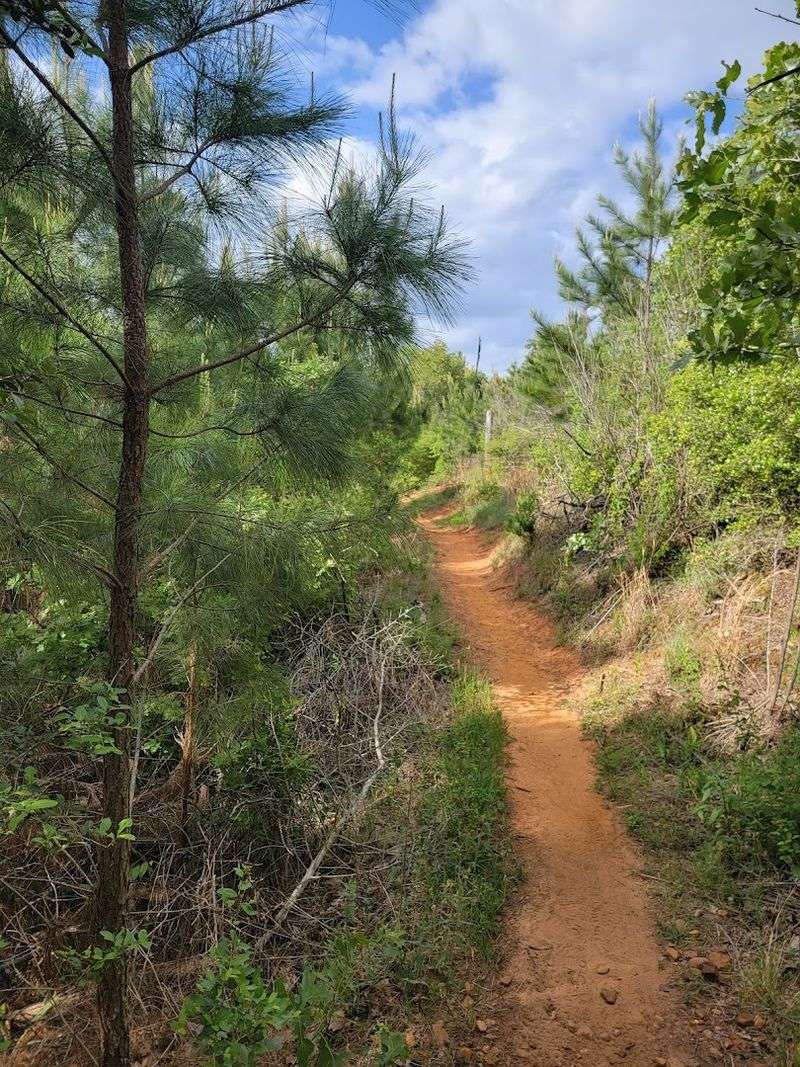
Pine forests aren’t the first thing most people picture when imagining Texas landscapes, but Buescher State Park near Smithville proves they exist. Winding Woodlands Trail loops through a lovely mix of loblolly pines and hardwoods, creating scenery that feels more East Texas than Central Texas. The relatively flat terrain and moderate length—around 1.5 miles—make it accessible without being boring.
Tall pines tower overhead, their needles carpeting the trail in a soft layer that cushions each step. The forest canopy provides excellent shade throughout most of the hike, keeping temperatures comfortable even during warmer months. Sunlight filters through the branches in golden shafts, creating that magical forest atmosphere that makes you forget about traffic and deadlines.
The trail winds gently through the woods, following natural contours without introducing significant elevation changes. A few mild ups and downs add variety without creating challenges, letting you maintain a comfortable pace throughout. The path stays wide enough for easy walking, with good visibility preventing any concerns about navigation.
Bird diversity impresses throughout the year, with both pine specialists and hardwood species sharing the habitat. Woodpeckers hammer away at dead trees while songbirds flit through the understory. Deer occasionally appear, freezing when they spot hikers before bounding away through the forest.
Seasonal changes bring different experiences to this trail. Spring features blooming dogwoods and redbuds adding color to the forest floor. Summer provides deep shade and the constant sound of cicadas creating that quintessential Southern forest soundtrack.
Fall brings cooler temperatures and changing leaves on the hardwood trees. Winter reveals the forest structure when deciduous trees drop their leaves, offering better wildlife viewing opportunities.
The trail surface alternates between pine needles, packed dirt, and occasional sandy patches, all easy on feet and joints. No rocky sections or root-tangled obstacles interrupt your walk. The loop configuration means you end where you started without retracing your steps, keeping the scenery fresh throughout.
Local hikers appreciate this trail for regular exercise, creating a friendly atmosphere where you’ll likely encounter other outdoor enthusiasts. Dogs are welcome on leashes, making it popular with pet owners. The park’s other amenities—including a small lake and picnic areas—let you extend your visit beyond just the trail if desired, creating a full day of outdoor recreation without requiring extreme physical effort.
Share this story