Finding the perfect place to spend your retirement years means discovering somewhere that balances peace, community, and just enough activity to keep life interesting. Texas offers dozens of small towns where the pace slows down, neighbors know each other by name, and you can actually enjoy your golden years without the stress of big-city living. These nine towns across the Lone Star State combine affordable living, natural beauty, and welcoming communities that make retirement feel like the reward it should be.
1. Wichita Falls
Wichita Falls sits in North Texas where the prairie meets rolling hills, offering retirees a surprisingly affordable lifestyle without sacrificing amenities. The cost of living here runs about 15% below the national average, which means your retirement savings stretch further while you enjoy a city that feels more like a big town. Healthcare access is excellent with multiple hospitals and specialty clinics, so you won’t be driving hours for medical appointments.
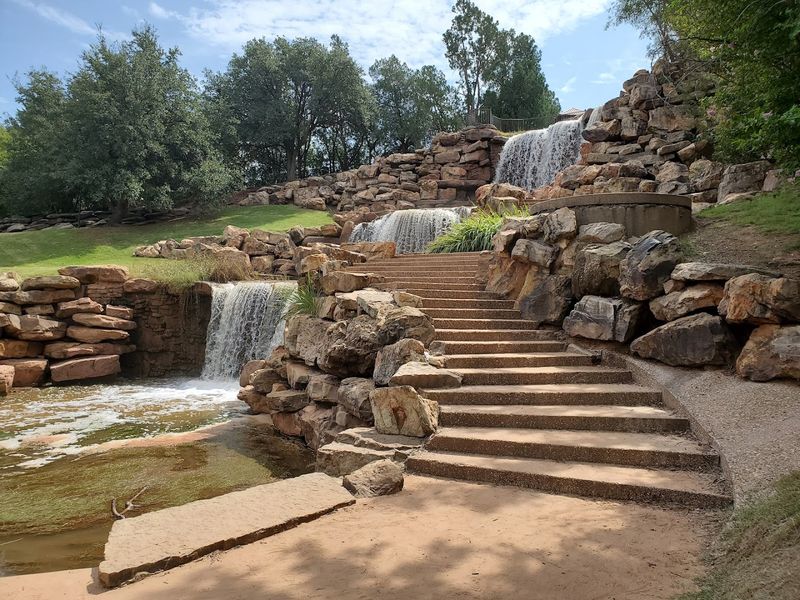
The downtown area has undergone a remarkable transformation in recent years, with locally-owned cafes, antique shops, and art galleries breathing new life into historic buildings. Lucy Park provides 178 acres of green space along the Wichita River, complete with walking trails, picnic areas, and the famous waterfalls that give the city its name. You can spend mornings walking under massive pecan trees or afternoons watching ducks paddle around the ponds.
Cultural offerings punch above the town’s weight class. The Wichita Falls Symphony Orchestra performs regularly, the Backdoor Theatre has been staging productions since 1979, and the Kemp Center for the Arts hosts rotating exhibitions and classes. If you’re into golf, you’ll find several courses that won’t break the bank, and the weather cooperates most of the year.
The community feels genuinely welcoming to newcomers, especially retirees who want to get involved. Volunteer opportunities abound through organizations like the Wichita Falls Area Food Bank and Hospice of Wichita Falls. The Farmers Market runs from May through October, becoming a Saturday morning social hub where you’ll start recognizing familiar faces.
Summers get hot here, no sugarcoating that reality, but winters stay mild enough that you can enjoy outdoor activities year-round. The airport offers direct flights to Dallas, making family visits easier than you’d expect from a smaller city. Property taxes remain reasonable, and you can find everything from historic bungalows to modern patio homes depending on your style and mobility needs.
2. Nacogdoches
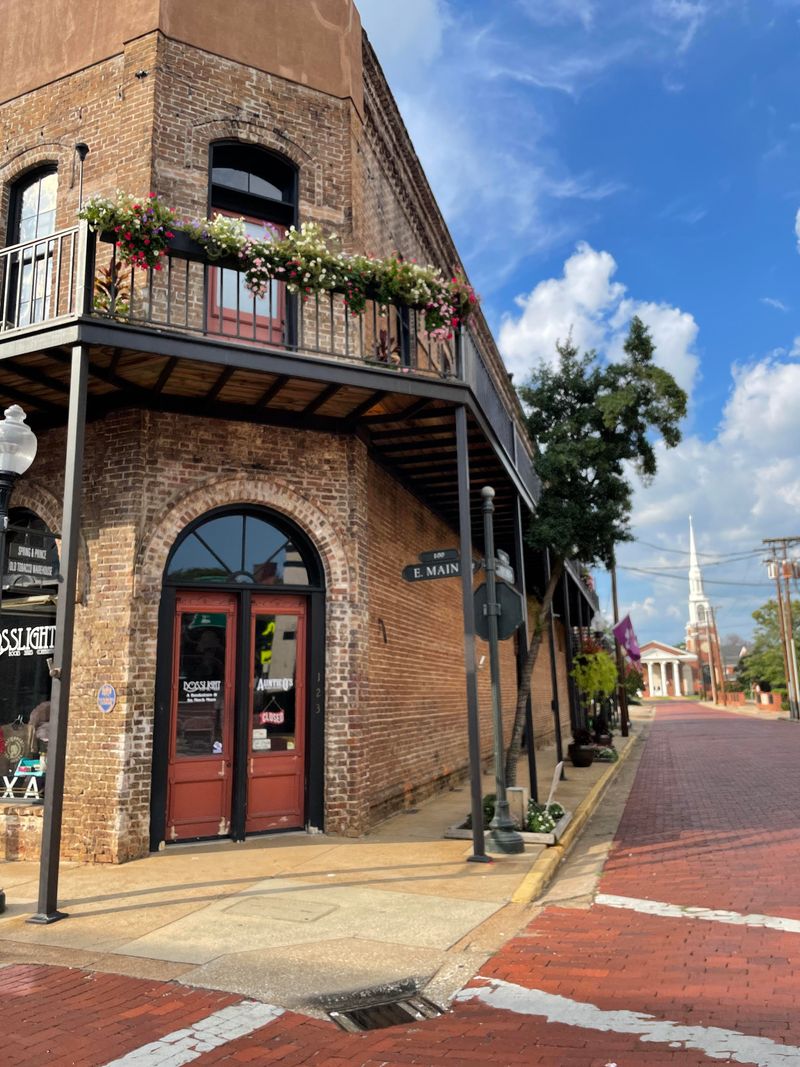
Tucked deep in East Texas, Nacogdoches wears its history proudly, from the brick streets downtown to the century-old homes lining shaded avenues. This East Texas gem sits among towering pine forests where the air smells fresh and the pace of life encourages you to actually stop and chat with people. Stephen F.
Austin State University gives the town a youthful energy without the chaos of bigger college cities, plus access to cultural events, lectures, and sporting activities.
Housing costs here make you wonder why anyone pays California prices. You can find charming homes with actual character for prices that seem almost fictional compared to major metros. The historic district features Victorian-era houses with wraparound porches, while newer subdivisions offer low-maintenance living for those who’d rather spend time exploring than mowing lawns.
Medical care centers around Nacogdoches Medical Center, a full-service hospital that handles most health needs locally. The town’s size means shorter wait times for appointments, and doctors still remember your name between visits. Pharmacies know their customers, and that small-town personal touch extends throughout the healthcare system.
Outdoor recreation opportunities surround you in every direction. Lake Nacogdoches provides fishing, boating, and waterfront picnicking just minutes from town. The Piney Woods create countless hiking and bird-watching opportunities, and the mild climate means you can enjoy them most months.
Autumn brings spectacular foliage that rivals anything up north.
Downtown comes alive with festivals throughout the year, from the Texas Blueberry Festival in June to Christmas on the Old Town Brick Streets in December. Local restaurants serve everything from Texas BBQ to international cuisine, with several spots becoming retiree breakfast clubs where regulars gather daily. The Ruby M.
Mize Azalea Garden explodes with color each spring, offering peaceful walking paths among thousands of blooming plants.
The community embraces newcomers warmly, with numerous clubs, volunteer groups, and church communities providing instant social connections. You’ll find book clubs, garden societies, and historical associations always looking for engaged members.
3. Bandera
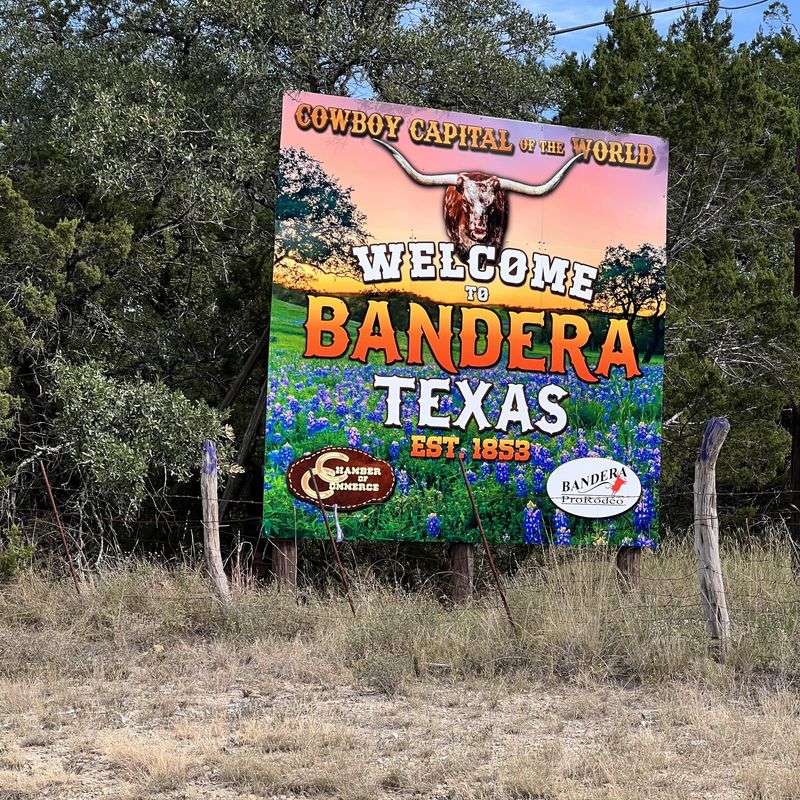
Set in the heart of Texas Hill Country, Bandera lives up to its nickname as the Cowboy Capital of the World, offering retirees a place where Western heritage is part of everyday life rather than just a piece of history.
Real working ranches surround the town, rodeos happen regularly, and you’ll see more cowboy hats and boots here than in most of Texas combined. But don’t mistake the Western atmosphere for backwardness—Bandera offers modern conveniences wrapped in genuine small-town charm.
The Medina River runs right through town, creating a natural gathering spot where locals tube, fish, and cool off during hot summer months. Riverside parks provide shaded picnic areas under massive cypress trees, and the sound of flowing water becomes your constant companion. Several RV parks and campgrounds along the river cater to visitors, but permanent residents enjoy easy access to these natural amenities year-round.
Housing options range from historic homes in town to ranch properties on the outskirts where you can keep a few horses if that’s your retirement dream. Prices remain remarkably affordable compared to nearby Boerne or Fredericksburg, yet you’re only about an hour from San Antonio when you need big-city medical care or entertainment. The trade-off for lower costs means fewer immediate shopping options, but most retirees find the peace and beauty worth the occasional drive.
Live music fills Bandera’s honky-tonks and dance halls most weekends, keeping the town’s musical heritage alive. The 11th Street Cowboy Bar and Arkey Blue’s Silver Dollar have hosted legendary Texas musicians for decades. Even if you don’t two-step, watching the locals dance provides entertaining evenings out.
Hill Country State Natural Area sits just outside town, offering 5,400 acres of rugged terrain for hiking, mountain biking, and horseback riding. The landscape here showcases classic Texas Hill Country beauty—limestone cliffs, spring-fed creeks, and endless sky views. Wildlife sightings include white-tailed deer, wild turkeys, and occasionally even a roadrunner darting across the path.
Community events bring everyone together regularly. The Cowboy Capital PRCA Rodeo runs Memorial Day weekend, and smaller rodeos happen throughout the year.
4. Burnet
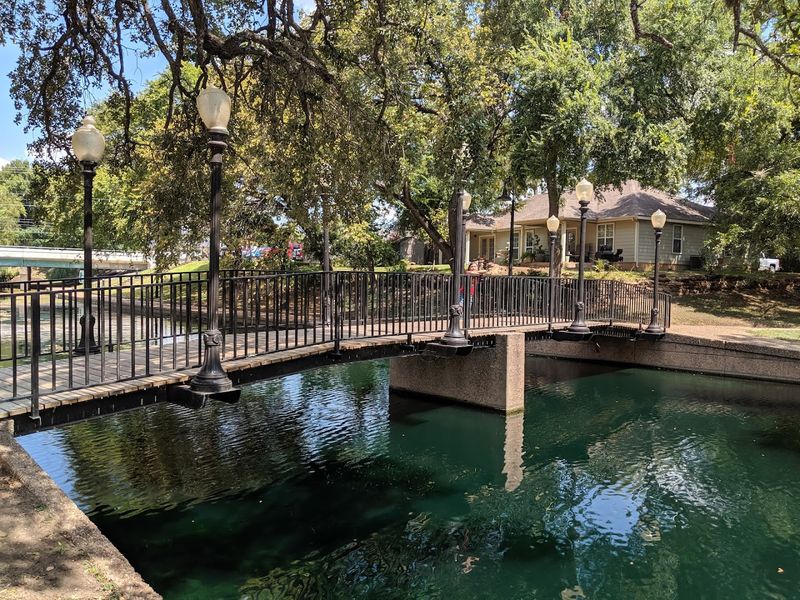
Burnet positions itself perfectly between Austin’s urban sprawl and the wide-open Hill Country, giving retirees access to both worlds without committing fully to either. The Highland Lakes surround the area—Buchanan, Inks, LBJ, and others—creating a water-lover’s paradise where fishing, boating, and lakeside living define the lifestyle. Spring transforms the countryside into a bluebonnet wonderland that draws photographers from across the state, and living here means you get front-row seats to nature’s annual show.
Downtown Burnet maintains its historic charm with the 1937 courthouse anchoring the square, surrounded by antique shops, local eateries, and businesses that have served the community for generations. The square hosts regular events including a popular farmers market and seasonal festivals that bring the community together. Walking the square on Saturday mornings becomes a social ritual where you’ll catch up with neighbors over coffee and fresh produce.
Healthcare needs are met locally through Ascension Seton Highland Lakes hospital and numerous clinics, with Austin’s major medical centers only 45 minutes away for specialized care. This proximity to a major metro provides peace of mind without requiring you to live in the congestion. You can catch a show at Austin’s famous music venues or visit specialists, then return home to your quiet Hill Country retreat.
The cost of living stays reasonable despite Burnet’s growing popularity, though prices have crept up as more people discover the area’s appeal. Lakefront properties command premium prices, but plenty of affordable homes exist in town and surrounding areas. Property taxes reflect Texas rates, which can surprise retirees from states with income taxes, but the lack of state income tax often balances out.
Outdoor recreation defines daily life here. Inks Lake State Park offers camping, swimming, and hiking trails where pink granite formations create dramatic scenery. Longhorn Cavern State Park provides underground exploration opportunities, and the caves maintain a constant 68 degrees—perfect for escaping summer heat.
Fishing enthusiasts target largemouth bass, catfish, and white bass across the various lakes.
The community skews slightly older than college towns, creating a natural fit for retirees. Volunteer opportunities through the senior center, library, and various civic organizations provide easy entry points for newcomers wanting to get involved.
5. Fredericksburg
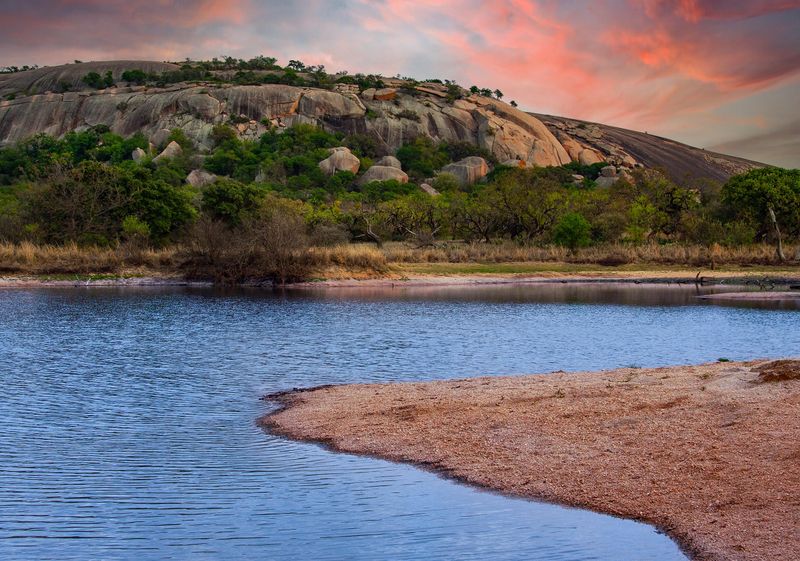
Fredericksburg blends German heritage with Hill Country beauty in ways that make this town feel almost European, yet unmistakably Texan. The main street stretches for blocks filled with boutiques, galleries, German bakeries, and wine-tasting rooms that draw tourists year-round. Living here means you’re part of something special—a community that honors its past while embracing modern Texas wine country culture.
Yes, it’s busier than other towns on this list, but many retirees appreciate having excellent restaurants, cultural activities, and shopping within walking distance.
German roots run deep here, visible in the architecture, food, and annual festivals. Oktoberfest brings authentic celebrations with polka music, schnitzel, and enough beer to float a battleship. The Pioneer Museum complex preserves the town’s history through restored buildings and artifacts, and German still peppers conversations among older residents.
This cultural richness adds layers of interest to daily life that purely American towns sometimes lack.
The surrounding wine country has exploded over the past two decades, with over 50 wineries now operating in the area. Many retirees join wine clubs, attend tastings, and make touring the vineyards a regular social activity. The quality rivals Napa in many cases, but prices and pretension stay refreshingly lower.
You can spend afternoons sipping Texas wines while overlooking rolling hills covered in grapevines and wildflowers.
Healthcare access is solid with Hill Country Memorial Hospital providing most services locally, and the medical community has grown to serve both residents and the tourist population. Specialists visit regularly, and again, Austin sits an hour away for anything requiring major medical centers.
Housing costs run higher here than most Texas small towns, reflecting Fredericksburg’s popularity and tourism economy. Expect to pay premium prices for historic homes downtown or properties with Hill Country views. However, the investment buys you a town with staying power—property values have remained strong even during economic downturns.
Rental income potential exists if you want to occasionally rent out a guesthouse to tourists.
The National Museum of the Pacific War honors local hero Admiral Nimitz and provides world-class exhibits that attract history buffs internationally. Living here means unlimited free access to genuinely important historical collections.
6. Jefferson
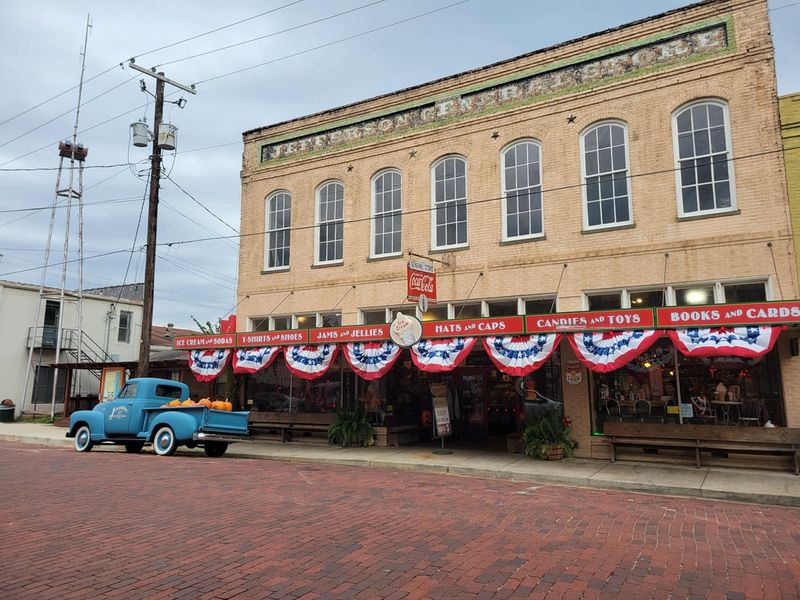
With its beautifully preserved Victorian architecture and storied past as one of Texas’ busiest river ports, Jefferson feels like a step back into the 1800s. Massive historic homes line streets shaded by ancient trees dripping with Spanish moss, creating an atmosphere more reminiscent of Savannah than typical Texas towns. If you’ve always wanted to retire somewhere with genuine historical character, Jefferson delivers in spades—over 70 structures appear on the National Register of Historic Places.
Big Cypress Bayou winds through town, and paddleboat tours recreate the river commerce that once made Jefferson wealthy. The water moves slowly here, reflecting towering cypress trees and creating peaceful scenery that changes with the seasons. Fishing from the banks or renting a small boat provides relaxing ways to spend retirement afternoons, and the bayou ecosystem supports incredible bird diversity that keeps binoculars handy.
Bed and breakfasts outnumber chain hotels by a huge margin, and many historic homes operate as inns showcasing period furnishings and architecture. Some retirees actually purchase and operate these B&Bs as semi-retirement businesses, combining income with their love of history and hospitality. Even if you don’t run an inn, the prevalence of beautifully restored homes means you can live in a piece of history yourself.
The town embraces its haunted reputation—several historic buildings claim resident ghosts, and ghost tours run regularly. Whether you believe in spirits or not, the stories add colorful layers to Jefferson’s already rich history. The annual Mardi Gras celebration and Christmas Candlelight Tour draw visitors, but the town never feels overwhelmed by tourism like some historic destinations.
Medical services require some planning since Jefferson is genuinely rural. The nearest hospitals sit in Marshall or Longview, about 20-30 minutes away. This distance doesn’t bother most healthy retirees, but it’s worth considering if you have significant health concerns.
The trade-off buys you incredibly affordable housing in architecturally significant homes, plus a slower pace of life that’s increasingly rare.
Antique shopping defines much of Jefferson’s economy, with dozens of shops filling historic buildings downtown. Collectors find treasures regularly, and browsing becomes a favorite pastime even if you’re not buying.
7. Granbury
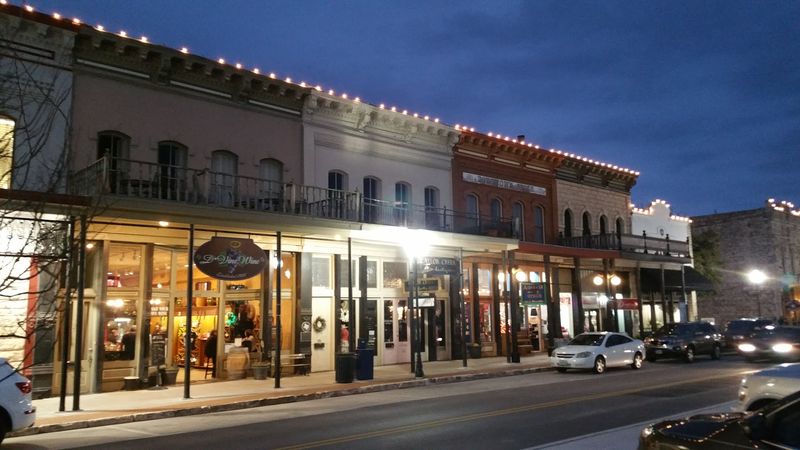
Granbury wraps around its stunning 1890s courthouse square so perfectly preserved that Hollywood uses it regularly as a filming location for period pieces. The entire downtown earned National Register status, and walking these streets feels like stepping into a postcard from another era—except the restaurants serve modern cuisine, the theaters show current productions, and the amenities definitely belong to the 21st century. This combination of historic beauty and contemporary convenience makes Granbury exceptionally popular with retirees who want charm without sacrificing comfort.
Lake Granbury provides the town’s recreational centerpiece, offering 8,300 acres of water perfect for boating, fishing, and waterfront living. Numerous lakeside communities cater specifically to retirees, with amenities like golf courses, swimming pools, and social clubs built into the neighborhoods. You can find everything from modest condos to sprawling lakefront estates, with most properties offering dock access and water views.
Watching sunsets over the lake becomes a daily ritual that never gets old.
The Granbury Opera House and the New Granbury Live theater ensure you’ll never lack entertainment options. Productions range from classic musicals to comedy shows, and the quality rivals what you’d find in much larger cities. The town also hosts numerous festivals throughout the year, including a massive Fourth of July celebration and a Christmas lighting ceremony that transforms the square into a holiday wonderland.
Healthcare access has improved significantly with the opening of Texas Health Hospital Granbury, providing emergency services and many specialties locally. Fort Worth sits only 35 miles away, making major medical centers easily accessible while allowing you to live in a smaller, more manageable community. This proximity to a major metro adds security without forcing you to deal with urban traffic and congestion daily.
The food scene punches well above typical small-town offerings. The square hosts everything from upscale bistros to casual cafes, with patios that encourage lingering over meals while people-watching. Local wineries have tasting rooms downtown, and craft breweries have joined the mix recently.
You can easily walk from your car to dinner, a show, and dessert without moving your vehicle—a small pleasure that improves quality of life considerably.
Community involvement opportunities abound through service clubs, church groups, and volunteer organizations.
8. Kerrville
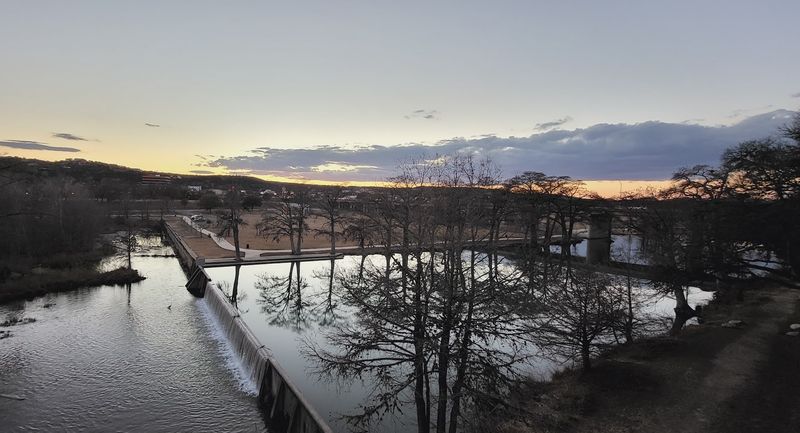
Long before many Hill Country towns became retirement favorites, Kerrville was already building a reputation as a place where retirees could settle in comfortably and enjoy a well-supported lifestyle. Medical facilities rival small cities, with Peterson Regional Medical Center and VA hospital providing comprehensive care that keeps you from driving to San Antonio for most health needs. The climate stays mild year-round, outdoor recreation opportunities surround you, and the community has embraced its role as a place where people come to enjoy their golden years actively.
The Guadalupe River flows right through town, creating a natural playground for kayaking, tubing, and riverside relaxation. Louise Hays Park offers miles of trails along the river where you can walk, bike, or simply sit and watch the water flow over limestone formations. The river stays cool even in summer, fed by springs upstream, and the sound of flowing water provides a constant peaceful backdrop to life here.
Arts and culture thrive in Kerrville beyond what you’d expect from a town this size. The Museum of Western Art houses an impressive collection focused on the American West, and the Hill Country Arts Foundation presents theater productions, art exhibitions, and music performances year-round. The Kerrville Folk Festival, held each spring, attracts musicians and fans nationally, turning the town into a music lover’s paradise for weeks.
Housing options range widely from affordable apartments to luxury Hill Country estates. Several active adult communities cater specifically to retirees, offering amenities like fitness centers, organized activities, and maintenance-free living. The cost of living stays reasonable despite the town’s amenities, and property taxes remain typical for Texas—higher than some states but balanced by no state income tax.
Shopping and dining have expanded significantly as the population has grown. The downtown area features local boutiques and restaurants, while chain stores and restaurants line the highways for convenience. You won’t lack for options, but Kerrville maintains enough small-town character that you’ll still recognize faces at the grocery store.
The surrounding Hill Country provides endless exploration opportunities. State parks, scenic drives, and small nearby towns offer day-trip destinations when you want a change of scenery. San Antonio sits an hour away for bigger entertainment, sports, and medical needs, striking that perfect balance between access and distance.
9. Marble Falls
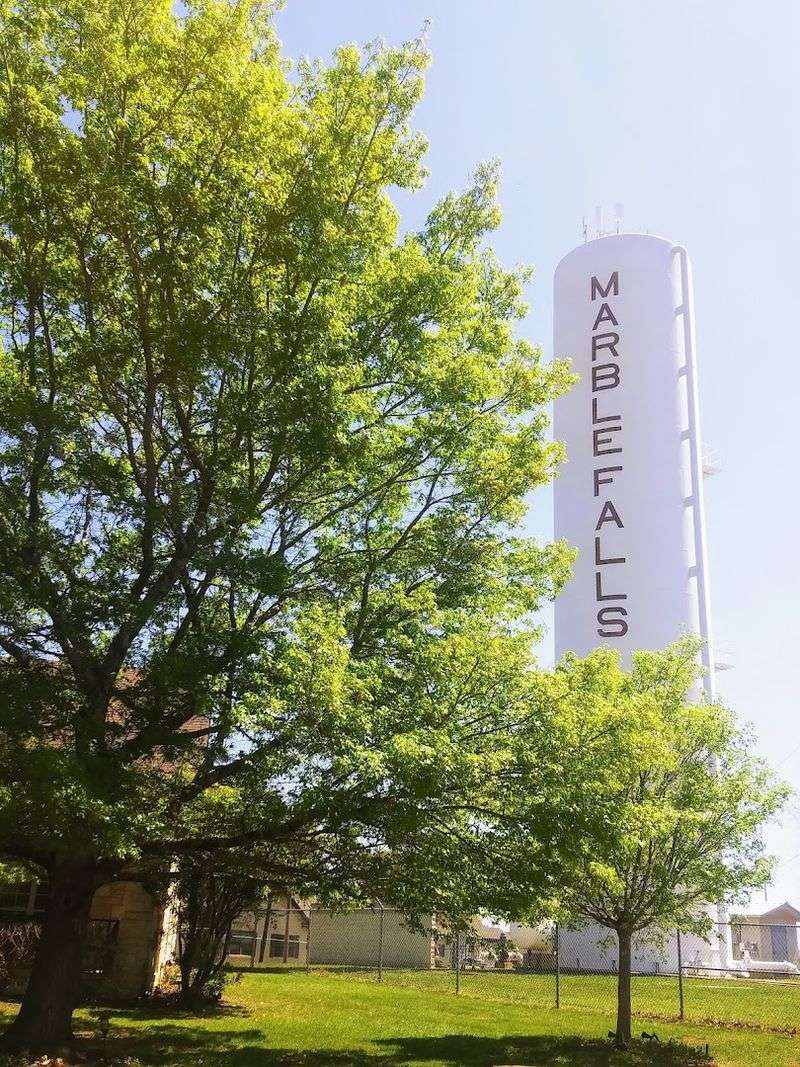
Marble Falls sits at the heart of Highland Lakes country where constant-level lakes created by Colorado River dams provide year-round water recreation that doesn’t depend on rainfall. Unlike many Texas lakes that fluctuate dramatically with drought, Lakes LBJ and Marble Falls maintain consistent levels, meaning your waterfront property stays waterfront and boat ramps stay usable. This reliability makes the area especially appealing to retirees who want lake living without the uncertainty that plagues other regions.
Downtown Marble Falls has transformed over the past decade from sleepy to vibrant, with new restaurants, breweries, and shops filling historic buildings along Main Street. The city has invested in beautification and walkability, creating a pleasant environment for strolling, dining, and shopping. Weekend markets and regular festivals keep the downtown lively, and the community has worked hard to preserve small-town character while adding modern amenities.
Lakeside living defines the Marble Falls lifestyle, with numerous waterfront communities offering everything from modest condos to luxury homes with private docks. Horseshoe Bay Resort, just down the road, provides world-class golf courses, a spa, and upscale dining if you want resort amenities without resort living full-time. Many retirees join the yacht club or golf clubs, finding instant social circles through shared recreational interests.
Healthcare services have expanded to meet the growing population, with Baylor Scott & White Medical Center and numerous specialty clinics handling most medical needs locally. Austin sits about an hour away for specialized care, and the drive follows scenic Highway 71 through Hill Country rather than monotonous interstate. The proximity to Austin also means easy access to the airport for visiting family or traveling.
The cost of living trends higher than more rural Texas towns but stays reasonable compared to major metros or popular retirement destinations in other states. Lakefront properties command premium prices, but you’re paying for consistent water access and Hill Country views that don’t disappoint. Property taxes follow Texas norms, and the lack of state income tax helps offset higher property assessments.
Outdoor recreation extends beyond the lakes into surrounding Hill Country. Hiking trails, scenic drives, and nearby state parks provide variety when you want to explore beyond the water. The climate allows outdoor activities most of the year, with mild winters that rarely require more than a light jacket.
Share this story