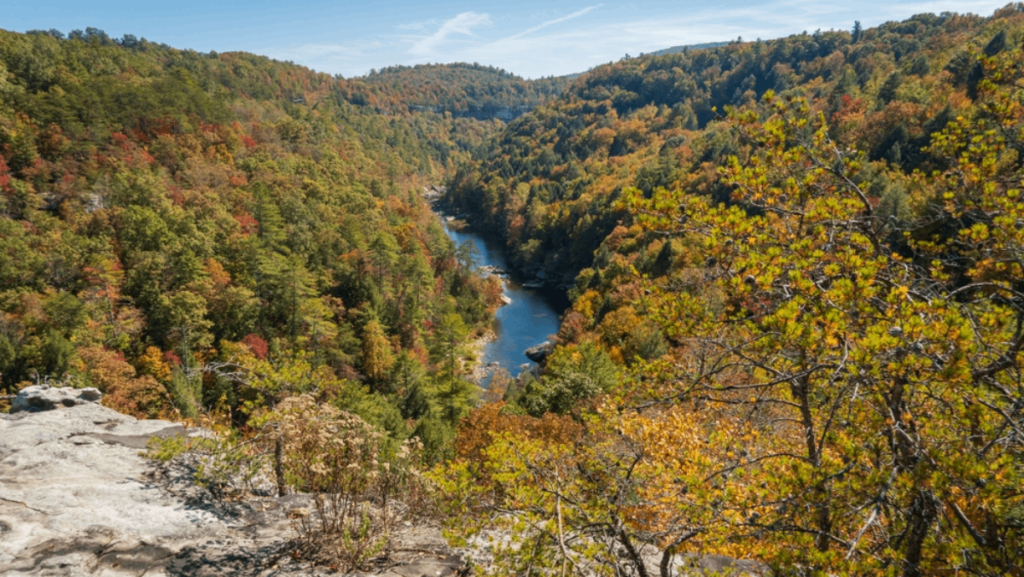
Tennessee’s rivers offer some of the most beautiful paddling experiences in the Southeast, from calm, beginner-friendly floats to heart-pounding whitewater runs. Whether you’re looking to spend a peaceful afternoon drifting past limestone bluffs or tackle rapids that have challenged Olympic athletes, the Volunteer State has a waterway that fits your skill level and adventure style.
The best part? Many of these rivers flow through state parks and protected areas, so you’ll paddle through unspoiled natural scenery without fighting crowds. Pack your gear, grab your paddle, and get ready to explore nine of Tennessee’s most stunning rivers that promise unforgettable kayaking memories.
1. Hiwassee River
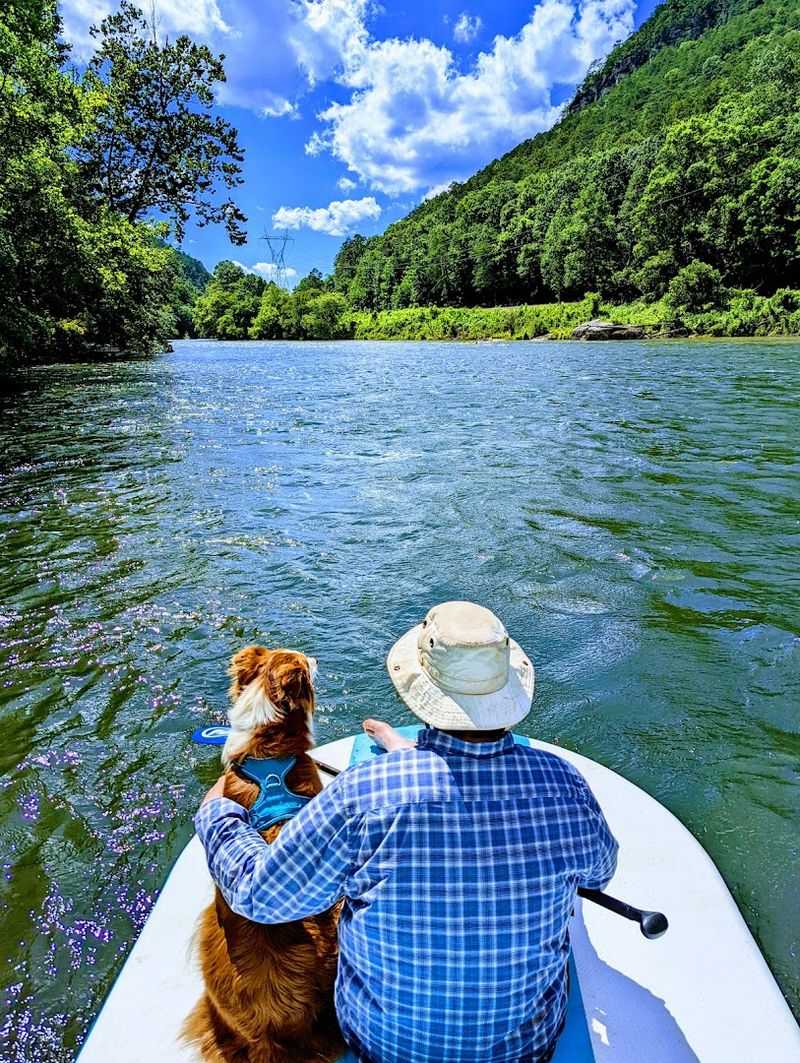
Paddlers from across the region flock to the Hiwassee for good reason—it delivers consistently beautiful scenery without requiring expert-level skills. The river winds through the Cherokee National Forest, offering views of forested ridges and rocky banks that make every bend feel like a postcard.
Most sections feature Class I to II rapids, which means you’ll get enough excitement to keep things interesting without constantly worrying about flipping your kayak.
Tennessee State Parks highlights the Hiwassee specifically for floating, canoeing, and rafting, making it one of the state’s most recognized paddling destinations. The river’s flow is dam-controlled, so water levels stay relatively predictable throughout the season. That consistency makes trip planning easier and gives you a better chance of hitting ideal conditions.
One of the Hiwassee’s biggest draws is its accessibility for different skill levels. Beginners can stick to calmer stretches and build confidence, while more experienced paddlers can seek out livelier sections when water releases bump up the action.
If you’re planning a longer adventure, the Hiwassee works well for multi-hour trips or even overnight camping excursions along its banks. The combination of manageable rapids, stunning mountain scenery, and reliable water flow explains why this river consistently tops lists of Tennessee’s best paddling spots.
It’s the kind of place that turns first-timers into repeat visitors and gives seasoned kayakers a reason to come back season after season.
2. Harpeth River
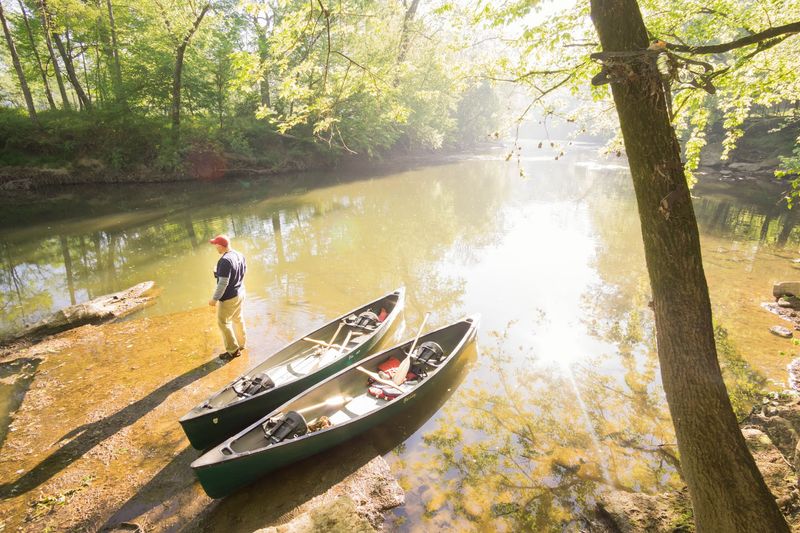
Looking for a river that welcomes everyone from nervous first-timers to experienced paddlers seeking a relaxing day? The Harpeth checks that box perfectly. It’s appropriate for beginners and advanced paddlers, which is rare—most rivers lean heavily toward one skill level or another.
The Harpeth’s Class I designation means you won’t face intimidating rapids, but the river still offers enough current and gentle riffles to keep the trip engaging.
What makes the Harpeth special is how it threads through Middle Tennessee’s rolling countryside, passing beneath historic bridges and alongside limestone bluffs. You’ll paddle through sections where the river narrows and picks up speed, then opens into wider, slower pools perfect for taking a break or letting kids splash around.
The scenery shifts from farmland to forest and back again, giving you a nice variety without requiring a long drive between put-in points.
Because the Harpeth flows through areas close to Nashville, it’s become a favorite for locals who want a quick nature escape without dedicating an entire weekend to travel. Multiple access points and outfitters make logistics simple, and the mild current means you can focus on enjoying the experience rather than constantly maneuvering around obstacles.
The Harpeth’s year-round paddling potential adds to its appeal—spring brings higher water and faster flow, summer offers warm, lazy floats, and fall delivers stunning foliage along the banks. It’s the kind of river that grows on you with each visit.
3. Duck River
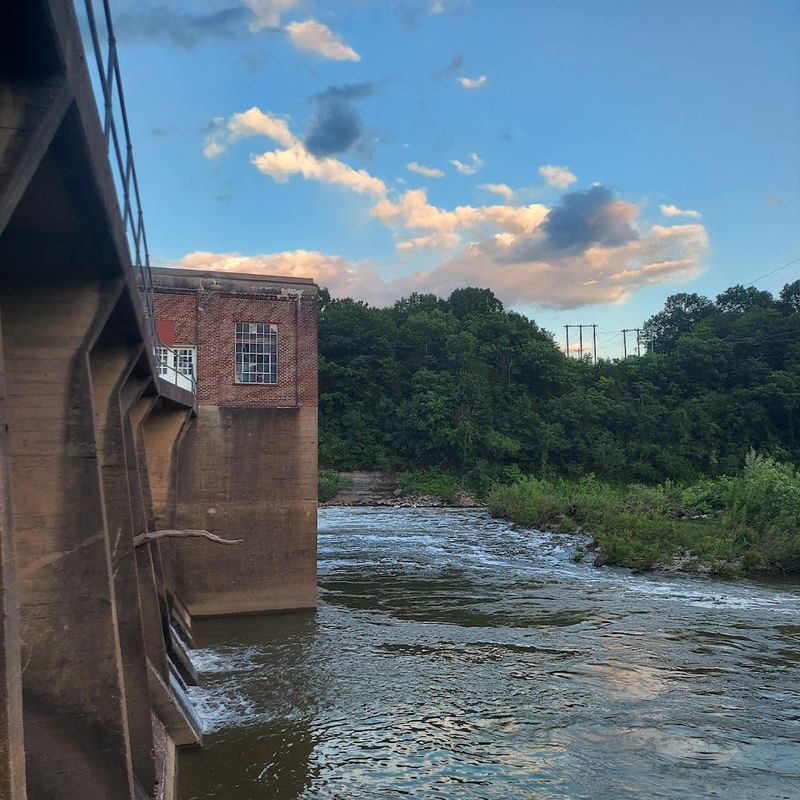
This river doesn’t demand advanced skills or aggressive paddling—it invites you to settle into a comfortable rhythm and soak up the surroundings. The Duck meanders through some of Tennessee’s most biologically diverse waterways, supporting more fish and mussel species than most rivers in the entire country.
That ecological richness translates into interesting paddling, even if the water stays calm. You’ll spot turtles sunning on logs, herons stalking the shallows, and fish darting through clear pools. The riverbanks alternate between grassy meadows and wooded stretches, creating a constantly changing backdrop that keeps the scenery fresh throughout your trip.
Because the Duck flows through less-developed areas, you’ll often feel like you’ve left civilization behind, even on popular sections.
The easygoing nature of the Duck makes it ideal for paddlers who want to bring along fishing gear, cameras, or even a picnic lunch. You won’t spend all your energy fighting current or navigating technical passages, so there’s plenty of opportunity to pause, explore side channels, or just float and enjoy the day.
Water levels on the Duck can vary seasonally, so checking conditions before you launch is smart. When flows are right, though, this river delivers exactly what many paddlers crave—peaceful, scenic floating through beautiful Tennessee countryside without unnecessary complications or challenges.
4. Buffalo River
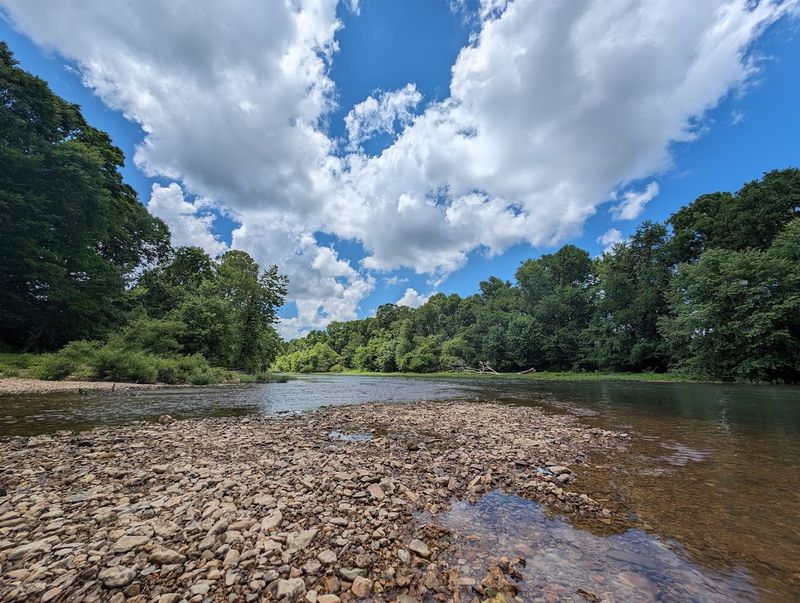
Flowing through Middle Tennessee, the Buffalo offers the kind of peaceful, unhurried kayaking that lets you disconnect from daily stress and reconnect with nature. The river’s remote character means you’ll paddle for stretches without seeing houses or hearing road noise—just water, woods, and wildlife.
The Buffalo’s beauty comes from its undeveloped shoreline and the way it winds through varied terrain. Limestone bluffs rise above the water in some sections, creating dramatic backdrops and interesting geological features to admire. Other stretches open up into wider valleys where the river spreads out and slows down, perfect for beginners or anyone who wants to take their time.
The water stays clear enough in most conditions to see the rocky bottom, adding to the overall sense of purity and wilderness.
One of the Buffalo’s advantages is its length—different sections offer different experiences, so you can pick a stretch that matches your schedule and energy level. Shorter trips work well for families or casual paddlers, while longer floats appeal to those seeking a more immersive adventure. The mild gradient means you won’t face serious rapids, though you might encounter shallow spots during low water that require some maneuvering.
Wildlife viewing opportunities abound on the Buffalo, from deer coming down to drink at dawn to kingfishers diving for fish. The river’s tranquil nature makes it easier to spot animals since you’re not constantly focused on navigating challenging water.
It’s the kind of place where the journey matters more than speed or distance, and where every bend reveals another reason to slow down and appreciate Tennessee’s natural beauty.
5. Caney Fork River
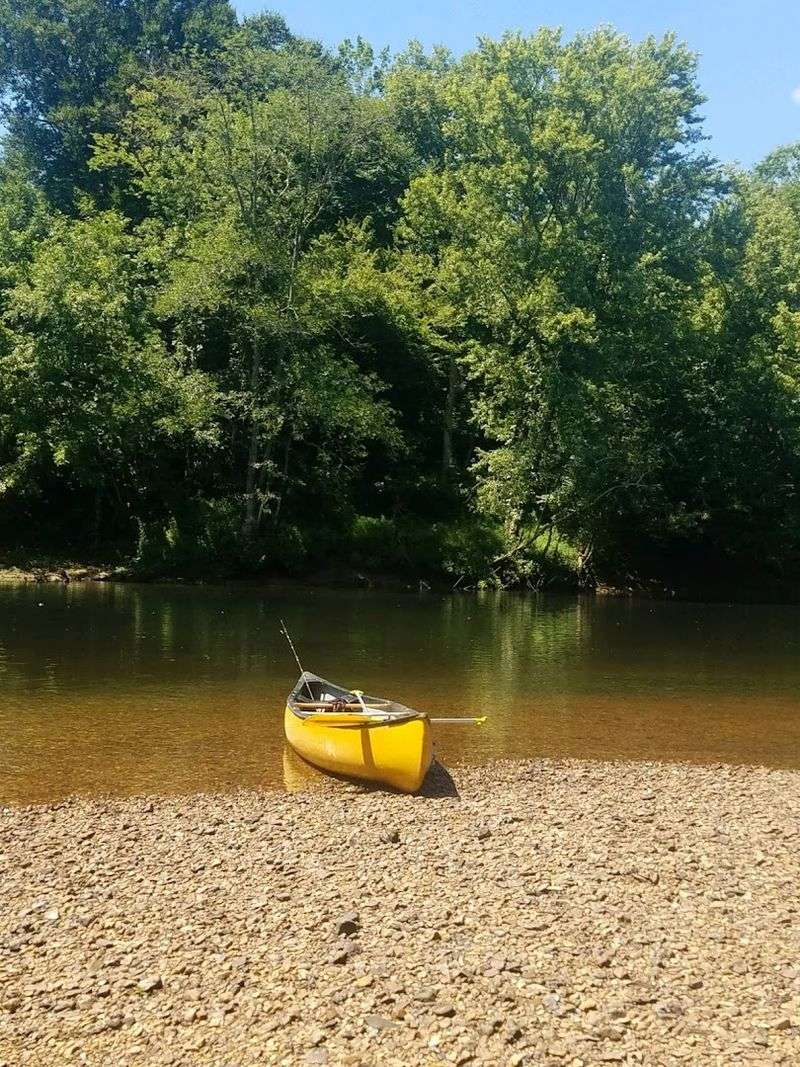
The river’s reputation for stunning scenery is backed up by reality—it flows through some of Middle Tennessee’s most picturesque countryside, offering views that rival much more famous waterways. What sets the Caney Fork apart is how it combines visual appeal with accessibility, making it easy to plan a trip without extensive logistics or specialized gear.
The river’s character varies depending on which section you choose, but overall it maintains a moderate pace that suits intermediate paddlers comfortably while still welcoming confident beginners. Clear water, interesting rock formations, and tree-lined banks create an environment that feels both wild and welcoming.
One aspect that makes the Caney Fork particularly enjoyable is its consistent flow. Dam releases keep water levels relatively predictable, reducing the guesswork involved in trip planning and ensuring you won’t show up to find the river too low or dangerously high.
The steady current moves you along at a pleasant pace without rushing you through the experience, giving you time to appreciate details like the way sunlight filters through the canopy or how mist rises off the water on cool mornings.
Fishing enthusiasts often combine paddling with angling on the Caney Fork, as the river supports healthy trout populations below certain dams. Even if you’re not casting a line, you’ll likely see anglers wading the shallows, adding to the overall outdoor recreation atmosphere that makes this river a Tennessee treasure.
6. Little Pigeon River
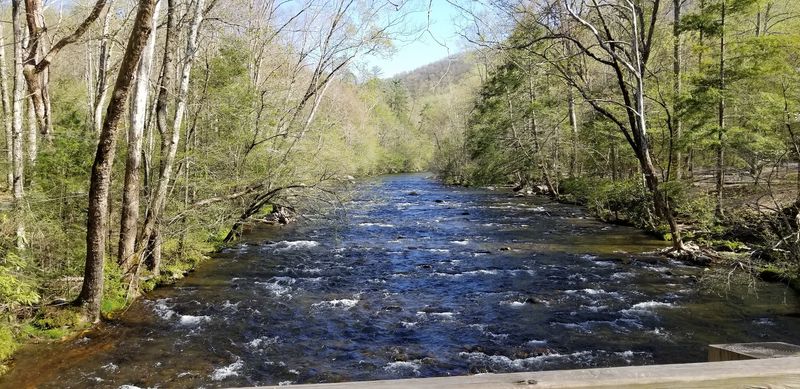
The Little Pigeon is among the state’s slower-paced rivers for canoeing, kayaking, tubing, and paddleboarding—basically, if it floats, you can use it here. That versatility makes the Little Pigeon a smart choice for groups with mixed interests or families where some members want to paddle while others prefer a more laid-back tubing experience.
The river flows through the Sevier County area, putting it within easy reach of Gatlinburg and Pigeon Forge, which means you can combine a paddling trip with other mountain activities.
The Little Pigeon’s gentle current and manageable width create ideal conditions for paddlers who want scenery and fun without technical challenges. You’ll float past wooded banks and rocky outcroppings, with the Smoky Mountains visible in the distance on clear days.
The river’s proximity to popular tourist areas hasn’t diminished its natural beauty—in fact, it offers a refreshing contrast to the busier attractions nearby.
Multiple outfitters operate along the Little Pigeon, making it simple to rent equipment and arrange shuttles. This infrastructure is especially helpful for visitors who don’t want to haul their own gear or deal with vehicle logistics. The river’s relatively short sections mean you can complete a satisfying trip in a few hours, leaving time for other activities or a relaxed meal afterward.
If you prefer solitude, early morning or weekday trips offer quieter experiences. The river’s forgiving nature and beautiful setting have made it a staple of East Tennessee outdoor recreation, introducing countless people to the joys of paddling while providing a fun, accessible adventure for experienced kayakers looking for an easy day on the water.
7. Barren Fork River
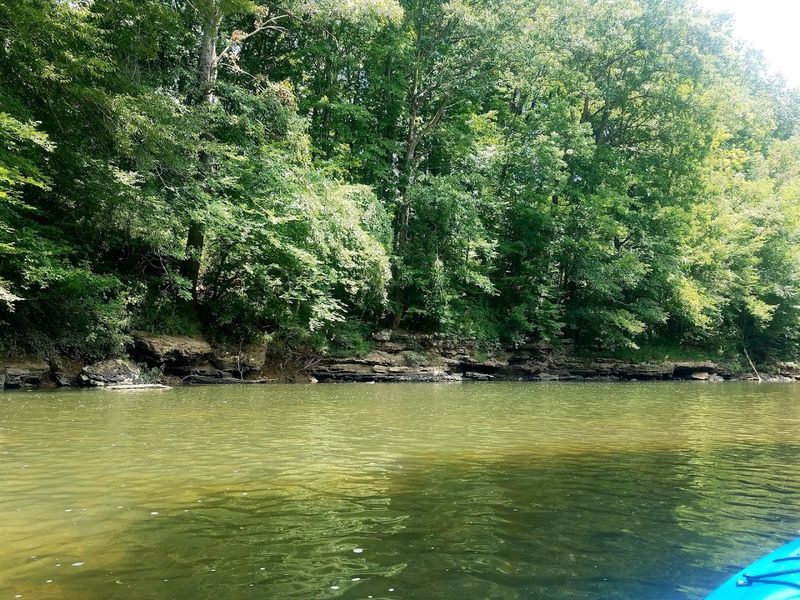
Located in Middle Tennessee, the Barren Fork flows through less-traveled areas where development stays minimal and natural beauty takes center stage. This river rewards paddlers who appreciate subtlety—the way light plays on the water, the sound of a creek feeding into the main channel, the sight of wildflowers blooming along the banks.
The Barren Fork’s character leans gentle and forgiving, with Class I water that lets you focus on your surroundings rather than constant maneuvering. That doesn’t mean the river is boring—it features enough bends, riffles, and varying depths to keep things interesting, just without the stress of difficult rapids or hazardous obstacles.
The clear water and rocky bottom create excellent conditions for spotting fish and aquatic life, adding an educational element to your trip.
Because the Barren Fork doesn’t draw the same crowds as more famous Tennessee rivers, you’ll often have long stretches to yourself or your group. That solitude enhances the experience, especially if you’re seeking a meditative escape or quality time with friends and family without distractions.
The surrounding landscape includes hardwood forests, limestone features, and occasional bluffs that provide visual variety throughout your paddle.
Seasonal changes bring different moods to the Barren Fork—spring runoff creates slightly livelier water and lush greenery, summer offers warm, lazy floats, and autumn transforms the riverside forest into a tapestry of reds and golds. The river’s tranquil reputation doesn’t mean it lacks personality; it simply means you’ll find peace and beauty here rather than white-knuckle excitement, which is exactly what many paddlers want.
8. Ocoee River
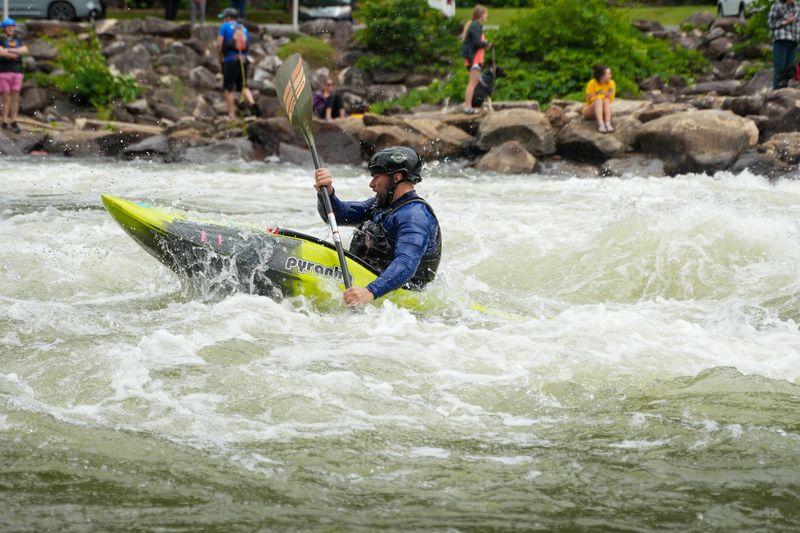
Ready to graduate from calm floats to genuine whitewater? The Ocoee delivers the adrenaline rush you’re craving. This is the river where the 1996 Olympic whitewater events happened, which tells you everything about its pedigree and challenge level.
When you paddle the Ocoee, you’re tackling the same rapids that tested the world’s best paddlers.
The Ocoee’s character is completely different from Tennessee’s gentler rivers. Here, the water moves fast and powerful, dropping over boulder gardens and creating standing waves that demand attention, skill, and quick reflexes. This isn’t a place for daydreaming or casual floating—you’ll be actively paddling, reading the water, and making split-second decisions.
That intensity is exactly what draws thrill-seekers and experienced kayakers who want to test themselves against serious whitewater.
Despite its challenging nature, the Ocoee remains accessible thanks to numerous outfitters offering guided raft trips and kayak instruction. If you’re not quite ready to solo paddle Class III-IV rapids, rafting with an experienced guide lets you experience the excitement while learning proper techniques.
The river’s dam-controlled flow means water releases happen on predictable schedules, making it easier to plan trips during optimal conditions.
The scenery on the Ocoee matches its dramatic character—steep canyon walls, rocky gorges, and rushing water create a visually stunning environment that heightens the adventure. Between rapids, you’ll find brief calm sections that let you catch your breath and appreciate the wild beauty surrounding you.
The Ocoee isn’t for everyone, but if you’re seeking an authentic whitewater challenge in Tennessee, this river stands alone as the state’s premier adrenaline-pumping paddling destination.
9. Obed River
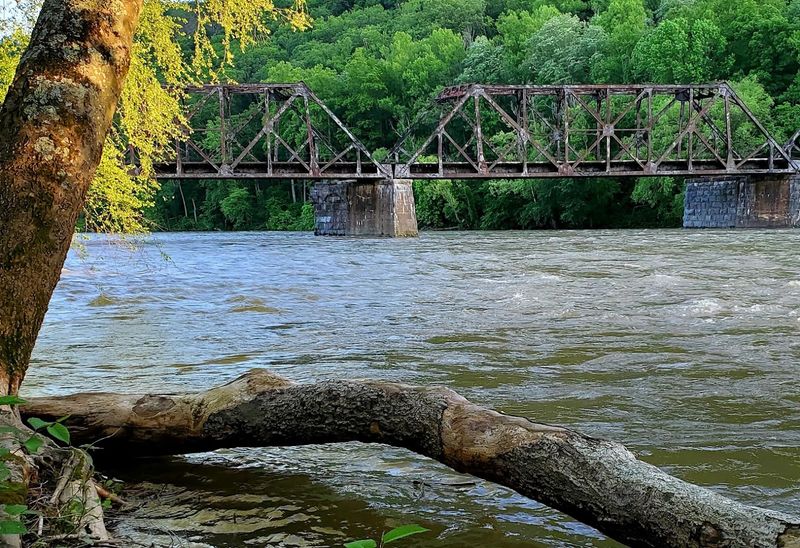
The Obed flows through the Obed Wild and Scenic River system, which gives you a hint about what kind of experience awaits. This river and its tributaries cut through the Cumberland Plateau, creating dramatic gorges with sandstone cliffs that tower above the water.
The scenery alone makes the Obed worth paddling, but the river also offers interesting water that ranges from calm pools to technical rapids depending on which section you choose and current water levels.
What makes the Obed special is its wild character—this isn’t a manicured, heavily managed waterway. It feels remote and undeveloped, with dense forest pressing close to the riverbanks and wildlife abundant along the corridors. That wilderness quality appeals to paddlers who want to feel like they’re genuinely exploring rather than following a well-worn tourist path.
The river’s protection under the Wild and Scenic River designation ensures it will maintain this character for future generations.
The Obed’s difficulty varies significantly based on water levels, which can change quickly after rain. During lower flows, you’ll find mellow sections perfect for intermediate paddlers, with some technical moves required around rocks and through narrow passages. When water rises, certain stretches become genuinely challenging, attracting advanced kayakers looking for steeper drops and bigger hydraulics.
Checking current conditions before launching is essential, as the Obed can transform from friendly to formidable surprisingly fast.
Access points are less developed than on some other Tennessee rivers, which helps maintain the wild atmosphere but requires more self-sufficiency from paddlers. You’ll need to be comfortable with route-finding, shuttle logistics, and potentially hiking to reach put-ins or take-outs.
That extra effort pays off in solitude and spectacular scenery that rivals any paddling destination in the state, making the Obed a favorite among adventurous kayakers who value wilderness experiences.