A prison cell in Mount Holly. A glowing mineral tunnel in Ogdensburg. A room full of blinking pinball machines on the Asbury Park boardwalk. New Jersey’s specialty museums do not exactly whisper for attention.
They buzz, clank, sparkle, hum, and occasionally make you wonder why you ever settled for another quiet walk past framed portraits.
These are the places where history gets weird in the best way: glassblowers keep old furnace traditions alive, bugs become strangely charming, neon signs tell the story of shore vacations, and shipwreck artifacts turn a beach town afternoon into a deep dive.
The best part is that none of these stops feels like homework. They are specific, hands-on, and proudly local, the kind of museums that give you a story to tell before you even reach the gift shop.
For 2026, these nine New Jersey museums deserve a spot on your day-trip list.
1. Burlington County Prison Museum – Mount Holly
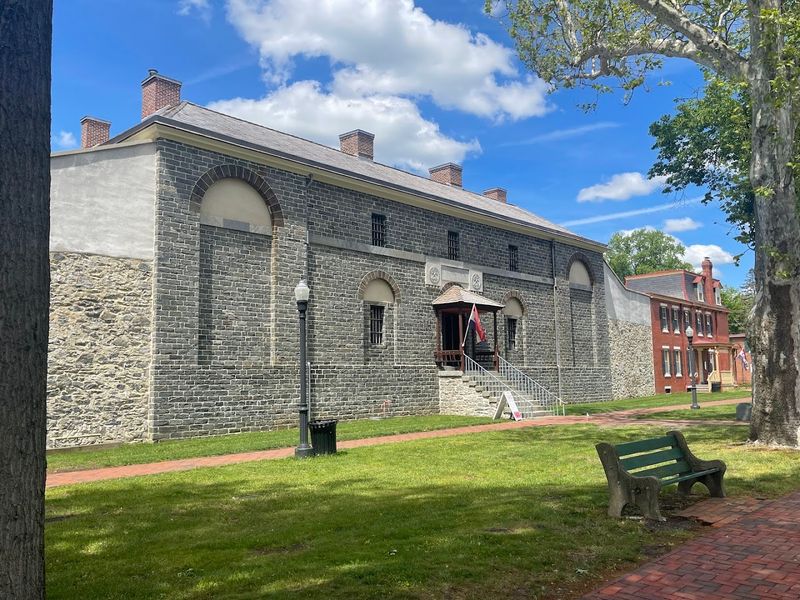
The first thing that gets you is how solid the place feels. This is not a polished replica or a “history-inspired” attraction with a few old keys in a case.
It is an actual 19th-century prison in the middle of Mount Holly, completed in 1811 and designed by Robert Mills, the architect later known for the Washington Monument. That alone makes it worth a visit, but the mood inside is what really sticks.
The Burlington County Prison Museum is all heavy doors, narrow corridors, and cells that make you instantly grateful for fresh air. You can walk through spaces that once held real inmates, look at the old cell blocks, and get a sense of how punishment, reform, and daily survival looked long before modern corrections.
There is a slightly eerie edge here, but it does not feel gimmicky. The building does most of the work.
It is especially good for visitors who like local history with texture. Mount Holly’s historic downtown is right there, so it is easy to turn the stop into a low-key afternoon with a walk, lunch, or coffee afterward.
Go when you have time to read the details rather than rushing through; the small stuff is where this museum gets under your skin.
2. InfoAge Science and History Museums – Wall Township
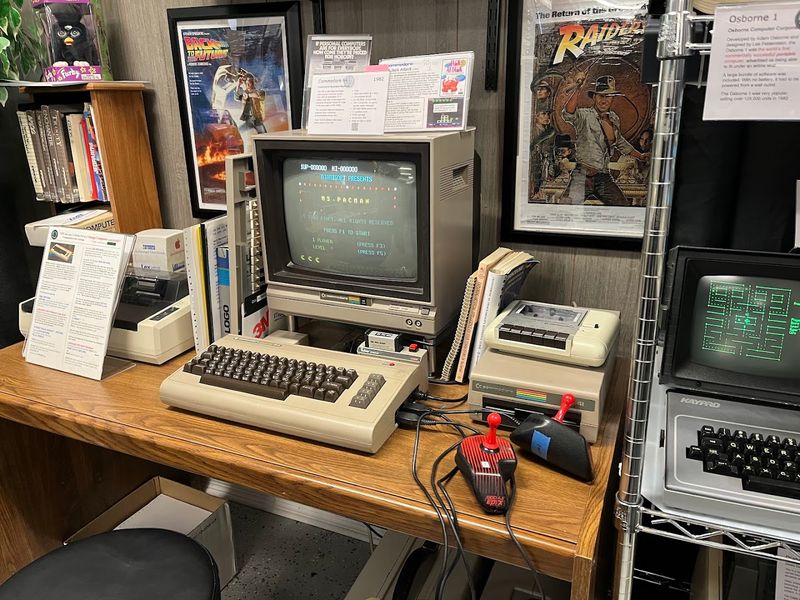
At InfoAge, the setting is half the fun. You are not walking into a sleek science center with shiny touchscreens and a cafeteria full of field-trip noise.
You are exploring a former military communications site at Camp Evans, where New Jersey played a surprisingly important role in radio, radar, electronics, and wartime technology. It feels a little like wandering through a secret project that somebody finally decided to let the public see.
The museums here cover a lot of ground, which is exactly why it works. One minute you are looking at old communications equipment, the next you are deep in the story of early computers, military innovation, or broadcast history.
The place has a hands-built, volunteer-powered personality, and that is part of its charm. It feels cared for by people who genuinely want you to understand why these machines mattered.
This is a great pick for families with curious kids, adults who love forgotten technology, or anyone who perks up at the phrase “former military base.”
Give yourself more time than you think you need, because InfoAge is not a quick look-around stop. It rewards slow browsing, odd questions, and the kind of visitor who wants to know what that giant piece of equipment actually did.
3. Museum of American Glass at WheatonArts – Millville
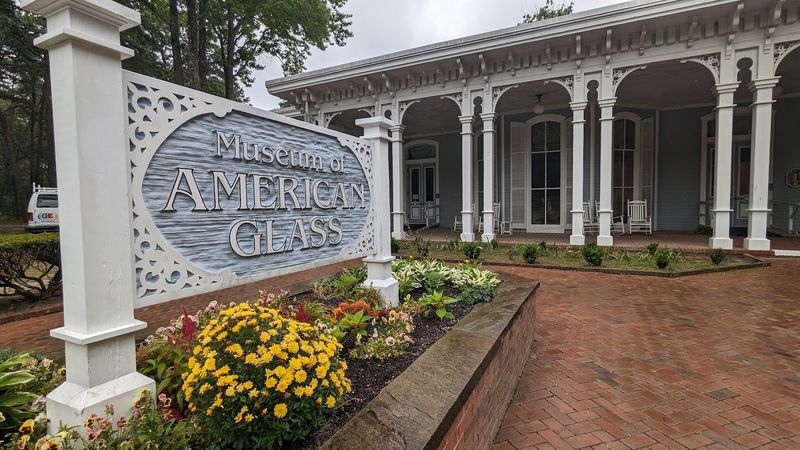
A good glass museum should make you say “how did they do that?” at least five times. The Museum of American Glass at WheatonArts clears that bar easily.
Set on a wooded arts campus in Millville, it celebrates South Jersey’s deep glassmaking roots while keeping the experience colorful, approachable, and far more dynamic than a room full of fragile objects might sound.
Inside, the collection moves from practical pieces to dazzling decorative work, showing how American glass has shifted through craft, industry, art, and everyday life.
Then the wider WheatonArts campus adds the part you really should not skip: the working studios. Watching molten glass become something delicate and precise is one of those simple pleasures that still feels a little impossible, even when it is happening right in front of you.
This is an easy museum to recommend because it works for different kinds of visitors. Art lovers get craftsmanship and design.
Families get demonstrations and space to wander. Casual day-trippers get a beautiful setting that does not feel stiff or overly formal.
Wear comfortable shoes, leave time for the shops and studios, and do not assume the museum is only for people who already know the difference between blown glass and pressed glass. You will learn as you go.
4. Sterling Hill Mining Museum – Ogdensburg
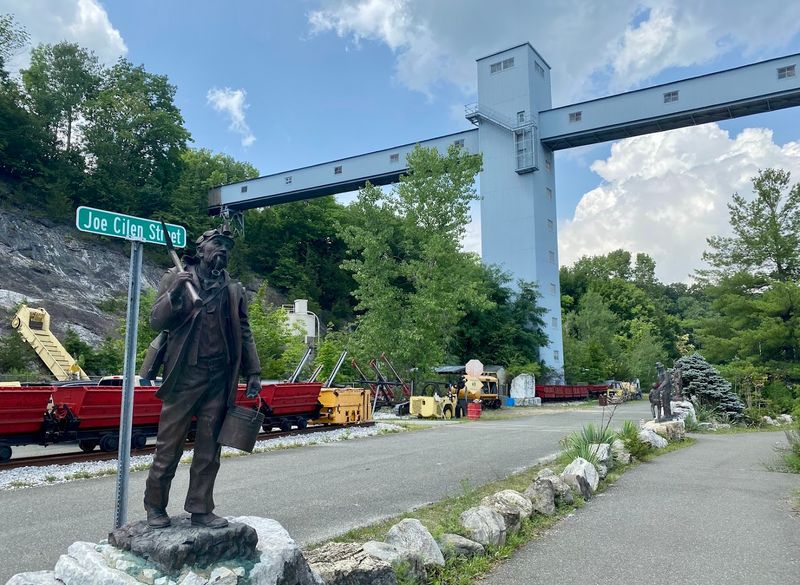
Bring a jacket, even if it is warm outside. That is the first practical tip for Sterling Hill, and it also sets the tone: this is not a museum where you simply look at mining history from a safe, tidy distance.
In Ogdensburg, you actually head underground into a former zinc mine, and that shift from daylight to tunnel is the moment the visit becomes memorable. Sterling Hill is known for its mine tour, its geology exhibits, and especially its fluorescent minerals.
The famous glowing mineral displays are not just pretty; they make the whole place feel like science class suddenly got better lighting and a much stronger sense of drama. You will see mining equipment, learn how the site operated, and get a clearer picture of how physically demanding this work really was.
The museum is especially strong for families, rock collectors, science-minded kids, and adults who like a little adventure with their history. Closed-toe shoes are the move, and you should check tour times before heading out since the underground portion is the main event.
It is one of those New Jersey stops that feels bigger than expected once you are there, partly because it is underground, and partly because the story is literally built into the walls around you.
5. Silverball Retro Arcade / Silverball Museum Arcade – Asbury Park
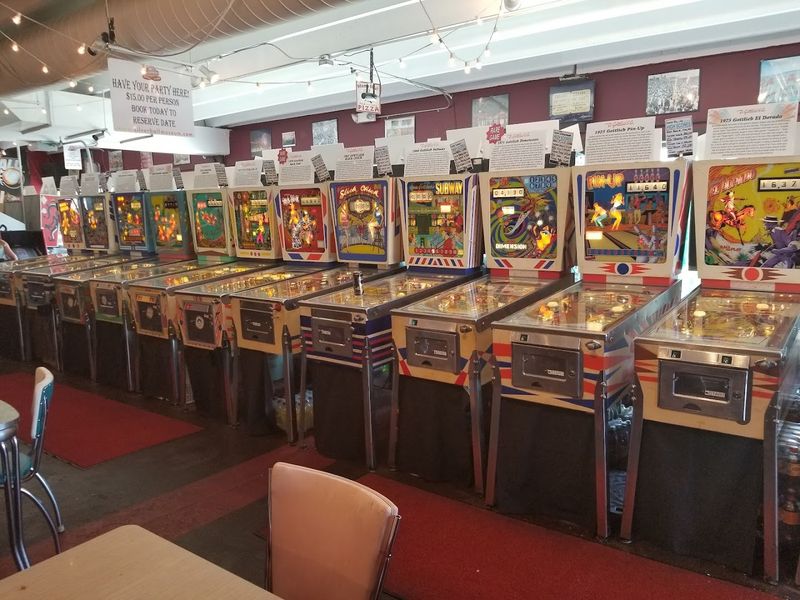
The sound hits before the nostalgia does: flippers snapping, bells ringing, buttons clicking, and somebody nearby having a very public battle with a machine from decades ago. Silverball in Asbury Park calls itself a museum arcade, and that is exactly the right mix.
It is part collection, part playable time capsule, and part boardwalk chaos in the best possible way. The big draw is that the machines are not just sitting there looking cute.
You play them. Admission is time-based, and the games are on free play, so you are not feeding quarters into a machine every three minutes.
The lineup includes vintage pinball, newer machines, classic video games, Skee-Ball, air hockey, and plenty of “I remember this!” moments for adults who thought they were only stopping in for the kids.
Its boardwalk location makes it an easy add-on to an Asbury Park day, especially if the weather turns or you want a break from the beach and restaurants.
The vibe is casual, loud, and happily competitive. Go with someone who claims they are “not really into games,” then watch how quickly they pick a favorite machine.
Silverball is less about admiring the past from behind glass and more about proving you still have decent reflexes.
6. Insectropolis, The Bugseum of New Jersey – Toms River
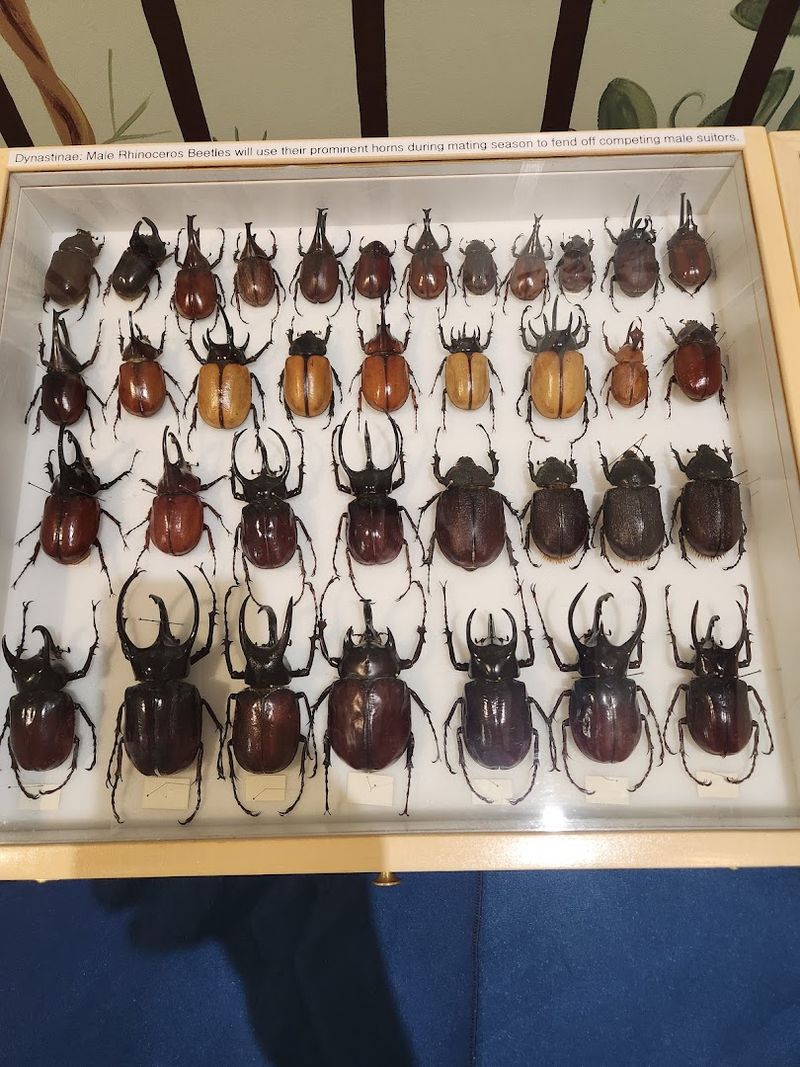
A museum full of bugs sounds like a hard sell until you remember that kids usually have better taste in weird things than adults do. Insectropolis in Toms River understands this completely.
It turns insects into a bright, hands-on, surprisingly fun subject, with enough live creatures and interactive displays to win over visitors who normally prefer their bugs outdoors and far away. The exhibits lean into curiosity rather than creepiness.
You can see exotic insects from around the world, watch ants at work, observe bees safely, and explore displays that explain how bugs build, hunt, hide, and survive. For younger visitors, the museum has the energy of a discovery center.
For adults, it is a reminder that insects are much more interesting when you are not trying to shoo one out of your kitchen. This is a smart stop for families near the Shore, especially on a rainy day or when everyone needs a break from the boardwalk routine.
It is not huge, which is part of the appeal; you can visit without turning the day into a production. The best move is to arrive ready to participate, ask questions, and maybe admit that the insect world is more impressive than you gave it credit for.
7. Doo Wop Experience Museum – Wildwood
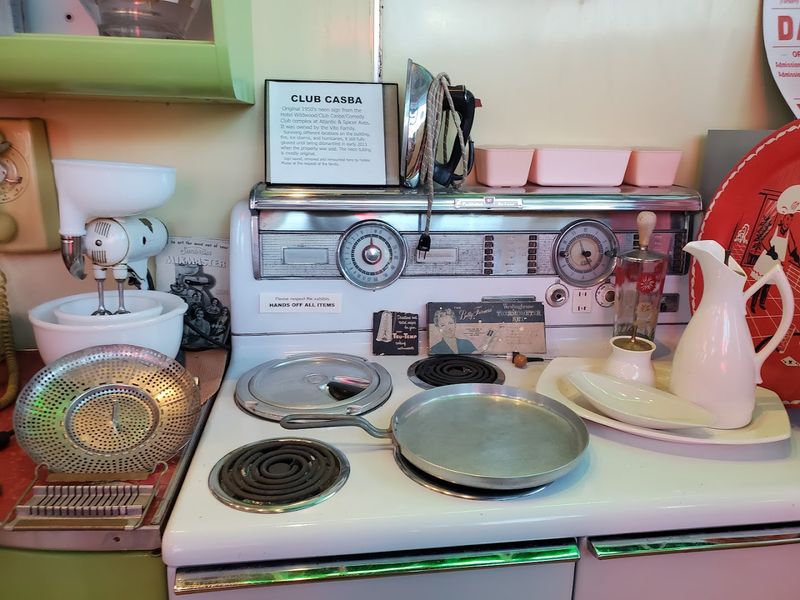
Wildwood’s neon looks different after you understand what it is trying to say. The Doo Wop Experience Museum is all about the Shore’s midcentury personality: the motel signs, space-age curves, plastic palms, bright colors, music, and vacation optimism that made Wildwood feel like its own little pop-culture planet in the 1950s and 1960s.
This museum is not trying to be quiet or grand. It is playful by design.
The artifacts, signs, photos, and neon pieces tell the story of an era when architecture was part of the vacation experience and a motel could sell itself with a name, a color scheme, and a glowing sign you could spot from the car. It is a perfect fit for Wildwood because the town still carries that visual language in a way few Shore towns do.
Make time for the Neon Sign Garden, especially if you love old-school design or photography. The museum sits near the Wildwoods Convention Center, so it is easy to pair with a boardwalk walk or an evening in town.
This is one of those places where the fun is immediate, but the deeper appeal sneaks up on you. You leave seeing every vintage motel sign with a little more respect.
8. NAS Wildwood Aviation Museum – Cape May Airport
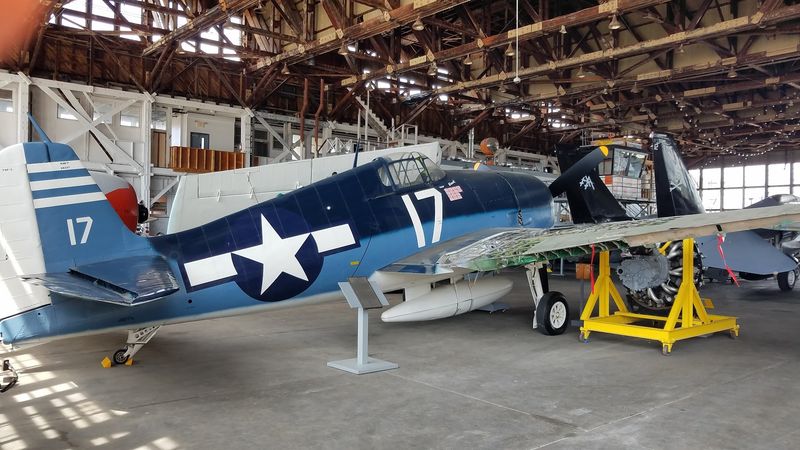
An aircraft hangar has a way of making history feel enormous. At NAS Wildwood Aviation Museum, the building itself is part of the experience: a real World War II-era hangar at Cape May Airport that once served a naval air station used for dive-bomber training.
Before you even get to the exhibits, the scale tells you this is not going to be a dainty little museum afternoon. Inside, the museum mixes aviation history, military stories, aircraft, engines, and hands-on displays in a way that keeps things moving.
You do not need to be an aviation expert to enjoy it. The appeal is more immediate than that: big machines, personal stories, wartime context, and the strange feeling of standing in a place that once had a very serious job to do.
It is a strong choice for families, veterans, history buffs, and anyone already spending time around Cape May. Because it is at the airport, it also feels slightly removed from the usual beach-town rhythm, which can be a nice reset during a Shore trip.
Check the day’s hours before you go, then give yourself enough time to wander. The best moments often come from looking up, noticing the hangar beams, and remembering what this space was built for.
9. New Jersey Maritime Museum – Beach Haven
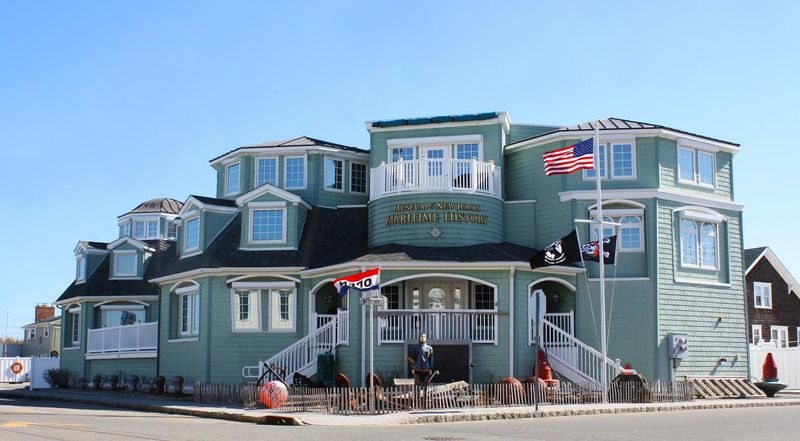
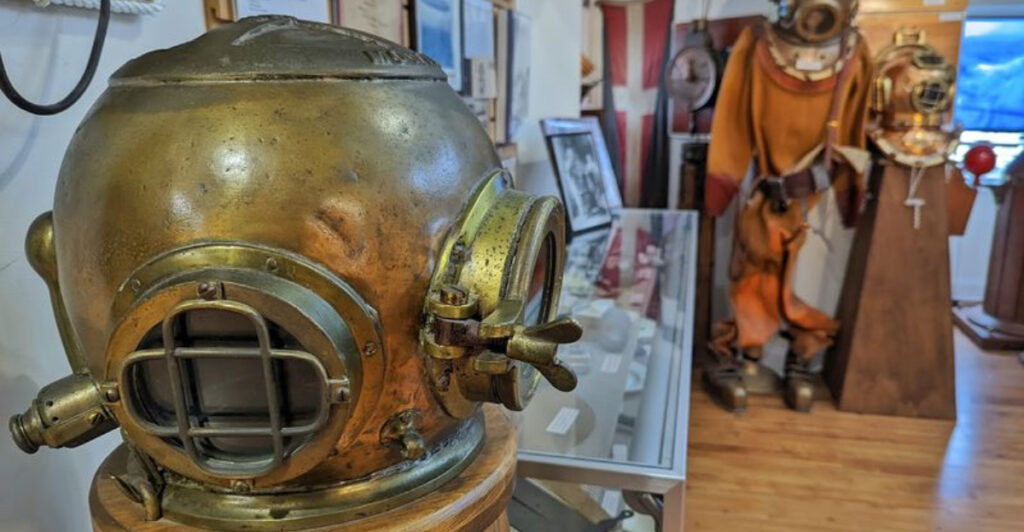
Beach Haven’s most interesting stories are not all on the sand. Some of them are sitting inside the New Jersey Maritime Museum, where shipwrecks, rescue history, old photographs, nautical artifacts, and records from the U.S.
Life-Saving Service turn Long Beach Island into something deeper than a summer postcard. This museum is especially good at reminding visitors that the Jersey Shore has always been beautiful and dangerous at the same time.
The coastline brought vacationers, fishermen, sailors, storms, rescues, disasters, and mysteries, and the exhibits connect those pieces without making the experience feel heavy. You can browse shipwreck material, maritime equipment, historic images, and research-focused displays that reward anyone willing to slow down and read.
It is a great stop for a cloudy beach day, a multigenerational outing, or anyone who likes history tied to a specific place. Beach Haven makes it easy to pair the visit with lunch, shopping, or a walk by the water, but do not treat the museum as filler between bigger plans.
It has more depth than its relaxed Shore-town setting suggests. If you have ever looked at the Atlantic and wondered what is out there beneath the surface, this is your place.
Share this story