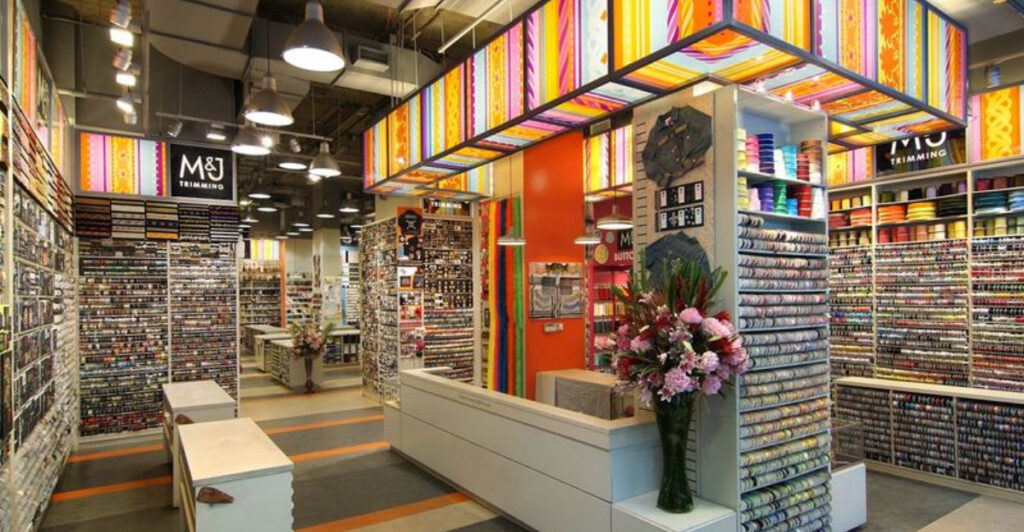
New York is one of the best cities in the world for people who love old fabric, rare trim, and sewing treasures with a story. Across Manhattan and Brooklyn, small shops and creative warehouses hold lace, wool, silk, buttons, ribbon, scraps, and yardage that can turn a simple project into something special.
Vintage fabric collecting matters because it saves beautiful materials from being forgotten, wasted, or lost. If you enjoy sewing, quilting, costume work, home decor, or just touching fabrics from another time, these New York stops are worth adding to your 2026 shopping map.
1. B&Q Trim Store
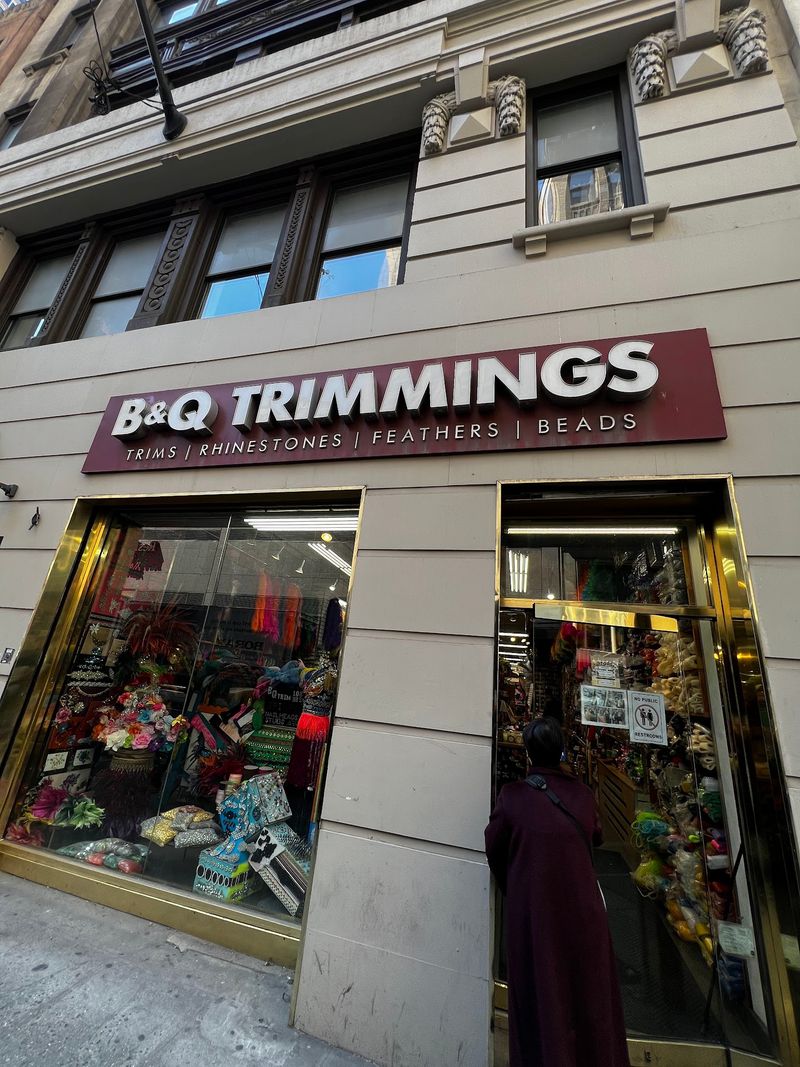
A tiny shop can sometimes hold the loudest personality on the block, and that is part of the charm here.
Collectors who enjoy digging through trims, braids, lace, and small sewing details should keep B&Q Trim Store on their New York list for 2026.
The appeal is not only in full yards of fabric, but in the pieces that finish a garment or rescue an old textile project.
Vintage fabric collectors often need matching ribbon, edging, cording, or buttons to bring an older piece back to life.
This store is useful when a plain remnant needs just one surprising detail.
Go in with a clear project, but leave room for surprises.
New York trim shops can feel packed, so bring a small swatch, a photo of your fabric, and measurements written on paper or saved on your phone.
Staff can usually help faster when you know whether you need one yard, ten yards, or only a few accent pieces.
Look closely at texture and color under the shop lights.
Older fabrics often have faded tones, so a trim that looks perfect at first may shift when seen outside.
If possible, compare trims near natural light or buy a small amount before committing to a large project.
B&Q Trim Store is especially helpful for collectors who work on costumes, jackets, pillows, handbags, and heirloom repairs.
A roll of braid or lace may not seem exciting at first, but it can change the whole mood of a piece.
New York has long supported theater, fashion, and craft, and shops like this carry that spirit in a very practical way.
For 2026, plan your visit on a weekday if you prefer more space to browse.
Bring patience, a tote bag, and curiosity.
The best find may be tucked behind something brighter, waiting for the right collector to notice it.
2. East Coast Trimming
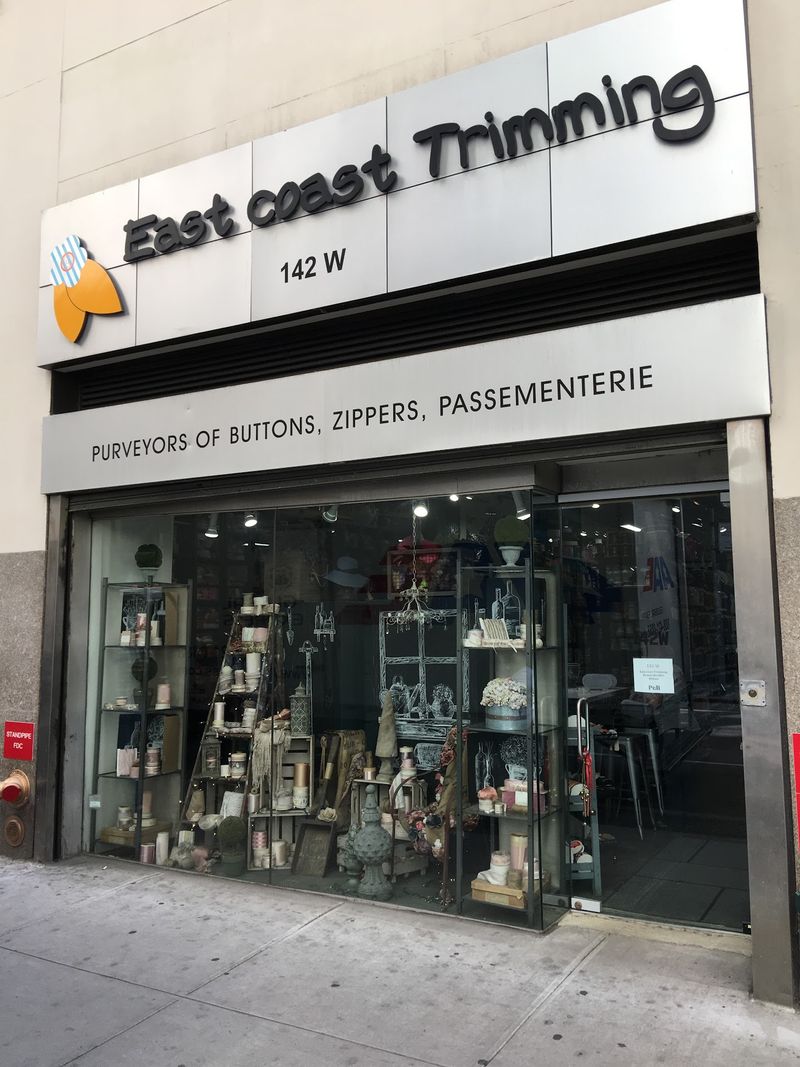
Some shops feel like a toolbox for imagination, and East Coast Trimming has that busy, useful energy.
For a vintage fabric collector, it can be the place where a forgotten textile finally finds the right finishing touch.
New York shoppers often know that fabric is only the beginning.
A 1940s-style rayon print, a worn velvet panel, or a piece of old brocade may need trim to look complete.
East Coast Trimming is a strong stop for fringe, tassels, cords, lace, ribbon, appliques, and other details that help fabric tell a fuller story.
Before you go, think about the age and mood of your fabric.
A shiny modern trim can fight with an older textile, while a softer cotton lace or muted braid may blend better.
Take pictures in good light, and carry fabric samples in a small envelope so they do not fray in your bag.
The shop is also useful for collectors who sell or display vintage fabric.
A simple length of trim can help style photos, wrap bundles, or create sample boards for clients.
If you are building a reference collection, pay attention to weave, weight, fiber feel, and color families rather than grabbing only the flashiest items.
Because New York moves fast, give yourself extra time here.
Rushing through a trim store is like skimming the middle of a good book.
The interesting parts are often in the drawers, side shelves, and narrow aisles where small rolls sit quietly.
Ask questions if you are matching an older piece.
Staff may suggest a better width, a sturdier backing, or a trim that handles stitching more easily.
In 2026, collectors are thinking more about reuse and repair, and East Coast Trimming fits that mindset well.
It helps older fabrics become wearable, giftable, or display-ready again, without losing their character.
3. SHARKTOOTH
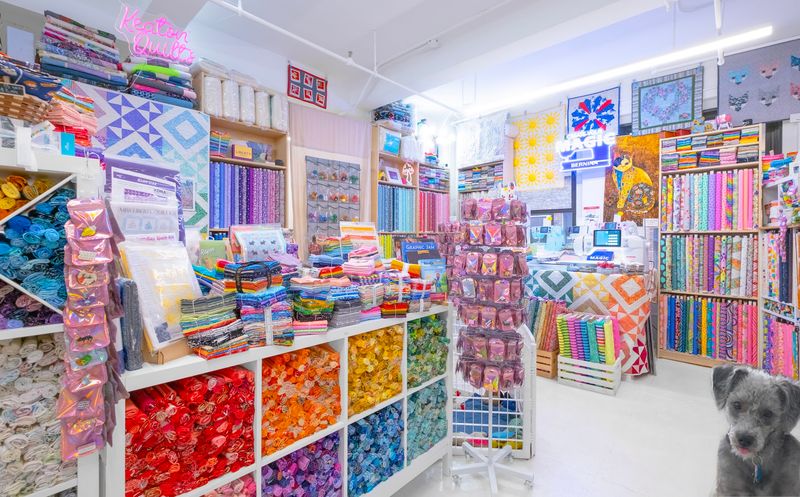
There is a special thrill in finding cloth that already feels like it has lived several lives.
SHARKTOOTH in Brooklyn speaks to collectors who love textiles as art, history, and home objects, not just sewing material.
This shop is known for carefully chosen vintage and antique textiles, including quilts, woven pieces, blankets, and fabric with strong visual character.
For collectors, that means the search is less about digging through random piles and more about studying pieces with age, pattern, wear, and personality.
It is a good stop when you want fabric that can be displayed, repaired, studied, or turned into a thoughtful design project.
Brooklyn adds to the experience because the borough has a strong craft and design scene.
A visit can feel slower than shopping in the busiest parts of Manhattan, which helps when you need time to notice stitching, dye changes, patchwork, and repairs.
These details can reveal how a textile was used and why it survived.
When browsing, check condition with care.
Vintage quilts and antique cloth may have weak spots, stains, or loose seams, but those flaws are not always deal breakers.
Some collectors prize visible mending because it shows the human hand behind the piece.
Think about your purpose before buying.
If you plan to cut the textile, make sure it is not too rare or fragile.
If you plan to hang it, ask about safe display methods, because sunlight and damp rooms can harm old fibers over time.
SHARKTOOTH is a strong choice for people who want their collection to feel curated rather than crowded.
The pieces can inspire color palettes, quilt studies, slow stitching, or room design.
In 2026, as more people care about buying less and choosing better, this Brooklyn shop offers a beautiful reminder that old fabric can still feel fresh, modern, and full of meaning.
4. FABSCRAP Brooklyn Warehouse
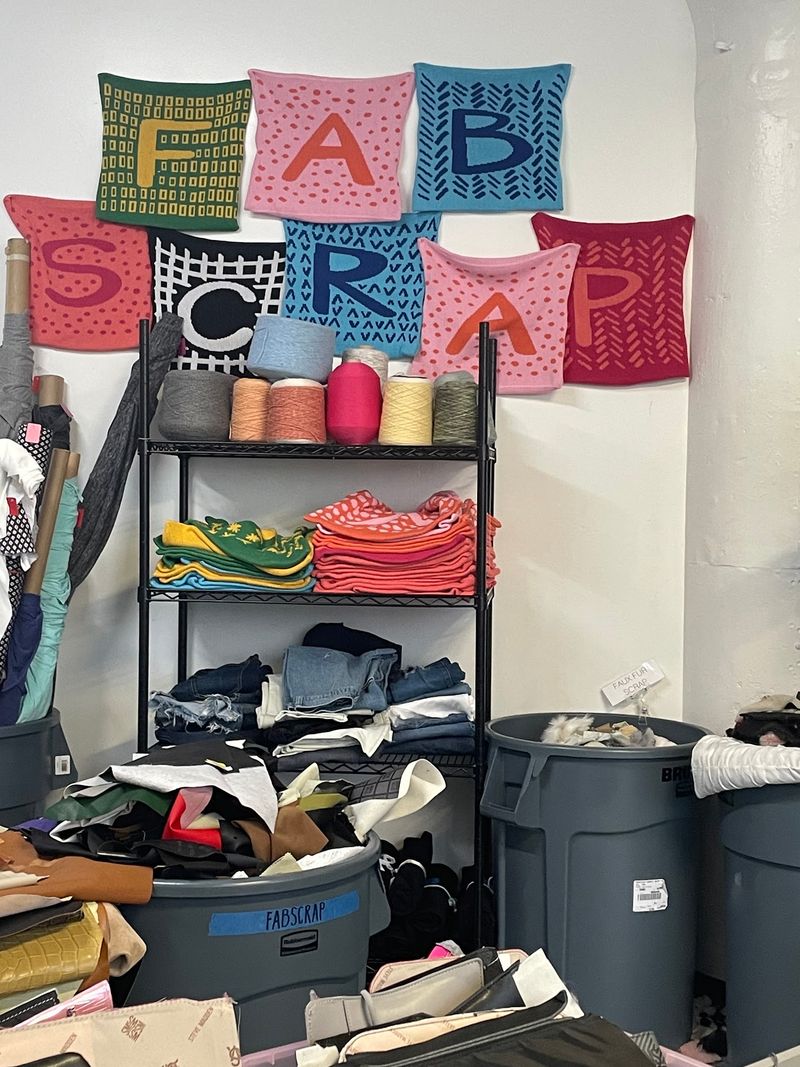
Imagine a treasure hunt where saving fabric from waste is part of the fun.
FABSCRAP Brooklyn Warehouse is a smart stop for collectors who like surprises, sustainability, and the thrill of finding unusual material before it disappears.
New York has a huge fashion industry, and that industry creates leftover fabric.
FABSCRAP helps collect and sort those materials so they can be reused instead of thrown away.
While not every piece is vintage, collectors can find deadstock, designer remnants, sample yardage, trims, and odd cuts that feel rare because they may never be produced again.
The warehouse experience is different from a polished shop.
You may sort, search, and compare pieces in a more hands-on way.
Wear comfortable clothes, bring a sturdy bag, and be ready to spend time looking through bins or shelves.
The best finds often reward patient shoppers.
For vintage fabric collectors, deadstock is especially interesting.
It can come from past seasons, closed studios, or unused production runs, giving it a time-capsule feeling.
A fabric might not be antique, but it can still carry a piece of New York fashion history.
Check fiber content, weight, and stretch before buying.
Some scraps are perfect for patchwork, doll clothing, collage, pockets, or sample books, while larger pieces may work for skirts, bags, or home projects.
If you collect by color or texture, FABSCRAP can help you build an affordable library of fabric swatches.
This is also a good place to teach younger makers about waste.
New York is crowded, busy, and creative, so reusing material matters here in a very real way.
Every rescued yard means fewer textiles heading to landfill.
In 2026, plan ahead by checking current shopping rules, hours, and any appointment details before visiting.
FABSCRAP Brooklyn Warehouse is not just a place to buy fabric.
It is a place to feel connected to a larger creative cycle, where leftover cloth gets a second chance.
5. M&J Trimming
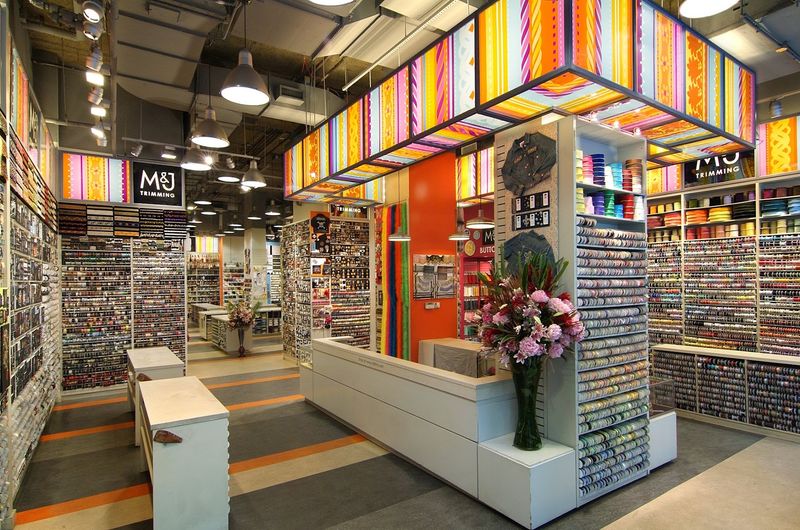
Few places make a collector feel like a kid in a candy shop quite as quickly as a wall of ribbon and buttons.
M&J Trimming is a New York classic for makers who believe the smallest detail can steal the show.
For vintage fabric collectors, this shop is useful because old cloth often needs careful support.
A faded floral cotton may need simple lace.
A heavy wool coat panel may need strong buttons.
A piece of satin from another decade may need beaded trim or ribbon that matches its shine without looking too new.
M&J Trimming has long been connected to New York fashion and costume culture.
That matters because collectors often need more than pretty supplies.
They need options that can work for theater pieces, historical looks, repairs, special occasion clothing, and display projects.
Bring your fabric with you if possible.
Even a small swatch can help you compare color, thickness, and mood.
If the fabric is too fragile to carry, take close photos in daylight and include a picture of the whole piece, not just one corner.
Buttons deserve extra attention here.
Vintage garments often lose one or two, and finding a close match can keep a piece useful.
If an exact match is impossible, consider replacing a full set with buttons that respect the age and style of the garment.
Ribbons, patches, and appliques can also help repair damage in creative ways.
A small stain near a hem or collar might become less noticeable with the right trim placement.
Good repairs do not always need to hide the past completely.
Sometimes they can honor it.
In 2026, M&J Trimming remains a helpful stop for collectors who want choice, color, and a lively New York shopping experience.
Give yourself time to browse slowly, because quick trips can lead to missed gems.
A single spool, clasp, or button card may become the detail that turns stored fabric into a finished piece.
6. Discount Fabrics Truemart
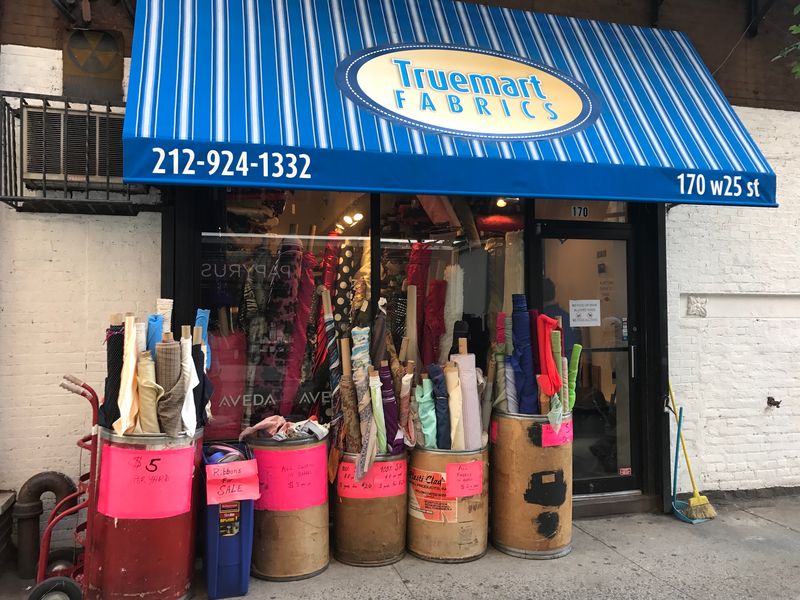
Bargain hunting has its own rhythm, and Discount Fabrics Truemart is the kind of place where careful eyes can beat a big budget.
Collectors who enjoy practical finds should treat it like a search mission with real rewards.
New York fabric shopping can get expensive fast, especially when you want unusual textiles or enough yardage for a larger project.
A discount fabric shop helps balance the hobby.
You may find older stock, end-of-bolt pieces, basic linings, suitings, cottons, or fabrics that pair well with vintage material already in your collection.
The trick is to shop with both imagination and discipline.
Not every low price is a good buy if the fabric does not fit your needs.
Before visiting, make a short list of colors, fiber types, and project sizes you actually use.
That list can keep you from bringing home five bags of cloth that never leave the shelf.
Still, leave space for one wild card.
Vintage fabric collecting is partly about surprise, and discount stores can hide prints or textures that feel older than their labels suggest.
Look for unusual weaves, classic florals, plaids, jacquards, and sturdy solids that can back or border fragile vintage pieces.
Always inspect fabric before purchase.
Check for fading along fold lines, tiny holes, stains, odor, and uneven stretch.
If you are buying yardage to support an older textile, make sure it will not overpower the original piece in weight or color.
Discount Fabrics Truemart is especially useful for collectors who sew often.
Muslin, lining, backing fabric, and practice material are not glamorous, but they help protect more valuable textiles from mistakes.
Testing a pattern on cheaper cloth before cutting vintage yardage is a habit every collector should learn.
For a 2026 New York fabric route, this shop brings a grounded, useful stop to the list.
It reminds collectors that great projects need both rare treasures and dependable basics.
7. A.K. Fabrics
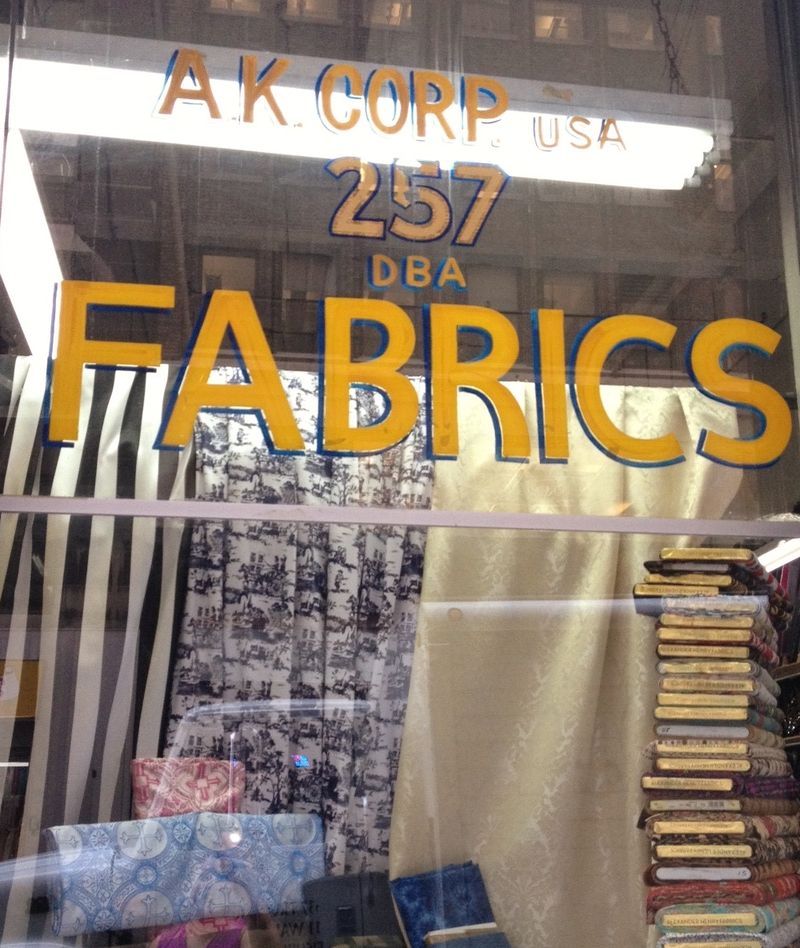
Some fabric stores reward shoppers who slow down and let their hands do part of the looking.
A.K. Fabrics is worth visiting when you want to compare drape, touch, and color in person instead of guessing online.
Vintage fabric collectors know that photos can be misleading.
A fabric might look soft on a screen but feel stiff in real life.
Color can shift from warm cream to cool gray under different lights.
Visiting a New York shop like A.K. Fabrics gives you a better chance to judge whether a textile will work with older pieces you already own.
This stop can be helpful for finding fabrics that complement vintage yardage rather than compete with it.
Think about linings for old coats, backing for quilts, contrast collars, repair patches, or simple solids that let a rare print stand out.
Collecting is not only about buying the star piece.
It is also about finding the supporting cast.
Bring notes about your collection.
If you own many small floral cottons, search for solids, checks, or border fabrics.
If you collect silk scarves or old evening fabrics, look for linings and stabilizing materials.
A focused plan makes shopping less overwhelming in New York, where shelves can be full and choices come quickly.
Ask about fiber content and care.
Older fabrics may need gentle cleaning, so pairing them with a modern fabric that shrinks or bleeds can cause problems.
When in doubt, buy a little extra for testing before sewing the final piece.
A.K. Fabrics also works well as part of a walking route through the city fabric scene.
New York’s Garment District tradition is built on close comparisons, quick decisions, and creative problem-solving.
That energy can help collectors sharpen their eye.
In 2026, make this shop a stop for smart matching and project planning.
A good collector does not just gather beautiful cloth.
They learn how to use it wisely, protect it, and make it shine.
8. International Silks And Woolens
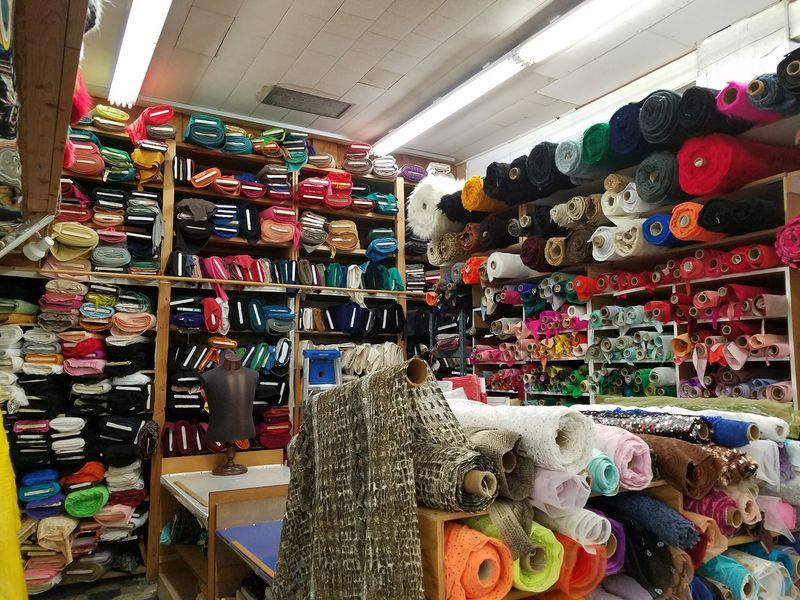
Luxury fabric has a way of making people stand a little quieter, as if the cloth deserves respect.
International Silks And Woolens is a strong name for collectors who care about fine fibers, classic style, and lasting quality.
Even though vintage collecting often focuses on age, quality matters just as much.
Silk and wool can survive beautifully when they are chosen well and cared for properly.
A shop with fine fabrics can help collectors understand how older textiles were made and why some pieces still feel special decades later.
Use your visit as a learning moment.
Touch different silks and notice how charmeuse, chiffon, organza, and dupioni behave differently.
Compare wool weights and weaves.
These small lessons make it easier to identify vintage fabrics at estate sales, flea markets, and thrift shops around New York.
If you already own old silk or wool, shop for materials that can support restoration.
A coat may need lining.
A dress may need underlining.
A fragile panel may need a backing cloth before it can become wall art or a pillow.
Fine fabric should not be chosen only by color.
Weight, movement, and care needs matter too.
Collectors should also think about storage.
Wool needs protection from moths, while silk dislikes strong sunlight and rough handling.
Ask for care advice when buying, and keep notes with your collection so you remember what each piece needs.
This shop is especially helpful for people interested in vintage fashion, tailoring, bridal work, or heirloom sewing.
New York has deep roots in garment making, and fine textile shops keep that tradition visible.
They remind collectors that fabric is both art and material.
For 2026, add International Silks And Woolens to your list when you want a more refined shopping stop.
You may leave with yardage, or you may leave with a better eye.
Either result is valuable.
The more you understand fine cloth, the better choices you will make when rare vintage pieces appear.
9. Brooklyn Craft Company
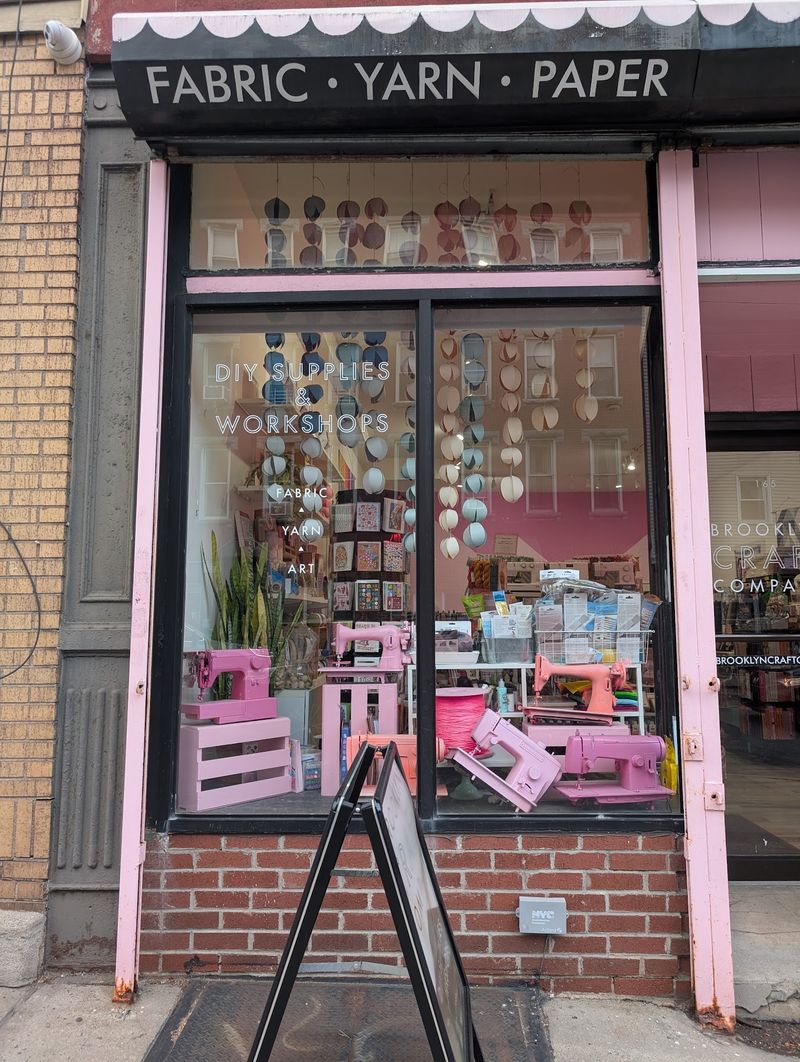
A good fabric collection becomes more exciting when you actually use it, and Brooklyn Craft Company helps bridge that gap.
This friendly Brooklyn stop is ideal for collectors who want skills, supplies, and community along with their textile hunt.
Unlike a shop focused only on bolts of fabric, Brooklyn Craft Company brings a making-centered spirit.
It is known for classes, craft supplies, sewing tools, yarn, kits, and creative workshops.
For vintage fabric collectors, that can be just as important as buying another rare piece.
Learning how to sew better, mend neatly, or finish projects carefully protects the fabric you already own.
New York can feel huge, but craft spaces make it feel smaller.
A class or workshop can introduce you to people who also care about fabric, repair, quilting, embroidery, or handmade gifts.
Those connections may lead to tips about estate sales, fabric swaps, or local textile events.
Bring a simple goal when visiting.
Maybe you need needles for delicate fabric, thread in the right weight, a pattern for small remnants, or advice on turning vintage yardage into a wearable item.
Staff and teachers in craft spaces often understand beginner questions, so do not feel shy if you are still learning.
This stop is also useful for collectors with many small scraps.
Vintage fabric does not need to become a full dress to be meaningful.
Tiny pieces can become quilt blocks, patches, buttons, bookmarks, sachets, doll clothes, or embroidery backgrounds.
Skills turn scraps into keepsakes.
Pay attention to tools as much as fabric.
Sharp scissors, safe storage, proper needles, and acid-free packing can make a major difference in how long old textiles last.
A collector who learns good habits saves money and prevents damage.
In 2026, Brooklyn Craft Company belongs on this list because collecting should not stop at owning.
It should lead to making, sharing, and caring for materials with purpose.
After a visit, your vintage fabric stash may feel less like a pile and more like a set of future stories.
Share this story