Texas coastline stretches over 350 miles along the Gulf of Mexico, offering families way more than just sandy shores and warm waves. From splashy waterparks to protected wildlife refuges, these beach towns pack serious adventure into every visit. Whether you’re chasing rare birds through coastal marshes or racing down towering water slides, the Lone Star State’s seaside communities deliver unforgettable experiences that keep families coming back year after year.
1. South Padre Island
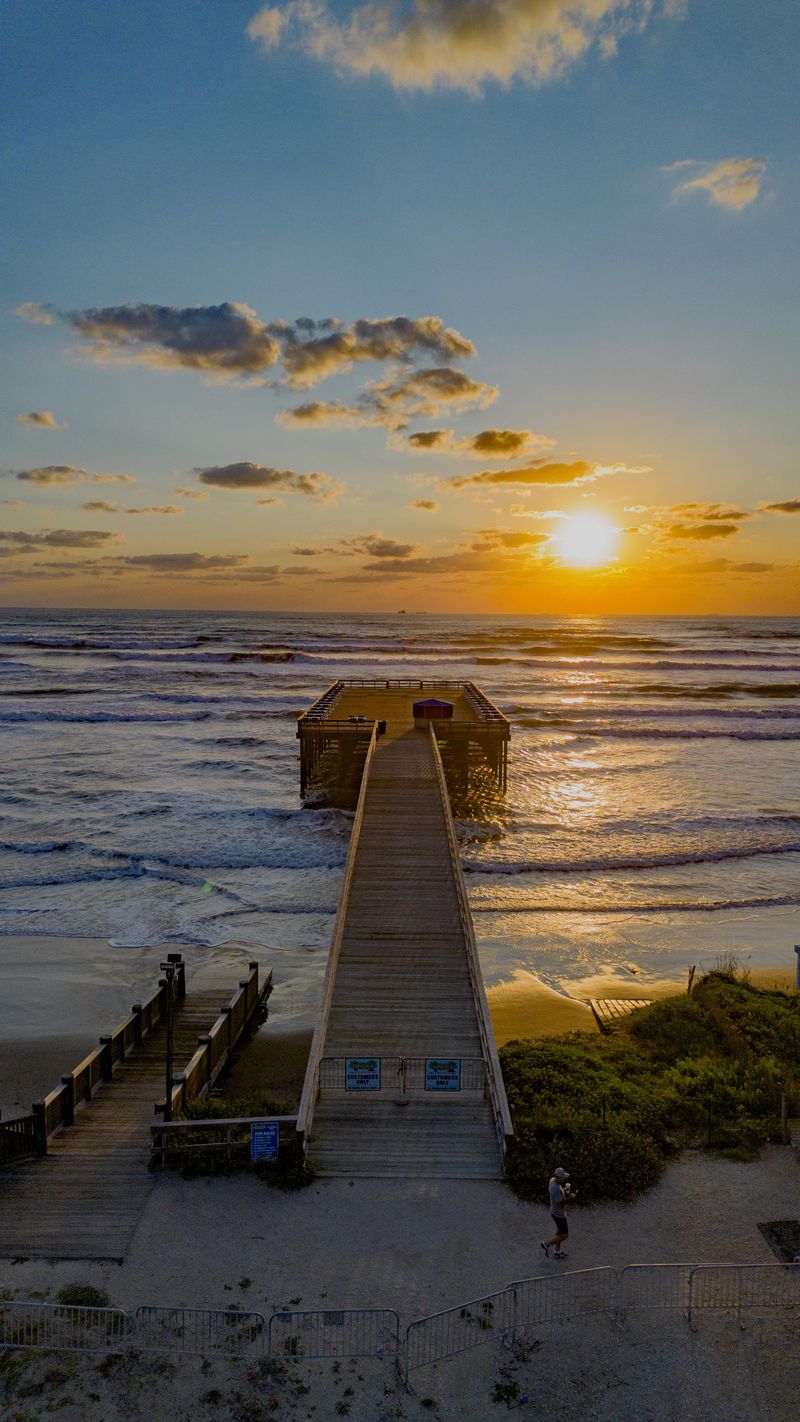
Picture a barrier island where dolphins leap offshore while kids zoom down massive water slides just blocks from the beach. South Padre Island masters the art of packing maximum fun into 34 miles of coastline. Schlitterbahn Beach Waterpark brings the thrills with rides ranging from gentle lazy rivers perfect for toddlers to heart-pounding drops that challenge even brave teenagers.
The island’s Sea Turtle Inc. rescue center gives families an up-close look at rehabilitation efforts for endangered sea turtles. Kids can watch feeding times and learn how these ancient mariners navigate thousands of miles across oceans. The center’s educational programs turn a simple visit into a marine biology lesson that sticks with young minds long after vacation ends.
Birding enthusiasts flock here during migration seasons when hundreds of species pass through the area. The South Padre Island Birding and Nature Center features boardwalks winding through wetlands where roseate spoonbills, green herons, and black-bellied whistling ducks make regular appearances. Early morning visits often reward patient watchers with sightings of rare coastal species.
Water sports dominate the activity scene with parasailing, jet skiing, and paddleboarding available at multiple rental spots. The bay side offers calmer waters ideal for younger swimmers while the Gulf side delivers proper waves for boogie boarding. Sunset dolphin watching cruises provide guaranteed wildlife encounters that never get old.
Restaurants along Padre Boulevard serve everything from casual beach tacos to fresh Gulf seafood platters. Many establishments feature outdoor patios where families can dine while watching pelicans dive for their own dinner. The laid-back vibe extends to accommodations ranging from budget-friendly condos to full-service beachfront resorts with pools and kids’ clubs.
2. High Island
High Island earned its name from being one of the few elevated spots along the Texas coast, rising a whopping 38 feet above sea level. This quirky geography creates a crucial rest stop for millions of exhausted migratory birds crossing the Gulf of Mexico each spring. The tiny community transforms into birding headquarters when warblers, tanagers, and buntings drop from the skies in spectacular fallout events after long flights over water.
Four sanctuaries operated by Houston Audubon Society offer families front-row seats to nature’s greatest show. Boy Scout Woods features dense oak trees where brilliantly colored songbirds rest and refuel during April and May. Photographers and kids with cameras capture stunning images of birds perched at eye level, too tired from migration to flee human observers.
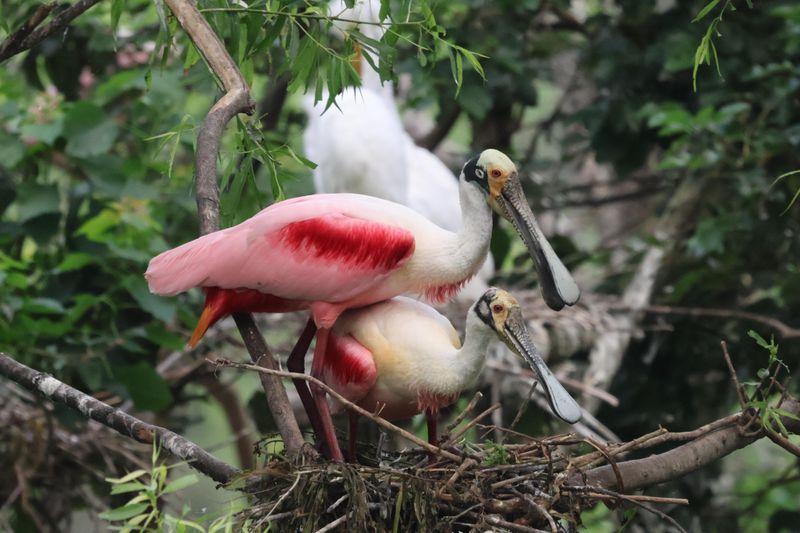
Smith Oaks Sanctuary includes both woodland trails and a unique rookery island where roseate spoonbills, egrets, and herons nest in spectacular numbers. Boardwalks bring visitors within feet of nesting colonies without disturbing the birds. The pink spoonbills look almost fake against the green foliage, creating photo opportunities that seem too vibrant to be real.
Families new to birding discover that spring migration turns everyone into instant experts. Local volunteers stationed at sanctuaries help identify species and share migration facts that fascinate kids and adults equally. Spotting scopes set up along trails let everyone get close-up views of rare visitors like painted buntings and scarlet tanagers.
Nearby Anahuac National Wildlife Refuge expands the adventure with alligator sightings along auto tour routes. The refuge’s wetlands attract wading birds, ducks, and shorebirds year-round. Pack binoculars, bug spray, and patience for a completely different kind of Texas coastal experience where wildlife takes center stage over beach activities.
3. Corpus Christi
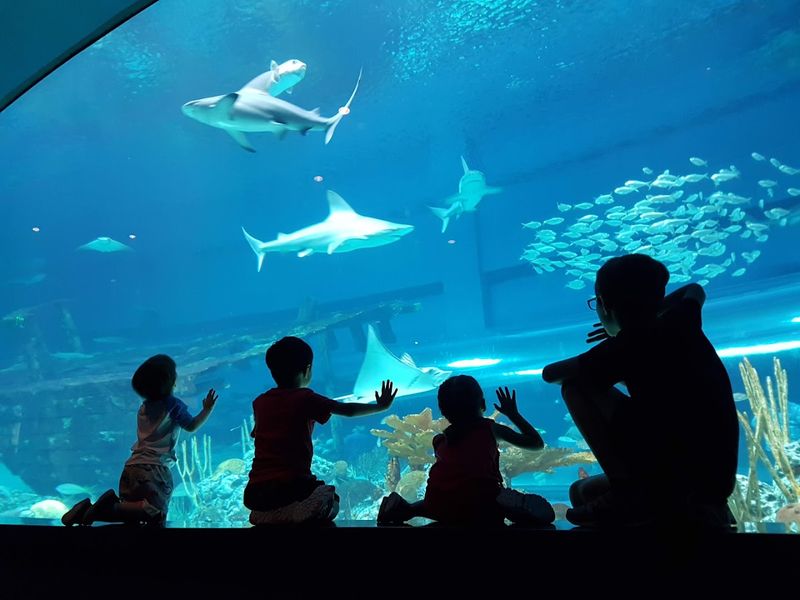
Families can pick strawberries, blueberries, peaches, and more at Texas U-pick farms filled with fresh fruit and outdoor fun. The Texas State Aquarium ranks among the best in the nation, housing everything from playful river otters to massive groupers cruising through Caribbean reef exhibits. Touch tanks let kids get hands-on with stingrays and horseshoe crabs while learning about Gulf ecosystems from enthusiastic staff members.
The USS Lexington aircraft carrier turned museum floats permanently in the harbor, offering families a chance to explore a genuine World War II warship. Climb steep ladders between decks, sit in vintage aircraft cockpits, and imagine life at sea for thousands of sailors. The flight simulator and 3D theater add modern thrills to the historical experience.
Hurricane Alley Waterpark delivers splashy relief from coastal heat with attractions designed for all ages. The massive wave pool generates surf-worthy swells while smaller kids splash safely in shallow play areas. Multiple slide towers offer everything from gentle tube rides to nearly vertical drops that test courage and create lasting memories.
Mustang Island State Park sits just across the causeway, providing five miles of natural beach perfect for shell collecting and surf fishing. Primitive camping spots let adventurous families fall asleep to wave sounds and wake to sunrise over the Gulf. Park rangers lead nature programs covering coastal ecology and wildlife identification.
Downtown’s marina district buzzes with restaurants, shops, and the fascinating Selena Museum honoring the Tejano music star. Paddle boarding and kayaking rentals make exploring the bay easy for beginners. The seawall stretches for miles, perfect for evening bike rides or morning jogs with ocean views.
Hotels range from historic properties downtown to modern beach resorts on North Padre Island, ensuring options for every family budget and preference.
4. Surfside Beach
Surfside Beach flies under the radar compared to flashier coastal destinations, which makes it perfect for families seeking authentic beach experiences without tourist crowds. The small community vibe means kids can ride bikes safely around neighborhoods while parents relax knowing everyone looks out for each other. Local fishermen still pull shrimp boats into the harbor at sunset, maintaining traditions that disappeared from more developed beaches decades ago.
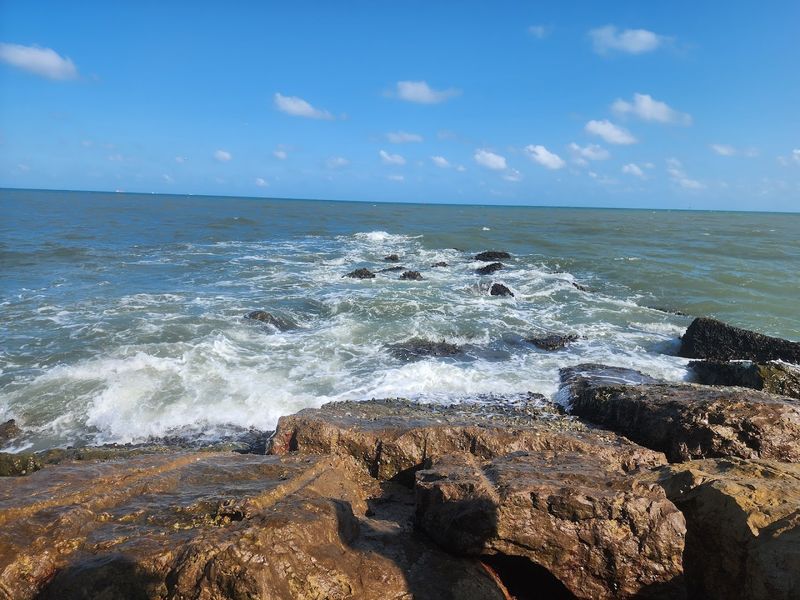
The granite jetties extending into the Gulf create excellent fishing spots where families regularly catch redfish, flounder, and speckled trout. No expensive charter necessary—just grab poles, bait, and a bucket then claim a spot on the rocks. Local bait shops provide advice, sell licenses, and share current hot spots with friendly attitudes that make newcomers feel welcome.
Brazosport Museum of Natural Science in nearby Lake Jackson offers rainy day entertainment with fossil collections and hands-on exhibits explaining coastal geology. The planetarium shows transport kids across the universe without leaving their seats. Combined admission costs less than a single movie ticket, making it a budget-friendly educational stop.
Beach driving permits allow vehicles directly onto the sand, a convenience families appreciate when hauling coolers, umbrellas, and beach toys. Finding isolated stretches of shoreline becomes easy when you can cruise along looking for the perfect spot. Sunrise shell hunting yields intact sand dollars and lightning whelks before other beachcombers arrive.
Restaurants stick to the basics—fried shrimp, fish tacos, cold drinks—served in casual settings where sandy feet and wet swimsuits cause zero concern. The lack of fancy dining and high-end shopping keeps costs reasonable for families watching vacation budgets. Vacation rentals outnumber hotels, providing full kitchens and multiple bedrooms that make extended stays comfortable and affordable for groups.
5. Brownsville
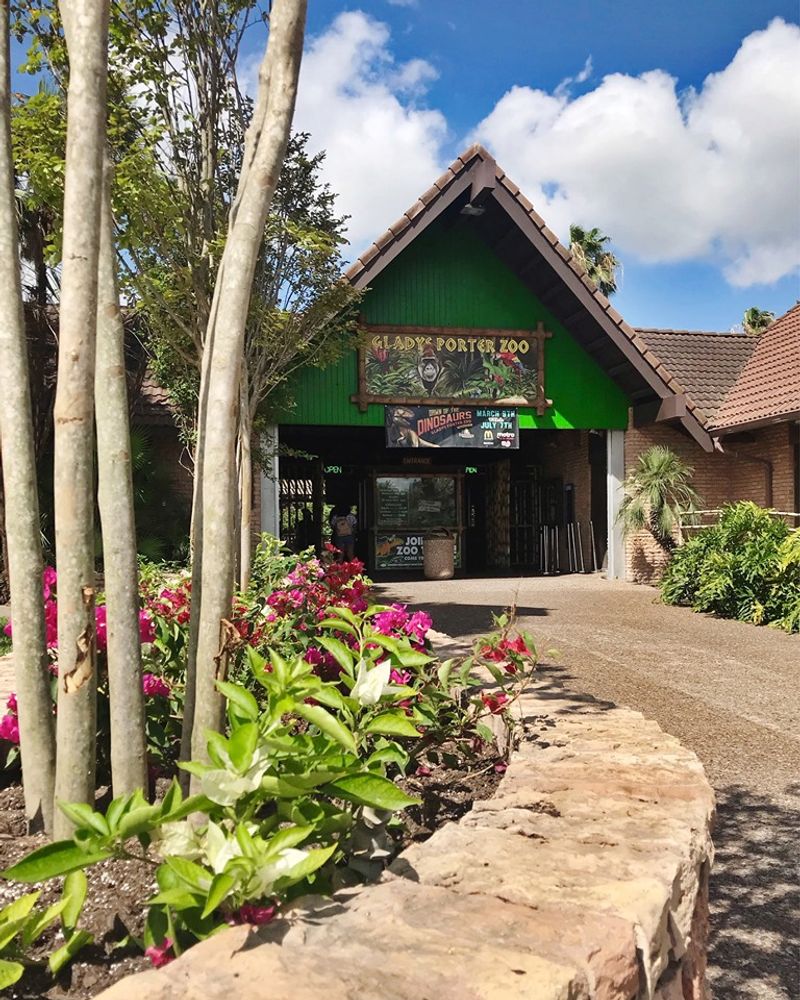
At the southernmost edge of Texas, Brownsville meets the Rio Grande and the Gulf, creating rare ecosystems found nowhere else in the United States. Gladys Porter Zoo consistently ranks among the nation’s best mid-sized zoos, housing over 1,600 animals in naturalistic habitats separated by moats instead of bars. Kids watch Sumatran orangutans swing overhead, Galapagos tortoises lumber past, and African elephants cool themselves with trunk showers.
Sabal Palm Sanctuary preserves the last remaining grove of native sabal palms in the entire country. Boardwalk trails wind through this rare forest where tropical birds like green jays and plain chachalacas call from the canopy. The sanctuary feels more like Central America than Texas, with humidity and vegetation creating an almost jungle-like atmosphere just minutes from town.
South Padre Island beaches lie only 25 miles away via causeway, making Brownsville an affordable base for families wanting beach access without resort prices. The drive crosses the Laguna Madre, a hypersaline bay supporting unique fish species and serving as nursery grounds for countless marine creatures. Dolphin sightings from the causeway happen frequently enough that kids stay glued to windows watching for fins.
Palo Alto Battlefield National Historical Park tells the story of the first battle in the Mexican-American War through interactive exhibits and preserved battlefield grounds. Rangers in period clothing demonstrate 1840s military life during special events. The visitor center’s film and artifacts help older kids understand this pivotal moment in Texas and American history.
Local restaurants serve authentic Mexican food that puts chain Tex-Mex to shame, with family recipes passed down through generations. Street tacos, fresh tortillas, and aguas frescas cost a fraction of tourist-trap prices. The international border location creates a cultural blend that enriches every aspect of visiting, from food to festivals to the genuine warmth of local hospitality.
6. Galveston
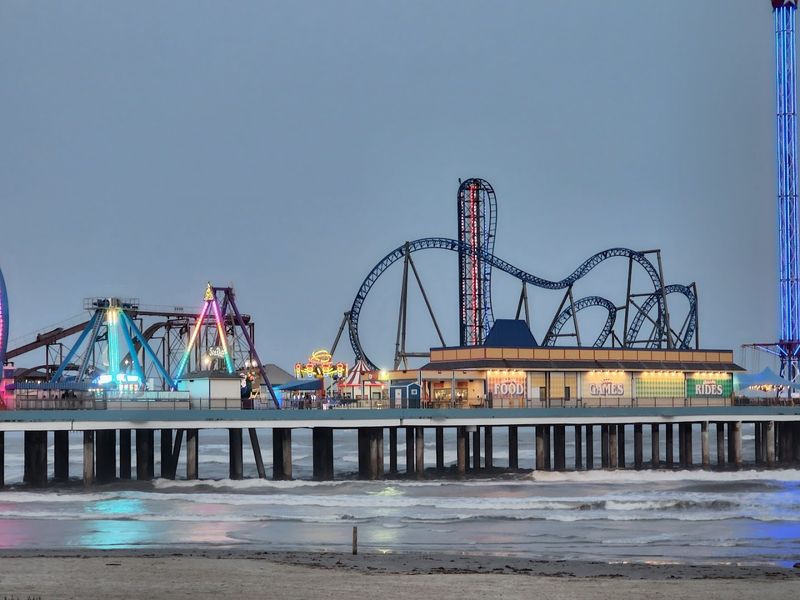
Galveston Island packs more family attractions per square mile than any other Texas beach destination, earning its reputation as the playground of the Gulf Coast. Moody Gardens features three glass pyramids housing a rainforest, aquarium, and discovery museum that could each fill an entire day. The aquarium’s Caribbean reef exhibit stretches overhead in a tunnel where sharks and sea turtles glide past while kids walk beneath in amazement.
Schlitterbahn Waterpark Galveston brings the thrills with Texas-sized slides, wave pools, and lazy rivers winding through tropical landscaping. The Massiv monster blaster water coaster uses jets to propel rafts uphill, creating a roller coaster experience on water. Smaller kids enjoy dedicated play areas with age-appropriate slides and splash features while parents relax in nearby cabanas.
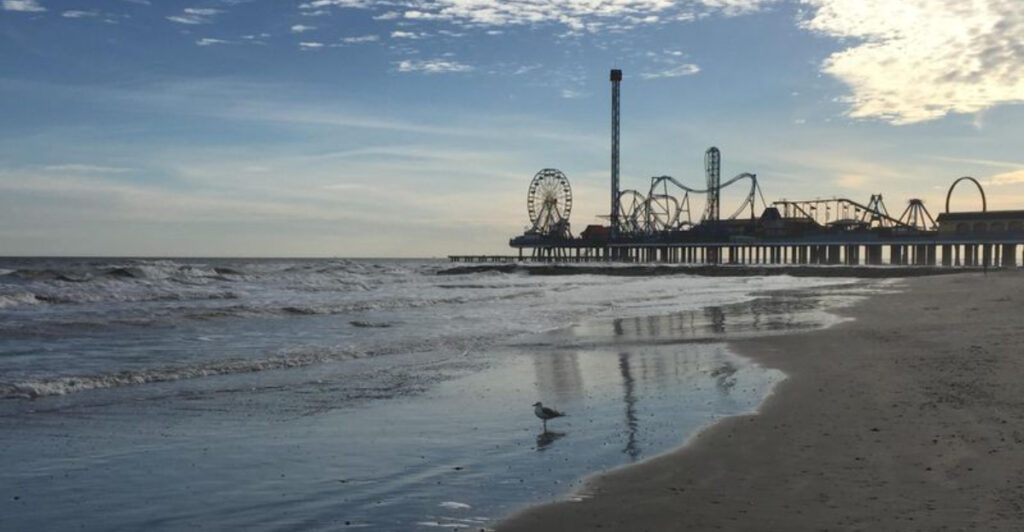
Historic Pleasure Pier extends over the Gulf on the site of the original 1940s pier, combining classic seaside charm with modern amusement park rides. The Ferris wheel offers stunning ocean views while roller coasters provide legitimate thrills despite the compact footprint. Midway games, cotton candy, and corn dogs complete the nostalgic carnival atmosphere families expect from a proper beach boardwalk.
Galveston Island State Park protects 2,000 acres of coastal prairie, dunes, and wetlands on the island’s west end. Nature trails reveal an ecosystem most visitors overlook while focused on beaches and attractions. Kayak rentals let families paddle through calm bay waters spotting herons, pelicans, and occasionally dolphins cruising the shallows.
The historic Strand District offers shopping, dining, and architecture dating to Galveston’s glory days as the wealthiest city in Texas. Victorian buildings house museums, galleries, and restaurants serving everything from casual seafood to upscale cuisine. Trolley tours provide narrated history lessons while giving tired feet a break.
Hotels range from modern beachfront towers to charming bed and breakfasts in restored mansions, ensuring lodging options that match every family’s style and budget.
7. Sabine Pass
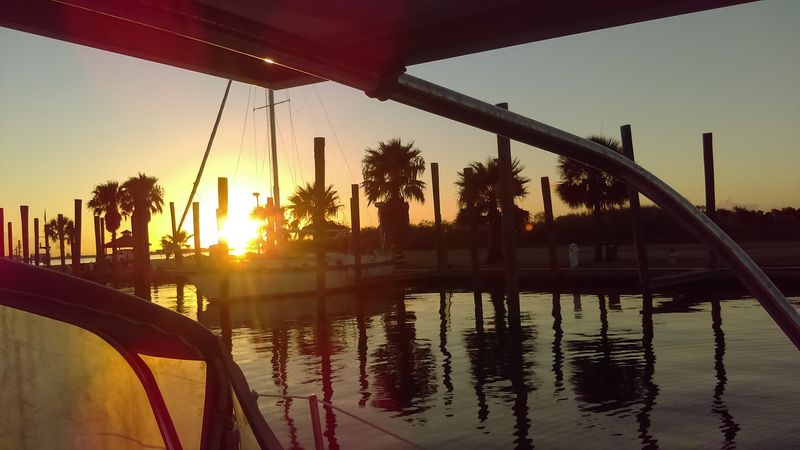
At the meeting point of the Sabine River and the Gulf, Sabine Pass holds a powerful piece of Civil War history, including one of the Confederacy’s most unexpected victories. The tiny community maintains a sleepy fishing village vibe where time seems stuck somewhere around 1960. Families seeking escape from crowds and commercialization find exactly that along these quiet shores where nature and history take precedence over tourist development.
Sabine Pass Battleground State Historic Site commemorates the 1863 battle where 47 Confederate soldiers repelled a Union invasion force of 5,000 troops and four gunboats. The preserved earthworks and historical markers tell this David versus Goliath story that changed the course of the war in Texas. Picnic areas overlook the ship channel where massive cargo vessels still pass, creating a fascinating contrast between past and present.
Sea Rim State Park stretches along five miles of undeveloped beach accessible only by four-wheel-drive vehicles or on foot. The isolation means pristine shell collecting and virtually private beach experiences rare along developed coastlines. Marshlands behind the dunes teem with alligators, nutria, and countless bird species best explored via kayak through marked paddling trails.
The Big Hill salt dome rises unexpectedly from flat coastal plain, its elevation creating unique plant communities and serving as a landmark for migrating birds. Birders visit year-round knowing the hill concentrates species during both spring and fall migrations. The surrounding area remains largely undeveloped, preserving habitat crucial for wildlife survival.
Local fishing guides lead trips into the marshes and nearshore Gulf waters where redfish, flounder, and speckled trout provide steady action. These captains know every channel, reef, and grass flat after decades working these waters. Restaurants in town serve the day’s catch fried, grilled, or blackened with sides of hushpuppies and coleslaw.
Accommodations remain basic—small motels and RV parks—keeping prices low and maintaining the area’s working-class fishing community character.
8. Orange
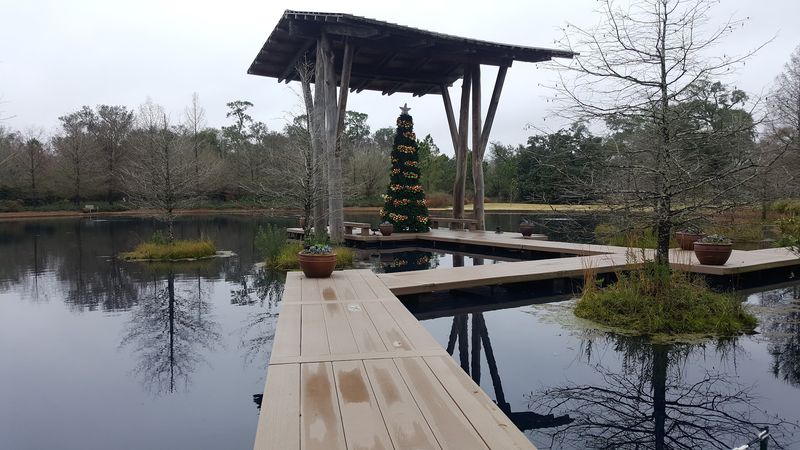
Orange sits at the intersection of Texas and Louisiana where pine forests meet coastal marshes, creating ecosystems more similar to the Deep South than typical Texas landscapes. Shangri La Botanical Gardens and Nature Center transforms 252 acres into a wonderland of native plants, bird-filled wetlands, and educational exhibits that engage kids without feeling like school. Elevated boardwalks wind through bald cypress swamps where alligators sun themselves and great blue herons stalk fish in shallow waters.
The Lutcher Theater brings performing arts to Southeast Texas with productions ranging from Broadway musicals to classical concerts. Family-friendly shows and children’s theater programs introduce kids to live performance in an intimate venue where every seat offers great views. The restored historic building adds architectural interest to an already impressive cultural amenity unexpected in a town this size.
Claiborne West Park provides river access for fishing, boating, and watching massive cargo ships navigate the Sabine-Neches Waterway. The park’s playground and pavilions make it headquarters for family picnics with industrial maritime activity providing unusual entertainment. Kids fascinate watching tugboats maneuver vessels longer than football fields through channels that seem impossibly narrow.
Nearby Blue Elbow Swamp offers hiking trails through bottomland hardwood forest where armadillos rustle through leaf litter and woodpeckers hammer dead trees. The preserve protects habitat for numerous threatened species while providing free outdoor recreation for families. Spring wildflower displays rival any formal garden when native irises and other wetland flowers bloom in massive numbers.
Stark Museum of Art houses an impressive collection of Western American art and artifacts that tell the story of frontier expansion. The exhibits include works by famous painters alongside Native American pottery, textiles, and tools. Admission stays free, making it an easy educational stop that doesn’t strain vacation budgets.
Local restaurants serve both Texas barbecue and Louisiana Cajun cuisine, reflecting the cultural blend that defines this border region where two states meet.
9. Lake Jackson
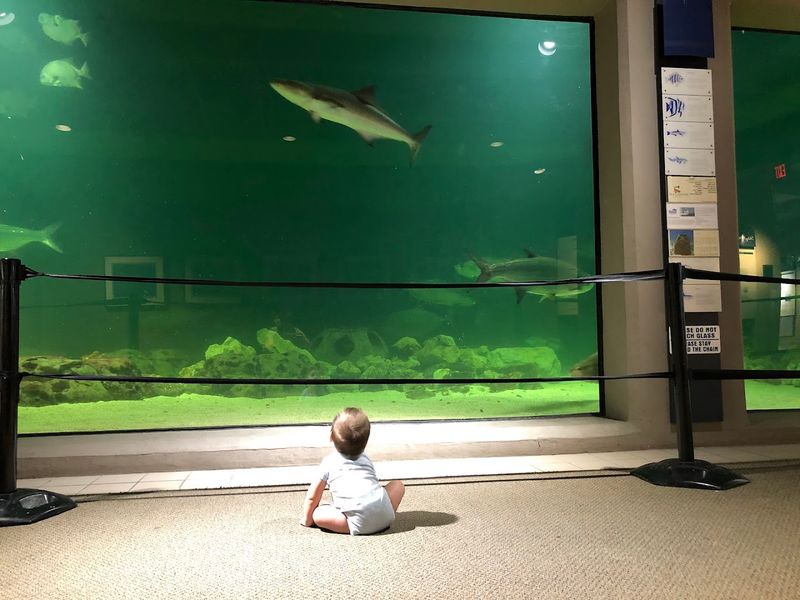
Just inland from the Gulf Coast, Lake Jackson gives visitors easy access to Brazosport beaches while offering plenty of overlooked family attractions of its own. Sea Center Texas operates as a marine aquarium, fish hatchery, and education center all rolled into one completely free facility. Kids watch baby redfish and flounder being raised for coastal stocking programs while learning about marine conservation efforts protecting Gulf fisheries.
The center’s touch tanks let brave youngsters handle hermit crabs, sea urchins, and other tidal creatures under staff supervision. Massive aquariums display fish species native to Texas bays and Gulf waters in realistic habitat settings. The outdoor wetland area attracts wild birds and demonstrates how constructed marshes filter water while providing wildlife habitat.
Wilderness Golf Course offers affordable family golf on a challenging layout carved through pine and oak forest. The course welcomes players of all skill levels with reasonable green fees that make learning the game accessible. Wildlife sightings—deer, armadillos, various birds—happen frequently enough that young golfers stay engaged even when their shots go sideways.
Brazos Mall provides air-conditioned refuge during summer heat or rainy weather with standard retail shopping plus a movie theater and food court. The attached ice skating rink seems almost absurd in coastal Texas but delivers genuine winter sport fun year-round. Skate rentals and lessons help beginners find their balance while experienced skaters show off during public sessions.
San Bernard National Wildlife Refuge lies just minutes away, protecting 27,000 acres of coastal prairie, wetlands, and beach. Auto tour routes wind through diverse habitats where alligators, bobcats, and countless bird species thrive. The refuge beach remains undeveloped and rarely crowded, perfect for families wanting natural coastal experiences without commercial distractions.
Lake Jackson’s central location makes day trips to multiple beach towns easy while keeping lodging costs lower than staying directly on the coast.
Share this story