Texas holds more secrets than you might imagine. Behind the state’s famous attractions lie dozens of places with bizarre backstories, unexplained mysteries, and tales that sound too weird to be true. From underground government extensions to bridges haunted by legendary creatures, these landmarks prove that the Lone Star State’s history is stranger than any fiction you could dream up.
1. The Texas State Capitol Underground Extension
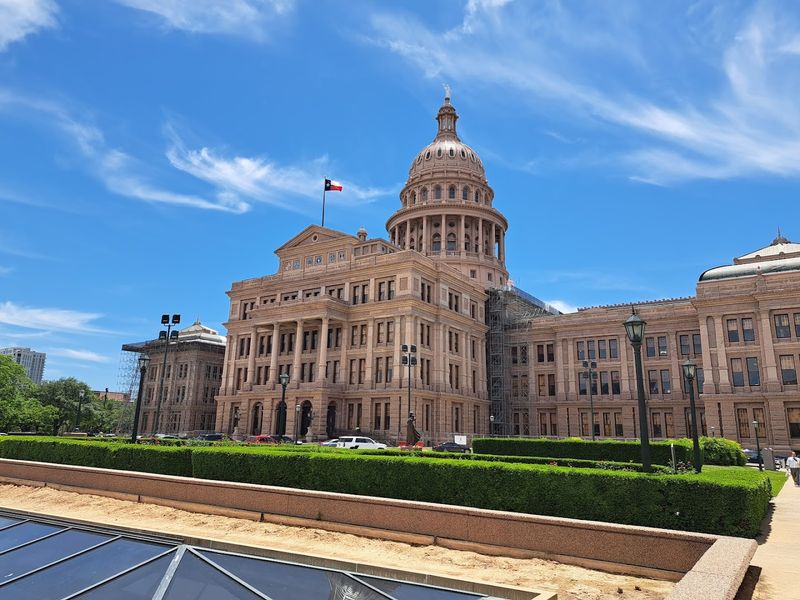
Most visitors to the Texas State Capitol snap photos of the pink granite dome and call it a day. What they don’t realize is that beneath their feet lies a massive underground extension that adds 667,000 square feet of space to the complex. Built in the 1990s, this subterranean addition wasn’t just about creating extra office space—it was designed to preserve the historic building above while modernizing government operations below ground.
The extension tunnels four stories deep into the Austin limestone. Workers discovered prehistoric fossils during construction, including ancient sea creatures that once swam over Texas millions of years ago. These discoveries reminded everyone that Austin sits on what used to be an ancient ocean floor, adding an unexpected layer to the Capitol’s story.
Getting approval for this project took years of debate. Preservationists worried about damaging the 1888 building, while others argued Texas needed modern facilities. The solution?
Go down instead of out. Architects created an underground rotunda that mirrors the one above, connecting old and new through a symbolic design.
Tours rarely venture into these lower levels, keeping most of the extension off-limits to casual visitors. Security concerns and ongoing government work mean the tunnels remain mysterious to outsiders. Staff members who work down there report the temperature stays constant year-round, and the acoustics create strange echoes in certain hallways.
The construction cost exceeded $75 million, making it one of the most expensive renovation projects in state history. Yet most Texans have no idea it exists. Walking across the Capitol grounds, you’d never guess that offices, hearing rooms, and storage facilities sprawl beneath the lawn where tourists pose for pictures.
2. Jacob’s Well Natural Area
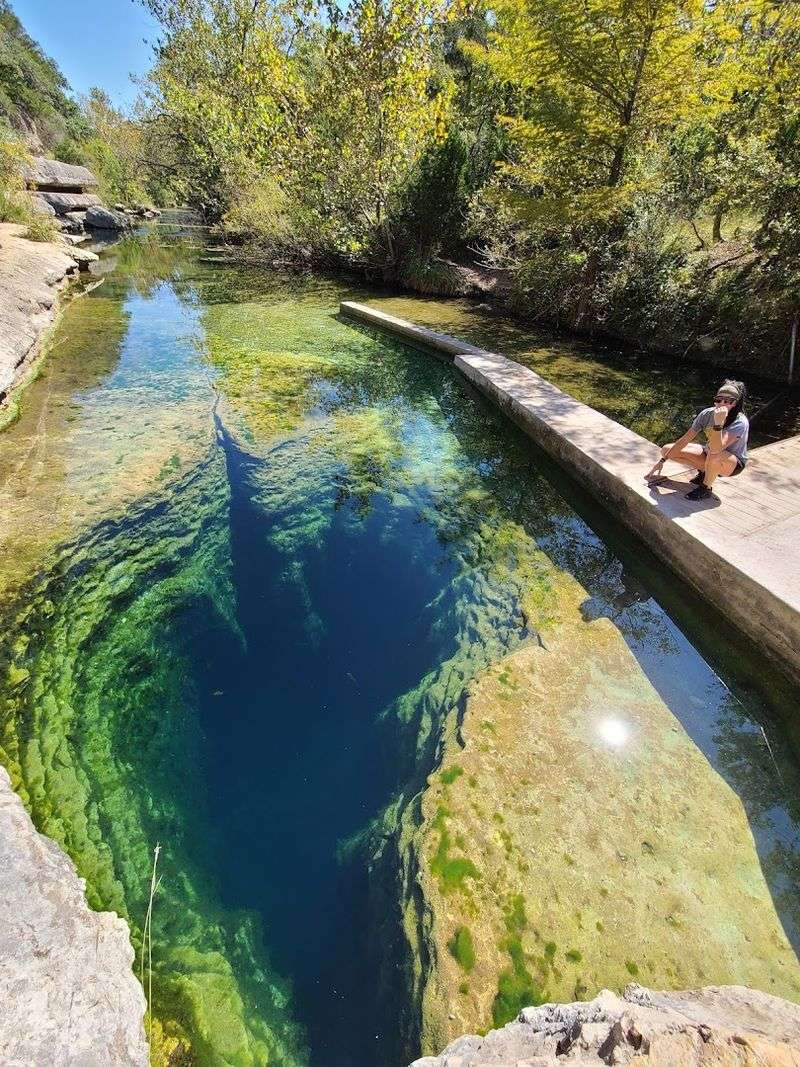
Picture a seemingly bottomless hole in the ground that’s been swallowing swimmers for decades. Jacob’s Well looks innocent enough from the surface—just a tranquil swimming hole fed by an underground spring. But beneath that calm water lies one of the most dangerous cave systems in Texas, with passages that have claimed the lives of at least eight divers who ventured too deep.
The well pumps out thousands of gallons of water per minute from the Trinity Aquifer. During droughts, though, it sometimes stops flowing completely, which Native Americans once interpreted as a bad omen. These dry spells reveal just how fragile the aquifer system is and how much Central Texas depends on this underground water source.
Divers who’ve mapped the cave system describe four distinct chambers, each more treacherous than the last. The fourth chamber sits about 140 feet down and requires squeezing through narrow passages in complete darkness. Silt gets stirred up easily, turning the crystal-clear water into an impenetrable cloud that disorients even experienced cave divers.
Local legends add to the well’s mystique. Some claim it’s truly bottomless, while others swear they’ve seen strange lights or shadows moving in the depths. The Hays County Parks Department now restricts diving to certified cave divers only, but that hasn’t stopped the rumors from multiplying.
The surrounding natural area opened to the public in 2010 after years as private property. Reservations fill up fast during summer, with families eager to swim in the 68-degree water. Most visitors never learn about the deadly caves below, content to splash in the shallow areas where sunlight still penetrates.
The well keeps its darkest secrets hidden from those who don’t venture down.
3. Cathedral of Junk
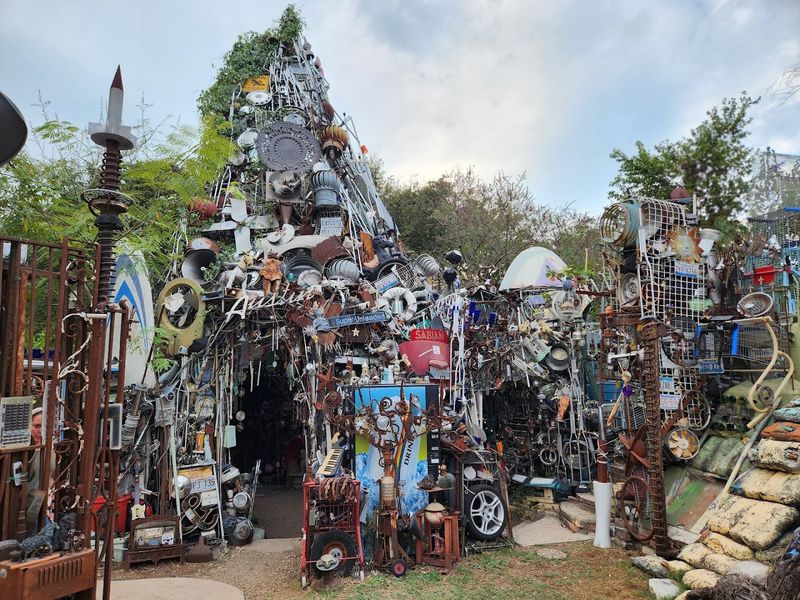
Vince Hannemann started collecting junk in his South Austin backyard in 1989, and he never stopped. What began as a simple art project evolved into a towering three-story structure built entirely from discarded objects—bicycles, hubcaps, circuit boards, toys, tools, and thousands of other items people threw away. The Cathedral now weighs over 60 tons and rises more than 30 feet into the air.
Calling it a cathedral isn’t just poetic license. The structure features archways, chambers, and throne-like seats that give it a genuinely spiritual feeling. Visitors who climb through the narrow passages often describe it as meditative, despite being surrounded by literal garbage.
Hannemann arranged everything with surprising precision, creating patterns and color schemes from chaos.
The Cathedral nearly met its end in 2010 when the city declared it a safety hazard. Neighbors had complained, and code enforcement showed up with demolition orders. The Austin art community rallied behind Hannemann, raising funds and volunteer labor to reinforce the structure and bring it up to code.
Engineers certified it safe, and the Cathedral survived.
Getting inside feels like entering a mechanical cave. Sunlight filters through gaps between objects, creating shifting shadows throughout the day. Every surface tells a story—old license plates, vintage signs, broken instruments, computer parts from the 1980s.
Hannemann can recall where most items came from and why he placed them in specific spots.
Tours happen by appointment only, keeping the experience intimate and preventing the backyard from getting overwhelmed. Hannemann still lives on the property and continues adding to his creation. The Cathedral represents Austin’s weird spirit better than any official landmark, proving that one person’s trash really can become another person’s sacred space.
4. Marfa Lights Viewing Area
Unexplained lights have been dancing across the desert near Marfa since the 1880s, and nobody can agree on what causes them. Cowboys first reported seeing strange glowing orbs that appeared, split apart, changed colors, and vanished without explanation. More than a century later, the lights still show up regularly, defying every scientific explanation thrown at them.
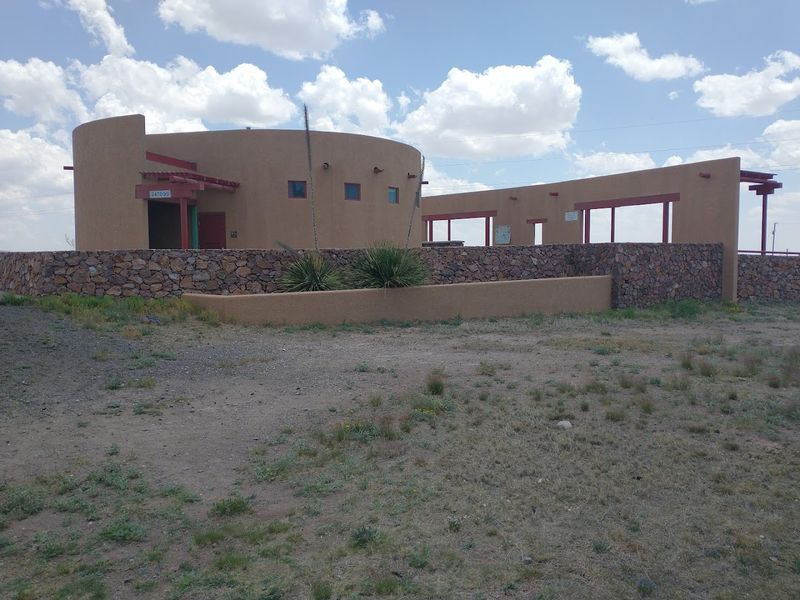
The state of Texas built an official viewing area along Highway 90, complete with parking, restrooms, and informational plaques. On clear nights, dozens of people gather with cameras and binoculars, hoping to witness the phenomenon. Some nights deliver spectacular shows with multiple lights performing for hours.
Other nights, nothing appears at all, leaving disappointed tourists wondering if the whole thing is a hoax.
Scientists have proposed everything from atmospheric reflections to piezoelectric effects in the rocks to swamp gas. Skeptics insist the lights are just car headlights from distant highways, though that doesn’t explain sightings from before automobiles existed. Believers point to Native American legends that mention the lights, suggesting they’ve been around for centuries.
The lights behave in ways that seem almost intelligent. They dodge when people try to approach them and appear to respond to observers. Photographers struggle to capture them clearly—they show up in some images but not others taken seconds apart.
This inconsistency only deepens the mystery.
Marfa embraced its weird reputation, turning the lights into a tourist draw that supports the tiny town’s economy. Local businesses sell light-themed merchandise, and the annual Marfa Lights Festival celebrates the phenomenon. Whether you believe in paranormal activity or natural explanations, standing in the desert watching unexplained lights float across the horizon delivers an experience you won’t forget.
The mystery remains unsolved, exactly the way Marfa likes it.
5. The Munster Mansion
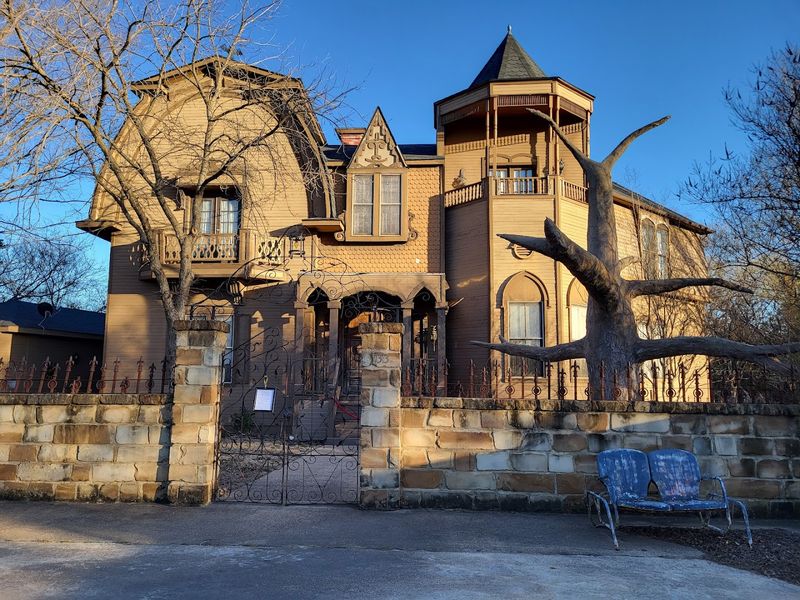
A perfectly recreated version of the Munster family home sits in Waxahachie, looking like it was transported directly from the 1960s television set. Sandra and Charles McKee spent years building this replica of 1313 Mockingbird Lane, obsessively matching every detail from the classic sitcom. The result is so accurate that even cast members from the original show have visited and felt like they’d stepped back in time.
The McKees didn’t just copy the exterior. Inside, they recreated Herman and Lily’s bedroom, Grandpa’s laboratory, and the iconic living room complete with the bat-wing chair and dragon-head staircase. Props, furniture, and decorations mirror what appeared on screen, sourced from auctions, custom builders, and their own craftsmanship.
Walking through feels like being inside your television.
What makes this story strange is why they built it. The McKees weren’t hired by a studio or commissioned by a museum. They simply loved The Munsters so much that they decided to construct a full-scale replica as their actual home.
Most people hang posters of their favorite shows; the McKees built a 5,800-square-foot monument to theirs.
The mansion has become an unexpected tourist attraction, though the McKees maintain strict control over visits. They occasionally open for tours, charity events, and filming projects. The house appeared in Rob Zombie’s Munsters movie, bringing the replica full circle—a copy of a TV set becoming a real filming location.
Neighbors initially thought the project was bizarre, watching this Gothic Victorian mansion rise in their suburban Texas neighborhood. Now it’s a source of local pride and curiosity. The McKees continue adding authentic details, hunting for screen-accurate props and making improvements.
Their dedication transformed a television memory into a physical landmark that proves some fans will go to any length to honor what they love.
6. The Houston Cistern
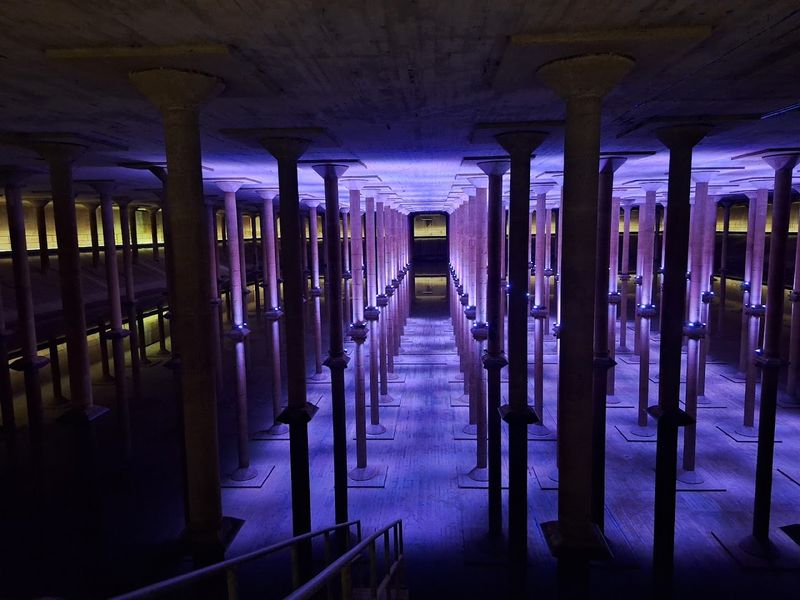
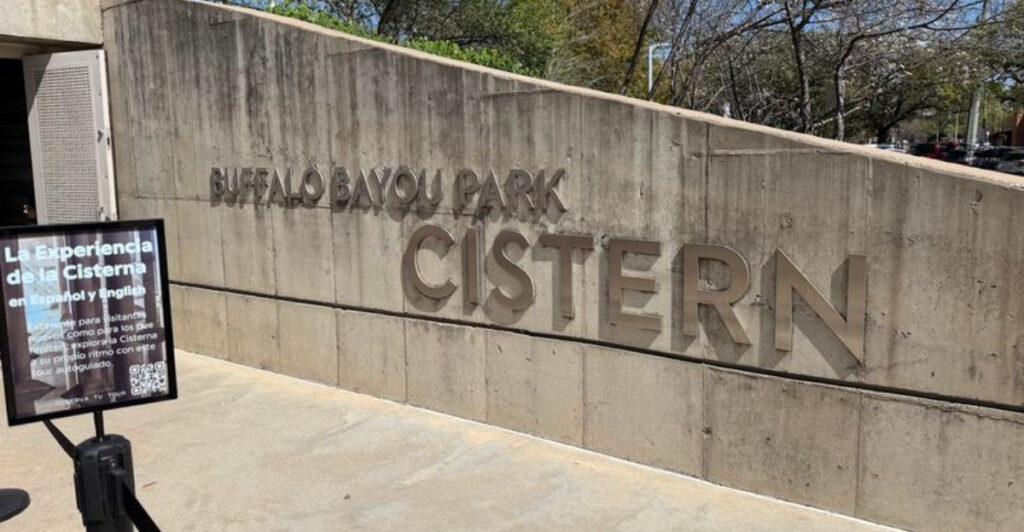
Beneath Buffalo Bayou Park in Houston sits a forgotten concrete cathedral that held the city’s drinking water for decades. Built in 1926, this underground cistern stretches 87,500 square feet and features 221 concrete columns supporting a roof that once held 15 million gallons of water. The city abandoned it in 2007 after discovering an irreparable leak, and it sat empty and locked for years while officials debated what to do with it.
Nobody could visit this space for most of its existence. Workers who maintained it described an eerie, cathedral-like atmosphere with water dripping from the ceiling and echoes bouncing between columns. When the cistern was finally drained for inspection, engineers discovered the leak had eroded some columns, creating strange sculptural shapes that looked intentionally artistic.
Rather than demolish this accidental masterpiece, Buffalo Bayou Partnership transformed it into a public art space. They installed lighting, created walkways, and preserved the mysterious atmosphere. The first art installation projected images onto the columns, turning the industrial space into an immersive experience.
Visitors now walk through on elevated platforms, their footsteps echoing through the cavernous space.
The temperature inside stays cool and constant year-round, making summer visits particularly refreshing. A thin layer of water covers the floor, reflecting the columns and creating an infinite mirror effect that photographers love. The space feels both ancient and futuristic, like discovering ruins from a civilization that worshiped geometry.
Tours book up quickly despite the cistern’s hidden location and limited hours. Something about the space captivates people—maybe the scale, maybe the history, or maybe just the strangeness of standing in a place that provided water to millions but remained invisible to them. Houston accidentally created one of its most compelling attractions by simply preserving what was already there.
7. Old Alton Bridge (Goatman’s Bridge)
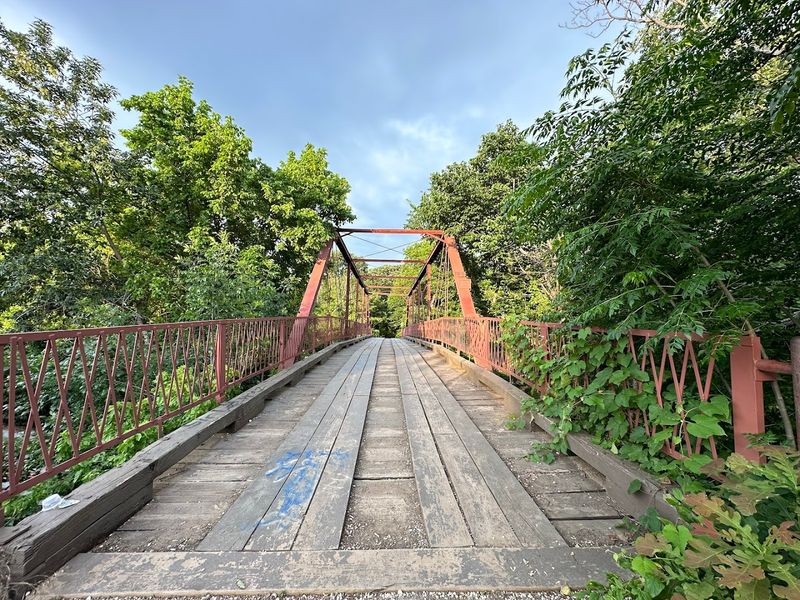
An iron bridge built in 1884 crosses Hickory Creek in Denton County, and locals refuse to visit it after dark. Old Alton Bridge earned the nickname Goatman’s Bridge through a legend so disturbing that paranormal investigators consider it one of America’s most haunted spots. The story involves a Black goat farmer named Oscar Washburn who lived nearby in the 1930s and displayed a sign reading “This Way to the Goatman.”
According to legend, Washburn’s success bred jealousy among locals. One night, Klansmen dragged him from his home, brought him to the bridge, and lynched him from the trusses. When they looked over the edge, his body had vanished.
The mob then murdered his family, but Washburn’s spirit allegedly remained, transformed into a vengeful half-man, half-goat creature that haunts the bridge.
Visitors report bizarre experiences—strange sounds, mysterious lights, feelings of being watched or touched by invisible hands. Some claim their car engines die on the bridge and won’t restart until they push the vehicle off. Others photograph unexplained mists and shadows that shouldn’t exist in the images.
Skeptics dismiss these as pranks and overactive imaginations, but the reports keep coming.
The bridge itself is genuinely creepy regardless of supernatural beliefs. Abandoned in 2001 when a modern crossing was built nearby, it sits isolated in the woods, accessible only by a dirt road. Graffiti covers the wooden planks, and the iron trusses creak ominously in the wind.
During the day, it’s merely atmospheric; at night, even skeptics feel uneasy.
Ghost tours now include the bridge on their routes, and paranormal television shows have filmed there multiple times. The Denton County area embraces the legend while acknowledging its racist origins, using it as a teaching moment about historical injustices. Whether you believe in the Goatman or not, the bridge stands as a reminder of dark chapters in Texas history.
8. The Menger Hotel
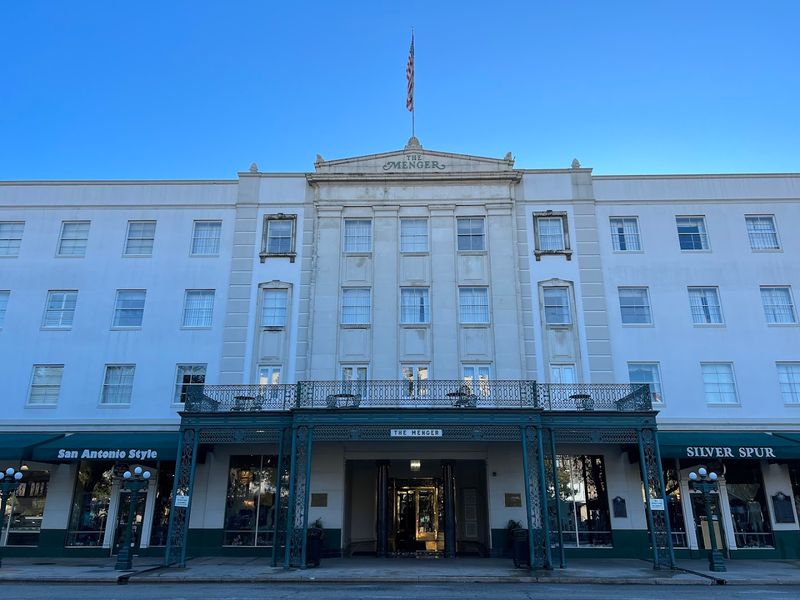
San Antonio’s Menger Hotel opened in 1859 and has been collecting ghost stories ever since. Built right next to the Alamo, this Victorian landmark has hosted presidents, generals, and celebrities—along with a reported 32 different spirits who never checked out. Staff members casually mention the ghosts like they’re discussing regular guests, and housekeeping has learned which rooms require extra attention due to paranormal activity.
The most famous ghost is Sallie White, a chambermaid murdered by her husband in 1876. Guests in her former work area report beds being made by invisible hands, towels folded when they weren’t before, and a woman in period clothing appearing briefly before vanishing. Unlike many ghost stories, the Menger keeps detailed records of Sallie’s employment and death, grounding the legend in documented history.
Teddy Roosevelt recruited his Rough Riders at the Menger Bar in 1898, and some say his spirit still enjoys drinks there. People have photographed a man in period military attire sitting at the bar, only to find the seat empty when they look with their own eyes. The bar itself is a replica of a London pub, adding to the old-world atmosphere where past and present seem to blur.
Room 636 generates the most paranormal reports. Guests describe waking to see a man standing at the foot of their bed, only for him to dissolve into nothing. Others hear children laughing in empty hallways or smell cigar smoke in non-smoking areas.
The hotel doesn’t advertise these occurrences but doesn’t deny them either, letting the reputation grow organically.
Ghost tours stop at the Menger nightly, with guides sharing stories outside the building. Inside, business continues as usual, with the staff treating supernatural encounters as part of the job. The hotel’s longevity and proximity to the Alamo create a perfect storm for paranormal believers, making it impossible to separate history from haunting.
9. Hotel Galvez
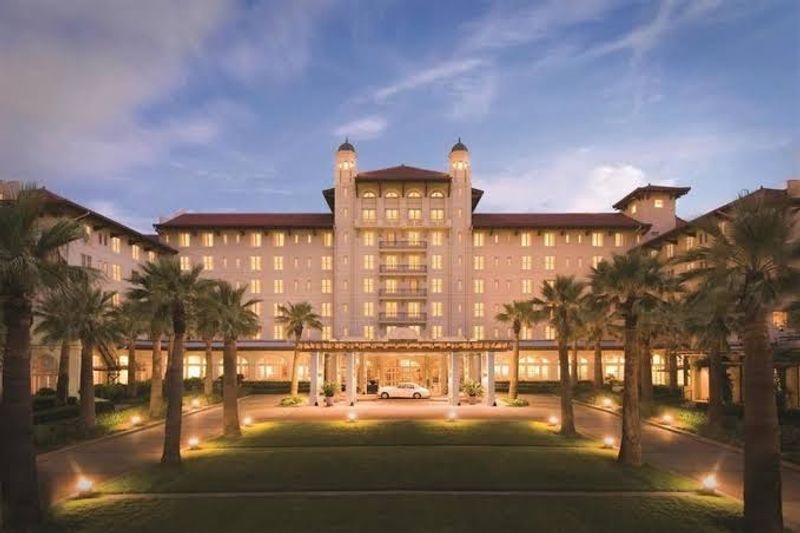
Galveston’s grand Hotel Galvez opened in 1911 as a symbol of the island’s recovery after the devastating 1900 hurricane. This luxurious beachfront resort attracted wealthy guests seeking seaside elegance, but it also became home to one of Texas’s most tragic ghost stories. The legend centers on a young woman who checked in to wait for her fiancé, a sailor who promised to return from sea.
According to staff and guests, the woman waited in room 501, watching the ocean daily for her lover’s ship. When word came that his vessel had sunk, she couldn’t bear the grief and hung herself in the room. Shortly after, her fiancé arrived alive—his ship had been delayed, not destroyed.
The miscommunication cost them both their futures, and her spirit allegedly never left the hotel.
Room 501 experiences more maintenance issues than any other in the building. Lights flicker, toilets flush on their own, and guests report feeling watched or sensing an overwhelming sadness. Some have seen a woman in vintage clothing standing near the window, always staring at the Gulf.
Housekeepers request not to work that room alone, though management doesn’t officially acknowledge why.
The hotel’s fifth floor generates numerous paranormal reports beyond room 501. Guests hear footsteps in empty hallways, doors open and close without explanation, and elevators stop on the fifth floor even when nobody pressed the button. Paranormal investigators have recorded unexplained electromagnetic readings and temperature drops throughout the area.
Despite—or perhaps because of—its haunted reputation, Hotel Galvez remains one of Galveston’s premier destinations. The hotel underwent extensive renovations but preserved its historic character, ghosts included. Modern guests enjoy luxury amenities while potentially sharing the space with residents from another era.
The tragic love story adds romantic melancholy to the elegant surroundings, making the hotel memorable for reasons beyond its architecture and ocean views.
Share this story