Texas hides some of its best secrets in places most people zoom right past on the highway. These small towns pack more character, charm, and unexpected adventures than many big cities could ever dream of. From dinosaur valleys to pie capitals and artistic desert outposts, these nine spots prove that the Lone Star State’s coolest experiences often come in the smallest packages.
1. Marathon
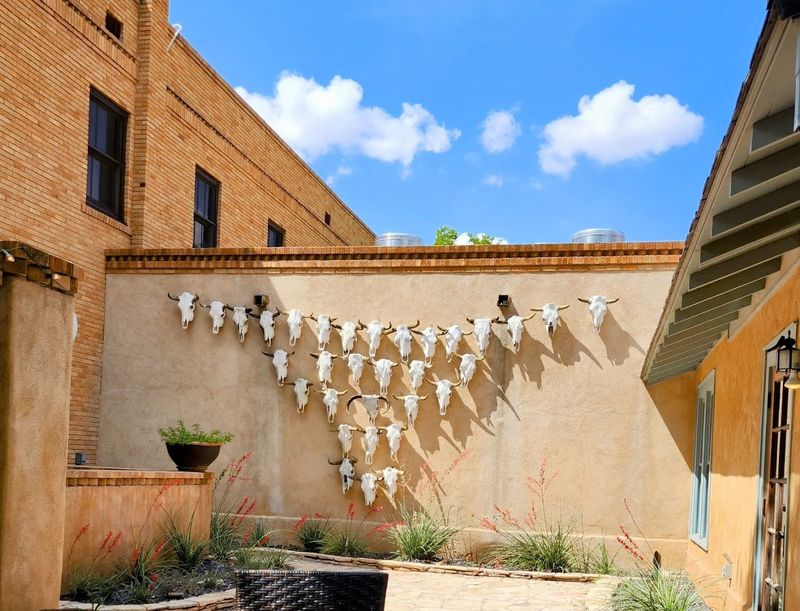
Out in the vast stretches of West Texas, Marathon sits like a mirage that turned real. Population hovers around 400 souls, but this tiny spot draws visitors from across the globe who come seeking something most cities can’t offer: absolute silence broken only by wind and the occasional rumble of a distant train. The town earned its name when a sea captain passing through remarked that the landscape reminded him of Marathon, Greece.
The Gage Hotel anchors downtown with its thick adobe walls and Southwest elegance that feels both rustic and refined. Built in 1927, it started as a place for ranchers to conduct business and has evolved into a destination where you can sip margaritas under sprawling Texas stars. The attached White Buffalo Bar serves up cold drinks and even colder air conditioning when summer temperatures climb past reasonable.
Marathon serves as the gateway to Big Bend National Park, sitting just 40 miles north of one of America’s least-crowded national treasures. Artists have claimed this town as their own, filling galleries with paintings, pottery, and sculptures inspired by the dramatic desert surroundings. You’ll find working studios tucked into old storefronts where creators actually live and work, not just sell mass-produced souvenirs.
The night sky here competes with anywhere on Earth for stargazing supremacy. Zero light pollution means the Milky Way stretches overhead like a glowing river, and shooting stars streak past with surprising regularity. Local restaurants keep things simple but satisfying, with hearty portions that fuel the next day’s adventures into canyons and mountains.
Marathon doesn’t try to be anything other than what it is: a genuine slice of Far West Texas where the land still dictates the pace of life. Cell service gets spotty, which most visitors consider a feature rather than a bug. This town rewards those willing to slow down, look around, and appreciate landscapes that haven’t changed much since dinosaurs roamed these same rocky hills millions of years back.
2. Hico
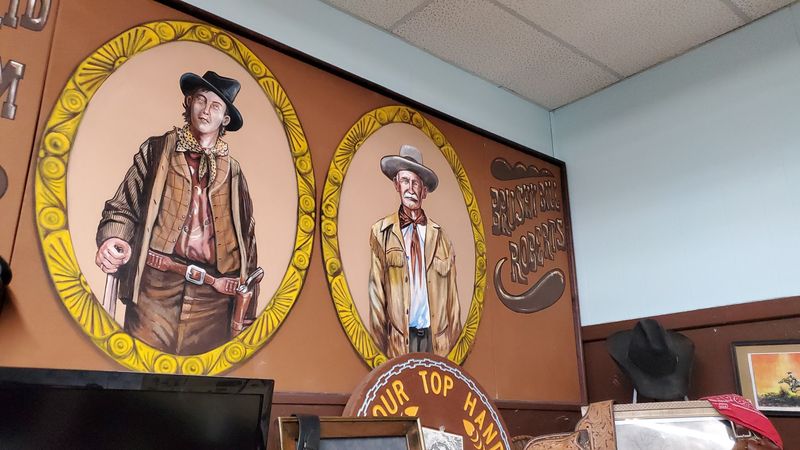
Billy the Kid might have died in New Mexico, or he might have lived out his days running a corner store in Hico. The town embraces this delicious controversy with a museum dedicated to the outlaw, presenting evidence that he faked his death and settled here under the name Brushy Bill Roberts. Whether you buy the story or not, the mystery adds a layer of intrigue to this Hamilton County gem of about 1,300 residents.
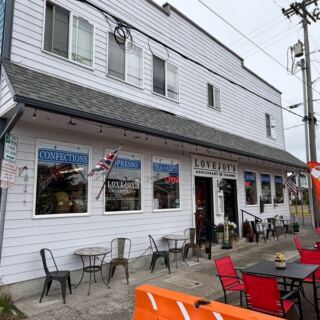
Downtown Hico feels like stepping onto a movie set designed to capture small-town Texas at its most authentic. Two-story brick buildings line the main drag, housing antique shops that actually contain treasures worth hunting through, not just overpriced junk. The Wiseman House Chocolates occupies a beautifully restored Victorian home and cranks out handmade confections that have earned a cult following across the state.
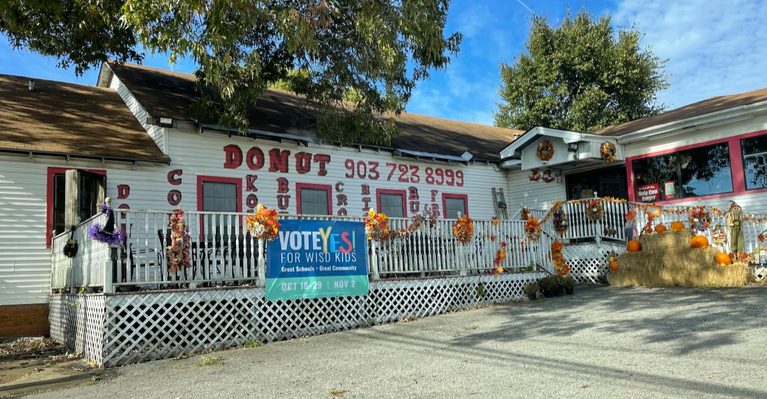
Koffee Kup Family Restaurant has anchored the town’s dining scene since 1967, serving breakfast all day to locals and travelers who’ve learned that the biscuits and gravy here set the standard. The walls display local history in photographs and memorabilia, turning every meal into a mini-museum experience. Portions run large, prices stay reasonable, and the coffee flows endlessly.
Hico’s Blue Star Trading company transforms an old mercantile building into a browsing paradise filled with vintage Western wear, handcrafted leather goods, and home decor that ranges from rustic to refined. The owners clearly curate with care rather than just cramming shelves with random merchandise. You’ll find items here that spark conversations and become favorite pieces rather than dust collectors.
The town celebrates its heritage without getting stuck in the past, hosting events like the annual Billy the Kid Festival that draws crowds for live music, street vendors, and plenty of Old West fun. Surrounding countryside offers beautiful drives through rolling hills dotted with cattle and old homesteads. Hico proves that towns don’t need theme parks or manufactured attractions when they’ve preserved genuine character and welcomed visitors with authentic Texas hospitality that never feels forced or phony.
3. West
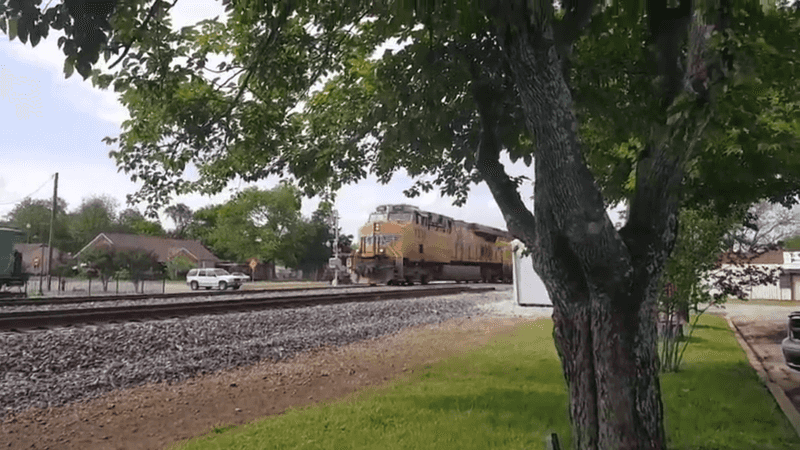
Czech heritage runs through West’s veins like butter through kolache dough. This McLennan County town of roughly 2,800 people sits along Interstate 35 between Dallas and Austin, making it a perfect pit stop that too many travelers speed past without realizing what they’re missing. The aroma of fresh-baked pastries hits you the moment you step out of your car near any of the local bakeries.
Kolaches reign supreme here, and locals debate which bakery makes the best version with the passion usually reserved for barbecue joints. These Czech pastries come filled with fruit, cream cheese, or savory options like sausage and jalapeño that have become Texas classics. Village Bakery, Czech Stop, and Gerik’s Ole Czech Bakery each have devoted followers who swear their choice produces perfection in pastry form.
The town square features a stunning courthouse that somehow survived a devastating 2013 fertilizer plant explosion that shook the entire community. West rebuilt with remarkable resilience, and visiting now means supporting a town that refused to disappear. Walking the downtown blocks reveals murals celebrating Czech culture, shops selling imported goods from the old country, and restaurants serving schnitzel alongside chicken-fried steak.
Westfest takes over Labor Day weekend each year, transforming the town into a massive Czech celebration with polka bands, folk dancers in traditional costumes, and enough kolaches to feed a small army. Carnival rides, craft booths, and beer gardens create a festival atmosphere that attracts over 20,000 visitors annually. The event showcases heritage without becoming a cheesy tourist trap, maintaining authentic traditions that local families have practiced for generations.
Beyond pastries, West offers a glimpse into small-town Texas life where Friday night football matters, everyone knows their neighbors, and newcomers get welcomed rather than viewed with suspicion. Antique shops, a local museum, and several parks provide reasons to linger beyond bakery runs. The town’s location makes it easy to visit, but the genuine warmth and outstanding food make it impossible to forget once you’ve experienced what this Czech-Texan community offers to anyone willing to exit the highway.
4. Alpine
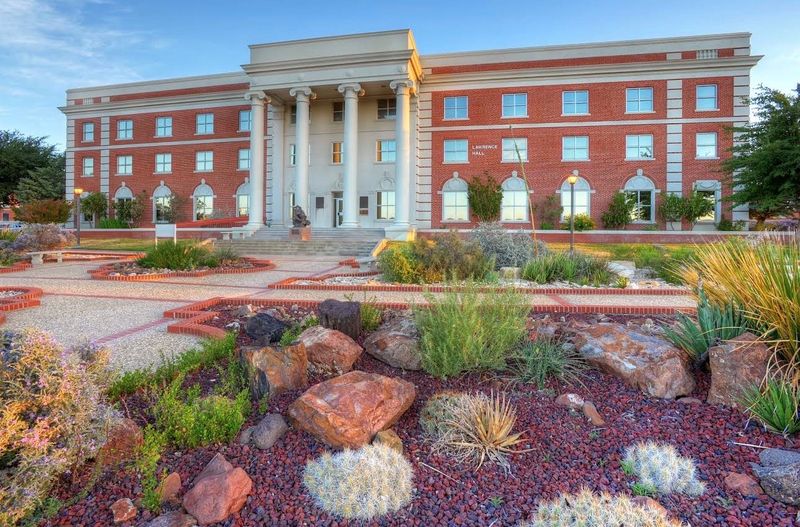
Mountains rise around Alpine in a way that surprises people who think Texas means nothing but flat plains and tumbleweeds. Sitting at 4,500 feet elevation in the Davis Mountains, this Brewster County seat of about 6,000 residents enjoys cooler temperatures than most of Texas and attracts artists, professors, ranchers, and adventurers who appreciate elbow room. Sul Ross State University brings youthful energy and cultural offerings you wouldn’t expect in such a remote location.
The town square buzzes with activity unusual for such a small population, thanks to excellent restaurants, galleries, and shops that cater to locals and the steady stream of visitors heading to Big Bend. Reata serves upscale cowboy cuisine in a historic building, while Murphy Street Raspa Company scoops shaved ice that provides sweet relief from desert heat. Railroad Blues follows the proud West Texas tradition of unexpected culinary excellence in unlikely locations.
Art galleries cluster downtown, showcasing works inspired by the dramatic landscapes that surround Alpine on all sides. Many artists maintain studios here, drawn by the quality of light, the affordable cost of living, and a community that values creativity. The Museum of the Big Bend on the Sul Ross campus houses collections covering regional history, from ancient indigenous cultures through the ranching era to modern times.
McDonald Observatory sits about 20 miles northwest, perched atop Mount Locke where some of the world’s most powerful telescopes scan the heavens. The facility offers star parties that let visitors peer through research-grade equipment at galaxies, nebulae, and planets with stunning clarity. Alpine’s dark skies mean you don’t even need a telescope to see thousands of stars invisible from light-polluted cities.
Annual events like the Texas Cowboy Poetry Gathering celebrate ranching culture through verse, music, and storytelling that preserve traditions stretching back generations. The gathering attracts genuine working cowboys alongside enthusiasts, creating an authentic experience rather than a staged performance. Alpine manages to be both a college town and a ranching community, blending education with tradition in ways that create a unique character you won’t find replicated anywhere else across the vast expanse of Texas.
5. Glen Rose
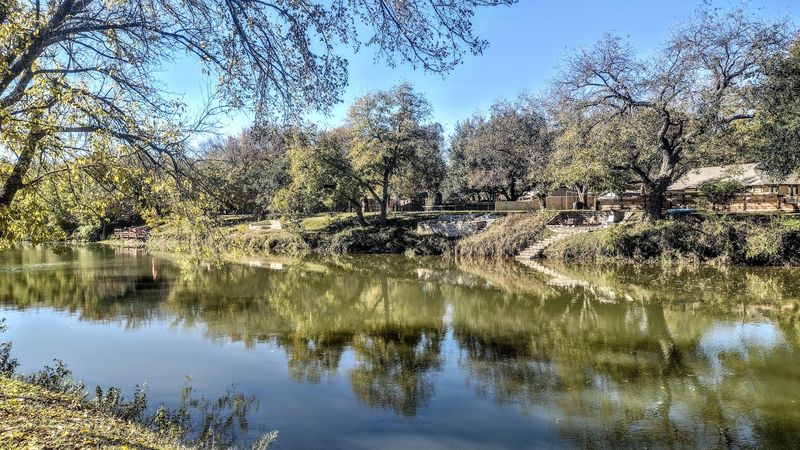
Dinosaurs left their footprints in Glen Rose millions of years ago, and those ancient tracks now draw families to this Somervell County town of about 2,500 people. Dinosaur Valley State Park preserves some of the best-preserved dinosaur tracks in the world, pressed into limestone riverbeds when massive creatures walked through mud that eventually turned to stone. Kids lose their minds when they realize they’re stepping where actual dinosaurs once roamed.
The Paluxy River flows clear and cool through town, creating natural swimming holes that provide relief during scorching Texas summers. Families spread blankets along the banks, wade in shallow sections, and hunt for fossils in rocks that constantly reveal new treasures. The river attracts tubers who float lazy miles through scenic countryside, stopping occasionally to explore side channels or cool off in deeper pools.
Downtown Glen Rose maintains its historic courthouse square surrounded by shops selling fossils, gemstones, and dinosaur-themed everything imaginable. Surprisingly good restaurants serve up more than you’d expect from such a small town, with options ranging from Texas barbecue to burgers to home-style cooking that tastes like Sunday dinner at grandma’s house. Several bed and breakfasts occupy lovingly restored Victorian homes that transport guests back to a gentler era.
Fossil Rim Wildlife Center sprawls across 1,800 acres just outside town, letting visitors drive through habitats where giraffes, zebras, and dozens of other species roam in spaces that mimic their natural environments. Animals approach car windows looking for food pellets, creating close encounters that thrill kids and adults equally. The center focuses on conservation and education, breeding endangered species and teaching visitors about wildlife preservation in ways that stick with them long after they leave.
Creation Evidence Museum presents a perspective on Earth’s history that differs dramatically from mainstream science, attracting visitors interested in alternative interpretations of fossil evidence. Whether you agree with their conclusions or not, the museum adds to Glen Rose’s identity as a place where ancient history sparks ongoing debates. The town embraces its prehistoric past while maintaining a laid-back present where stressed-out city dwellers can decompress beside rivers that have flowed through these hills since long before humans arrived to wonder at the giant footprints left behind.
6. Turkey
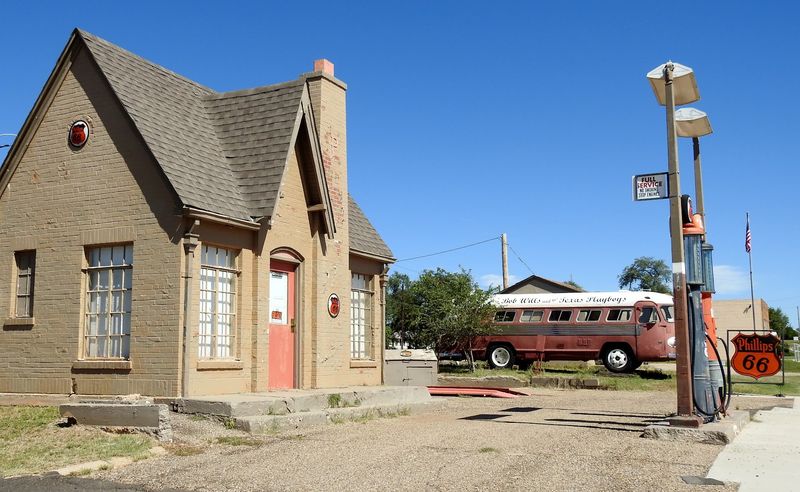
Bob Wills, the King of Western Swing, grew up in Turkey, and the town honors its most famous son with a museum and an annual festival that transforms this tiny Hall County community each April. Population barely cracks 400, but when Bob Wills Day arrives, thousands of fans descend to celebrate the music legend who blended country, jazz, and blues into a sound that defined an era. Live music fills the streets, and dancers kick up dust just like they did in Texas dance halls decades ago.
The Bob Wills Museum occupies several buildings downtown, displaying instruments, costumes, photographs, and memorabilia from Wills’ career with the Texas Playboys. Personal items and handwritten lyrics offer glimpses into the creative process of a musician who changed American music forever. Even visitors unfamiliar with Western Swing leave with appreciation for the artistry and influence Wills wielded from the 1930s through the 1970s.
Turkey sits in the Caprock region where the flat plains of the Panhandle meet dramatic canyon country. The landscape shifts suddenly from table-flat farmland to rugged breaks and canyons carved by ancient rivers. Caprock Canyons State Park lies just minutes away, offering hiking, camping, and the chance to spot the official Texas State Bison herd that roams the park’s grasslands.
Downtown Turkey feels frozen in time, with old storefronts that once served cotton farmers and ranchers now standing mostly empty except during festival weekends. A handful of businesses keep the town alive, including a cafe that serves breakfast and lunch to locals who gather to discuss weather, crops, and whoever might be passing through. The lack of commercial development means Turkey retains authentic character that more touristy towns have long since lost.
Hotel Turkey offers overnight accommodations in a restored historic building, providing a base for exploring the surrounding area or simply experiencing the profound quiet of rural Panhandle life. Stars blaze overhead at night with an intensity city dwellers never witness, and sunrises paint the eastern sky in colors that shift and change minute by minute. Turkey won’t overwhelm you with attractions or activities, but it offers something increasingly rare: a genuine small Texas town where heritage gets preserved, music gets celebrated, and visitors get treated like neighbors rather than tourists passing through on their way to somewhere supposedly more important.
7. Ennis
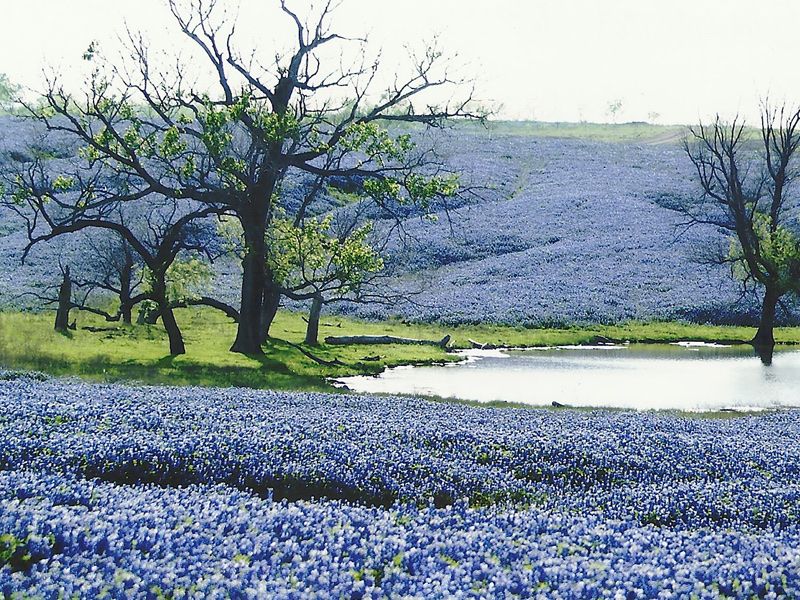
Springtime transforms Ennis into the Bluebonnet Capital of Texas, when millions of the state flower carpet fields surrounding this Ellis County city of about 20,000 people. The Ennis Bluebonnet Trails guide visitors along 40 miles of mapped routes through the most spectacular displays, where entire pastures turn purple-blue in waves that stretch to the horizon. Photographers arrive by the carload, and families pose among the flowers in a Texas tradition as reliable as the seasons themselves.
Czech and Slovak immigrants settled Ennis in the 1800s, and their influence remains visible in the town’s architecture, festivals, and food. The National Polka Festival takes over Memorial Day weekend with three days of music, dancing, traditional costumes, and enough kolaches to satisfy even the most demanding pastry enthusiast. Authentic Czech restaurants serve old-world recipes passed down through generations, maintaining culinary traditions that connect modern Ennis to its European roots.
Downtown Ennis showcases over 20 outdoor murals that transform ordinary building walls into canvases celebrating local history, culture, and heritage. The murals range from realistic historical scenes to artistic interpretations of Czech traditions, creating an outdoor gallery that gives visitors reasons to walk the streets and discover new details. Local artists and visiting muralists have collaborated to make Ennis one of Texas’s most colorful small cities.
Railroad history runs deep here, with the town originally developing as a rail hub that connected North Texas to markets beyond. The Depot Museum preserves this heritage in a restored train station filled with artifacts, photographs, and exhibits explaining how the railroad shaped the community’s growth. Train enthusiasts still gather to watch freight traffic that continues rolling through town on tracks that have carried commerce for over a century.
Ennis sits close enough to Dallas for an easy day trip but far enough to feel distinctly separate from big-city sprawl. The town maintains small-community character while offering amenities and attractions that punch above its weight class. Local shops sell everything from antiques to farm supplies, and restaurants range from classic Texas barbecue joints to family-owned cafes where regulars claim the same tables every morning.
Ennis proves that towns can grow and modernize without abandoning the traditions and heritage that give them identity worth preserving and sharing with visitors who appreciate authentic experiences over manufactured attractions.
8. Poteet
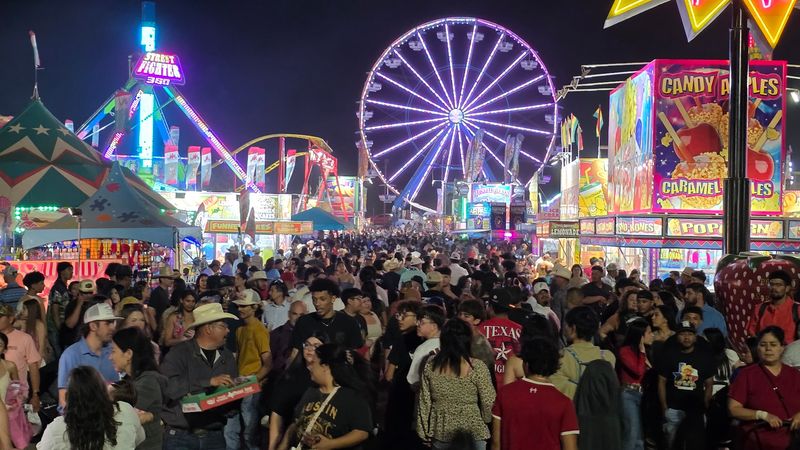
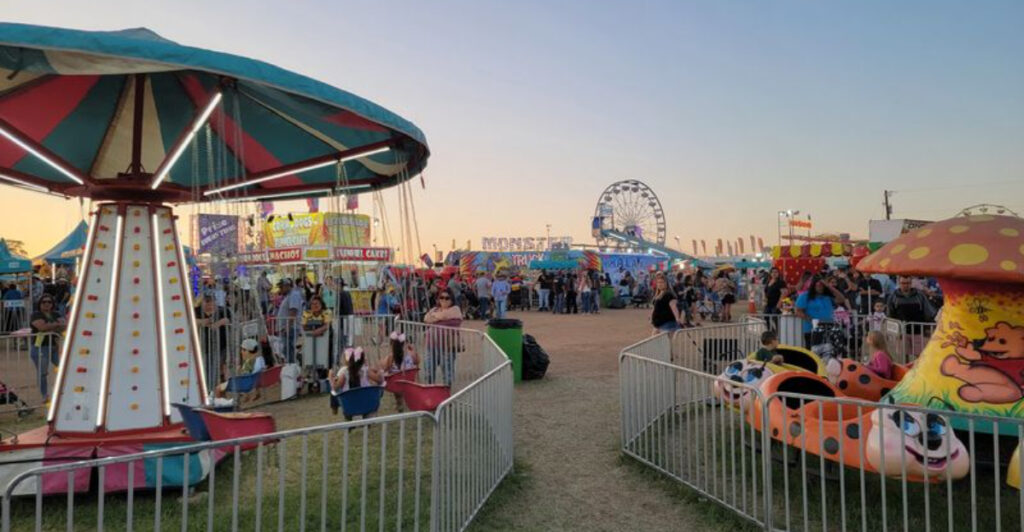
Strawberries made Poteet famous, and the town embraces its identity as the Strawberry Capital of Texas with enthusiasm that peaks each April during the Poteet Strawberry Festival. This Atascosa County community of roughly 3,500 people goes all-in on celebrating the sweet red berries that thrive in the sandy soil surrounding town. The festival attracts over 100,000 visitors who come for carnival rides, live music, rodeos, and every strawberry-based food creation imaginable, from shortcake to wine to salsa.
The festival began in 1948 as a small community gathering and has grown into one of the largest agricultural festivals in Texas. Vendors fill rows of booths selling strawberries by the flat, along with jams, jellies, and preserves made from the local harvest. Eating contests challenge participants to consume strawberry treats at speeds that seem physically impossible, while beauty pageants crown queens who’ll represent Poteet throughout the coming year.
Beyond strawberry season, Poteet maintains a quiet, agricultural character where farming and ranching still dominate the local economy. Roadside stands dot the highways approaching town, selling fresh produce depending on what’s in season, from tomatoes to peppers to melons. The stands operate on the honor system more often than not, with money boxes and scales letting customers help themselves while owners work fields nearby.
Downtown Poteet centers around a small business district where local shops serve residents rather than tourists. A handful of Mexican restaurants serve authentic South Texas cooking that reflects the region’s cultural blend, with breakfast tacos, enchiladas, and carne guisada that locals swear by and visitors discover with delight. Prices stay reasonable, portions run generous, and the welcome feels genuine rather than performed.
Poteet sits about 30 miles south of San Antonio, making it accessible for day trips while remaining distinctly separate from urban sprawl. The surrounding countryside features gently rolling terrain covered in mesquite, cactus, and grazing cattle that create classic South Texas scenery. Poteet won’t overwhelm you with attractions or demand multiple days of exploration, but it offers an authentic slice of small-town Texas life where agriculture matters, community bonds stay strong, and one crop’s annual harvest provides reason enough for a celebration that brings generations together to enjoy simple pleasures that never go out of style no matter how much the world changes around them.
9. Jefferson
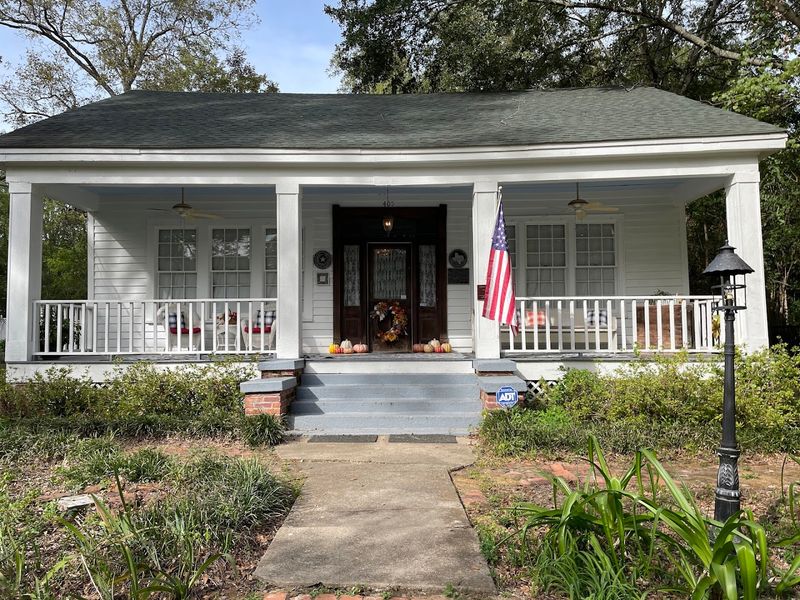
Steamboats once made Jefferson the second-busiest inland port in Texas, bringing wealth that built the Victorian mansions and elegant commercial buildings still standing along brick streets shaded by ancient trees. This Marion County town of about 2,000 people preserves more historic structures than almost anywhere else in Texas, creating an atmosphere where the 1800s feel more present than past. Spanish moss drapes from cypress trees along Big Cypress Bayou, adding Southern Gothic ambiance that makes Jefferson feel transported from deeper in the Old South.
The town’s historic district contains over 70 structures listed on the National Register, ranging from grand homes to humble cottages to commercial buildings that once served the riverboat trade. Many operate as bed and breakfasts, letting visitors sleep in rooms where cotton merchants and riverboat captains once stayed. Ghost stories attach to several buildings, and Jefferson embraces its haunted reputation with tours that explore the supernatural tales alongside historical facts.
Antique shops pack downtown, offering everything from fine furniture to vintage jewelry to obscure collectibles that send serious hunters into browsing frenzies. Unlike many tourist-town antique districts filled with overpriced junk, Jefferson’s shops contain genuine treasures curated by owners who know their merchandise. You can spend hours wandering from store to store, discovering items that spark memories or fill collecting needs you didn’t know you had.
The Excelsior House Hotel has welcomed guests since 1858, making it one of Texas’s oldest continuously operating hotels. Presidents, generals, and celebrities have signed the guest register over the decades, and the hotel maintains period furnishings and décor that transport visitors backward in time. Dining in the restaurant feels like attending a dinner party in the Victorian era, with Southern cooking served in elegant surroundings.
Caddo Lake sits nearby, creating a vast wetland ecosystem unique in Texas with its cypress forests rising from shallow waters draped in moss. Paddling through the maze of channels and sloughs feels like entering a primeval wilderness unchanged since prehistoric times. Alligators sun on logs, wading birds stalk fish in the shallows, and the silence broken only by bird calls creates an otherworldly experience.
Jefferson combines history, shopping, dining, and natural beauty in ways that reward visitors who give the town more than a quick drive-through, revealing layers of character and charm that have survived and thrived long after the steamboat era ended.
Share this story