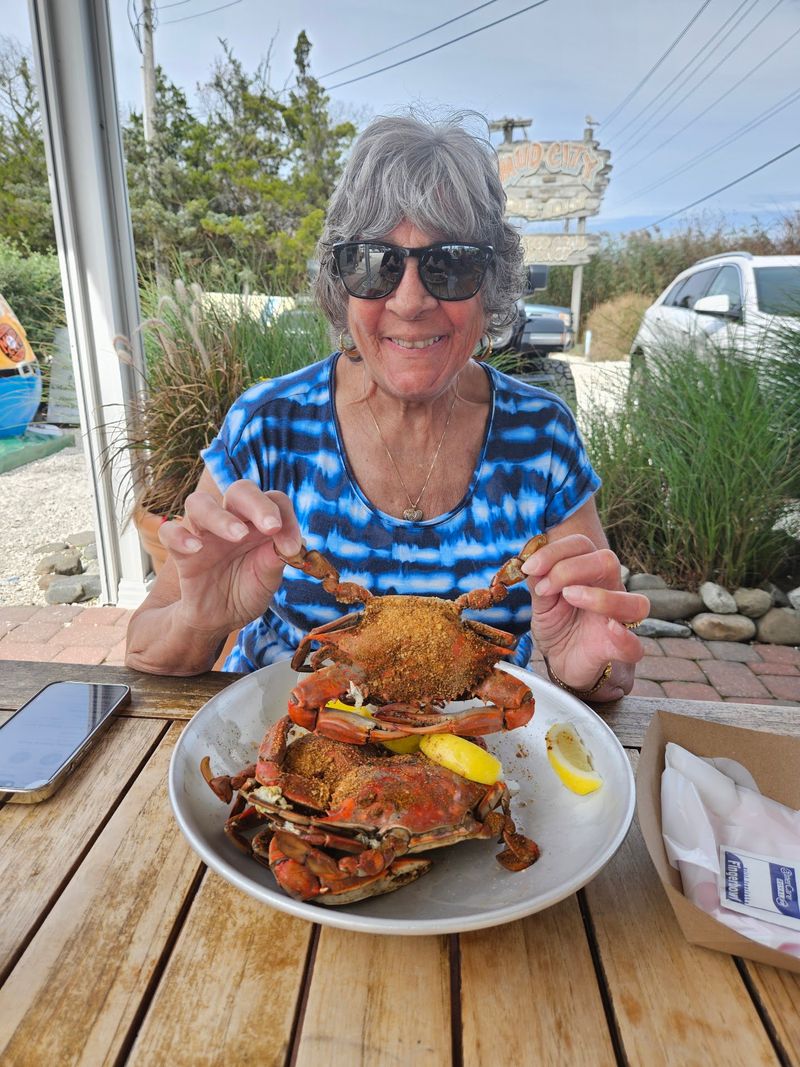
Wooden mallets start tapping just as the sun drops toward the marsh, and within minutes the paper-covered table is scattered with scarlet shells, seasoning, and the evidence of a very good decision.
This is dinner at The Crab House at Two Mile Landing, a sprawling waterfront favorite in Wildwood Crest where blue claw crabs are served by the pile and nobody expects you to keep your hands clean.
The restaurant sits beside Two Mile Landing Marina at the foot of the Cape May–Wildwood Crest toll bridge, close enough to the working waterfront that much of its seafood barely has time to miss the ocean. In fact, the restaurant catches most of the crabs it serves, sheds its own soft-shell crabs, and lands local fish, lobster, and conch.
Add outdoor decks, passing boats, nightly summer music, and cold Orange Crushes, and the result feels like Maryland crab-house tradition with an unmistakably South Jersey view.
The Crab House Brings a Maryland-Style Feast to Wildwood Crest
Few restaurants announce their purpose as clearly as one located at 1 Fish Dock Road. The Crab House occupies a prime piece of Two Mile Landing Marina near the southern end of Wildwood Crest, right where the barrier island begins giving way to tidal creeks, marshes, and the waterways leading toward Cape May.
Boats pull into the marina, gulls circle overhead, and seafood arrives in a setting that makes perfect sense for it. The property includes The Crab House as well as the neighboring 2 Mile Restaurant and Bar, but the Crab House is the more relaxed, roll-up-your-sleeves side of the operation.
It is built for steamed crabs, seafood baskets, frosty drinks, and groups that would rather watch the sunset than worry about formal table manners. The restaurant opens daily for lunch and dinner during its 2026 season, beginning service at 11:30 a.m.
That makes it just as practical for a midday seafood stop as it is for a long evening beside the marina. Its location is especially convenient for vacationers moving between Cape May and the Wildwoods.
The Cape May–Wildwood Crest toll bridge rises almost beside the property, so the restaurant is difficult to miss once you reach the southern edge of town. What separates it from a standard Shore seafood restaurant is the combination of scale and authenticity.
This is not a decorative crab theme applied to a conventional dining room. The marina, fishing operation, outdoor decks, paper-covered tables, and steady supply of shellfish all work together.
The experience lands somewhere between a Maryland crab feast, a South Jersey dockside bar, and the kind of family seafood outing that becomes part of an annual vacation routine.
Fresh Blue Claw Crabs Arrive Steamed Seasoned and Ready to Crack
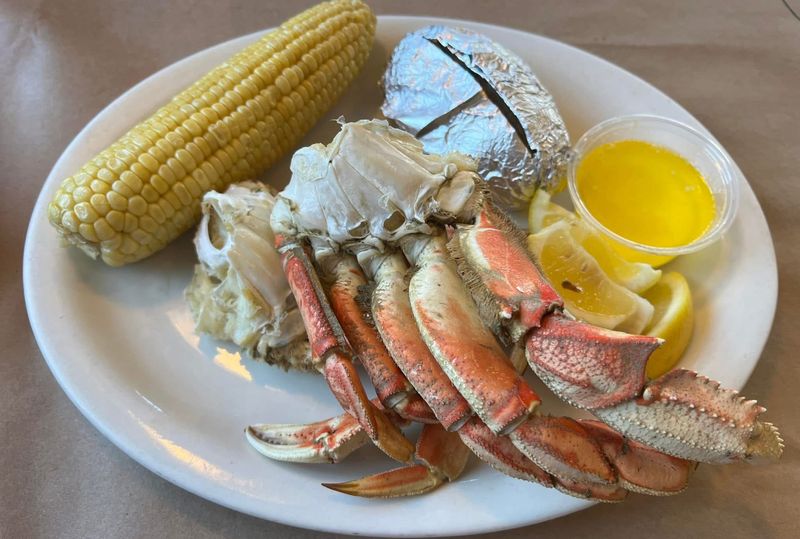
The main event reaches the table in a fragrant cloud of steam. Blue claw crabs come out hot, generously seasoned, and ready to be attacked with mallets, picks, and whatever technique each diner swears is best.
Cracking them takes effort, but that is half the pleasure. Remove the claws, lift the shell, clear away the inedible parts, and the body reveals chambers of sweet, delicate meat that reward a little persistence.
The Crab House can make a strong freshness claim because it catches most of the crabs served at Two Mile Landing. That direct connection to the water matters.
Blue crabs are at their best when handled carefully and steamed while fresh, preserving the clean sweetness and firm texture that can disappear after too much time in transit. Maryland may receive most of the attention for blue crab culture, but the tidal waters around Cape May County support a crab tradition of their own.
Here, the preparation follows the familiar Mid-Atlantic formula: plenty of seasoning, casual tables, cold drinks, and no embarrassment about making a glorious mess. Supplies and sizes naturally change with the season.
Blue crabs are a wild catch rather than identical pieces rolling off a production line, so one visit may bring especially heavy crabs while another delivers a mix of sizes. That variation is normal and gives each feast its own character.
The restaurant has also been known for all-you-can-eat local blue claw crab offerings, with availability and market pricing subject to change. However they are ordered, these crabs are not meant to be rushed.
The slow work keeps everyone at the table longer, gives conversation room to wander, and turns a seafood dinner into an activity. By the time the last shell is empty, the brown paper looks like a map of the entire evening.
The Restaurant Catches Most of the Crabs It Serves
Plenty of seafood restaurants use nautical décor to suggest a connection to the water. Two Mile Landing has the real thing.
The operation catches the majority of the crabs served at the restaurant, giving the kitchen unusual control over one of its most important ingredients. That arrangement shortens the distance between catch and table while allowing the staff to work with the natural rhythms of the local season.
The commitment goes beyond hard-shell blue claws. Two Mile Landing also sheds its own soft-shell crabs, carefully holding molting blue crabs until they leave their hard exterior behind.
Timing is everything because the new shell begins firming almost immediately. Catching that brief window produces a crab that can be cooked and eaten whole, delivering crisp edges, tender meat, and concentrated flavor without any cracking required.
The restaurant’s fishing operation also brings in local fish, lobster, and conch. Those catches give the menu a stronger sense of place than a generic collection of seafood shipped from around the world.
Availability may vary, but that is part of eating near a working waterfront. A changing catch is more interesting than a menu pretending every ingredient is equally abundant in every month.
Diners who want something beyond whole blue crabs can explore dishes such as Old Bay-steamed shrimp, freshly shucked oysters, crab cakes, seafood combinations, and fish preparations that change with supply.
Crab balls and creamy crab dip keep the theme going at the appetizer stage, while crab-topped fries offer a decidedly less traditional but highly effective use of lump meat.
The kitchen also serves familiar options for anyone who does not want to dismantle dinner, including fish tacos, seafood baskets, sandwiches, burgers, and pizza. Even so, the locally handled crabs remain the clearest expression of what makes the restaurant special.
The seafood does not simply fit the waterfront setting; it comes from it.
Soft-Shell Crabs and Local Seafood Give Blue Claws Real Competition
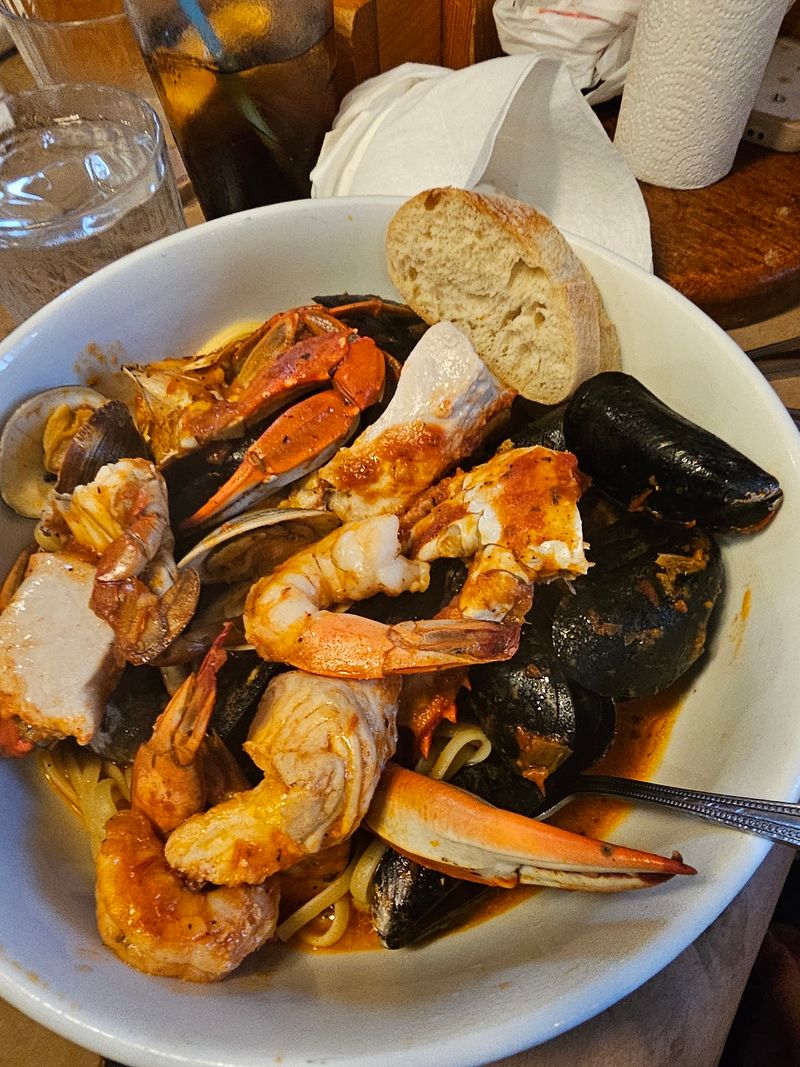
Blue claws may command the mallets, but they do not have the menu entirely to themselves. Soft-shell crab season brings one of the most distinctive alternatives, especially because Two Mile Landing sheds its own crabs.
Instead of navigating a pile of shells, diners can enjoy the entire crab once it has been cleaned and cooked, including the newly softened exterior. The result is crisp, briny, slightly sweet, and unmistakably crabby in the best way.
Local fish also moves into the spotlight in dishes designed to keep the preparation relatively straightforward. Blackened mahi sandwiches bring a little heat, while fish tacos combine the day’s catch with cooling slaw, fruit salsa, and a creamy or spicy sauce.
Fried seafood baskets supply the expected crunch, and larger combinations make it possible to sample shrimp, scallops, fish, stuffed clams, and crab cake on a single plate. The menu’s crab-forward appetizers are especially useful for a table that wants to share.
Crab balls turn seasoned crabmeat into crisp, bite-sized starters, while the baked Crab House crab dip folds the meat into melted cheese and finishes it with a dusting of seasoning. Crab Attack Fries take an even more playful route by piling lump crab, cheddar-jack cheese, bacon, sour cream, and chives over seasoned fries.
The Crabby Pie carries the idea onto pizza, combining a traditional red base with crabmeat and seasoning. Diners after something more conventional can choose Old Bay-steamed shrimp, clams, mussels, calamari, or oysters on the half shell.
The kitchen also serves crab cakes, seafood pasta, snow crab clusters, and other selections that widen the experience beyond the local blue claw catch. This variety is useful for families and larger groups because nobody has to agree on one style of seafood.
One person can spend an hour cracking crabs while another works through a sandwich or broiled platter, and both meals still feel connected to the marina outside.
Three Outdoor Dining Areas Put the Waterfront on Full Display
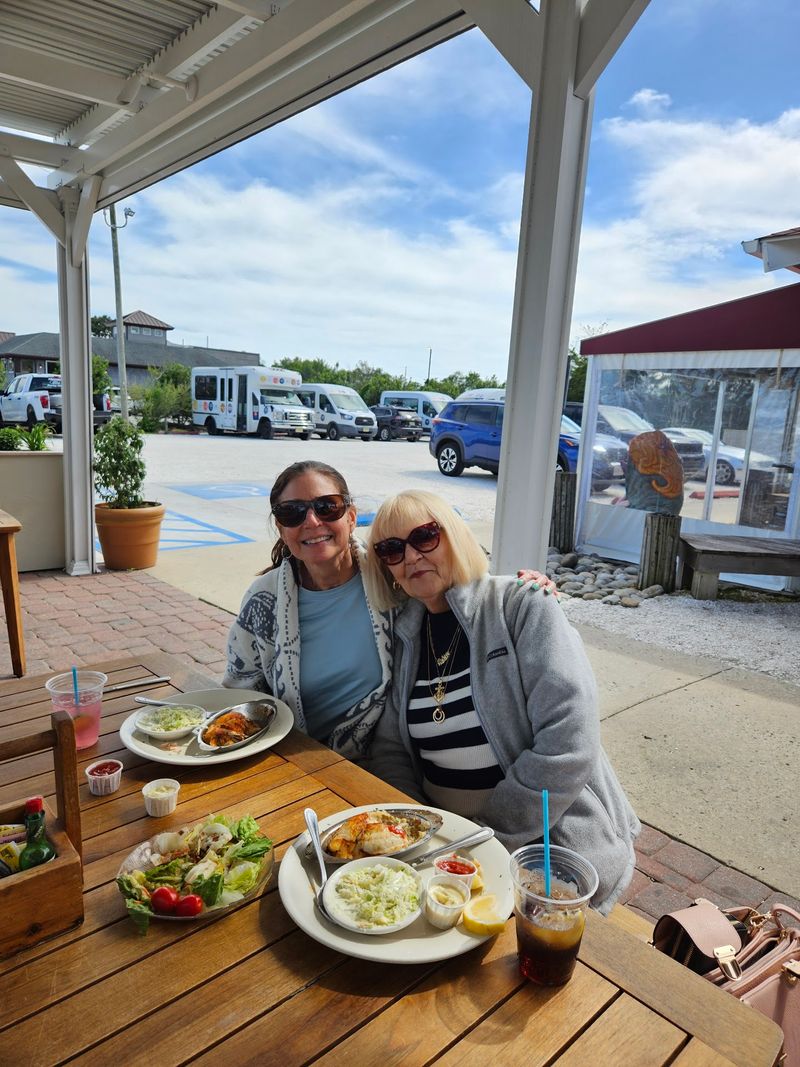
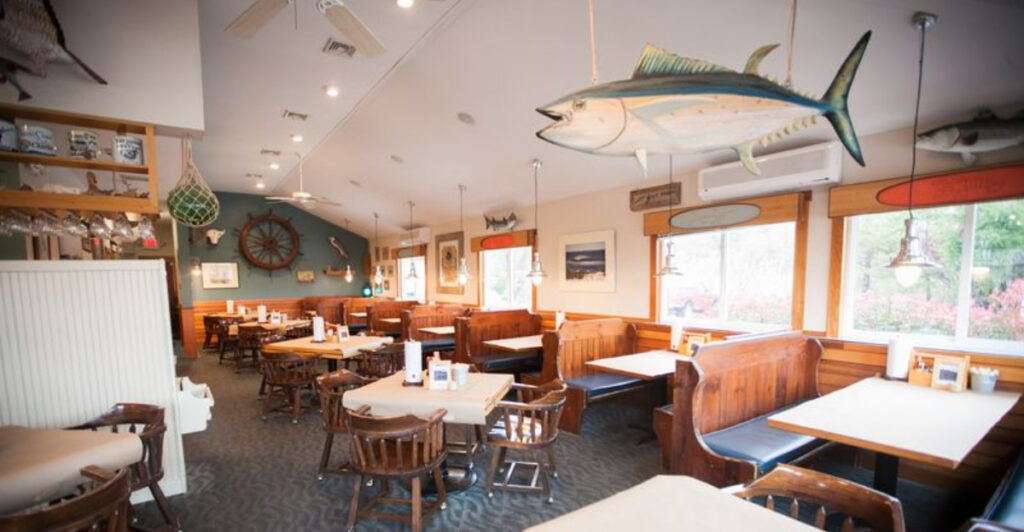
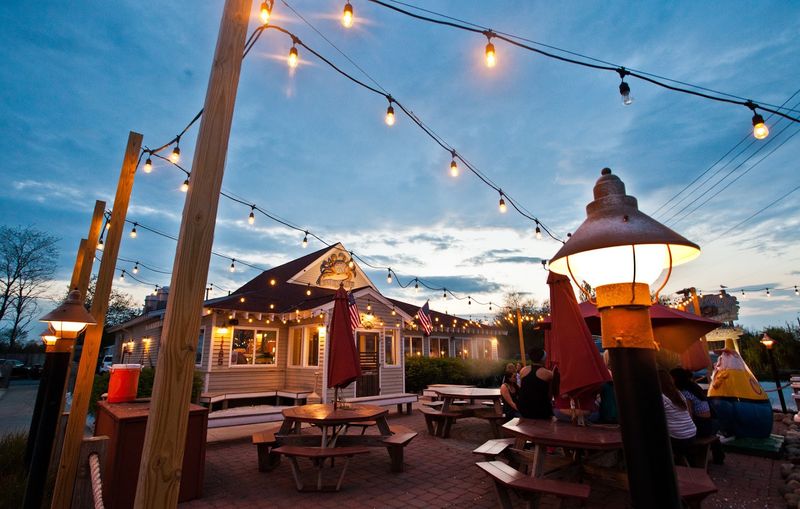
Choosing where to sit can be almost as important as choosing what to eat. The Crab House spreads across one indoor dining room and three large outdoor dining areas, giving diners several ways to experience the waterfront.
The open-air sections place the marina in full view, with boats moving past, marsh grasses bending in the breeze, and evening light reflecting across the water. It is the sort of setting where a casual meal can stretch well beyond the time originally allotted for it.
Each outdoor area carries a slightly different energy. Some tables sit close to the activity of the marina, while others feel more like a sprawling dockside patio.
Umbrellas provide shade during lunch, and covered sections offer some protection when the weather becomes less cooperative. The indoor room remains useful on especially hot, windy, or rainy days, and its paper-covered tables preserve the crab-house atmosphere without requiring perfect weather.
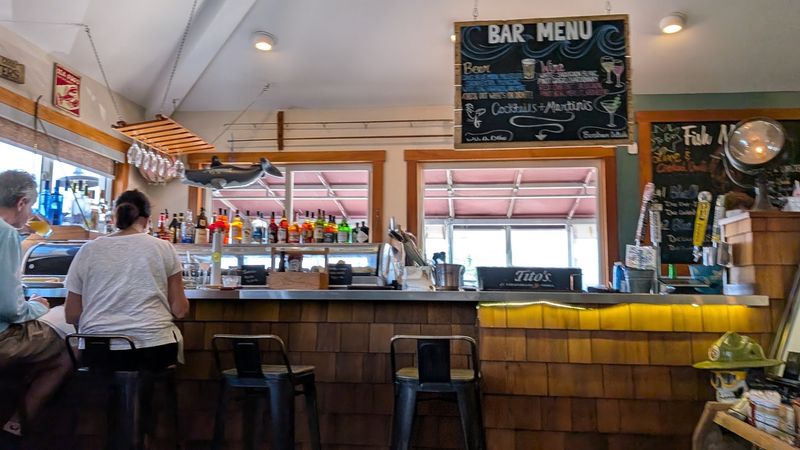
Three bars help support the scale of the property. The drink selection includes 12 beers on tap, bottled and canned choices, house-made sangria, and Shore-friendly cocktails led by the Orange Crush.
Seasonal drinks sometimes incorporate produce from the operation’s Horseshoe Crab Farm, including blackberry mojitos and watermelon crushes. Those bright, cold cocktails make natural companions for heavily seasoned crabs and salty seafood.
Sunset is when the setting delivers its best performance. The afternoon glare softens, boats return toward the docks, and the marsh begins glowing beyond the tables.
There is no need to manufacture a nautical theme when rigging, pilings, and open water already fill the view. Despite the size of the property, the atmosphere remains informal and family-friendly.
Children can watch the boats while adults work through another round of crabs, and nobody seems concerned when the table grows crowded with shells, baskets, drinks, and shared plates.
Live Music and Cold Orange Crushes Keep Summer Nights Lively
Once the sun slips lower, the soundtrack changes from marina noise to live music. During the main season, The Crab House presents bands seven nights a week, turning the outdoor areas into one of Wildwood Crest’s livelier waterfront gathering spots.
The music is not treated like a formal concert requiring everyone to face the stage in silence. It rolls through the decks while servers carry platters, bartenders shake drinks, and families continue cracking crabs beneath the evening sky.
That loose arrangement suits the restaurant. A blue crab feast already has its own percussion, thanks to mallets knocking against claws and shells hitting the paper.
Add a band, the clink of cold glasses, and the low rumble of boats, and the whole property develops the cheerful noise of a summer night fully underway. The bars keep pace with signature drinks that lean into the Shore setting.
An Orange Crush brings together citrus and spirits in an icy, easygoing combination that works particularly well beside spicy steamed crabs. House-made sangria offers another refreshing option, while draft beer provides the simplest answer to a salty shellfish spread.
The farm-inspired blackberry mojitos and watermelon crushes add seasonal flavors when local produce is available. Live entertainment also gives diners a reason to linger after the last crab has been picked clean.
Nobody needs to rush away when another song is beginning and the waterfront is cooling down after a hot day. The restaurant’s daily 11:30 a.m. opening makes lunch possible, but evening reveals why the property has become such a dependable summer destination.
Boats settle into the marina, bands take over the outdoor stages, and tables disappear beneath shared seafood. The experience never forgets that the crabs are the reason everyone arrived, yet the music, drinks, and view make it easy to stay long after the mallets finally stop tapping.