A wide pan of saffron rice lands on the table, crowded with lobster, shrimp, clams, mussels, scallops, squid, chicken, and chorizo. It is technically dinner, but it also looks suspiciously like tomorrow’s lunch—and possibly tomorrow night’s dinner.
That is the rhythm at Fornos of Spain, a longtime Newark favorite where restraint has never been the kitchen’s defining trait. Before the entrées appear, the table is already busy with bread, olives, and salad.
Then come thick steaks, bubbling garlic shrimp, oversized sides, and paellas that make ordering for two feel like provisioning a small gathering. Even dessert may arrive with a complimentary flourish.
Located at 47 Ferry Street in the Ironbound, Fornos combines traditional Spanish cooking with the kind of generous hospitality that makes a takeout bag feel inevitable. Come hungry, pace yourself, and remember that admitting defeat here simply means you have something excellent waiting in the refrigerator.
Fornos of Spain Has Been an Ironbound Dining Landmark for More Than 40 Years
Long before Newark’s Ironbound became a destination for food lovers from across the region, Fornos of Spain was already filling its dining rooms with families, couples, and groups gathering around enormous platters. The restaurant opened in the early 1980s and has spent more than four decades building a reputation around traditional Spanish cooking, abundant portions, and polished hospitality.
That staying power matters in a neighborhood where diners have no shortage of excellent choices. Ferry Street and the surrounding blocks are packed with Portuguese, Spanish, Brazilian, and Latin American restaurants, bakeries, cafés, and markets.
Competition is part of the landscape, yet Fornos has remained one of the district’s best-known dining landmarks. The address at 47 Ferry Street places it close to Newark Penn Station and only a short ride from the Prudential Center and the New Jersey Performing Arts Center, making it a natural stop before a concert, game, or show.
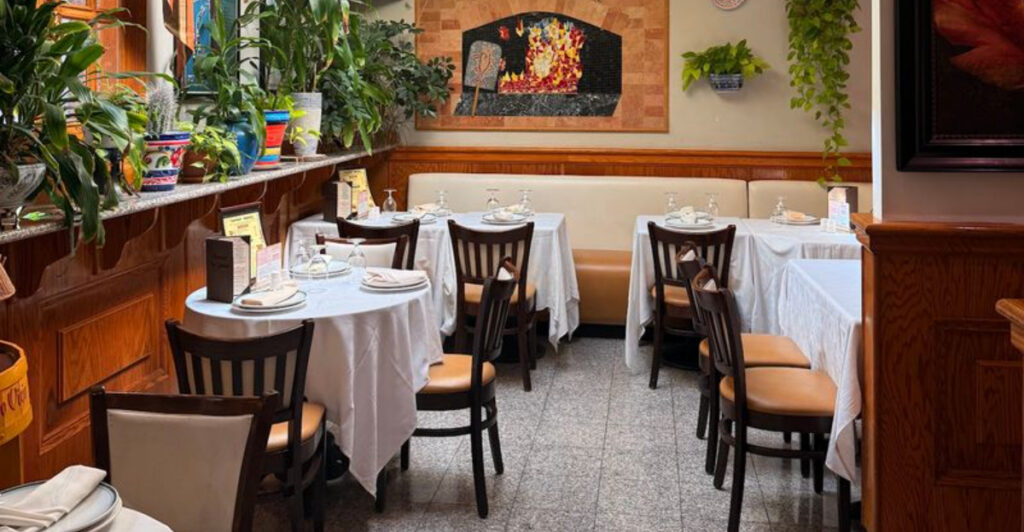
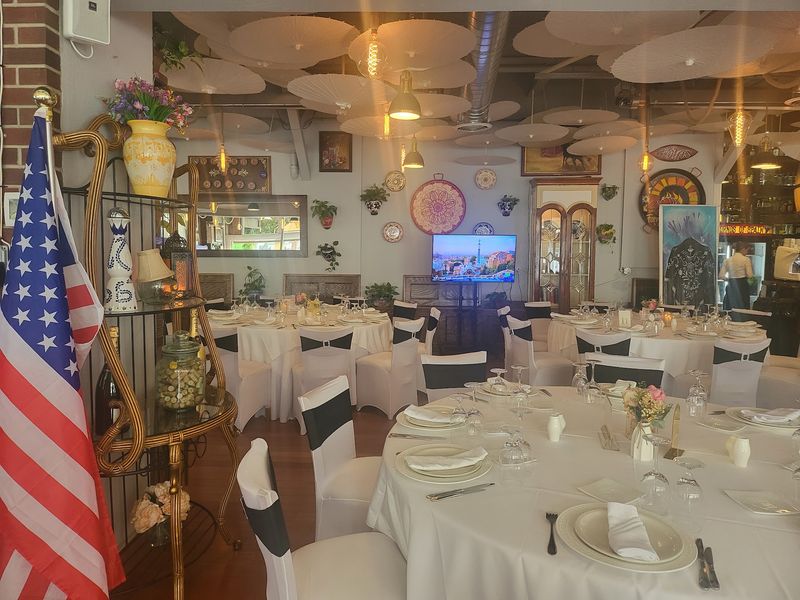
Inside, the experience feels more formal than the portion sizes might suggest. White tablecloths, terra-cotta tones, wrought-iron details, traditional artwork, and multiple dining spaces create an old-world setting without turning dinner into a stiff occasion.
The restaurant is large enough to handle birthday parties and extended-family celebrations, but smaller tables do not get lost in the bustle. Service follows the same classic approach as the cooking.
Meals are meant to unfold gradually, with several rounds of food and enough time to enjoy each one. That makes Fornos especially well suited to occasions when nobody is watching the clock.
The kitchen draws from Spain’s seafood-rich coastal traditions while also serving substantial steaks, lamb, pork, veal, and poultry. Its menu has expanded considerably over the years, but the fundamental promise remains uncomplicated: guests should eat well, feel looked after, and leave with considerably less room in their stomachs than when they arrived.
Complimentary Bread, Olives, and Salad Start the Meal on a Generous Note
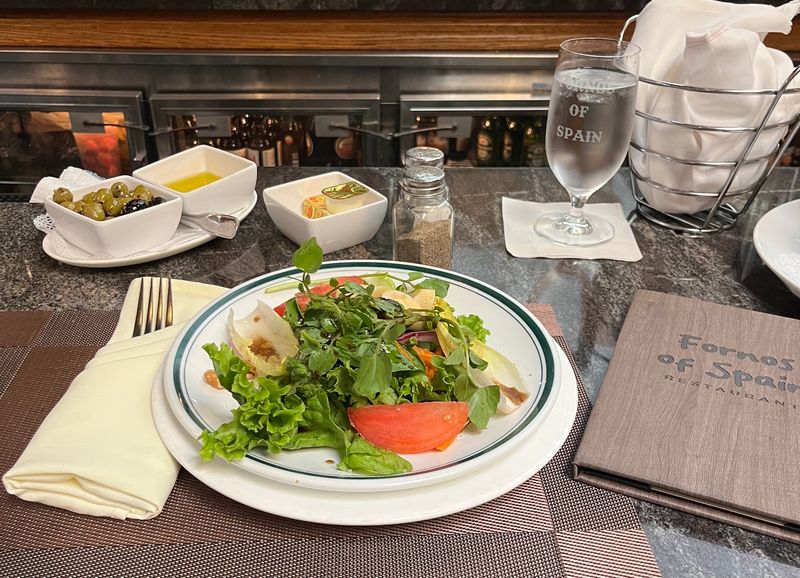
The first indication that dinner may require strategic pacing arrives before anyone has committed to an entrée. Bread, imported olives, olive oil, and house salad begin covering the table, turning what could have been a minor pre-meal snack into a proper opening course.
It is tempting to keep reaching for another piece of bread, especially when a garlicky sauce or a little olive oil remains on the plate. That is also how diners accidentally fill up before the main event.
The salad brings freshness to a meal that can become wonderfully rich later on. Rather than appearing as a token handful of lettuce, it typically includes a more substantial mix of greens and vegetables dressed with vinaigrette.
The restaurant’s house salad includes ingredients such as tomato, onion, cucumber, shredded carrot, radish, watercress, and heart of palm. Shared around the table, it offers a bright, crisp counterpoint to the fried potatoes, saffron rice, cream sauces, and grilled meats still to come.
These complimentary extras help explain why a meal at Fornos feels generous even before the famously large portions enter the picture. At many restaurants, bread, salad, and additional accompaniments can quietly increase the final bill.
Here, they are woven into the experience and establish a sense of hospitality from the beginning. They also make ordering several appetizers less necessary, though the menu does its best to test anyone’s self-control.
Croquettes can be filled with chicken, codfish, ham, mushrooms, or lobster and shrimp. Spanish sausage comes broiled, simmered in white wine, or prepared as thin chistorras.
Stuffed mushrooms combine cream cheese and crabmeat, while piquillo peppers arrive filled with cod and béchamel. Those choices are appealing, but the complimentary spread offers a useful warning: the kitchen has not forgotten about you, the entrées will be substantial, and the bread basket is only round one.
Seafood-Packed Paella Arrives in Portions Built for Sharing
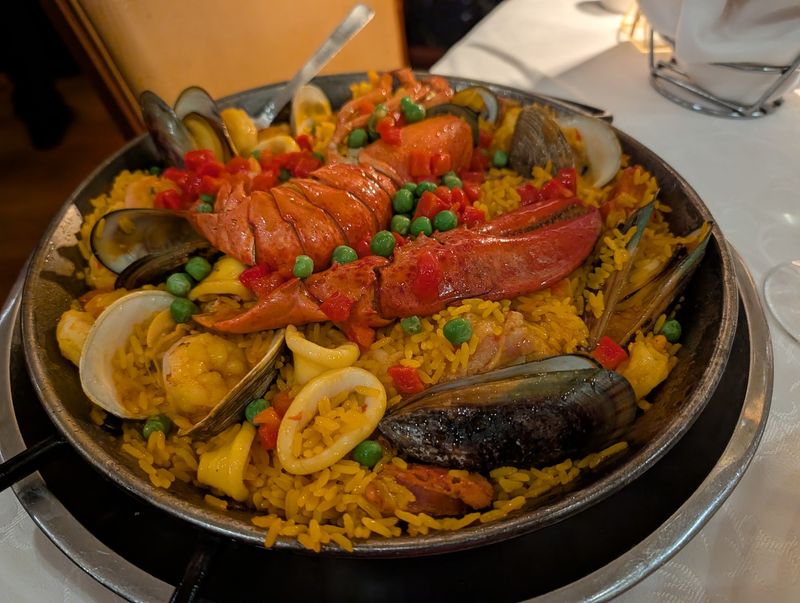
When a broad paella pan appears in the dining room, nearby conversations have a way of pausing. The rice glows yellow with saffron, shellfish rises above the surface, and serving utensils suddenly feel more appropriate than ordinary forks.
Fornos offers an unusually deep selection of paellas, so choosing one requires more thought than simply deciding whether you want seafood. Paella Valenciana delivers the biggest combination, bringing together lobster, clams, mussels, scallops, squid, shrimp, chicken, and chorizo over seasoned rice.
It is briny, smoky, savory, and substantial enough to make sharing the sensible move. Paella Marinera removes the meat but keeps the ocean well represented with lobster and an assortment of shellfish.
Paella Del Mar adds fish to a mixture of shrimp, scallops, clams, mussels, and squid, while Paella de Gambas puts shrimp and prawns at the center. Diners looking for heat can turn to Paella Diablo, which combines chicken, pork, sausage, shrimp, jalapeño, and chipotle, or Paella Fuego with octopus, shrimp, calamari, mussels, clams, and sriracha.
Even the rice itself changes across the menu. Paella Negra uses squid ink to create a dark, deeply flavored base loaded with seafood, and Paella Rosellat substitutes fine fideos for rice and finishes the combination with aioli.
There is also a vegetarian version made with artichokes, mushrooms, white beans, fresh vegetables, and saffron rice. These are not decorative pans with a thin scattering of ingredients.
The seafood is piled generously, and the rice underneath absorbs the juices from everything cooked above it. A paella intended for two can easily outlast two appetites, particularly after the bread, olives, and salad.
The leftovers are part of the reward. Saffron rice and seafood retain plenty of flavor the next day, effectively turning one ambitious dinner order into a second meal that requires nothing more complicated than opening the refrigerator.
Garlic Shrimp, Grilled Octopus, and Massive Steaks Give Diners Plenty to Explore
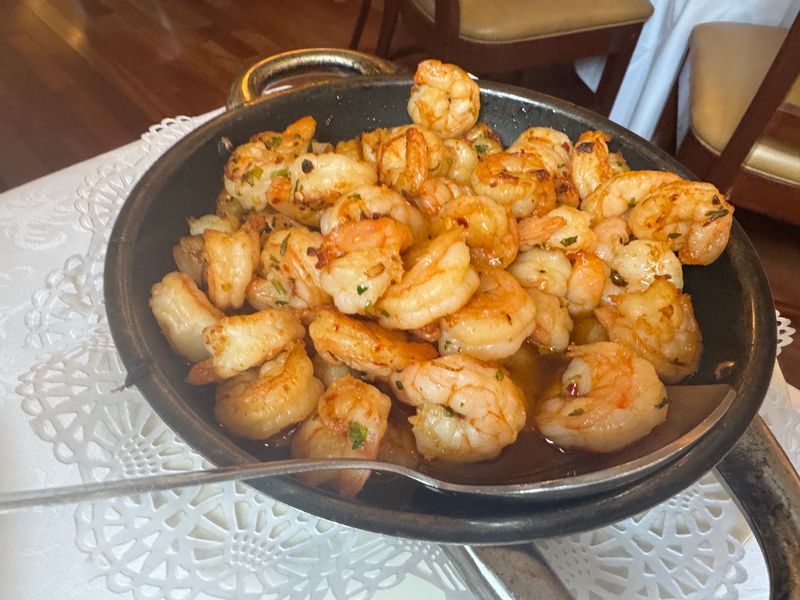
Not everyone comes to Fornos for paella, and the rest of the menu makes a convincing argument against ordering the same dish twice. Start with camarones al ajillo, the classic garlic shrimp prepared with extra-virgin olive oil, sautéed garlic, parsley, and plenty of sauce.
The shrimp disappear quickly, but the oil left behind may be even harder to abandon. A piece of bread dragged through that warm, garlicky mixture is one of the simplest and most satisfying bites on the table.
Octopus offers two distinctly Spanish directions. Pulpo a la feria is boiled and seasoned with paprika, sea salt, and olive oil, while the grilled octopus develops smoky edges that play against its tender center.
Seafood choices continue with grilled prawns, stuffed sole, bacalao, Chilean sea bass, lobster tails, king crab legs, and mariscadas crowded with lobster, shrimp, scallops, squid, clams, and mussels. Then there are the steaks, which make the phrase “large portion” feel almost comically understated.
The menu includes a 24-ounce New York strip, 28-ounce porterhouse, 28-ounce T-bone, 32-ounce ribeye, and 32-ounce prime rib. Diners with a table willing to share can go even bigger with a 50-ounce long-bone tomahawk served with roasted potatoes.
The meat side of the menu also reaches well beyond beef. A 14-ounce rack of lamb comes with chestnut mashed potatoes, broccolini, and fig-balsamic glaze.
Other possibilities include veal osso buco, oxtail braised with red wine, roasted suckling pig, garlic rabbit, pork chops, and fabada, a rich white-bean stew with Spanish sausage, bacon, ham, and blood sausage. The range is broad enough to satisfy a group with completely different appetites, but the kitchen’s approach remains consistent.
Portions are hearty, sauces invite bread-dipping, and a takeout container is more likely to signal smart planning than failure.
Spanish Rice, Fried Potatoes, and Green Beans Turn Every Entrée Into a Feast
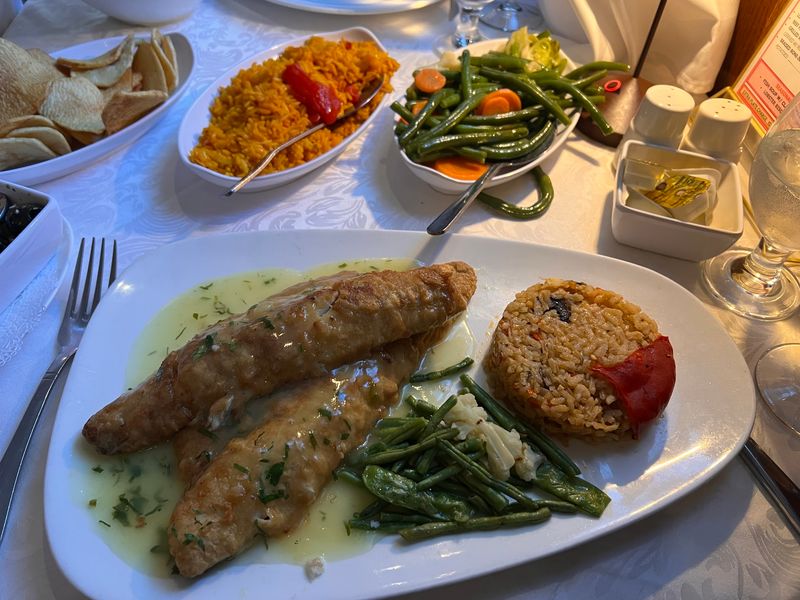
Picture the table just after the main courses arrive. A steak already occupies most of one plate, a pan of paella claims the center, and servers are still finding space for Spanish yellow rice, fried potatoes, and green beans.
The accompaniments are not tiny garnishes tucked beside the protein. They arrive in the generous, shareable spirit that defines the rest of the meal, turning individual entrées into something closer to a family-style spread.
The saffron-colored rice is savory enough to eat on its own, but it becomes even better when it catches garlic sauce, meat juices, or the tomato-and-brandy flavors from a seafood dish. Fried potatoes provide the crunchy counterpoint.
They are especially useful for chasing the last streaks of sauce across a plate, assuming the bread basket has finally been cleared. Green beans bring a necessary snap and freshness to all that richness, completing a trio that covers comfort, texture, and balance.
Fornos also offers an extensive selection of additional sides, including broccoli rabe, spinach, Brussels sprouts, asparagus, pasta, and breaded fried asparagus with béchamel. Ordering extras is rarely required for lack of food, though a vegetable or plate of sautéed greens can help round out a table dominated by steak and shellfish.
This is where the restaurant’s value becomes clearest. A diner is not simply receiving one piece of meat or fish at the center of an otherwise empty plate.
The entrée arrives as part of a much larger procession that began with bread, olives, and salad and continues through several substantial accompaniments. It also explains why estimating portions can be tricky on a first visit.
An order that appears reasonable when reading the menu can look wildly ambitious once every plate and side dish arrives. Sharing helps, pacing helps more, and accepting that some of the feast will come home is the most realistic strategy of all.
Warm Churros and Chocolate Provide One Final Surprise Before You Leave
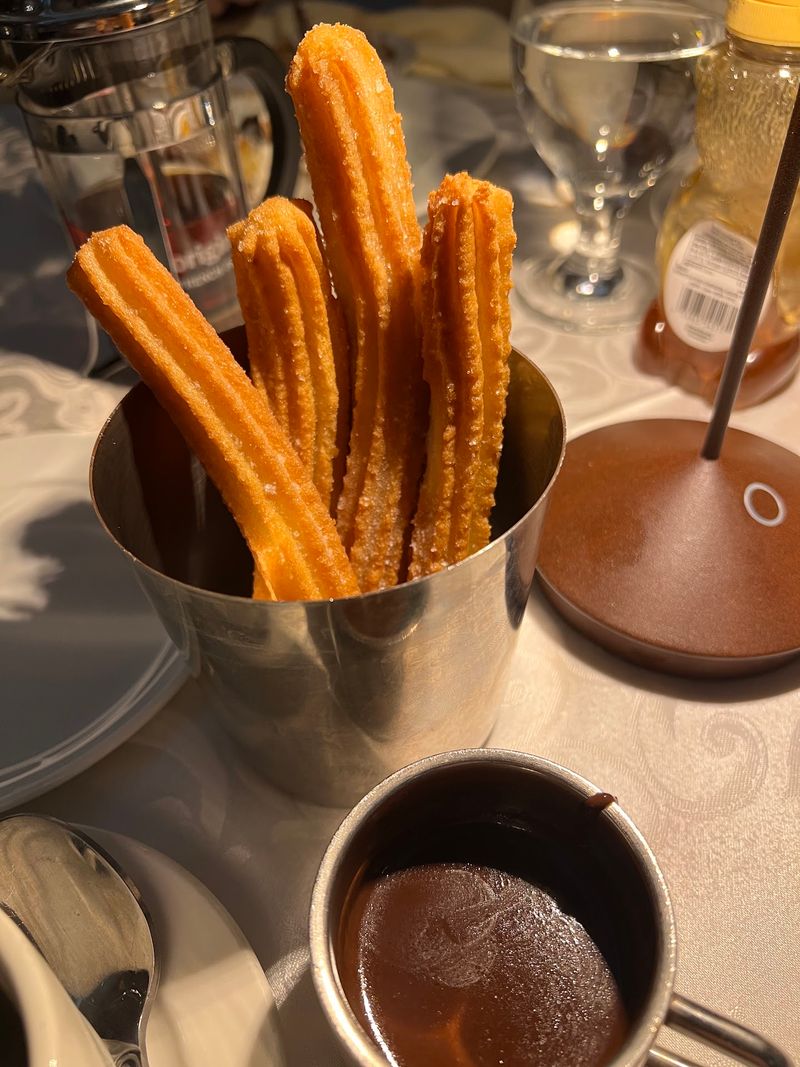
By dessert, the table usually tells the full story of the evening: empty shells, streaks of garlic sauce, half-finished rice, and takeout containers beginning to stack near the edge. Then warm churros arrive with chocolate, providing one final bit of generosity when everyone has already insisted they could not eat another bite.
Somehow, a crisp strip of fried dough still finds a willing audience. The churros are best eaten immediately, while the ridged exterior remains crunchy and the center stays tender.
A dip into warm chocolate adds just enough richness to make sharing one turn into reaching for another. Although this complimentary finish is a memorable tradition associated with the restaurant, anyone determined to order dessert will find far more than churros on the menu.
Caramel flan is the classic choice, with a cool custard texture and a layer of bittersweet caramel. Crema Catalana offers Spain’s answer to crème brûlée, pairing vanilla custard with a crackly caramelized top.
Basque cheesecake brings a darker baked surface and creamy interior, while pistachio crème brûlée adds a nuttier variation. The selection stretches from rice pudding and almond sponge cake to tres leches cake, chocolate lava cake, Portuguese pastéis de nata, sorbets, tartufos, and several cheesecakes.
Coffee can extend the meal even further. Espresso, cappuccino, Spanish coffee, carajillo with brandy, and bombón coffee made in the Spanish style all appear among the options.
That abundance makes dessert feel less like a mandatory final course and more like a question of how much ambition remains at the table. After paella, steak, sides, salad, and bread, ordering several sweets may be optimistic.
Fortunately, the churros supply a warm, chocolate-dipped ending without requiring another full plate. The leftover bags handle the rest, carrying enough saffron rice, seafood, potatoes, or steak to let dinner at Fornos make an encore the following day.