A ripe peach does not make it far at Giamarese Farm before announcing itself. One squeeze releases that unmistakable summer fragrance, and one bite is likely to send juice running toward your wrist.
Nearby, ears of sweet corn wait to be shucked, tomatoes look ready for thick sandwiches, and cucumbers practically volunteer for the first cold salad of the afternoon.
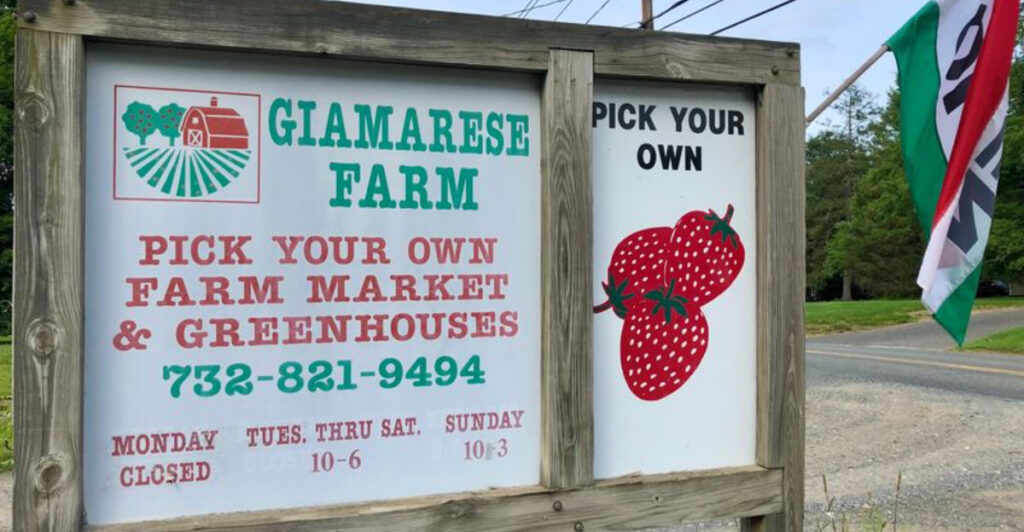
This is what summer shopping looks like at 155 Fresh Ponds Road in East Brunswick, where a suburban drive suddenly gives way to cultivated fields, orchards and a family farm dating back to 1941.
The on-site market keeps the experience pleasantly simple: see what is being harvested, fill a basket and start planning dinner before reaching the checkout. Beyond the produce, shelves hold baked treats, honey, fruit spreads and other pantry finds.
Giamarese Farm is not trying to reinvent summer. It simply grows, picks and sells the flavors that make the season worth waiting for.
Giamarese Farm Has Been Growing in East Brunswick Since 1941
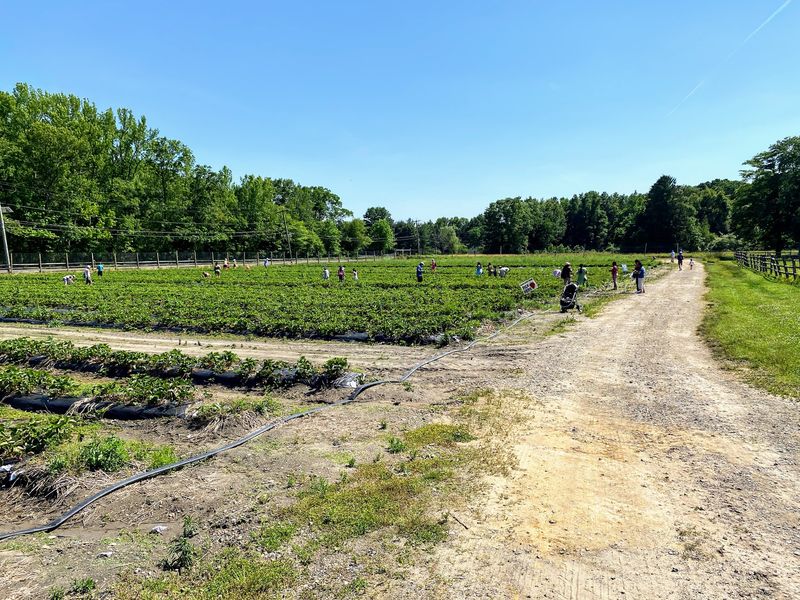
Long before East Brunswick became known for busy roads, shopping centers and residential neighborhoods, the land around Fresh Ponds Road was being worked by farmers. The property that became Giamarese Farm has agricultural roots reaching back to German Dutch farmers who settled in the area during the 1860s.
The Giamarese family’s own farming story began after relatives emigrated from Italy around 1910, first growing crops in Jamaica, Long Island, before moving into New Jersey during the 1920s. They farmed in Jamesburg and later rented land along Dunhams Corner Road in East Brunswick.
The major turning point arrived in 1941, when the family purchased 20 acres near the pond and finally had farmland of its own. Another neighboring 20-acre parcel followed in 1947, adding the ground where the barn and farm market now stand.
Jim and Sue Giamarese began running the operation in 1981 and purchased it from his parents, aunts and uncles five years later. They also helped reshape the business.
What had largely been a wholesale truck farm, growing big quantities for shipment into the city, gradually became a place where customers could shop directly and head into the fields themselves. Today, the farm stretches across more than 75 acres and remains refreshingly connected to its working roots.
The market is not a decorative afterthought built to create a rustic photo opportunity. It exists because crops are being planted, tended and harvested around it.
That history gives even a quick stop for corn or peaches a little more meaning. Shoppers are buying from a family that has spent generations learning this particular soil, dealing with unpredictable New Jersey weather and adjusting the farm without stripping away the parts that made it special in the first place.
Summer Produce Travels Straight From the Fields to the Farm Market
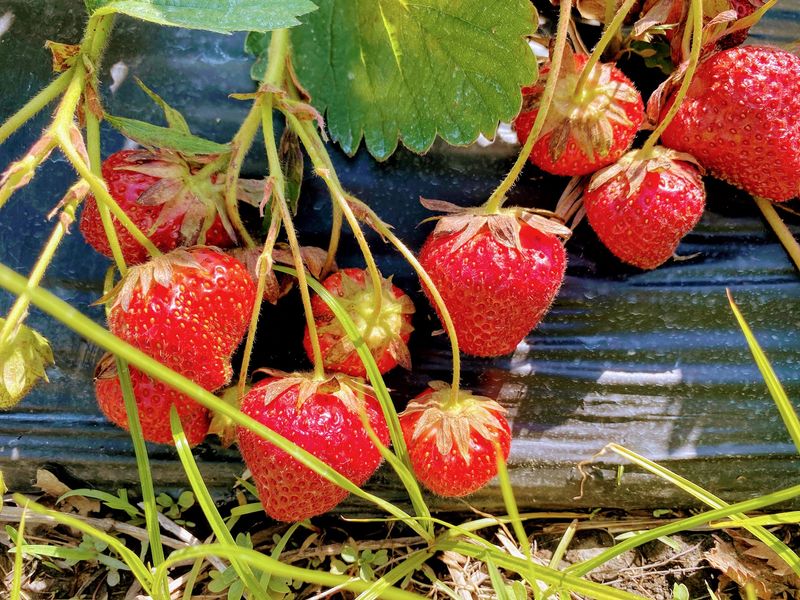
Walk into the farm market during peak growing season and the display has a different rhythm from a supermarket produce aisle. The quantities change.
The varieties shift. A crop that was piled high last week might be nearly finished, while something new suddenly takes over an entire section.
That unpredictability is not poor planning; it is what happens when the calendar is determined by soil, sunshine, rain and ripeness instead of a national shipping schedule. Giamarese grows many of the warm-weather staples shoppers come looking for, including sweet corn, tomatoes, cucumbers, peppers, eggplant, peaches and watermelon.
The farm’s published harvest calendar places corn between June and October, while tomatoes, peppers, peaches, nectarines, eggplant and okra generally begin in July. Watermelon typically joins the lineup in August.
Those ranges are approximate, of course, because a chilly spring or long heat wave can move the timetable. When a crop is ready, however, it does not need to travel through a warehouse or spend days bouncing between distribution centers.
It can move from the growing rows into the market on the same property. That short trip matters most with produce that loses character quickly.
Freshly picked corn holds onto its sweetness. Tomatoes arrive with the aroma and softer texture that supermarket varieties are often bred to sacrifice for durability.
Peaches can be allowed to ripen further instead of being picked hard for a cross-country journey. The market also gives shoppers permission to build meals backward.
Rather than arriving with a strict recipe and demanding ingredients that may be out of season, regulars can look at what is abundant and decide from there. A basket of tomatoes suggests bruschetta.
A dozen ears of corn settle the side dish question. A tray of peaches has dessert handled before anyone starts cooking.
Peaches, Sweet Corn, Tomatoes, and Watermelon Fill the Summer Harvest
There comes a point in a New Jersey summer when cooking becomes less about technique and more about staying out of the way.
Slice the tomato. Butter the corn. Chill the watermelon. Keep a napkin nearby for the peach. Giamarese Farm’s summer harvest is built for exactly that kind of eating.
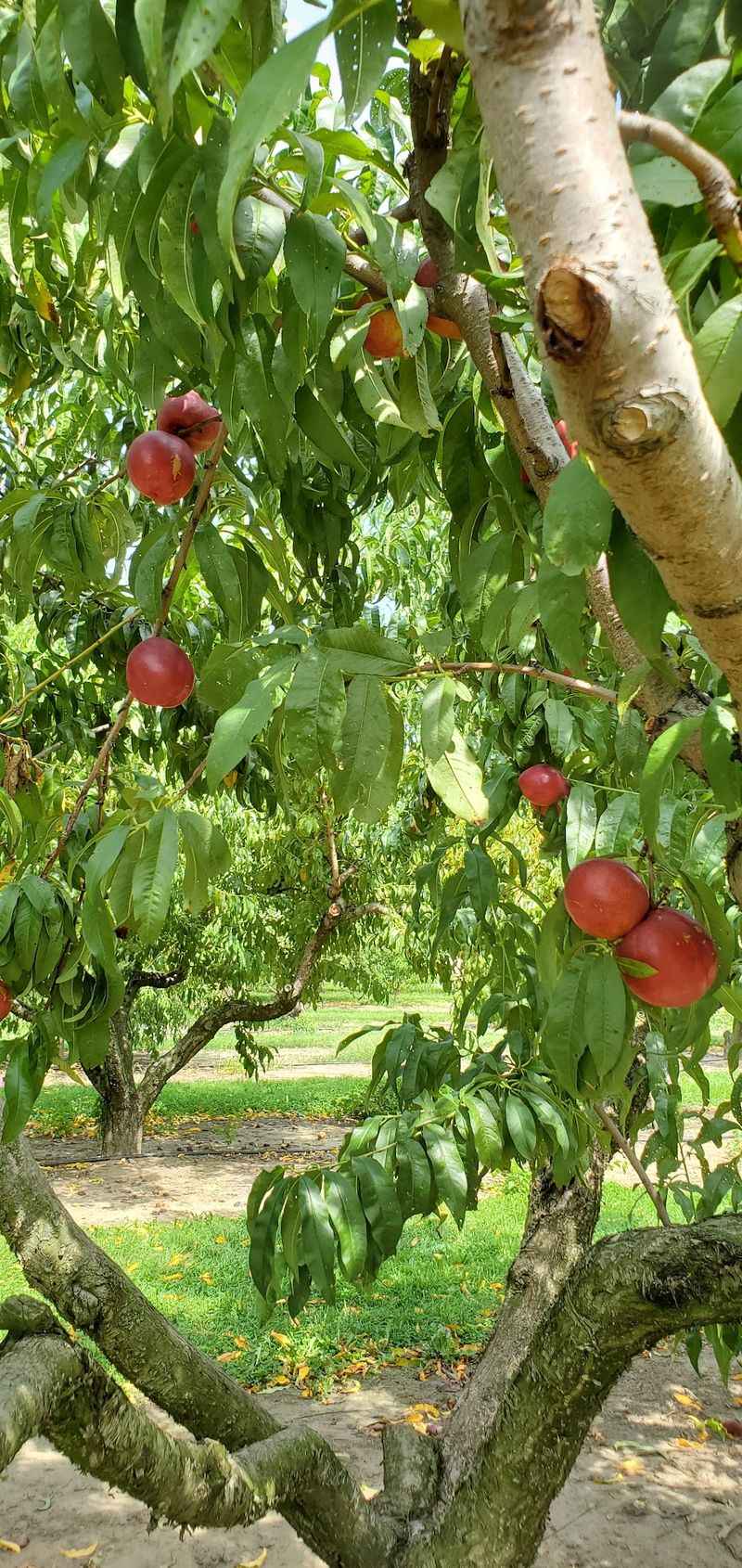
The farm promotes its super-sweet white corn as one of the season’s main attractions, alongside tomatoes, pickling cucumbers, larger slicing cucumbers, peppers and eggplant. Tree-ripened peaches bring the kind of softness and perfume that makes eating one over the kitchen sink seem perfectly reasonable.
Watermelon arrives later in the summer, when the weather is hottest and turning on the oven feels like an act of poor judgment.
At the beginning of August 2026, the market advertised seedless watermelon for 49 cents per pound as a limited weekly special, a reminder that farm-market prices and quantities can change as quickly as the harvest.
The smartest shopping strategy is to treat those changing displays as an advantage. Corn bought during a plentiful week can become grilled cobs one night and a tomato-corn salad the next.
Firm cucumbers work in quick pickles, while peppers and eggplant can share the grill without much fuss. Ripe tomatoes need little more than salt, mayonnaise and good bread to become a respectable Jersey lunch.
Peaches can top yogurt, disappear into cobbler or be eaten before the grocery bag is fully unpacked. The produce is not valuable because it has been transformed into something elaborate.
Its appeal lies in how little needs to be done. A farm-fresh summer meal might be corn, sliced tomatoes and a peach afterward, and nobody at the table is likely to feel cheated.
When ingredients have traveled only a short distance and were picked at the right moment, simplicity stops looking lazy and starts looking smart.
Pick Your Own Crops Turn a Farm Visit Into a Hands-On Adventure
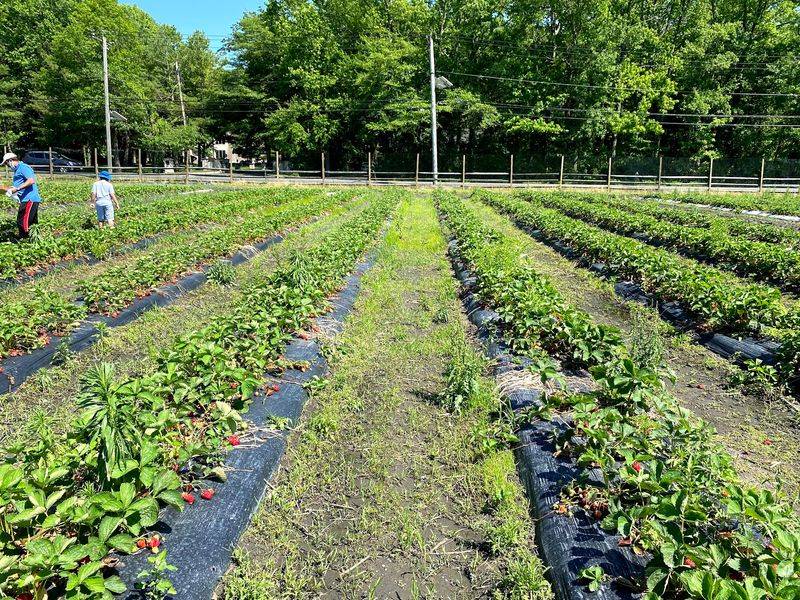
A shopping cart cannot compete with the satisfaction of finding the right strawberry yourself. Giamarese Farm’s pick-your-own calendar lets visitors follow the growing season from the first spring berries into autumn’s apples and pumpkins.
Strawberries generally run from late May through June, with varieties such as Cabot, Darselect, Sunset, Wendy, Malwina and Allstar grown at the farm. English peas and sugar snap peas share a similar window, while spinach, romaine, Boston lettuce and red and green leaf lettuces can stretch into early July.
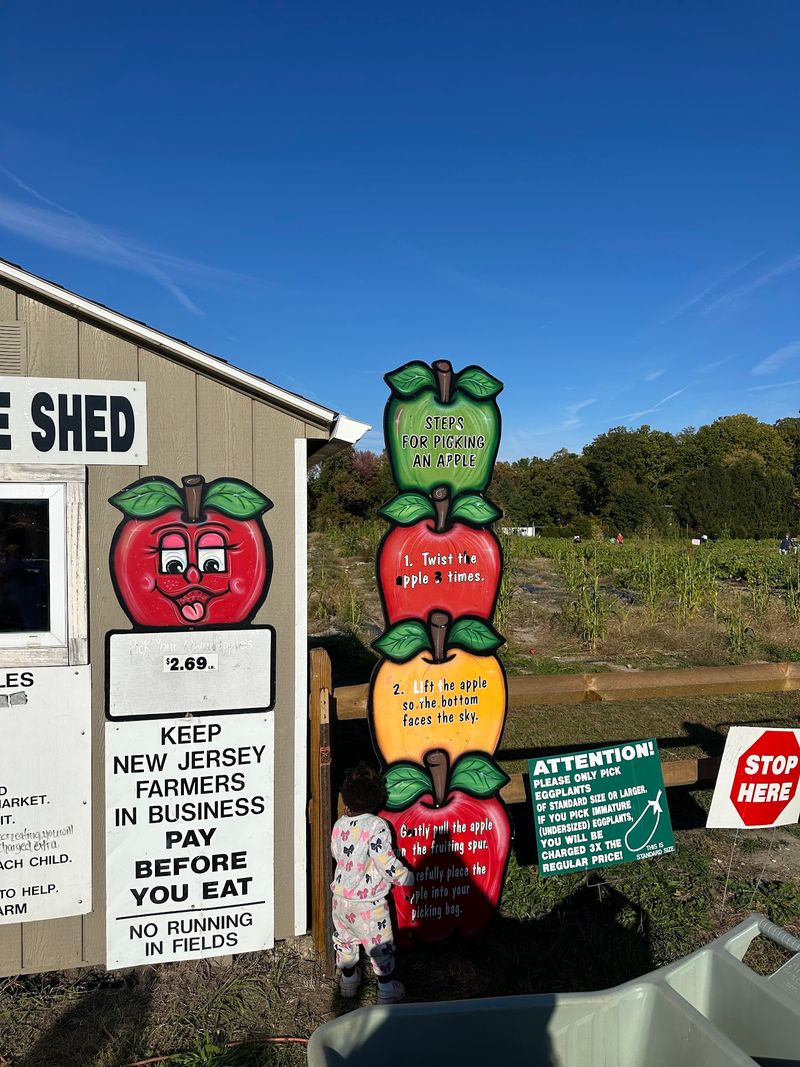
Tomatoes may appear as a summer pick-your-own crop when conditions allow. By late August, attention shifts to an orchard containing an impressively long list of apple varieties, including Honeycrisp, Macoun, Cortland, Empire, Fuji, Jonagold, Suncrisp and Stayman Winesap.
Pumpkins take their turn in September and October. The experience begins at the farm market, where visitors check the availability board and receive instructions, bags, containers or carts before entering the fields.
Arriving at least 90 minutes before closing is required so there is enough time to pick without sprinting through the rows like a game-show contestant. The farm asks guests to harvest only crops listed as available, pay for everything they pick and avoid eating produce in the field.
Children are welcome, but each child should remain under an adult’s supervision, and tree climbing is off limits. Those rules keep the operation functioning as a working farm rather than an agricultural free-for-all.
They also give children a clear look at where food comes from. Pulling a pea pod from a vine or choosing an apple from a branch makes a stronger impression than another explanation in the grocery aisle.
Crop dates remain weather-dependent, so the harvest can never be scheduled with absolute precision. That uncertainty is part of the fun: the field decides what is ready.
Baked Goods, Local Honey, and Fruit Spreads Round Out the Market
The produce may be the headline act, but it rarely leaves the farm market alone. Shelves and displays add the sort of extras that quietly turn a quick corn run into two full shopping bags.
Giamarese carries baked goods, local honey, maple syrup, fruit spreads and fresh local farm eggs, along with additional produce that complements what is being harvested on the property. The result feels more like a practical country pantry than a gift shop disguised as one.
A jar of fruit spread makes sense beside fresh peaches and berries. Local honey earns a spot next to breakfast ingredients.
Maple syrup waits patiently for cooler mornings, though nobody is enforcing a seasonal rule against summer pancakes. The baked-goods selection provides an immediate reward after time spent walking through a field, especially when the temperature has climbed and the original plan was supposedly to buy vegetables only.
These additions also make the market useful for shoppers who do not have time for pick-your-own activities. Someone can stop at 155 Fresh Ponds Road, gather tomatoes, corn, cucumbers, eggs and a loaf or sweet treat, then head home with most of a meal handled.
It is worth remembering that a farm market is not necessarily claiming every jar, pie or carton was produced on the property. Giamarese clearly describes some products as local or market offerings, while highlighting its own farm-grown seasonal favorites separately.
That distinction keeps the focus where it belongs: supporting a working farm while also giving customers access to complementary goods from the surrounding food community. The inventory evolves as the year moves forward.
Summer’s produce-heavy displays eventually make room for apples, pumpkins, decorations and colder-weather staples. Still, the best market visits tend to end the same way.
You arrive for one specific item, spot three things you had forgotten you needed and leave wondering how a jar of preserves and a baked treat managed to join the tomatoes.
Generations of New Jersey Families Keep Returning for Every Season
Around East Brunswick, a visit to Giamarese is less of a one-time attraction than a recurring marker on the family calendar. Late May brings strawberries, peas and tender greens.
Summer fills the market with corn, tomatoes, peaches and watermelon. Apples begin taking over toward the end of August, followed by pumpkins and the farm’s fall harvest activities in September and October.
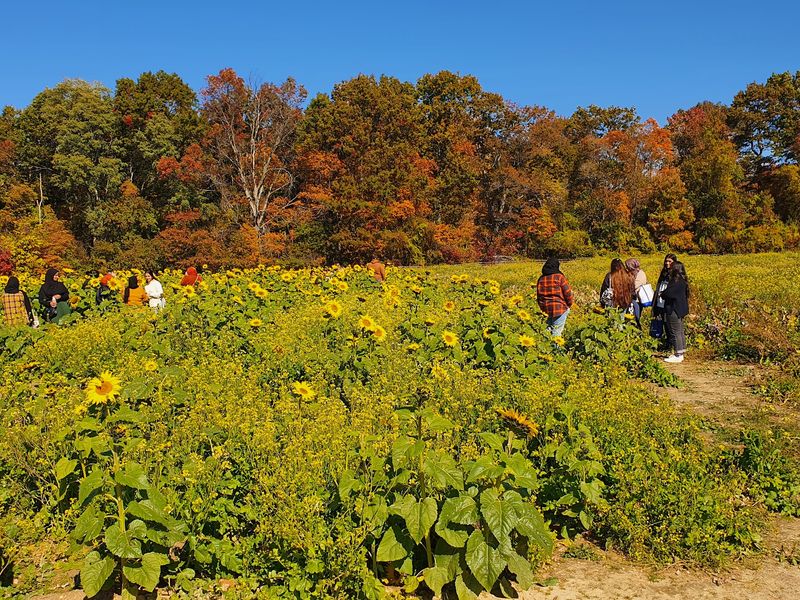
On designated fall weekends, the property adds hayrides, a corn maze, a sunflower field, farm animals, pony rides and food vendors. After Thanksgiving, choose-and-cut Christmas trees extend the season toward Christmas Eve.
Each phase gives families a reason to return without making every visit feel identical. A child who once rode into the strawberry field on a wagon may come back years later to debate apple varieties, choose an oddly shaped pumpkin or bring children of their own.
That continuity matches the farm’s history. The Giamarese family has worked this land since purchasing its first parcel in 1941, and Jim and Sue have been at the center of the operation since the early 1980s.
Practical details remain important because farm schedules move with the season. For its summer 2026 market period, Giamarese posted Thursday-through-Saturday hours from 9 a.m. to 6 p.m., along with selected Sunday openings.
Pick-your-own guests must arrive at least 90 minutes before closing, and crop availability should be confirmed through the farm market at 732-821-9494. Pets are not permitted, although trained service animals are welcome.
Those changing hours and harvest windows are not inconveniences so much as evidence that the place still operates according to agriculture rather than amusement-park predictability.
The fields set the pace, the market reflects what is ready, and another East Brunswick summer is measured in corn silk, peach juice and tomatoes that never needed a shipping truck.