The best Italian restaurants don’t just serve memorable meals—they become part of family traditions. Across Illinois, family-owned eateries have spent generations welcoming guests with handmade pasta, wood-fired pizzas, comforting sauces, and the kind of warm hospitality that turns first-time visitors into lifelong regulars.
Many continue to rely on treasured recipes passed down through the years, creating a dining experience that feels both authentic and deeply personal. Whether you’re celebrating a special occasion or simply craving a comforting plate of Italian classics, these 12 family-run restaurants keep locals coming back for all the right reasons.
1. Saputo’s (Springfield)
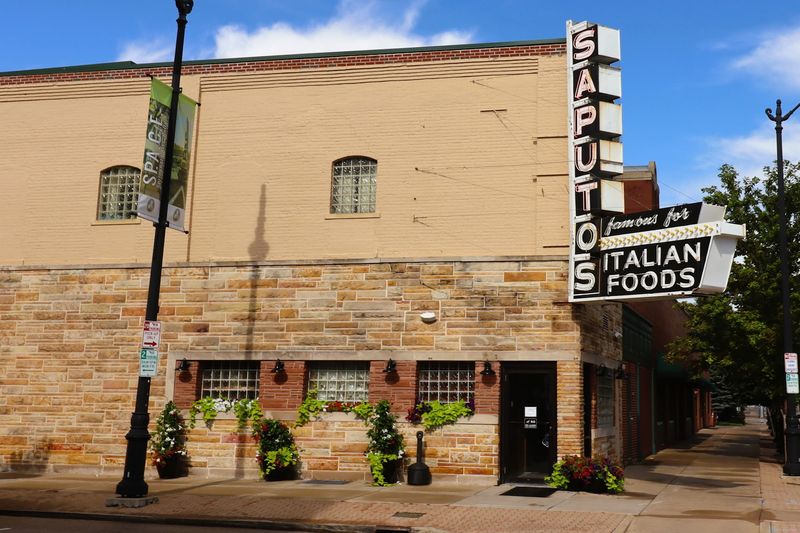
Long before trendy menu words became common, Saputo’s built its reputation on the kind of Southern Italian cooking people want on an ordinary Tuesday and a big celebration night alike. In Springfield, it is often talked about as a place tied to family routines, where recipes passed through generations still shape the menu.
That history gives the restaurant a steady, grounded character without needing to make a show of it. Expect the appeal here to come from comfort and consistency. Southern Italian specialties usually mean rich red sauces, pasta dishes with deep flavor, and familiar combinations that make ordering easy for first-time visitors.
A smart move is to go in with a simple plan: choose one classic pasta, one house favorite, and a salad or side to share. That approach lets a table try more than one style without turning the meal into guesswork.
The setting suits groups well because this is the kind of restaurant where different ages can all find something they know. Grandparents may lean toward longtime standards, while younger diners often enjoy the chance to compare a family restaurant meal with newer Italian spots elsewhere.
Pay attention to the pacing of the meal, too. Places with a long local following often work best when diners slow down, talk a while, and let the meal unfold instead of rushing through it.
Visitors coming from outside Springfield should treat Saputo’s as a neighborhood institution, not a novelty stop. That means showing up ready for classic flavors and old-school hospitality rather than chasing trends.
When a restaurant has lasted across four generations, the real draw is often simple: food that regulars trust, portions that satisfy, and a sense that the kitchen knows exactly what it wants to be.
2. DiMaggio’s Pizza (Carmi)
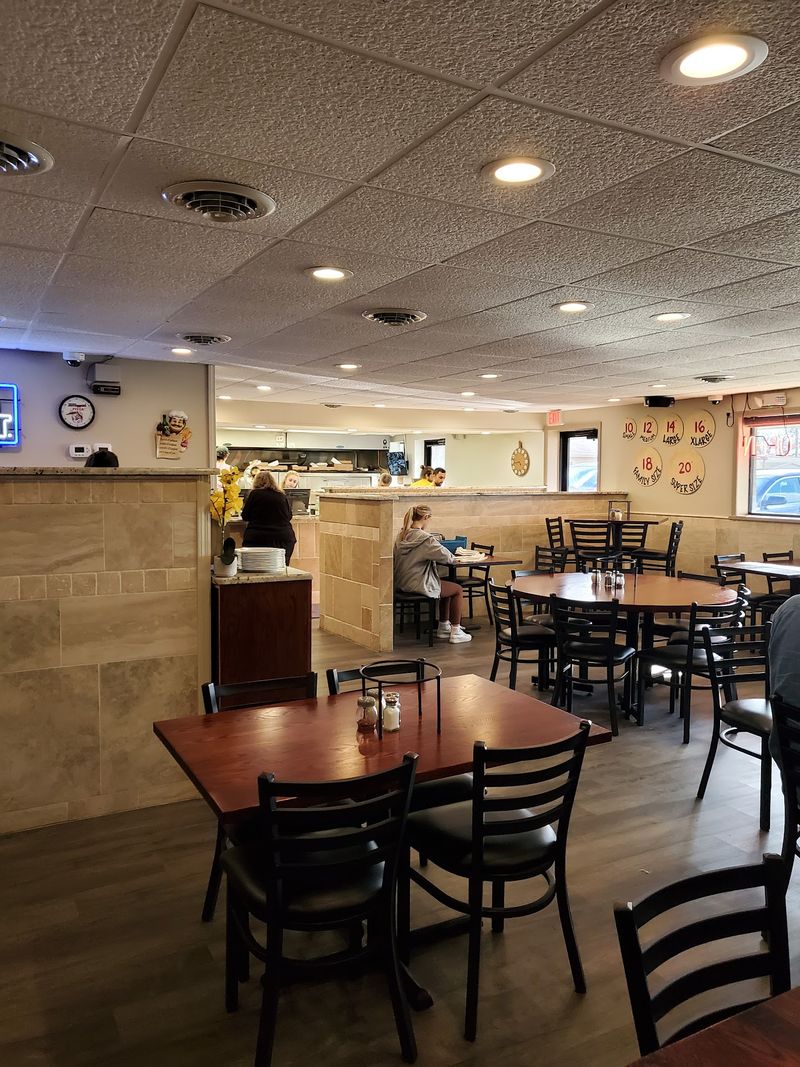
Small towns know their pizza spots, and DiMaggio’s in Carmi sounds like the kind of place people bring up fast when anyone asks where to eat. The focus is refreshingly clear: freshly prepared pizzas with crisp, chewy crusts, flavorful sauce, and generous classic toppings.
That mix matters because good pizza is often about balance, not excess, and a crust with both crunch and bite gives each slice more character.
For first-timers, the best strategy is to keep the order straightforward. A classic topping combination lets the crust and sauce stand out, and those are often the details loyal customers care about most.
When a restaurant earns repeat business in a smaller town, it usually means the basics are handled well every time. Fancy combinations can be fun, but a plain sausage, pepperoni, or veggie pie can tell the story faster.
There is also a practical reason locals stay loyal to a pizza place that gets the texture right. Crisp edges help slices hold up, while a chewy middle gives the pizza a fresh, satisfying bite instead of a dry or floppy one.
That makes DiMaggio’s the sort of stop that works for weeknight dinners, game-day carryout, or a relaxed meal with family. Pizza that travels well and still tastes good at home often wins lasting support.
Carmi visitors should lean into the small-town rhythm and not overthink the visit. Order a pie that sounds familiar, split a second one if the table is hungry, and notice how often neighborhood favorites are built on dependable choices rather than flashy ones.
Restaurants like DiMaggio’s tend to earn their place through repetition done well: crust with structure, sauce with flavor, and toppings piled on like someone actually wants the meal to satisfy.
3. Rosebud on Rush (Chicago)
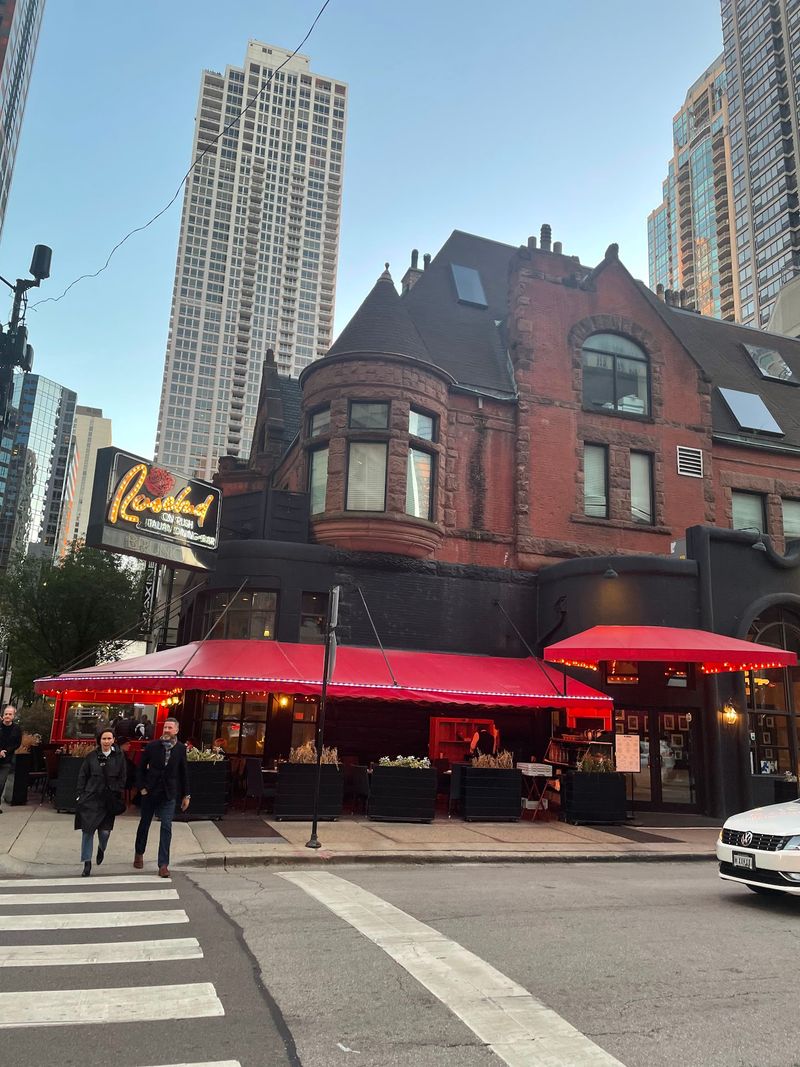
Some restaurants make their case the second a huge plate lands on the table, and Rosebud on Rush has that kind of reputation.
In Chicago’s Gold Coast, it is known for generous portions, century-old Italian recipes, classic pasta dishes, and the sort of warm service that turns a meal into a familiar ritual. Diners who like traditional Italian-American cooking usually know exactly why a place like this stays busy.
The smartest way to handle a meal here is to order with sharing in mind. Large portions can easily stretch across the table, which makes it easier to sample a couple of pastas or add an appetizer without going overboard.
That also fits the spirit of an old-school Italian restaurant, where the meal often works best when everyone reaches for a bite or two from someone else’s plate. It keeps things lively and practical at the same time.
Classic pasta dishes remain central for a reason. They are recognizable, satisfying, and easy to compare across visits, which helps regulars build strong favorites over time.
A place with long roots also tends to attract people who do not want surprises. They want red sauce, tender pasta, familiar seasonings, and service that knows how to read the room.
In a busy city, that kind of reliability can matter as much as the food itself. Anyone planning a visit should treat Rosebud on Rush as a restaurant for appetite and occasion. It suits celebratory dinners, catching up with friends, or simply leaning into a hearty plate in a polished part of town.
Rather than aiming for novelty, the restaurant appears to do its best work by delivering recognizable Italian-American comfort at full volume, with portions that invite leftovers and recipes that tie the present meal to a much older line of cooking.
4. Pompei (Chicago)
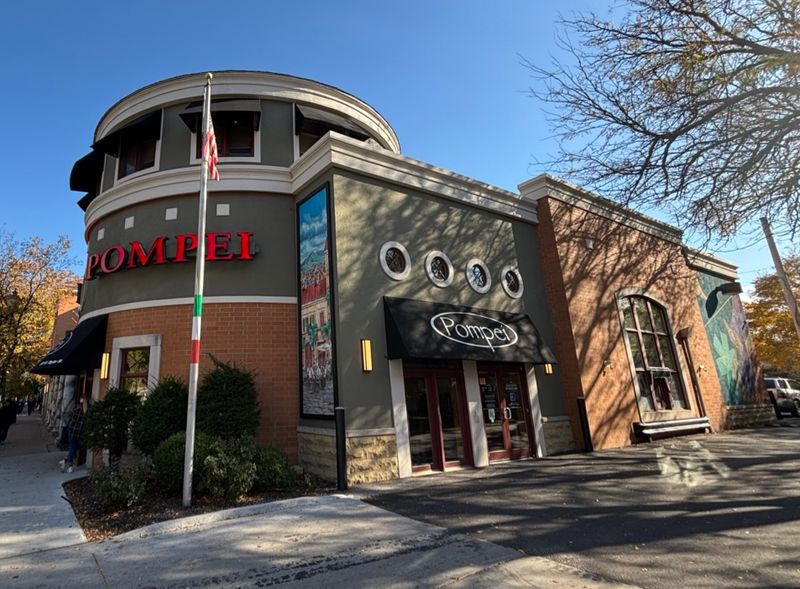
Chicago has a few restaurants that double as neighborhood landmarks, and Pompei in Little Italy belongs in that conversation. Established by the Davino family in 1909, it is known for square pizza, pizza strudel, pasta, bread, and casual Italian dining that fits everyday life.
Five generations connected to one place tells diners a lot before the first bite arrives. The restaurant has had time to become part of local habit, not just local history.
Square pizza gives Pompei an easy entry point for newcomers because it is practical, shareable, and tied to the restaurant’s identity. The signature pizza strudel adds another layer of personality, offering a menu item that stands apart from standard pizza shop choices.
For a first visit, pairing one of those specialties with a pasta or bread item makes sense. That kind of order gives a fuller picture of why the place has remained well known for so long.
Casual Italian dining has its own strength, especially in a city where not every meal needs to be formal. Families, students, workers, and visitors often want food that is filling and rooted in tradition without requiring a drawn-out evening.
Pompei seems built for that purpose. A broad, familiar menu can serve many kinds of diners at once, which helps explain why places like this become meeting spots for generations.
Little Italy visitors should approach Pompei with curiosity about its signature items rather than looking for a generic restaurant experience. Square pizza and pizza strudel are not random menu extras.
They are part of the reason the place stands out in a city full of Italian options. When a restaurant lasts this long, one clue to its staying power is often the simplest one: it offers a few defining foods people connect with the neighborhood and want to eat again.
5. Oggi Trattoria (Chicago)
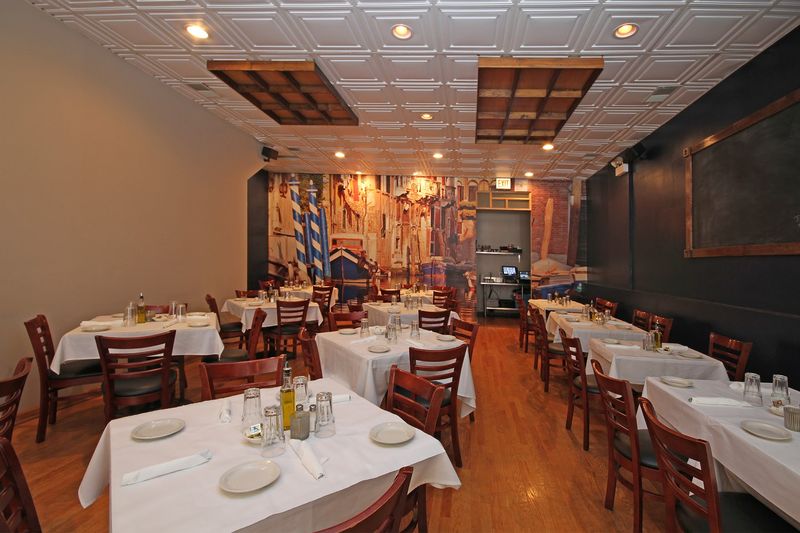
Some restaurants change addresses without losing the character that made them neighborhood favorites. Oggi Trattoria spent three decades serving diners on Grand Avenue before moving to its current home in Chicago’s West Town neighborhood.
Throughout that transition, the family-owned restaurant held onto the homemade Italian specialties, welcoming service, and comfortably unpretentious atmosphere that built its loyal following. The cooking favors recognizable Italian flavors prepared with the warmth expected from a longtime family operation.
Pasta, savory sauces, seafood, chicken, and other traditional dishes give the menu enough variety for both familiar orders and something different. First-time guests can begin with a classic pasta or one of the restaurant’s house specialties, then add an appetizer for the table.
The straightforward approach allows the cooking to remain the focus. Oggi’s history gives it a different kind of credibility from restaurants designed around nostalgia.
Its neighborhood character developed naturally through more than 30 years of serving Chicago diners. Moving to West Town introduced the restaurant to a new audience, but it did not erase the traditions behind it.
That continuity matters to regulars who followed Oggi from its former location and to newcomers discovering it for the first time. For diners seeking a genuine family-run Italian restaurant in Chicago, Oggi fits the article’s theme particularly well.
It combines longevity with an active family presence and food rooted in homemade tradition. The restaurant’s successful move also shows that a beloved neighborhood establishment does not have to remain in the same building to preserve its identity.
Familiar Italian cooking, personal hospitality, and decades of community support make Oggi Trattoria an easy addition to this list.
6. Giuseppe’s Pizzeria & Catering (Des Plaines)
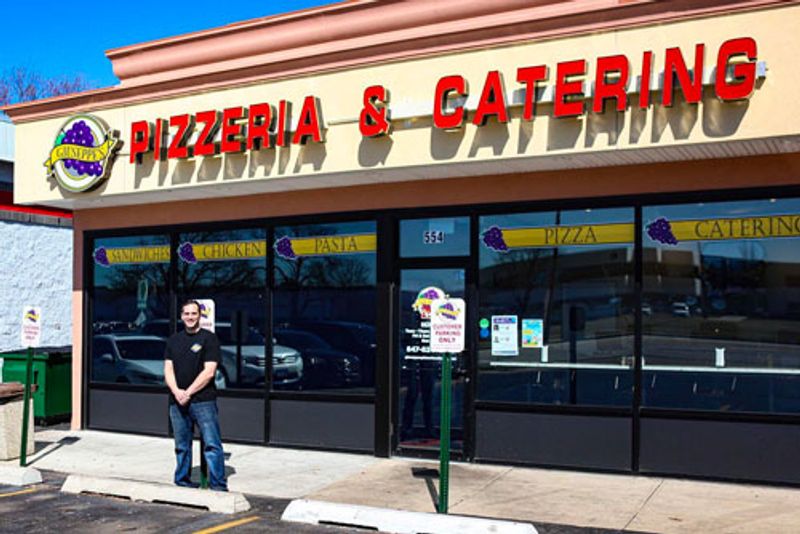
Neighborhood pizzerias often become part of a family’s weekly routine, and Giuseppe’s Pizzeria and Catering in Des Plaines fits that role well. Built around Giuseppe Brunetti’s culinary legacy, the restaurant offers Chicago-style pizza, freshly prepared pasta, sandwiches, and familiar Italian-American comfort food.
There is no need for a complicated pitch when the menu centers on dishes people know how to enjoy. That kind of clarity can be a big reason regulars stay loyal.
Chicago-style pizza naturally grabs attention, but a place like this tends to shine when diners notice the range around it. Pasta and sandwiches make Giuseppe’s useful for mixed groups where not everyone wants the same thing.
A practical order for first-timers could include a pizza for the table and one non-pizza item to compare textures and flavors. That gives a better sense of whether the restaurant is your future carryout stop, casual dinner pick, or both.
The catering side also hints at how restaurants build trust in their communities. People usually turn to familiar, dependable kitchens when feeding a crowd, especially for birthdays, school events, or office gatherings.
Food has to be recognizable, easy to share, and likely to satisfy different ages. Italian-American comfort dishes are strong in those situations because they are hearty without being hard to choose. That same quality often carries over to everyday dining.
Des Plaines diners looking for a relaxed meal should lean into the neighborhood spirit instead of searching for flash. Order the kind of pizza the house is known for, add a classic side or sandwich, and think about how often the best local places survive by being useful as much as impressive.
Giuseppe’s sounds like the sort of restaurant where consistency, generous familiar food, and a strong sense of local routine matter more than trying to reinvent the category.
7. Calo Ristorante (Chicago)
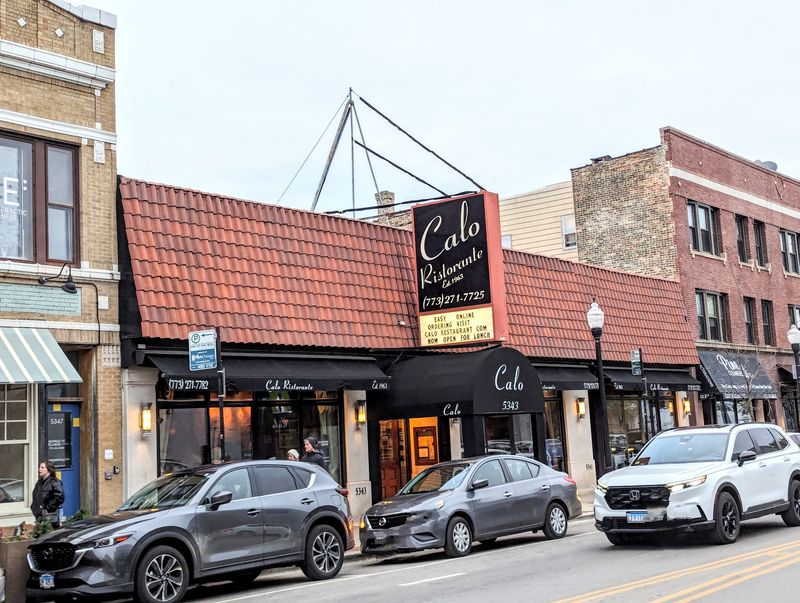
Calo Ristorante in Andersonville has the kind of broad, hearty menu that signals confidence. Family-owned and operated since 1963, it combines old-school surroundings with pizza, pasta, veal, seafood, steaks, and other Italian-American classics.
That range gives the restaurant a supper-club style usefulness, where one table can order comfort food while another leans toward a larger dinner. It also suggests a place shaped by regulars who return for different meals on different kinds of nights.
Menus this varied can be tricky unless diners have a plan. At Calo, the best approach may be to choose based on the mood of the group rather than trying to cover everything at once.
Pizza and pasta suit a casual outing, while veal, seafood, or steak can make dinner feel more event-like. A restaurant that spans both styles often becomes a dependable option because it adapts well to birthdays, date nights, and ordinary dinners without changing its identity.
The old-school setting matters here because it frames the food in a distinct way. In a neighborhood with plenty of personality, Calo appears to offer continuity.
Diners who appreciate classic dining rooms often enjoy the sense that the restaurant knows its lane and stays there. That can be especially appealing in Chicago, where trendy openings come and go quickly.
A room that still favors traditional hospitality can make a meal feel steady, easy, and a little more generous. Anyone visiting Andersonville and deciding where to eat should think of Calo as a versatile local option with a long memory. It is less about chasing one signature item and more about meeting diners where they are.
On some nights that means pizza, on others a plate of pasta or veal. That flexibility, backed by family ownership stretching back decades, helps explain why a restaurant like this continues to hold a firm spot in neighborhood dining plans.
8. Sorelle Italian Market & Cafe (Long Grove)
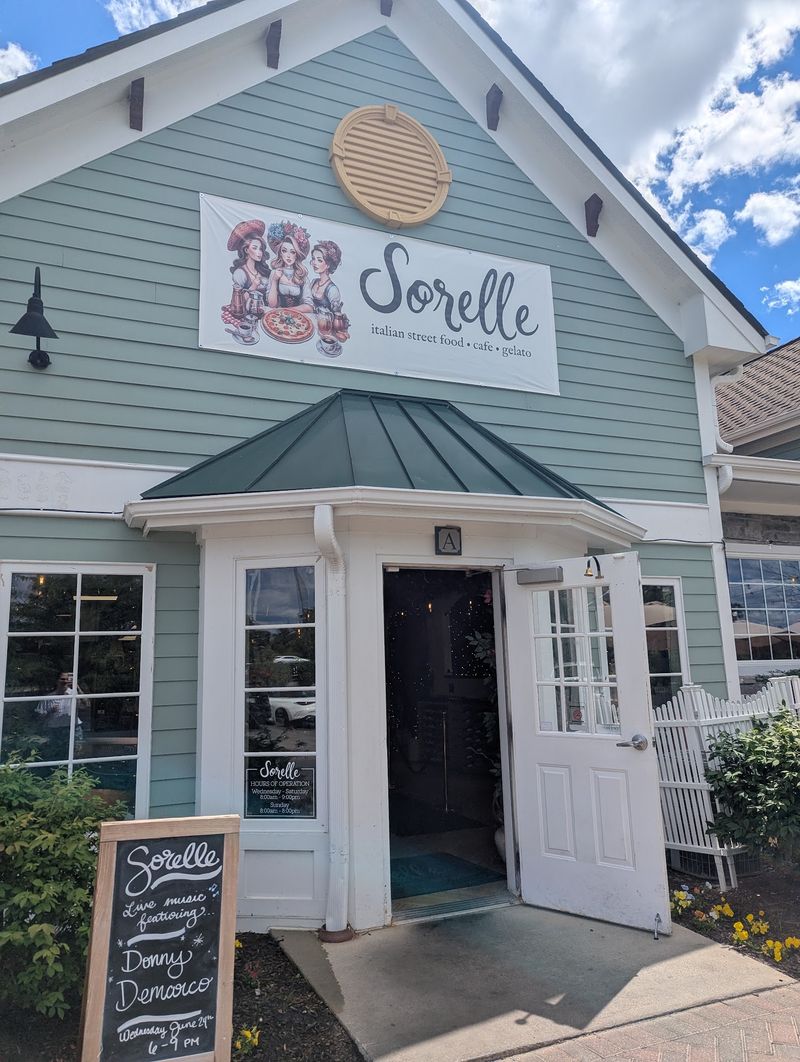
Not every memorable Italian stop looks like a full-scale dinner restaurant, and that is part of Sorelle Italian Market and Cafe’s appeal. In Long Grove, the family-owned spot blends market and cafe features, serving Roman-style pizza, fresh pasta, sandwiches, imported specialties, pastries, coffee, and cannoli filled to order.
That mix gives visitors more than one reason to stop in. It can work as a lunch break, a snack run, a coffee stop, or a place to gather a few take-home treats.
Roman-style pizza adds a useful point of difference because it suggests a style with its own texture and shape compared with standard neighborhood pies. Fresh pasta and sandwiches widen the options for people who want a fuller meal, while imported goods turn the visit into a small shopping trip too.
A smart first visit might include one ready-to-eat item and one specialty to bring home. That keeps the experience practical and helps diners remember more than one side of the business.
The cannoli filled to order deserves attention because small finishing touches often tell you how a place thinks. Fresh filling can make a familiar dessert taste more lively, and it adds a little moment of theater without being overdone.
Add pastries and coffee, and the cafe becomes a strong choice for slower afternoons or quick meetups that do not need a full reservation or formal setting.
Long Grove visitors should treat Sorelle as a place to browse as much as order. Markets invite curiosity, and the best approach is usually to look around before deciding on the meal.
A sandwich may call your name, but a pastry case or shelf of imported products might reshape the plan. That flexible, walk-in style is a big part of the charm, giving locals a useful stop that supports everyday cravings instead of only special-occasion dining.
9. Traverso’s Restaurant (Naperville)
Brothers opening a neighborhood Italian restaurant already sets a clear tone, and Traverso’s in Naperville carries that straightforward family story well.
Opened by Mike and Paul Traverso in 1993, the restaurant specializes in pizza, ravioli, spaghetti and meatballs, and traditional Italian comfort food.
That lineup tells diners exactly what to expect, which is often a strength. People do not have to decode the menu. They can simply pick the dish that sounds most like the dinner they had hoped for.
Ravioli and spaghetti with meatballs are classic benchmarks at places like this because they show how well the kitchen handles familiar favorites. Pizza rounds out the menu and makes the restaurant useful for larger groups or families with different tastes.
A good first order would balance both worlds: one pasta, one pizza, and maybe an appetizer if the table wants to stretch the meal. That setup makes it easy to compare textures, sauces, and portion style without overcomplicating dinner.
Naperville has many dining choices, so long-running neighborhood restaurants often win by being dependable rather than loud. Traditional comfort food has a built-in advantage because it fits so many occasions.
It can serve a casual family dinner, an easy post-game meal, or a meet-up with friends where everyone wants food they already trust. When a place focuses on broad favorites, success often comes from delivering them with consistency and generous spirit.
Visitors should think of Traverso’s as a restaurant where simplicity is part of the point. There is no need to search for the most unusual item to justify the trip.
Sometimes the strongest local recommendation is the one tied to pizza, ravioli, and spaghetti done the way regulars expect. In a community setting, that kind of reliability becomes valuable fast, especially when the meal is meant to be easy, filling, and suited to all ages at the table.
10. Zia’s Social (Chicago)
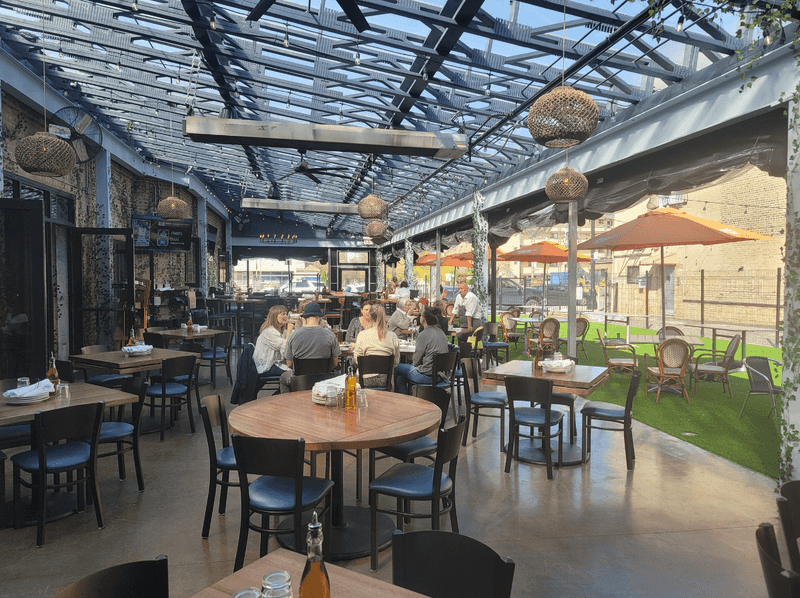
Energy matters in a neighborhood restaurant, and Zia’s Social on Chicago’s Northwest Side seems built with that in mind. Created by longtime restaurateurs Joe and Mary Kay Calabrese, the restaurant gives regional Italian cooking a modern spin through wood-fired pizza, house-made pasta, and seasonal dishes.
That setup creates a different kind of family-run destination, one that respects tradition while allowing the menu to move with the moment. The result sounds lively instead of fixed in place.
Wood-fired pizza usually brings a little char, quick baking, and a texture that stands apart from heavier styles. House-made pasta adds another reason to look past the most obvious order, especially for diners curious about shape, sauce, and freshness.
Seasonal dishes can shift the experience even more, giving repeat visitors a reason to notice what is new. A balanced way to order here would be one pizza, one pasta, and one seasonal plate for the table to share.
The modern regional approach is useful for diners who want Italian food that goes beyond the standard red-sauce checklist without becoming hard to understand. Familiar forms still lead the meal, but details may change with ingredients or regional inspiration.
That can make Zia’s Social a strong pick for people who enjoy conversation about the food while still wanting a fun, unfussy night out. It also suits groups where some diners want classics and others want a little surprise.
Chicago has no shortage of Italian options, so a restaurant needs a clear angle to stand out. Zia’s Social appears to do that by combining family hospitality, city energy, and a menu with enough motion to stay interesting.
Diners heading there should come ready to share and compare. The most useful way to experience a place like this is not to lock into one safe order, but to let the table sample the range between fire-kissed pizza, fresh pasta, and the season’s ideas.
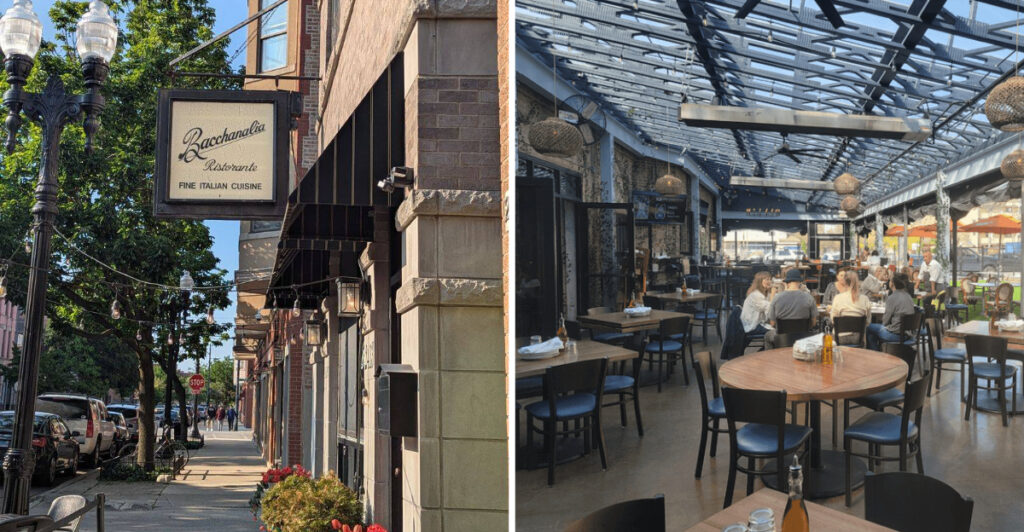
11. Bacchanalia (Chicago)
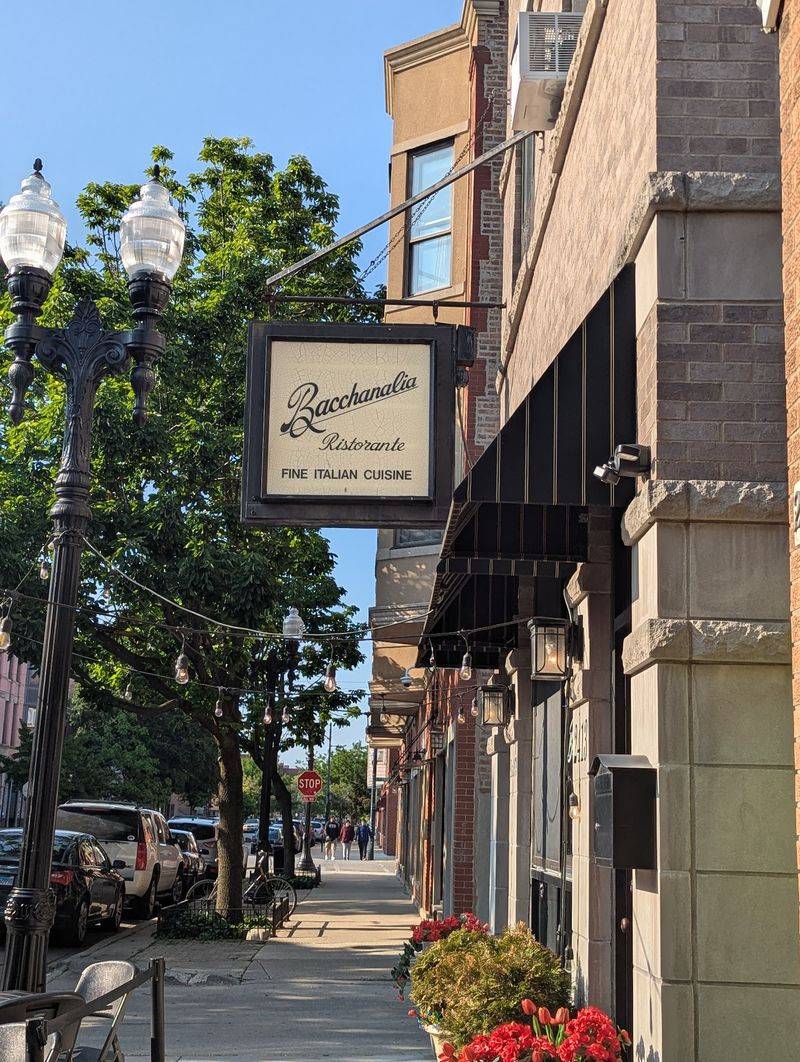
Quiet confidence can be more memorable than flash, and Bacchanalia in Chicago’s Heart of Italy seems to lean that way. Founded by Belfonte and Noemi Pieri in 1979 and now operated by their children, the intimate restaurant prepares Tuscan family recipes and classic dishes fresh to order.
That fresh-to-order detail matters because it suggests a meal paced by the kitchen instead of assembly-line speed. In a city packed with dining choices, that can shape the whole evening.
Tuscan cooking often highlights simple ingredients handled with care, so diners may get more from Bacchanalia by resisting the urge to over-order. One or two thoughtfully chosen dishes can reveal a lot when the kitchen prepares them as they are requested.
Fresh to order also means patience is part of the experience. Rather than racing through dinner, it makes sense to settle in, talk, and let the meal arrive at its own rhythm.
The Heart of Italy location adds to the restaurant’s identity, placing it in a neighborhood already linked with Italian food traditions. Yet an intimate restaurant usually succeeds on scale as much as heritage.
Smaller rooms can make service feel more attentive and meals more personal, especially for date nights or dinners with close friends. That does not require formality.
It simply means the meal may feel more focused, with fewer distractions and more attention on the plate. Visitors deciding whether Bacchanalia fits their plans should think about the kind of dinner they want.
This sounds less like a quick pre-event stop and more like a place for a slower meal built around Tuscan family recipes.
Choosing a classic dish, noticing the made-to-order approach, and giving the evening a little time will likely offer the clearest picture of why a second generation chose to keep the restaurant going and regulars still reserve room in their calendars.
12. Guzzardo’s Italian Villa (Lincoln)
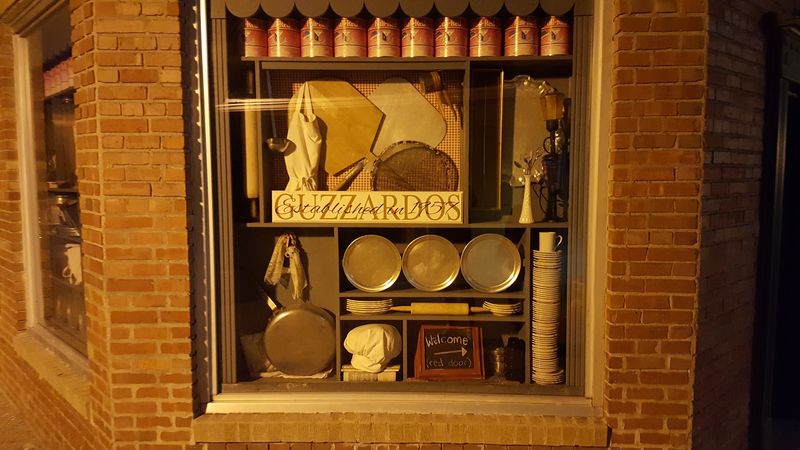
Few menu details carry more local pride than hearing a restaurant still uses its original dough and marinara recipe. At Guzzardo’s Italian Villa in Lincoln, four generations of the Guzzardo family have preserved pizza dough, pasta, marinara, and Italian-American recipes first served by founders Doc and Rose in 1957.
That long thread gives the restaurant a clear identity. It is not chasing a new version of itself. It is protecting the dishes people already connect with the name.
For first-time diners, pizza is the obvious starting point because the original dough is part of the story. Pairing that with a pasta dish or another classic can show how the marinara carries across the menu.
When the same sauce or foundational recipe has lasted for decades, diners can often trace the restaurant’s character through those basics. That makes ordering easier.
Go straight for the foods most closely tied to the family’s history and let them do the talking. Lincoln benefits from places like this because they anchor community memory without needing to turn it into a theme.
Families can gather around meals that appeal to several generations at once, and regulars can measure change in life while the restaurant remains steady.
Italian-American comfort food is especially strong in that role because pizza and pasta work for celebrations, everyday dinners, and take-home leftovers just as well.
A visit to Guzzardo’s makes the most sense when approached with appreciation for continuity. Diners should not expect a constantly shifting concept or a menu trying to mirror every dining trend.
The appeal is older and simpler than that. Long-kept dough, familiar marinara, and recipes linked to founders from the 1950s create a direct connection between past and present.
In practical terms, that means full plates, recognizable flavors, and a meal shaped by the family line that still runs the kitchen story.
Share this story