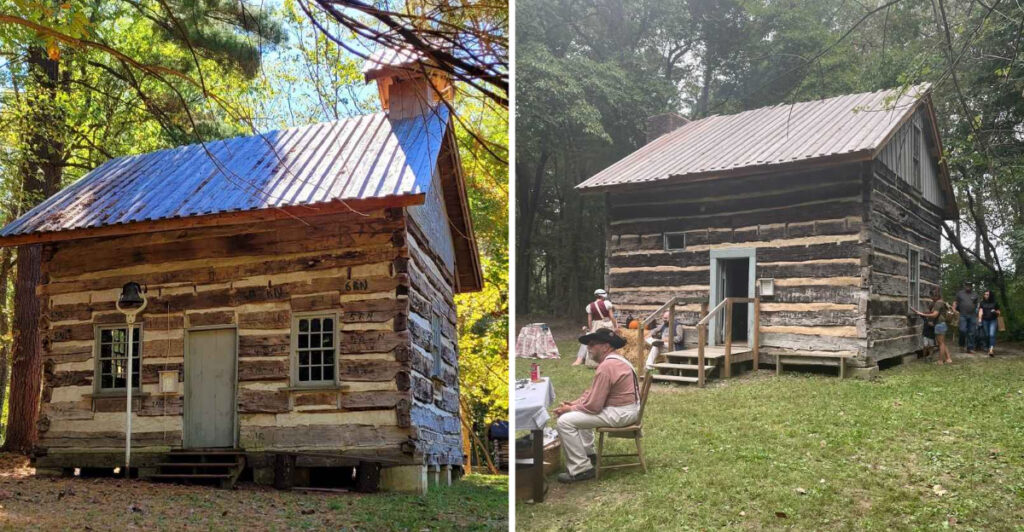
Hidden among the trees near Kinmundy is a piece of Illinois history that many travelers never realize exists. Kinmundy Log Cabin Village preserves a collection of historic log structures that offer a fascinating glimpse into frontier life and the Civil War era, allowing visitors to experience the craftsmanship, architecture, and everyday surroundings of an earlier time.
Walking through the village feels like stepping back more than a century, with each cabin helping tell the story of the families and communities that shaped the region. For history lovers and curious road trippers alike, this quiet landmark is one of Illinois’ most rewarding hidden discoveries.
A Woodland Road That Opens Into Another Century
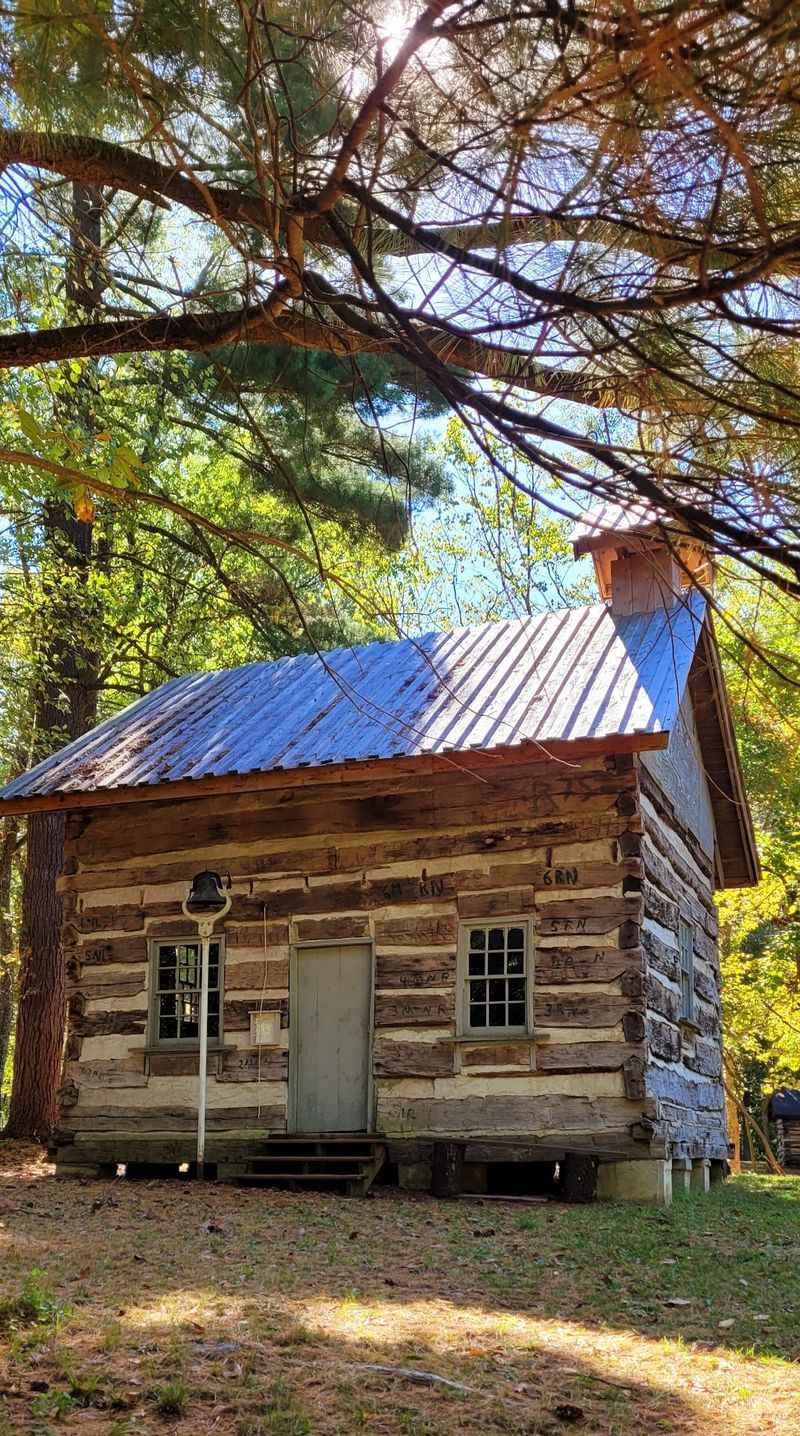
The surprise starts before anyone reaches the first cabin. Kinmundy Log Cabin Village sits in a wooded setting that feels separate from the rush of highways and chain stores, so the approach already sets a different mood.
Trees, open space, and rustic structures do a lot of the storytelling before a single history lesson begins. That setting matters because the village is not presented like a polished indoor museum with glass cases and bright white walls.
Instead, the cabins stand outdoors where weather, ground, and distance help explain how simple and demanding everyday life once was. Walking from one structure to the next makes the past seem physical, not abstract.
Several visitors mention finding the place almost by accident, which says a lot about its low-key location. The site is off the beaten path in the best sense, rewarding curiosity instead of flashy advertising.
For families used to crowded attractions, the calm layout can be part of the appeal. Even the spacing between buildings helps. Cabins are not stacked tightly together, so each one gets a little room to be noticed as its own object with its own shape, logs, roofline, and details.
That slower pace encourages people to stop, look closely, and compare one building to another. For first-time visitors, it helps to arrive ready for an outdoor walk instead of a quick stop. Comfortable shoes make a difference, especially when paths are uneven in places.
The village works best when explored patiently, with time to notice the woods, the cabin exteriors, and the way the whole property creates a bridge between local land and local history.
Real Cabins, Real Labor, Real Preservation
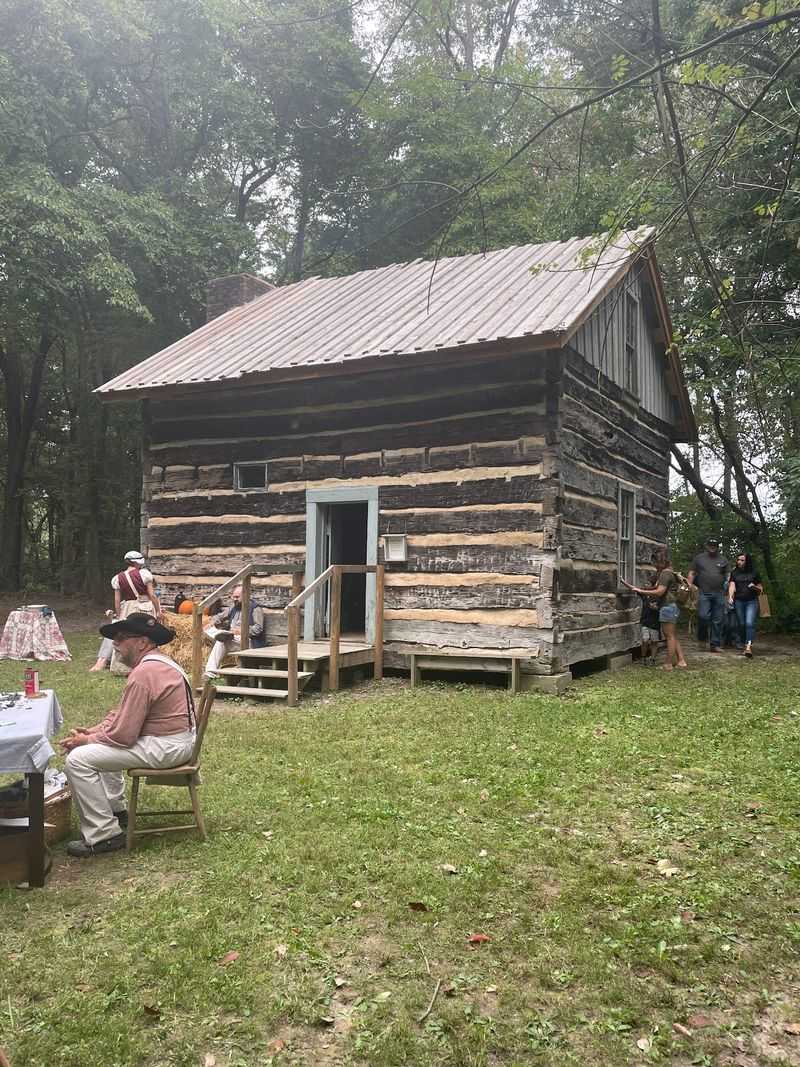
Old buildings can vanish fast when nobody steps in, and that is one reason Kinmundy Log Cabin Village stands out. The cabins here are not pretend replicas built to suggest the past.
They are preserved structures tied to the region’s earlier years, and some were carefully taken apart and reassembled on site.
That kind of work is slow and exact. Logs have to be handled, fitted, and placed with care so the building still makes sense as a historical object rather than a rough copy.
Knowing that process gives extra weight to what visitors see, because each cabin represents effort long after its original builders were gone.
The village reportedly has a dozen cabins re-erected, with more still needing attention. Even without turning the visit into a lecture on preservation methods, that fact changes how the place reads.
A wall of logs stops being background scenery and becomes proof that someone chose to save a piece of Illinois history before it disappeared.
There is also a practical lesson here for younger visitors. History is often taught through dates, battles, and big names, but homes reveal just as much.
Cabin size, window placement, materials, and interior arrangement all show what resources people had and how daily routines worked.
For anyone planning a stop, it helps to view the village as a preservation project as much as an attraction. Looking closely at corners, chinking, doors, and rooflines turns a simple walk into a sharper experience.
Instead of rushing cabin to cabin, pause long enough to notice that every surviving structure represents both nineteenth-century building skill and modern-day rescue work.
Inside the Cabins, Daily Life Gets Specific
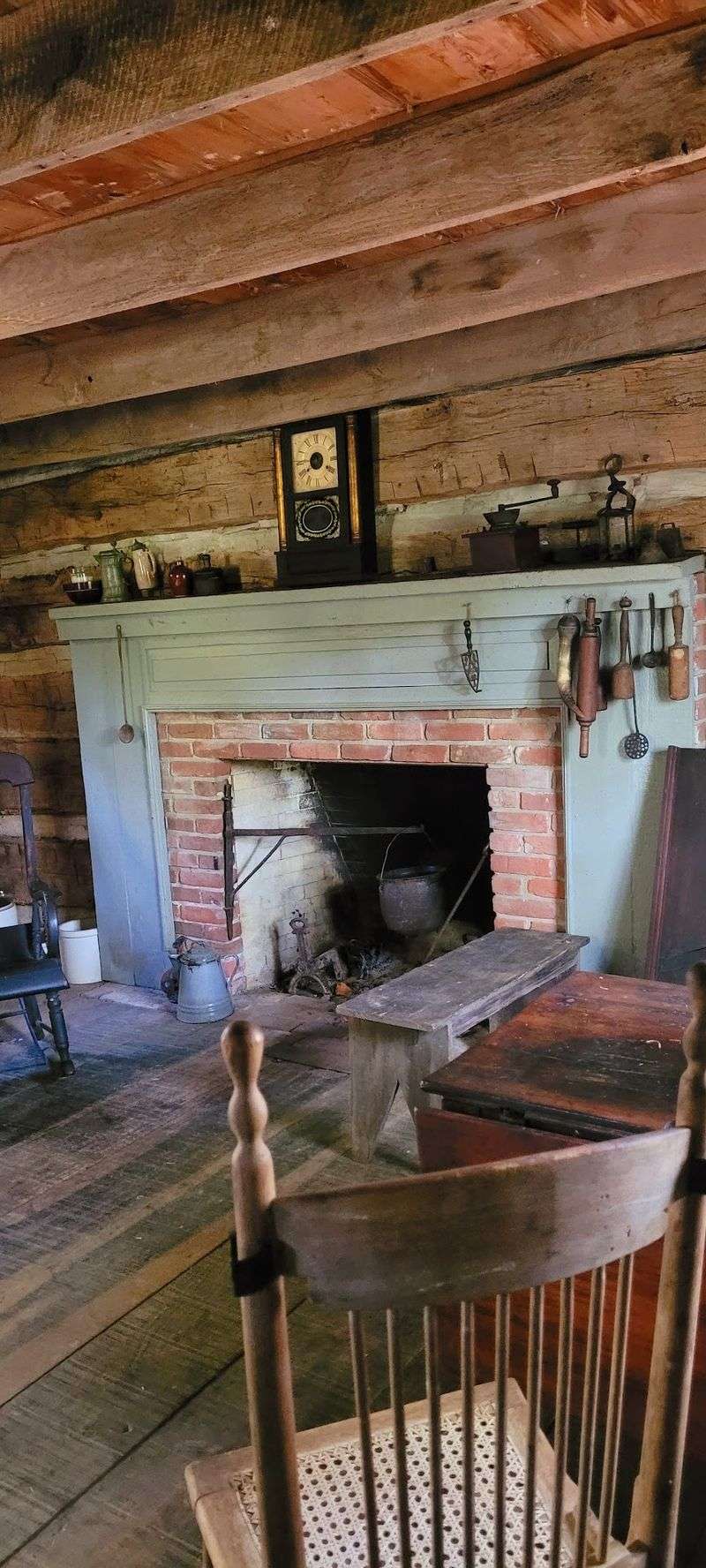
A cabin exterior catches the eye, but the interior is where the story sharpens. Through open spaces or windows, visitors can often see how rooms were arranged and how limited space shaped everyday life.
Furniture, household items, and simple layouts turn broad history into ordinary human routine. That is a big reason the village connects so well with school-age kids and adults returning after years away. Reading about frontier or Civil War-era life is one thing.
Standing near a tiny dwelling and seeing how a family might have cooked, slept, stored tools, or used a table for several jobs at once is much more direct.
Some cabins are described as well preserved and decorated, which adds another layer beyond plain architecture. Bare logs alone can feel distant to modern eyes, but thoughtful interior details help visitors picture chores, meals, rest, and survival.
It becomes easier to imagine winter cold, summer heat, and the constant need to use space wisely. Period interpreters have also been part of the experience during events, and that can make a cabin visit much richer.
A person in historical clothing explaining daily life gives context that signs sometimes cannot. Instead of just staring at old objects, visitors hear how those objects fit into work, family, and local conditions.
The best approach is to slow down and ask simple questions while looking in. Where would light have come from at night.
How many people could fit here comfortably. What jobs happened in this one room. Those basic questions open the door to deeper understanding, and they help explain why Kinmundy Log Cabin Village is more than a collection of old structures set in the woods.
When Illinois History Puts On Work Clothes
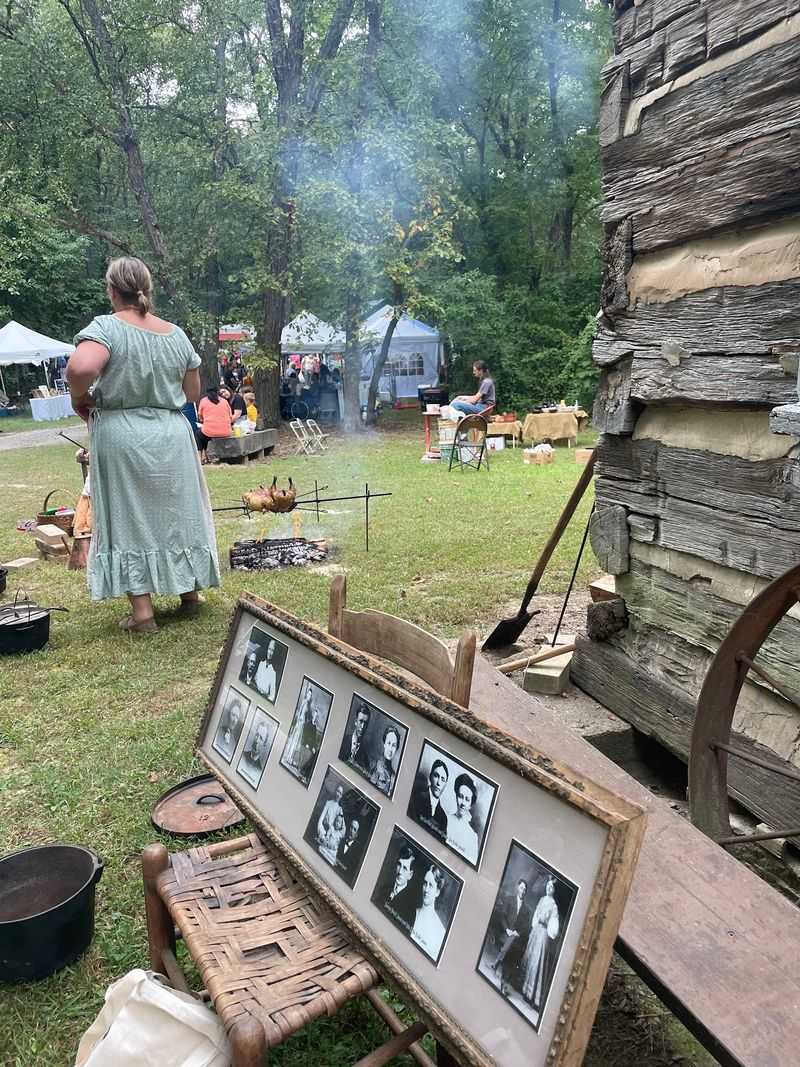
Looking at old cabins is one thing. Seeing them filled with activity is something else entirely. During special events, Kinmundy Log Cabin Village transforms from a peaceful collection of historic buildings into a place where visitors can watch nineteenth-century skills being practiced in real time.
That shift makes the history feel far more immediate than a row of empty structures ever could. Period interpreters dressed in historical clothing help explain how everyday work once shaped life on the Illinois frontier.
Demonstrations of rope making, woodworking, blacksmithing, weaving, and other traditional crafts show just how much labor went into ordinary household tasks.
Watching those skills firsthand helps visitors appreciate the knowledge and patience required long before modern conveniences existed. Festival weekends add another dimension to the experience.
Vendors, food stands, music, craft booths, and family-friendly activities often fill the grounds, creating a lively atmosphere that attracts both history enthusiasts and local families. Even with the extra entertainment, the historic cabins remain the heart of the event and are still the best place to begin exploring.
For first-time visitors, it helps to experience the demonstrations before browsing the festival attractions. Seeing a craftsperson explain a traditional skill provides useful context for everything else on the property.
Once that historical foundation is in place, the food, music, and community atmosphere feel like natural additions rather than distractions. The result is an experience that appeals to several generations at once.
Children enjoy seeing history in motion instead of only reading about it, while adults gain a deeper appreciation for the everyday work that shaped frontier communities.
Rather than presenting history as something locked behind museum glass, Kinmundy Log Cabin Village shows it as a collection of practical skills, real people, and traditions that can still be understood through watching, listening, and participating.
The Human Story Behind the Village Matters as Much as the Logs
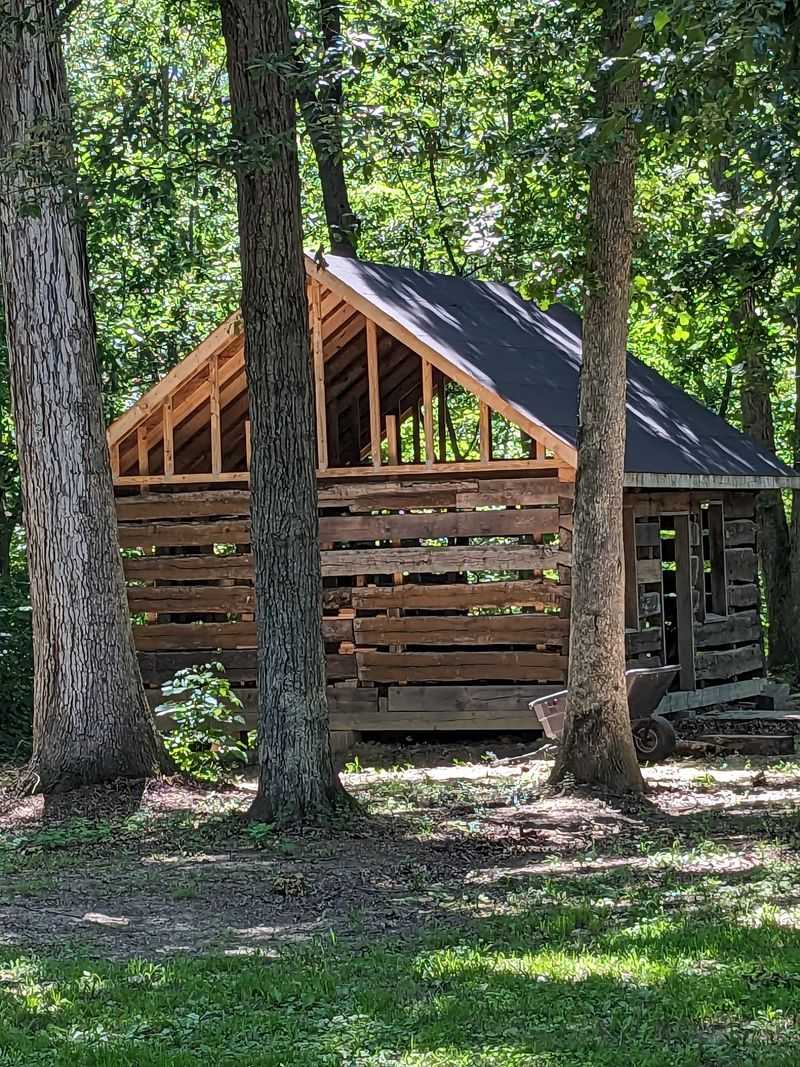
Places like this do not survive by accident. Kinmundy Log Cabin Village carries a strong preservation story, with caretakers and volunteers helping protect cabins that might otherwise have been lost.
That effort gives the village a very different character from a large institution with major funding and polished exhibits.
One review points to a woman’s dream of preserving log cabins from the 1800s, and that detail fits the entire mood of the site. The village comes across as a labor of care, not a manufactured attraction built around a marketing plan.
Every saved cabin suggests a chain of decisions, workdays, donations, and local commitment. The nonprofit side matters too. Preservation is expensive even when buildings are small, because old materials demand steady maintenance and thoughtful handling.
A site like this depends on people who believe the past should stay visible in the landscape rather than fade into photographs and memory alone.
That human effort can shape the visitor experience in practical ways. On some days, caretakers may be the ones sharing background, opening the grounds, or working on upkeep.
Instead of seeing that as less formal than a major museum, it helps to understand it as part of the village’s identity.
There is also a lesson here about local history itself. National stories often focus on famous battlefields and big political figures, yet community places preserve the ordinary homes that explain how people actually lived during the same era.
Kinmundy Log Cabin Village keeps that side of history standing where people can still walk among it. The buildings matter, of course, but so do the steady hands that keep those walls upright year after year.
How to Time a Visit Without Missing the Best Parts
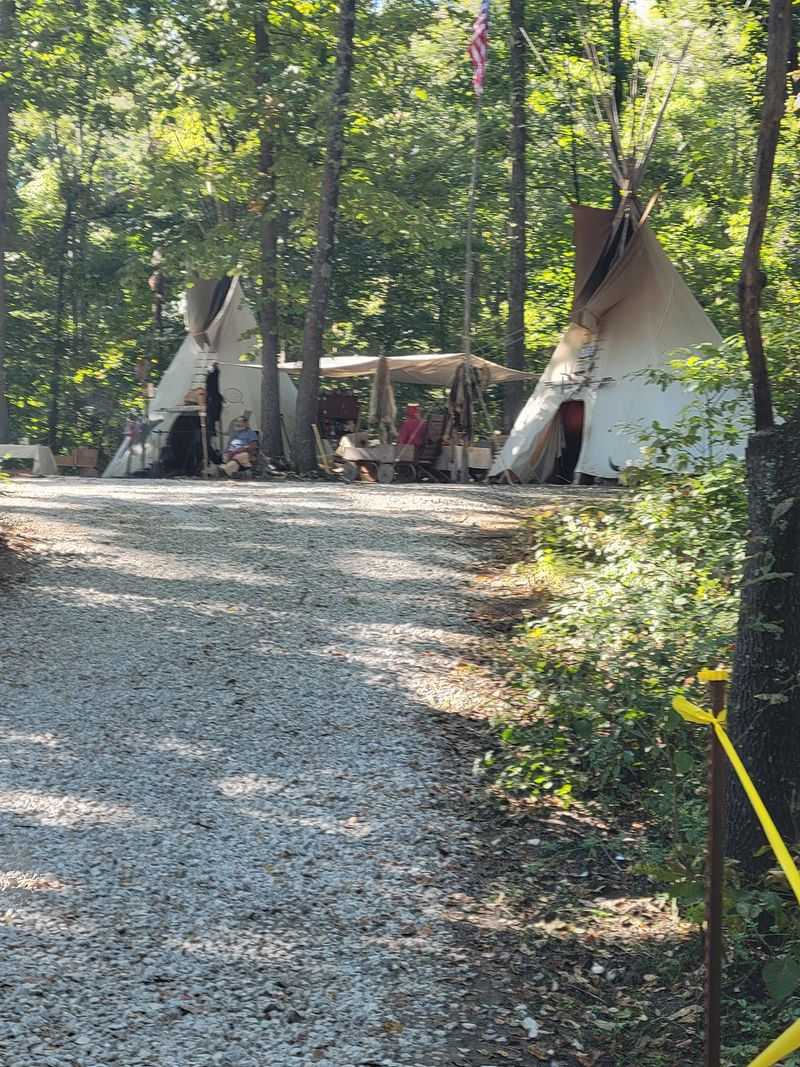
The timing of your visit can completely change the experience at Kinmundy Log Cabin Village. On quiet days, the grounds invite a slow walk among the cabins, giving visitors time to appreciate the craftsmanship, peaceful woodland setting, and details that are easy to miss in a crowd.
During major events, however, the village transforms into a lively destination filled with demonstrations, costumed interpreters, and community activity. For many travelers, the annual Log Cabin Days celebration is the best time to visit.
Held each September, the event brings together historical reenactors, traditional craft demonstrations, vendors, food, and family activities that add extra energy to the historic setting. Watching blacksmiths, woodworkers, and other artisans at work makes the cabins feel less like museum pieces and more like places where people once lived and worked.
Festival weekends do require a little preparation. Early fall weather can still be warm, so comfortable shoes, water, and light clothing are wise choices for anyone planning to spend several hours exploring the grounds.
Since activities are spread across the property, expect to do plenty of walking throughout the day. Visitors who prefer a quieter atmosphere may enjoy coming outside the main festival season.
Without the larger crowds, it becomes easier to linger inside the village, compare the different cabins, and appreciate the peaceful surroundings at your own pace. The slower setting often appeals to photographers, history enthusiasts, and anyone interested in taking a closer look at the preserved buildings.
The best visit ultimately depends on what you hope to experience. If you enjoy demonstrations and community events, plan around Log Cabin Days.
If you prefer quiet exploration and uninterrupted history, choose a calmer day instead. Either way, arriving with enough time to wander slowly is the key to appreciating everything this hidden Illinois landmark has preserved.
Why the Village Stays With You After the Drive Home
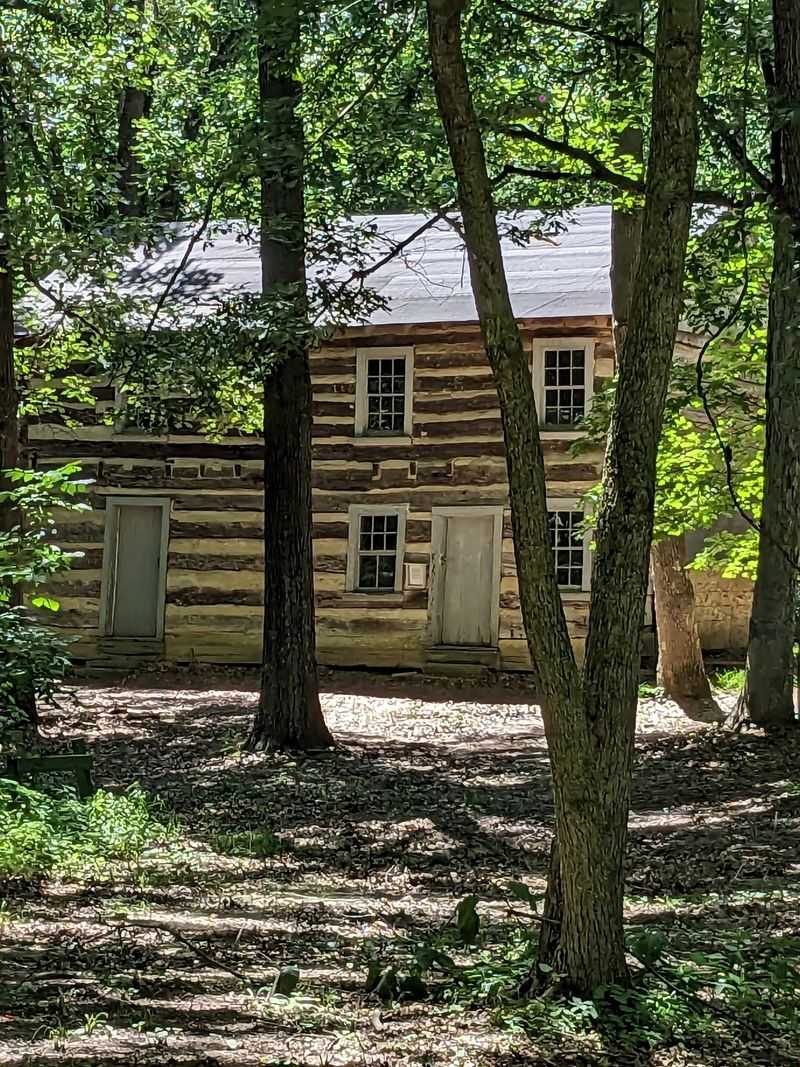
Some historic sites impress with scale, but Kinmundy Log Cabin Village works on a smaller and steadier level. Its strength comes from closeness.
The cabins are not distant monuments fenced off from life. They sit in a wooded landscape where local history, preservation work, and seasonal community events all meet in one place.
That combination makes the village unusual. It offers architecture to study, outdoor space to enjoy, and live interpretation during major events, all without losing its rural character.
A person can come for the festival buzz or for the quiet walk, and the same site supports both experiences surprisingly well.
There is also a clear educational value that does not depend on formal classroom language. Children can understand the size of the cabins, the simplicity of the furnishings, and the amount of labor behind everyday chores.
Adults often notice a different layer, seeing how fragile local heritage can be when old buildings depend on volunteers and donations instead of large systems.
Another reason the village stands apart is that it feels rooted in its region rather than copied from a template. Southern Illinois has many stories that never become national headlines, yet places like this preserve the settings where ordinary families built lives.
That gives the village a strong sense of place without needing flashy presentation. For anyone looking for a trip with texture, Kinmundy Log Cabin Village delivers more than a quick photo stop. It offers cabins, woods, demonstrations, and a visible act of preservation all in one setting.
The result is a rare chance to see Civil War-era domestic history not as an abstract chapter, but as a group of real wooden homes still standing where curious travelers can step close and look carefully.
Share this story