Pennsylvania is packed with museums that feel more like small worlds than single buildings. From art-filled halls in Philadelphia to history-packed galleries in Pittsburgh, these places can keep curious visitors busy for hours, with collections that cover everything from American history and fine art to science, culture, and fascinating objects from around the world. Some museums are impressive simply because of their size, while others pack so much into their galleries that there is something new to discover around nearly every corner. Many of them are so large, layered, or full of rare and unusual objects that one trip may only cover the highlights.
You might spend an entire afternoon exploring a few exhibits and still leave with plenty more to see on your next visit. That is part of what makes these museums such rewarding destinations for families, history lovers, art enthusiasts, and anyone who enjoys learning something unexpected. If you enjoy learning through real things you can see up close, these museums offer plenty of reasons to slow down and explore. Whether you have a full day to spare or are simply looking for an interesting place to spend a few hours, this guide will help you choose where to spend your next museum day.
1. Mütter Museum, Philadelphia
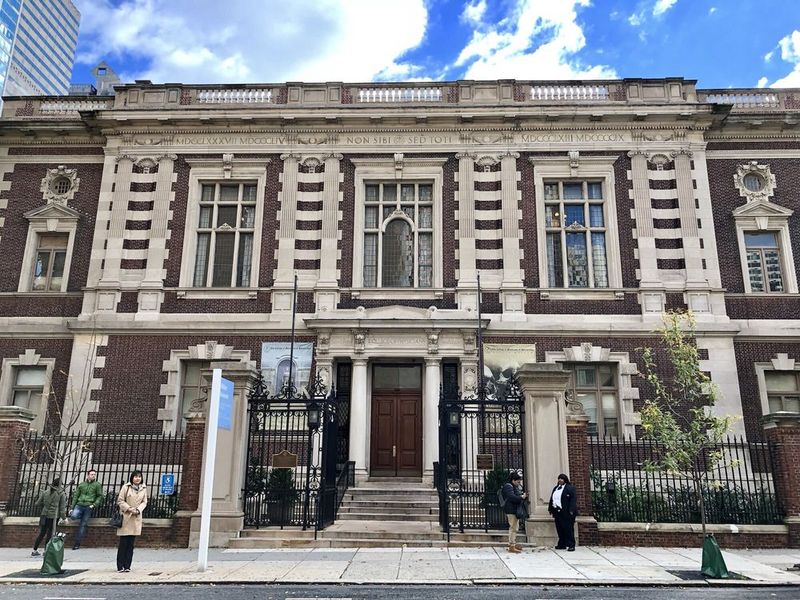
A jar, a skeleton, or an old medical tool can stop you in your tracks here, and that is part of the point.
The Mütter Museum in Philadelphia is famous for showing the human body in ways that are honest, strange, and unforgettable.
Located in Pennsylvania’s largest city, the museum belongs to The College of Physicians of Philadelphia.
Its collection includes anatomical specimens, medical instruments, wax models, and historic health exhibits that explain how doctors learned about illness and the body over time.
Visitors should know that this is not a light, quick museum for everyone.
Some displays can feel intense, especially for younger children or anyone who is sensitive to medical topics, so it helps to read exhibit notes and move at your own pace.
One reason a single visit may not be enough is the amount of detail packed into each case.
A quick glance shows something unusual, but careful reading reveals stories about science, public health, surgery, and real people who changed medical history.
Plan extra time if you enjoy odd facts or history that feels different from a textbook.
The museum is smaller than some giant art museums, but it feels huge because every corner asks you to slow down and think.
After your visit, take time to talk about what you saw.
The Mütter Museum can be surprising, but it also reminds visitors that Pennsylvania has long played a role in medicine, learning, and difficult questions about the human body.
2. State Museum of Pennsylvania, Harrisburg
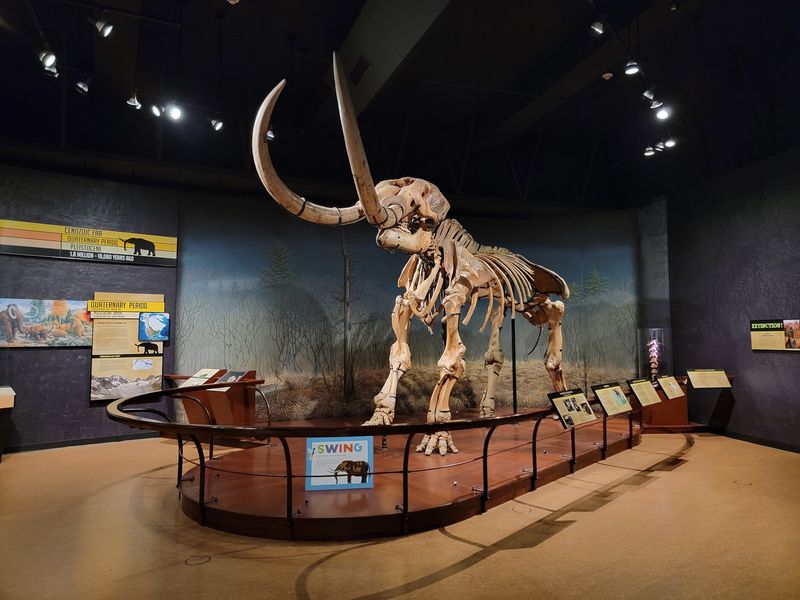
For anyone who wants to understand Pennsylvania without driving across the whole state, this museum is a smart first stop.
The State Museum of Pennsylvania in Harrisburg gathers geology, wildlife, archaeology, industry, art, and state history under one roof.
Its location near the Capitol makes the visit feel connected to the bigger story of the commonwealth.
You can learn about ancient animals, Native peoples, colonial life, the Civil War, coal mining, farming, and the many communities that shaped Pennsylvania.
The museum’s scale comes from its wide subject range.
One floor may feel like a natural history lesson, while another feels like a walk through old towns, factories, and changing neighborhoods.
Families often like that there is something for different ages.
Younger visitors may enjoy animals, fossils, or hands-on areas, while older kids and adults can spend more time with maps, artifacts, and stories about state government.
A helpful plan is to choose two or three main themes before you arrive.
If you try to read every label and see every gallery in one pass, you may leave tired before reaching the sections that interest you most.
Because Pennsylvania is so varied, the museum reflects mountains, rivers, cities, farms, and industries all at once.
A second visit can feel fresh, especially if you return with a new focus, such as transportation, military history, or the natural world.
3. National Constitution Center, Philadelphia
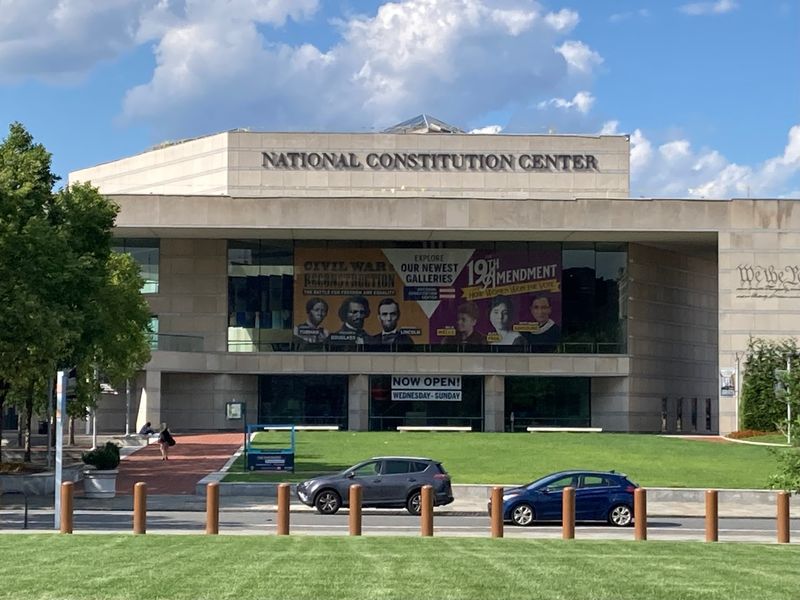
Few museums can make old words feel as alive as a busy town meeting, but this Philadelphia landmark tries to do exactly that.
The National Constitution Center turns the United States Constitution into a story about choices, rights, debates, and everyday life.
Set on Independence Mall, it stands close to other major Pennsylvania historic sites, including Independence Hall and the Liberty Bell.
That location gives the museum extra power because visitors are learning about government near the place where major American ideas took shape.
Inside, exhibits use films, theater, artifacts, and interactive displays.
Instead of only asking visitors to memorize dates, the museum asks them to think about free speech, voting, courts, presidents, and how people disagree in a democracy.
The famous Signers’ Hall is a favorite stop because life-size bronze statues show the Constitution’s framers gathered together.
It is a fun photo spot, but it also helps visitors picture history as something made by real people, not distant names.
One visit may not be enough if you like reading, debating, or connecting history to today’s news.
Special exhibits can add even more, so returning at another time may bring a very different experience.
Students, families, and adults can all get something useful here.
Go slowly, ask questions, and leave room for conversation afterward, because the biggest lesson is not only what the Constitution says, but how Pennsylvanians and all Americans continue to live with it.
4. Philadelphia Museum of Art, Philadelphia
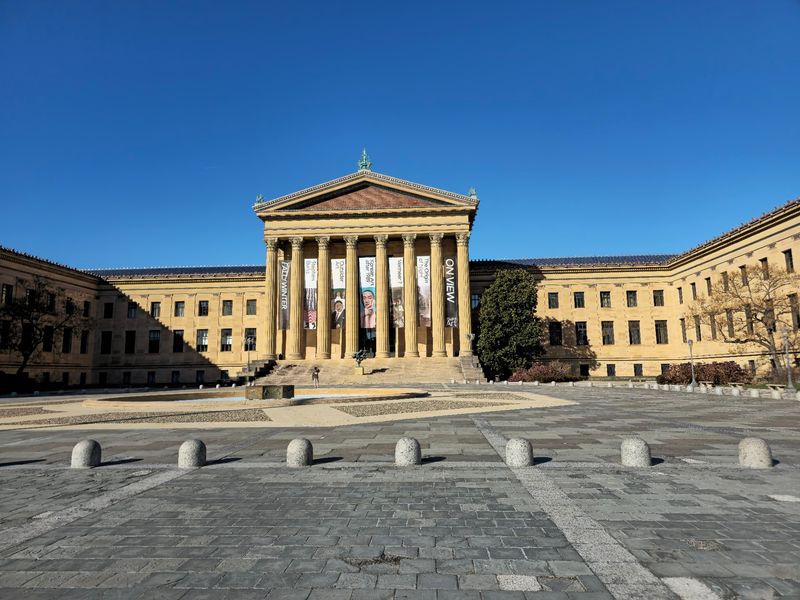
Those famous front steps may get the photos, but the real workout begins once you enter the galleries.
The Philadelphia Museum of Art is one of Pennsylvania’s best-known cultural giants, with collections that can easily fill an entire day.
The building sits at the end of the Benjamin Franklin Parkway and looks over the city like a temple for art.
Inside, visitors find paintings, sculpture, armor, furniture, textiles, photographs, and rooms that recreate spaces from different times and places.
Art lovers can move from European masterpieces to American works, then into Asian art, modern pieces, or decorative objects.
The museum feels huge because it is not just about looking at pictures on walls.
Some rooms make you feel as if you have stepped into another century.
That mix of grand galleries and detailed period rooms rewards slow looking, especially if you enjoy noticing small design choices, colors, and materials.
A good tip is to avoid trying to see everything in one visit.
Pick a few areas, take breaks, and leave time to enjoy the building itself, since the architecture is part of the experience.
Visitors who return can shape each trip differently.
One day might focus on Impressionist paintings, another on arms and armor, and another on special exhibitions.
In a state full of history and creativity, this museum shows how Pennsylvania connects to art from around the world.
5. Erie Art Museum, Erie
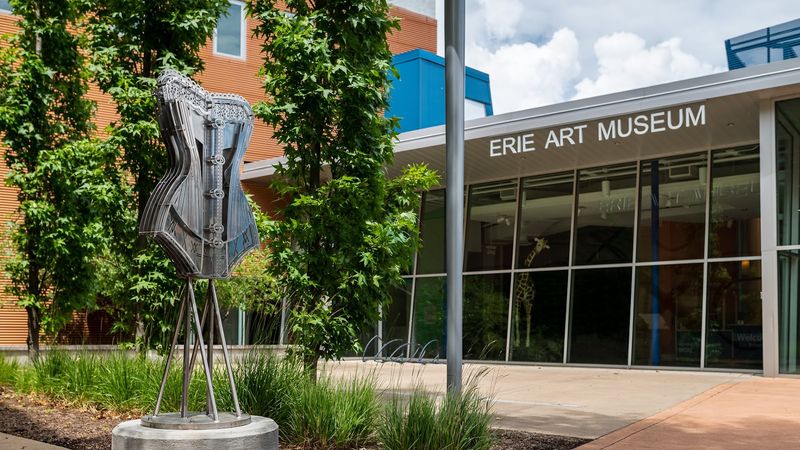
Near Pennsylvania’s Great Lakes shoreline, art has a different kind of energy.
The Erie Art Museum brings color, craft, and community into downtown Erie, making it a rewarding stop for visitors who want more than a quick lakeside photo.
The museum has a strong collection that includes American art, folk art, works on paper, ceramics, and changing exhibitions.
It may not look as enormous as some big-city museums from the outside, but its depth can surprise first-time visitors.
Part of its size comes from the variety of experiences it offers.
You might see contemporary art in one gallery, handmade objects in another, and pieces tied to regional identity nearby.
Because Erie sits in northwestern Pennsylvania, the museum helps show that the state’s cultural life is not limited to Philadelphia and Pittsburgh.
Local artists, community programs, and special events give the place a strong hometown feel.
Visitors should check the museum schedule before going.
Exhibitions, classes, gallery talks, and public programs can change the mood of a visit, and timing your trip around an event may make it more memorable.
Take your time with smaller works, because they often hold the biggest surprises.
A second trip can be useful when new exhibitions arrive or when you want to explore the collection with a fresh eye.
For travelers crossing Pennsylvania, Erie Art Museum proves that major museum experiences can appear far from the state’s largest cities.
6. Pennsylvania Academy of the Fine Arts, Philadelphia
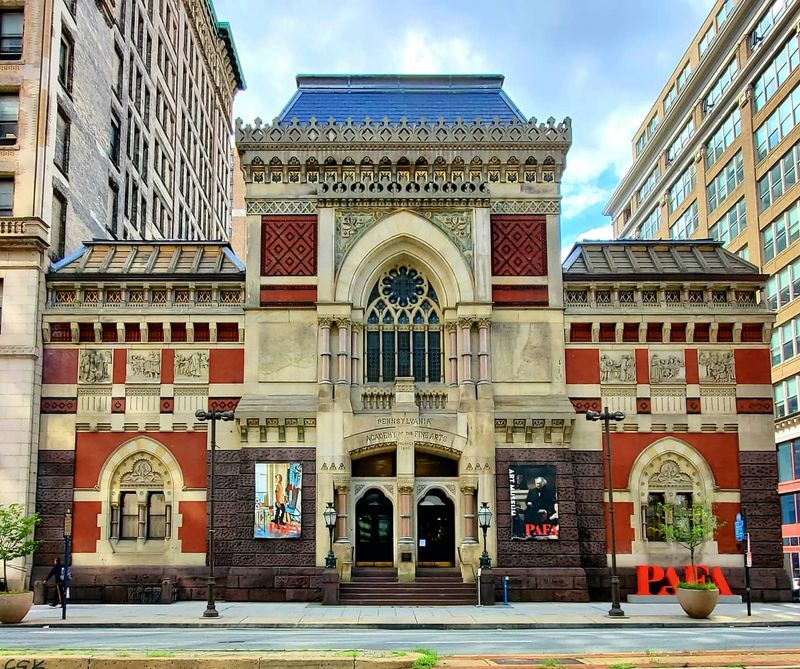
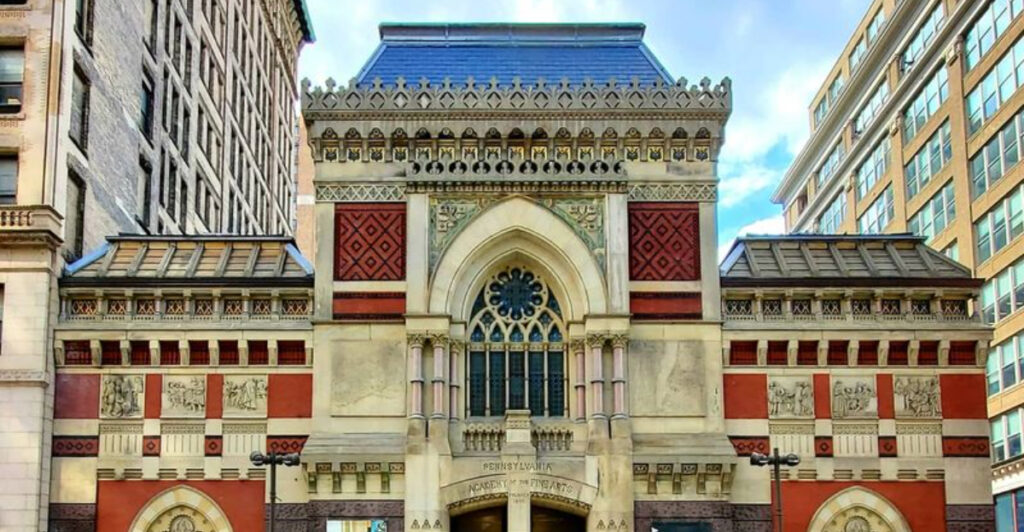
Bright colors, bold architecture, and serious American art meet in one of Philadelphia’s most eye-catching museum buildings.
The Pennsylvania Academy of the Fine Arts, often called PAFA, is both a museum and a historic art school.
Founded in 1805, it is known as the first and oldest art museum and school in the United States.
That history gives every visit a special feeling, because visitors are walking through a place where generations of artists studied, taught, and showed their work.
The collection focuses strongly on American art, including portraits, landscapes, sculpture, and modern works.
You can see how artists in Pennsylvania and beyond pictured people, places, politics, and daily life across many decades.
The building itself deserves attention.
Designed by Frank Furness and George Hewitt, the historic structure has dramatic details, rich colors, and unusual shapes that make the museum feel like artwork before you even reach the galleries.
Do not rush here if you like comparing old and new styles.
PAFA often places historic works near more recent art, helping visitors notice how artists respond to earlier ideas or push against them.
A return visit is helpful because the museum’s exhibitions and student connections keep it lively.
You may come once for famous American paintings and return later for contemporary voices.
In Pennsylvania’s museum landscape, PAFA stands out as a place where art history and living creativity share the same address.
7. Reading Public Museum, Reading
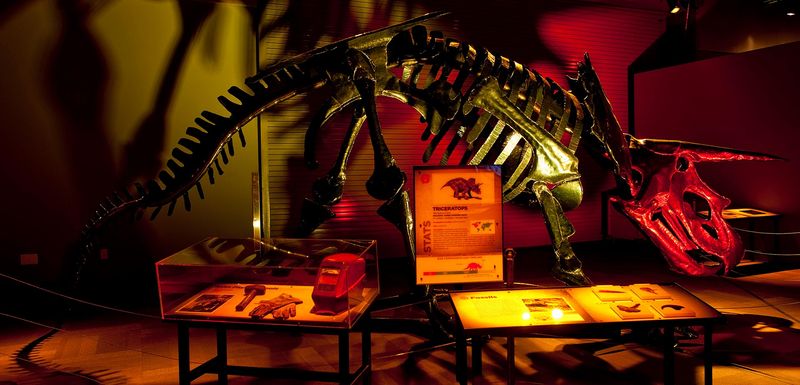
A museum visit in Reading can turn from ancient artifacts to outer space faster than you might expect.
The Reading Public Museum is a wide-ranging Pennsylvania favorite because it combines art, science, history, nature, and a planetarium experience.
The collection includes fine art, world cultures, natural history objects, and educational displays.
Visitors might see paintings, fossils, ancient items, animal specimens, or exhibits that explain science in a friendly way.
Its campus adds to the feeling of size.
The museum is connected with an arboretum and the Neag Planetarium, so a trip can include indoor galleries, outdoor walking, and a look at the stars.
That mix makes planning important.
Families with children may want to balance quiet gallery time with a planetarium show or a walk outside, while adults may choose to focus on art or special exhibitions.
The Reading Public Museum is especially useful for groups with different interests.
One person may love ancient history, another may care about animals, and someone else may be excited by astronomy, yet everyone can find a corner that fits.
If you only have a short visit, check current exhibits and showtimes first.
A longer day lets you enjoy the slower parts, including the grounds.
Returning makes sense because the museum is not built around one topic.
It is more like a learning sampler for Pennsylvania visitors who enjoy variety and do not want their museum day to feel predictable.
8. Barnes Foundation, Philadelphia
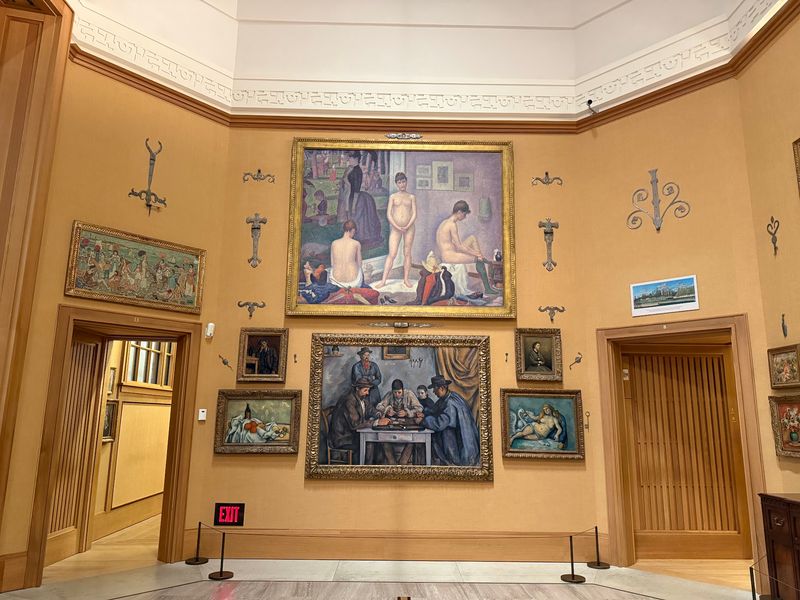
At first, the walls can feel like a puzzle made of paintings, metalwork, furniture, and patterns.
The Barnes Foundation in Philadelphia is famous for its unusual arrangements, where artworks are grouped to help visitors compare shapes, colors, and lines.
The collection was created by Dr. Albert C.
Barnes and includes major works by artists such as Renoir, Cézanne, Matisse, Picasso, and many others.
It also includes African sculpture, Native American art, decorative objects, and ironwork.
Unlike many museums that organize art mostly by time or artist, the Barnes uses ensembles.
That means paintings and objects are placed together in carefully planned groups, encouraging visitors to look for visual connections.
This approach can make the museum feel much larger than its gallery count suggests.
A single wall may hold enough details for a long conversation, and rushing past it means missing much of the point.
First-time visitors may want to join a tour or use museum guides to understand how the arrangements work.
Once you know what to look for, the rooms become more playful and less overwhelming.
A second visit can completely change what you notice.
Maybe one trip focuses on famous paintings, while another follows patterns in frames, chairs, hinges, or colors.
In Pennsylvania, the Barnes Foundation offers a museum experience that rewards patience, curiosity, and careful eyes more than a simple checklist.
9. Heinz History Center, Pittsburgh
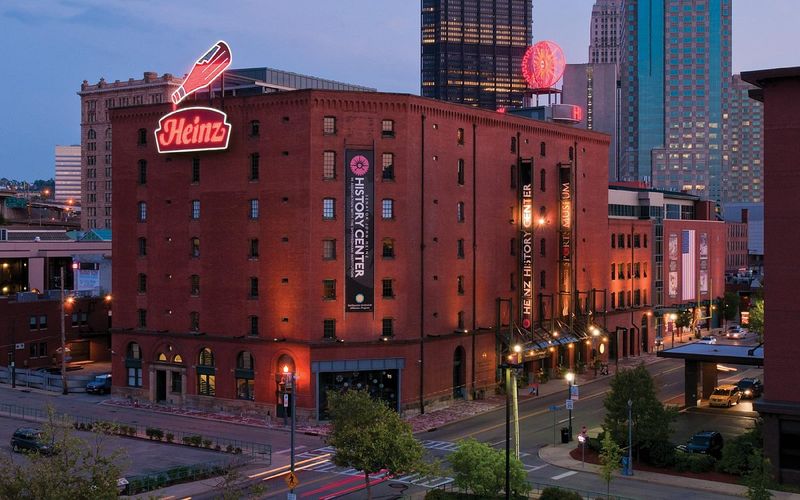
Pittsburgh stories do not fit into one small room, and this museum proves it floor by floor.
The Heinz History Center is the largest history museum in Pennsylvania, with exhibits that connect western Pennsylvania to national events, sports, industry, food, and everyday life.
Located in Pittsburgh’s Strip District, the museum is part of the Smithsonian Affiliate network.
Its galleries cover topics such as immigration, steel, innovation, local neighborhoods, wars, and the people who helped shape the region.
Sports fans often make a beeline for exhibits tied to Pittsburgh teams and athletes.
History lovers may linger over artifacts from factories, homes, businesses, and communities that show how the city changed over time.
The museum’s size can sneak up on visitors.
You may arrive thinking about ketchup or steel and end up spending hours with Mr. Rogers, old vehicles, military history, or interactive displays.
Good shoes are a wise choice because there are multiple floors to explore.
It also helps to check the map early, then decide which exhibits are must-sees and which can wait for another visit.
What makes the Heinz History Center special is its strong sense of place.
It tells Pennsylvania history through real objects and local voices, but the lessons reach beyond Pittsburgh.
A return trip is easy to justify because the museum holds too many stories for one afternoon, especially if you enjoy both big events and small personal details.
10. Carnegie Museums of Pittsburgh, Pittsburgh
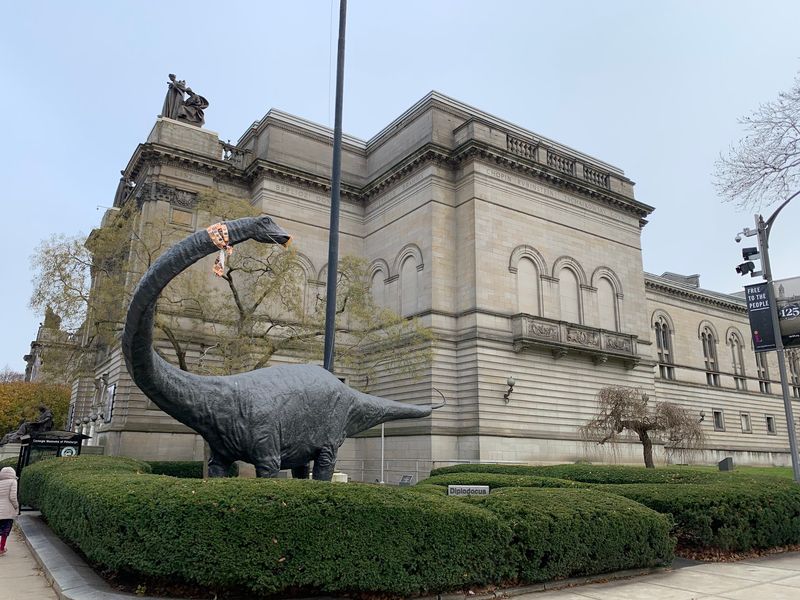
One ticket can feel like several adventures stitched together.
The Carnegie Museums of Pittsburgh include major cultural and scientific institutions, with the Carnegie Museum of Art and Carnegie Museum of Natural History sharing a large Oakland complex.
The natural history side is famous for dinosaurs, minerals, animals, ancient cultures, and displays that explain life on Earth.
Dinosaur Hall is a major highlight, especially for children and adults who still remember being amazed by giant skeletons.
The art museum offers paintings, sculpture, architecture, photography, decorative arts, and contemporary works.
Moving between science and art in the same visit makes the experience feel especially full.
Because the complex covers so much ground, visitors should think of it as a day trip rather than a quick stop.
A family might spend an hour with dinosaurs alone, then still have entire art galleries waiting nearby.
Breaks are important here.
Look for seating areas, pause for food, and avoid saving your favorite section until the very end when everyone is tired.
Returning is not a failure of planning.
It is often the best way to enjoy the Carnegie Museums.
One visit can focus on fossils and gems, while another can slow down for paintings and design.
As part of Pennsylvania’s museum scene, this Pittsburgh powerhouse shows how art, science, and curiosity can share space in a way that keeps visitors coming back.
11. Allentown Art Museum, Allentown
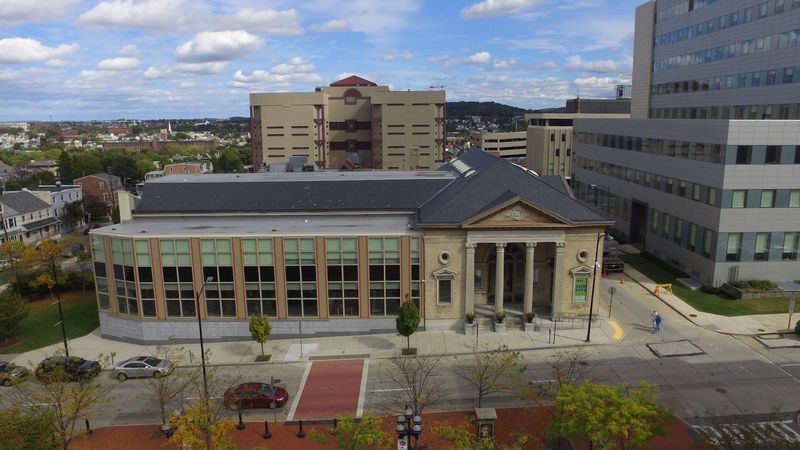
In the Lehigh Valley, a calm museum day can still feel rich with discovery.
The Allentown Art Museum gives visitors a broad art experience without the rush and crowds often found in larger cities.
The collection includes European paintings, American art, textiles, works on paper, decorative arts, and pieces from different cultures.
It is the kind of museum where a quiet room may hold a surprising treasure.
One major point of interest is the museum’s connection to architecture and design, including a library from a home designed by Frank Lloyd Wright.
Details like that help visitors see art as part of daily spaces, not only as framed objects.
The museum is large enough to reward several hours, yet comfortable enough for people who do not want to feel lost.
That balance makes it a good choice for families, casual visitors, and serious art fans alike.
Before going, check for special exhibitions, family programs, or free admission opportunities.
Events can add hands-on learning or fresh themes that make the visit feel different from a standard gallery walk.
A second trip may reveal sections you skipped the first time, especially if you moved quickly through textiles or decorative arts.
In Pennsylvania’s museum map, the Allentown Art Museum is a reminder that meaningful collections are spread across the state.
It offers beauty, history, and breathing room, all in a city that makes a fine stop between Philadelphia, Harrisburg, and the Poconos.
Share this story