Pennsylvania has a long and proud aviation story, and many parts of it are preserved inside small museums, busy hangars, historic airfields, and carefully maintained collections across the state. From Lock Haven, where Piper aircraft helped make flying more accessible, to Reading, where World War II aviation history comes alive, these places help visitors understand how flight changed travel, work, war, and everyday life. Each museum offers its own perspective, whether it focuses on famous aircraft, local pilots, military history, or the people who helped build Pennsylvania’s place in aviation. A visit to an aviation museum is not just about looking at old planes, because it is also about meeting knowledgeable volunteers, hearing local stories, and seeing how bold ideas eventually became real machines. Many exhibits bring history closer by showing the tools, photographs, uniforms, engines, and personal belongings connected to the people who worked around these aircraft. Standing beside a historic plane can make a story from decades ago feel surprisingly real.
Families, students, history fans, and curious travelers can all find something memorable in these Pennsylvania museums. Whether you love engines, pilots, helicopters, military aircraft, or simply enjoy stories about people who looked up and imagined more, these destinations offer a fascinating glimpse into the past. They are places where technology, courage, and human curiosity come together—and where Pennsylvania’s aviation history is still very much alive.
1. Piper Aviation Museum – Lock Haven
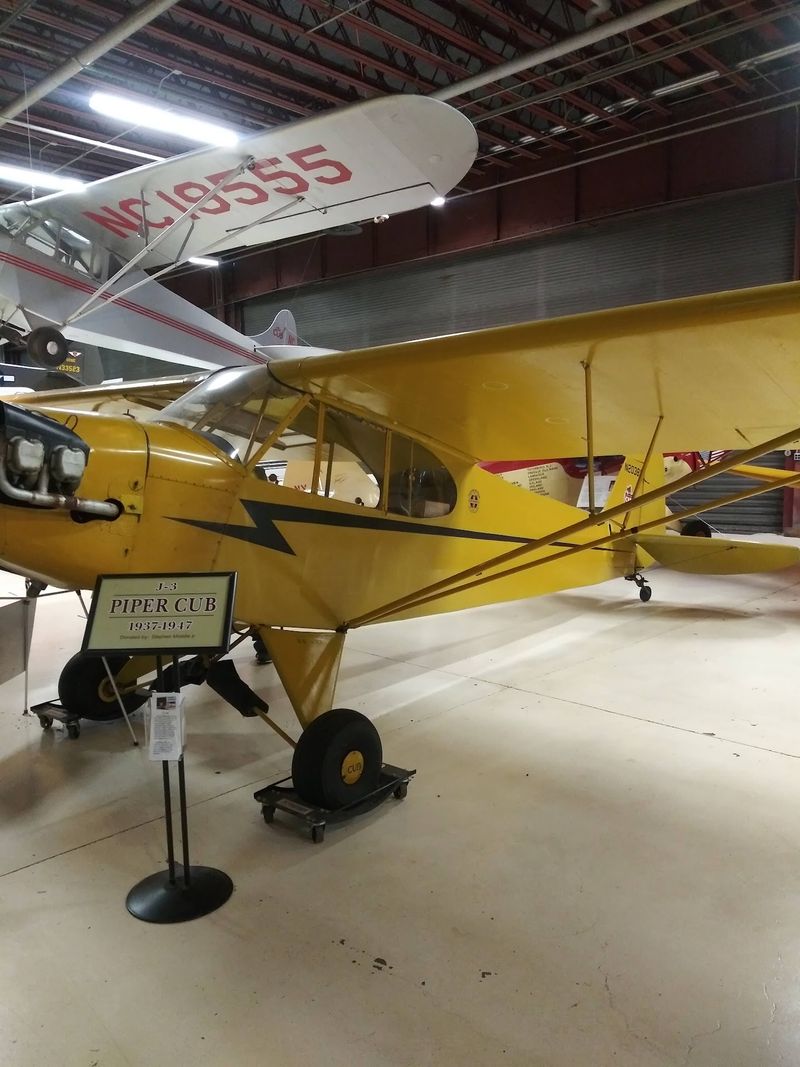
A small yellow airplane can feel like a time machine in Lock Haven, especially when it carries the famous Piper name.
The Piper Aviation Museum celebrates a company that helped everyday people imagine owning or flying a small aircraft.
Located near the former Piper Aircraft factory site, the museum connects visitors to one of Pennsylvania’s most important aviation stories.
Piper built thousands of planes here, including the well-known Piper Cub, a simple and trusted aircraft used for training, farming, patrols, and personal flying.
Inside, you can see aircraft, engines, photographs, models, and tools that show how planes were designed and built.
The displays make it easier to understand that aviation history was not made only by pilots, but also by mechanics, factory workers, designers, and local families.
Lock Haven adds a special feeling to the visit because the town itself grew with Piper.
Many people in the area had a connection to the company, so the museum feels personal, not distant or formal.
Families should take time to read the stories behind the aircraft instead of rushing from one display to another.
Younger visitors may enjoy comparing the simple cockpit of an older plane with the screens and controls used in modern aircraft.
A helpful tip is to check the museum schedule before going, since smaller museums may have seasonal hours or special event days.
If you enjoy local history, combine the visit with a walk around Lock Haven or a look at the nearby Susquehanna River scenery.
For anyone curious about how Pennsylvania helped put private flying within reach, this museum is a warm and clear place to start.
The story here is practical, hometown, and full of pride.
2. Golden Age Air Museum – Bethel
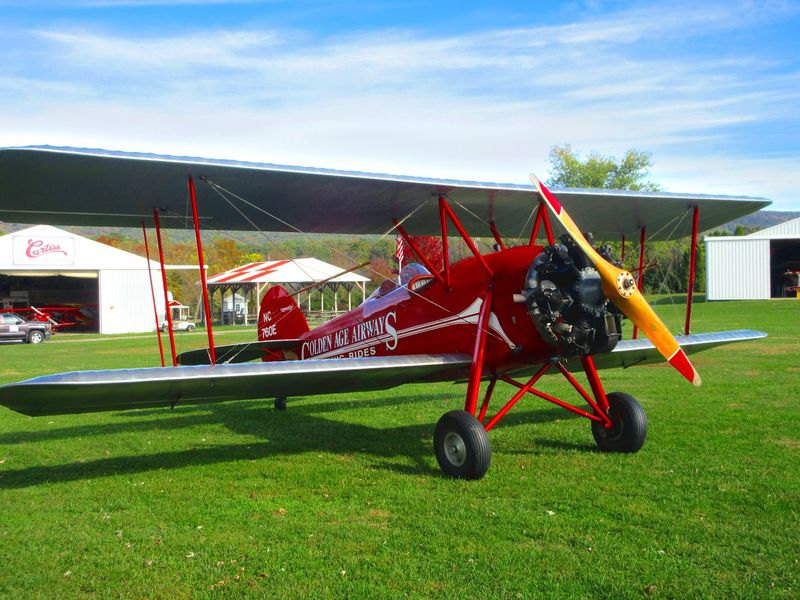
Some museums feel quiet, but the Golden Age Air Museum can feel like an old barnstorming show has just paused for lunch.
Its grass runway and antique aircraft help visitors picture the daring early days of flying.
Set in Bethel, Pennsylvania, this museum focuses on aviation from roughly the 1920s and 1930s, a period often called the golden age of flight.
During those years, pilots flew open-cockpit planes, mail routes expanded, air racing grew popular, and aviation became part of American imagination.
The aircraft here are not just polished objects behind ropes.
Many displays show how early planes were built from fabric, wood, wire, and clever engineering, which makes the machines feel both fragile and brave.
Visitors may see biplanes, historic engines, period vehicles, uniforms, and aviation items that bring the era to life.
The setting matters too, because a grass field makes it easier to imagine pilots taking off from small rural strips across Pennsylvania.
Children often enjoy the bold shapes of the planes, especially the extra wings, exposed wheels, and bright paint.
Adults may appreciate the slower pace, where there is room to notice hand-built details and ask questions.
Planning ahead is smart because flying demonstrations, special weekends, and seasonal hours can affect what you see.
Bring comfortable shoes, a camera, and sun protection if you plan to spend time outdoors near the field.
A fun history bit is that early aviation events often mixed skill, showmanship, and risk.
Pilots were part mechanic, part performer, and part explorer.
The Golden Age Air Museum gives Pennsylvania visitors a charming way to understand why people once crowded fences just to watch a plane lift from a field.
The romance of early flight feels close here, almost close enough to hear the engine cough awake.
3. Eagles Mere Air Museum – Eagles Mere
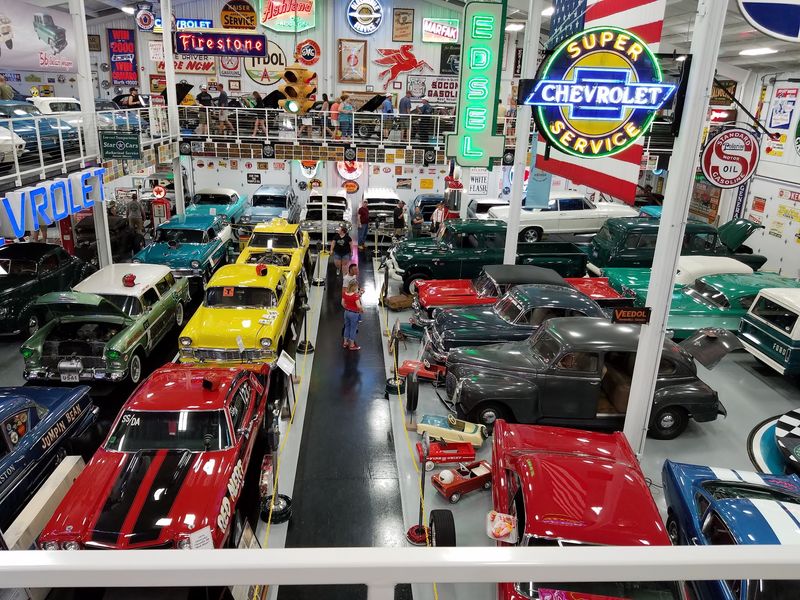
Tucked in the quiet beauty of the Endless Mountains, a collection of rare aircraft waits in a place that feels far from big-city noise.
Eagles Mere Air Museum offers a polished, thoughtful look at vintage flight in a lovely Pennsylvania setting.
The museum is known for its carefully kept aircraft and strong focus on early aviation design.
Visitors can see how planes changed from delicate, open designs into stronger and faster machines.
What makes the experience stand out is the care shown in the displays.
The aircraft often look so clean and complete that even people who do not know much about aviation can admire the shapes, colors, and craftsmanship.
Eagles Mere itself adds to the trip.
The small community has a peaceful mountain atmosphere, so a museum visit can easily become part of a relaxing day that includes walking, sightseeing, or enjoying nearby natural views.
Inside the museum, take your time with the details.
Look at the propellers, landing gear, wing supports, and cockpit layouts, because each part tells a story about what pilots had to trust when they left the ground.
This stop is especially good for visitors who like museums that feel organized and personal.
Instead of being overwhelmed by huge halls, guests can focus on the beauty and engineering of each aircraft.
Before visiting, check the museum’s open days and hours, since smaller aviation sites may operate differently than large public museums.
Calling ahead can also help if you are traveling from another part of Pennsylvania.
For families, this is a gentle place to introduce younger travelers to aviation history without too much noise or crowding.
The stories here are not only about speed or war, but also about design, patience, and the human wish to improve every flight.
4. Wings of Freedom Aviation Museum – Horsham
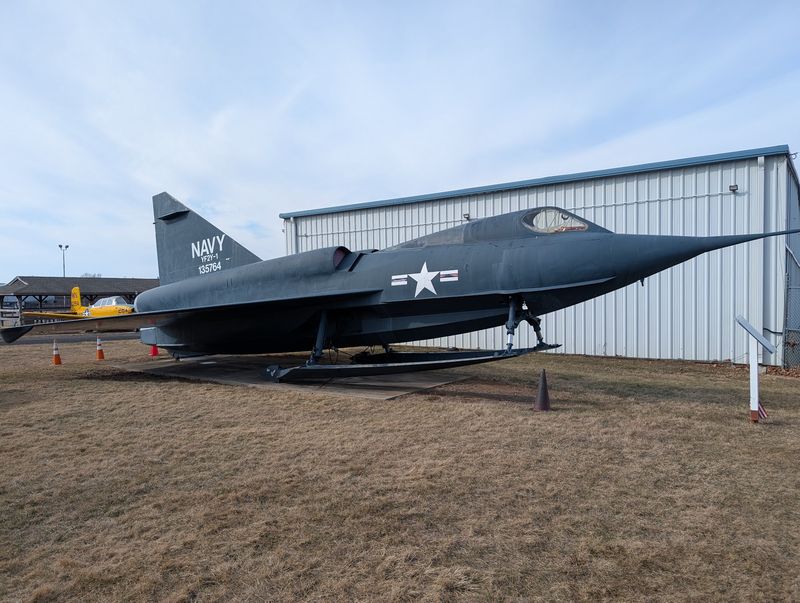
A row of military aircraft can make a visitor stop mid-step, and in Horsham that first look carries real weight.
Wings of Freedom Aviation Museum honors the service members, crews, and aircraft connected to regional military aviation history.
The museum is located near the former Naval Air Station Joint Reserve Base Willow Grove, a place that played a major role in Pennsylvania’s aviation and defense story.
Because of that connection, the exhibits feel strongly tied to the local area.
Outdoor aircraft displays are a big part of the visit.
Guests may see jets, helicopters, and other military planes that help explain how aviation changed during the Cold War, modern training years, and reserve operations.
Inside, photographs, uniforms, models, equipment, and personal stories add human faces to the machines.
A plane may look powerful from the outside, but the museum helps visitors remember the people who maintained it, flew it, guided it, and waited for it to return.
This is a good museum for visitors who like military history but want it explained in a clear, approachable way.
Families can talk about service, teamwork, technology, and responsibility while walking through the exhibits.
Bring a jacket or hat if you plan to spend time outside, since weather can change the feel of the aircraft yard.
Reading the signs carefully is worth it, because many aircraft have a story linked to a larger moment in American history.
Volunteers are often one of the best parts of aviation museums, and asking a respectful question can lead to a story you will not find on a sign.
Many have personal experience or deep knowledge.
Wings of Freedom Aviation Museum gives Pennsylvania visitors a meaningful look at aircraft used for duty, defense, and training.
It is a place where metal, memory, and local pride stand side by side.
5. KLBE Air Museum – Latrobe
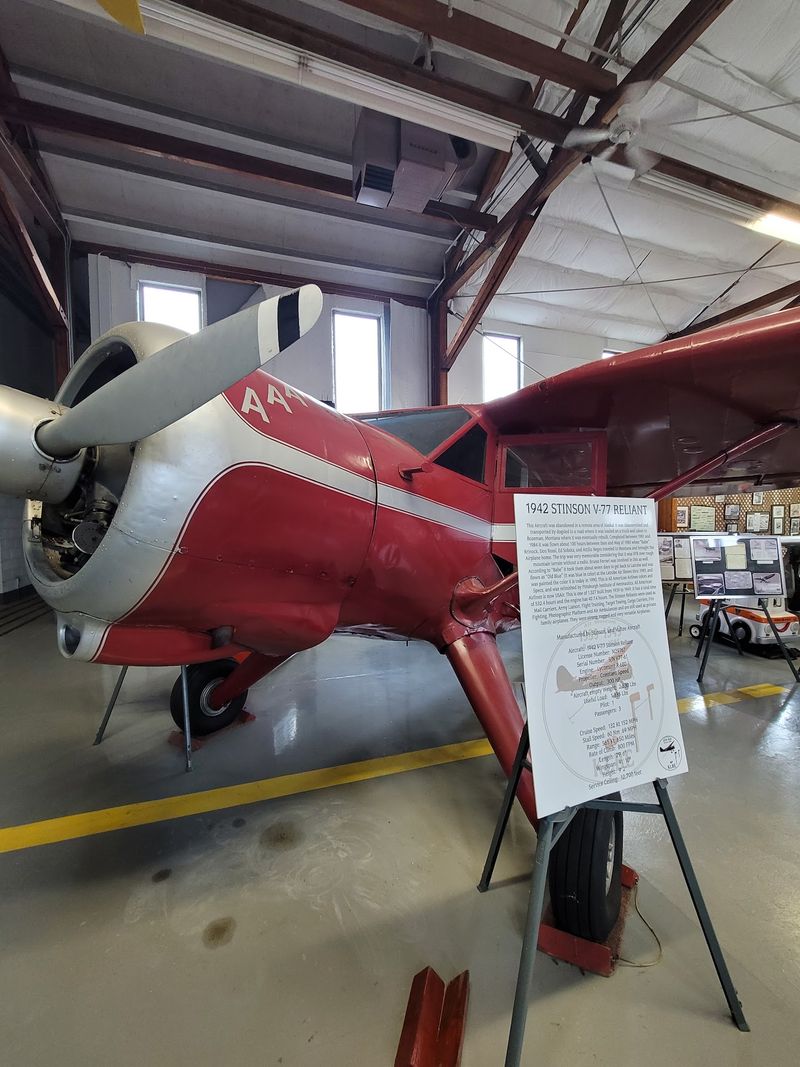
At a regional airport, history often hides in plain sight between takeoffs, hangars, and busy travelers.
KLBE Air Museum in Latrobe brings attention to the local aviation stories connected to Arnold Palmer Regional Airport and western Pennsylvania.
The airport code KLBE belongs to Latrobe, and the museum’s setting helps visitors understand how smaller airports support communities.
These airports connect people to business, medical flights, training, tourism, and personal travel.
Latrobe is also widely linked with Arnold Palmer, the famous golfer and skilled pilot whose name is on the airport.
His love of flying adds a special local layer to the aviation story, showing that flight can be part of many different lives and careers.
Displays may include photos, models, artifacts, and information about local flying activity.
For visitors who usually think only of large airports, this kind of museum shows how important regional aviation is across Pennsylvania.
A visit here can be especially useful for young people interested in aviation jobs.
Pilots are only one part of the field, because airports also need mechanics, dispatchers, fuel crews, flight instructors, safety staff, and customer service workers.
Because KLBE Air Museum is tied to an active airport area, it is wise to check access details and hours before your trip.
Airport locations can have rules about parking, doors, and where visitors may walk.
Take time to watch normal airport activity if there is a safe public viewing area.
Seeing a small plane taxi, stop, and prepare for flight can make museum information feel more real.
The strongest lesson here is that aviation history is not only found in giant museums.
In Pennsylvania towns like Latrobe, the story continues every day through local flights, community memories, and the steady work that keeps aircraft moving safely.
6. Air Heritage Aviation Museum – Beaver Falls
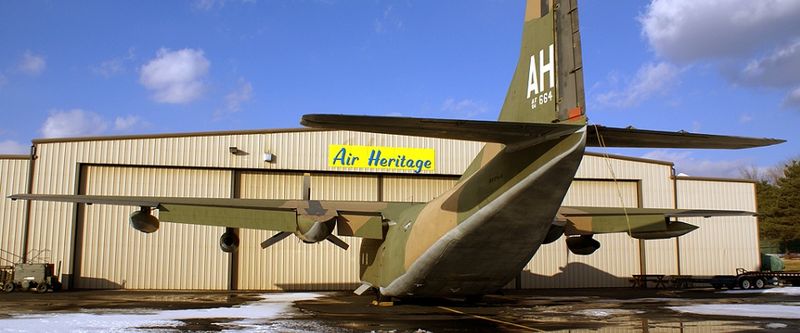
The smell of oil, tools, and old metal can tell a story before any sign does.
Air Heritage Aviation Museum in Beaver Falls gives visitors a close look at aircraft preservation, where history is repaired, cleaned, and cared for by skilled hands.
Located at the Beaver County Airport area, the museum is connected to the Air Heritage organization, which is known for restoring and maintaining historic aircraft.
This makes the visit feel active, not frozen in time.
One of the most interesting parts is seeing aircraft as working pieces of history.
Some museums show only finished displays, but restoration-focused spaces can reveal the long process behind saving a plane.
Visitors may find aircraft, parts, engines, photos, tools, and displays connected to military and civilian aviation.
Each item helps explain how machines survive after decades of use, weather, storage, and repairs.
For kids, the museum can make history feel hands-on even when touching is limited.
They can see that a plane is made of many systems working together, from wings and wheels to cables, instruments, and engines.
Adults who enjoy mechanics may want to ask about restoration work, because volunteers often have valuable knowledge.
A simple question about a part or project can turn into a memorable conversation.
Check open hours before visiting, especially if you want to see certain aircraft or restoration activity.
Smaller aviation museums often depend on volunteers, so schedules can change for events, maintenance, or weather.
Air Heritage Aviation Museum shows a side of Pennsylvania aviation that deserves attention: the patient work of keeping old aircraft from disappearing.
It reminds visitors that history does not preserve itself.
People choose to save it, one bolt, panel, and story at a time.
7. American Helicopter Museum & Education Center – West Chester
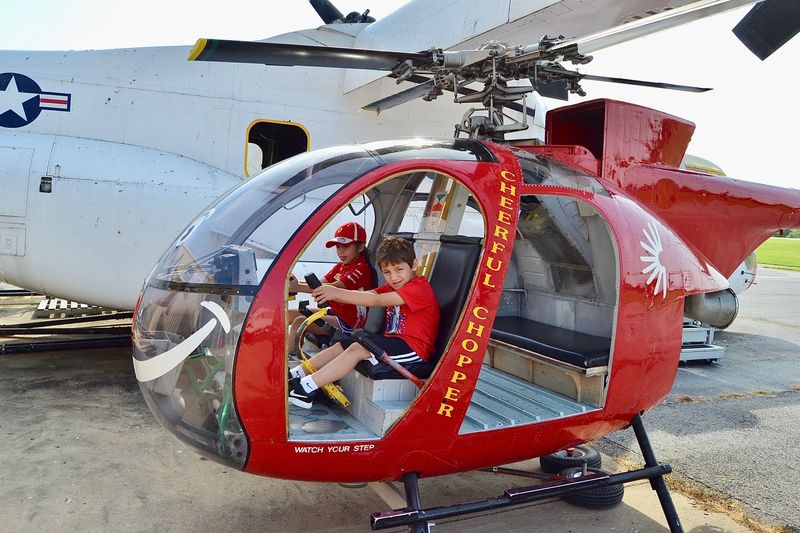
A helicopter does something that still feels a little magical: it rises almost straight up.
The American Helicopter Museum & Education Center in West Chester celebrates that amazing ability while explaining the science, history, and people behind rotorcraft.
This museum is one of Pennsylvania’s most unique aviation stops because it focuses on helicopters and vertical flight.
Instead of rows of only airplanes, visitors find machines built to hover, rescue, lift, patrol, train, and reach places runways cannot.
The exhibits are especially strong for families and students.
Helicopters can seem confusing at first, but the museum helps explain how rotors create lift, how pilots control direction, and why these aircraft are useful in emergencies.
Visitors may see military helicopters, civilian models, experimental designs, and displays about inventors and flight pioneers.
The variety shows that helicopter history includes rescue crews, engineers, test pilots, medical teams, and many others.
West Chester is a convenient location for many travelers in southeastern Pennsylvania, making this museum a smart day trip from the Philadelphia area.
It is also a good choice when the weather is poor, since many exhibits are indoors.
Children often enjoy the chance to get close to large rotor blades and unusual cockpit shapes.
Adults may be surprised by how many different jobs helicopters perform, from news coverage to firefighting and search missions.
Check the museum calendar for educational programs, family days, or special events.
These can make the visit more interactive and help younger guests connect with science and technology.
A fun fact to share on the way home is that helicopters are not just airplanes with spinning wings.
They follow different flight rules and require special training.
This West Chester museum turns that complicated idea into an enjoyable, eye-opening Pennsylvania experience.
8. Mid-Atlantic Air Museum – Reading
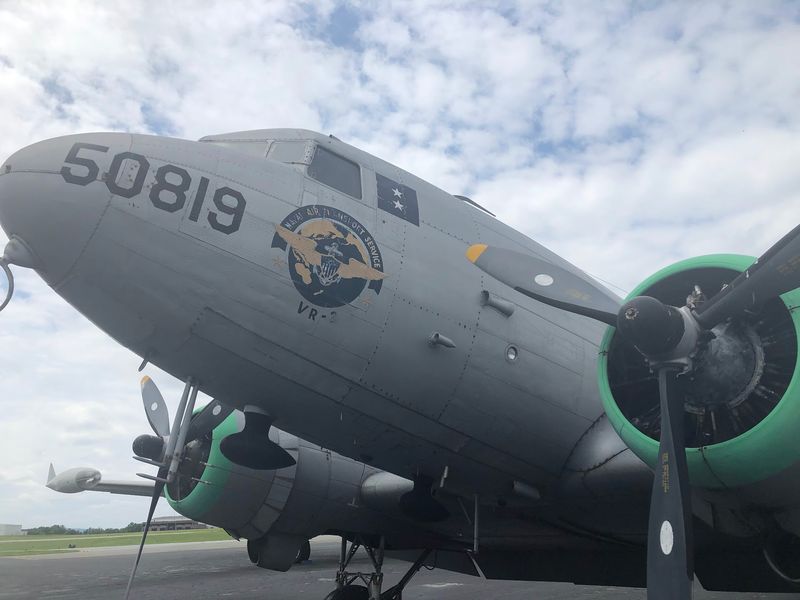
Reading becomes a doorway to the past when historic aircraft, uniforms, and wartime stories gather in one place.
The Mid-Atlantic Air Museum is one of Pennsylvania’s best-known aviation museums, especially for visitors interested in World War II and large aircraft.
Located at Reading Regional Airport, the museum preserves and displays a wide range of aviation history.
Its collection includes military aircraft, civilian planes, engines, artifacts, and exhibits that show how aviation shaped the twentieth century.
Many people know the museum for its World War II Weekend, a major living history event that brings aircraft, reenactors, vehicles, music, and educational displays together.
Even outside that event, the museum offers plenty for visitors who want to learn at a steady pace.
The aircraft here help show the size and power of wartime aviation.
Standing near a bomber, transport plane, or fighter can make textbook history feel much more real.
Families should plan enough time for reading signs and looking at smaller artifacts, not just the airplanes.
Items like radios, uniforms, maps, and photos explain how crews lived, trained, communicated, and served.
Because the museum is at an active airport, the setting adds extra interest.
Visitors may hear modern aircraft while studying older ones, which creates a useful contrast between past and present flight.
Check the calendar before going, since special programs can change the experience in a big way.
Air shows and living history events may bring crowds, so arriving early and wearing comfortable shoes is a smart move.
The Mid-Atlantic Air Museum gives Pennsylvania a powerful place to remember courage, technology, and sacrifice.
It is large enough to impress, but still focused on stories that help visitors understand the people behind the machines.
Share this story