Crispy lumpia, savory adobo, sizzling meats, and generous scoops of rice make Filipino comfort food especially difficult to resist. Across Illinois, restaurants are serving these favorites alongside sweet breakfast specialties, hearty stews, noodles, and other dishes rooted in the Philippines’ diverse culinary traditions.
Some spots feel like casual neighborhood kitchens, while others introduce traditional flavors through more contemporary menus and settings. What connects them is food designed for sharing, lingering, and leaving the table satisfied. Whether you grew up with these dishes or are discovering them for the first time, these 7 Illinois Filipino restaurants are well worth visiting.
1. Isla Pilipina (Chicago)
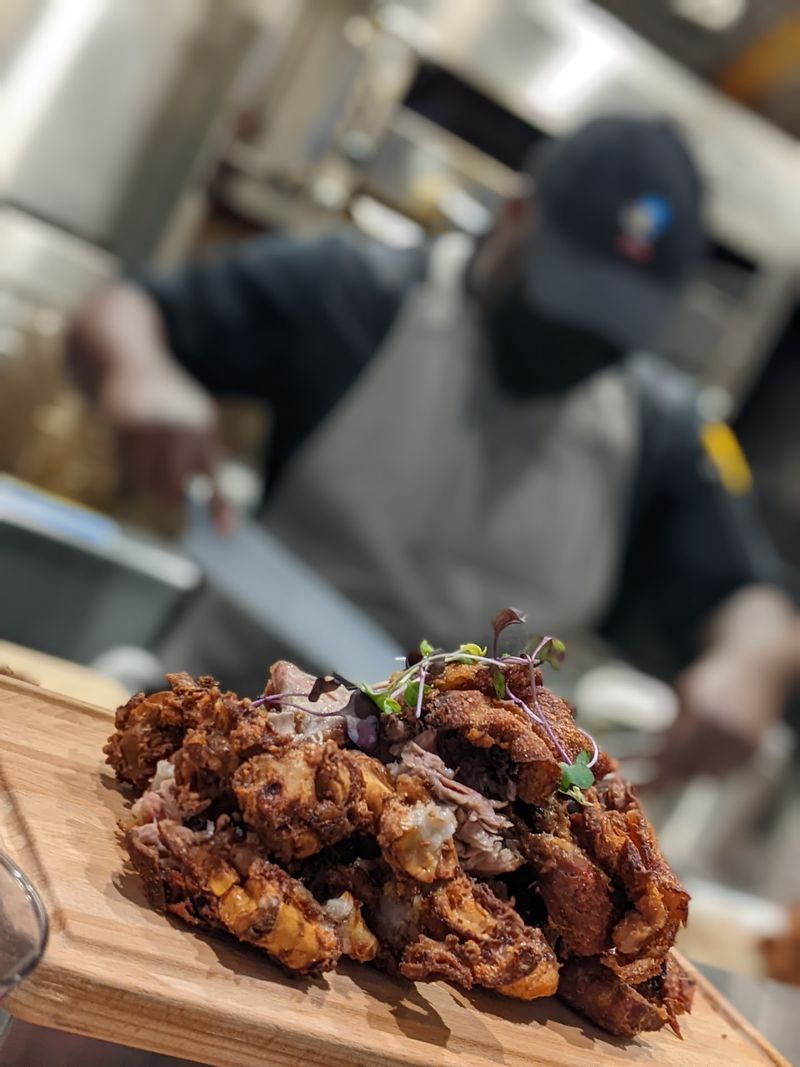
Cold weather in Chicago can make a bowl of noodles and a plate of crispy appetizers sound like the best plan of the day. Isla Pilipina fits that mood with the kind of menu that leans into homestyle comfort instead of flash.
The draw here is simple: familiar Filipino favorites served in a setting that encourages slow meals and easy conversation.
Pancit is one of the dishes many diners look for first, and it makes sense. A good plate offers savory noodles, vegetables, and a satisfying mix of textures that turns a basic lunch into a full comfort meal.
Lumpia plays a different role on the table, bringing crunch and a snackable, pass-around quality that works well for groups or anyone who likes to sample before choosing a main dish.
The smart move is to order with sharing in mind. A noodle dish, a platter of lumpia, extra rice, and one heartier item can give the table variety without making the meal feel too heavy too fast.
That setup also lets first-time visitors learn which flavors they want to explore on the next visit. Because the setting is described as cozy and relaxed, Isla Pilipina works nicely for low-key dinners when loud music and trendy plating are not the goal.
Families, small groups, and solo diners all have room in a place built around straightforward food. Nothing needs a long explanation when the dishes are already well loved.
For readers new to Filipino cuisine, this is the kind of restaurant where the menu can feel approachable instead of overwhelming. Start with pancit and lumpia, add rice, and go from there.
Comfort often begins with dishes that know exactly what they are, and that steady confidence is a big part of Isla Pilipina’s appeal.
2. Uncle Mike’s Place (Chicago)
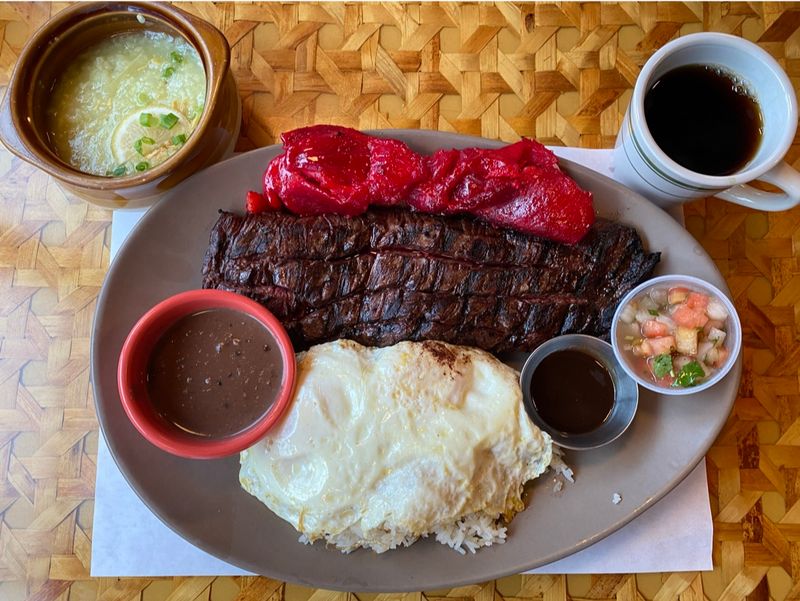
Morning meals rarely get this much personality. Uncle Mike’s Place has built a strong reputation around Filipino breakfasts, and that focus gives it a lane all its own in Chicago’s dining scene.
Instead of treating breakfast like an afterthought, the menu centers on sweet, savory, smoky, and filling combinations that wake up the table fast.
Tocino brings a sweet cured flavor that pairs naturally with garlic rice and eggs. Longganisa adds a bolder, sausage-driven option with plenty of richness, while bangus gives seafood fans another direction that still fits the classic breakfast format.
Put those elements together and the meal starts to show why Filipino breakfast has such loyal fans. Hearty portions matter here. A plate loaded with rice, protein, and eggs can easily carry someone through a long workday, a packed sightseeing schedule, or a slow weekend that starts late and runs even later.
That makes Uncle Mike’s Place especially useful when a light pastry and coffee just will not cut it. Ordering can be easy for first-timers.
Pick one signature breakfast meat, make sure garlic rice is part of the plan, and keep the eggs in the mix because they help tie every bite together.
Sharing a second plate with another protein is also a smart move if the table wants to compare flavors without overthinking the meal.
There is also a diner charm to the whole idea. Filipino breakfast in a Chicago setting feels both local and deeply rooted, which gives the restaurant a memorable identity.
Readers looking for comfort food often picture dinner first, but this spot proves a comforting meal can begin early, arrive on a packed plate, and leave almost no room for lunch.
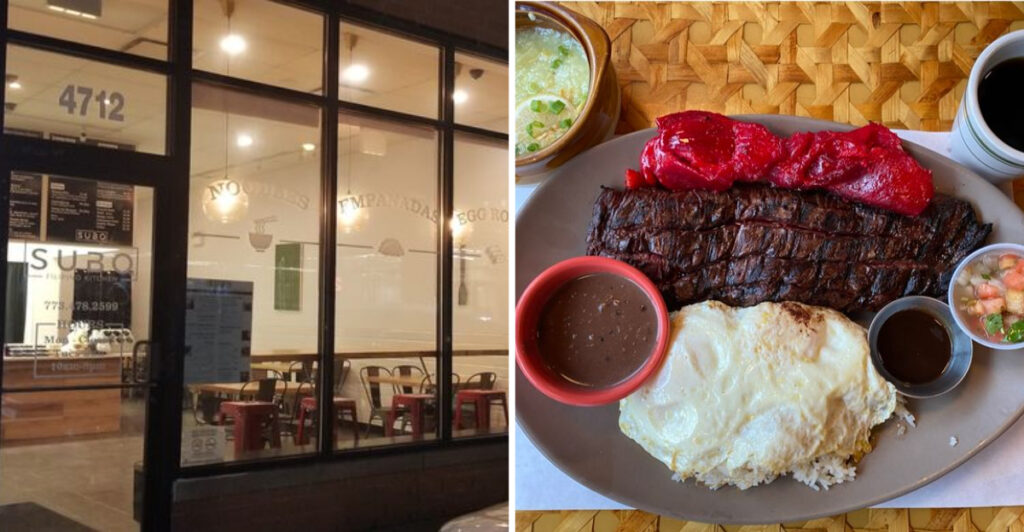
3. Subo Filipino Kitchen (Chicago)
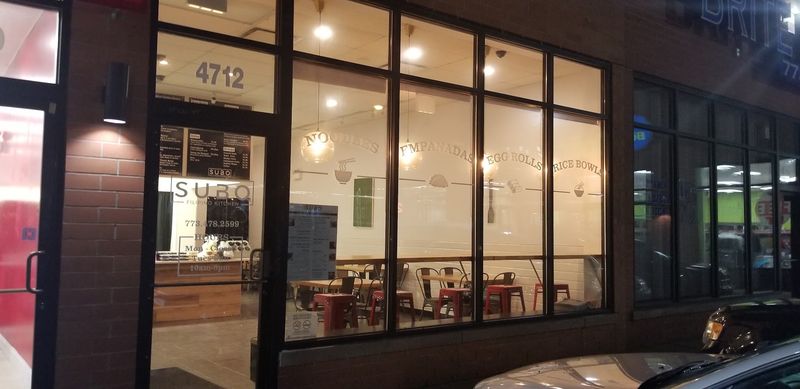
Some restaurants win people over by covering the table with a little bit of everything. Subo Filipino Kitchen has that kind of pull, thanks to a lineup that moves comfortably from savory breakfast-style meats to sweet desserts in the same visit.
For diners chasing familiar home cooking, that range can be a very good sign. Tocino and beef tapa bring two strong choices for anyone who wants a deeply satisfying plate. Tocino leans sweet and savory, while beef tapa usually lands with a more cured, beefy edge that pairs especially well with rice.
Egg rolls add a crunchy side option that keeps the meal lively and easy to share. Then the menu shifts into dessert, and that matters more than it might seem.
Ube halaya offers a rich, purple yam-based sweetness that many people seek out on purpose, while banana turon brings caramelized, crisp comfort in a hand-held form. Ending with one of those treats can turn a quick meal into a more rounded food stop.
Subo works well for mixed groups because there is enough contrast across the menu to satisfy different cravings. One person may want a full rice plate, another may chase snackable sides, and someone else may be there mainly for dessert.
A restaurant with that kind of flexibility tends to make ordering less stressful and more fun.
There is also a practical lesson here for new diners. Filipino food often shines brightest when the table includes contrasting textures and flavors, so ordering one meat dish, one crisp appetizer, and one dessert is a smart place to begin.
Subo Filipino Kitchen makes that easy. The result is a meal that lands warmly, tastes complete, and gives people several reasons to start planning a return visit.
4. Boonie’s Filipino Restaurant (Chicago)
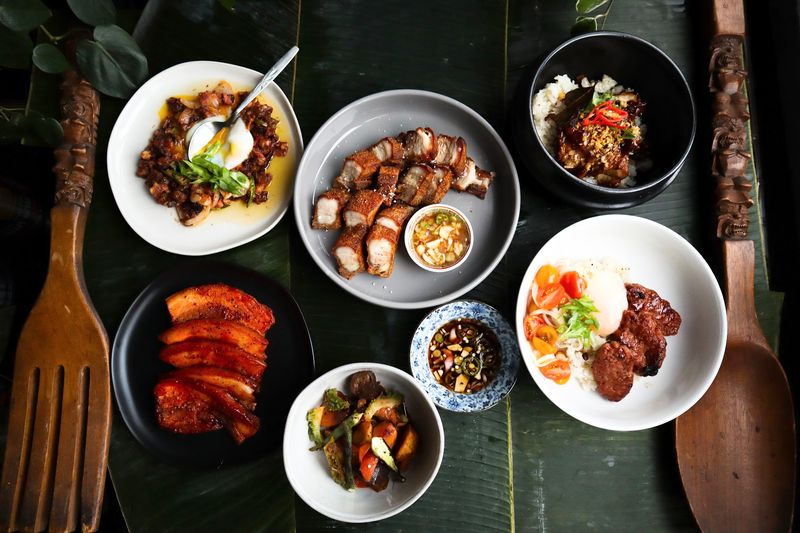
Some comfort food wins you over before the first bite, especially when sizzling meat, crisp edges, and a generous serving of rice arrive at the table together. Boonie’s Filipino Restaurant brings that kind of energy to Chicago, serving Filipino dishes that feel familiar, hearty, and built around bold flavor.
Sisig is an easy place to start. The dish delivers a combination of savory richness and contrasting textures that makes every forkful interesting, particularly when paired with rice to soak up all that seasoning.
Laing offers a different kind of comfort. Traditionally made with taro leaves and coconut milk, it brings creamy richness and a deeper, slower-building flavor to the table.
Ordering it alongside something crisp or meaty gives the meal the contrast that makes Filipino spreads so satisfying. Save room for turon, too.
The crisp Filipino dessert turns banana into something considerably more indulgent, wrapping sweetness and crunch into a finish that feels simple but deeply comforting. Boonie’s works especially well for diners who want to explore beyond the most familiar Filipino staples.
Rather than stopping at lumpia or adobo, the table can move through dishes with different textures, levels of richness, and personalities. First-time visitors should lean into that variety.
Order something sizzling, add a vegetable-based dish such as laing, keep plenty of rice nearby, and finish with something sweet. There is no need to make the experience complicated.
Filipino comfort food often works best when several dishes land in the middle of the table and everyone gets a little of everything. For a Chicago food tour, Boonie’s adds exactly that kind of meal.
It is flavorful without losing its home-style appeal, varied enough to reward curious diners, and satisfying in the way a good shared spread should be.
5. Sariling Atin Restaurant (Niles)
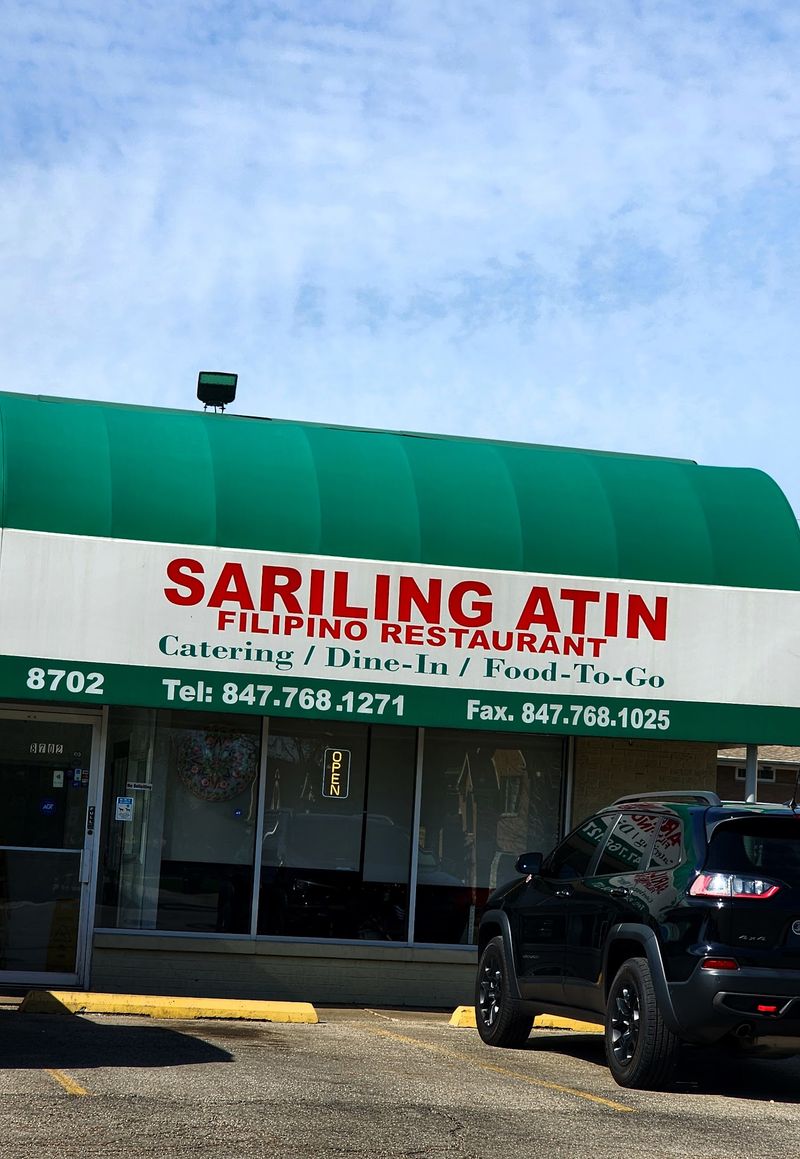
A restaurant does not need elaborate presentation to make a meal memorable. Sometimes a generous plate of Filipino favorites, plenty of rice, and flavors that remind people of home are more than enough.
Sariling Atin Restaurant in Niles fits naturally into that picture, offering Filipino cooking in a casual setting where the food remains the main reason to visit. The appeal here is variety.
Filipino comfort food covers a wide range of flavors and textures, and a restaurant like this gives diners room to build a meal around whatever sounds good that day. Savory meats can anchor the table, while noodles, rice, vegetables, and other familiar dishes turn a single order into something closer to a family spread.
That approach works particularly well for groups because everyone can choose a favorite while still sampling what arrives for everyone else. Rice deserves a place at the center of the meal.
Many Filipino dishes bring strong seasoning, sauces, and rich textures, and rice provides the balance that lets those flavors shine without competing with them. Newcomers should resist the temptation to order only one dish.
Picking a couple of contrasting items makes it easier to understand what makes Filipino cooking so rewarding, especially when something rich is paired with something lighter or crisp. The Niles location also gives this list another useful suburban stop.
Not every comforting Filipino meal requires a trip into Chicago, and Sariling Atin gives diners north of the city another place to explore familiar flavors. Come hungry and order with sharing in mind.
A table filled with several dishes is part of the fun, particularly when everyone discovers a different favorite. Sariling Atin earns its place here by keeping the experience straightforward.
Good comfort food does not need much decoration when generosity, variety, and familiar Filipino flavors are already doing the work.
6. M.A.’s | Filipino Cuisine (Marion)
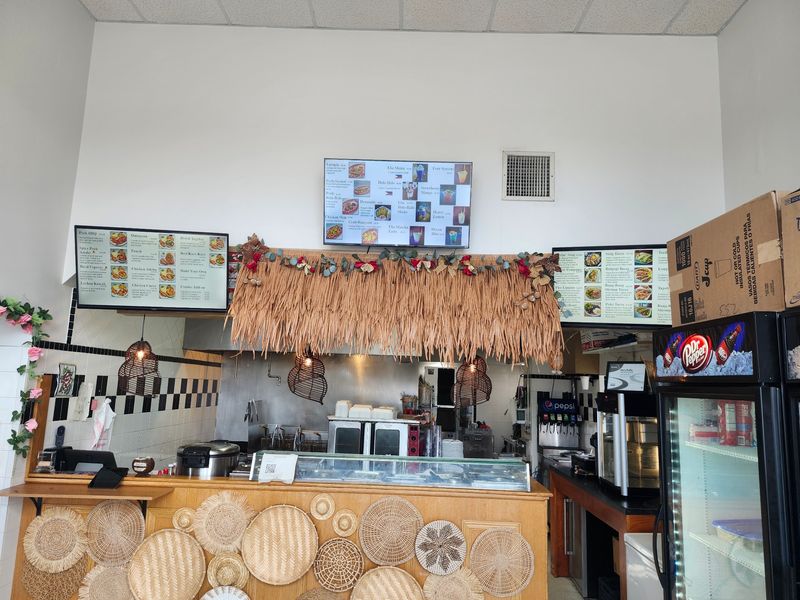
Finding Filipino comfort food far beyond Chicago makes a statewide food trip considerably more interesting. M.A.’s Filipino Cuisine in Marion gives Southern Illinois its place on this list, offering diners another opportunity to explore the flavors of the Philippines without heading north.
That geographic difference alone makes the restaurant useful, but comfort still has to come from what reaches the table. Filipino cooking is especially well suited to that job.
Savory meats, rice-centered plates, noodles, crisp appetizers, and dishes with sweet and tangy notes create the kind of variety that can satisfy several cravings during the same meal. For newcomers, the easiest strategy is to build around contrast.
Start with something savory and substantial, add a rice or noodle component, and bring a crisp or lighter item into the mix. That creates a meal with enough variety to keep every bite interesting without turning the first visit into a complicated tasting exercise.
Sharing also makes sense here. Filipino food has a natural communal quality, and ordering several dishes allows everyone at the table to try more than one flavor or texture.
It can turn an ordinary lunch or dinner into the kind of relaxed meal where people linger longer than expected. M.A.’s also strengthens the bigger picture of Filipino dining in Illinois.
The state’s food scene extends well beyond Chicago and its suburbs, and finding Filipino cuisine in Marion gives travelers and Southern Illinois residents another reason to explore locally. For anyone planning a comfort-food stop, arrive ready to try more than one thing.
The best meals often come from mixing familiar favorites with something new and letting the table fill up naturally. That combination of variety, sharing, and satisfying flavors makes M.A.’s Filipino Cuisine an important addition to this list—and proof that Illinois’ Filipino food story reaches much farther south than Chicago.
7. Max’s Restaurant (Chicago)
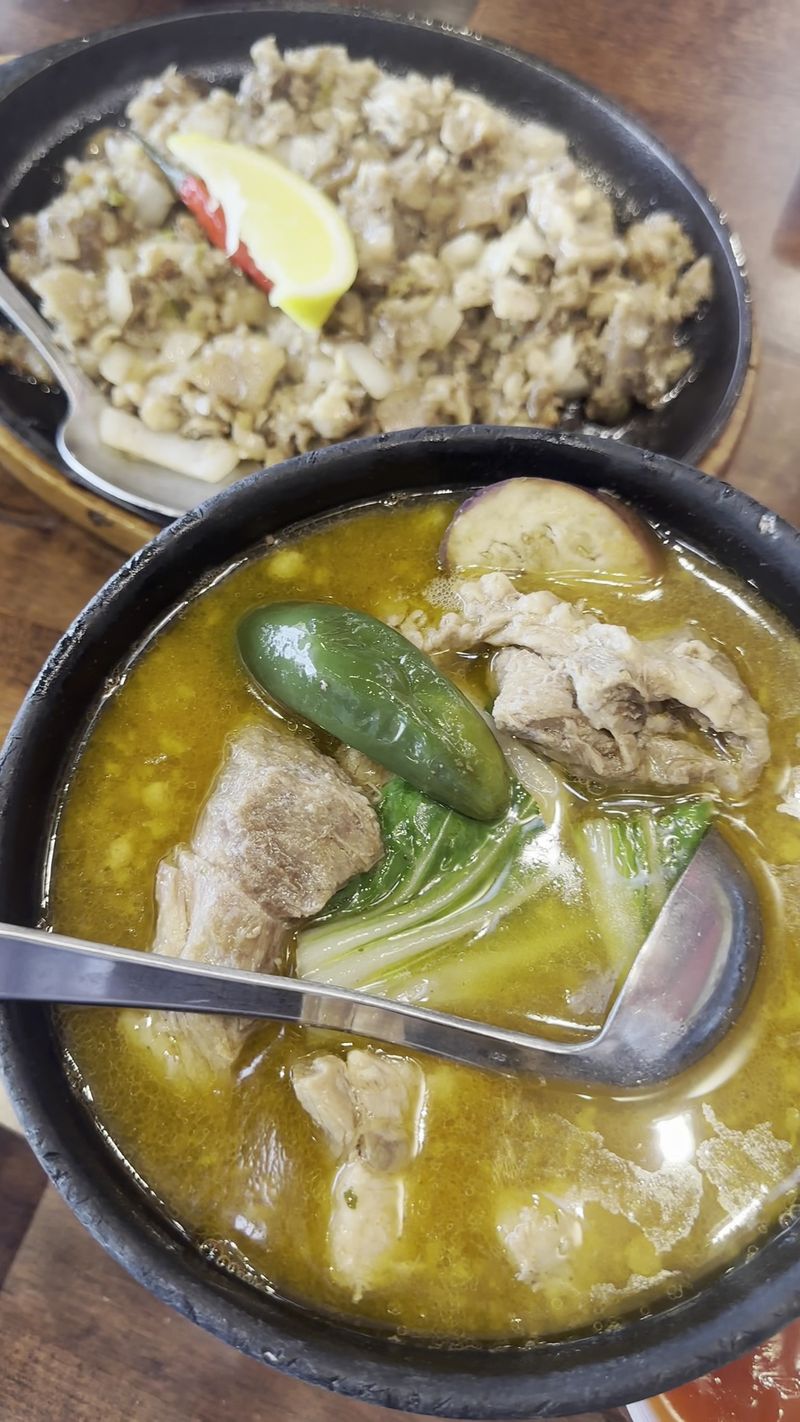
Some names carry instant recognition, and Max’s Restaurant is one of them in Filipino dining. The Chicago location brings that well-known presence to 5033 N.
Elston Avenue, where the official site currently lists service seven days a week. For anyone building a comfort-food plan with family-style eating in mind, that kind of availability is useful right away.
The signature fried chicken is the headline item for many diners, and it earns that spotlight. Crisp exterior, juicy meat, and broad crowd appeal make fried chicken one of the easiest dishes to build a shared meal around.
Once that arrives at the table, adding other Filipino favorites creates the kind of spread that encourages passing plates and trading bites.
Family-style dining is a major part of the appeal here. Instead of locking everyone into separate orders and small portions, the meal can unfold in a more relaxed, communal way.
That setup works well for celebrations, weekend lunches, and group dinners where the fun comes from sampling several dishes instead of focusing on just one.
There is also value in including a restaurant institution on a list like this. Well-known places often become reference points, helping first-time diners understand certain classics before they branch out to smaller spots.
In that sense, Max’s can serve both as a satisfying meal and as a gateway into a broader Filipino food tour across Illinois.
Readers planning a visit may want to lean into the sharing format fully. Start with the famous chicken, add rice and a few side dishes, and let the table guide the rest. That approach keeps the meal flexible and makes room for different appetites.
Comfort food often thrives on familiarity, abundance, and easy group energy. Max’s Restaurant brings all three together in a format many diners already understand.
In Chicago, that combination gives it a natural place on this list and an easy role as a dependable stop for hearty Filipino fare.
Share this story