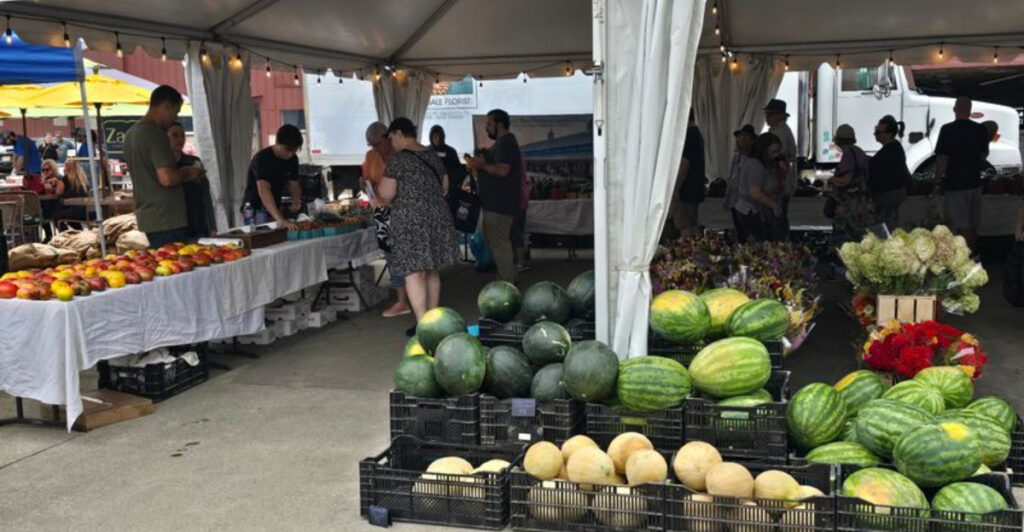
A canvas bag can get dangerously heavy before 9 a.m. at the Burlington County Farmers Market. One minute, you are choosing tomatoes still warm from the field; the next, you are carrying peaches, sweet corn, a loaf of sourdough, and enough zucchini to trigger a week of creative cooking.
The pleasant surprise comes when the total does not resemble a modern supermarket receipt. Set at the Burlington County Agricultural Center in Moorestown, this Saturday market connects shoppers directly with New Jersey farmers, bakers, cheesemakers, and small food producers.
There are no endless aisles, loyalty-card puzzles, or digital coupons requiring three passwords and a minor in computer science. Instead, the selection follows the growing season, vendors can tell you exactly where their food came from, and ripe local produce often delivers excellent value.
It is part grocery run, part neighborhood ritual, and one of South Jersey’s smartest places to fill a kitchen.
Why Burlington County Farmers Market Has Locals Hooked
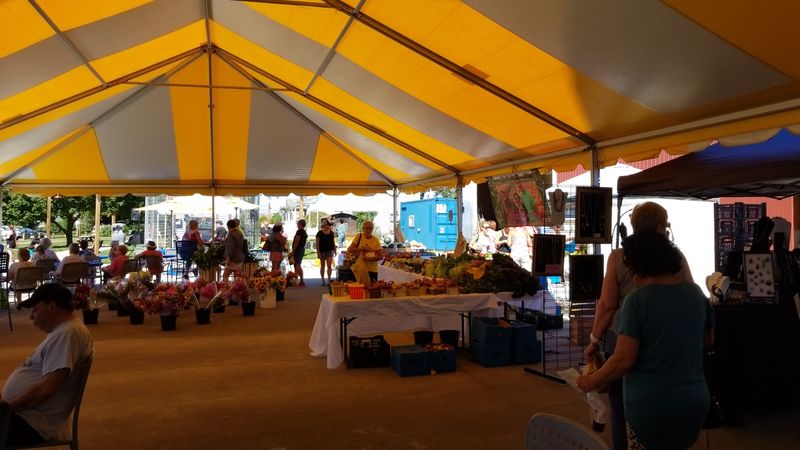
Twenty seasons after it began, this market has grown into far more than a convenient place to pick up Jersey tomatoes. It was voted New Jersey’s top farmers market in 2024 and ranked fourth nationally in 2025, but the regulars lining up on Saturday mornings do not need an award to explain the appeal.
They come because the food is fresh, the vendors remember familiar faces, and every visit is a little different from the last. The setting helps.
The Burlington County Agricultural Center occupies a preserved former dairy farm at 500 Centerton Road in Moorestown, creating a distinctly rural pocket near busy suburban roads and shopping centers. Shoppers move among outdoor stands and covered areas rather than pushing carts beneath fluorescent lights.
Live music and cooking demonstrations appear on select Saturdays, while seasonal events bring extra growers, artists, and specialty vendors into the mix. The strongest draw, though, is the direct connection between buyer and producer.
Ask Black Sheep Farm how its pesticide-free vegetables were grown, and someone at the stand can answer. Wonder which cheese will melt best into a grilled sandwich, and a regional cheesemaker can steer you away from an expensive mistake.
That kind of conversation turns an ordinary food purchase into practical advice. Families also appreciate that the market can satisfy several weekend errands at once.
Breakfast, produce, bread, flowers, pantry goods, and garden plants may all be available in one stop. Nobody promises that every item will undercut every chain store every week, but shoppers comparing fresh, locally produced goods often find strong value without sacrificing quality.
That combination keeps the Saturday crowd loyal.
Farm Fresh Produce at Prices Supermarkets Struggle to Match
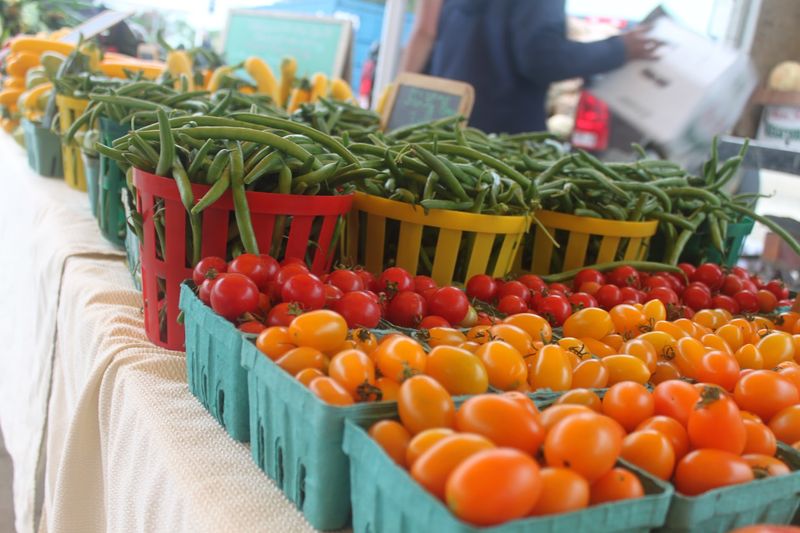
The produce tables make their own argument. Lettuce looks crisp rather than weary, herbs smell alive before they reach the bag, and tomato varieties come with names more interesting than “red.”
Farms including Pinelands Produce, Stephen Specca Farms, Lani’s Farm, and Black Sheep Farm have been part of the market’s agricultural lineup, bringing crops grown in New Jersey and the surrounding region.
Because growers sell directly to shoppers, fewer layers stand between the field and the final price. There is no distant distribution warehouse, elaborate retail display, or cross-country shipping bill hiding inside the cost of a cucumber.
That does not mean every price will always be lower than a supermarket promotion. Grocery chains can use national contracts and loss leaders to slash the price of a few popular products.
The better comparison is like for like. Put a recently harvested bunch of local kale beside a premium supermarket bunch, or compare ripe field tomatoes with the upscale vine-ripened display, and the market’s value becomes easier to see.
Freshness also reduces waste at home. Strawberries eaten promptly rather than discarded after turning fuzzy are money well spent, and sturdy greens that survive several lunches offer more value than a bargain bag that collapses in the crisper.
Multiple produce stands give careful shoppers another advantage. Prices, quantities, and varieties can differ, so it pays to make one lap before filling the tote.
A farm selling tomatoes by the basket may be the better choice for sauce, while another offering individual heirlooms may suit a smaller household. Growers may also have cosmetically imperfect produce or larger quantities suitable for canning.
Ask politely. The people behind the table know what is especially abundant that week, and abundance is where some of the best deals begin.
The Best Bargains Change With the Seasons
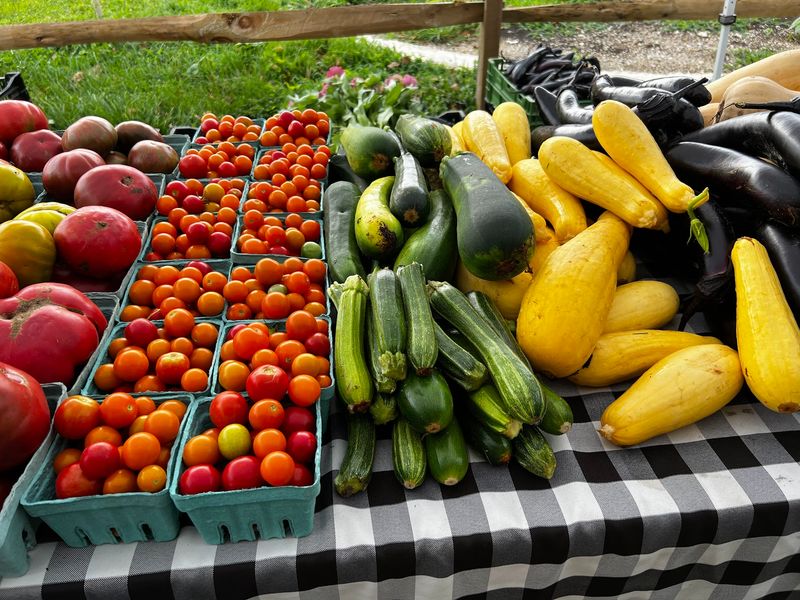
Late July at the market has a rhythm of its own. Corn appears in generous piles, tomatoes arrive faster than farms can stack them, and shoppers start discussing peaches with the seriousness usually reserved for property taxes.
This is when buying with the New Jersey growing calendar can make a noticeable difference to both flavor and cost. In spring, expect tender greens, radishes, asparagus, herbs, and greenhouse crops.
Early summer brings strawberries, peas, and leafy vegetables, followed by blueberries, cucumbers, squash, beans, sweet corn, peppers, and tomatoes as the weather heats up.
Peaches reach their moment in midsummer, while apples, pumpkins, winter squash, potatoes, and root vegetables take over as fall approaches.
The financial logic is simple. A crop generally costs less to harvest and sell when local farms have plenty of it, and growers are especially motivated to move ripe produce with a short shelf life.
Shoppers who build meals around that weekly abundance can avoid paying a premium for ingredients fighting the calendar. A February tomato may have traveled a long way to reach New Jersey; an August tomato might have spent the previous day on a nearby plant.
The market’s shifting selection also makes planning more useful than chasing a rigid list. Instead of arriving determined to buy strawberries after their local season has faded, see which fruit is at its peak and adjust dessert accordingly.
Buy extra blueberries for the freezer, turn a box of tomatoes into sauce, or split a larger quantity of corn with a neighbor. Preserving only saves money when the food gets used, of course, so enthusiasm should not outrun freezer space.
Seasonal shopping works best when it remains practical.
At this market, the question is less “What do I always buy?” and more “What did New Jersey grow particularly well this week?”
More Than Fruits and Vegetables Fill the Market Stalls
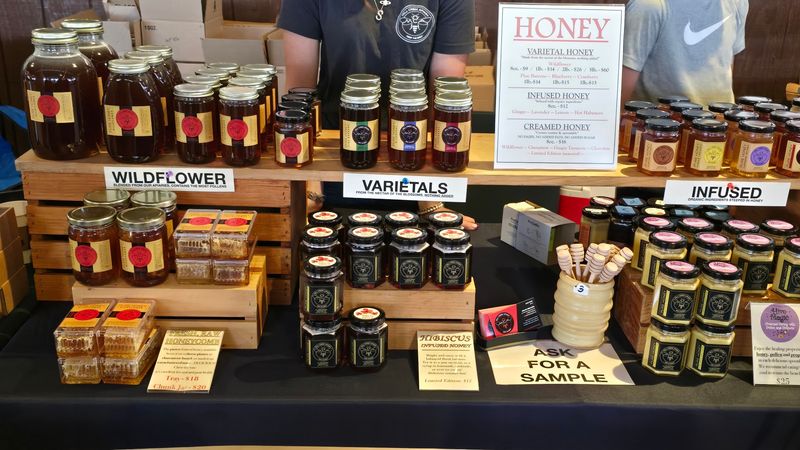
Follow the smell of warm bread and the weekly grocery plan can unravel in a very enjoyable way. Burlington County Farmers Market draws producers from across the region, and its vendor roster stretches well beyond farm stands.
Cherry Grove Farm in Lawrenceville brings regional cheesemaking into the picture, while Cheese Etc. & Gourmet Gifts specializes in homemade cheese spreads. Aaji’s Foods adds flavors inspired by coastal Indian cooking, and Art of Olive Oil produces oils infused with dehydrated herbs and spices.
Depending on the Saturday, shoppers may also find local beef, pork, lamb, seafood, eggs, honey, microgreens, pasta, pickles, pierogies, sauces, jam, nut butter, granola, coffee, tea, baked goods, craft beer, cider, mead, and spirits.
That breadth matters because a trip here can replace more of a supermarket run than first-time visitors expect.
It is possible to start with breakfast, assemble ingredients for dinner, choose a host gift, and leave with flowers for the table. Bart’s Flowers, a third-generation Delran farm, supplies locally grown color, while plant vendors offer herbs, vegetable starts, flowers, and less common varieties suited to the region.
Crafters and artists attend select dates rather than every market, adding handmade goods without pushing agriculture into the background. Prices for prepared foods, alcohol, specialty cheese, and artisan products naturally vary, and these are not always the rock-bottom items.
The value often lies in getting small-batch quality without the markup attached to a gourmet retailer. Sampling can prevent an ill-fated cheese purchase, and a direct conversation with the maker reveals how a sauce tastes or what makes one honey different from another.
The market rewards curiosity, although a little discipline is wise. Fresh pastry has a remarkable ability to rewrite a shopping budget.
Simple Ways to Stretch Your Dollar Even Further
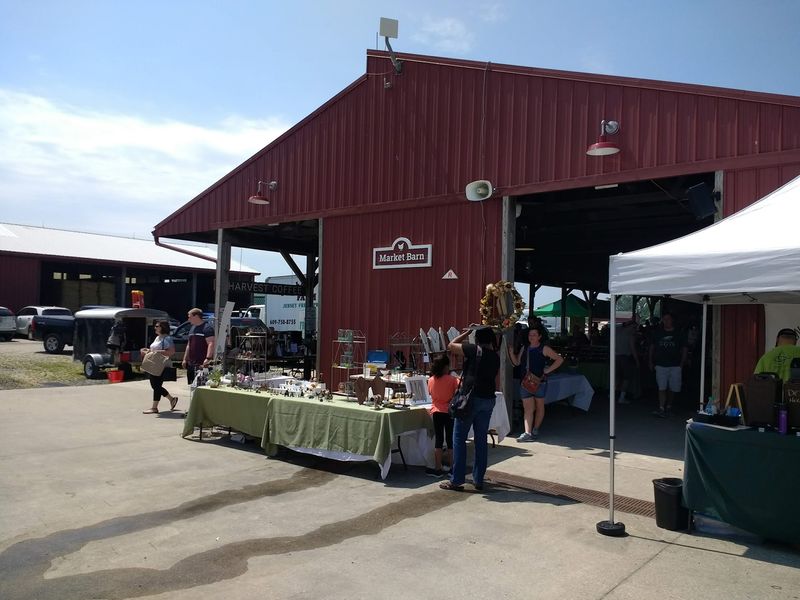
A smart market trip begins before the first dollar changes hands. Check the refrigerator, leave room in the crisper, and plan a few flexible meals around vegetables rather than one recipe built on an out-of-season ingredient.
Once there, walk through the market before buying. The first tomatoes may look irresistible, but another grower could be offering a larger basket, a different variety, or fruit better suited to sauce.
Comparing does not require haggling. Posted prices reflect the work behind the crop, and aggressive bargaining is a quick way to turn a pleasant Saturday awkward.
Questions are more useful. Ask what is most abundant, which produce should be eaten first, and whether the farmer has seconds.
A crooked carrot or scarred tomato can taste exactly like its photogenic neighbor and work beautifully in soup, salsa, or sauce. Larger purchases can also lower the per-item cost, particularly when farms are flush with corn, berries, peppers, or tomatoes.
Before buying a case, have a plan for freezing, pickling, canning, or sharing it. Shopping early provides the widest selection; shopping closer to closing may reveal vendors eager to sell remaining highly perishable items, though discounts are never guaranteed.
Bringing reusable bags is obvious, but a sturdy tote and a small cooler are better than flimsy sacks when eggs, cheese, meat, or delicate berries are involved. Cash is useful because payment methods can vary among independent vendors, even when some stands accept cards or digital payments.
A set budget helps too. Put produce, eggs, bread, and other planned staples first, then decide whether the jar of specialty jam or still-warm pastry fits.
The goal is not to strip all the fun from the market. It is to leave with food that will actually become meals rather than a beautiful collection of good intentions.
What to Know Before Planning Your Visit
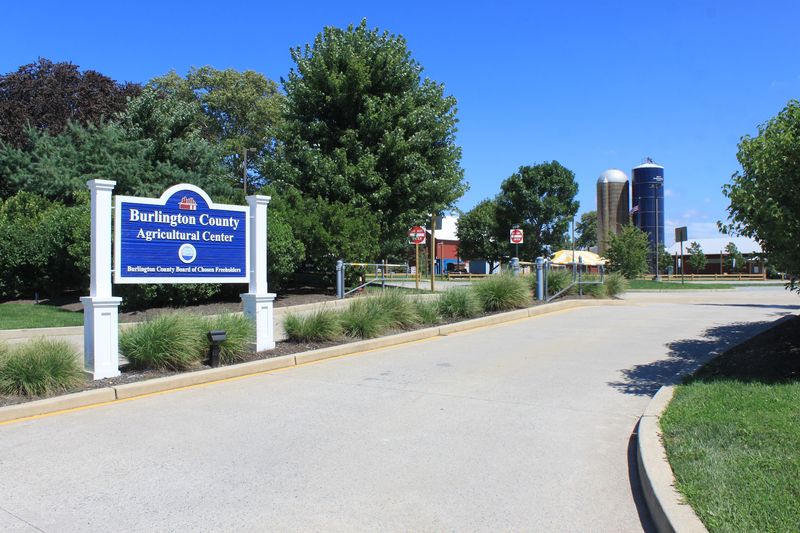
The most important detail is the address, because outdated listings can send shoppers to the wrong place. Burlington County Farmers Market operates at the Burlington County Agricultural Center at 500 Centerton Road in Moorestown, New Jersey.
For the 2026 regular season, weekly markets run on Saturdays from May 9 through November 14, from 8:30 a.m. to 1 p.m., rain or shine. The county also scheduled preseason markets on selected Saturdays in March and April from 10 a.m. to 1 p.m., plus a holiday market in December.
Special dates and individual vendor attendance can change, so checking the agricultural center’s calendar before making a long drive is sensible.
The market is roughly a half-hour from central Philadelphia when traffic behaves, though anyone familiar with South Jersey knows not to build a morning around that optimistic condition.
Arriving near opening offers easier access to limited items and the day’s full selection. Later hours feel more relaxed, but popular bread, pastries, eggs, berries, and specialty goods can sell out.
Comfortable shoes help on the farm property, and a wagon is useful for families buying plants, pumpkins, or bulk produce. Bring more than one bag so peaches do not end up underneath potatoes, and keep a cooler in the car if meat, seafood, dairy, or eggs are on the list.
Weather matters even when the market stays open. Summer mornings can become hot quickly, while fall dates may be muddy or chilly.
Most visits take longer than a grab-and-go supermarket stop because tasting, comparing, and talking with growers are part of the experience. That slower pace is not wasted time.
It is how a Saturday grocery run becomes better food, fewer mystery labels, and a receipt that still leaves room in the weekly budget.