Pennsylvania is packed with places that feel surprising, peaceful, strange, or full of history, sometimes all at once. From quiet lake towns and deep caverns to old railroads, forest trails, and museums filled with curious objects, the state has far more to offer than its famous cities. Many of these places are easy to overlook, yet they offer memorable experiences for travelers willing to take a slightly different route.
These wonders matter because they help tell the story of Pennsylvania through nature, invention, early settlement, travel, and the people who shaped each region. Some invite visitors to slow down and enjoy the scenery, while others offer a fascinating glimpse into the past or reveal a side of the state that many travelers never knew existed. If you enjoy day trips, family outings, scenic walks, or places with a good story behind them, these spots are worth adding to your travel list.
1. Eagles Mere
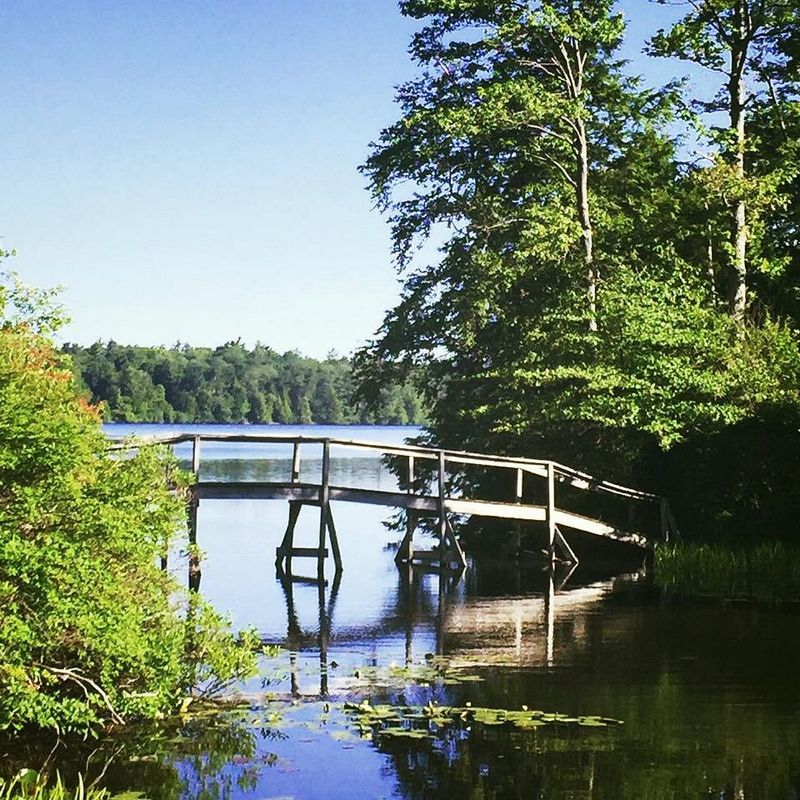
A little mountain lake can change the whole pace of a day, and Eagles Mere proves it almost right away.
Tucked in the Endless Mountains of Sullivan County, this village feels calm, old-fashioned, and carefully loved.
Visitors often come for the water, but they stay for the quiet streets, fresh air, and porch-sitting mood.
Eagles Mere Lake is the heart of the community.
In warm months, people enjoy boating, swimming, walking, and taking in the view from shaded paths.
The lake is private in some areas, so guests should check local access rules before planning water activities.
The Eagles Mere Museum is a helpful stop for understanding the town.
It shares stories about the resort era, when families traveled by train and carriage to spend long summers in the mountains.
Nearby, the Eagles Mere Air Museum adds a totally different twist with vintage planes and aviation history.
One of the best ways to enjoy Eagles Mere is to slow down.
Bring comfortable shoes, a camera, and time to wander past historic homes and small shops.
The town is not a place to rush through between errands.
Winter gives Eagles Mere a different kind of charm.
When conditions are right, the area is known for outdoor fun, snowy scenery, and a cozy village feel.
Travelers should always check weather and road conditions because mountain roads can change quickly.
For a simple Pennsylvania getaway, Eagles Mere offers beauty without noise.
It is ideal for people who like lakes, history, and small places with strong character.
2. Indian Echo Caverns
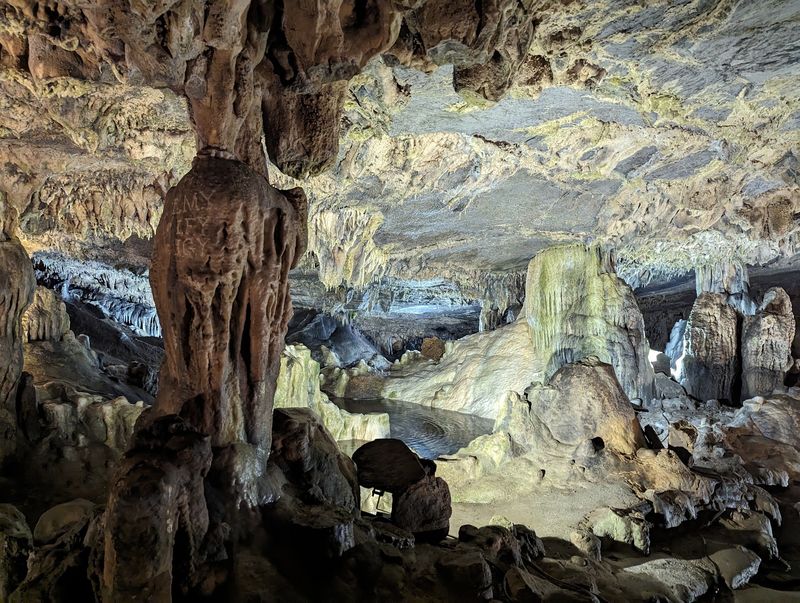
Underground places have a way of making ordinary footsteps feel like an adventure.
Indian Echo Caverns, near Hummelstown, brings visitors below the surface into a world shaped slowly by water and stone.
The cave is close to Hershey, so it is easy to pair with other family-friendly stops in central Pennsylvania.
Guided tours are the main reason to visit.
A guide leads guests through cool limestone rooms filled with stalactites, stalagmites, flowstone, and narrow passages.
The temperature inside stays fairly steady, so a light jacket can be useful even on a hot day.
The caverns also have stories tied to early people, settlers, and legends from the region.
While not every tale can be proven, the mix of geology and folklore makes the tour more memorable.
Kids often enjoy hearing how long it takes for cave formations to grow.
Good shoes matter here.
The paths can be damp, and stairs are part of the route.
Visitors who have trouble with steps should check accessibility details before buying tickets.
Above ground, the site includes activities that can stretch the visit.
Families may find gem mining, a playground, animals, and picnic space, depending on the season and current offerings.
It is smart to check hours before going, especially during holidays or colder months.
Indian Echo Caverns is a reminder that Pennsylvania has wonders hidden beneath familiar roads and farms.
It turns a simple outing into a lesson about time, rock, water, and curiosity.
3. French Azilum Historic Site
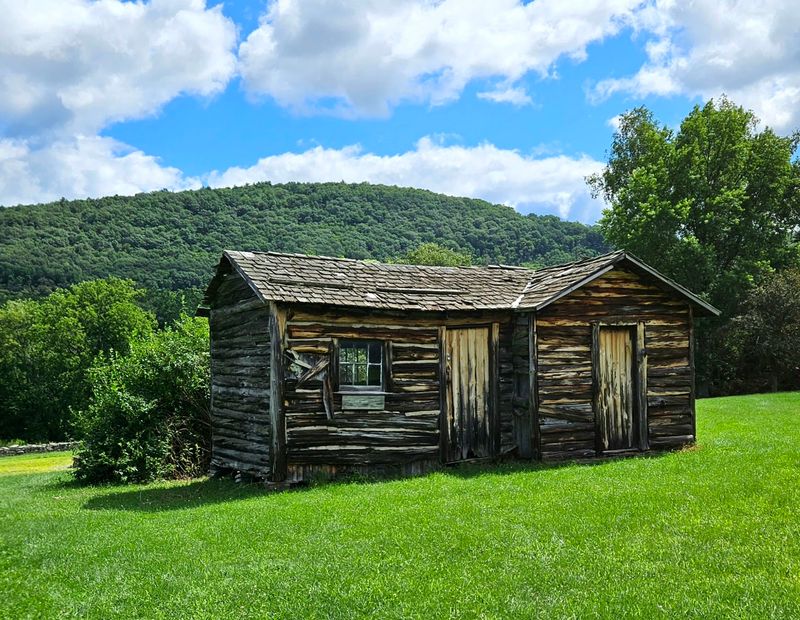
History sometimes hides in a quiet bend of a river, far from the places most textbooks mention.
French Azilum Historic Site, in Bradford County, tells one of Pennsylvania’s more unusual stories.
It was created in the 1790s as a planned refuge for French exiles during the time of the French Revolution.
The site sits near the Susquehanna River, and that setting is part of its appeal.
Visitors can walk the grounds, see interpretive signs, and learn why people crossed an ocean hoping to find safety in rural Pennsylvania.
The story includes plans, hardship, politics, and the dream of starting over.
The LaPorte House is one of the main features.
Built later than the original settlement period, it helps visitors picture life in the area and understand how the land continued to be used.
Tours and events may be available seasonally, so checking the schedule ahead of time is helpful.
French Azilum is not a flashy attraction, and that is exactly why it stands out.
It rewards people who enjoy quiet places where imagination fills in the gaps.
Bring water, wear walking shoes, and give yourself time to read the signs instead of rushing.
The river views make the visit feel peaceful.
Photographers, history fans, and families looking for an educational stop can all find something worthwhile here.
A picnic nearby can turn the trip into a relaxed afternoon.
For anyone interested in Pennsylvania’s links to world events, French Azilum is a rare gem.
It shows how big moments in Europe reached deep into the Commonwealth’s countryside.
4. Allegheny National Forest
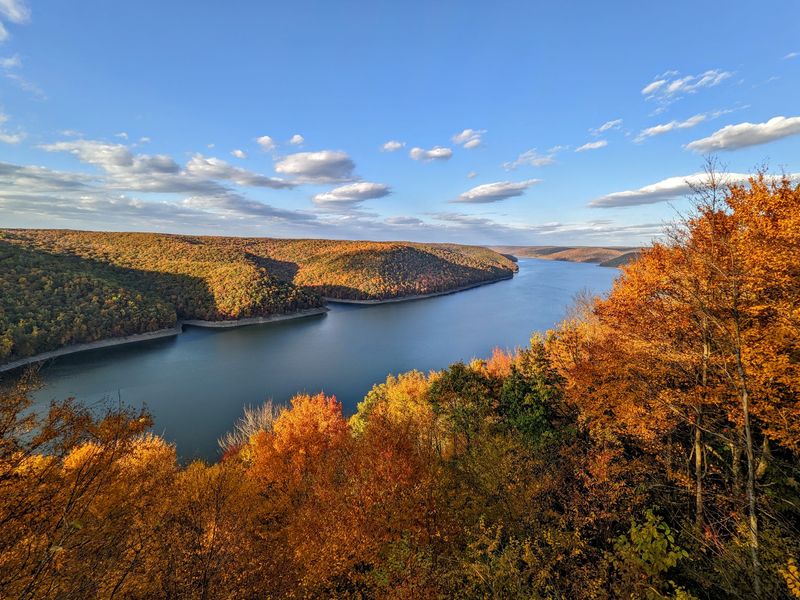
Big forests have a special kind of quiet, the kind that makes phones feel less interesting.
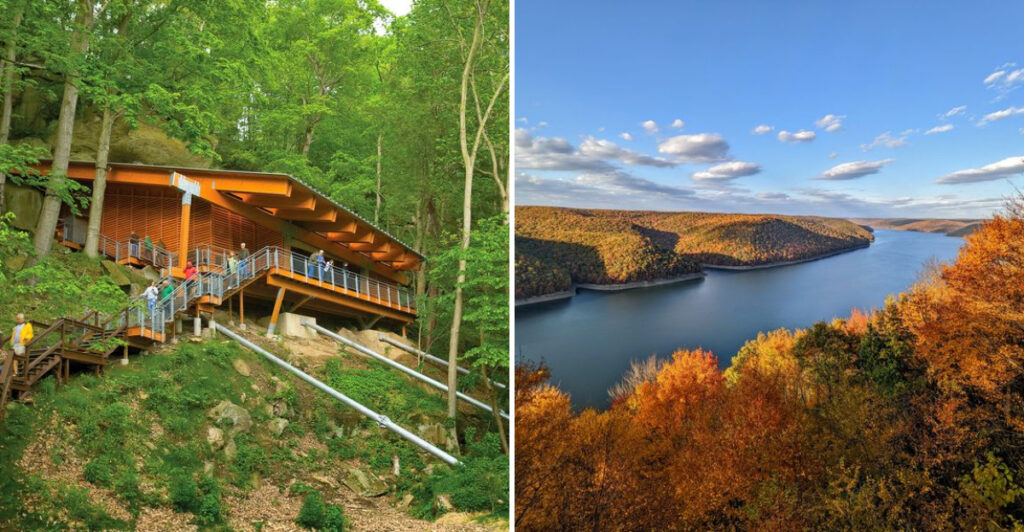
Allegheny National Forest covers a large part of northwestern Pennsylvania and gives visitors room to hike, camp, paddle, fish, and breathe.
It is the state’s only national forest, which makes it a standout all by itself.
The Allegheny Reservoir is one of the most popular areas.
Its long shoreline offers boating, kayaking, fishing, and scenic overlooks.
Kinzua Dam, which helped create the reservoir, is also worth seeing for its size and role in the region.
Trail lovers have many choices.
Some paths are short and friendly for casual walkers, while others suit experienced hikers looking for longer routes.
The North Country Trail passes through the forest, giving serious hikers a chance to explore a famous long-distance path.
Camping ranges from developed campgrounds to more rustic options.
Before setting up, visitors should review forest rules, fire conditions, and permit needs.
Weather can shift quickly, and cell service may be weak in some areas.
Fall is especially popular because the forest turns bright with red, orange, and gold leaves.
Spring brings wildflowers, summer is best for water activities, and winter can be peaceful for those ready for snow.
Wildlife watchers may spot deer, birds, and other animals, but feeding wildlife is never a good idea.
Allegheny National Forest feels like Pennsylvania at its wildest.
It is a place for people who want space, dark skies, fresh air, and outdoor memories that do not need fancy extras.
5. Keystone State Park
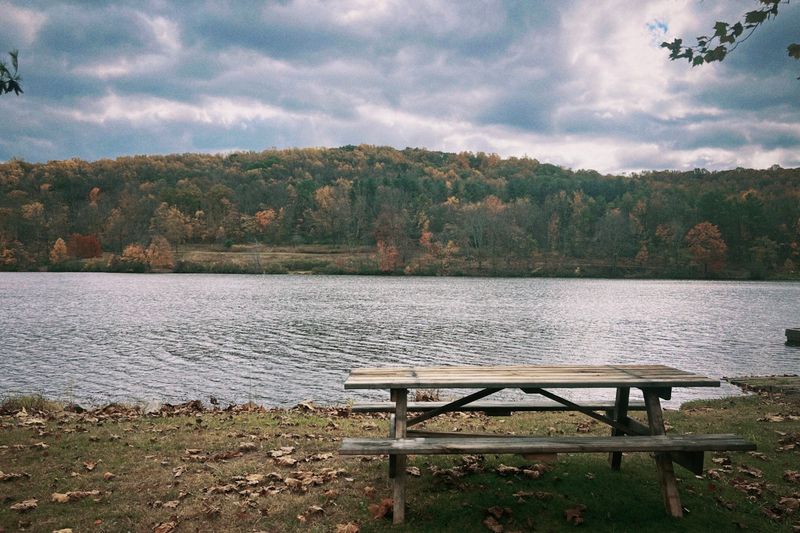
A lake, a picnic table, and a stretch of easy trail can turn a normal weekend into something people remember.
Keystone State Park, in Westmoreland County, is one of those friendly parks that works for many kinds of visitors.
It is close enough for a day trip yet roomy enough for a longer stay.
Keystone Lake is the main attraction.
People come to fish, kayak, canoe, and enjoy the view from the shore.
Swimming access can depend on current park rules and conditions, so visitors should check official updates before packing beach gear.
The park has trails that make it easy to spend time outside without needing expert skills.
Some routes are good for families, while others offer more distance for walkers who want exercise.
In any season, sturdy shoes and a small backpack with water are smart choices.
Camping and cabins make the park useful for simple vacations.
Families can cook outside, watch the evening sky, and wake up close to nature.
Reservations are recommended because popular weekends can fill up quickly.
Anglers may find bass, trout, panfish, and other species depending on stocking and conditions.
A valid Pennsylvania fishing license is needed for those who qualify by age.
Boaters should also follow state safety rules and wear life jackets.
Keystone State Park does not need to be dramatic to be wonderful.
Its strength is comfort: a good lake, clean outdoor space, and plenty of ways to relax.
For western Pennsylvania families, it is a dependable place to reset without traveling far.
6. Oil Creek State Park
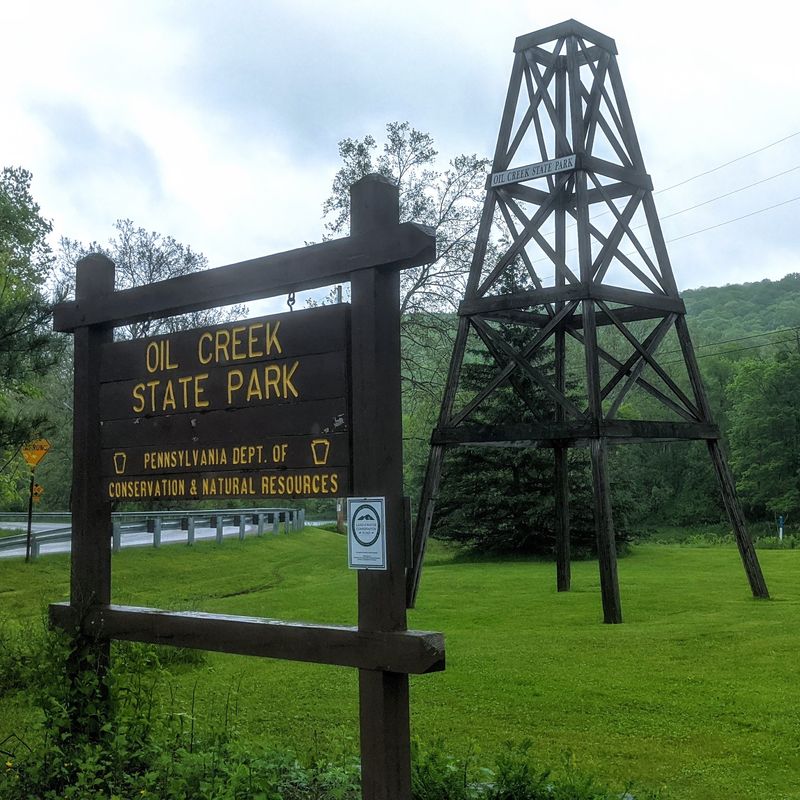
Not many parks can say they helped change the world, but this valley can make that claim.
Oil Creek State Park, in northwestern Pennsylvania, protects land tied to the early oil industry.
The landscape is beautiful, yet the history beneath the trees gives every trail extra meaning.
The park follows Oil Creek between Titusville and Oil City.
In 1859, nearby Drake Well became famous as a key site in the start of the modern petroleum industry.
Visitors can connect a park trip with the Drake Well Museum to better understand the story.
A popular paved trail runs through the valley, making the park a strong choice for biking.
Walkers and runners also enjoy the route because it follows the creek and passes historic markers.
Bring a bike helmet, water, and a plan for how far you want to go before turning around.
Hiking trails lead into wooded areas and up slopes for broader views.
Some paths can be muddy after rain, so footwear matters.
In autumn, the valley becomes especially colorful and draws photographers who like quiet scenes.
Fishing is another common activity along Oil Creek.
Anyone planning to fish should follow Pennsylvania license rules and check current regulations.
Creek conditions can change after storms, so safety comes first.
Oil Creek State Park is more than a pretty place.
It helps visitors see how natural resources shaped towns, jobs, transportation, and daily life in Pennsylvania.
For curious travelers, it offers a rare mix of outdoor fun and industrial history in one memorable stop.
7. Mercer Museum
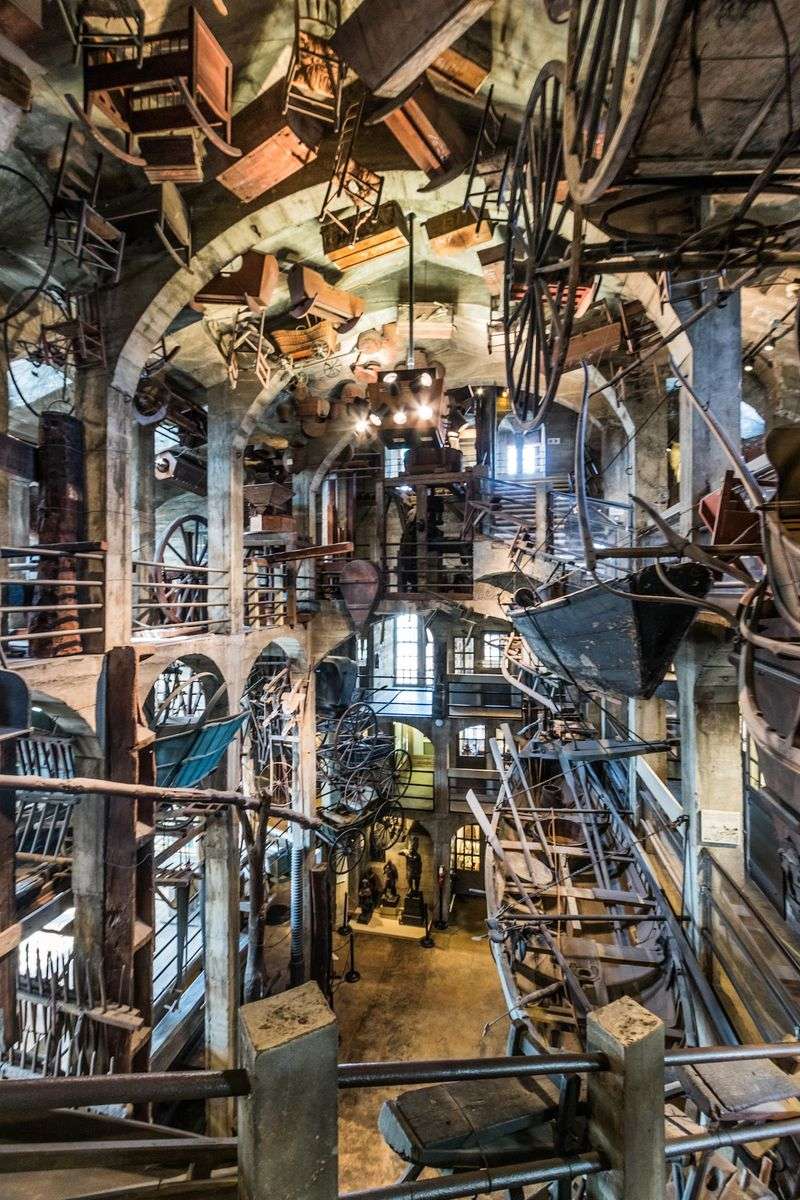
A castle full of old tools sounds like something from a storybook, but Doylestown has the real thing.
Mercer Museum is one of Pennsylvania’s most curious and unforgettable museums.
Its tall concrete building holds thousands of objects collected by Henry Chapman Mercer, a historian, tile maker, and collector with a bold imagination.
The museum focuses on everyday life before many modern machines changed work forever.
Inside, visitors see tools used by farmers, blacksmiths, shoemakers, carpenters, and other tradespeople.
Some objects hang high above the central court, making the building feel almost like a giant time capsule.
Families should plan to look up, down, and all around.
The displays are packed with details, so it helps to move slowly and choose a few favorite sections instead of trying to memorize everything.
Kids may enjoy guessing what strange-looking tools were used for before reading the labels.
The building itself is part of the fun.
Mercer used reinforced concrete, and the result feels part museum, part fortress, and part puzzle.
Nearby Fonthill Castle and the Moravian Pottery and Tile Works can turn the visit into a full Doylestown history day.
Because the museum has many levels and unusual spaces, visitors should check accessibility information before arriving.
Buying tickets ahead may help during busy times or special events.
A small notebook can be handy for curious students or anyone who likes odd inventions.
Mercer Museum shines because it celebrates ordinary people and their work.
It reminds us that history is not only about presidents and battles.
Sometimes it is about hammers, wagons, butter molds, and the clever hands that used them.
8. Meadowcroft Rockshelter and Historic Village
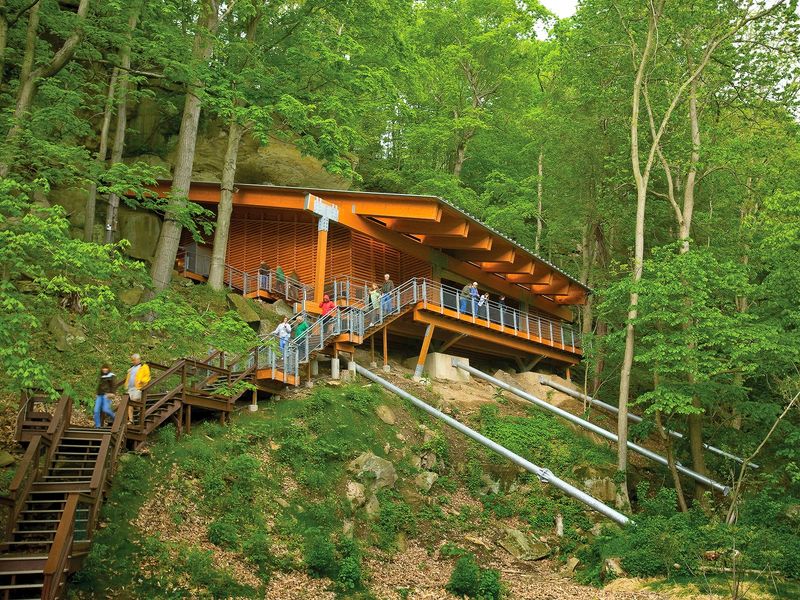
Some places make the past feel close enough to touch, and Meadowcroft does that in a powerful way.
Located in Washington County, Meadowcroft Rockshelter and Historic Village is known for archaeological evidence linked to very early human activity in North America.
The site invites visitors to think far beyond the usual timeline of local history.
The rockshelter is the centerpiece.
Protected beneath a large modern cover, it shows where archaeologists studied layers of soil, tools, and other clues.
Guides help explain why the site matters and how scientists learn from tiny pieces of evidence.
The visit is not only about ancient history.
The historic village areas help guests explore different periods of life in western Pennsylvania.
Depending on the programs available, visitors may see recreated buildings, demonstrations, and exhibits about daily work, farming, school, and home life.
Meadowcroft is especially useful for families and students because it connects big ideas to real places.
Instead of only reading about archaeology, guests can stand near an actual dig area and hear how discoveries are studied.
Asking questions makes the tour better, so do not be shy.
Comfortable shoes are important because the site includes walking between areas.
Since hours can be seasonal, checking the schedule before leaving home is a smart move.
Warm weather visits may require sunscreen, water, and bug spray.
What makes Meadowcroft wonderful is its wide view of time.
It stretches Pennsylvania’s story from ancient people to more recent rural life.
Few places in the state can make thousands of years feel connected in one afternoon.
9. Kinzua Bridge State Park
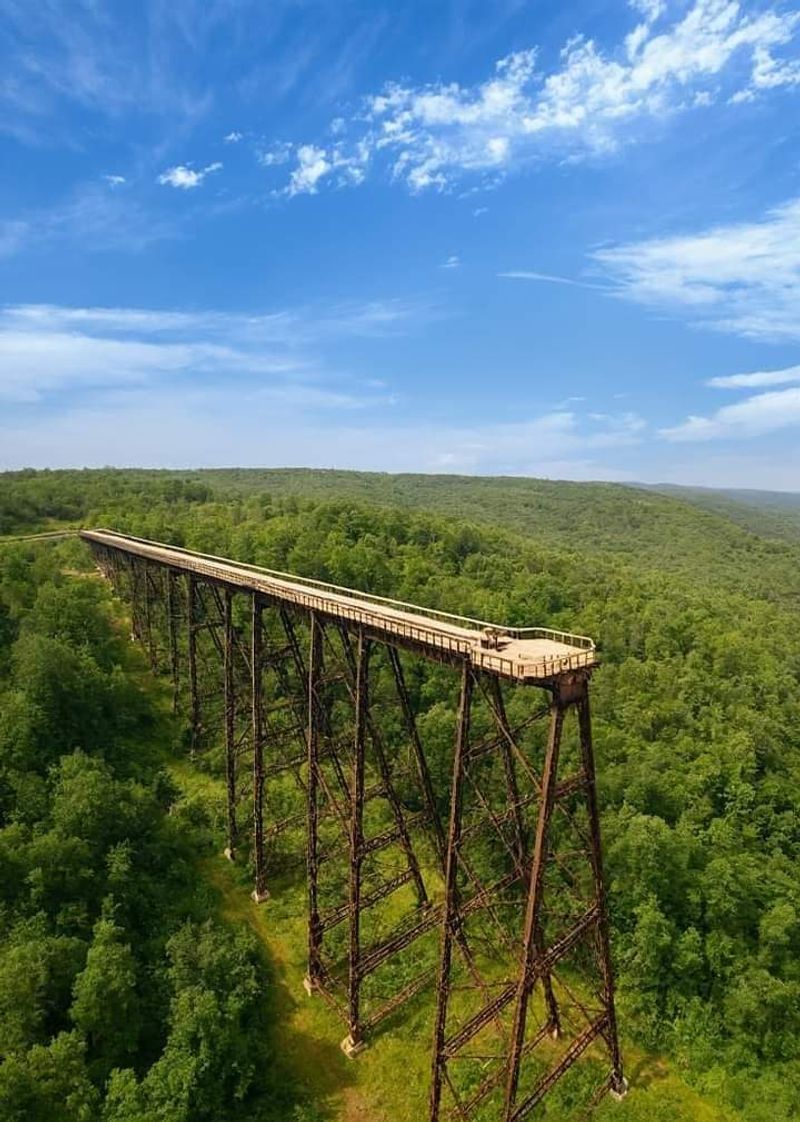
A broken bridge might not sound like a must-see place, but Kinzua Bridge State Park turns ruins into wonder.
Near Mount Jewett in McKean County, the park preserves part of a once-massive railroad viaduct.
After a tornado damaged much of the structure in 2003, the remaining section became the Kinzua Sky Walk.
The Sky Walk lets visitors step out over the valley on a restored part of the old bridge.
At the end, a glass-floor viewing area adds a small thrill for anyone brave enough to look down.
The view of the Kinzua Gorge is impressive in every season.
History signs explain how the bridge was built and why it mattered to rail transportation.
When it opened in the 1880s, it was considered an engineering marvel.
Seeing the fallen towers on the valley floor helps visitors understand both human ambition and nature’s power.
The visitor center adds context with exhibits, restrooms, and helpful information.
It is a good first stop before walking out onto the structure.
People who dislike heights can still enjoy the views from safer-feeling areas near the center.
Weather can affect the experience, especially wind, ice, or fog.
Dress in layers because the overlook may feel cooler than expected.
Photographers often love sunrise, sunset, and fall color, but even cloudy days can make the scene dramatic.
Kinzua Bridge State Park stands out because it does not hide its damage.
Instead, it teaches visitors to see beauty in survival, change, and smart reuse.
It is one of Pennsylvania’s most memorable stops for scenery, history, and a little courage.
10. Hawk Mountain Sanctuary – Kempton, Pennsylvania
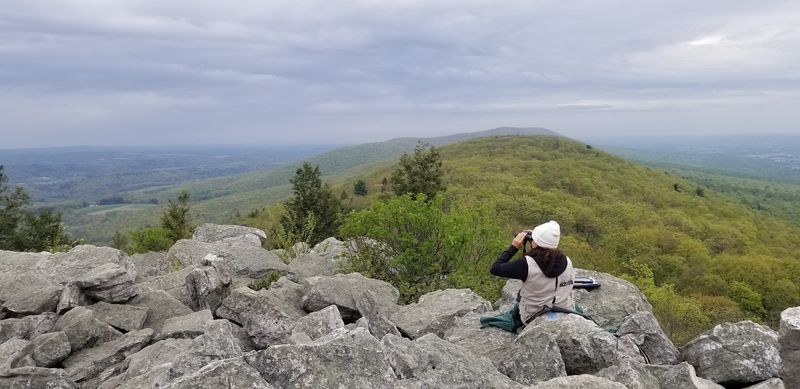
Look up at the right moment on Hawk Mountain, and the sky seems alive.
This sanctuary near Kempton is famous for raptor watching, especially during fall migration.
Hawks, eagles, falcons, and vultures use the ridges as travel routes, giving visitors a front-row seat to one of nature’s great movements.
The sanctuary has trails leading to overlooks with wide views of the Appalachian landscape.
Some paths are rocky, so sturdy shoes are more than a suggestion.
Visitors should bring water, binoculars, and patience because bird activity can change from hour to hour.
Hawk Mountain is also important because of its conservation history.
It became a protected place after people began recognizing the need to stop the killing of birds of prey.
Today, it supports research, education, and habitat protection.
Fall is the most famous season, but the sanctuary is worth visiting at other times too.
Spring migration, summer wildflowers, and winter views each offer a different mood.
The visitor center can help guests learn which birds are being seen and where to go.
Families should prepare younger children for walking and quiet watching.
Counting birds can become a game, and learning to spot wing shapes makes the visit more exciting.
Even if few raptors pass overhead, the rocks, trees, and views make the trip rewarding.
Hawk Mountain Sanctuary gives Pennsylvania a place where science and wonder meet in the open air.
It encourages people to notice the sky, protect wildlife, and understand how far a bird may travel above the ridgelines.
11. The Railroad Museum of Pennsylvania
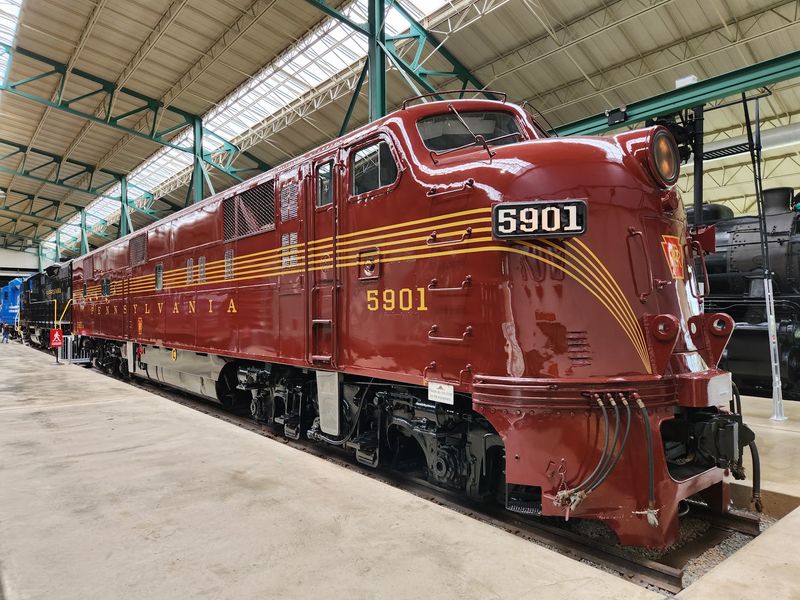
The sound of a train whistle can make people think of travel, work, and stories from another time.
The Railroad Museum of Pennsylvania in Strasburg celebrates that feeling with a huge collection of locomotives, passenger cars, freight cars, and railroad artifacts.
It is one of the best places in the state to understand how railroads shaped daily life.
Inside the main exhibit hall, visitors can walk near massive engines and detailed rail cars.
The size alone surprises many first-time guests.
Labels and displays explain how trains moved coal, farm goods, mail, soldiers, families, and factory products across Pennsylvania and beyond.
The museum is especially strong for families because there is so much to see at eye level.
Children who love machines can compare wheels, bells, lights, and cabins.
Adults may enjoy the design, craftsmanship, and stories of workers who kept the rail system moving.
Strasburg makes the trip even better because the area has other train-related attractions nearby.
Visitors can often pair the museum with a ride on the Strasburg Rail Road, though schedules and tickets should be checked ahead of time.
Planning both can create a full day of railroad fun.
Give yourself enough time.
Rushing through the museum means missing small details, like signs, tools, uniforms, and model displays.
Comfortable shoes help because the building is large and encourages wandering.
The Railroad Museum of Pennsylvania earns its spotlight by showing how tracks connected towns, industries, and people.
It turns transportation history into something you can stand beside, walk around, and remember long after leaving Lancaster County.
Share this story