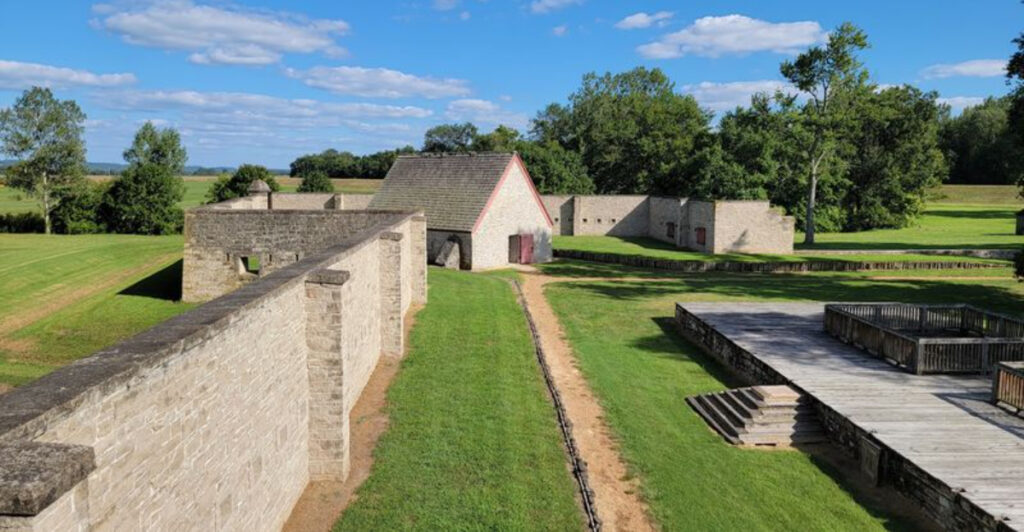
Massive stone walls rising from the Illinois countryside make Fort de Chartres feel like a piece of colonial history dropped into the present. Located near the Mississippi River, this remarkable state historic site preserves the story of French settlement and military life in the region during the 18th century.
Visitors can explore reconstructed buildings, open grounds, and the imposing stone fortifications while imagining the soldiers, traders, and settlers who once passed through. The setting makes complicated history surprisingly easy to picture. For families, history lovers, and curious road trippers, Fort de Chartres offers a fascinating glimpse into Illinois long before it became a state.
Stone Walls Rising Out of Farm Country
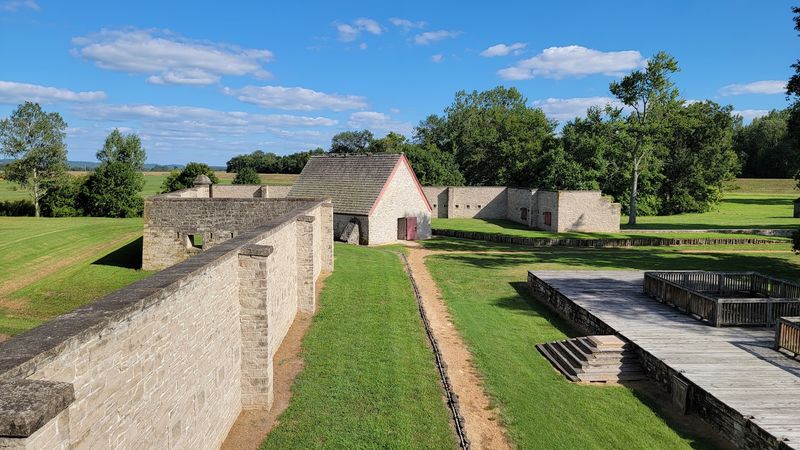
Out in a stretch of quiet southern Illinois farmland, Fort de Chartres makes a dramatic first impression. The fort does not sneak up on you with a tiny marker or a single old building.
Instead, heavy limestone walls rise above the flat landscape and instantly change the mood from country drive to colonial stronghold.
That contrast is part of the thrill. Cornfields, open sky, and calm roads set up a scene that feels very Midwestern, then suddenly a French-era fortress appears where many travelers would never expect one.
The shape of the walls, the sturdy gatehouse, and the towers give the site a bold outline that reads clearly even before you step inside.
Unlike wooden frontier sites that can blend into the background, stone has visual weight. It catches sunlight, throws shadow, and makes the fort look grounded and serious.
Even a short walk around the exterior helps explain why this place stands apart from many historic attractions in the region.
The setting also gives the fort room to breathe. There are no packed city blocks pressing against it, so the structure stands with plenty of open space around it.
That wide landscape makes photos easier, lets kids spot the towers from a distance, and helps adults imagine wagons, soldiers, and supply routes moving through the area centuries ago.
Arriving early in the day is a smart move because the lower sun can make the stone texture look especially sharp. Comfortable walking shoes help, since the grounds invite wandering.
Before reading a single sign or museum panel, the fort already delivers its message clearly: this was a serious place, built to last, and Illinois still has one of the most unusual historic silhouettes in the Midwest.
A French Colonial Fort, Not the Illinois History Most Expect
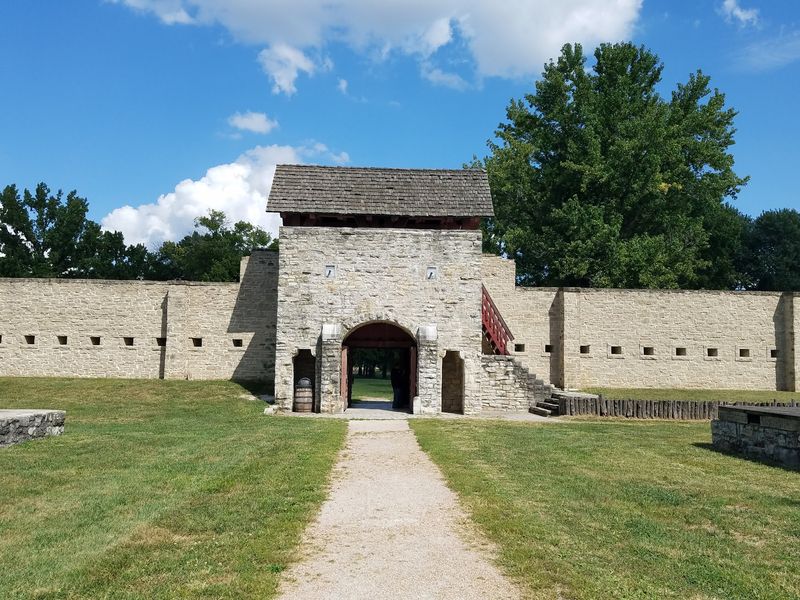
Here is the surprise that makes Fort de Chartres so interesting: it tells a French colonial story in Illinois. Many people connect Illinois history to Abraham Lincoln, prairie towns, or later American settlement.
This site reaches much farther back, to a time when France controlled huge parts of North America and the Mississippi Valley mattered deeply.
Fort de Chartres was built during the French colonial period, and the surviving image of the place helps visitors picture that world in a direct way. The layout reflects European military design, with enclosed space, defensive walls, and carefully planned buildings inside.
Walking through the gate shifts the timeline fast, because the fort reads as a working center rather than a random ruin.
That context matters for students, families, and road trippers because it widens the map of early American history. Instead of thinking only about the East Coast colonies, the site points attention toward the interior of the continent.
Trade, government, military planning, and daily life all passed through this region, and the fort helps make those ideas visible.
The buildings inside support that lesson well. Quarters, storage areas, and the magazine show that a fort was also a small community with routines, supplies, and rules. It was not only about defense. It was also about organizing life at an important colonial post.
A good way to experience this section of the story is to start at the museum before roaming the grounds. The exhibits help connect names, dates, and purposes to what stands outside.
Once those basics are in place, the stone walls and reconstructed spaces become easier to read. Instead of seeing an old enclosure, visitors begin to notice a larger chapter of Illinois history that often gets less attention than it deserves.
Inside the Gatehouse, the Fort Turns Into a Walkable Lesson
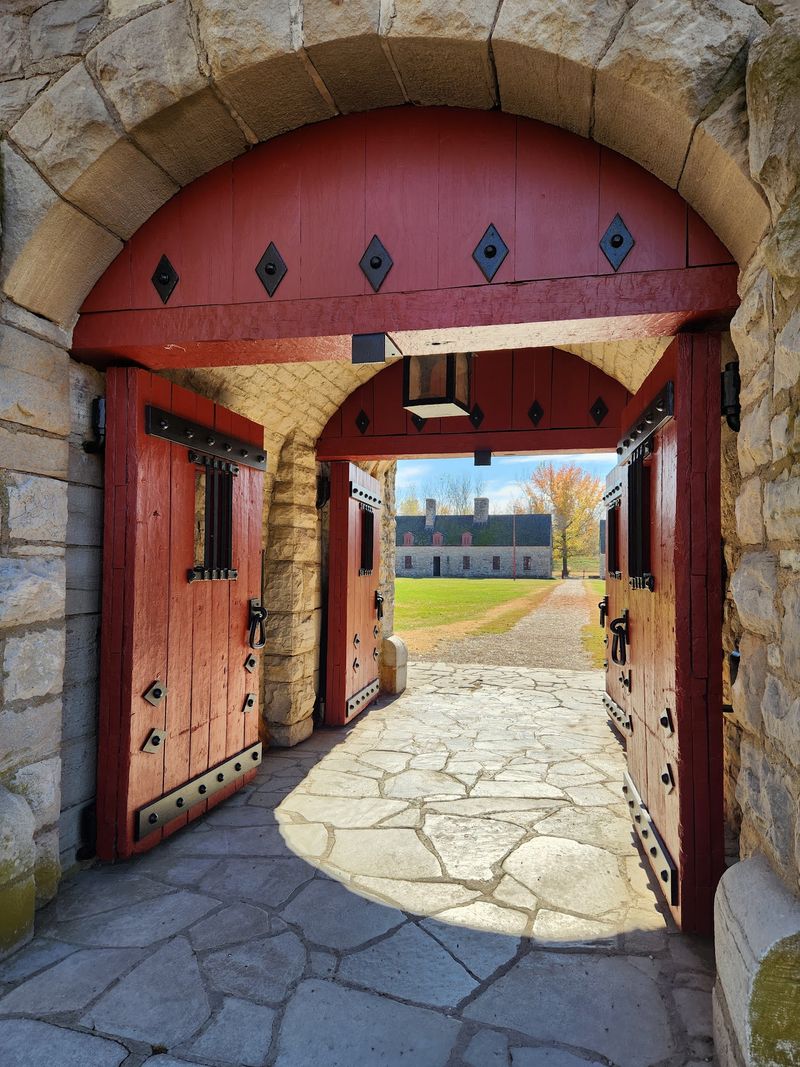
Step through the gatehouse and the site starts working like a three-dimensional textbook. Rooms, walls, open yard space, and pathways connect in a way that helps history make sense without much effort.
Instead of staring at objects behind glass alone, visitors can move through a setting that shows how the fort functioned day to day.
The self-guided nature of Fort de Chartres is a big advantage. Families can walk at their own pace, history fans can linger over details, and children can focus on the parts that immediately grab their attention, like towers, doors, and sturdy walls.
There is enough structure to teach, but enough freedom to keep the visit relaxed. Climbing and exploring areas with care can be especially fun for younger visitors, because the fort has clear shapes and spaces to understand. A tower is not an abstract idea here.
A gate is not just a word in a caption. Kids can connect terms to real forms, and that makes the site stick better than a classroom diagram. Adults often notice practical details that add depth. Thick stone walls suggest labor and expense.
Interior buildings show that military spaces needed food, storage, sleeping quarters, and order. The whole place becomes easier to interpret once you see how enclosed life inside the walls would have worked.
To get the most from the walk, slow down in the transitions between spaces. Pause at the entrance, look back from the yard, and notice sightlines from one building to another.
Those simple moments reveal how the fort was planned. Bringing water on warm days is wise, since shade can be limited in parts of the grounds.
A slow circuit through the site usually works better than rushing, because the fort rewards attention to layout as much as to individual buildings.
The Powder Magazine and Museum Add the Small Details
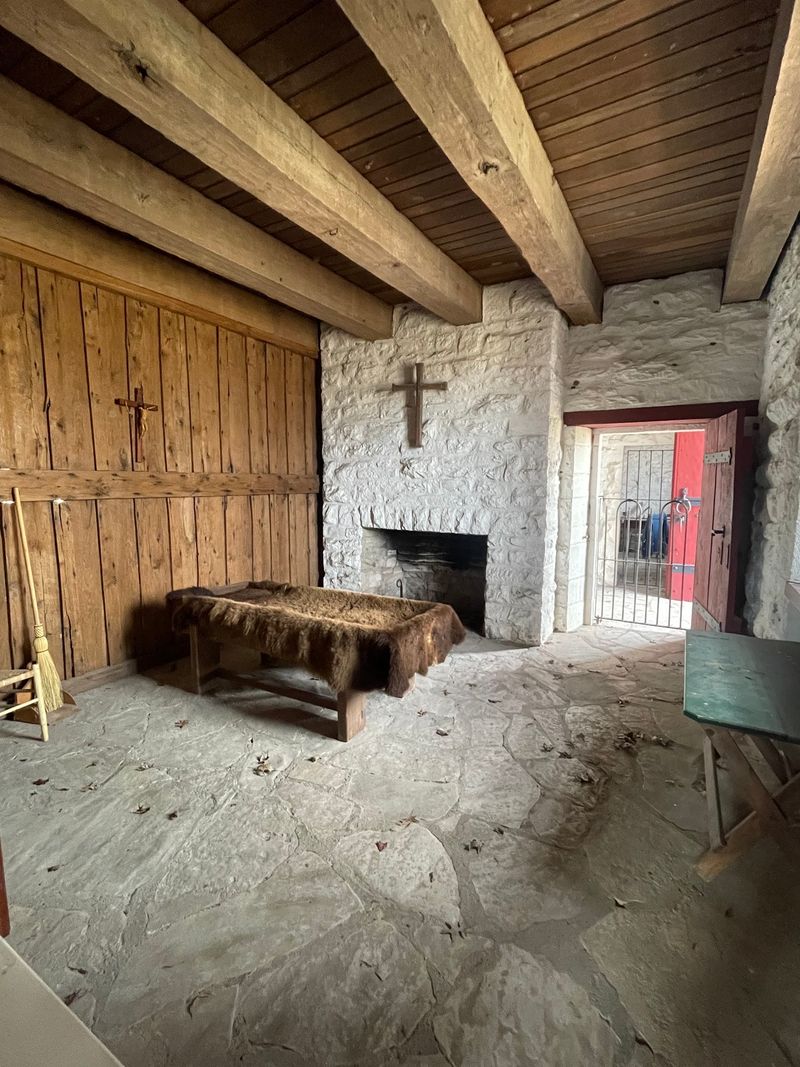
Big walls may grab the camera first, but smaller spaces often carry the richest clues. At Fort de Chartres, the powder magazine and museum help fill in the practical side of life at the fort.
They turn a striking landmark into a fuller story about work, storage, safety, and survival. The powder magazine is one of those features that quickly sharpens the site’s military purpose. Gunpowder needed secure storage, and that requirement shaped architecture in important ways.
Even without a long lecture, seeing a dedicated place for such a vital supply helps visitors understand that a fort depended on careful planning, not just thick walls and a dramatic entrance.
Then the museum takes over with a different kind of power. Artifacts, interpretive displays, and background information provide names, dates, and context that the open grounds cannot explain by themselves.
For younger readers and casual travelers, this stop is especially helpful because it connects the visible fort to broader history without making the experience feel heavy.
There is also a nice balance here between outdoor exploring and indoor learning. After time in sun, wind, or summer heat, the museum offers a pause and a chance to reset.
It works well as either a starting point or a midway break, depending on how your group likes to travel. One smart approach is to notice a detail outside first, then look for answers inside. Why is a building placed there? Why are the walls shaped that way? Why would a fort need certain rooms?
That back-and-forth makes the visit more engaging than simply reading every panel in order. Since signage on the grounds may feel limited in places, the museum becomes even more valuable. It gives the fort sharper meaning and helps transform a scenic stop into an informed one.
Rendezvous Days Bring the Quiet Fort to Life
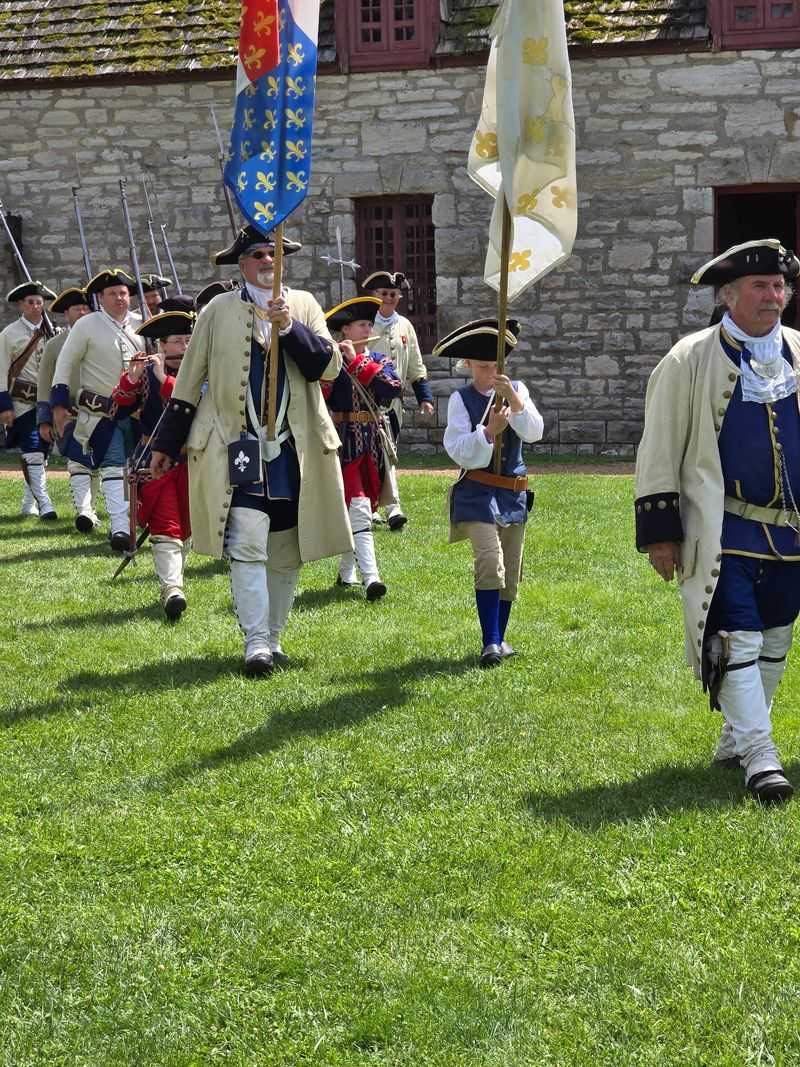
On an ordinary day, Fort de Chartres can feel calm, roomy, and almost meditative. During special events, that quiet frame fills with motion, sound, and color. The annual Rendezvous is the clearest example, turning the grounds into a more active window onto the past.
Reenactors in period clothing, demonstrations, and the sight of people using the fort as a living setting change the energy completely. Suddenly the place is not only about walls and preserved space.
It becomes easier to imagine trade, military drills, camp life, and the social world that once connected this part of the Mississippi Valley.
That shift is especially useful for first-time visitors or children who learn best through action. A cannon or musket demonstration can explain the purpose of the fort faster than a paragraph on a sign.
Clothing, tools, and camp setups also add scale, showing how people actually fit into the buildings and open areas inside and around the walls.
Event days do come with trade-offs. Crowds are larger, parking may take a little more patience, and the peaceful emptiness that some travelers enjoy will be replaced by a busier scene. Still, for many people, that lively format makes the history easier to grasp and much harder to forget.
If your goal is deep atmosphere and photography with fewer people in the frame, choose a regular open day. If your goal is energy, demonstrations, and a stronger sense of colonial life in action, plan around the Rendezvous.
Either approach works, but they offer very different experiences. Checking seasonal timing before the trip helps avoid disappointment.
Fort de Chartres succeeds in both modes, as a quiet place to wander and as a stage for living history, which gives repeat visits more value than a single quick stop might suggest at first glance.
Best Way to Explore Fort de Chartres in Illinois
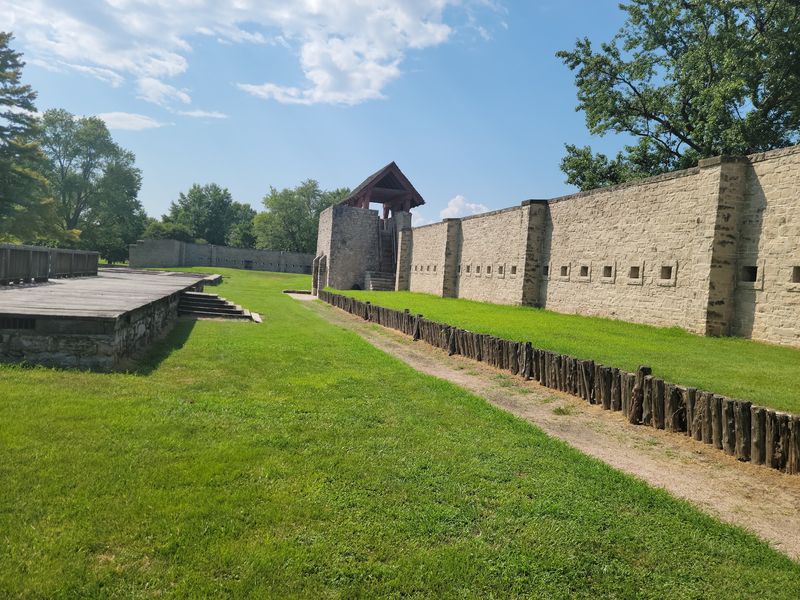
A little planning can make a visit here much smoother. Fort de Chartres is best enjoyed as a slow outing, not a rushed box to check between too many other stops. The site rewards people who walk, pause, look around, and let the setting explain itself.
Start with comfortable shoes because the grounds are level but spread out enough to invite a full circuit. Bring water, especially in warmer months, since open areas can get hot and shade is not everywhere. A hat, sunscreen, and a simple snack can make a bigger difference here than at a downtown museum.
Families have an easy setup because the self-guided format gives kids room to move while adults absorb the history. The towers, gates, and open fort yard provide clear landmarks that help younger visitors stay interested.
A picnic is also a smart idea, since the rural location is part of the charm but not the place for a quick fast-food detour around the corner.
Timing matters too. The site is generally open from morning into late afternoon on most days except Monday, so arriving earlier leaves time for the museum and a full walk outside.
Early hours can also feel cooler and quieter, which makes reading the grounds much easier. If your group includes both history lovers and casual travelers, split the visit into simple phases.
Exterior first for the wow factor, museum second for context, interior walk last for details. That sequence keeps attention fresh and helps everyone connect the story to the structure.
Pet-friendly grounds and modern restrooms add practical comfort, but the bigger advantage is the low-stress pace. No complicated route is needed once you arrive.
Fort de Chartres works best when treated as a mini time-travel walk with room for photos, conversation, and a lunch break under open southern Illinois sky.
Why This Prairie Du Rocher Fortress Still Stands Out
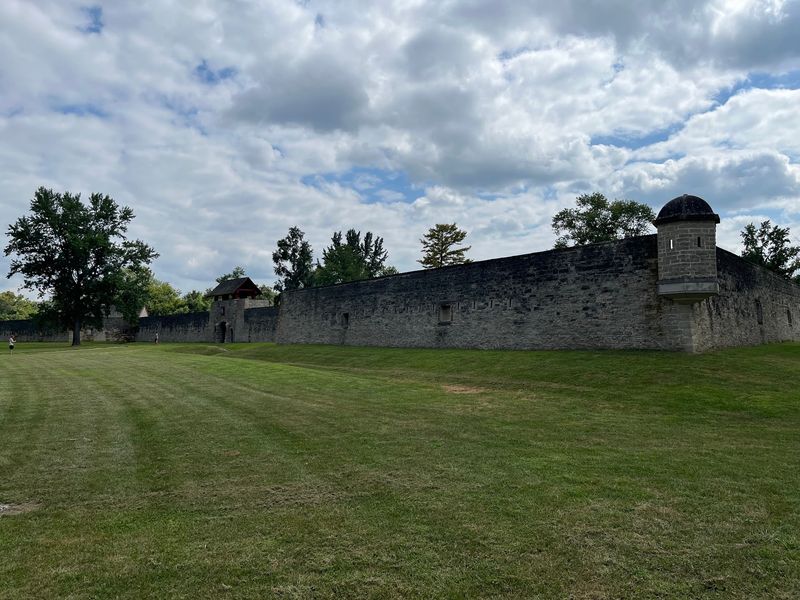
Some historic places impress because they are huge. Others matter because they tell a famous story. Fort de Chartres stands out by doing something less common in the Midwest: it gives visitors a substantial stone fort tied to an earlier French chapter of regional history, all in a peaceful rural setting that does not feel overbuilt or overpackaged.
That combination is hard to find. The structure itself is visually strong, the museum adds real educational value, and the grounds remain easy to explore without needing a long itinerary.
You can come for an hour, learn something important, and still leave with the sense that the site offered more than a quick roadside photo stop. The fort also serves different kinds of travelers well. Families get open space and climb-worthy features.
History students get colonial context beyond the usual textbook map. Day trippers from the St. Louis area get a destination that feels far removed from city pace without requiring a major expedition.
Another advantage is how clearly the place communicates. Even with some limited signage outdoors, the site does not rely only on labels to make an impression.
The walls, gatehouse, towers, and interior plan tell much of the story through shape and scale. That directness helps younger visitors and casual readers connect with the past quickly.
For anyone choosing between regional attractions, Fort de Chartres offers a mix that is simple to appreciate: strong visuals, meaningful history, room to move, and practical access during regular daytime hours.
Free or donation-based historic sites with this much presence are not common. Bring curiosity, prepare for open-air walking, and give the museum a fair share of time.
By the end of the visit, the title makes sense. A 1750s stone fortress in Illinois really can look straight out of a history book. At Fort de Chartres, that old-world image is not a metaphor. It is standing right there in limestone.
Share this story