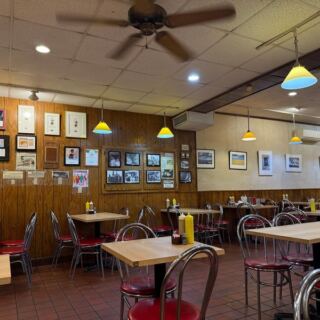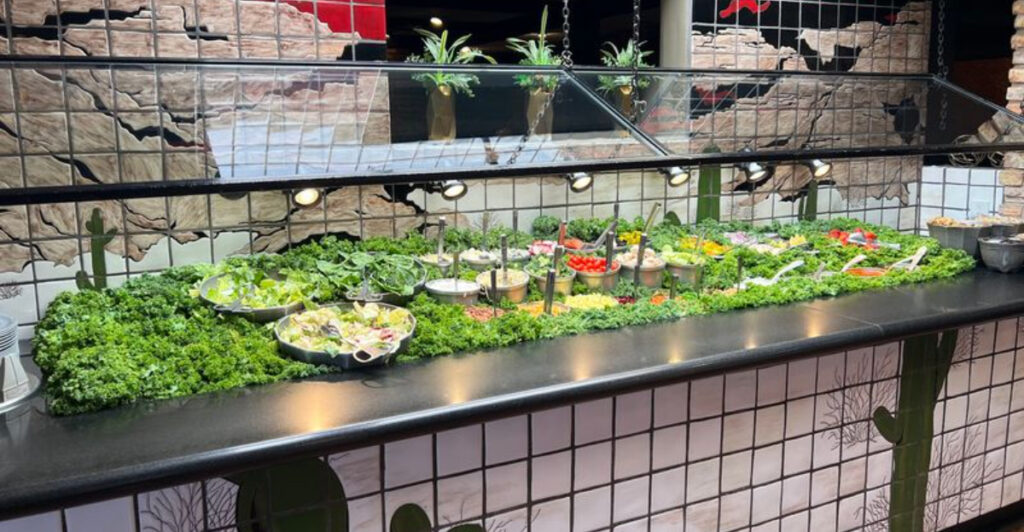
Before the steaks even reach the table, Cork ‘N Cleaver in Fort Wayne gives diners a reason to get excited about greens. The restaurant’s salad bar has become a memorable part of the experience, letting guests build a plate exactly the way they want before moving on to the main course.
In a dining room better known for hearty steaks, seafood, and celebratory dinners, that fresh beginning creates an appealing contrast. It also turns something usually treated as an afterthought into part of the ritual. At Cork ‘N Cleaver, ordering steak does not mean the salad has to play second fiddle.
Where the Room Sets the Tone
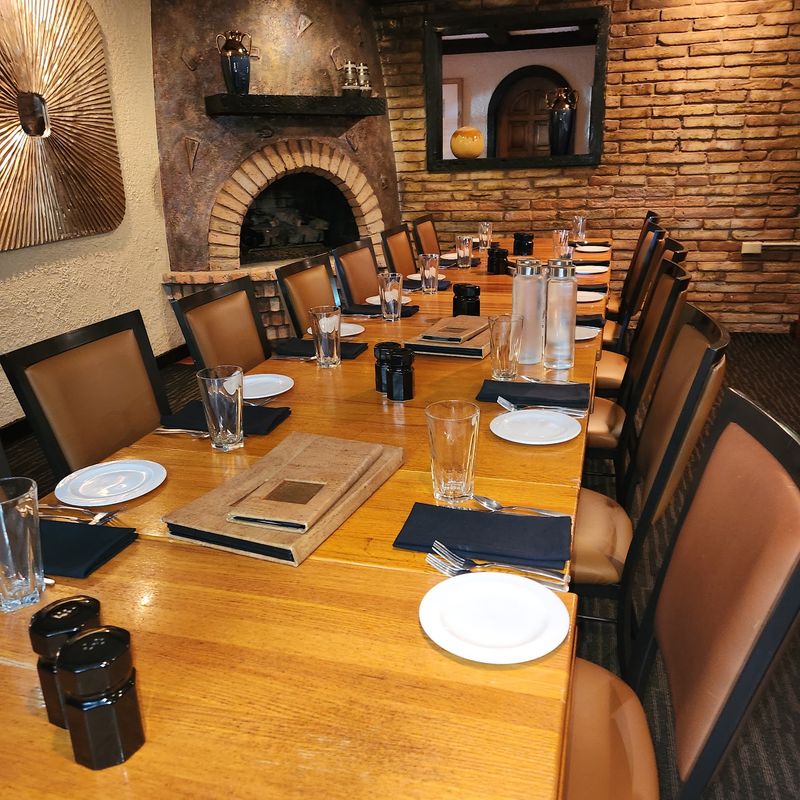
Steakhouses often lean dark, formal, and a little stiff, but Cork ‘N Cleaver lands in a sweeter spot. The room gives off an old-school dinner feel without turning cold or overly serious, so the meal starts with comfort instead of pressure.
Warm lighting, cozy booths, and a polished dining room help explain why the place works for anniversaries, family celebrations, and work dinners alike. There is a classic steakhouse mood here, yet it does not push diners into whispering over the table or wondering if they are dressed up enough.
One detail adds energy to all that calm. The kitchen activity can be seen from parts of the restaurant, and that little window into the action changes the pace in a good way, because it reminds everyone that the polished setting still runs on speed, timing, and hands-on cooking.
That balance matters for the salad bar story. In a room built for steaks, seafood, martinis, and prime rib, a self-serve station could have felt like an afterthought, but the setting gives it a stronger role by making the whole meal feel curated rather than rushed.
Even small touches help sell that idea. Fresh bread, a comfortable bar area, and the steady movement of servers create a sense that each part of dinner is meant to count, not just the center-of-the-plate item.
So before the first bite arrives, the restaurant already makes a quiet argument. Cork ‘N Cleaver is not chasing trends or flashy gimmicks.
It is building a full evening, and that makes the salad bar more surprising, because it enters the scene not as filler, but as a serious part of a restaurant that clearly cares how the whole experience unfolds.
The Salad Bar That Refuses to Be an Afterthought
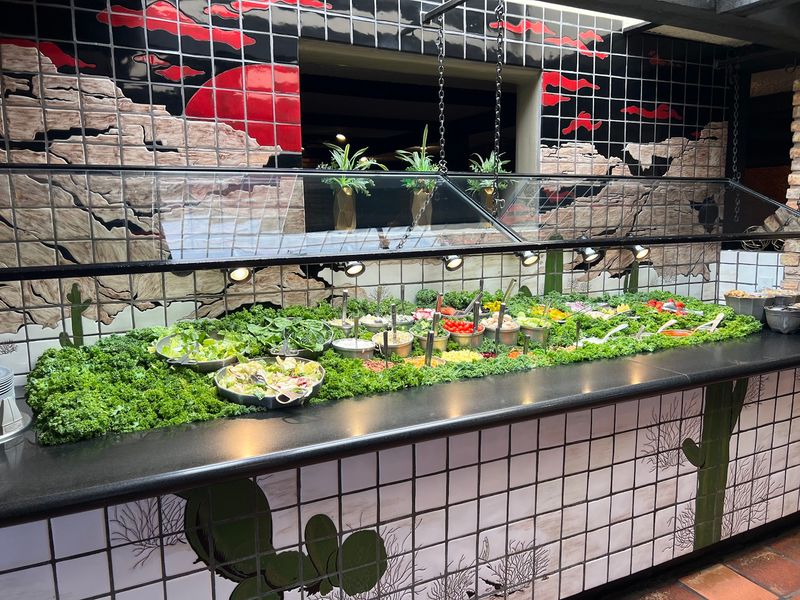
Here is the twist: the salad bar is not a dusty extra parked beside the main event. At Cork ‘N Cleaver, it shows up with enough care and freshness to compete with the steaks for attention, which is exactly why the restaurant stands out.
Cold plates may sound like a tiny detail, but they tell the whole story. A chilled plate keeps greens crisp longer, helps ingredients stay refreshing, and signals that the restaurant understands texture, not just appearance.
The setup is described again and again through specific details that matter at the table, not through hype. Ingredients are kept cold, the station stays clean, and the variety goes beyond a sad pile of lettuce and a few sliced tomatoes.
That wider mix is part of the appeal. Fresh vegetables, toppings, and side-style additions like pasta salad turn the station into more than a quick pre-dinner stop, giving diners room to build something light, crunchy, creamy, or hearty depending on the rest of the meal.
For some tables, the bar works as a reset button. Rich steak, buttery seafood, or a loaded baked potato can be balanced with brighter flavors first, which makes the dinner feel more complete instead of heavy all at once.
There is also a sense of control that diners appreciate. A composed salad from the kitchen can be excellent, but a well-run salad bar lets each person set the pace, skip what they do not like, load up on what they do, and return to the table with exactly the kind of start they want.
That is why the salad bar becomes the unexpected star. It is not trying to steal the spotlight with drama. It earns attention by being unusually thoughtful, well kept, and satisfying in a restaurant category where salad too often plays backup and never gets a real speaking part.
Steakhouse Favorites Still Pull Their Weight
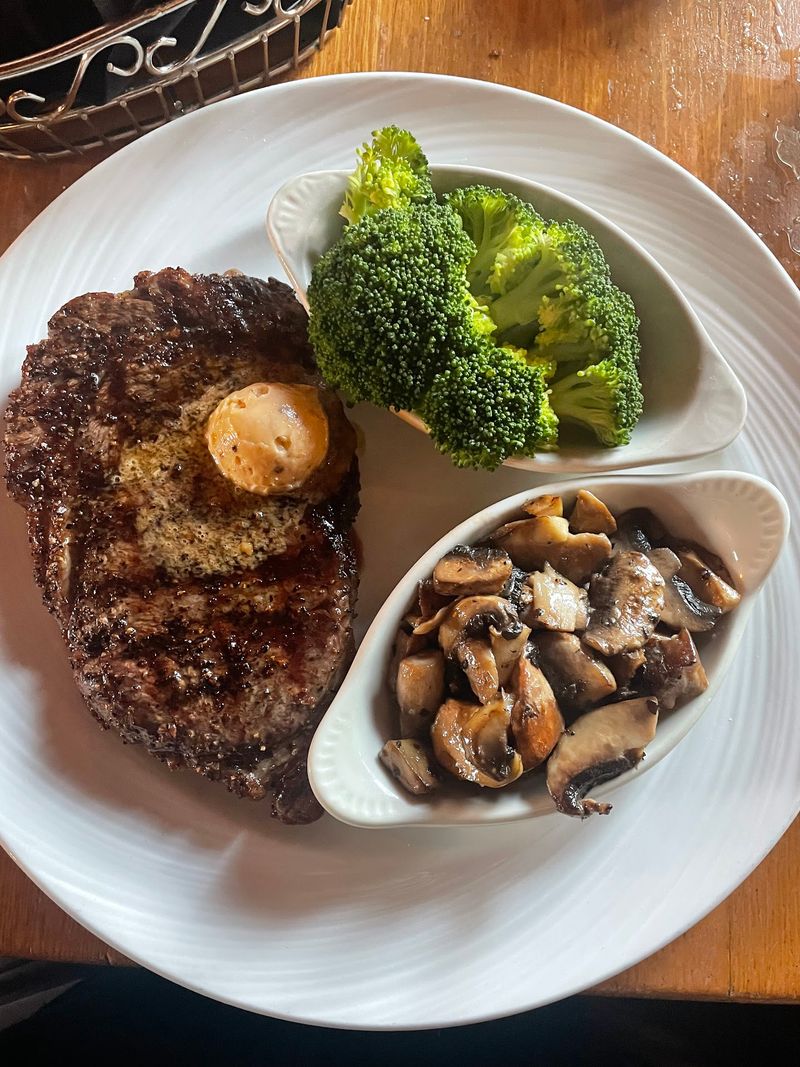
A standout salad bar only matters so much if the rest of the menu cannot keep up. Cork ‘N Cleaver avoids that problem by serving the kind of steakhouse lineup people expect when they choose a polished dinner spot in Fort Wayne.
Prime rib remains one of the names that carries weight here, and the coffee crusted ribeye has built its own following too. Seafood also holds a visible place on the menu, with dishes like lobster, shrimp, salmon, and fish specials giving diners more than one path through the evening.
That range helps explain why the salad bar gets noticed instead of lost. When the main plates already sound rich and complete, a fresh first course has to offer real quality to stay memorable, and here it does.
Sides and supporting dishes add to that impression. Baked potatoes, soups, stuffed mushrooms, crab cakes, and desserts like mud pie round out the meal in a way that fits the restaurant’s classic identity without making the menu seem trapped in the past.
Some steakhouse menus read like a contest in excess, but Cork ‘N Cleaver seems more interested in pacing. A crisp salad, warm bread, a solid appetizer, and a carefully chosen entree create a progression, so dinner moves with purpose rather than arriving as one oversized plate and stopping there.
That structure makes the restaurant easier to enjoy for different kinds of groups. One person can lean toward steak and potatoes, another can choose seafood and greens, and both still end up sharing the same polished, full-meal experience.
The surprise, then, is not that the steaks are good. In a place known as a classy old-school steakhouse, that should already be the baseline.
The surprise is that the salad bar holds its own beside prime rib and ribeye, proving it was built to contribute to the meal, not just take up a little floor space.
Little Extras That Change the Whole Meal
Sometimes a restaurant separates itself with one huge signature item. Other times, the difference comes from a chain of smaller choices that keep improving the meal before anyone fully notices why dinner is going so smoothly.
Cork ‘N Cleaver works in that second way. The chilled salad plates get attention, but they are only one example of a broader habit of paying attention to details that affect comfort, timing, and how each course lands.
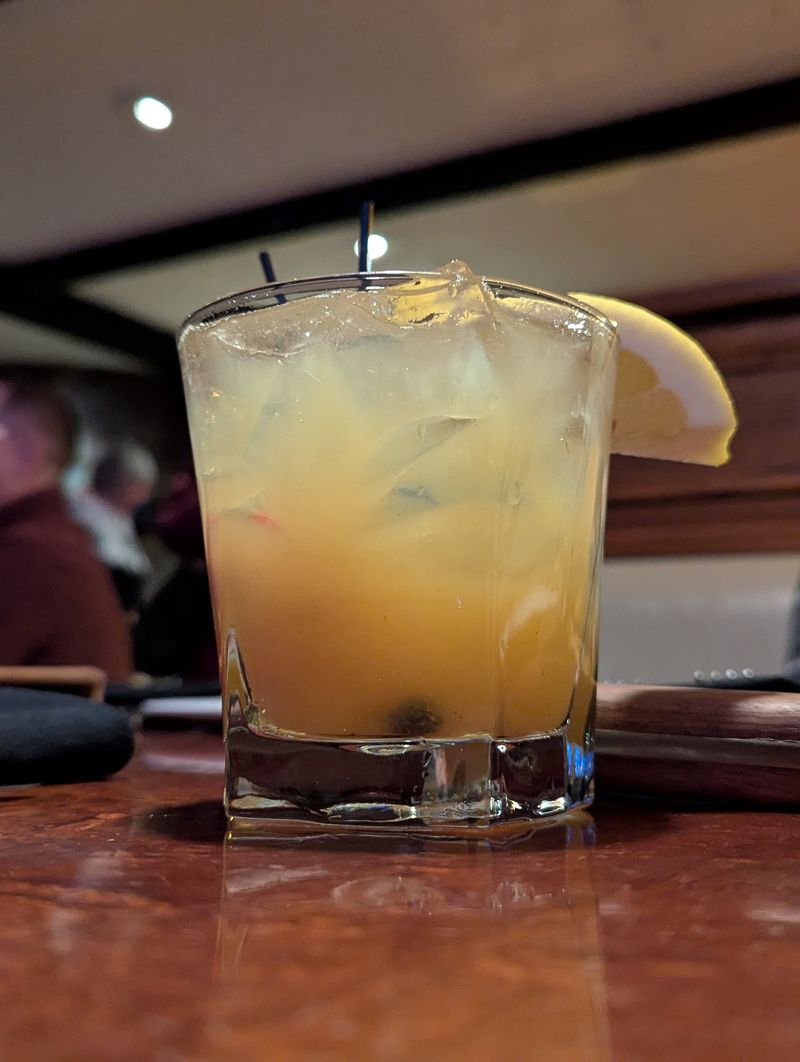
Fresh bread at the table helps set a relaxed rhythm early. A good cocktail list and well-made martinis add a social layer to the experience, especially in the bar area, where the evening can feel a little more casual without losing the polished tone of the dining room.
Then there is the way the menu supports both tradition and curiosity. One table can go straight for a classic cut of steak, while another can mix in crab cakes, lobster bisque, assorted shrimp, or a fish special and still feel like the meal makes sense together.
Dessert matters here too. Mud pie and chocolate cake are not modern, fussy endings, and that is part of their strength, because they fit the restaurant’s identity and give the meal a closing note that feels generous rather than precious.
Even practical details add value. A smaller dining room can create better focus, with staff moving efficiently, water glasses refilled without long gaps, and courses arriving in a sequence that keeps the table engaged instead of waiting around for momentum to return.
All of that helps explain why the salad bar shines brighter in this setting than it would in a larger, louder, more chaotic place. It is supported by a restaurant that understands the full frame of dinner.
Every extra, from bread to dessert, helps the meal feel complete, and the salad bar benefits because it is surrounded by many small signs of care instead of one loud attempt to impress.
Fort Wayne, Indiana, and a Steakhouse With Staying Power
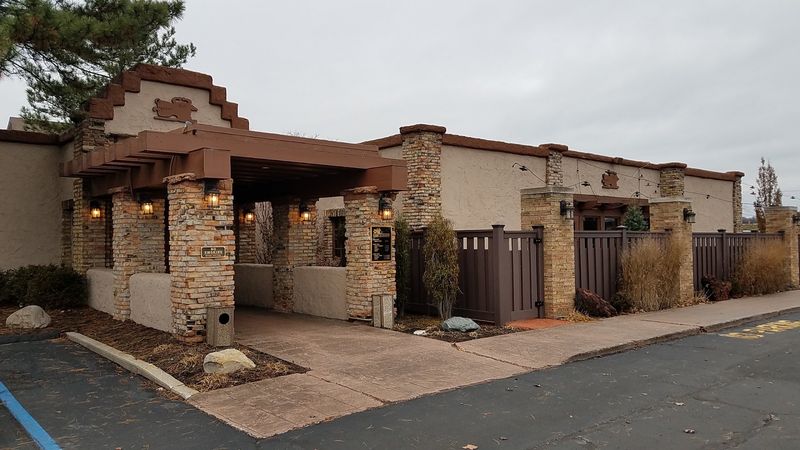
Not every restaurant with a polished dining room feels rooted in its city. Cork ‘N Cleaver does, and that local connection gives the place more depth than a simple special-occasion stop with a few popular menu items.
Fort Wayne has plenty of places to eat, but an older steakhouse with a strong identity carries a different kind of role. It becomes the sort of restaurant people keep in mind for birthdays, anniversaries, business dinners, and those evenings when a regular weeknight meal should feel a little more complete.
The name itself signals a classic era of dining. So does the menu, which leans into steakhouse standards, seafood, cocktails, and a full salad bar instead of trying to copy whatever style is trending at the moment.
That consistency matters in a city restaurant scene because it creates trust. Diners know they are heading into a place with a defined point of view, one that values service, table pacing, and recognizable dishes over novelty for novelty’s sake.
There is also a practical side to being established. A restaurant that has lasted learns how to serve different crowds at different times, from lunch guests on weekdays to weekend dinners that need reservations and a little planning.
In that context, the salad bar becomes more than a quirky surprise. It reads as part of the restaurant’s long-running character, the kind of feature that may sound old-fashioned at first but becomes impressive once diners see how well it is maintained and how strongly it fits the house style.
Fort Wayne, Indiana, gives the restaurant its stage, but Cork ‘N Cleaver brings its own script. It offers a reminder that a place does not need to reinvent steakhouse dining to matter.
Sometimes staying power comes from doing familiar things with discipline, keeping standards high, and preserving one feature many restaurants let fade away. Here, that feature happens to be the salad bar, and it still earns real attention.
How to Play the Meal Smart
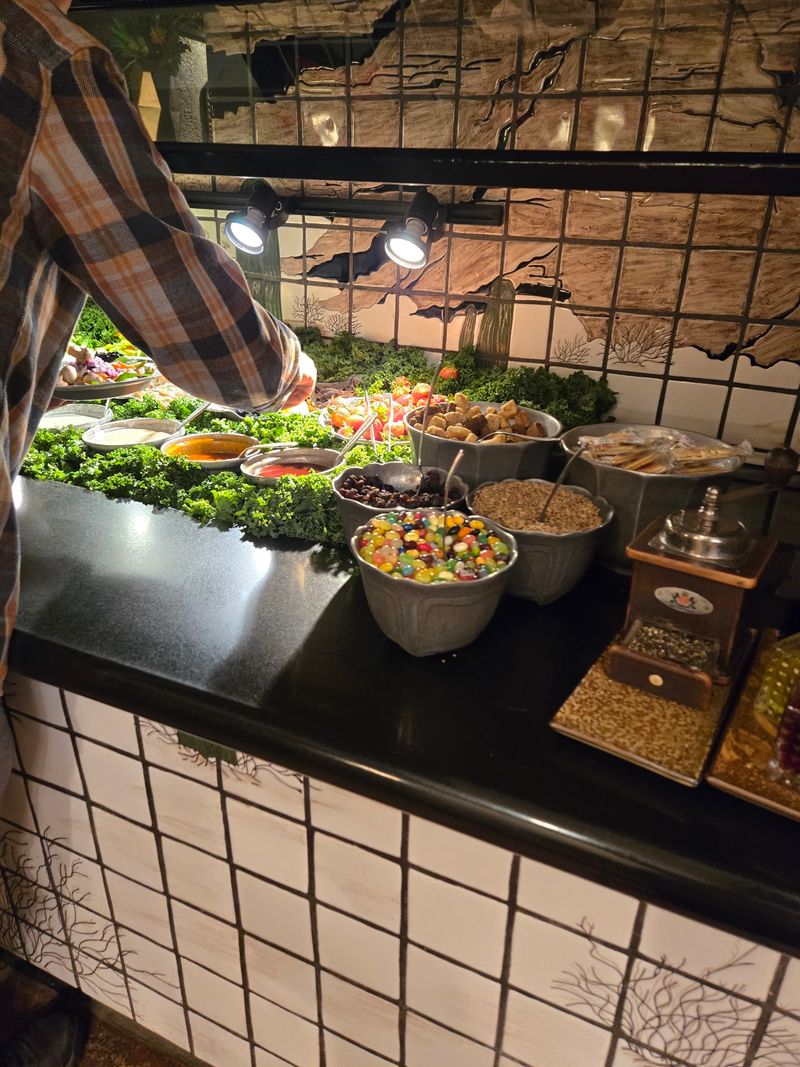
Walking into Cork ‘N Cleaver with a plan makes the experience better. This is not the kind of place where the smartest move is filling up too fast on the first appealing thing that appears, even when that first appealing thing is a terrific salad bar.
Start by treating the salad bar as the opening act with real purpose. Build a plate that gives contrast to the rest of dinner by leaning into crisp greens, cold toppings, and just enough variety to wake up the appetite instead of ending it.
That approach matters because the menu invites richer choices later. Prime rib, ribeye, lobster, shrimp, baked potatoes, soups, and dessert all arrive with enough weight that a giant first plate can flatten the meal before the entrees even hit the table.
For diners who want the full house experience, pacing is everything. A balanced salad, one appetizer for the table, and a well-chosen entree leaves room for dessert or a cocktail, which usually makes the evening feel more satisfying than trying to do everything at once.
Reservations are also part of the smart strategy, especially on weekends or for dinner hours when a cozy restaurant can fill quickly. Arriving early can help too, particularly for special occasions when a calm start improves the tone of the whole night.
Lunch and dinner serve different needs. Midday hours may suit a business meal or a shorter outing, while evening service works better for a slower dinner built around several courses and the full, classic steakhouse mood.
The best move, though, is mental. Do not write off the salad bar as the part to rush through so the steak can arrive.
Give it attention, because that is where Cork ‘N Cleaver begins separating itself from ordinary steakhouse expectations. Seen that way, the meal turns into a sequence instead of a single plate, and the restaurant’s strengths become easier to notice from the very first course.
Why the Salad Bar Ends Up Stealing the Story
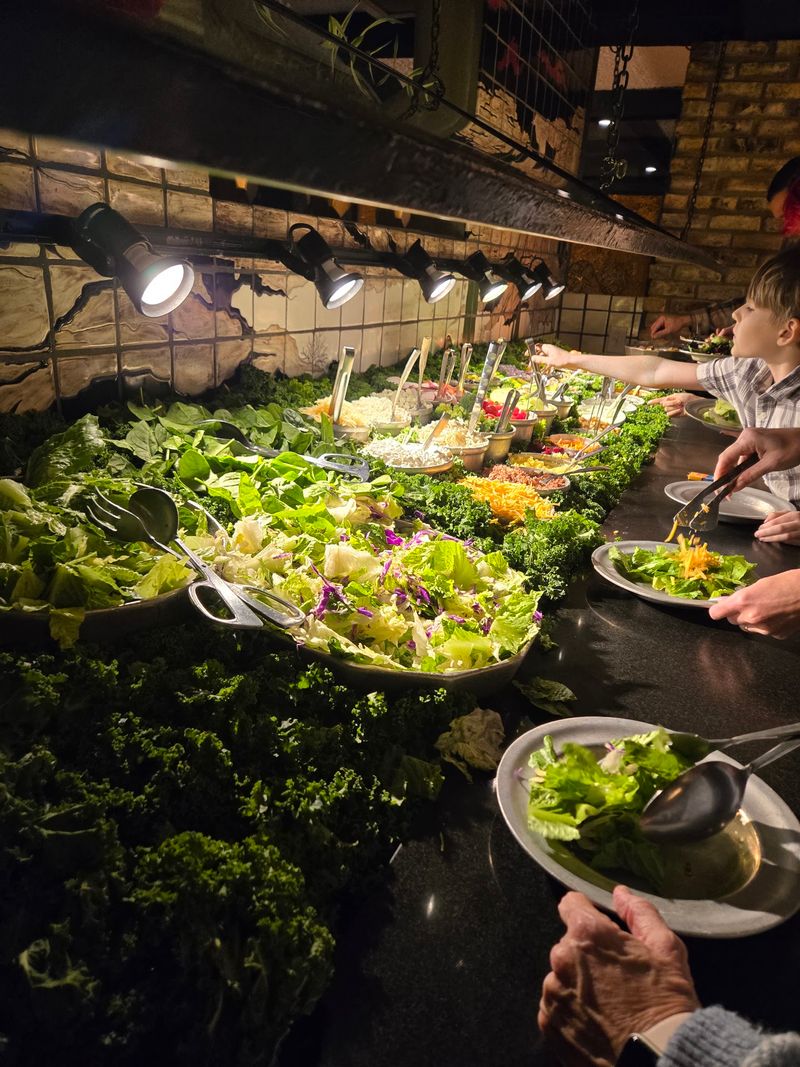
The funniest part of Cork ‘N Cleaver is that the headline writes itself once dinner is over. In a restaurant built around steakhouse classics, many diners walk away still talking about the salad bar, and that says a lot about how rare careful basics have become.
Plenty of places can serve an expensive cut of meat and count on the occasion to do half the work. Far fewer keep a salad bar fresh, clean, cold, and interesting enough to feel like a meaningful part of the experience instead of a leftover idea from another decade.
That contrast is exactly why the feature stands out. The room says classic steakhouse, the menu says prime rib and seafood, but the first surprise is a station that looks tended, intentional, and fully connected to the quality level the rest of dinner promises.
It also changes expectations in a helpful way. Rather than waiting for the entree to save the night, diners get an early signal that the restaurant values freshness and structure, which makes the whole meal more engaging from start to finish.
There is a broader lesson here about restaurant identity. A memorable place does not always need the wildest dish in town.
Sometimes it becomes memorable because one simple element is executed so much better than expected that it reshapes how everything else is judged.
At Cork ‘N Cleaver, the salad bar performs that job. It softens the heaviness that can come with steakhouse dining, gives each table a little freedom, and adds color and crunch to a meal that might otherwise lean too hard on richness alone.
So the restaurant’s real trick is not making steak less important. It is proving that a salad bar, when handled with discipline and pride, can become the detail that sharpens the whole evening.
That is what turns Cork ‘N Cleaver from a solid dinner option into a place with a clearer identity and a far more interesting story.
Share this story