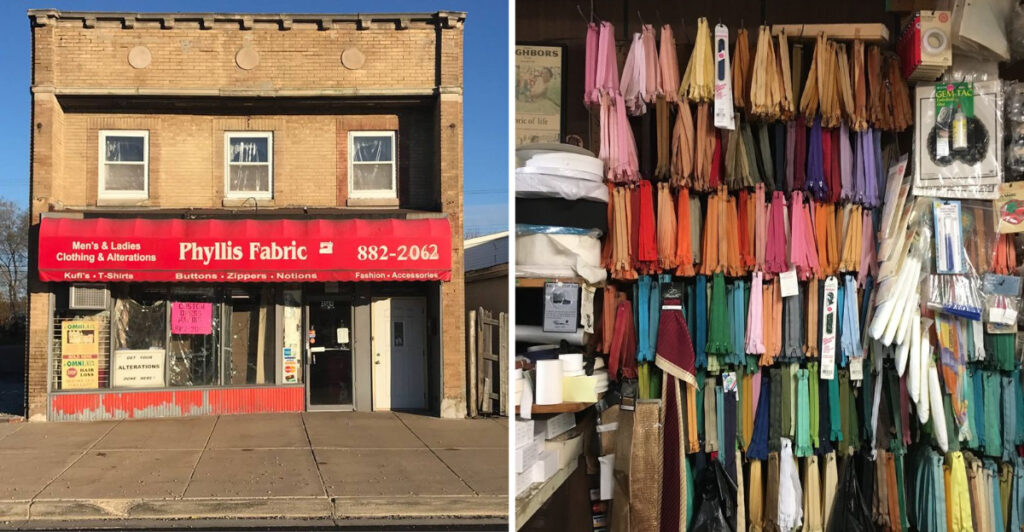
A stubborn sewing project becomes much easier when someone knows exactly which fabric, trim, or notion might solve the problem. For more than four decades, Phyllis Fabric in Gary has been that kind of resource for Indiana makers searching beyond the usual craft-store basics.
Its longevity reflects something increasingly difficult to find: specialized knowledge paired with materials for sewing, repairs, alterations, and creative projects. Experienced stitchers can hunt for specific supplies, while newcomers benefit from guidance that makes unfamiliar choices less intimidating. In a world of endless online listings, Phyllis Fabric keeps the hands-on tradition of neighborhood fabric shopping alive.
A Small Storefront With a Packed-In Surprise
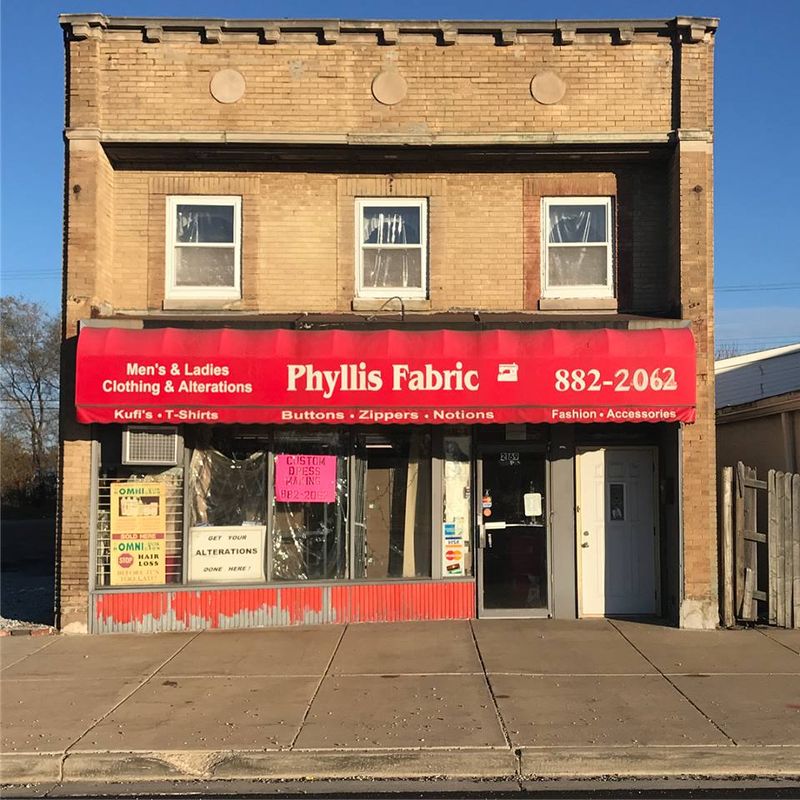
At first glance, Phyllis Fabric does not announce itself with giant scale. The surprise comes after stepping inside, where the space opens up through rows of material, bins of notions, and shelves that seem to keep revealing more with every turn.
That compact-outside, roomy-inside layout matters for shoppers hunting specific supplies. A store like this rewards slow looking, because the right zipper, unusual button, or overlooked trim may be hanging only a few feet away from the fabric someone came in to buy.
Instead of a polished showroom with wide empty aisles, the shop reads like a working supply house. There is color in every direction, from practical everyday fabric to decorative pieces meant for dressier projects, and the visual mix gives the place a sense of purpose rather than display.
Makers often need options close together so they can compare texture, color, and weight without wasting time. In a store packed with merchandise, that process becomes easier because matching materials can be gathered in one visit instead of tracked down across several chain stores.
The visual impact also tells a story about survival. A shop that has operated for more than four decades tends to collect the kinds of stock newer places no longer bother to carry, and that depth becomes obvious once the eye starts moving past the front area.
For anyone used to big retail craft spaces with predictable inventory, Phyllis Fabric offers a different rhythm. It is the sort of place where a shopper enters with one task, then notices three more possibilities before reaching the counter, simply because the shelves are doing more than storing goods. They are showing how many kinds of sewing needs can still be served under one roof.
Where the Hard-to-Find Notions Still Show Up
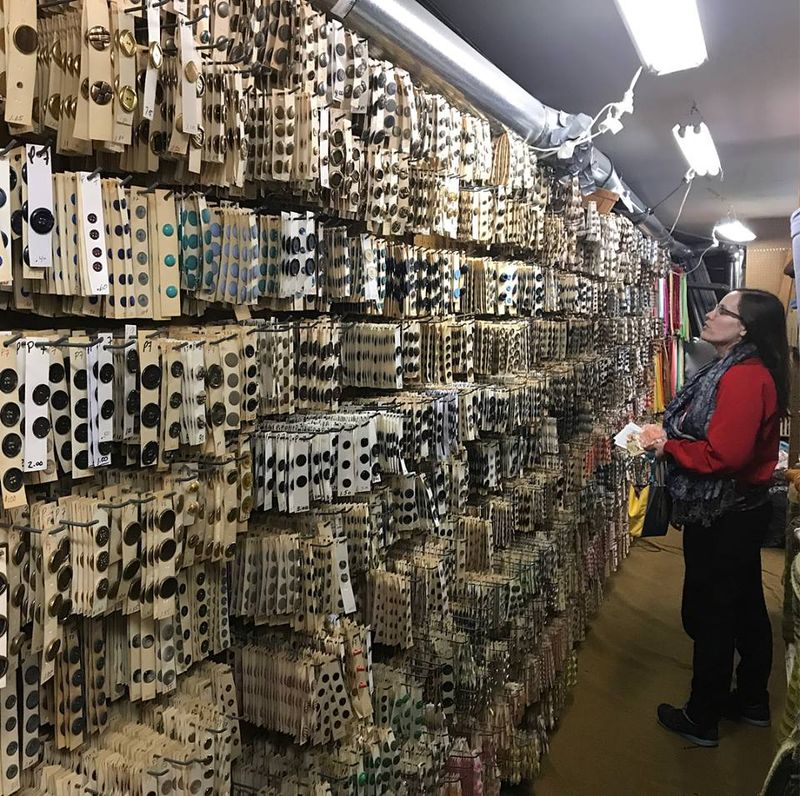
Every sewer knows the project is rarely stopped by fabric alone. More often, the missing piece is a zipper in the right length, a button that matches an older coat, or trim that makes a plain idea finally look finished.
Phyllis Fabric stands out because it appears to keep the smaller essentials that many modern stores have trimmed away. Reports of wide button choices, sewing notions, and zippers in many sizes suggest a place built for problem solving, not just casual browsing.
That makes a real difference when someone is repairing rather than starting from scratch. Replacing one lost button on a church suit, finding a retro-style piece for a costume, or tracking down an older-looking patch all require stock with range, not just the newest packaged basics.
There is also a practical comfort in being able to compare details in person. A zipper can look correct online and still be wrong in weight, shine, or tooth size, while buttons often need to be seen together to judge whether they fit the age and style of a garment.
Some of the shop’s appeal comes from that older inventory mix. Long-running fabric stores sometimes hold onto items that are no longer common in national chains, and that can be exactly what a maker needs for a restoration project, school performance, uniform repair, or family sewing job.
For beginners, the lesson is simple. When a project hits a wall because one tiny part cannot be found, skip the assumption that the item no longer exists and check a specialty shop with history behind it.
Phyllis Fabric has built its name around those make-or-break materials, the overlooked pieces that keep clothes wearable and ideas moving. In sewing, the smallest supply can rescue the whole plan, and places like this prove why a notions wall still matters.
Fabric for Everyday Jobs and Dressier Plans
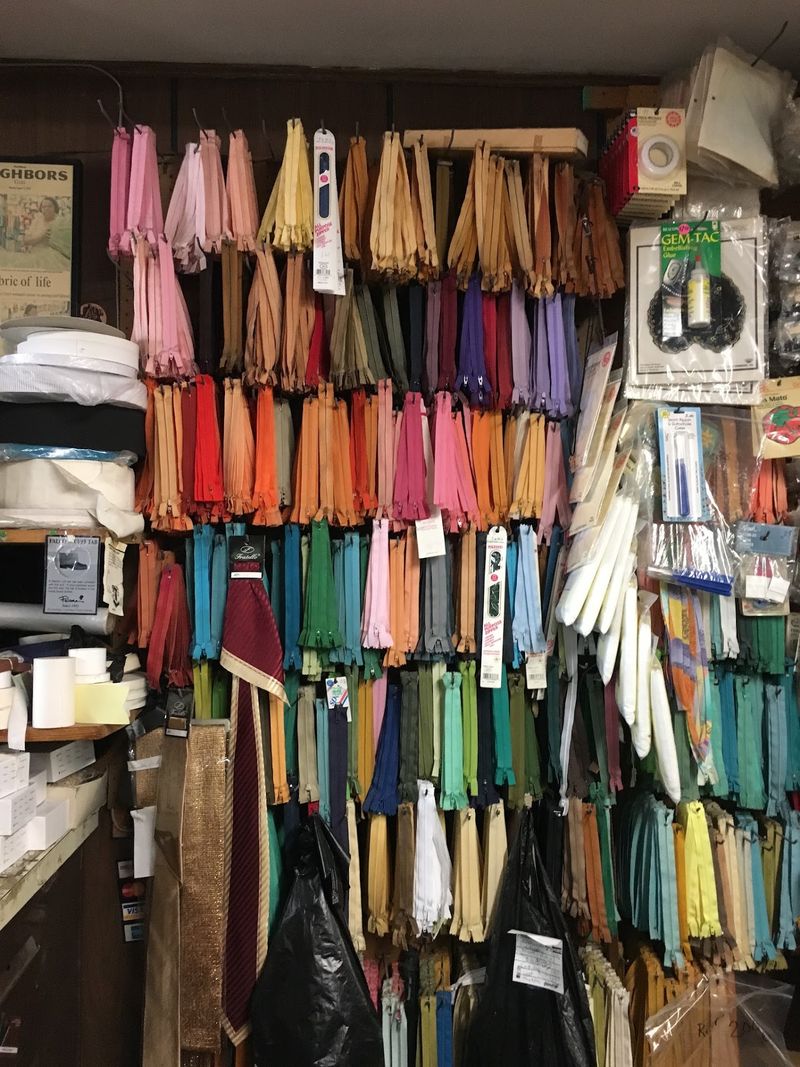
Not every fabric hunt is for a dramatic gown. Many shoppers simply need solid material for a repair, a costume, a blanket, a uniform tweak, or a home sewing project that has to work in real life.
Phyllis Fabric appears to serve that everyday need especially well. Accounts of regular fabric, fair prices, and enough choice to replace missing chain-store options point to a shop that understands how most people actually sew, with budgets, deadlines, and specific tasks in mind.
Fleece for a Halloween costume is one strong example of why this matters. Seasonal projects often send shoppers racing from store to store, and the winning stop is usually the one that has the right color and weight available without turning a simple idea into a scavenger hunt.
At the same time, the inventory is not limited to plain basics. There are also references to fancy fabrics suited to gowns, which adds an important second lane for shoppers planning formalwear, church attire, celebration pieces, or custom garments that need more polish than a standard cotton blend can offer.
The balance between practical and dressy stock is useful because many households sew across categories. Someone may come in for a coat lining and leave with trim for a special event dress, or arrive for uniform fabric and remember an upcoming family occasion that needs a better material.
For makers in northwest Indiana, that kind of range can shorten the distance between idea and finished piece. One store may not carry every luxury textile in endless variety, but a place with dependable everyday yardage plus selected statement fabrics covers a surprising amount of real sewing life.
The smartest way to shop here is with a project in mind and a little time to compare. Touch the fabrics, picture the end use, and ask questions about what will hold up best.
Material is never just color on a bolt. It decides drape, warmth, wear, and whether the final piece works the way it should.
Indiana Know-How at the Cutting Table
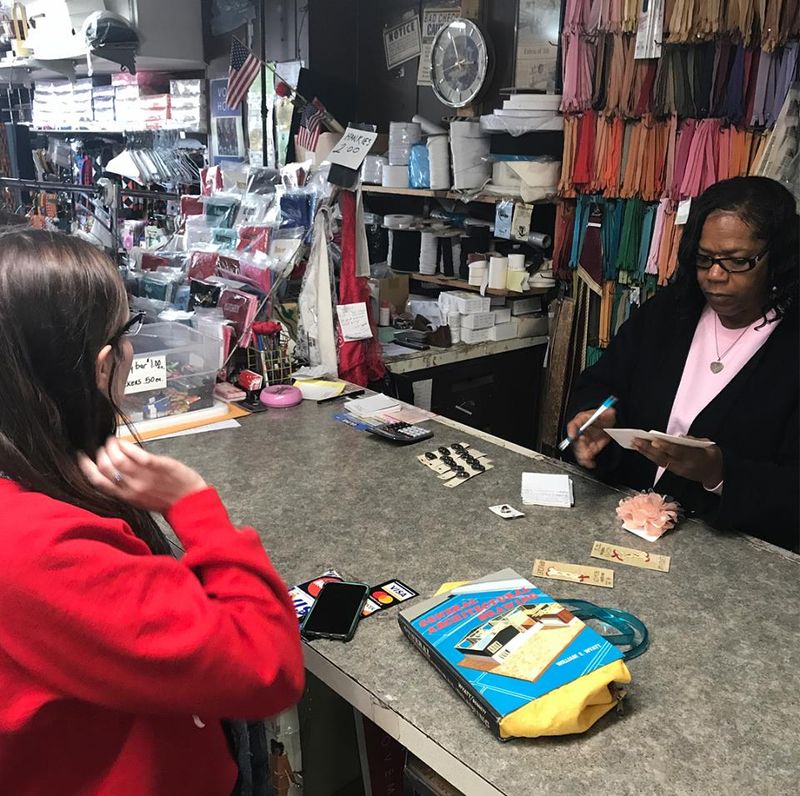
Good fabric stores sell supplies, but the best ones also save people from expensive mistakes. At Phyllis Fabric, knowledge seems to be part of the inventory, right alongside the bolts, buttons, and racks of sewing extras.
That matters because many sewing problems are not solved by buying more material. A beginner may choose the wrong zipper type, underestimate how much trim is needed, or pick a fabric that looks nice folded up but behaves badly once cut and stitched.
Phyllis Fabric has a strong reputation for helpful guidance, and that kind of practical advice can change the whole shopping trip. Instead of guessing alone in a giant aisle, shoppers can ask about construction, repairs, or fit and get direction rooted in hands-on sewing experience.
Several details point to deep expertise in alterations and garment work, not just retail sales. When a shop understands how clothes are built, the guidance becomes more precise, because advice can factor in stress points, wear patterns, closures, and the little choices that affect how a piece will last.
There is also value for young makers and returning hobbyists. Someone who learned basic sewing years ago may remember a machine and a pattern but still need help with interfacing, hems, or finishing details, and a knowledgeable store can close that gap much faster than random internet searching.
Even a quick explanation can be useful. Knowing why a zipper failed, why one fabric frays more than another, or why a button placement needs adjusting gives shoppers confidence they can carry into the next project.
In Indiana, where practical skill still means a lot in homes, schools, churches, and small businesses, that kind of in-person know-how has real staying power. Phyllis Fabric is not just a stop for materials.
It is a place where information travels across the counter, helping makers leave with better supplies and a clearer plan for what happens once the cutting starts.
Alterations and Fast Fixes That Keep Clothes in Use
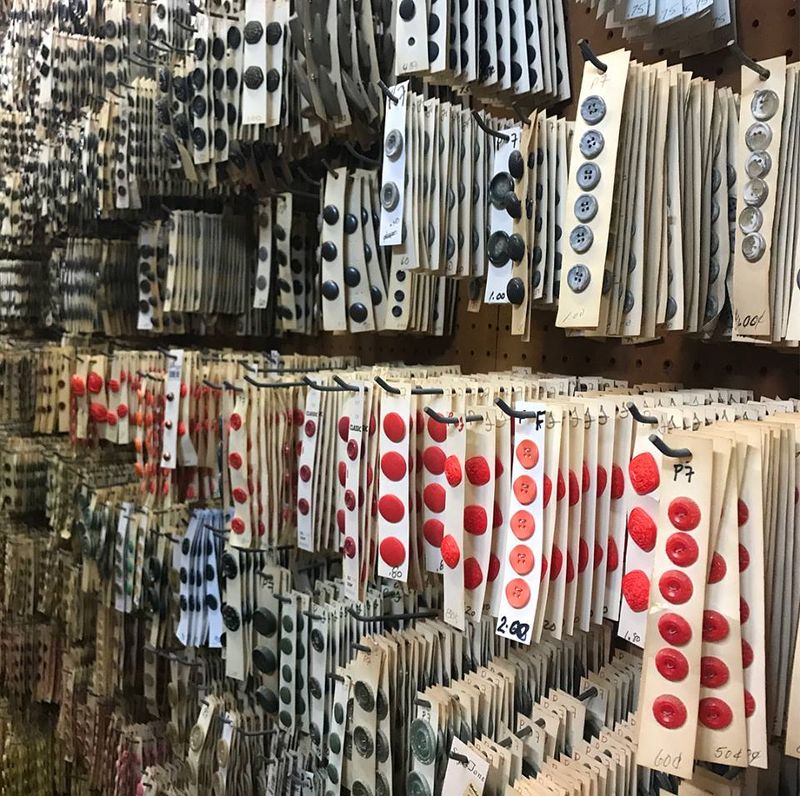
A broken zipper can turn a good coat into a problem by lunchtime. Hems slip, work uniforms need changes, and favorite clothes often need repair long before they need replacement.
Phyllis Fabric appears to handle that side of sewing with real confidence. Alterations, tailoring, zipper work, and custom sewing come up again and again, which suggests the store functions as both supply shop and working repair spot for the neighborhood.
That dual role is a big reason older fabric stores remain useful. A customer can walk in with a garment issue, talk with someone who understands construction, and often get a solution that costs far less than replacing the item with something new.
Zipper service especially stands out. Anyone who has priced outerwear knows that a fast, skilled zipper repair can save serious money, and it also keeps a familiar item in use instead of sending it to the back of a closet or into the trash.
Uniform alterations are another strong clue about the shop’s practical value. Clothing tied to work, service, church, or school often needs exact fit and sturdy stitching, so a store trusted with those tasks becomes more than a place to browse. It becomes part of how daily life keeps moving.
There is a broader lesson here about sewing culture. Repair work teaches people to see garments as buildable and fixable, not disposable, and that outlook fits naturally with a store where notions, fabric, and alteration knowledge are all close together.
For shoppers planning a visit, bringing the garment along is the smartest move. A sleeve, hem, or closure issue is easier to explain when it is visible, and any matching notions can be chosen right there in the store.
In a time when many people assume repair is too hard or too expensive, Phyllis Fabric offers a more practical answer. Sometimes the best shopping trip is not for something new. It is for getting the thing already owned back into working shape.
Forty-Plus Years on Broadway Means Real Local Roots
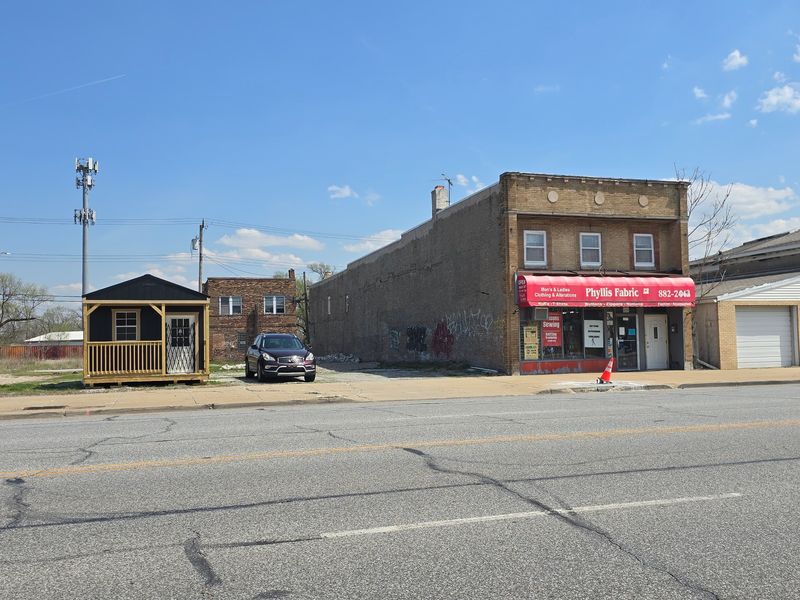
Stores do not last more than four decades by accident. Staying open that long on Broadway in Gary points to a business that has found a real place in local routines, family projects, and practical neighborhood needs.
Phyllis Fabric carries that kind of long-run presence. An owner response notes about 45 years in business, and that timeline helps explain why the shop draws attention for items people remember from years ago as well as for services they still need today.
Longevity shapes inventory in interesting ways. A newer store usually starts with a clean, limited plan, while an older one often builds its shelves through years of knowing what local customers actually come back asking for, whether that means standard notions, vintage-style buttons, or materials suited to church and family sewing.
There is also a community side to a shop with staying power. Over time, a place like this becomes part of how knowledge is passed along, with experienced sewers, first-time menders, and younger learners all crossing paths around the same counters and tables.
That history gives the store a stronger identity than a generic craft aisle. It reflects Gary’s practical side, where useful goods and skilled labor matter, and where a business can earn trust by fixing garments, teaching techniques, and stocking items that support daily life.
Long-running independent stores also preserve a different shopping culture. They reward memory, conversation, and repeat visits, and they often become the place someone recommends when another source has come up short.
For readers thinking about why the title rings true, this section is the heart of it. Hard-to-find materials rarely stay available without businesses willing to hold onto specialized stock and serve customers who know the difference.
Broadway has changed over the years, but a store like Phyllis Fabric shows how continuity can still matter. More than 40 years of operation is not just a milestone.
It is evidence that Indiana makers have had a reliable place to turn when projects, repairs, and creative plans needed something specific.
How to Shop the Store Like a Maker, Not a Browser
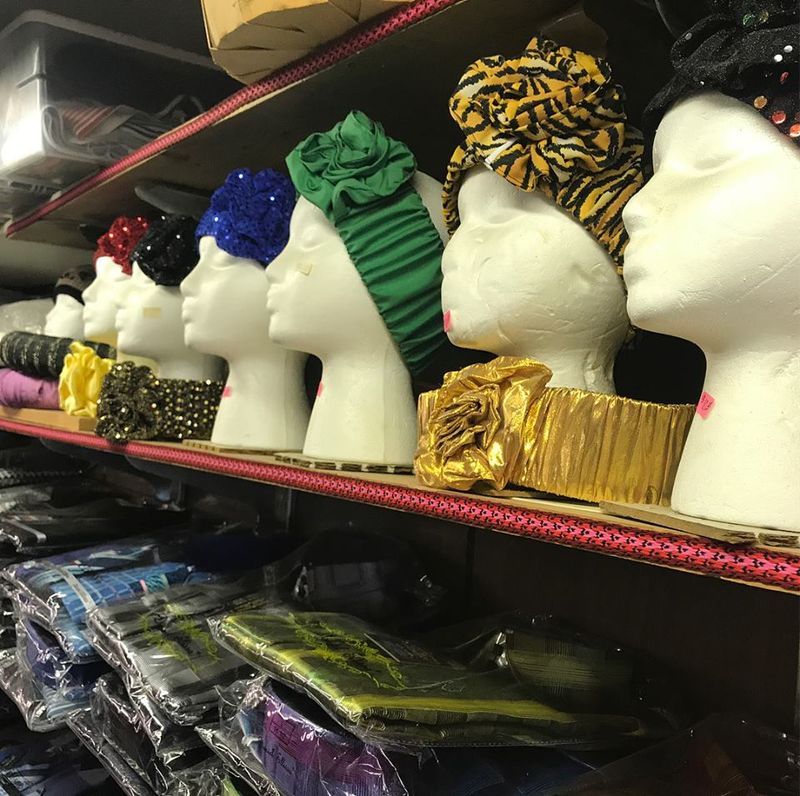
Walking into a densely stocked fabric store without a plan can be fun, but walking in with clues is better. Phyllis Fabric seems to reward shoppers who treat the visit like part treasure hunt, part problem-solving session.
Start with the project, not the color. Bring measurements, a sample of the garment, the missing button, or even a quick note about the job, because those details make it easier to match materials and avoid buying something almost right.
Time helps too. Since the store opens at 10 AM and closes at 4:30 PM on Tuesday through Saturday, mid-day visits likely offer the best chance to browse carefully, ask questions, and compare options without rushing a decision at the last minute.
Cash may be the simplest payment choice based on recent visitor notes, though alternate methods may be available. The smarter takeaway is to be ready with more than one way to pay so the shopping trip stays focused on the project instead of the checkout.
Inside the store, look beyond the first thing that matches. A basic zipper can differ in strength and appearance, a trim can change the style of a piece completely, and an older button may fit a repair better than a shiny new replacement pulled from a standard card.
It also helps to ask about services when buying supplies. If a hem, zipper, or uniform adjustment is part of the job, discussing both the materials and the repair in one place can save another trip and produce a more coordinated result.
New sewers should not be shy about simple questions. Stores built on knowledge are often the best places to learn what to buy and what to skip, especially when a project has a narrow budget or a deadline attached.
The best experience at Phyllis Fabric comes from slowing down just enough to notice choices. Browse with purpose, stay open to unexpected finds, and use the store the way experienced makers do, as a working resource rather than a quick stop for whatever happens to be on the nearest shelf.
Why This Gary Shop Still Matters in a Chain-Store Gap
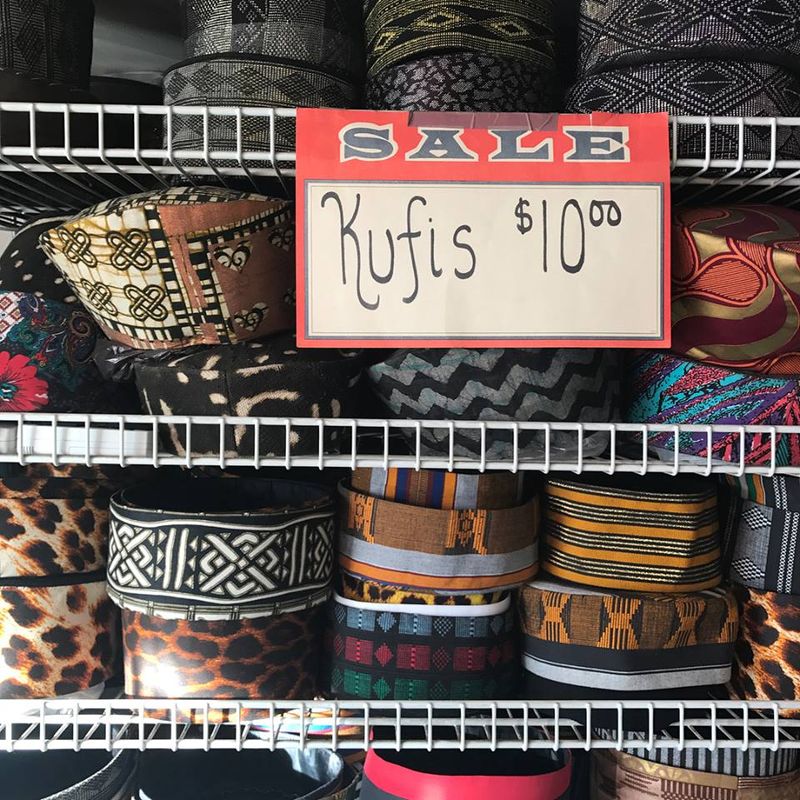
When a large craft chain lacks the right material or disappears from the local map, the loss is bigger than one missed shopping trip. Sewers suddenly need a new source for basics, repairs, and the odd little parts that keep projects from stalling out halfway through.
Phyllis Fabric fills that gap in a grounded, useful way. Several recent experiences point to shoppers arriving after failing to find what they needed elsewhere, then leaving with workable fabric, fair prices, or direct help that solved the problem on the spot.
That matters in Gary because independent specialty stores support more than hobbies. They help with school costumes, church clothing, uniforms, household mending, seasonal outfits, and the long list of small sewing needs that appear without much warning.
The shop also serves a wider practical purpose by keeping repair culture alive. In many places, replacing an item has become easier than fixing it, but a store that combines notions, fabric, and alteration skill gives people another option, one that can save money and extend the life of what they already own.
There is a cultural value here too. Sewing knowledge, older stock, and neighborhood service all meet in one space, which creates a kind of continuity that chain retail rarely offers.
A person can buy material, ask for advice, discover a repair solution, and maybe spot a detail that reminds them how sewing used to be shopped for.
For Indiana makers, that mix explains the staying power behind the title. Hard-to-find materials are only part of the story. The other part is having a place where practical skill and inventory still work together in everyday life.
Phyllis Fabric stands out because it remains useful in concrete ways. It can help rescue a coat, finish a costume, upgrade a uniform, or uncover a button that seems impossible to replace. In a world of shrinking specialty retail, that kind of shop is not old-fashioned. It is necessary.
Share this story