Indiana does not waste much time showing off once fall color arrives. Forested canyons turn fiery, covered bridges frame leaf-covered back roads, lakeside dunes catch the crisp fall breeze, and small towns lean fully into cider-and-sweater season. The trick is catching these places while the scenery is at its best, because peak color can disappear almost as quickly as it arrives.
A well-timed weekend can mean hiking beneath glowing trees one day and exploring a cozy downtown the next. From southern Indiana’s rugged hills to quieter escapes farther north, these 11 fall destinations make every fall weekend feel especially valuable.
1. Brown County State Park (Nashville)
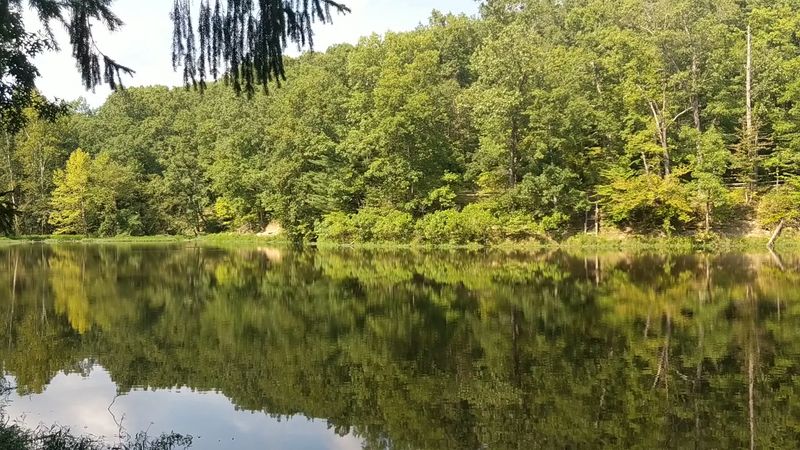
Picture close to 20 miles of road twisting through hills so bright they almost look painted. Brown County State Park is the biggest state park in Indiana, and every October it becomes the place nearly everyone in the state wants to drive through at least once.
Size matters here. The park spreads across thousands of acres of steep ridges and deep hollows, so the color does not come in one flat wall. Maples burn red on one slope while oaks and hickories turn copper and yellow on the next, and the layers stack up as far as you can see.
Scenic overlooks are the main event for many visitors. Pull off, step out, and the hills roll away in waves toward the horizon. Early morning often brings fog settling into the valleys, which makes the treetops look like islands floating above a cloud.
Hikers get plenty to work with too. Trails range from short loops near the lodge to longer climbs that test your legs on the rugged ridgelines. Walking under the canopy gives a totally different view than the car window, with leaves crunching underfoot and light filtering through gold branches.
Here is the one tip worth remembering for this whole trip. Weekends in mid to late October can bring serious traffic at the park gates, so arriving right after sunrise or visiting on a weekday can save you a long wait in line.
Horseback riding, a nature center, and cozy lodging inside the park round things out. Some families book a cabin or a room at the lodge months ahead just to wake up surrounded by the trees. Plan for a full day, maybe two. Once you see those hills in color, rushing through them will seem like a waste.
2. Nashville Village Streets and Artisan Shops (Nashville)
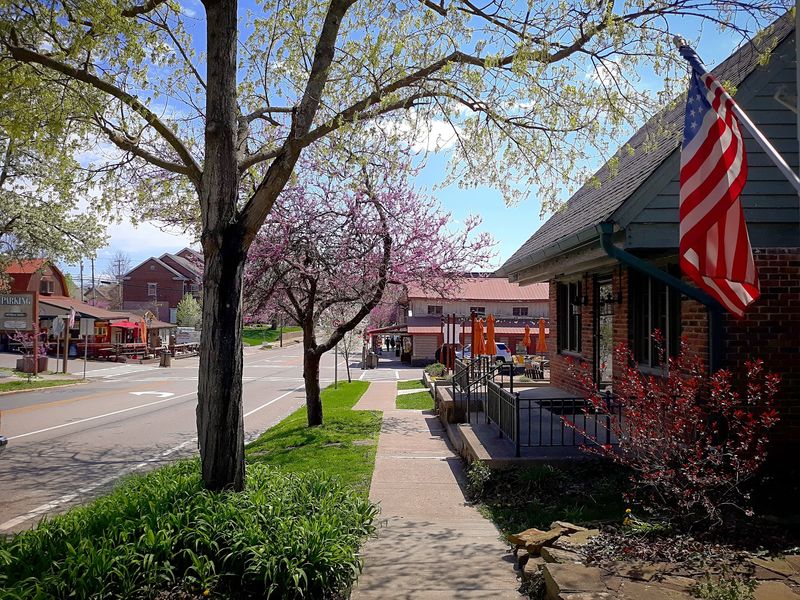
Long before it drew weekend shoppers, Nashville drew painters. Artists started gathering in these hills over a century ago, chasing the light and the scenery, and that creative streak never really left town.
Walk downtown today and you will find it everywhere. Galleries sit next to pottery studios, woodworkers share blocks with jewelry makers, and little shops tucked down side paths sell everything from handmade soap to quilts. Browsing here is half treasure hunt, half art museum with no admission fee.
The streets themselves are compact and easy to wander. Wooden storefronts, porches stacked with pumpkins, and trees dropping leaves on the sidewalks give the village a cozy, storybook look in October. You can cover a lot of ground in an afternoon without ever moving your car.
Hungry? You are in luck. Restaurants in town lean hearty, and fried biscuits with apple butter have become a local favorite that many visitors plan their whole lunch around. Fudge shops, candy stores, and coffee spots fill the gaps between meals.
Timing works out nicely with Brown County State Park just down the road. A lot of people spend the morning on trails or overlooks, then roll into town when their legs need a break. By late afternoon, the shop windows glow and the smell of kettle corn drifts through the air.
Fall is busy, no question. Sidewalks fill up on October Saturdays, and parking can take some patience. Still, the crowd adds to the fun, with street musicians, chatter, and folks comparing their finds on benches.
Leave a little room in the trunk. Between a painting, a jar of local honey, and a bag of fresh kettle corn, it goes quickly.
3. Parke County and the Covered Bridge Festival (Parke County)
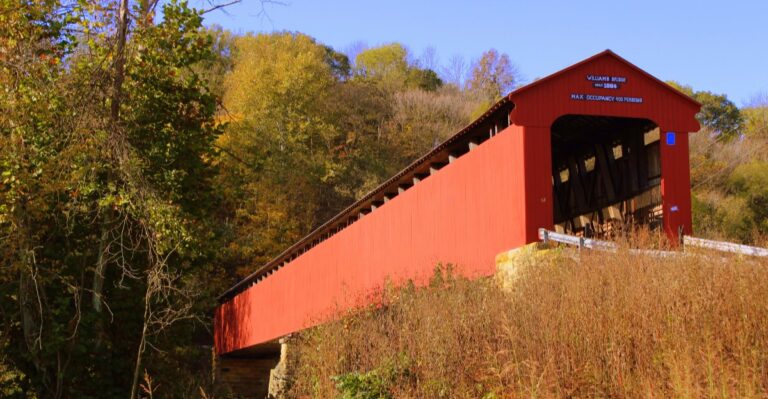
Parke County calls itself the Covered Bridge Capital of the World, and it has the numbers to back up the boast. Dozens of historic wooden bridges still stand across the county, spanning creeks and country roads that seem made for slow driving.
In autumn, the setting gets an upgrade. Red and weathered bridges peek out from behind trees turning orange and gold, and the reflections in the creeks below double the color. Photographers love it, but you do not need a fancy camera to get a great shot here.
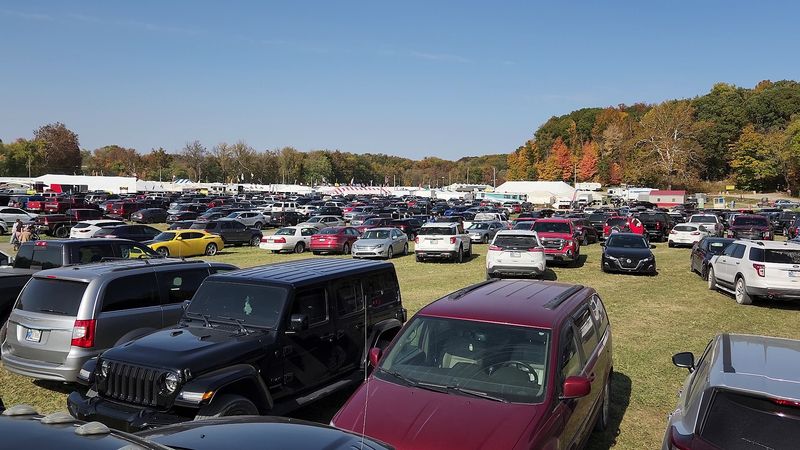
Then there is the festival. The Covered Bridge Festival takes over the county for several days each October, and it is a big deal. Small towns like Rockville, Bridgeton, and Mansfield fill with vendors, craft booths, food stands, and crowds hunting for bargains and treats.
Food might be the real star for some visitors. Think buried roast beef sandwiches, persimmon pudding, pork burgers, apple dumplings, and funnel cakes. Each town has its own vibe, so hopping between them turns into a tasty road trip.
The festival crowds can be huge, though. Roads back up, and parking fills fast in the busiest villages. Picking just two or three towns to explore makes the day far more relaxing.
Prefer peace and quiet? Come a week before or after the festival, or explore on a weekday. The bridges are still there, the leaves are still turning, and the backroads become almost empty.
Free driving route maps help you follow the bridges without getting lost on gravel roads. Some loops are short, while others take most of an afternoon. Either way, count on the sound of tires rumbling across old wooden planks. It never gets old.
4. Turkey Run State Park (Marshall)
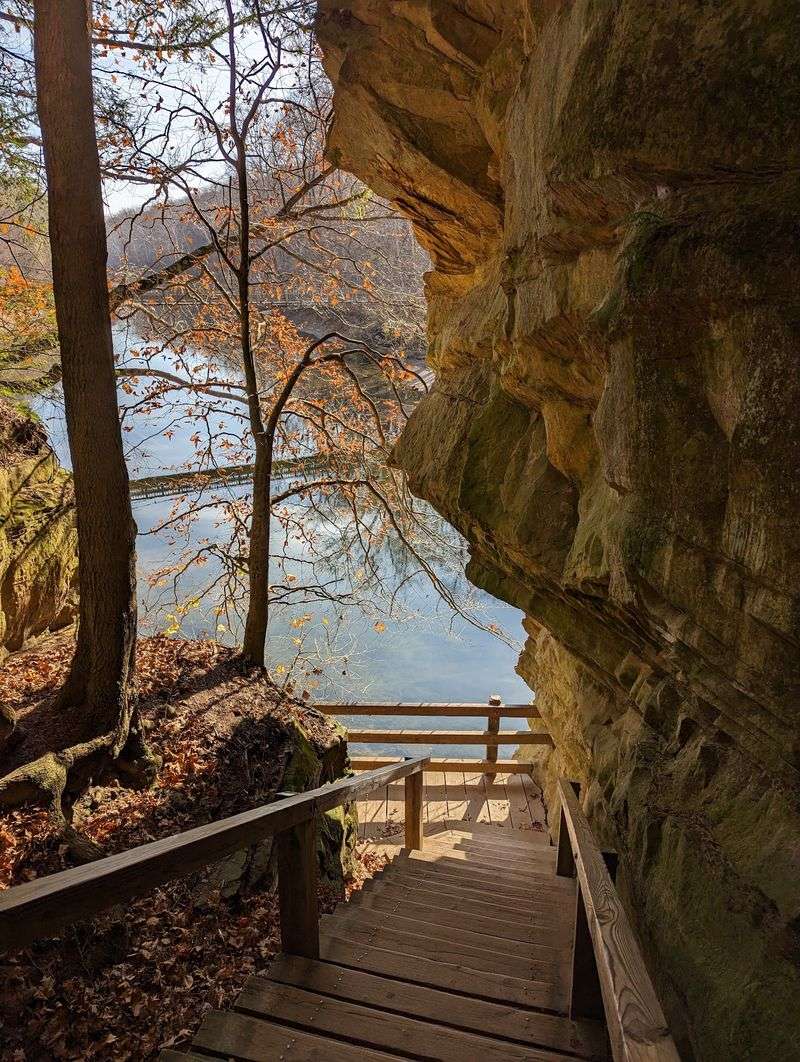
Forget gentle hills for a moment. Turkey Run hits you with deep sandstone canyons, ladders bolted into rock walls, and trails where your hands get as much work as your feet.
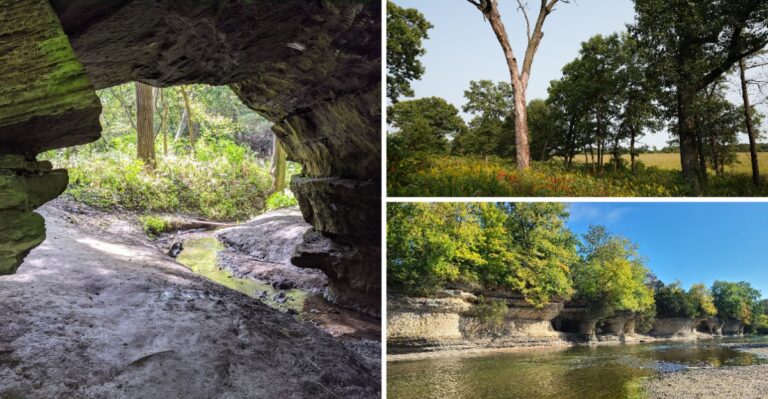
Carved by water over thousands of years, the ravines here are narrow and mossy, with walls that rise high on both sides. In fall, leaves drift down into these slots and pile up along the creek beds, adding streaks of orange and red to the cool gray stone.
Trail 3 is the famous one. It winds through canyons with names like Bear Hollow and Wedge Rock, and it includes ladders and sections where you scramble over boulders. Kids tend to think it is the best playground ever built.
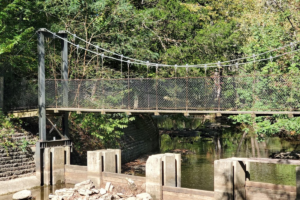
Getting to many trails means crossing the suspension bridge over Sugar Creek. It sways just enough to make the crossing fun, and it gives a wide view of the water sliding past cliffs and colorful treetops.
A quick word about gear. Wet leaves on sandstone can be slippery, so sturdy shoes with good grip make a real difference here, especially after rain.
Old trees tower overhead in many parts of the park. Some are huge sycamores and hemlocks, the kind of trees that seem out of place in the Midwest.
History fans can stop by the Lusk Home, a log house from the 1800s, and a small covered bridge area near the park. The Turkey Run Inn offers lodging and a restaurant for anyone who wants to stay over.
Parke County is right next door, too. Pairing a canyon hike with a covered bridge drive makes for a pretty ideal fall weekend, with muddy boots in the morning and pie in the afternoon.
5. Indiana Dunes National Park (Porter)
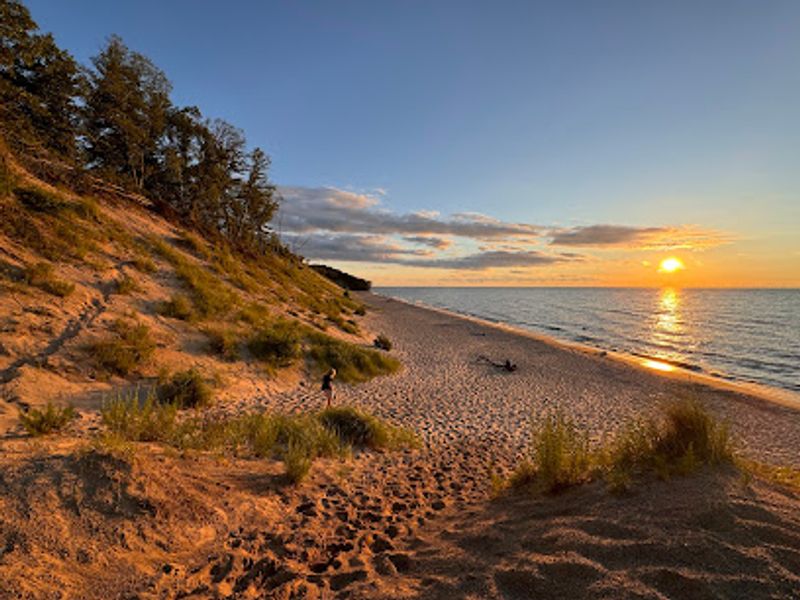
Where else in Indiana can you watch waves crash on a beach while standing under maples turning red? The Dunes pull off that trick every October, and it surprises people who only know the park as a summer swimming spot.
Lake Michigan sets the stage. Its deep blue water stretches to the horizon, and on clear days you might even spot the Chicago skyline far across the lake. Behind the beach, sand dunes climb high, topped with oaks, grasses, and shrubs that shift to gold and rust.
Variety is the big story here. The park packs forests, marshes, prairies, and dunes into a fairly narrow strip of shoreline. Walk for an hour and you can pass through several totally different landscapes.
The 3 Dune Challenge is a popular test for hikers who like to earn their views. It sends you up and down steep, sandy hills in nearby Indiana Dunes State Park, and your calves will remember it the next day. Softer trails wind through wetlands where herons stalk the shallows and migrating birds stop to rest.
Fall brings a big shift in crowds. Summer beach traffic fades, parking gets easier, and the shoreline can become almost empty on a cool weekday. Bundle up, because wind off the lake gets chilly fast.
Bird watchers get a bonus this time of year. The area sits along a major migration path, and hawks, songbirds, and waterfowl pass through in large numbers.
Nearby towns like Chesterton and Porter have places to grab lunch or warm up with coffee afterward. And sunset over the lake? Stick around for it. The sky turns orange above the water, matching the trees behind you.
6. Clifty Falls State Park (Madison)
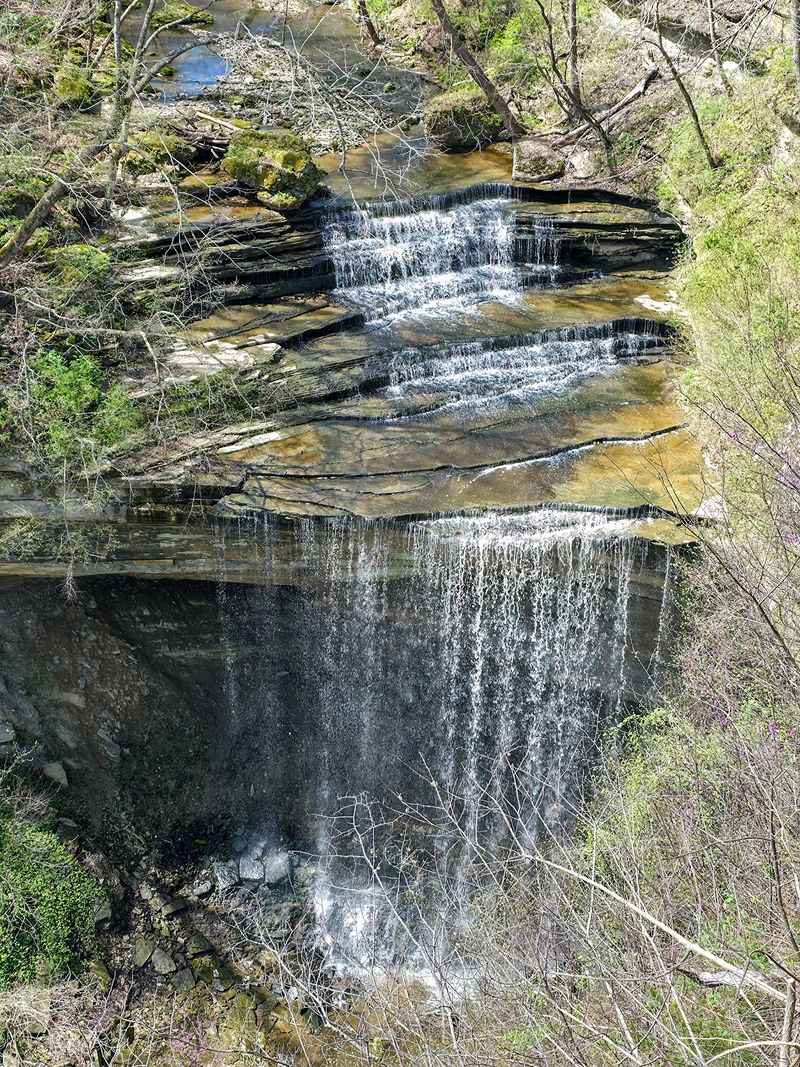
Some of the rocks in Clifty Canyon are packed with fossils more than 400 million years old. Look closely at the creek beds and you might spot shells and tiny sea creatures frozen in stone, left over from when an ancient sea covered this land.
That deep history sets Clifty Falls apart. The park sits just outside Madison near the Ohio River, and it is full of steep canyons, rocky ledges, and several waterfalls tumbling over layered limestone.
Water flow depends on the weather. After a good rain, the falls roar and splash, while dry spells can shrink them to trickles. Checking recent rainfall before you go can help you decide which trails to hit.
Autumn changes the scene in a clever way. As leaves fall and the canopy thins, more of the canyon walls and rock formations come into view. Hikers see cliffs and ridges that stay hidden behind green leaves all summer.
Trails here run from easy walks to observation towers to rugged routes along creek beds. Some sections involve rock hopping and uneven footing, so they suit people who like a bit of adventure. Others lead to overlooks where you can stare down into the gorge from above.
Big Clifty Falls and Hoffman Falls are popular stops. Tunnel Falls sits near an old unfinished railroad tunnel, a strange leftover from a failed project in the 1800s.
Madison itself makes a great base. Its historic downtown is full of old brick buildings, shops, and restaurants, all close to the riverfront.
A morning in the canyons and an evening watching boats drift down the Ohio River make for a pretty balanced day.
7. Shipshewana and Nappanee Amish Country (Shipshewana/Nappanee)
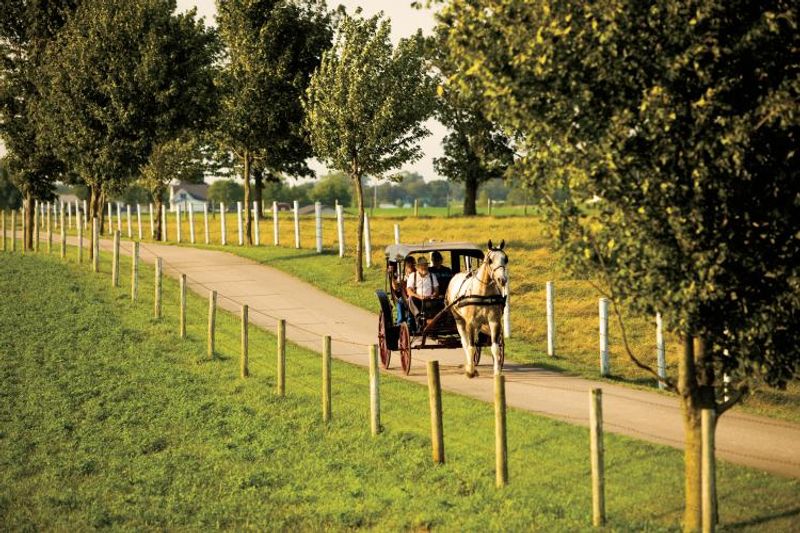
Clip-clop. That sound, a horse and buggy rolling past, might be your first clue you have arrived in northern Indiana Amish country.
Life moves at a slower speed around Shipshewana and Nappanee. Backroads cut between tidy farms, big barns, and fields of dried corn, and fall seems to suit the place perfectly. Farm stands pop up with pumpkins, squash, apples, and jugs of cider.
Food will likely take over your plans. Bakeries sell fresh bread, fry pies, cinnamon rolls, and noodles made by hand. Family-style restaurants pile tables with fried chicken, mashed potatoes, and slices of pie big enough to share, though you probably will not want to.
Shipshewana is known for its flea market and auction, which draw huge crowds during the warmer months. Shops in town also sell quilts, furniture, candles, and other handmade goods. Plenty of visitors leave with a rocking chair or a quilt they never planned to buy.
Over in Nappanee, the Amish Acres area and nearby farms add to the mix, along with local shops and seasonal events. Driving between the two towns takes you through miles of peaceful farmland.
Wandering is the whole point here. There is no single must-see sight, just a steady string of small stops that add up to a full, relaxing day.
Keep in mind that many Amish businesses close on Sundays. Some also prefer cash, so bringing a little can make shopping easier. Be respectful with cameras, too. Many Amish people prefer not to have their faces photographed.
By sunset, with the fields glowing orange and a box of baked goods on the seat beside you, the slow pace starts to make a lot of sense.
8. Zionsville Brick Streets and Seasonal Events (Zionsville)
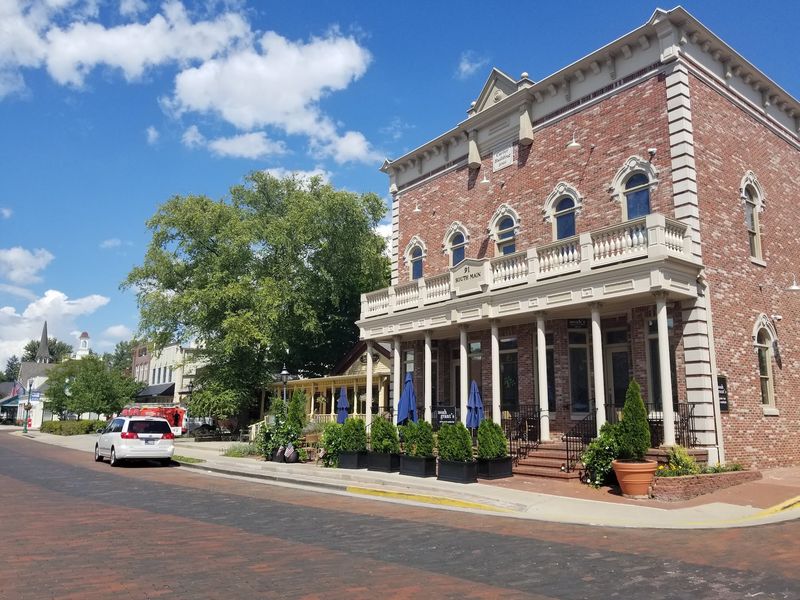
Brick streets have a sound all their own. Tires hum a little differently, footsteps echo, and in Zionsville, that old-fashioned rumble sets the tone for a lazy fall afternoon.
Only a short drive from Indianapolis, this town feels miles away from the city. Main Street is paved with red brick and lined with historic storefronts, many housing locally owned boutiques, antique shops, bakeries, and cafes. You will not find much in the way of chain stores here.
Autumn gives the village an extra boost. Shop owners set out pumpkins, cornstalks, and mums, and trees along the street turn orange and yellow. Grab a warm drink and stroll, because there is no rush to be anywhere.
Seasonal events add fun throughout the fall. Depending on the weekend, you might catch a festival, a market, or a holiday kickoff that brings live music and extra crowds downtown. Checking the town calendar before you go helps you line up with the busiest and liveliest days.
Food lovers have plenty to try. Restaurants range from casual spots to cozy dinner places, and dessert shops make it easy to justify one more treat.
Not everyone wants to spend their fall weekend climbing canyons. Zionsville is a great pick for people who want the season without the muddy boots, including grandparents, small kids, or anyone who would rather shop than sweat.
Parks and trails nearby offer short walks if you still want some fresh air. The Big 4 Rail Trail passes near town and makes for an easy stroll or bike ride.
Since it is so close to Indianapolis, pairing Zionsville with a city stay turns this into an easy weekend with lots of options.
9. Potato Creek State Park (North Liberty)
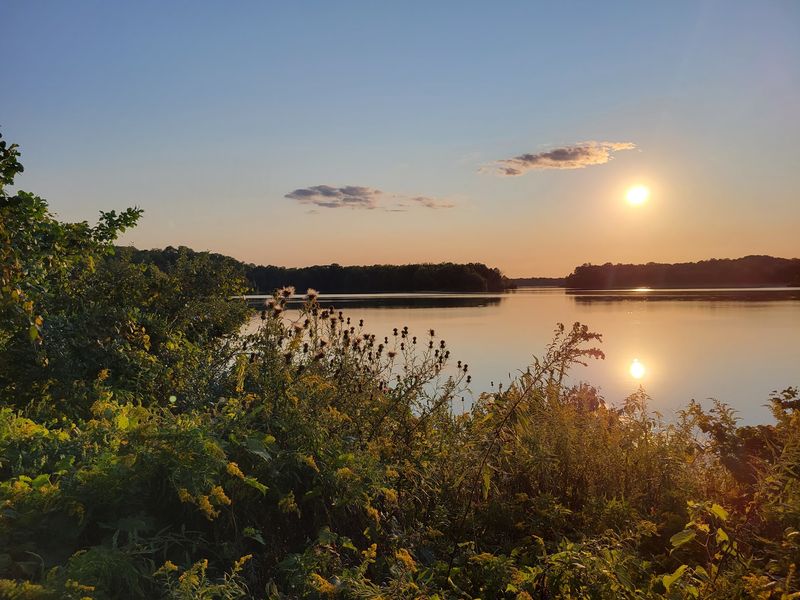
Early morning is the secret weapon at Potato Creek. When the wind stays calm, Worster Lake turns into a mirror, and the red and gold trees along the shore show up twice, once on land and once in the water.
Tucked into northern Indiana near South Bend, this park often gets less attention than the big names in the south. That works in your favor. Trails feel roomier, parking is simpler, and quiet moments are much easier to find.
The lake anchors everything. Paths circle parts of the shoreline, and fishing docks give you a place to sit and watch the mist lift off the water. Ducks and geese float by, and in fall, migrating birds sometimes stop on their way south.
Beyond the lake, the park mixes woods, wetlands, and restored prairie. Each area changes color in its own way. Prairie grasses fade to warm tan and bronze, while forest trails glow with brighter reds and yellows.
Biking is a big draw here. A paved trail loops through much of the park, making it easy for families to ride together. Mountain bike trails offer something bumpier for those who want a challenge.
Horseback riding trails and a nature center add even more to do. The nature center has exhibits about local wildlife and often runs programs during the fall season.
Camping and cabins are available for anyone who wants to stay the night. Waking up near the lake on a crisp morning is a great way to catch that reflection at its best.
South Bend is close by too, with restaurants and the Notre Dame campus nearby. Football weekends can get busy, so plan around home games if crowds are not your thing.
10. Historic Metamora and the Whitewater Canal (Metamora)
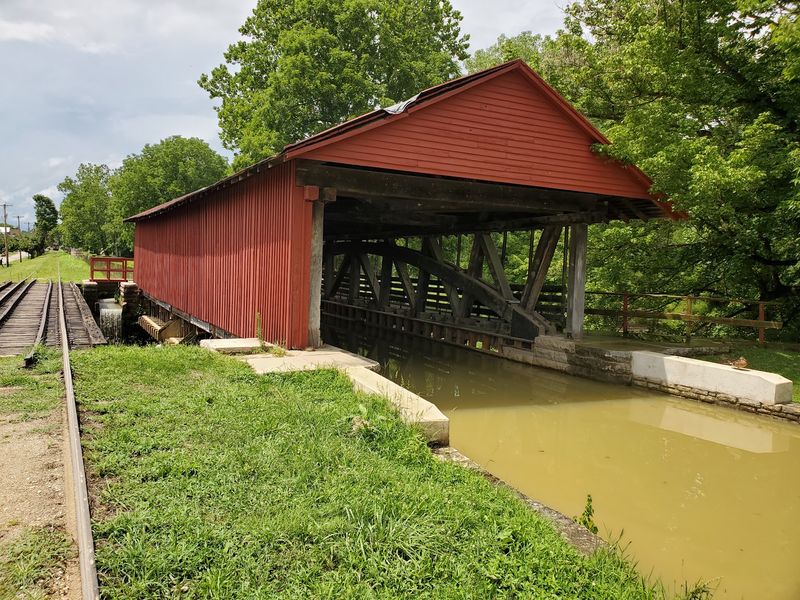
A covered bridge that carries water instead of cars? Metamora has one. The Duck Creek Aqueduct lets the Whitewater Canal flow right over a creek, and it is believed to be the only covered wooden aqueduct of its kind still standing in the country.
That odd little structure sums up this village pretty well. Metamora is tiny, historic, and full of surprises. Old brick and wooden buildings line the canal, many filled with craft shops, candy stores, antiques, and small eateries.
Canals were once a big deal in Indiana. Back in the 1800s, boats pulled by horses or mules moved goods along waterways like this one. Walking the towpath today gives you a peek at how people traveled and shipped things before railroads took over.
In fall, the setting really shines. Trees along the canal turn bright colors, and their leaves float slowly on the still water. A cool afternoon here moves at a relaxed pace that is hard to find in bigger tourist towns.
The village is compact, so you can explore on foot easily. Pop in and out of shops, grab some fudge, and stop to watch the old grist mill, which has been part of the canal story for generations.
Many shops operate on a seasonal schedule. Weekends in fall tend to be the liveliest, while weekdays can be very quiet, with some stores closed.
After exploring town, follow the canal corridor out into the countryside. Rolling hills and wooded stretches surround Metamora, and the drive through Franklin County is pretty in its own right.
Brookville and Connersville are also close by, so you can turn this into a full day of small-town wandering across southeast Indiana.
11. Spring Mill State Park (Mitchell)
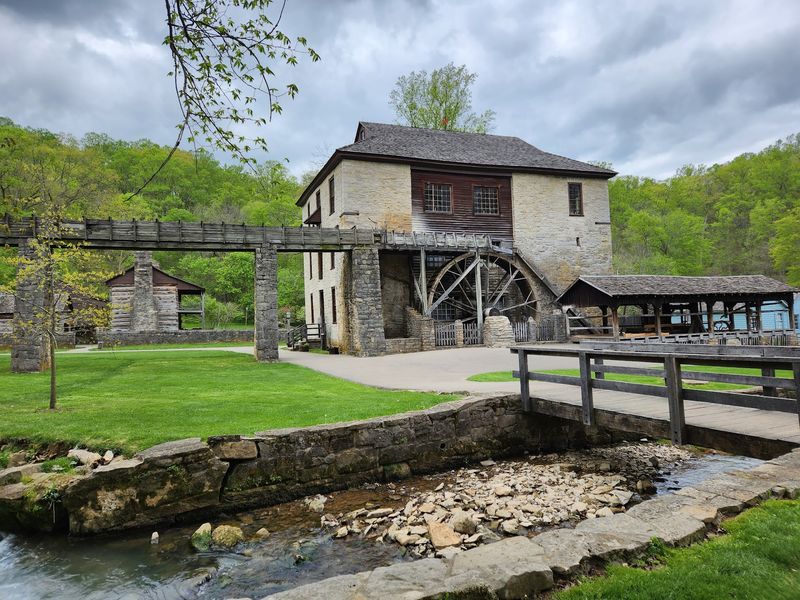
Stone walls, a creaking water wheel, and the smell of fresh cornmeal. At Spring Mill, the star attraction is a restored grist mill from the early 1800s, and on some days you can watch it grind corn just like it did two centuries ago.
The mill anchors the Pioneer Village, a cluster of log cabins and historic buildings that show how settlers lived in southern Indiana. Walking the paths is like stepping into a history book, with gardens, workshops, and homes that give a real sense of daily life long ago.
Fall makes the scene even better. Trees around the village turn orange and red, framing the limestone mill and the rushing water that powers its wheel. It is one of the most photographed spots in the park for good reason.
Caves add another layer of adventure. Twin Caves offers boat tours during the warmer season, where you float into the darkness in search of blind cavefish. Other caves can be seen from trails and overlooks, with cool air drifting out of the openings.
Hikers have several trails to pick from. Some wind through old-growth forest, where massive trees tower overhead, while others pass sinkholes and streams typical of this limestone region.
A memorial honoring astronaut Gus Grissom sits inside the park too. He grew up in nearby Mitchell and was one of the original Mercury Seven astronauts.
The Spring Mill Inn offers rooms and a restaurant, so staying overnight is easy. Its dining room is known for hearty meals, including dishes made with cornmeal from the mill itself. Between history, caves, and colorful trails, one full autumn day here goes by fast.
Share this story