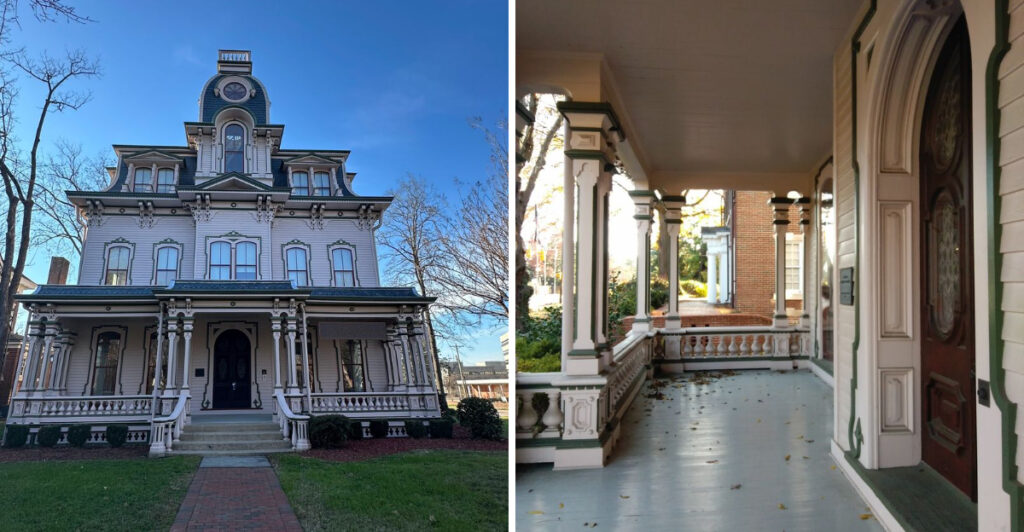
Some houses are easy to pass by, but the Heck-Andrews House in Raleigh is not one of them. With its pale lavender color, tall roof, and fancy details, it looks almost like a storybook mansion dropped into downtown.
This historic home matters because it shows how people built, lived, and dreamed in North Carolina more than 150 years ago. Even if you only see it from the sidewalk, it gives you plenty to notice.
1. A Lavender Mansion That Stops Sidewalk Traffic
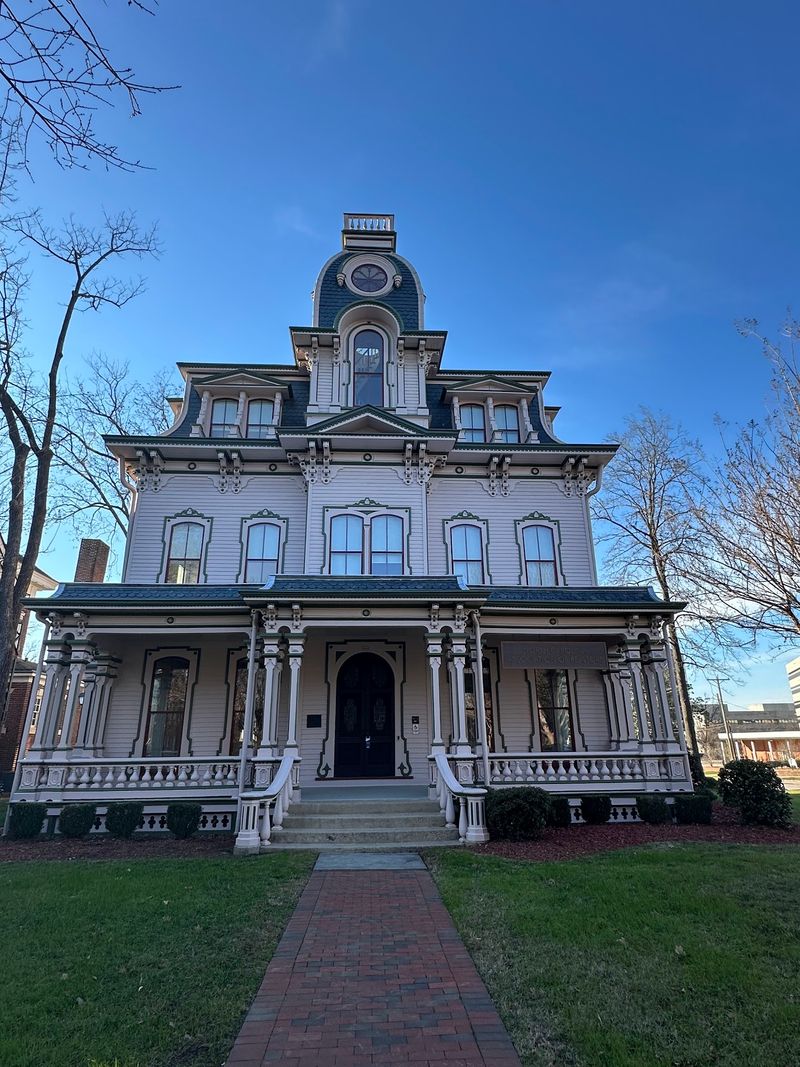
A flash of pale lavender in downtown Raleigh can make even busy walkers slow down.
The Heck-Andrews House does not look like the plain brick offices around it, and that is part of its charm.
Its soft color, tall shape, and fancy trim give it a playful look without making it feel silly.
Built in the late 1800s, the house stands at 309 North Blount Street, close to the North Carolina Executive Mansion.
That location makes it easy to include on a downtown stroll.
If you enjoy old buildings, bring a phone or camera, because the front view is worth saving.
The color is one of the first details people mention in reviews.
Some call it iris or lavender, while others simply say it is beautiful.
Against green trees and the city street, the shade helps the home feel bright, proud, and a little unexpected.
When you visit, take a few minutes to look from different angles.
The house changes as you move, especially where the porch curves and the roof rises above the windows.
Since public access inside can be limited, the outside view is often the main experience.
That is not a bad thing.
Many historic homes share their story before you ever cross the doorway.
Here, the first chapter is written in color, shape, and a bold old-fashioned style that still turns heads today.
2. That Tall Mansard Roof Has Serious Personality
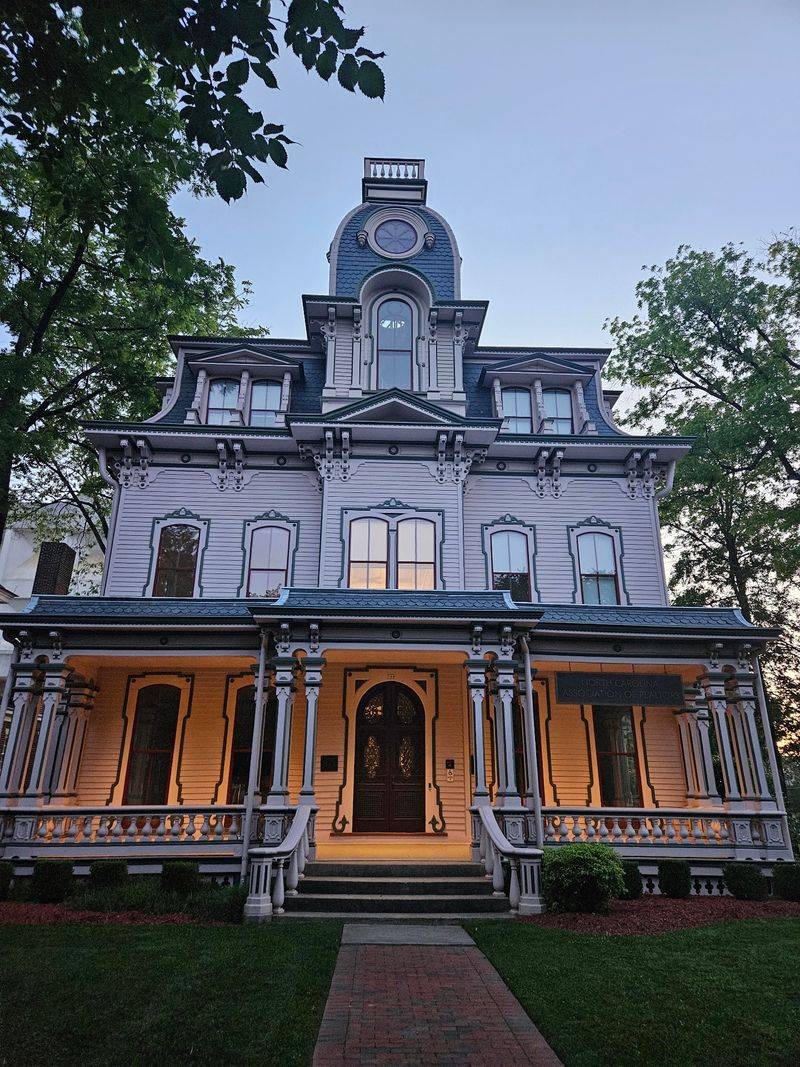
Look up, and the house suddenly feels taller than you expected.
The Heck-Andrews House wears a mansard roof, which is one of the easiest ways to spot Second Empire architecture.
Instead of a simple triangle roof, it has steep sides that give the top floor a grand, almost hat-like shape.
This roof style became popular in the 1800s and was often used on buildings meant to look fashionable and important.
At Heck-Andrews, it adds drama without needing a tower.
The roofline pulls your eyes upward and makes the home feel larger than a regular house.
Oval windows tucked into the roof make the design even more unusual.
They feel like little eyes watching the street, which may be why the house fits so well into ghost tour stories.
Even in daylight, those windows give the mansion a curious personality.
If you are teaching kids or friends about architecture, this is a great stop.
Ask them to compare the roof with nearby homes or office buildings.
They will likely notice how different it feels, even if they do not know the term mansard yet.
Small details like roof shape can tell big stories.
In this case, the roof shows that the original owners wanted beauty, status, and modern style for their time.
More than a cover over rooms, it is the house’s crown.
3. Porches With Scallops, Curves, And Old-School Grace
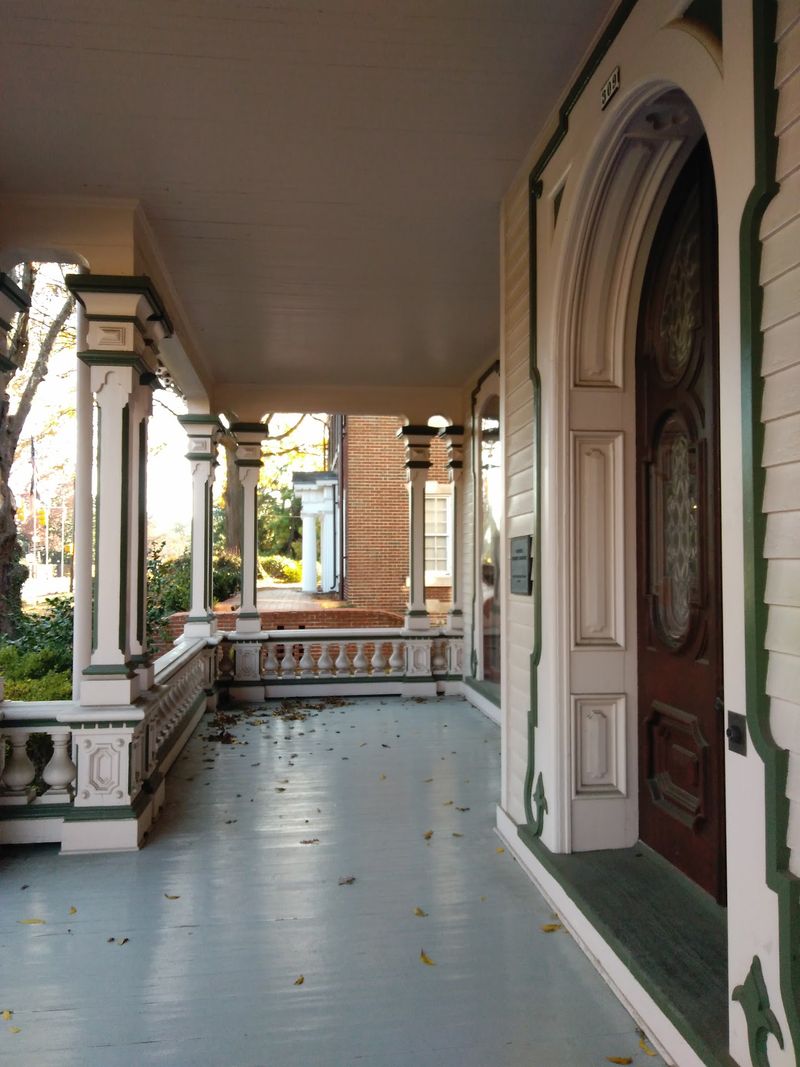
The porch looks like it was made for slow afternoons, polite conversation, and a glass of sweet tea.
Around the Heck-Andrews House, the wraparound design softens the tall mansion and brings the building closer to the street.
It feels welcoming, even when the doors are closed.
One of the prettiest parts is the scalloped trim.
These small curved details may seem simple at first, but together they create a lacy edge around the porch.
They also show the kind of careful craftsmanship that makes old homes feel special.
For visitors, the porch is a reminder to slow down.
Do not just snap one quick photo from the sidewalk and leave.
Walk along the public edge of the property, notice the posts, railings, shadows, and corners, and see how the porch frames the house.
Reviews often praise the restoration for bringing back the building’s original beauty.
That matters because porches can be easy to lose when old homes are neglected.
Wood rots, paint peels, and decorative pieces disappear if nobody steps in to care for them.
Here, the porch helps tell a happier story.
It shows what patient repair can do for a historic place.
The result is not just pretty trim, but a piece of Raleigh history that feels alive, detailed, and ready for people to admire again.
4. A Restored Landmark With A Long Raleigh Memory
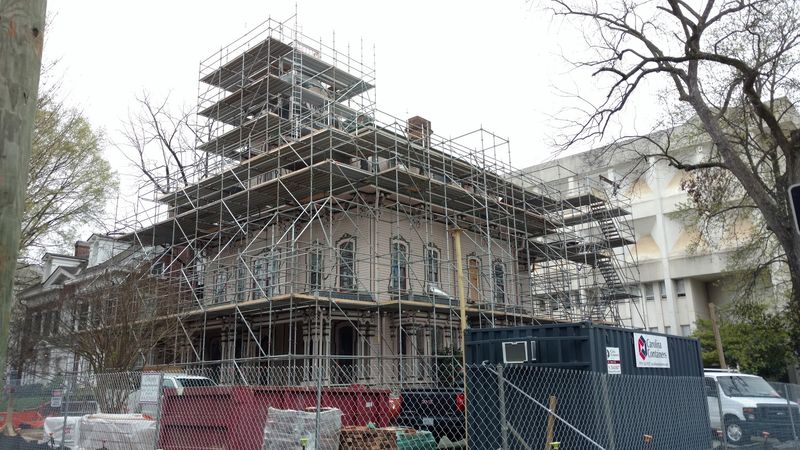
Not long ago, this grand old home needed serious help.
Many visitors remember seeing it during renovation, when crews were working hard to return it to good condition.
Today, the Heck-Andrews House stands as proof that saving an old building can be worth the time, money, and patience.
The restoration is one reason people speak about the house with such excitement.
Reviewers use words like beautifully restored, breathtaking, and stunning.
Those reactions show that the project did more than fix walls and windows.
It gave Raleigh back a landmark people can feel proud of.
Historic restoration is not the same as quick remodeling.
Workers must study old designs, choose careful materials, and protect details that make the building unique.
At a house like this, even trim, paint color, porch parts, and roof features help tell the larger story.
The North Carolina Association of Realtors owns the property, and many locals credit the organization for helping bring the mansion back to life.
That ownership also means visitors should check ahead before expecting indoor access.
The grounds and exterior may be easier to enjoy than a full tour.
Still, the outside alone shows why restoration matters.
Without care, Raleigh could have lost a rare Second Empire treasure.
Instead, the Heck-Andrews House remains a striking historical piece, reminding everyone that old places can shine again when people choose to protect them.
5. The Story Includes Women, Property, And Changing Times
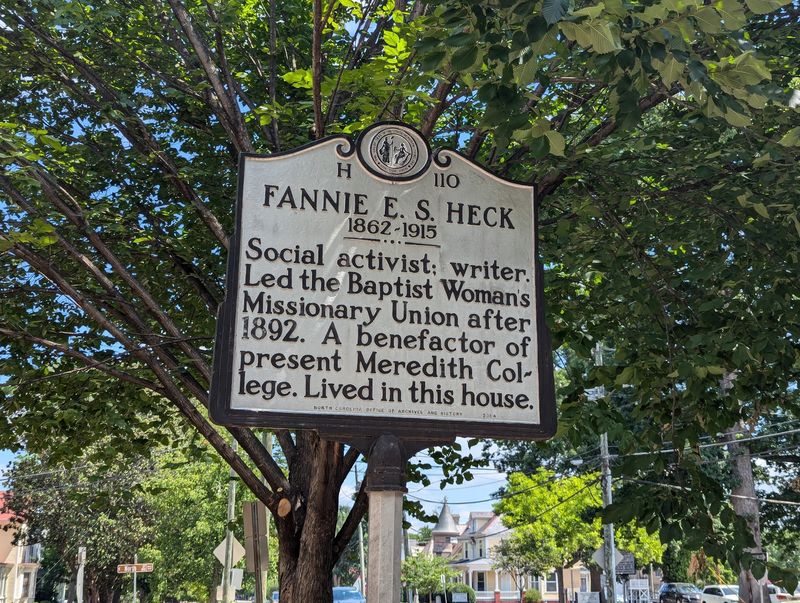
Behind the pretty paint is a story with more weight than visitors may expect.
The Heck-Andrews House is often linked with discussions about women and land ownership in the 1800s.
That history adds depth to a place that might first seem memorable only because of its looks.
In the nineteenth century, property rules could be unfair and complicated, especially for women.
Owning, controlling, or passing along land was not always simple.
When a historic house connects to that subject, it becomes more than a mansion.
It becomes a way to talk about rights, family, money, and power.
That is one reason the site works well as an educational stop.
Parents, teachers, or curious visitors can use it to start a conversation about how life has changed.
A house is not just wood, brick, and paint.
It also reflects who had choices and who had to fight for them.
Before visiting, read a short history of the Heck and Andrews families if you can.
Knowing even a little background makes the exterior more meaningful.
Suddenly, the windows and porch feel connected to real people, not just a pretty postcard scene.
The building’s beauty brings people close, but its human story keeps them thinking.
That mix is what makes the Heck-Andrews House special.
It gives Raleigh a place where architecture and social history meet on one eye-catching corner.
6. Ghost Tours Give The House A Spooky After-Dark Twist
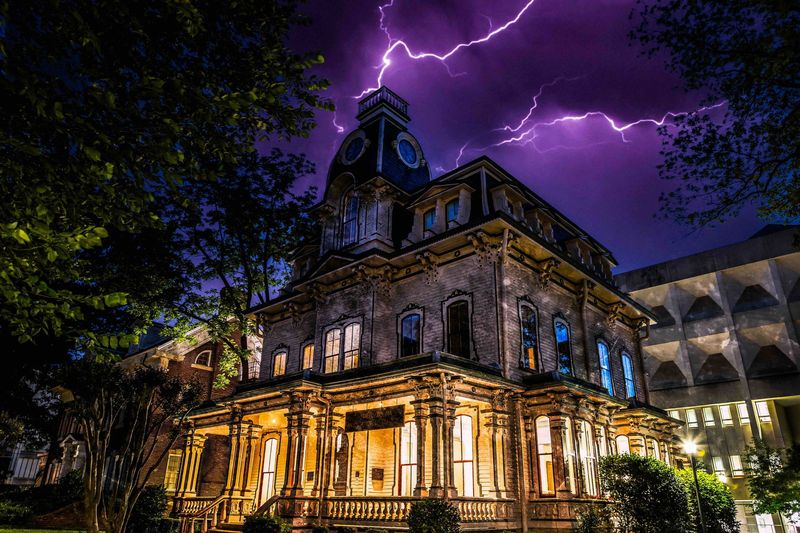
After sunset, the same oval windows can feel a little mysterious.
The Heck-Andrews House has appeared in local ghost tour stories, and several visitors mention learning about it during paranormal walks.
Whether you believe in ghosts or not, the mansion has the right mood for a spooky tale.
Its tall roof, old age, and elegant details help create that feeling.
Historic homes often collect stories because generations of people lived, worked, celebrated, worried, and grieved inside them.
A ghost tour turns those layers of time into something you can imagine while standing outside.
If you join a tour, listen for names, dates, and details, not just scary moments.
The best ghost stories often hide real history inside them.
They can help you remember who lived in a place and why the building mattered to the city.
Since the house is not always open to the public, a guided walking tour can be a smart way to learn more from the street.
Wear comfortable shoes, bring water in warm weather, and stay with the group.
Downtown Raleigh is easy to explore, but night tours are better when you pay attention.
The spooky side does not take away from the home’s beauty.
Instead, it adds another layer to the double take.
By day, the house is graceful and bright.
By night, it becomes a scene that sparks questions, chills, and curiosity.
7. Planning A Visit Is Simple, But Know What To Expect
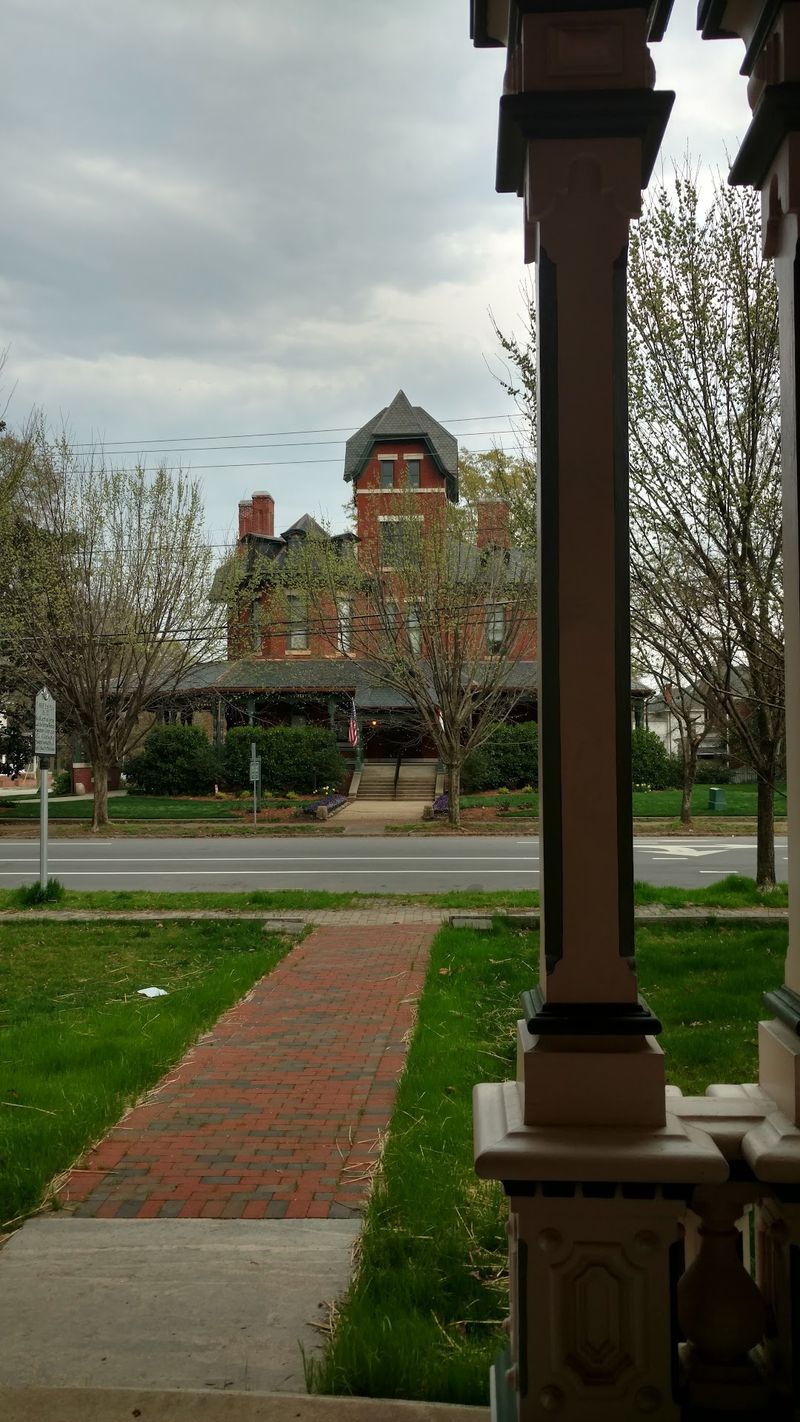
A visit to the Heck-Andrews House is best planned with the right expectations.
Google lists the site as open 24 hours, but that does not mean you can freely walk through the inside.
Many visitors report seeing only the exterior, especially when the building is closed for private use or appointments.
The address is 309 North Blount Street in Raleigh, North Carolina.
It sits near other important downtown sites, including the Executive Mansion area, so it can fit nicely into a walking route.
If you want indoor access, call ahead or check the official website before making special plans.
For a quick stop, the exterior is still rewarding.
Stand back far enough to see the roof, porch, windows, and full shape of the house.
Then move closer, while staying respectful of property rules, to notice the craftsmanship.
The details are what make the visit fun.
Photographers may enjoy morning or late afternoon light, when shadows add texture to the porch and trim.
Families can make it a short history hunt by asking kids to find oval windows, scalloped edges, and the lavender color.
Small challenges help younger visitors stay interested.
With a 4.7-star rating from dozens of reviews, the house clearly leaves a strong impression.
It is not a theme park or busy museum.
It is a restored historic place that rewards quiet looking, good manners, and a little curiosity.