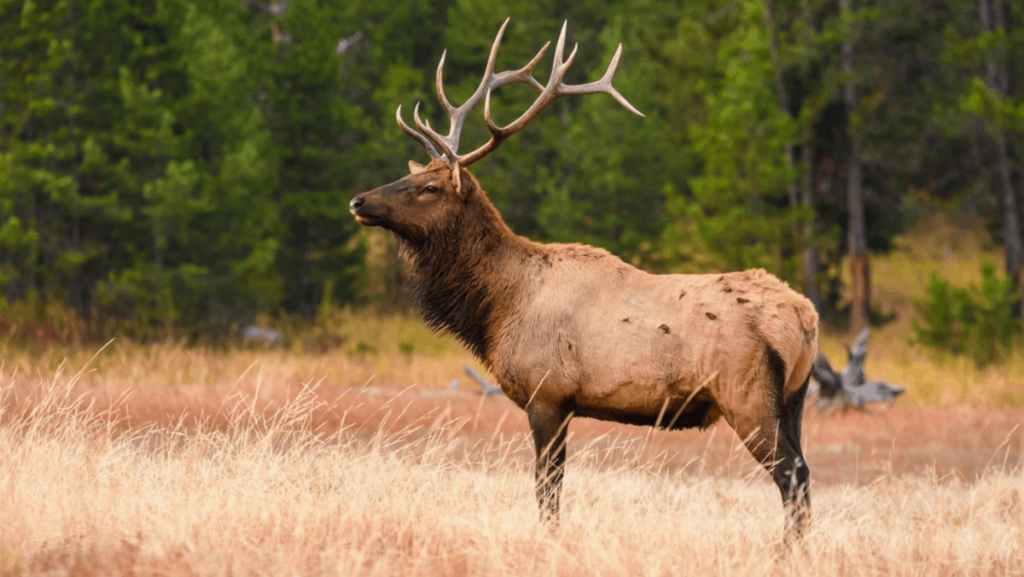
Winter transforms Tennessee’s wild spaces into peaceful stages where animals take center stage. When trees shed their leaves and hikers stay home, wildlife becomes surprisingly visible across forests, wetlands, and valleys. From majestic elk grazing in snowy fields to bald eagles soaring over frozen lakes, the coldest months offer some of the year’s best animal encounters.
Whether you’re a seasoned nature watcher or just looking for a quiet weekend adventure, these eight spots promise unforgettable wildlife moments when Tennessee’s wilderness feels like it belongs only to you.
1. Great Smoky Mountains National Park
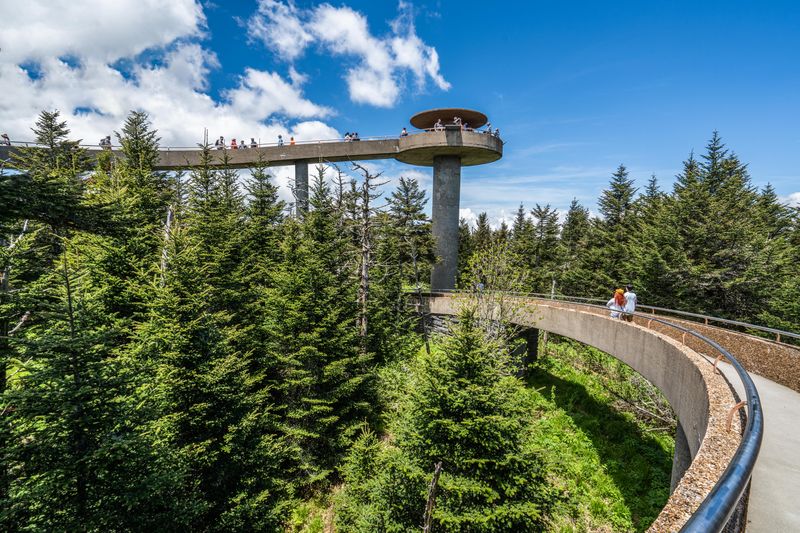
Crowds vanish when temperatures drop, leaving the trails to you and the animals. Winter strips away the leafy curtain that usually hides white-tailed deer, elk herds, and wild turkeys from view. You might even catch a black bear stretching its legs on an unseasonably warm afternoon.
Early mornings work magic here. The frost-covered valleys reveal movement that summer’s thick vegetation would conceal completely. Elk are particularly active near Cataloochee, but you’ll find deer practically everywhere if you move quietly.
Dress in layers and bring binoculars. The park’s 800 miles of trails offer endless opportunities, though you don’t need to hike far. Many wildlife encounters happen right from pullouts along Newfound Gap Road, where patient observers are rewarded with nature’s winter show against a backdrop of ancient mountains wrapped in morning mist.
2. Cataloochee Valley
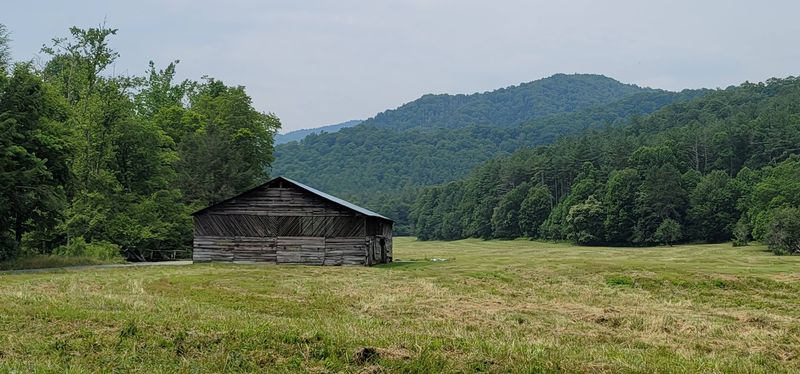
Few places rival Cataloochee for reliable elk sightings during winter months. This tucked-away valley feels like stepping into another century, especially when snow blankets the old homesteads and open meadows. Elk treat these fields like their personal dining room, grazing openly while you watch from a respectful distance.
Late afternoon brings the best action. As daylight fades, elk emerge from treelines to feed, sometimes in groups of twenty or more. The valley’s isolation means fewer disturbances, so animals behave naturally rather than fleeing at every sound.
Arrive before dawn or stay past sunset for bonus encounters. Coyotes occasionally trot across the fields, and white-tailed deer mingle with the elk herds.
3. Reelfoot Lake State Park (Tiptonville)
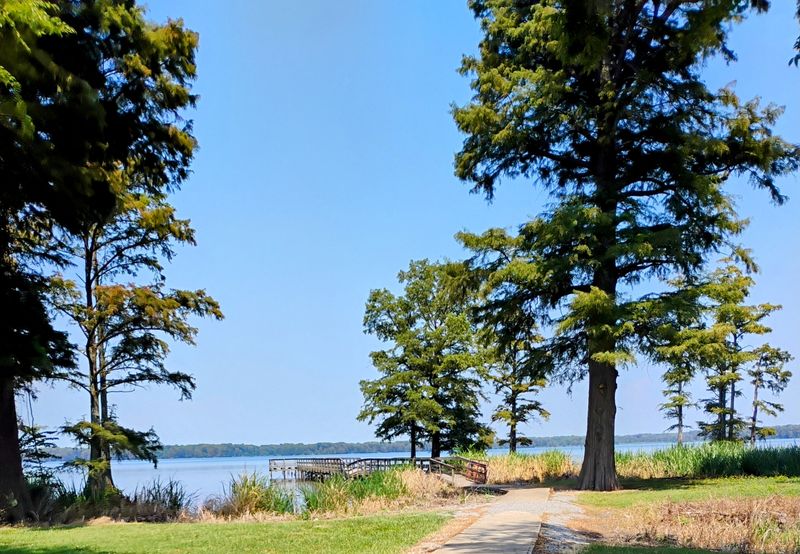
Bald eagles rule this place from December through February. Reelfoot Lake becomes a winter headquarters for these magnificent birds, with dozens arriving to hunt fish in the shallow waters. You’ll spot them perched in towering cypress trees or circling overhead with wingspans that seem impossibly wide.
The park offers eagle tours by boat, which get you remarkably close without disturbing their routines. Even from shore, you’ll count multiple eagles in a single afternoon. Waterfowl pack the lake too—ducks, geese, and other migratory birds create a constant symphony of honks and splashes.
This isn’t just birdwatching; it’s witnessing one of Tennessee’s most spectacular natural gatherings.
4. Radnor Lake State Park (Nashville)
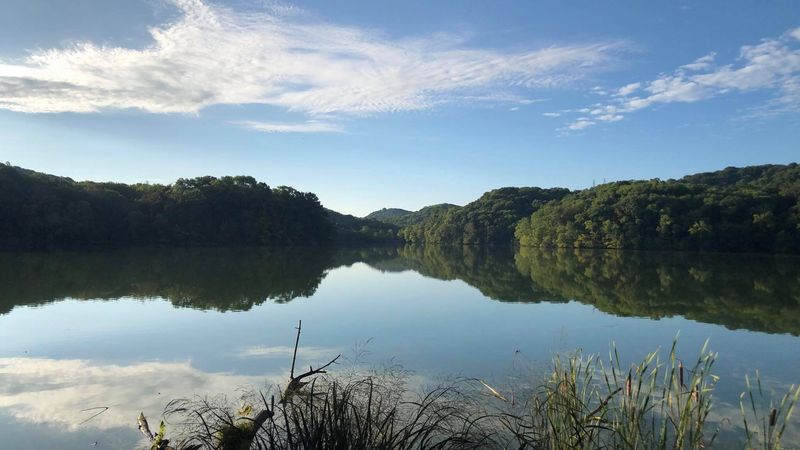
Nashville’s backyard wilderness surprises first-time visitors with its genuine wildness. Winter strips the disguise from Radnor Lake’s residents, making otters, beavers, and deer far easier to spot than during leafy summer months.
Owls become vocal as breeding season approaches in late winter. Listen for their haunting calls echoing across the lake at dusk. The paved trail around the lake stays accessible year-round, though muddy spots require good boots after rain or snow.
Patience pays off here more than distance. Find a quiet spot along the western shore and simply wait. Beavers surface near their lodges, deer emerge to drink, and waterfowl paddle past seemingly oblivious to human observers.
5. Land Between the Lakes National Recreation Area (Dover)
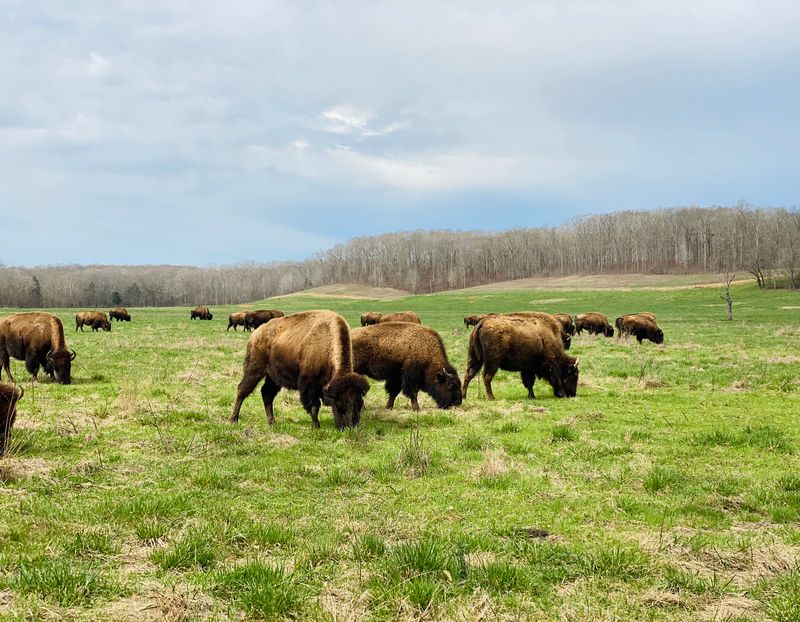
This massive protected zone spanning Tennessee and Kentucky feels genuinely remote when winter empties the campgrounds. Wildlife roams freely across 170,000 acres of forests, fields, and shoreline. The elk and bison prairie offers guaranteed sightings of these impressive animals, which seem especially majestic against snow-covered ground.
Red foxes hunt mice in open fields, their rust-colored coats brilliant against white backgrounds. Birds of prey—hawks, eagles, and owls—perch prominently in bare trees, scanning for movement below. Winter concentrates animals near food sources, making predictions easier.
Drive the backroads slowly with windows down despite the cold. You’ll hear and see more than speeding visitors ever will. The Woodlands Nature Station stays open weekends, offering educational programs about winter ecology.
6. Big South Fork National River and Recreation Area (Oneida)
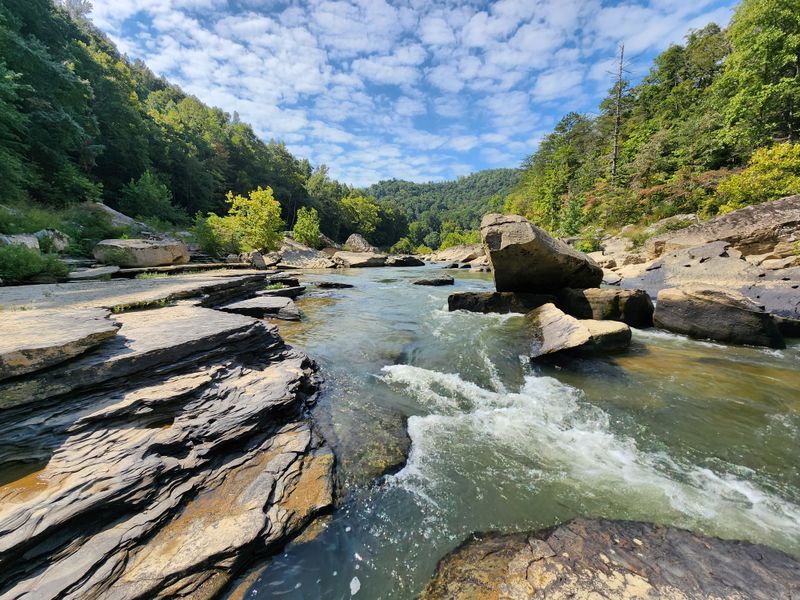
Dramatic sandstone cliffs tower over winter forests where wildlife moves freely along quiet backcountry roads. Big South Fork combines geological wonders with excellent animal encounters, especially when cold weather keeps casual visitors away. Wild turkeys strut through clearings, completely unconcerned, while deer browse on hillsides above the river gorge.
Raptors own the skies here. Red-tailed hawks circle above the bluffs, and you might spot a golden eagle if luck runs your way. The park’s remote sections see so few winter visitors that animals barely acknowledge your presence.
Yahoo Falls, accessible via a short hike, offers bonus scenery alongside wildlife watching. The real magic happens on foggy mornings when the entire landscape seems suspended between seasons, and every rustle might announce a turkey, deer, or fox emerging from the mist-shrouded forest like ghosts materializing from Tennessee’s wild heart.
7. Chickasaw National Wildlife Refuge (Ripley)
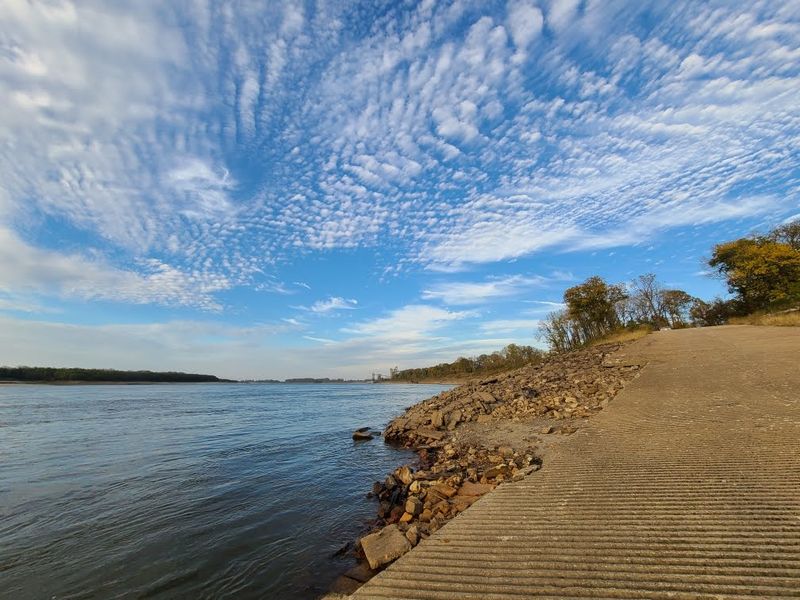
This under-the-radar refuge transforms into a waterfowl paradise when northern birds flee freezing temperatures. Chickasaw’s wetlands and bottomland forests attract thousands of ducks, geese, and wading birds that pack the shallow waters and agricultural fields. The refuge’s open landscape makes spotting wildlife almost effortless compared to dense forests.
Wood ducks, mallards, and Canada geese dominate the ponds, while great blue herons stalk the shallows with prehistoric patience. Small mammals—raccoons, muskrats, and occasionally mink—leave tracks along muddy shorelines.
Visit during late afternoon when feeding activity peaks. The golden winter light transforms ordinary bird sightings into photographic opportunities worth framing. Chickasaw lacks the fame of Tennessee’s mountain parks, which means you’ll often have entire observation areas to yourself.
8. Frozen Head State Park (Wartburg)
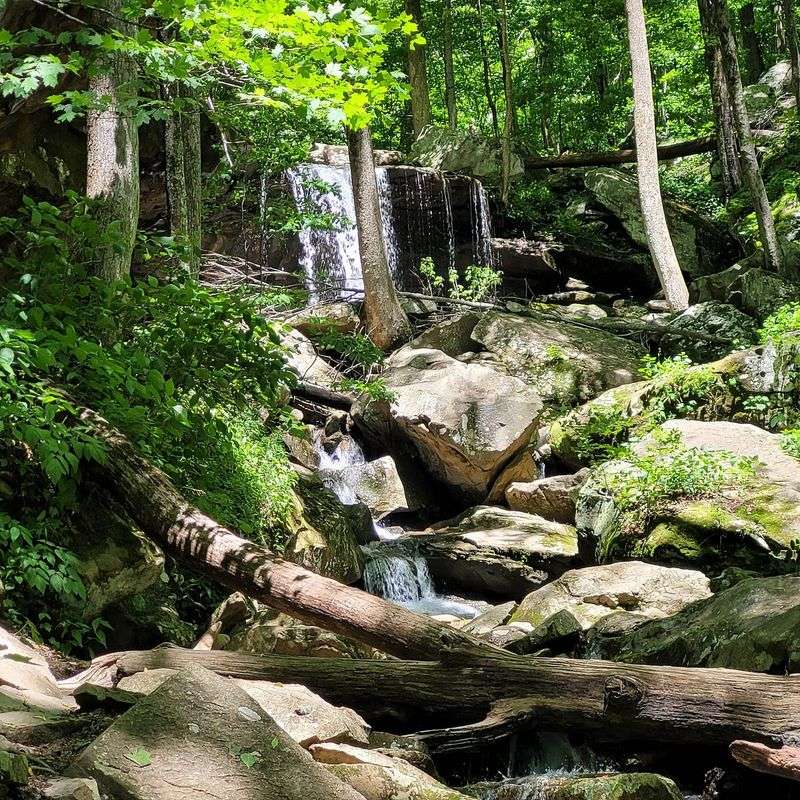
Aptly named and genuinely remote, Frozen Head delivers cold-weather solitude that serious wildlife watchers crave. Snow clings to the highest peaks while bare hardwoods create perfect visibility for spotting deer, foxes, and winter songbirds. The park’s rugged terrain keeps visitor numbers low even during pleasant weather, making winter feel like exclusive access to wilderness.
Red foxes hunt along forest edges, their tracks crisscrossing trails like nature’s calligraphy. White-tailed deer seem almost tame here, browsing within clear view of patient observers. Cardinals, juncos, and other songbirds cluster around water sources, creating colorful contrast against monochrome landscapes.
The challenging trails reward hikers with ridge-top views and increased animal sightings away from the parking areas. Even short walks from the nature center yield encounters, though. Frozen Head’s stark beauty—all gray rock, white snow, and dark trees—creates an almost meditative atmosphere where watching a single deer becomes more memorable than seeing dozens elsewhere.