Prestige in higher education does not begin and end with the Ivy League. Purdue University in West Lafayette is drawing fresh attention after earning an elite new ranking, adding another achievement to a reputation built around research, innovation, and high-demand fields.
For students and families comparing universities, recognition like this can matter because a famous name is only one piece of the decision. Academic strength, career opportunities, and overall value can be just as important when choosing where to spend four years. Purdue’s latest showing gives future Boilermakers another reason to put this Indiana university on their radar.
A Ranking Story Bigger Than Prestige
College rankings can act like a spotlight. For years, that light has often pointed toward the Ivy League, where old names and long histories easily grab attention.
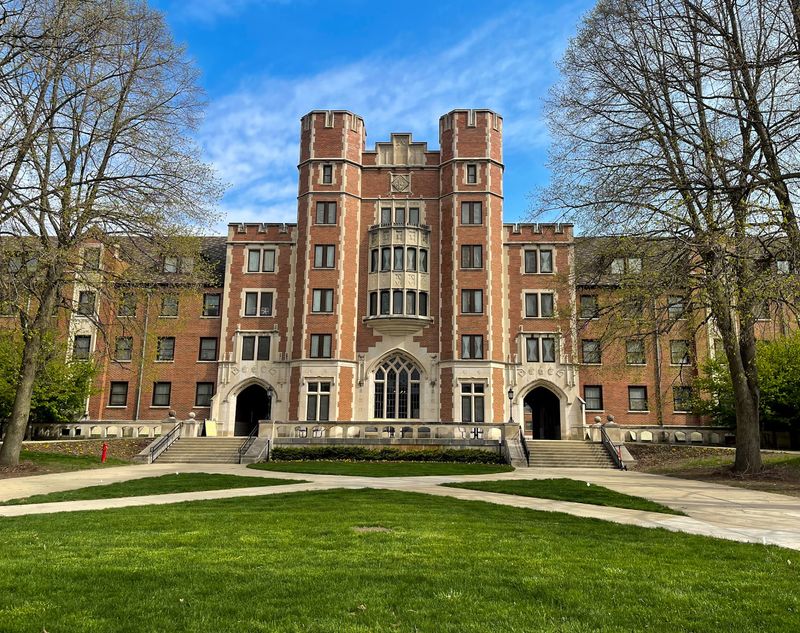
Purdue University has entered that conversation in a different way. Instead of leaning on private-school mystique, the campus at 610 Purdue Mall in West Lafayette stands out because of performance, research strength, and the kind of teaching that connects directly to modern careers.
That shift matters for families trying to sort through a crowded college search. A new elite ranking signals that Purdue is not simply a respected public university in the Midwest. It is being judged at a higher level, next to schools that usually dominate national and global lists.
The phrase elite can sound vague, so it helps to look at why the label carries weight. Rankings often reflect a mix of academic reputation, research output, faculty impact, student outcomes, and the resources that support serious study.
Purdue has long been strong in those areas, especially in science, engineering, technology, and problem-solving fields. Recent recognition adds sharper public visibility to work the university has been building for decades.
That makes the headline more than a catchy comparison with Ivy campuses. It points to a larger change in how top higher education is being measured, with more focus on innovation, scale, and real-world influence.
For students, the lesson is practical. Prestige still matters to many people, but rankings also show where momentum is building, where investment is growing, and where students can enter industries that need talent right now.
Purdue fits that picture well. The school is proving that a major public university in Indiana can compete in spaces once treated like private-club territory.
Why Purdue Keeps Rising Above the Pack
Rankings rarely move because of one lucky year. A school climbs when many parts begin working together with unusual strength, and Purdue shows that pattern clearly.
Academic depth is one reason the university keeps gaining respect. Purdue is widely associated with engineering, but the broader picture includes science, agriculture, business, health, computing, aviation, and strong interdisciplinary work that blends several subjects at once.
That range helps the school compete in modern rankings. Today, the most admired universities do not just teach well in one corner. They create systems where research labs, classroom learning, and industry needs connect in visible ways.
Purdue also benefits from scale. A large public university can offer huge research activity, varied student organizations, major facilities, and an alumni network that reaches far beyond Indiana.
Yet size alone does not create respect. The campus has to turn that scale into results, and Purdue has done that by building a reputation for hard work, technical skill, and applied knowledge.
Another advantage is clarity of identity. Some universities try to be everything to everyone, while Purdue has a more defined image built around discovery, invention, and useful expertise.
That focus helps students understand what kind of place they are joining. It also helps employers, researchers, and academic partners know what Purdue brings to the table.
West Lafayette adds to the formula in a quieter way. The setting keeps attention on study, campus life, and big institutional goals rather than on flash or status theater.
Put all of that together and the rise makes sense. Purdue is not surprising the higher education world out of nowhere. The school is getting louder recognition for strengths that have been growing in plain view.
Indiana Grit, Global Reach
Plenty of universities sell an image first. Purdue tells a different story, one built on work, precision, and a Midwestern style that values results over polish.
That Indiana identity is part of the appeal. West Lafayette does not depend on old-world glamour or East Coast social cachet. The school earns attention through effort, rigor, and a record of preparing students for demanding fields.
At the same time, Purdue is far from local in impact. Its research reach, alumni connections, and academic partnerships stretch well beyond the state, which helps explain why global observers keep Purdue in serious conversations.
The contrast is one of the university’s strongest qualities. Students can study in a place that feels grounded and practical while also stepping into work that touches international industries, scientific progress, and worldwide challenges.
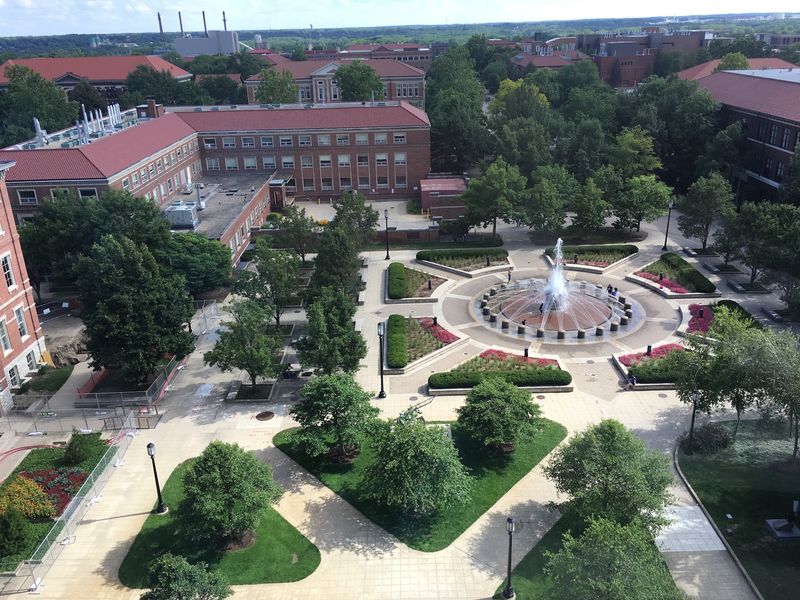
That balance shows up across campus life. A student might walk through the formal green spine of Purdue Mall, head into a lab or lecture hall, then spend the afternoon on projects tied to technology, agriculture, health, or manufacturing questions with broad relevance.
Elite rankings often reward institutions that influence more than their own zip code. Purdue meets that test by connecting a public mission with global academic ambition.
Families often worry that big-name recognition only exists on the coasts. Purdue offers a useful reminder that top-tier opportunity can grow in a college town where the culture prizes skill, problem solving, and serious preparation.
There is also a confidence in that model. Purdue does not need to imitate Ivy traditions to earn respect. Its identity works because it is specific, disciplined, and closely tied to the future of work and research.
Seen that way, Indiana is not a footnote in the story. It is the backbone that gives Purdue its tone, its pace, and much of its power.
The Campus at 610 Purdue Mall Sends the Message Fast
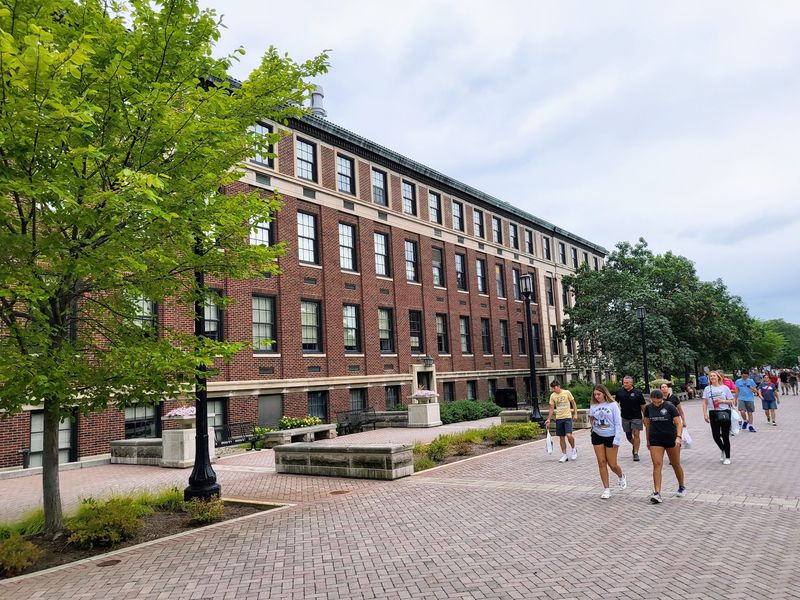
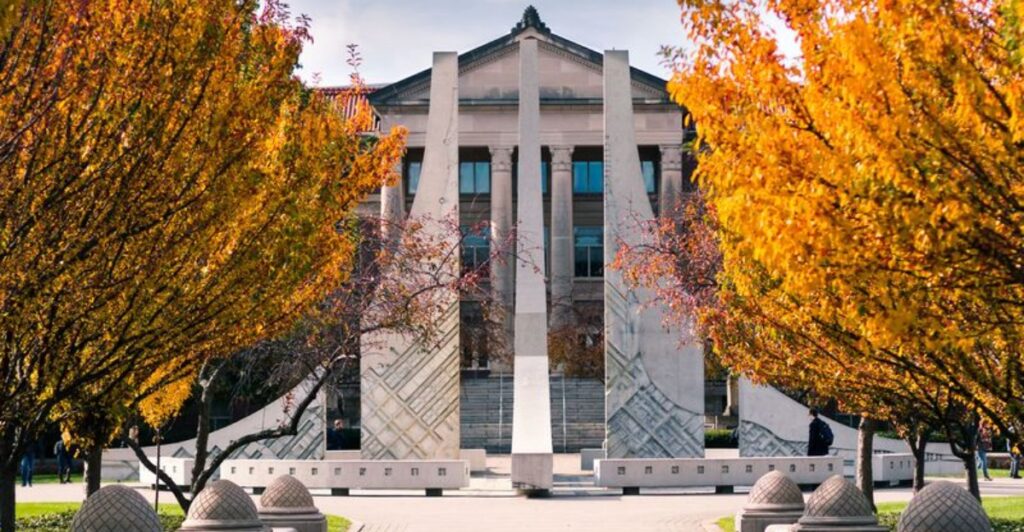
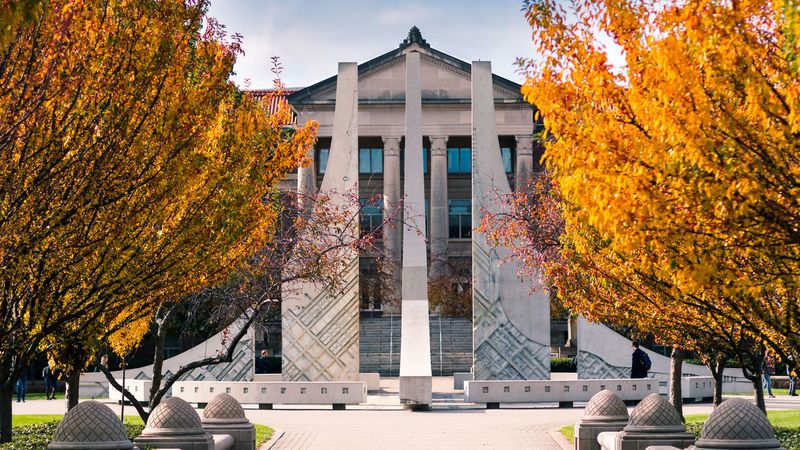
Before a visitor reads a brochure or ranking chart, the campus already says a lot. Purdue Mall presents a formal academic spine that makes the university’s priorities easy to read: movement, structure, and serious learning.
The setting at 610 Purdue Mall places people near one of the most recognizable parts of the university. Walkways open toward major buildings, lawns frame the view, and the layout gives the area a civic quality rather than a secluded private-school mood.
That visual difference matters. Elite status is often imagined through stone gates and old symbols, but Purdue shows another version of excellence, one tied to function, scale, and a living campus that works hard every day.
There is plenty of activity here, and the movement tells its own story. Students crossing between classes, group conversations outside buildings, and the steady rhythm of a large research university create a sense of purpose instead of pageantry.
The architecture and open spaces reinforce that tone. Nothing has to pretend to be older or grander than it is. The impression comes from confidence, order, and the clear role each part of campus plays.
For prospective students, that can be reassuring. Purdue looks like a place where things get done, where the physical environment supports both independence and collaboration.
The central location also helps visitors understand the university as a whole. Standing along the mall gives a strong overview of how academics, tradition, and student life intersect in one visible corridor.
In ranking stories, physical setting is not the main metric, but it shapes experience in a real way. Campuses influence how students move, meet, and focus.
Purdue’s core does that job well. The message arrives quickly: this is a major institution with a clear identity, built for people who came here to learn and build something solid.
Research Muscle Makes the Ranking Easier to Understand
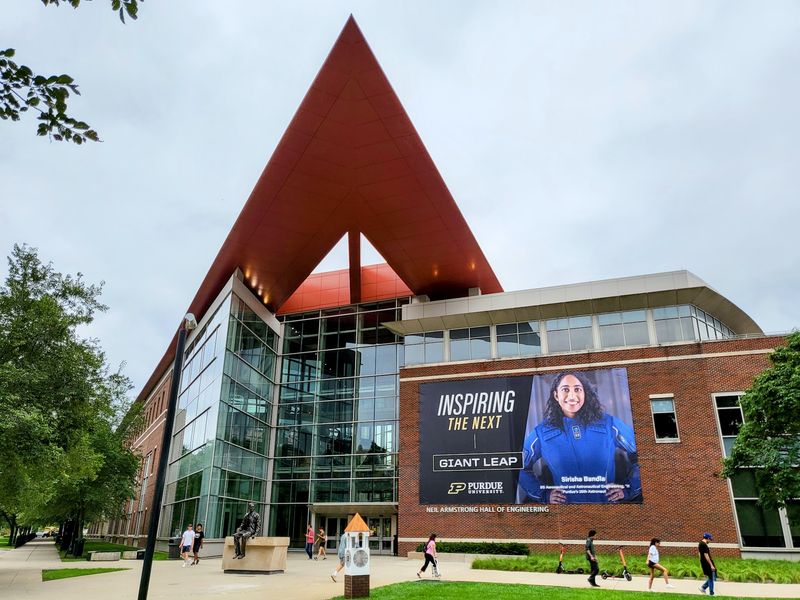
Some college reputations grow from history. Purdue’s power is easier to see in motion, especially in the research culture that drives so much of its national and international standing.
Elite recognition often follows institutions that produce knowledge, not only degrees. Purdue fits that model through major work in engineering, science, technology, agriculture, and other areas where discovery can lead to patents, partnerships, startups, and practical solutions.
For students, that matters beyond bragging rights. A research-heavy university can offer access to advanced equipment, faculty projects, problem-based learning, and chances to see how ideas move from the classroom into testing, design, and real-world use.
Even undergraduates benefit from that environment. The campus culture rewards curiosity and persistence, and those habits can shape stronger resumes, stronger graduate school applications, and stronger confidence when tackling hard material.
Purdue’s research identity also helps explain why employers pay attention. Companies and public agencies often value graduates who have learned how to work with data, experiments, systems, and team-based challenges.
That connection between campus work and outside demand gives Purdue an edge. It turns abstract academic prestige into something students can actually use.
The strongest rankings usually notice that kind of impact. Schools rise when their faculty output matters, when their research profile is visible, and when the institution contributes to larger conversations shaping industry and society.
Purdue has spent years building exactly that kind of profile. The latest elite recognition, then, does not read like a surprise twist. It reads like a public summary of deep institutional capacity.
Anyone wondering why Purdue belongs in top-tier discussions should start here. Research is one of the clearest ways a university proves its seriousness, and Purdue has the scale and focus to make that case convincingly.
A Smart Pick for Students Who Want Value With Status
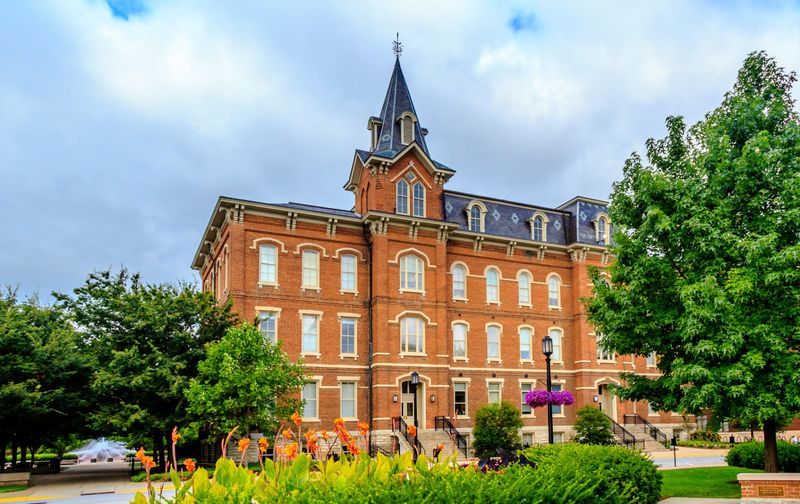
A famous school name can open doors, but cost and fit still matter. Purdue becomes especially interesting when elite recognition meets the practical concerns most families carry into a college search.
Public universities often enter the conversation as the sensible option. Purdue pushes that image further by pairing broad opportunity with a reputation that can compete with much more expensive institutions in several academic areas.
That combination changes the math for students. Instead of treating prestige and affordability as complete opposites, they can look at Purdue as a place where strong outcomes may come with a more grounded financial path than many private universities.
Value is not only about tuition. It also includes internship access, research opportunities, career preparation, alumni reach, campus resources, and the chance to graduate with skills employers recognize quickly.
Purdue performs well in that kind of practical checklist. The school’s identity is closely linked to fields with direct workforce demand, which can make the return on time and money easier to understand.
Students who like clear goals may find that especially helpful. A campus known for rigor and applied learning tends to attract peers who are focused, busy, and serious about where their degrees can lead.
That does not mean every student must have a perfect plan on day one. It does mean the university offers a structure where ambition has room to grow in a visible way.
Elite rankings add another layer of confidence. When outside evaluators recognize Purdue at a high level, families gain a stronger signal that the school’s reputation is not regional hype. It carries broader weight.
For many households, that is the real headline. Purdue offers the appeal of a respected name, a major campus experience, and a practical path that makes sense long after orientation ends.
What the New Attention Means for Purdue Next
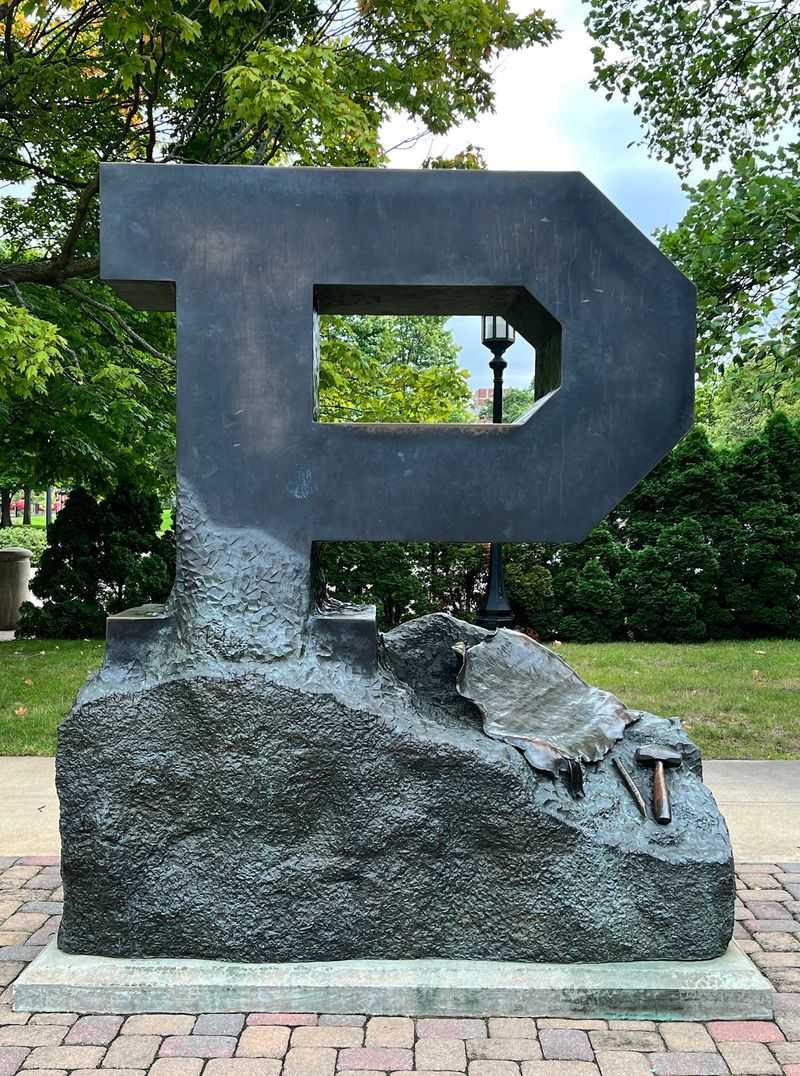
Fresh attention can change a university’s future as much as it reflects its past. When Purdue earns elite-level notice, the ranking becomes a signal to students, faculty, employers, and research partners who may look more closely at what is happening in West Lafayette.
That increased attention can shape admissions interest first. More applicants usually means a deeper pool of talent, and that can sharpen classrooms, student groups, and the academic energy students encounter each day.
Faculty recruitment matters too. Well-regarded researchers and teachers often watch rankings, funding trends, and institutional momentum before deciding where to build careers.
Purdue’s rising profile can help in those conversations. Recognition gives outside experts one more reason to see the university as a place where serious work is already happening and where future investment could go even further.
The same logic applies to partnerships. Businesses, laboratories, and public agencies often prefer institutions with both credibility and scale, especially when tackling technology, manufacturing, health, infrastructure, or data-heavy challenges.
Students benefit when those relationships grow. More partnerships can lead to internships, sponsored research, project-based courses, and stronger pipelines into competitive fields.
There is also a cultural effect on campus. A new ranking can increase pride, but it can also raise expectations. Schools that gain status must show they can keep improving rather than simply celebrate the headline.
Purdue seems well positioned for that challenge because its identity has long centered on work over image. That mindset can be useful when attention increases and pressure follows.
The larger takeaway is simple. Purdue University is not borrowing prestige from old myths or fashionable geography. It is building its own version of top-tier status, and the rest of higher education has started to notice.