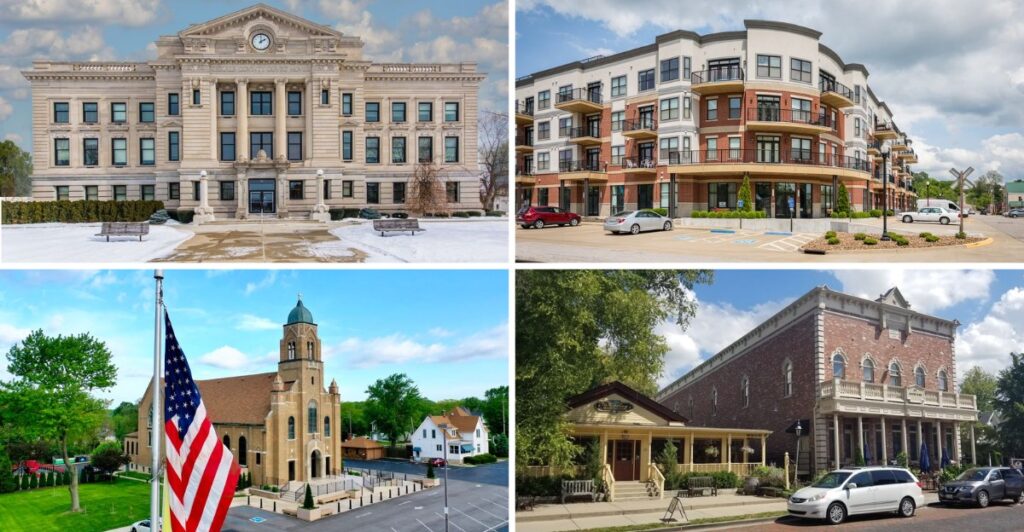
Picture a brick-lined Main Street where the storefronts feel familiar, neighbors still stop to chat, and nobody seems particularly interested in rushing. That gentler rhythm can still be found in pockets of Indiana, where small towns pair historic downtowns, riverside scenery, local cafés, and front-porch charm with an appealing sense of calm.
They are not frozen in the past, but certain corners can make modern life feel pleasantly distant for an afternoon. Sometimes that is exactly what a road trip needs. These 12 Indiana towns capture the warm, everyday Americana that could have inspired a Norman Rockwell canvas.
1. Auburn
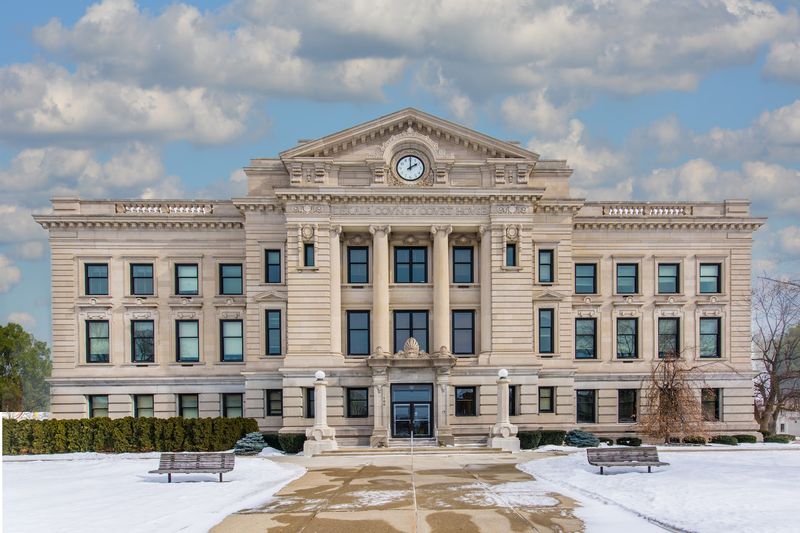
Classic-car history gives Auburn an easy way to stand out, but the town works just as well when no museum ticket is involved. Downtown blocks carry the kind of neat, cared-for look that invites slower strolling.
Brick facades, old signs, and tidy storefront windows make short walks feel fuller than expected. A visit often starts near the Auburn Cord Duesenberg Automobile Museum, located at 1600 S Wayne Street.
That landmark connects Auburn to Indiana’s automotive past without overpowering the rest of town. After a museum stop, it is simple to continue toward downtown and notice how well the historic setting holds together.
Benches, local shops, and low-stress traffic help the center feel comfortable for families, day-trippers, and anyone wanting an unhurried afternoon. Auburn does not need noise or crowds to keep attention.
The pleasure here comes from details, including preserved architecture and streets that still read clearly as a traditional town center. Even a basic coffee break can turn into a longer pause.
Travelers who want the best experience should park once and explore on foot. That approach makes it easier to catch painted window lettering, courthouse-area views, and the small businesses that give downtown personality.
Weekdays can be especially nice because the pace stays mellow and parking is often simpler. Comfortable shoes matter more here than a packed itinerary.
Photographers will find plenty of clean angles, especially where period buildings line up along the street. The town rewards people who look up as much as ahead.
Auburn also works well as a base for a relaxed northeastern Indiana road trip. Meals, browsing, and museum time fit together without making the day feel crowded.
Among Indiana towns with nostalgic appeal, Auburn lands near the top because history is not tucked away. It sits right out in the open, woven into everyday streets and regular local life.
2. Lowell
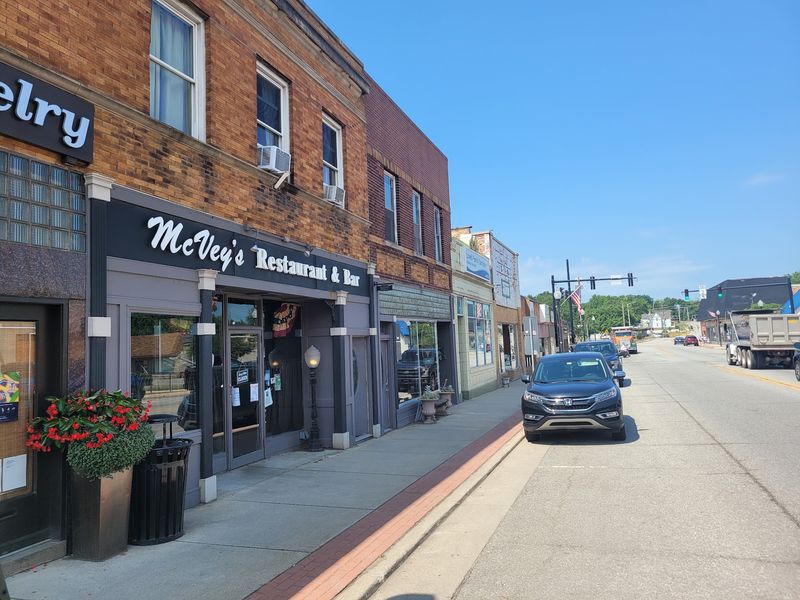
Lowell moves at a pace that can make a rushed visitor slow down without much effort. The town’s older brick buildings and longtime landmarks give downtown a steady, familiar look.
Olde Towne Square is a good place to begin because it anchors the traditional center. Nearby streets show off the kind of Main Street setting many larger places have struggled to keep.
Instead of flashy attractions, Lowell leans on consistency. Storefronts, sidewalks, and civic spaces create a simple backdrop for errands, lunch, and easy wandering.
That is part of the appeal for travelers who want calm rather than a packed schedule. A short stop can still feel satisfying because the town center is readable and welcoming.
Look around for older details in the architecture, especially along the brick commercial blocks. Those touches help Lowell feel pleasantly removed from the faster rhythm of bigger Indiana cities.
Families may enjoy a casual afternoon here because there is not much pressure to plan every minute. Grab a bite, walk around the square, and let the town reveal itself gradually.
Morning and early evening are especially nice for photos, when softer light settles on the old masonry. The visuals are straightforward in the best possible way.
Visitors coming from northwest Indiana suburbs often notice how quickly the mood changes once they arrive. Traffic noise fades, and the center reads more like a lived-in community than a pass-through stop.
For map searches, Olde Towne Square Lowell is the most practical starting point. From there, it is easy to cover the downtown on foot and spot the local businesses that shape daily life.
Lowell earns its place on this list by offering a scene rooted in ordinary pleasures. Brick streetscapes, familiar community landmarks, and a grounded small-town rhythm do the work quietly and very well.
3. Nappanee
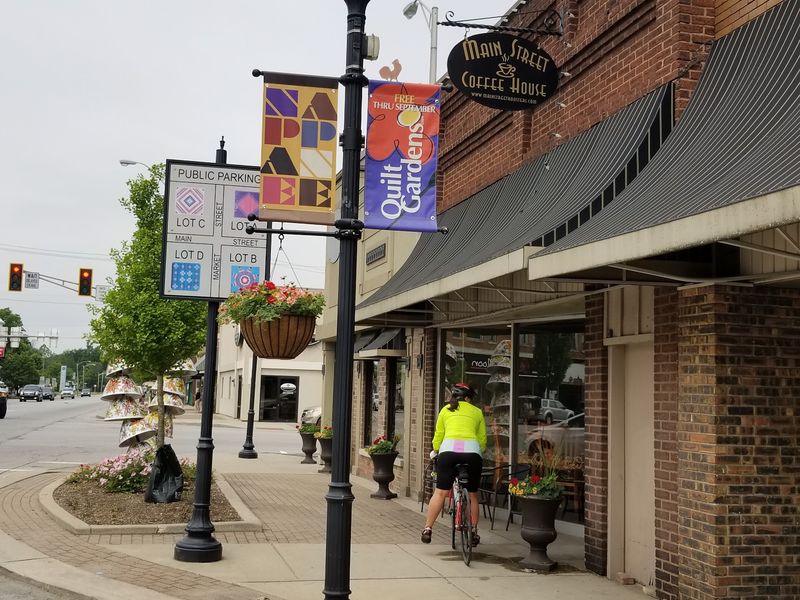
Nappanee carries its heritage in plain view, and that directness gives the town much of its charm. Agriculture, Amish-country traditions, and preserved downtown buildings all meet in one compact setting.
Walking through the center, visitors will notice repurposed historic structures now holding shops, eateries, and other local businesses. Murals add color without breaking the older character of the streets.
Several local properties and districts appear on the National Register of Historic Places, which strengthens the sense that Nappanee takes preservation seriously. Even so, the town does not come across as staged.
Life here reads practical first, picturesque second, and that balance matters. It means travelers can enjoy the nostalgic side of Nappanee while still seeing a working community.
Downtown is easy to explore on foot, especially for visitors who prefer browsing over rushing. A flexible schedule works better than trying to cram every stop into one tight afternoon.
Local shops are part of the fun, but so are the textures between them. Brick walls, older cornices, signs, and small details in the streetscape give the town its visual rhythm.
Because Nappanee sits in an area tied closely to farming and Amish life, the surrounding roads can be just as memorable as downtown itself. A leisurely drive before or after town adds useful contrast.
Anyone planning a visit should search central Nappanee or downtown Nappanee on Google Maps for the easiest start. Parking, short walks, and casual browsing all fit naturally here.
The best approach is to leave room for unplanned stops, whether that means a bakery, a storefront mural, or a conversation with a shop owner. Nappanee rewards attention better than speed.
Among Indiana towns with old-fashioned appeal, Nappanee stands out for how many layers meet at once. Heritage, architecture, and everyday commerce share the same blocks without crowding one another out.
4. Tell City
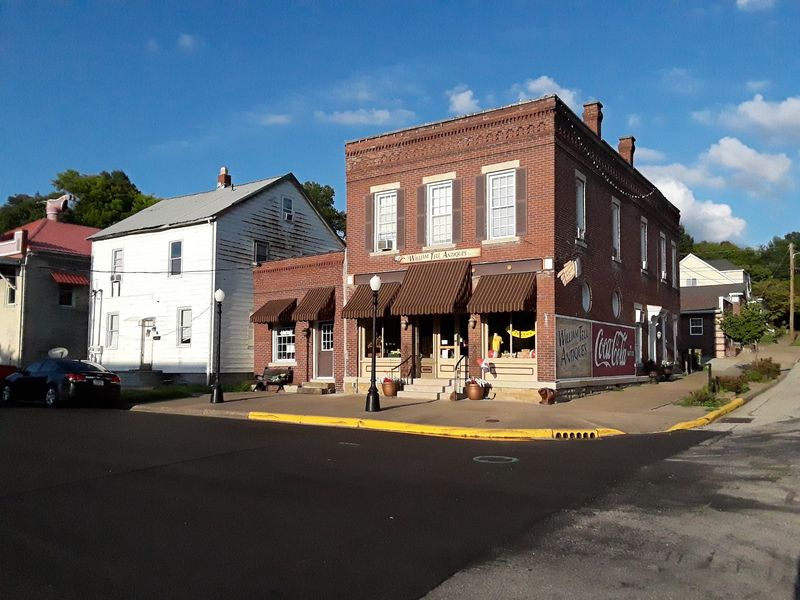
River towns often carry a built-in sense of calm, and Tell City uses that advantage well. Set along the Ohio River in southern Indiana, it mixes scenery with a downtown shaped by long local history.
The water adds openness to the experience, while the town center keeps things grounded. Together, they create an easy rhythm for visitors who prefer lingering over rushing.
Tell City’s Swiss heritage gives the community an identity that feels distinct without turning the place into a theme. Historic surroundings and traditional streets make the story visible in everyday ways.
Downtown works best when explored slowly, with time for storefronts, side streets, and a look toward the river. The point is not to race from attraction to attraction.
Instead, Tell City invites a lower-key kind of travel day. Sit down for a meal, take a walk, and notice how generations of local life have shaped the central blocks.
Travelers interested in map planning should search downtown Tell City or Tell City riverfront to orient themselves. Once there, the layout makes casual exploration fairly simple.
Southern Indiana light can be especially pretty near the river in the late afternoon. That is a smart time for photos, especially if old buildings and water views are both on the list.
Another strength is the town’s scale. It offers enough to fill a relaxed visit without becoming complicated or demanding.
For people seeking slower-paced Indiana communities, Tell City fits naturally. Its setting does much of the work, but the traditional downtown keeps the visit from becoming all scenery and no substance.
Tell City belongs on this list because it balances heritage, landscape, and ordinary community life in a steady way. The result is memorable without trying too hard, which suits this theme perfectly.
5. Bargersville
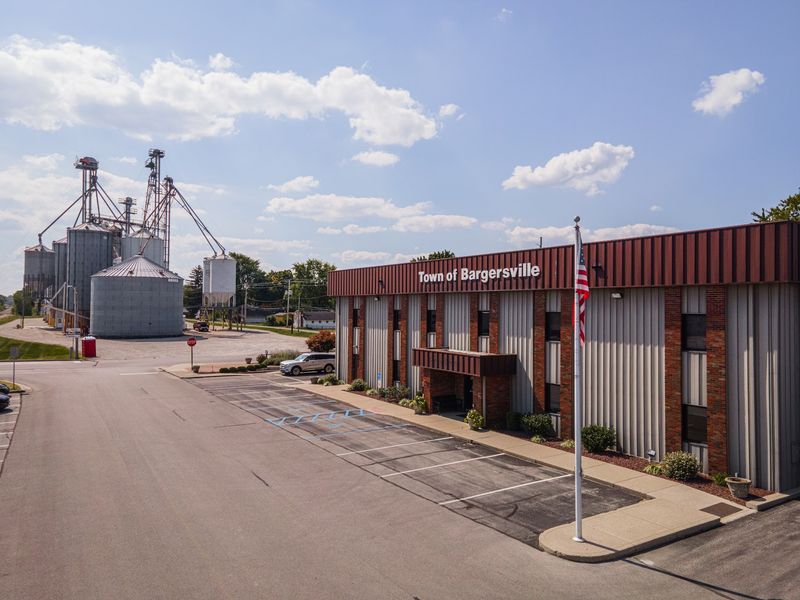
Bargersville proves a town can stay grounded even while sitting within reach of a major metro area. South of Indianapolis, it offers a quieter setting shaped by neighborhoods, community spaces, and surrounding countryside.
That balance is the key draw here. Residents and visitors can access city conveniences without giving up the slower patterns that define traditional Hoosier small-town life.
The town does not rely on a dramatic landmark to make its point. Instead, Bargersville wins people over through scale, comfort, and streets that feel connected to everyday routines.
Drive in from busier suburban corridors, and the shift becomes obvious quickly. Buildings spread out a bit more, traffic eases, and the overall mood grows less hurried.
For visitors, Bargersville works best as a low-pressure stop rather than an all-day checklist destination. Grab a meal, spend time outdoors, and notice how the countryside frames the community.
Established neighborhoods help create a settled appearance that newer growth sometimes lacks. That visual steadiness gives the town a lived-in quality many travelers appreciate.
Map users can search Bargersville Town Hall or central Bargersville as a starting point, then branch out to nearby local businesses and public gathering areas. Short drives link most places easily.
Another advantage is how practical the town feels. Nothing seems built only for visitors, which makes the experience more believable and less polished for show.
People looking for postcard-style historic blocks may find other towns on this list stronger in that category. Bargersville shines instead through its blend of comfort, convenience, and open space.
That mix earns it a place here. It captures a modern version of peaceful Indiana living, where community life, nearby fields, and a manageable pace still shape the day in clear ways.
6. Zionsville
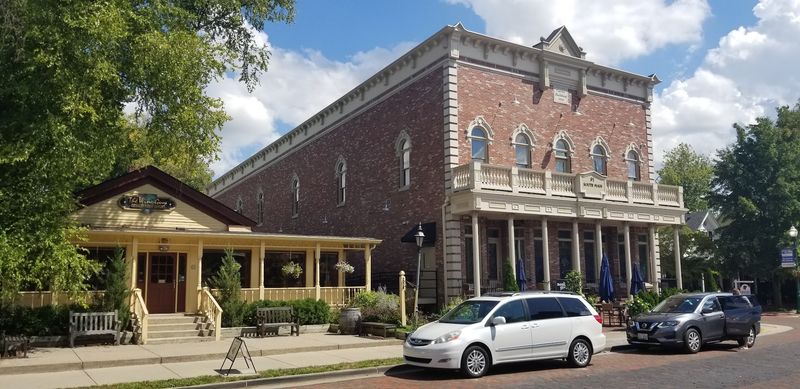
Few Indiana streets make a first impression as quickly as Zionsville’s brick-paved Main Street. The road itself sets the tone, and the historic storefronts on either side complete the picture.
Shops, restaurants, and older facades line the corridor in a way that is instantly recognizable. Visit Indy even describes the community as a quaint and quiet village, and that label fits.
The bricks matter because they change how the whole district reads. Cars slow down, footsteps sound different, and the center takes on a more deliberate pace.
Zionsville is polished, but it still works for this list because the core streetscape remains so visually rooted in small-town form. The buildings feel close together, walkable, and easy to enjoy without a plan.
Visitors should start along Main Street and give themselves time to wander side blocks. Window shopping works especially well here because the setting itself is part of the entertainment.
Food stops can break up a visit nicely, but even simple things like crossing the street or sitting on a bench are enjoyable when the surroundings are this strong. That is not true everywhere.
Morning brings a calmer look, while evenings can add more energy without ruining the village mood. Either way, comfortable walking shoes are the better choice over a packed itinerary.
Google Maps users will want Zionsville Main Street as the clearest anchor point. Parking nearby makes it easy to cover the district on foot.
Photographers will appreciate the texture of the bricks, the rhythm of storefronts, and seasonal decorations when they appear. The town presents itself well from almost any angle.
Zionsville lands on this list with very little argument needed. A famous brick street, preserved commercial blocks, and a calm village identity bring the Norman Rockwell comparison into plain view.
7. Westville
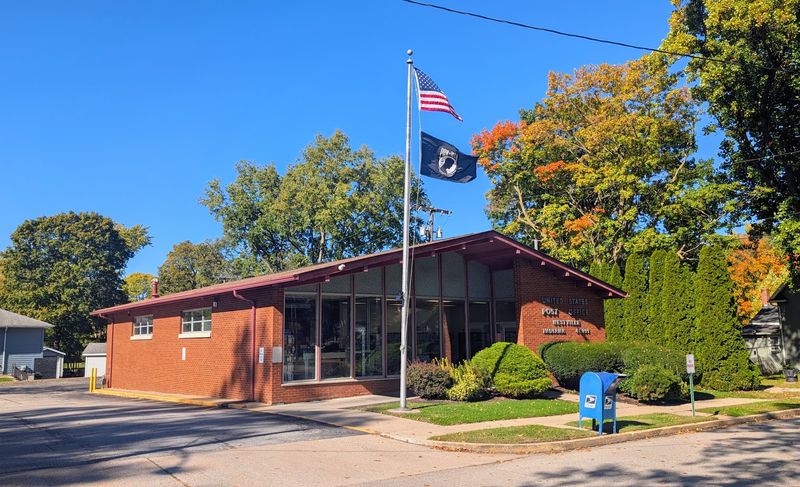
Westville does not announce itself loudly, which is part of the appeal. The town maintains a rural small-town character while staying within reach of Lake Michigan, Michigan City, La Porte, and Valparaiso.
That location gives Westville an interesting advantage. People can stay connected to larger nearby communities while enjoying a quieter daily setting with fewer distractions.
The town’s charm comes less from a single famous street and more from the overall lifestyle it suggests. Rural roads, modest local blocks, and a slower pattern of movement shape the experience.
For travelers, Westville works nicely as a pause between busier northwest Indiana stops. It is a place to catch breath, drive local roads, and see how the region changes outside major corridors.
Because the town highlights closeness to bigger places without surrendering its rural identity, it offers a useful reminder. Peace and convenience do not always have to compete.
Visitors should keep expectations tuned to subtle pleasures rather than oversized attractions. The reward here is the calmer scale, not a packed entertainment district.
Google Maps searches for Westville, Indiana, or Westville Town Hall provide practical starting points. From there, local exploration is best done slowly, especially if nearby countryside is part of the plan.
Morning drives can be especially appealing, when roads are quiet and the landscape still feels wide open. Bring patience and curiosity instead of a strict schedule.
Westville also works well for people who like to combine regional trips. A day might include a lake-area destination, then finish with a more settled, rural note here.
Among towns on this list, Westville is one of the most understated. That understatement is exactly why it belongs, offering a clear example of how peaceful Indiana living can exist close to larger regional hubs.
8. Carmel
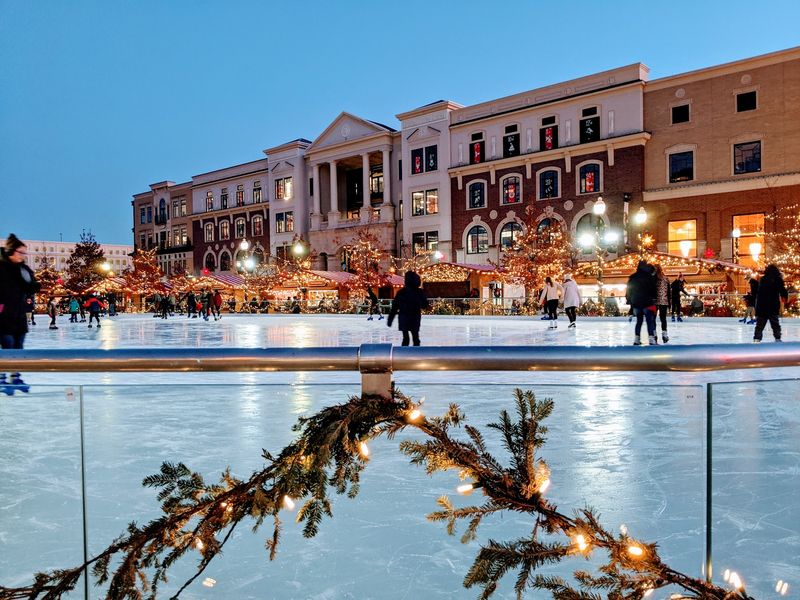
Carmel may be one of the more polished names on this list, yet parts of it move with surprising ease. The best example is the walkable Arts and Design District near the Monon Greenway.
Galleries, locally owned shops, restaurants, public art, and bits of historic charm give the district variety without making it chaotic. People can browse, eat, and stroll without constantly checking the clock.
The Monon Greenway adds another layer by threading movement through the area at a human scale. Bikes and walkers keep the scene active, but not frantic.
Carmel stands apart from older small towns because its charm mixes refinement with accessibility. Streets are clean, public spaces are carefully shaped, and the district still invites lingering rather than rushing.
Visitors who usually avoid busy suburbs may be pleasantly surprised here. The design encourages exploration on foot, which changes the mood right away.
Starting around Main Street and Range Line Road is a practical move for first-timers. From there, it is easy to connect the Arts and Design District with a stretch of the Monon.
Public art gives casual walks more to notice, while restaurants make it simple to turn a short outing into a fuller afternoon. Even people with no shopping plans can enjoy the district.
Because Carmel blends newer planning with visible nods to history, it brings a different version of nostalgic appeal. It is less old-fashioned than some towns here, but still welcoming and readable.
Good weather makes the district shine, especially when outdoor seating and trail traffic add life without overwhelming the streets. Early evening can be especially pleasant.
Carmel earns a place on this list by proving peace does not always require a tiny population. In the right district, thoughtful design, walkability, and local detail can create a calm rhythm of their own.
9. Fishers
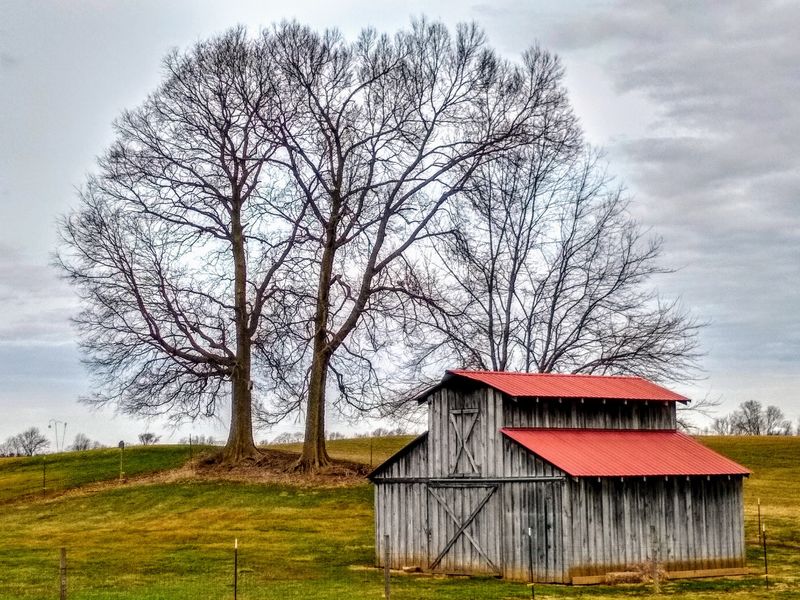
Fishers is growing, but its community heart is easy to spot once the Nickel Plate District comes into view. That area acts as the town’s downtown cultural hub, mixing gathering spaces, dining, events, and entertainment.
The district gives Fishers a center of gravity. Instead of spreading local energy too thin, it pulls people toward walkable blocks where community life becomes visible.
What helps the town fit this list is the way busier public spaces connect to calmer ones. An extensive park and trail system offers plenty of room to step away from the main action.
That combination matters for visitors who want choices. A day can include lunch, a casual walk, and then time on a trail without long drives between stops.
Fishers does not present nostalgia in the same way as a courthouse square or century-old main street. Its version is more about shared community routines and well-used public places.
Families often appreciate how manageable the town feels once parked in the district. From there, it is easy to move at an easy pace and adapt the plan as the day unfolds.
Google Maps users should search Nickel Plate District Fishers for the clearest starting point. Trail and park options nearby make it simple to expand the visit.
Even though Fishers is larger and newer than several towns on this list, it still provides quiet corners. Green spaces help balance the more active downtown blocks.
Visitors looking for the best mix should aim for a time when the district is lively but not packed. That way, the town’s social energy and relaxed side can both show up.
Fishers belongs here because peaceful community life is not limited to old brick streets. In the right setting, trails, public gathering spaces, and a thoughtfully centered district can create the same welcoming effect.
10. St. John
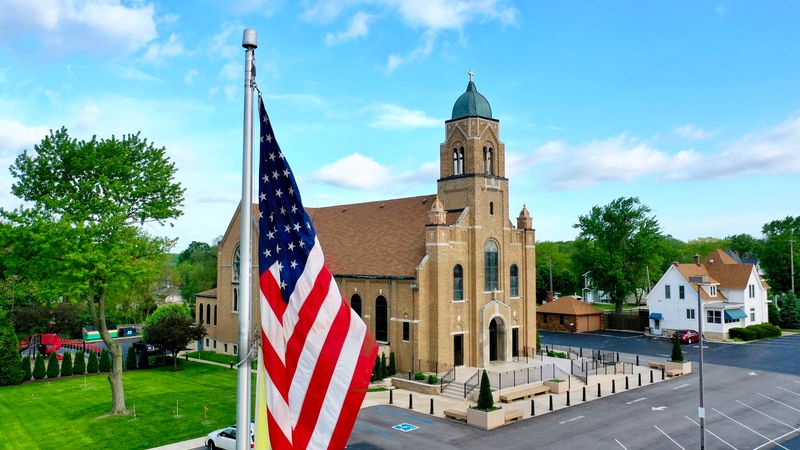
St. John makes its case through everyday livability more than dramatic landmarks. Quiet neighborhoods, more than 20 parks, and an extensive bicycle and pedestrian trail network shape the town’s relaxed identity.
Its location about 24 miles southeast of Chicago adds useful contrast. Residents can remain within reach of a major city while enjoying what the town itself calls a refuge of quiet simplicity.
That phrase rings true when parks and trails become part of the picture. Movement here often happens at the speed of a walk, jog, or bike ride rather than bumper-to-bumper traffic.
Visitors who enjoy community spaces more than tourist attractions may find St. John especially appealing. The town rewards simple plans built around fresh air and unhurried time outdoors.
Trail access makes it easy to connect different parts of town without losing the calm setting. Parks add natural pauses that break up the more residential landscape.
Search St. John Lake Hills Park, Centennial Park, or central St. John on Google Maps to start building a route. Once there, the network of local spaces helps the day unfold naturally.
Because St. John is largely residential, the best visit often comes from combining a scenic walk with a meal or coffee nearby. That practical rhythm suits the town well.
Another advantage is predictability. Streets feel orderly, public spaces are easy to understand, and the pace rarely seems pushy.
People coming from the Chicago area may notice the shift right away. Noise drops, distances feel more manageable, and the landscape opens up just enough to reset the mood.
St. John earns a place on this list by showing a quieter side of northwest Indiana life. Parks, paths, and calm neighborhoods create the kind of everyday American scene that fits the theme with ease.
11. Decatur
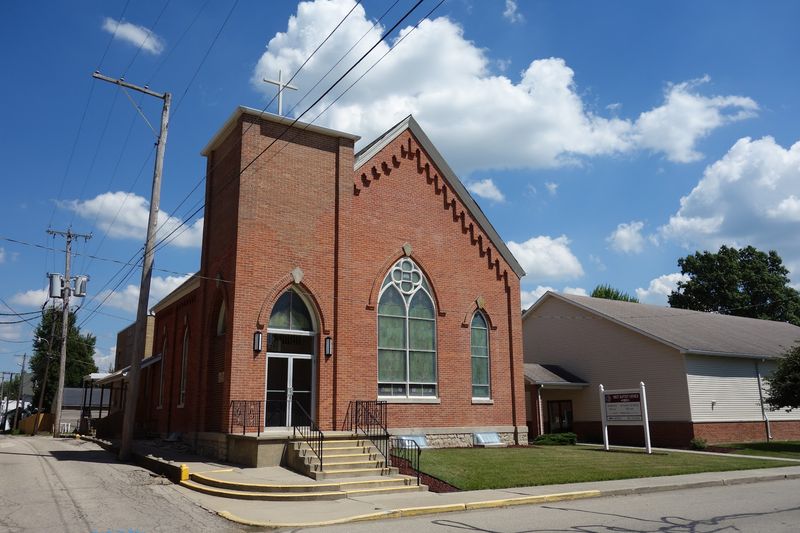
Decatur brings a sturdy, straightforward kind of charm that suits northeastern Indiana well. Historic brick architecture, a traditional downtown, and surrounding agricultural country all help define its character.
There is no need for flash here. The appeal comes from familiar building lines, community-oriented streets, and a pace that leaves room for ordinary daily life.
Downtown is the obvious starting point because it shows how the town holds together visually. Brick commercial blocks give the center a classic Midwestern look without trying too hard.
The nearby farmland matters too, even when visitors spend most of their time in town. It frames Decatur as a place connected to the region’s working landscape, not separated from it.
People looking for everyday Americana will find plenty to appreciate. This is the sort of setting where a simple walk past local businesses can say more than a long attraction list.
Google Maps users should search downtown Decatur, or the Adams County Courthouse as a practical anchor. From there, the surrounding streets are easy to cover at a relaxed pace.
Morning visits often show the town at its clearest, when light picks up the brickwork and daily routines are getting started. The effect is plainspoken and appealing.
Decatur also works well as part of a wider drive through northeastern Indiana. Short stops here can balance larger destinations with a more grounded community experience.
Another strength is the town’s scale. It feels manageable enough to understand quickly, yet detailed enough to hold attention for more than a quick pass-through.
Decatur belongs on this list because it captures the visual language of small-town Indiana so well. Brick storefronts, farm-country context, and a steady civic center combine into a scene that reads calm, practical, and enduring.
12. Columbus
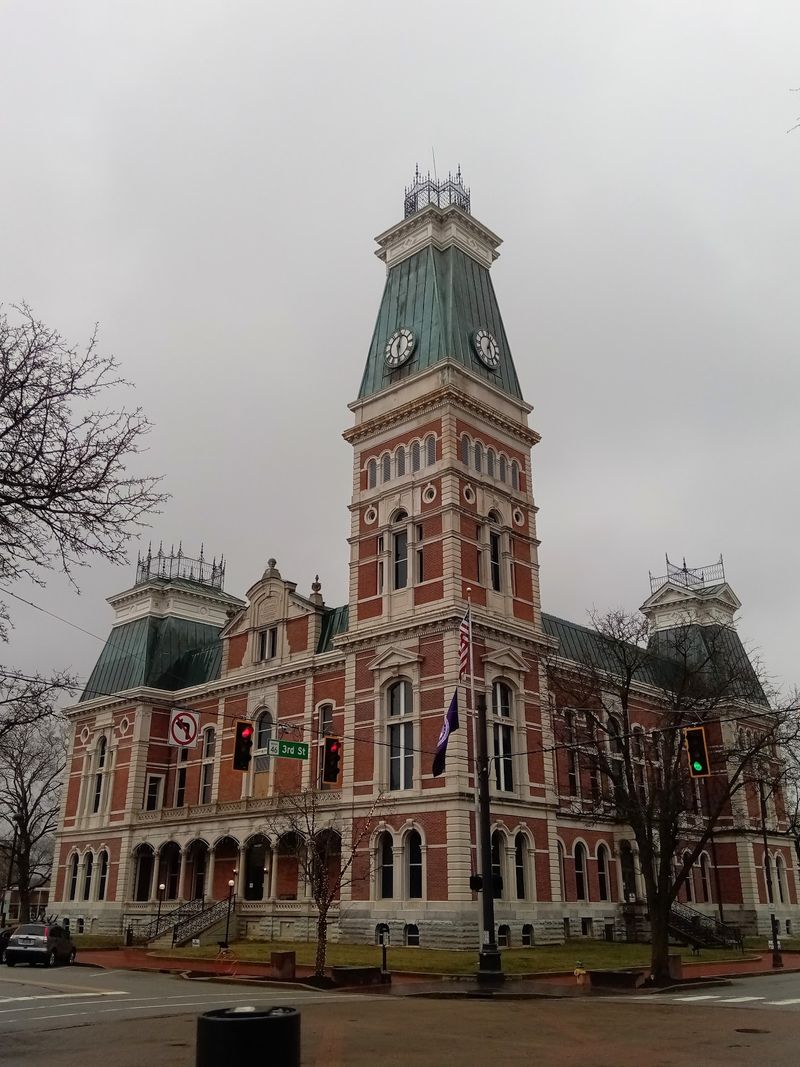
Columbus enters this conversation from a different angle, and that is exactly why it works. The town pairs a lively downtown with internationally celebrated architecture, public art, local businesses, and inviting outdoor spaces.
At first glance, modernist buildings may seem far removed from a Norman Rockwell mood. Spend time downtown, though, and the picture grows more layered.
Locally owned shops, walkable blocks, and community gathering places keep Columbus grounded. Then nostalgic touches, including the beautifully preserved Zaharakos ice cream parlor and soda fountain, bring in a more classic note.
That blend makes Columbus one of the most interesting entries on this list. It respects design innovation while still offering the kind of everyday downtown pleasures many travelers hope to find.
Visitors can start near Zaharakos at 329 Washington Street, then branch out through the surrounding center. Public art and notable buildings turn a normal walk into a more observant one.
Outdoor spaces help soften the urban edges and give people room to pause between shops, meals, and architecture stops. The result is active without feeling frantic.
Columbus is a strong pick for travelers who like towns with visible personality. It does not rely on a single era, and that makes the place richer.
Photography fans will have plenty to work with, from sleek building lines to vintage storefront details. Very few Indiana downtowns offer that range in such a compact area.
Good planning helps because there is more to notice here than in some quieter towns on this list. Even so, Columbus still rewards unstructured wandering.
Its place here comes from contrast handled well. Columbus shows that peaceful charm does not have to look identical everywhere, especially when great architecture, local color, and old-fashioned treats share the same downtown blocks.