A platter of snow crab legs lands on the buffet, and suddenly everyone nearby becomes much more alert. Tongs move faster. Plates get rearranged. Any plan to “start light” disappears almost immediately.
That is the kind of cheerful chaos waiting at AC Umi Sushi & Seafood Buffet in Egg Harbor Township, where the selection stretches from lobster and sashimi to bubbling hot pot and made-to-order ramen.
Located on Black Horse Pike, roughly three miles from the Atlantic City Boardwalk, this sprawling restaurant offers an alternative to another night of casino dining.
The room is big, the choices are almost comically broad, and the included drink station goes well beyond ordinary fountain soda. This is not the place for a quick little nibble before dinner.
It is the dinner, the side quest, and possibly tomorrow’s skipped breakfast. Arrive hungry, take a scouting lap before filling a plate, and leave enough room to discover what is coming out next.
A Seafood Feast Just Minutes From Atlantic City
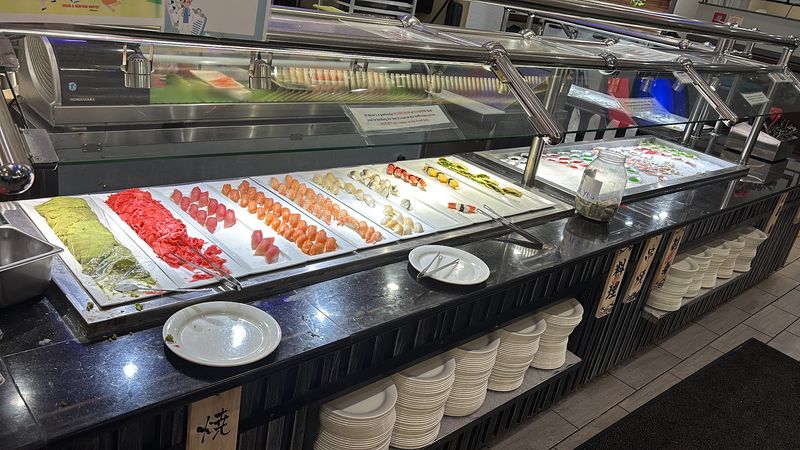
Atlantic City has no shortage of casino restaurants, celebrity-chef dining rooms, and places where dinner requires a reservation made days ago. AC Umi takes a more relaxed route.
The buffet sits at 6725 Black Horse Pike, Unit P2, in Egg Harbor Township, about a 10-minute drive from the Boardwalk when traffic cooperates. That makes it close enough for visitors staying in Atlantic City but far enough from the casino district to feel like a local find.
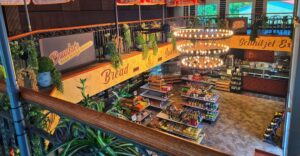
The setting is large and lively, built for families, groups of friends, and anyone whose dinner companions cannot agree on a single cuisine. One person can head straight for the seafood while another loads up on sushi, noodles, grilled meats, or familiar Chinese buffet favorites.
That flexibility is a big part of the appeal. Nobody has to pretend to be excited about sharing one appetizer.
The dining room also handles the particular logistics of buffet eating well, with enough space for diners to move between stations and return with increasingly ambitious plates. Used dishes tend to accumulate quickly during an all-you-can-eat meal, so attentive table clearing matters more here than it would at a traditional restaurant.
The overall experience is casual, but the selection gives it a bigger-occasion feel. You could bring the family after a day at the shore, gather a group for a birthday dinner, or stop in before an evening in Atlantic City without turning the meal into a formal event.
Before choosing anything, take one complete walk around the buffet. With seafood, sushi, hot dishes, hot pot ingredients, ramen, drinks, and desserts competing for plate space, filling up at the first station is the easiest rookie mistake to make.
Crab Legs and Lobster Take Center Stage
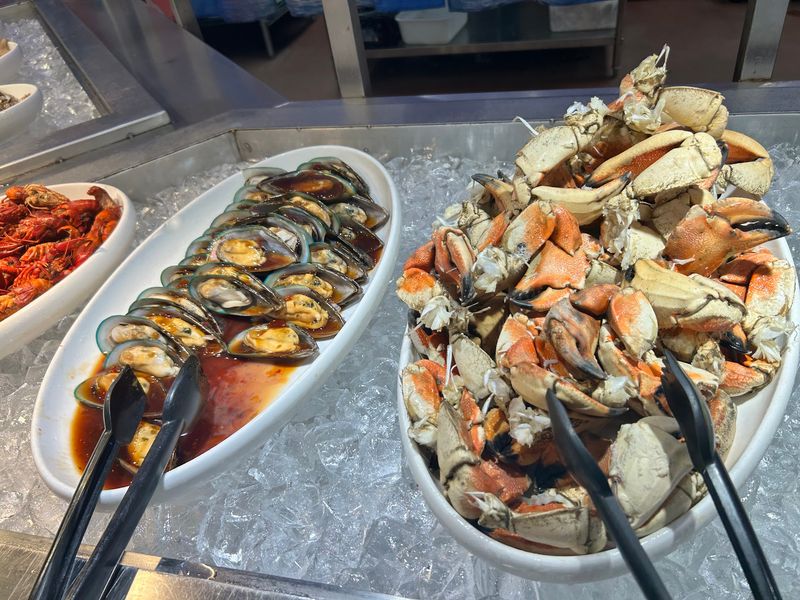
Watch what happens when a fresh tray of crab legs appears. Conversations pause, diners glance toward the seafood station, and at least a few people suddenly remember that they were ready for another plate.
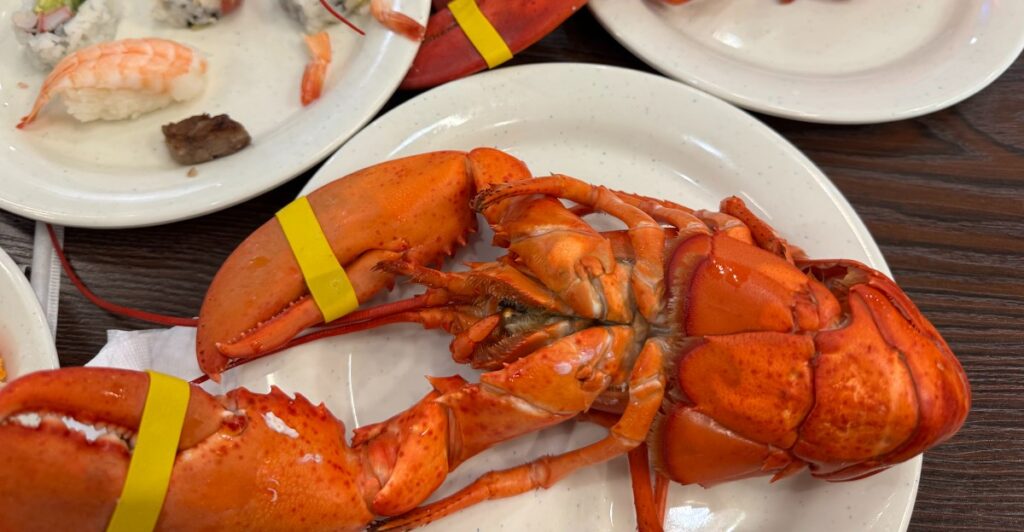
Snow crab legs are among AC Umi’s signature attractions, served as the kind of centerpiece that separates a seafood buffet from a standard collection of steam-table dishes. Depending on the day and service period, the larger spread may also feature lobster preparations, shrimp, mussels, clams, crawfish, fish, and seafood boil selections.
Ginger-scallion lobster has been one of the especially tempting options associated with the buffet, bringing plenty of savory sauce to the plate and making a stack of napkins a practical necessity. Availability can change as trays rotate, however, and premium items may not appear in exactly the same form at every meal.
That variability is simply part of buffet life. The smartest approach is to look over the seafood station before committing to a plate and notice what has just been replenished.
Freshly stocked crab legs are worth prioritizing; a mountain of fried appetizers will still be there later. Pacing also matters.
Crab takes time to crack and eat, which naturally slows the meal down in a room designed to encourage return trips. That is a good thing.
Rather than building one overloaded plate where sauces run together, take smaller rounds and let each item make its case. The restaurant generally falls in the roughly $30-to-$40-per-person range, though prices can differ between lunch and dinner and may change.
Whether that feels like a bargain depends on what you eat, but crab legs and lobster certainly strengthen the value equation. For committed seafood fans, two carefully chosen plates can make far more sense than a random tower of everything within reach.
The Sushi Selection Goes Far Beyond the Basics
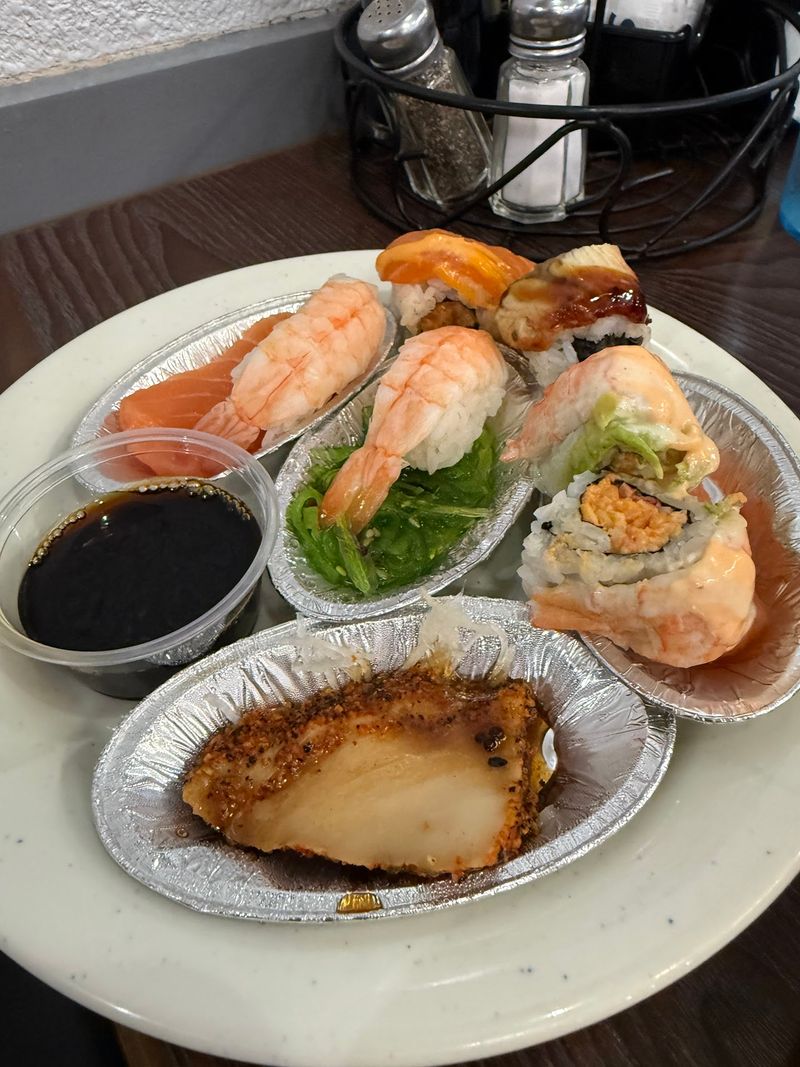
The sushi counter deserves attention before the heavier dishes start calling. Instead of offering only a few trays of California rolls as a technicality, AC Umi gives this side of the buffet real range.
Diners may encounter assorted specialty rolls alongside nigiri and sashimi, with seafood such as salmon, tuna, mackerel, squid, scallop, and roe appearing in the rotation. Exact choices vary, so the fun is partly in seeing what the chefs have prepared that day.
This is where restraint becomes useful. Choosing two or three pieces at a time lets you sample more varieties without filling half a plate with rice before reaching the crab station.
It also keeps delicate fish away from hot, saucy foods that have no business sharing the same corner. A piece of sashimi loses some of its charm after a nearby spoonful of lo mein slides into it.
The sushi bar can also be a helpful first stop while the dining room is busy. Cold selections are easy to examine, portions are naturally small, and a measured opening round gives you time to see which hot trays are being refreshed.
Diners who prefer cooked seafood still have plenty to work with, including shrimp rolls and other familiar combinations. More adventurous eaters can look for sashimi or less common toppings instead of treating every plate as another pass at the same roll.
Because this remains a high-volume buffet rather than a quiet omakase counter, expectations should match the format. The reward is not a prolonged presentation from a chef; it is the freedom to compare several styles in one sitting and then go back for the pieces that stood out.
When a group includes both serious sushi fans and people who will not touch raw fish, that breadth keeps dinner pleasantly uncomplicated.
Hot Pot and Ramen Add Even More Variety
On one side of the table, someone is cracking crab legs. Across from them, a pot of broth is simmering with vegetables, noodles, and thin slices of meat.
That combination neatly explains why AC Umi feels different from the usual seafood buffet. Hot pot turns part of the meal into a cook-at-the-table experience, allowing diners to choose ingredients and build a bowl around their own preferences.
Depending on the setup available during the visit, guests can assemble combinations of greens, mushrooms, seafood, noodles, dumplings, and meat, then let the broth do the work. If hot pot is a priority, mention it when being seated rather than waiting until the table is already crowded with plates.
The process rewards a little patience. Add sturdy vegetables and items that need more cooking time first, then follow with delicate greens, seafood, or thinly sliced meat.
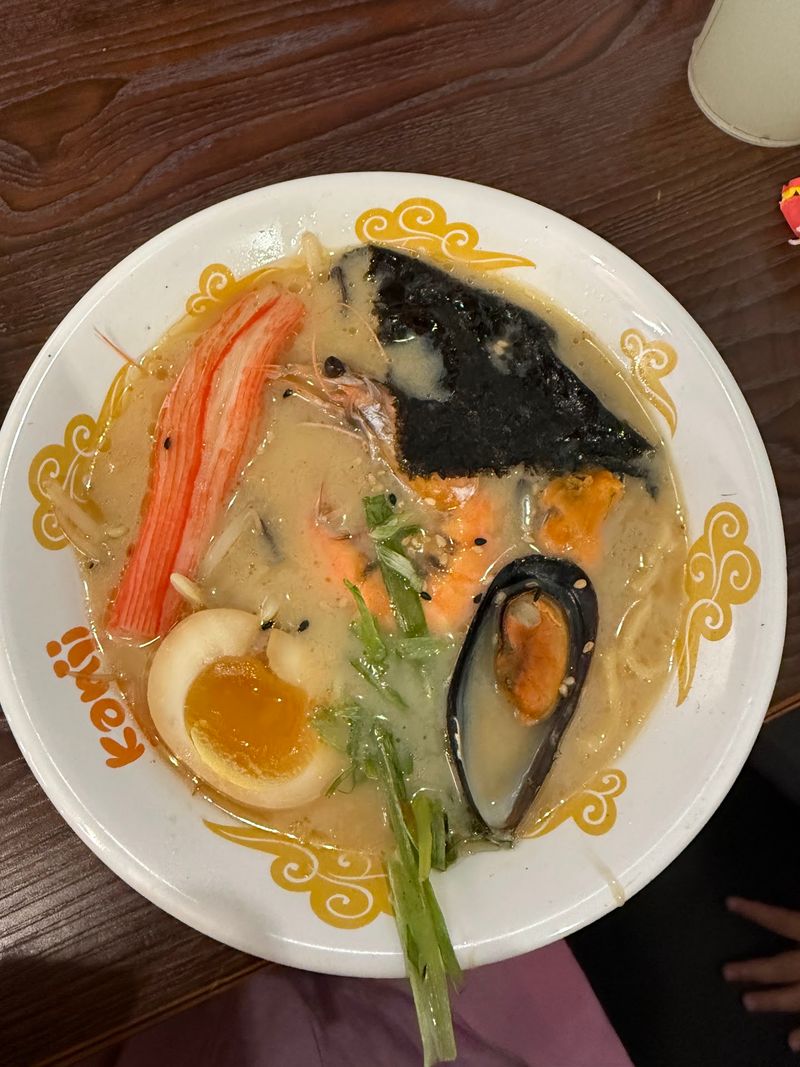
Do not throw every ingredient into the broth at once unless the goal is to create a mystery stew. Ramen provides another route for anyone who wants a hot, composed dish without relying entirely on the main buffet trays.
A bowl of noodles can be especially satisfying on a cold South Jersey evening, although it is also one of the fastest ways to run out of room. Splitting a bowl or saving it for a later round is usually the wiser move.
Together, hot pot and ramen give the restaurant more depth than a long line of ready-made food alone. They also solve a common group-dining problem: not everyone wants the same kind of meal at the same pace.
One person can linger over broth and noodles while someone else makes a second pass through the sushi counter. The table becomes a collection of individual dinners rather than six copies of the same buffet plate.
Bubble Tea Makes the Buffet Deal Even Sweeter
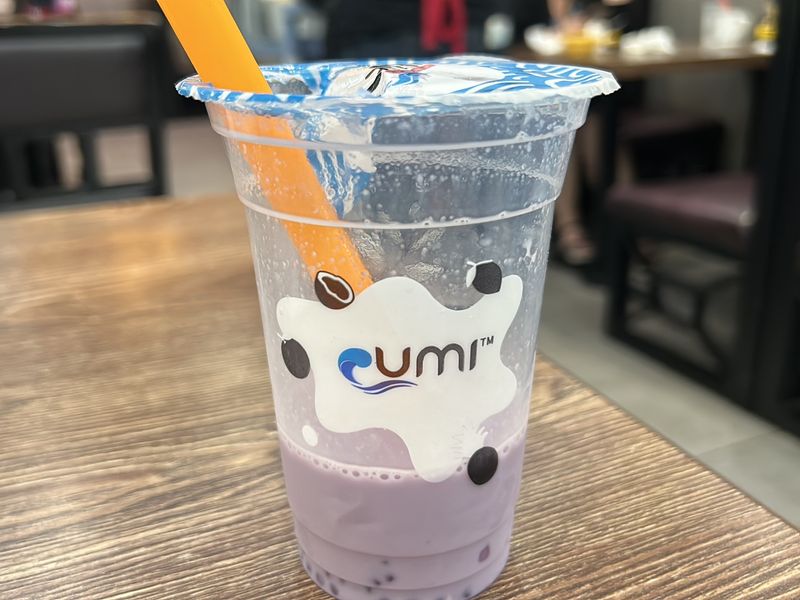
The surprise hit may arrive in a cup rather than on a plate. Drinks are included with the buffet, and the choices have featured milk tea, bubble tea, and fruit tea alongside more conventional beverages.
At many restaurants, ordering a specialty drink pushes the final bill noticeably higher. Here, being able to pair seafood and sushi with a cold tea adds a small but meaningful bit of value, especially for families or groups where nearly everyone would otherwise order a separate drink.
It also introduces one more decision into a meal already packed with them. Milk tea brings a creamy sweetness that works best as a break between savory rounds, while fruit tea tends to feel lighter after a plate of fried or buttery seafood.
Add tapioca pearls carefully. They are fun, but they are also surprisingly filling, and this is not the moment to surrender valuable stomach space to half a cup of boba.
The drink station is one of the details that makes AC Umi feel designed for lingering rather than rushing through a single plate. Guests can switch beverages between rounds, cool down after a spicy dish, or finish the meal with tea instead of immediately heading for dessert.
There is a practical advantage, too: seafood, soy sauce, broth, and fried dishes can all be salty, so staying hydrated makes the later stages of the buffet much more enjoyable. Dessert options may include cakes, fruit, puddings, pastries, or ice cream, but the tea selection can stand in as a less heavy finish.
After crab legs, sushi, hot pot, and ramen, “less heavy” becomes an attractive phrase. The included drinks do not overshadow the main event, yet they help explain why the buffet feels more complete than a simple pay-one-price food line.
What to Know Before Visiting AC Umi
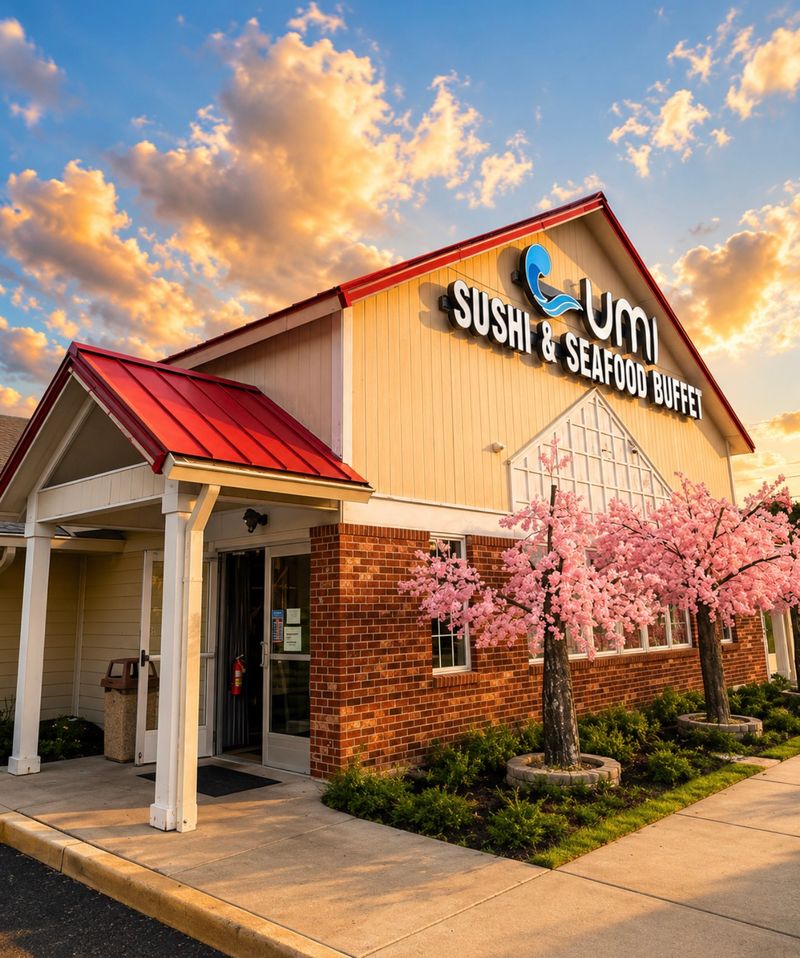
Timing can shape the entire meal here. AC Umi opens at 11 a.m. daily and closes at 10 p.m.
Sunday through Thursday, with hours extended to 10:30 p.m. on Friday and Saturday. Holiday schedules may differ, and arriving shortly before closing is rarely the best strategy at any buffet.
An earlier lunch can mean a calmer dining room and freshly opened stations, while dinner and weekends generally bring more energy, more families, and potentially more competition when premium seafood is replenished.
The restaurant does not currently offer online reservations or a digital waitlist for this location, so larger groups should call ahead at 609-380-7592 to confirm arrangements.
Prices can change and may vary by day or meal period, but diners should generally expect the experience to land around $30 to $40 per adult. Confirming the current rate is sensible if several people are coming or if lobster and specific crab selections are the main reason for the trip.
Once inside, do a quick lap before taking a plate. Check the sushi counter, see which seafood trays look freshly stocked, find the hot pot ingredients, and locate the drink station.
This small bit of reconnaissance prevents the classic buffet problem of getting full before discovering the best item in the room. It is also wise to take modest portions of unfamiliar dishes and return for more only when they earn it.
Buffets are most enjoyable when they are treated as a tasting experience, not an endurance test. At AC Umi, the sheer number of choices makes that approach particularly rewarding.
The restaurant’s appeal is straightforward: it puts crab legs, lobster dishes, sushi, hot pot, ramen, and specialty teas under one roof, just a short drive from Atlantic City, and lets every diner build a meal that looks completely different from the one across the table.
Share this story