A cannonball lodged in a tavern wall, a waterfront capital divided between rival colonies, and a dinosaur dug from a marl pit—New Jersey history has never been especially quiet.
Long before interstates and shopping centers claimed the landscape, settlers were laying out villages beside navigable rivers, building meetinghouses along Indigenous trails, and arguing about taxes in rooms that still survive.
Some of those early communities became major cities. Others kept their brick sidewalks, shaded main streets, and unusually high concentration of houses with plaques beside the door.
Together, they tell a much richer story than a simple timeline can capture. These 18 places span Dutch, Swedish, English, and Quaker settlement, along with the deeper Lenape history that preceded every colonial claim.
Visit them today and the past appears everywhere: beneath modern skylines, behind downtown storefronts, beside quiet creeks, and sometimes directly under your feet. Bring comfortable shoes.
Three centuries can cover a surprising amount of ground.
1. Gloucester City: River Views and Colonial Roots
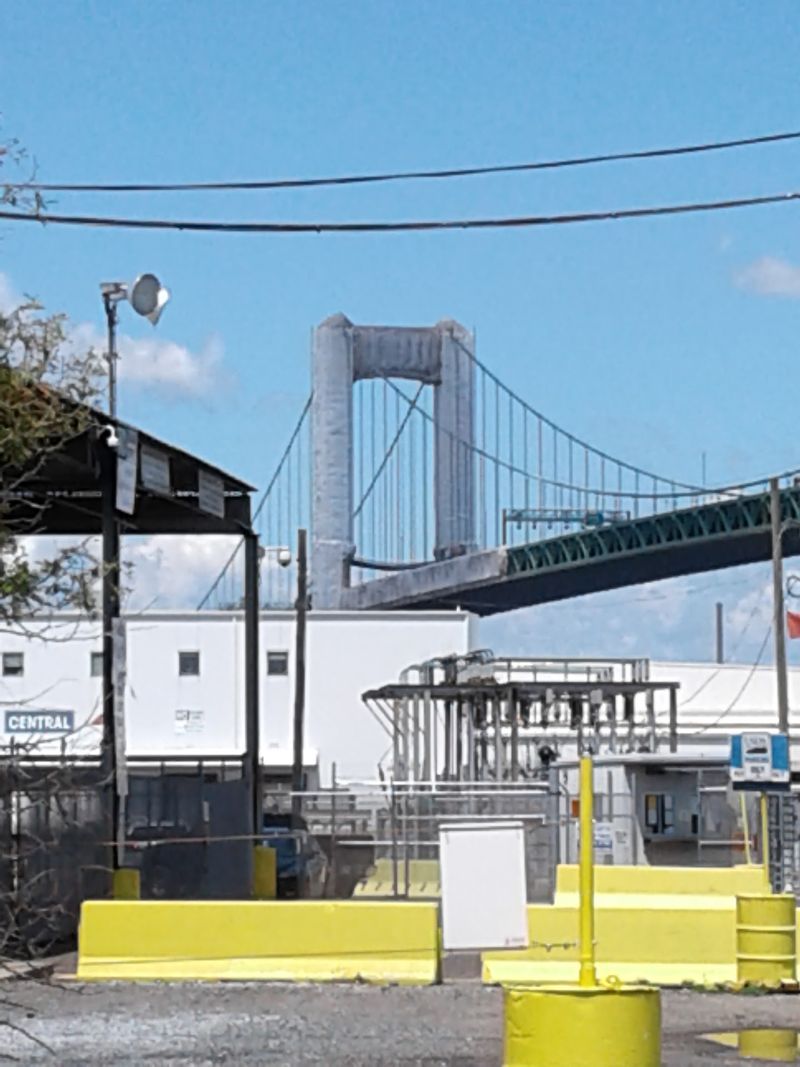
Before Gloucester City had neighborhood taverns, waterfront parks, or even its present name, the Dutch built Fort Nassau along the Delaware River here in the 1620s.
The trading post was intended to support commerce with the Lenape and strengthen Dutch claims in the region, although control of the area would later pass among European powers.
That early foothold gives Gloucester City a legitimate place in any discussion of New Jersey’s oldest communities. The modern city does not resemble a preserved colonial village, and that is part of what makes its story interesting.
Its history is layered beneath a working-class river town shaped by shipbuilding, manufacturing, immigration, and generations of families who made their living along the Delaware. Proprietors Park provides the easiest place to begin exploring.
From its waterfront paths, visitors can look across the same broad river that made this location valuable four centuries ago. History markers explain the significance of Fort Nassau and the colonial activity that followed.
From there, walk through the surrounding streets to see churches, rowhouses, and civic buildings left by later periods of growth. The nearby Walt Whitman Bridge adds a thoroughly modern backdrop, linking the old settlement ground with Philadelphia.
Gloucester City rewards visitors who enjoy places where history has not been polished into a museum piece. The past is embedded in the street plan, the riverfront, and the city’s sturdy, lived-in character.
2. Swedesboro: Small-Town Streets With Swedish Echoes
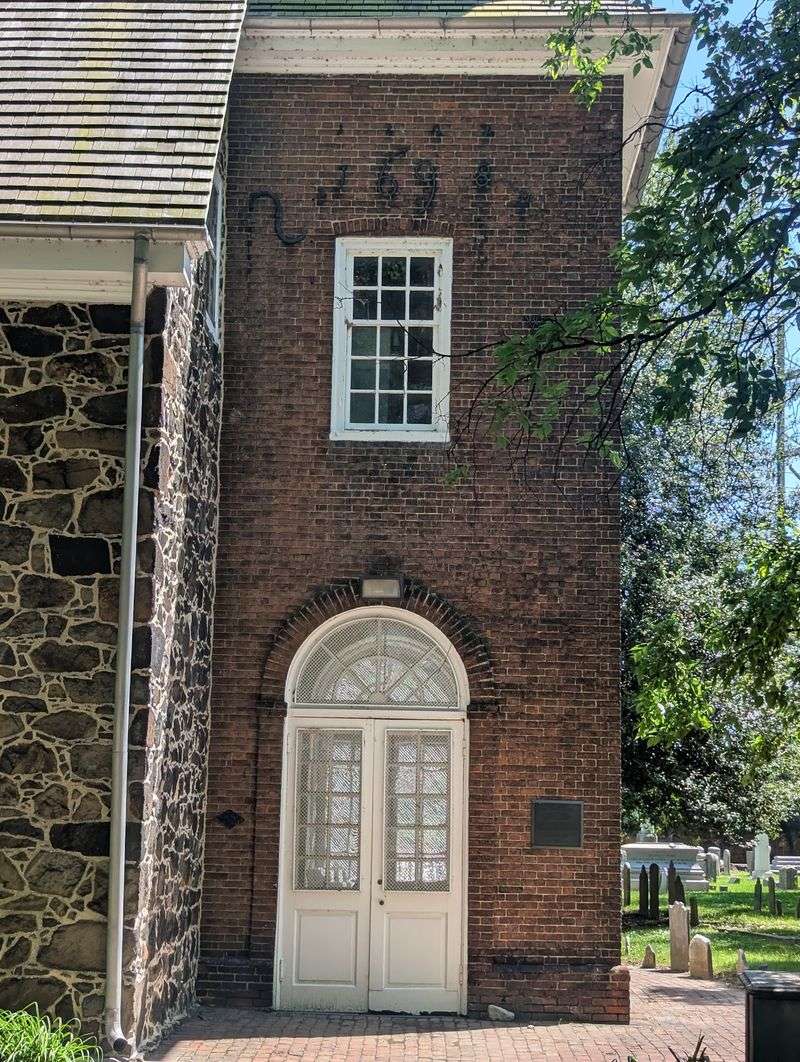
A small churchyard near Kings Highway carries Swedesboro’s story back to the days when this part of South Jersey belonged to New Sweden. Finnish and Swedish settlers arrived in the region during the 1630s and 1640s, establishing farms along Raccoon Creek and creating one of New Jersey’s earliest European communities.
The settlement was first known as Raccoon before taking the name Swedesboro, but its Scandinavian identity never disappeared completely. Trinity Episcopal “Old Swedes” Church is the clearest link to that heritage.
The present brick church dates to 1784, while the congregation traces its origins to a Swedish Lutheran church organized much earlier. Its cemetery contains weathered stones that turn an ordinary walk into a compact lesson in local genealogy.
Downtown Swedesboro has grown around Kings Highway, where restaurants and independent businesses occupy a pleasantly walkable commercial district. The town works well as a history stop because it is neither frozen in time nor overwhelmed by modern development.
Grab lunch, browse the storefronts, and then follow the older roads toward the creek to understand why settlers chose this location. Annual community events often lean into the borough’s local identity, while nearby farms keep the surrounding landscape connected to its agricultural roots.
Swedesboro may be compact, but its story reaches across Indigenous history, Swedish colonization, English rule, and centuries of South Jersey farm life.
3. Jersey City: History Across From Manhattan
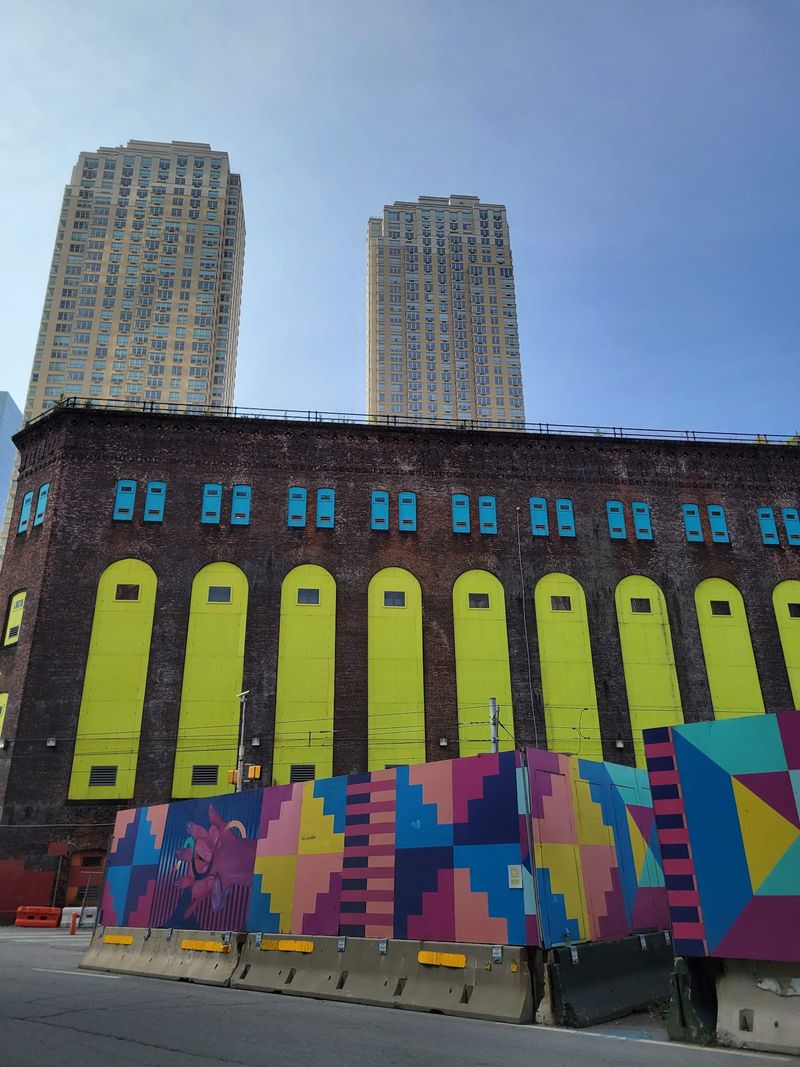
Skyscrapers now rise where colonial settlers once looked across open water toward a much smaller New Amsterdam. To find Jersey City’s earliest chapter, leave the glass towers of the waterfront and head uphill to Bergen Square.
Dutch colonists established Bergen in 1660, creating what is widely regarded as New Jersey’s first permanent European town. The original settlement was laid out around a central square with streets radiating from it, and that basic arrangement remains visible amid today’s traffic and storefronts.
Nearby, the Summit Avenue area preserves churches, brownstones, and civic buildings from later waves of growth. Jersey City’s historic appeal comes from the way one era collides with another.
Paulus Hook remembers a daring Revolutionary War raid led by “Light-Horse Harry” Lee, while the neighborhood now pairs brick rowhouses with cafés and views of Lower Manhattan. Hamilton Park presents a different 19th-century layer, with graceful homes surrounding a leafy public square.
Farther inland, Journal Square developed into an entertainment and transportation hub, anchored by the lavish Loew’s Jersey Theatre. Visitors can connect these districts using PATH trains, light rail, or a determined pair of walking shoes, though the city’s hills deserve respect.
Finish at Liberty State Park, where the skyline, harbor, Ellis Island, and Statue of Liberty pull several centuries of migration and reinvention into one sweeping view. Few New Jersey places display history at such an enormous scale.
4. Elizabeth: A Colonial Capital With Urban Energy
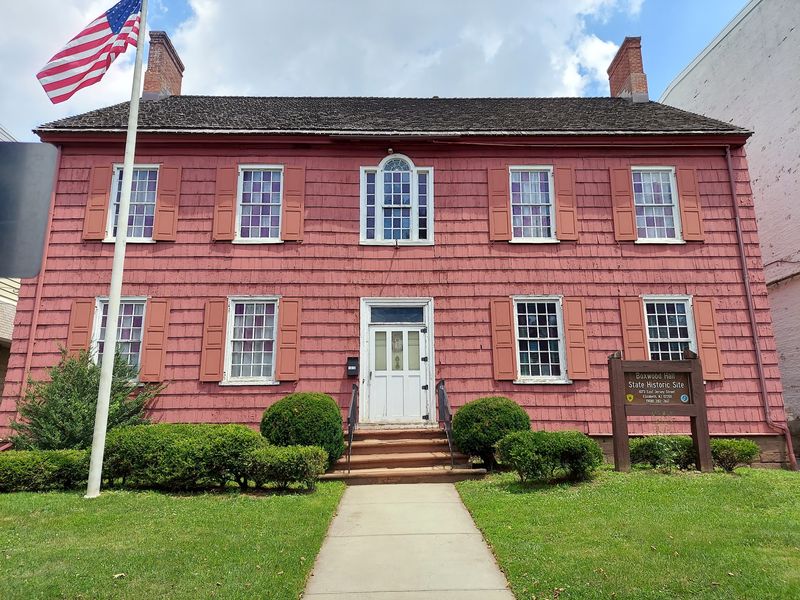
The story begins in 1664, when English settlers established Elizabethtown and named it for Elizabeth Carteret, wife of colonial proprietor Sir George Carteret. For a time, this riverside settlement served as the capital of New Jersey, and its early importance remains visible around the historic core.
Boxwood Hall is the standout stop. The handsome Georgian house was home to Elias Boudinot, president of the Continental Congress, and later welcomed George Washington as he traveled to New York for his inauguration.
A short distance away, the First Presbyterian Church traces its congregation to the city’s earliest years. Its burial ground contains the graves of prominent residents and soldiers connected to the American Revolution, creating an unexpectedly quiet pocket in the middle of a busy urban center.
Elizabeth’s age should not suggest a sleepy destination. Broad Street stays active with shops, bakeries, and restaurants reflecting the city’s Latin American and Caribbean communities, while the Midtown train station makes the historic center accessible without a car.
Those who drive should expect typical city parking rather than a spacious visitor lot. The contrasts are what make Elizabeth compelling: colonial landmarks share blocks with apartment towers, old churches stand beside energetic commercial streets, and the route once traveled by Washington now runs through one of New Jersey’s most diverse cities.
Its story did not stop in the 1700s; it simply kept accumulating new chapters.
5. Middletown: Centuries Along the Bayshore
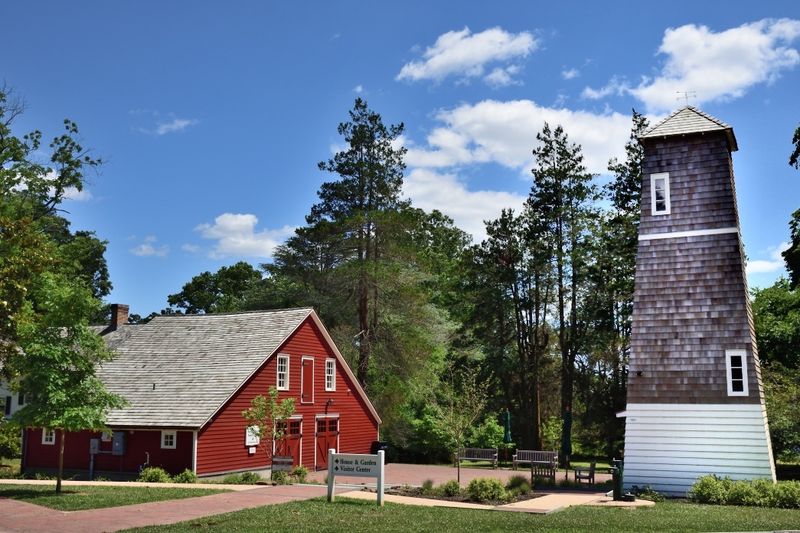
Kings Highway still follows the spine of Middletown Village, preserving the shape of a settlement organized more than 350 years ago. English families began establishing the community in the 1660s after the Monmouth Patent opened the area to colonial settlement.
The village was arranged around individual lots and a central road, a pattern visitors can still recognize in the Middletown Village Historic District. Several surviving landmarks make this more than a drive-by history lesson.
Christ Church’s roots reach into the early 18th century, while the Old First Church grounds and nearby historic houses reflect generations of religious and civic life.
The Taylor-Butler House, maintained by the Monmouth County Historical Association, adds the polished side of 19th-century Middletown through its period rooms and landscaped grounds.
Check tour availability before visiting, since historic-house schedules can be limited. For a broader sense of the land itself, continue to Poricy Park, where wooded trails pass the restored Murray Farmhouse and areas tied to Revolutionary War events.
This is a large township rather than a compact downtown, so having a car makes exploration considerably easier. Middletown’s historical character appears in pockets between busy roads, modern neighborhoods, and commercial centers.
That scattered quality feels appropriate for a place composed of old villages, farms, bayside communities, and crossroads that gradually became one municipality. The town’s past is not confined to a single district; it is threaded across the landscape.
6. Shrewsbury: Quiet Lanes, Deep History
At Shrewsbury’s historic Four Corners, three houses of worship sit within easy walking distance of one another, revealing how much history can fit around a single intersection. English settlers formed the community during the 1660s, and it became one of the original “Two Towns of the Navesink” alongside Middletown.
Religious tolerance attracted Quakers, Anglicans, Baptists, and other groups, leaving the borough with an unusually rich collection of early landmarks. Christ Church stands out with its simple colonial design and churchyard of time-softened gravestones.
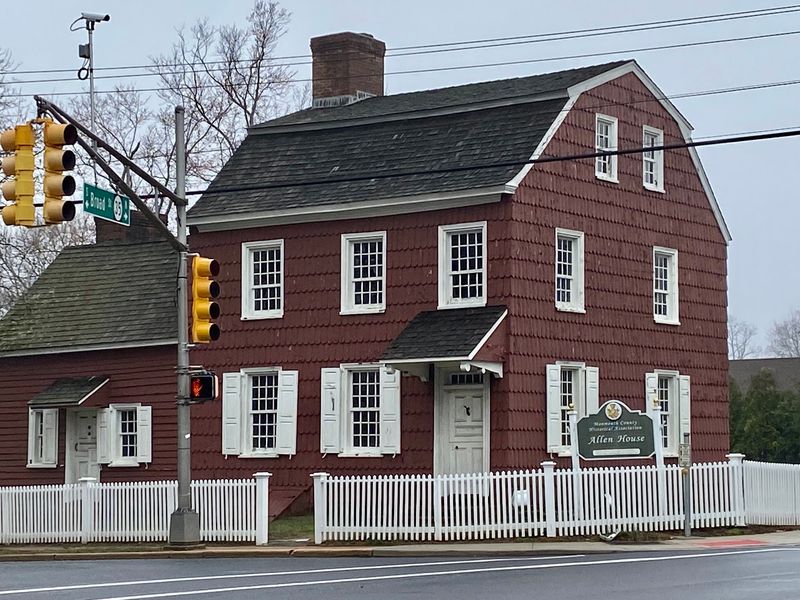
Across the area, the Shrewsbury Friends Meetinghouse reflects the long presence of the local Quaker community. The Allen House adds a more dramatic Revolutionary chapter.
Built in the 18th century and later operated as a tavern, it became the scene of a deadly Loyalist raid in 1779. Tours reveal period rooms and damage associated with the attack, although opening days are generally limited and worth confirming in advance.
Despite this concentrated history, Shrewsbury is not arranged as a tourist village. Route 35 brings everyday traffic past old buildings, shopping areas, and residential streets, making the colonial landmarks seem almost startling when they appear.
Park once near the historic district when possible and explore on foot, taking care at road crossings. Shrewsbury offers no elaborate reenactment or staged colonial scene.
Its oldest places remain woven into ordinary community life, which makes their survival feel all the more remarkable.
7. Newark: A City Built in Layers
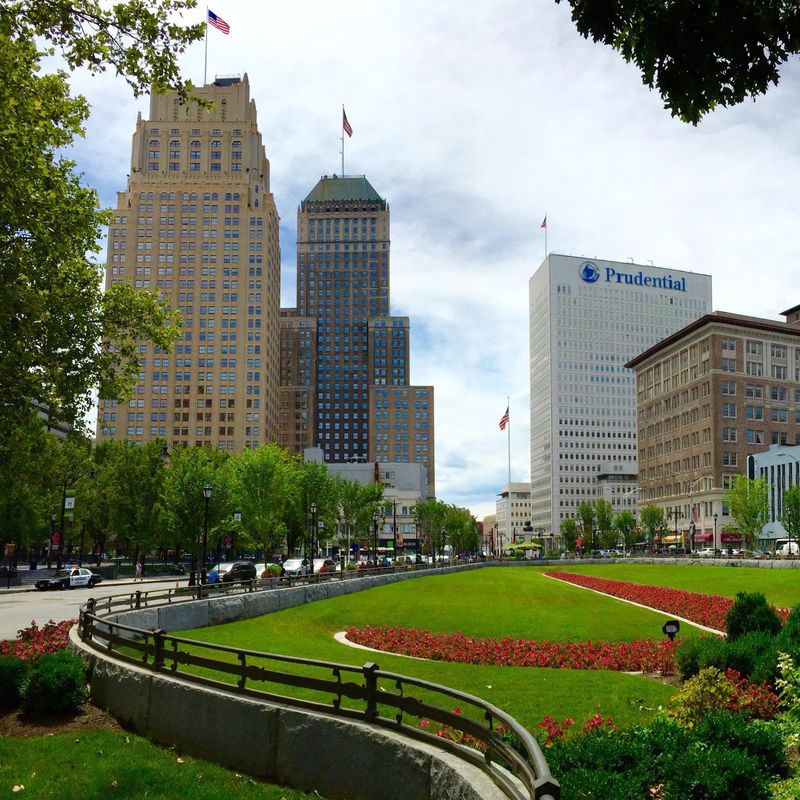
Listen for the bells near Military Park and it becomes easier to imagine the small Puritan settlement founded here in 1666. Newark has expanded far beyond that original village, but the arrangement of its early communal spaces still influences downtown.
Military Park served as a training ground and gathering place, while the land now known as Harriet Tubman Square was another of the settlement’s original public spaces. Today, a striking monument honoring Tubman connects the square to Newark’s abolitionist history and invites visitors to hear recorded stories built into the installation.
Trinity and St. Philip’s Cathedral stands at the edge of Military Park, providing another architectural link between colonial Newark and the modern city. A short walk leads to the Newark Museum of Art, where the restored Ballantine House captures the ornate domestic world of one of the city’s great brewing families.
Newark’s historical tour should also include food. The Ironbound’s Portuguese, Brazilian, Spanish, and Ecuadorian restaurants show how successive immigrant communities reshaped a city first founded by New England colonists.
Public transportation is usually the simplest option: Newark Penn Station connects directly to downtown and the Ironbound, while light rail reaches several cultural stops.
Rather than offering one perfectly preserved old district, Newark presents history in layers—Puritan town planning, Revolutionary landmarks, industrial wealth, Black activism, immigration, music, and art.
It is less like opening a single history book than walking through an entire shelf.
8. Piscataway: Old Roads Beside the Raritan
A bend in the Raritan River helped shape Piscataway long before English settlers established a township here in 1666. The community’s name is generally connected to the Piscataqua region of New England, where some colonists had previously lived, though the land itself had been home to Lenape communities for generations.
Modern Piscataway spreads across residential neighborhoods, university facilities, parks, and major roads, so its earliest history is best explored through several focused stops.
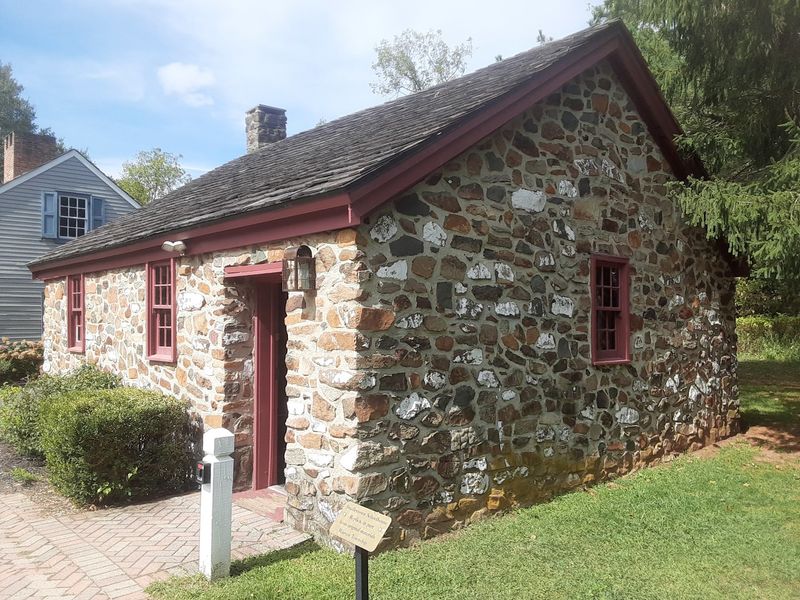
The Metlar-Bodine House Museum preserves a home with portions dating to the early 18th century and exhibits examining local families, transportation, agriculture, and slavery.
Nearby, East Jersey Old Town Village gathers restored and reconstructed historic buildings from around Middlesex County into one walkable setting. Depending on the schedule, visitors may find demonstrations, costumed interpretation, or special programs that make the county’s past considerably more vivid than a row of plaques.
The Cornelius Low House, perched above the Raritan in neighboring Piscataway’s historic corridor, adds rotating exhibits inside an elegant Georgian mansion associated with a prosperous merchant. Johnson Park ties these sites together with river views, lawns, and walking paths.
Because hours at the museums can vary seasonally, check ahead and build the outing around confirmed openings.
Piscataway may not present a postcard-ready colonial downtown, but it offers something more substantial: a carefully preserved collection of buildings and stories that explains how central New Jersey developed from river settlement to crossroads.
9. Woodbridge: New Jersey’s Old Township Story
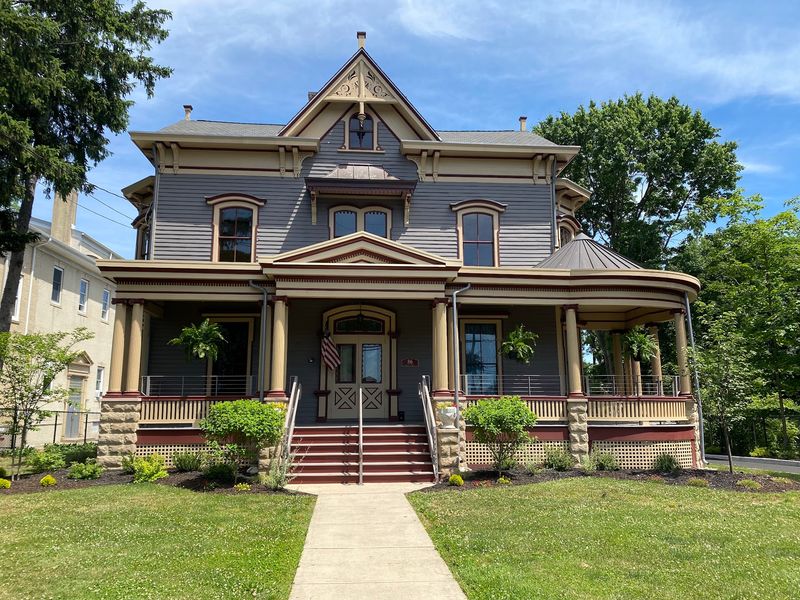
New Jersey’s oldest original township has a surprisingly approachable center. Settled in 1664 and chartered in 1669, Woodbridge was named for the Reverend John Woodbridge, and its original boundaries covered a far larger portion of Middlesex County than they do today.
Main Street now holds restaurants, shops, and the train station, but several landmarks nearby reveal the town’s deeper history. The Jonathan Singletary Dunham House is associated with one of Woodbridge’s founding families and provides a tangible link to the colonial settlement.
The Cross Keys Tavern has its own presidential connection: George Washington stopped in Woodbridge during his 1789 journey to New York for his inauguration. The building was later moved from its original prominent corner, so finding it feels a little like tracking down a clue.
At the Barron Arts Center, visitors encounter a handsome 1877 Romanesque Revival building originally constructed as the township’s first free public library. It now hosts exhibitions, performances, and community programs.
Woodbridge also played an important role in New Jersey printing. James Parker established the colony’s first permanent printing press here and worked with Benjamin Franklin, giving this practical township a notable place in publishing history.
Downtown is walkable once parked, and rail service makes a car-free visit possible. Beyond the historic center, modern Woodbridge is sprawling and energetic.
That contrast underscores the township’s real achievement: it has remained a recognizable community through more than three and a half centuries of boundary changes, industrialization, and suburban growth.
10. Salem: Brick Streets and a Storied Oak
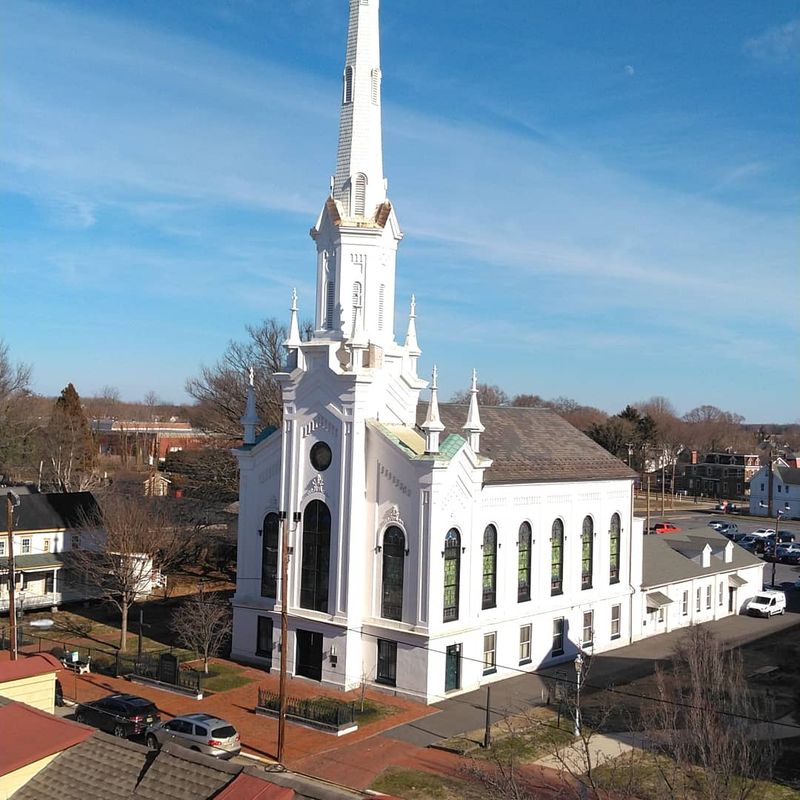
Broadway runs straight through Salem beneath mature trees and past buildings that hint at the city’s days as a colonial port. Quaker leader John Fenwick founded the settlement in 1675 after arriving aboard the Griffin, naming it for the Hebrew word associated with peace.
Salem became the center of a vast proprietary tract and later developed through agriculture, shipping, glassmaking, and trade along the Salem River.
The Salem County Historical Society occupies the Alexander Grant House, an 18th-century mansion filled with collections that range from furniture and textiles to documents tracing local families and industries.
The surrounding Market Street Historic District rewards a slow walk, with Federal, Greek Revival, and Victorian buildings showing how the city changed over generations. At the Friends Burial Ground, visitors can reflect on Salem’s Quaker roots and the enormous Salem Oak that stood there for centuries before falling in 2019.
Its legacy remains inseparable from the city’s identity. Salem’s faded grandeur gives it a mood unlike New Jersey’s more polished historic towns.
Some blocks are beautifully preserved; others display the visible wear of economic change. That honesty is part of the experience.
This was not built as a decorative village but as a working county seat and river community. Street parking is generally manageable, and the compact central district is best explored without rushing.
Salem’s history appears in courthouse squares, brick facades, old churches, and quiet streets that seem to hold onto every era at once.
11. Burlington: Colonial Life on the Delaware
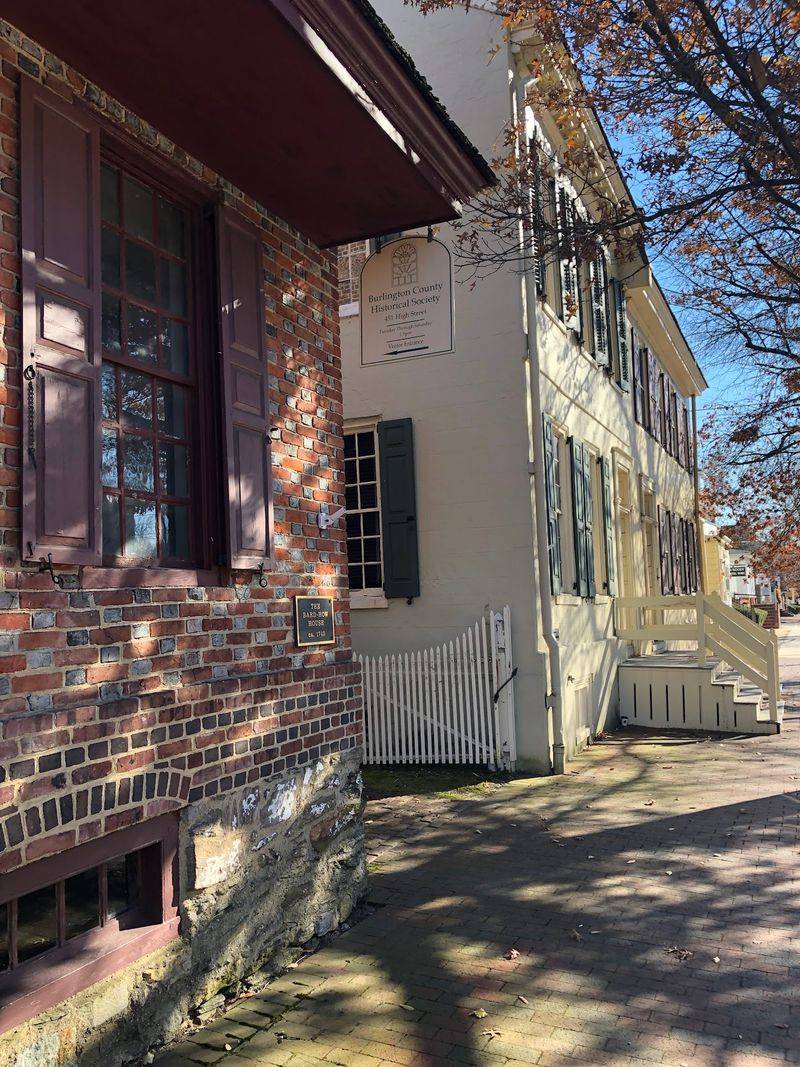
Brick sidewalks, narrow lanes, and Delaware River breezes make Burlington’s colonial past unusually easy to enjoy. Quakers founded the city in 1677, and it soon became the capital of West Jersey, one of the two provinces that existed before New Jersey was unified.
High Street leads from the historic downtown toward the waterfront, passing buildings connected to politics, religion, commerce, and generations of local life. St. Mary’s Episcopal Church, designed by Richard Upjohn, brings Gothic drama to the cityscape, while the neighboring churchyard includes graves from much earlier periods.
The Burlington Friends Meetinghouse and Conference Center reflects the city’s enduring Quaker heritage. Nearby, the James Fenimore Cooper House site recalls the birth of the author associated with The Last of the Mohicans.
Burlington also preserves a rare reminder of colonial pharmacy and medical practice at the restored apothecary connected with William Allinson. End the walk along the river promenade, where benches face the Delaware and passing trains occasionally add a rumble to the scene.
The Burlington-Bristol Bridge rises nearby, providing a 20th-century counterpoint to the colonial streets. River Line light rail service makes the city accessible without driving, and most major landmarks are clustered closely enough for an easy walking loop.
Burlington feels historic without becoming precious about it. Residents still use these streets for errands, school, worship, and dinner, continuing the everyday routines that have animated the city since the 17th century.
12. Mount Holly: Courthouses, Quakers, and Revolution
A steep climb up the Mount gives visitors the best introduction to this Burlington County seat. The wooded hill, once called Iron Works Hill, figured in a clever Revolutionary War diversion during December 1776, when American forces drew Hessian troops away from positions near the Delaware.
That episode preceded Washington’s victory at Trenton and gave Mount Holly a permanent place in the campaign’s story. The town itself was settled by the late 17th century and grew around mills, roads, government, and commerce.
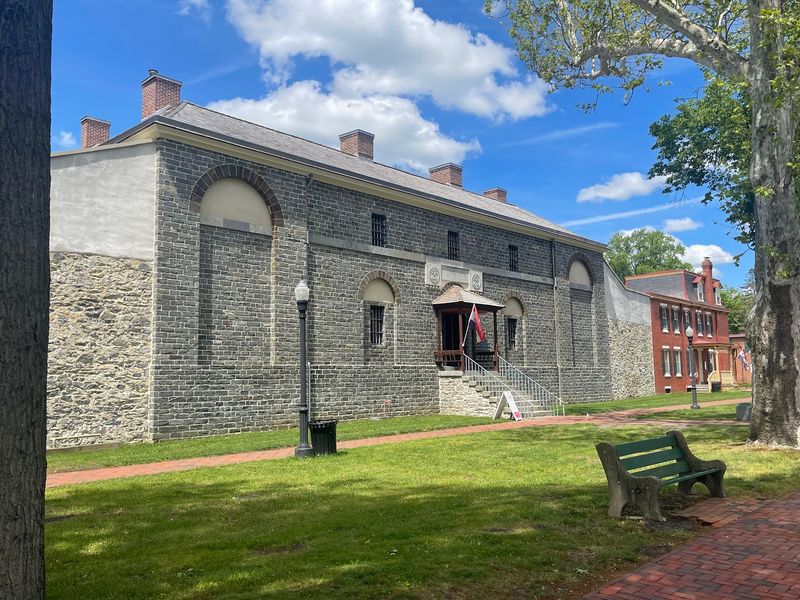
Downtown’s greatest historical attraction is the Burlington County Prison Museum, housed in a formidable stone building designed by Robert Mills and opened in 1811. Cells, heavy doors, and stories of escapes make it one of the state’s most memorable historic interiors.
A few blocks away, the Burlington County Lyceum occupies another handsome old building and presents exhibits on regional history and natural science. Mill Race Village supplies a softer side of Mount Holly, with small shops, studios, colorful buildings, and a creek running behind the district.
The compact downtown invites wandering, although anyone climbing the Mount should wear shoes suited to uneven ground. Pause at the summit, then return for coffee or lunch near High Street.
Mount Holly succeeds because its history is not limited to one century. Colonial settlement, the Revolution, early prison reform, county government, and modern creative businesses all share a few highly walkable blocks.
13. Haddonfield: Dinosaurs Meet Colonial History
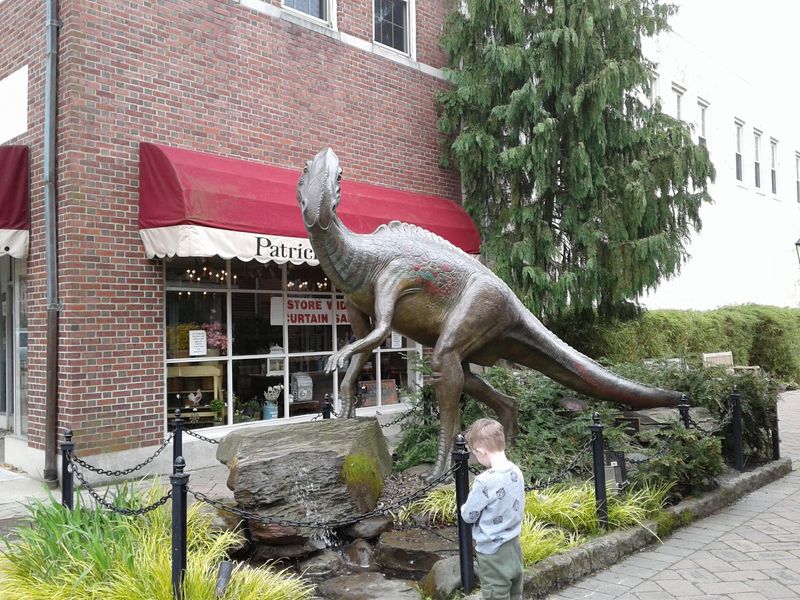
A dinosaur announces Haddonfield’s most unexpected claim to fame before visitors even reach its colonial landmarks. A sculpture of Hadrosaurus foulkii stands downtown, commemorating the nearly complete dinosaur skeleton excavated nearby in 1858.
Follow Kings Highway, however, and the borough’s human history quickly takes center stage. Elizabeth Haddon arrived in the area in 1701 and helped establish the community that would carry her family name.
The Indian King Tavern Museum is the essential stop. Inside this 18th-century building, New Jersey’s legislature met during the Revolution, officially adopted the name “State of New Jersey,” and completed other consequential wartime business.
Guided visits reveal modest rooms where unusually large decisions were made. Farther along, the Haddonfield Friends Meetinghouse reflects the Quaker influence that shaped the town’s early development.
The downtown surrounding these sites is among the state’s most comfortable places to explore on foot, with bookstores, boutiques, cafés, and restaurants filling well-kept storefronts. PATCO service provides a convenient alternative to hunting for parking, especially on busy weekends.
Those interested in the dinosaur story can also seek out the marked discovery site in a wooded ravine away from the main commercial district. Haddonfield balances serious history with a playful streak: Revolutionary politics, Quaker heritage, elegant houses, and a prehistoric celebrity all fit into one afternoon.
Few old towns can claim a timeline stretching from colonial assembly rooms back to the Cretaceous period.
14. Perth Amboy: A Royal City by the Bay
Stand at the waterfront where the Raritan River opens into the bay and Perth Amboy’s original purpose becomes obvious. Established in the 1680s, the settlement offered a strategic harbor and became the capital of East Jersey.
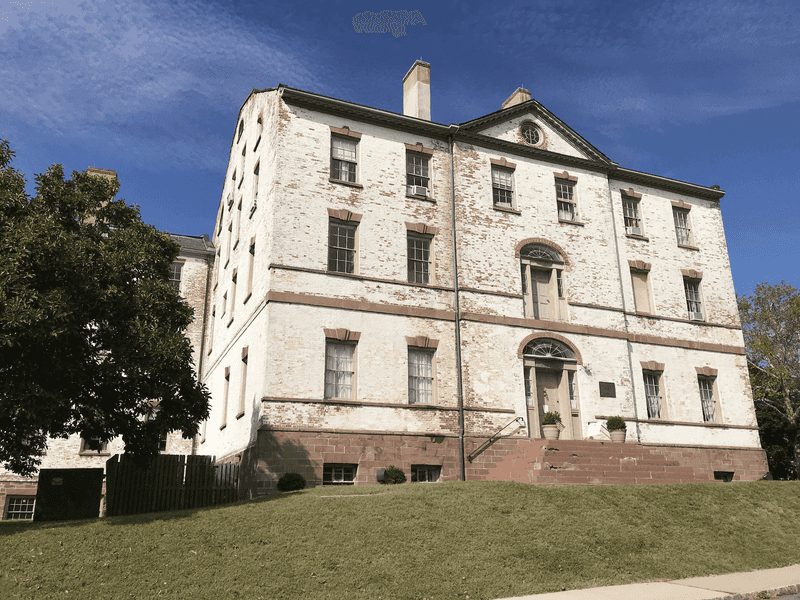
Governors, merchants, sailors, and travelers passed through, leaving behind one of the state’s most varied collections of colonial sites. The Proprietary House is the headline landmark.
Built in the 1760s as the official residence of New Jersey’s royal governor, it is the only surviving proprietary governor’s mansion among the original thirteen colonies. Its rooms also carry a surprising theatrical connection through former resident William Dunlap, an early American playwright and arts figure.
Down by the water, the Ferry Slip Museum occupies a 19th-century terminal linked to centuries of transportation across Arthur Kill. Nearby St. Peter’s Episcopal Church traces its congregation to the colonial era, and its cemetery contains some of Perth Amboy’s oldest surviving markers.
The waterfront promenade makes an easy route between these stops, with views stretching toward Staten Island and the Outerbridge Crossing. Fishing boats, playgrounds, and families sharing the walkway keep the area from feeling like an outdoor museum.
Street parking can be tighter during events and warm-weather weekends, so arrive early if planning a leisurely visit. Perth Amboy’s old capital status is no dusty footnote; it remains visible in its mansion, street names, harbor, and enduring sense of connection to the water.
15. Greenwich: A Tea Party Beyond Boston
Ye Greate Street sounds like a name invented for a historical drama, but it is the real central road through one of New Jersey’s best-preserved colonial villages. Greenwich developed along the Cohansey River during the late 17th century, drawing Quaker settlers and growing into an important port for the agricultural region around it.
Wide lawns, old trees, and houses set well back from the road give the village an unhurried appearance that feels genuinely different from most of the state. The Gibbon House, headquarters of the Cumberland County Historical Society, is the natural first stop.
Built in the 1730s, it contains period furnishings, textiles, tools, and regional artifacts. Nearby buildings and gardens expand the historical campus, though opening hours are limited enough that advance planning is wise.
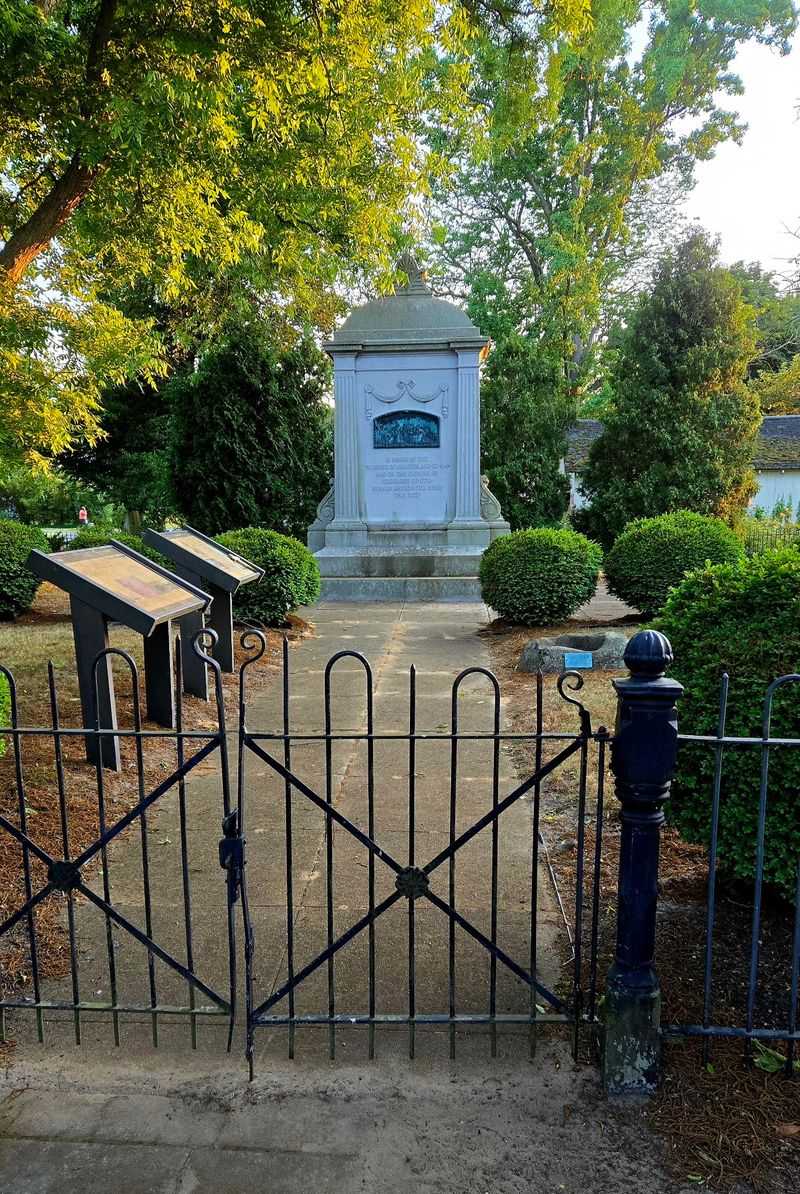
Greenwich is best known nationally for the 1774 Greenwich Tea Burning. Local patriots seized a shipment of tea and burned it in protest of British taxation, producing New Jersey’s own fiery counterpart to the Boston Tea Party.
A monument recalls the event and the men who participated. The Old Greenwich Presbyterian Church and its cemetery add another layer to the village’s story.
There is little conventional tourist bustle here, and that is precisely the point. Bring water, respect private property, and take time walking or driving slowly along the historic road.
Greenwich offers the rare pleasure of seeing a colonial landscape without having to mentally erase modern commercial development.
16. Cape May: Seaside History in Full Color
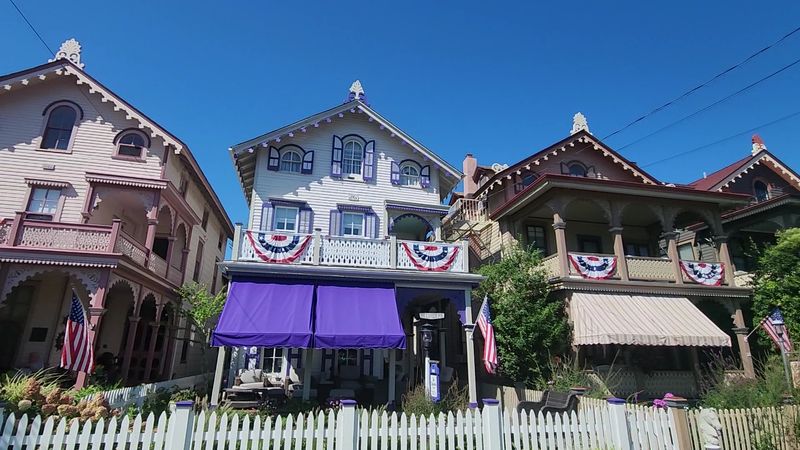
Gingerbread trim, striped awnings, and broad porches dominate Cape May, yet the city’s story started well before its famous Victorian makeover. Europeans were settling around Cape Island by the late 17th century, and by the 1700s visitors were already traveling south to enjoy the shore.
Fires later destroyed many earlier buildings, particularly the devastating blaze of 1878, but the rebuilding produced the colorful architectural collection that now defines the city. Begin near Washington Street Mall, then wander onto side streets where mansions, cottages, hotels, and former boardinghouses compete for attention.
The Emlen Physick Estate provides the most complete look inside the period. Designed by Frank Furness, the 1879 mansion features distinctive architecture and rooms interpreted through the lives of the Physick family and their household.
The Colonial House, maintained by the local historical society, reaches back further and offers a glimpse of Cape May before the Victorian boom. History also survives at the Chalfonte Hotel, Congress Hall, and the seaside promenades that helped make the town one of America’s earliest resort destinations.
Parking becomes difficult and expensive during peak summer, so spring, fall, and quieter weekday mornings are ideal for architectural wandering. Cape May’s appeal is not simply that old buildings survived.
An entire resort landscape remains intact, allowing visitors to experience how generations ate, socialized, vacationed, and displayed their finest porch decorations by the Atlantic.
17. Princeton: Big Ideas on Historic Ground
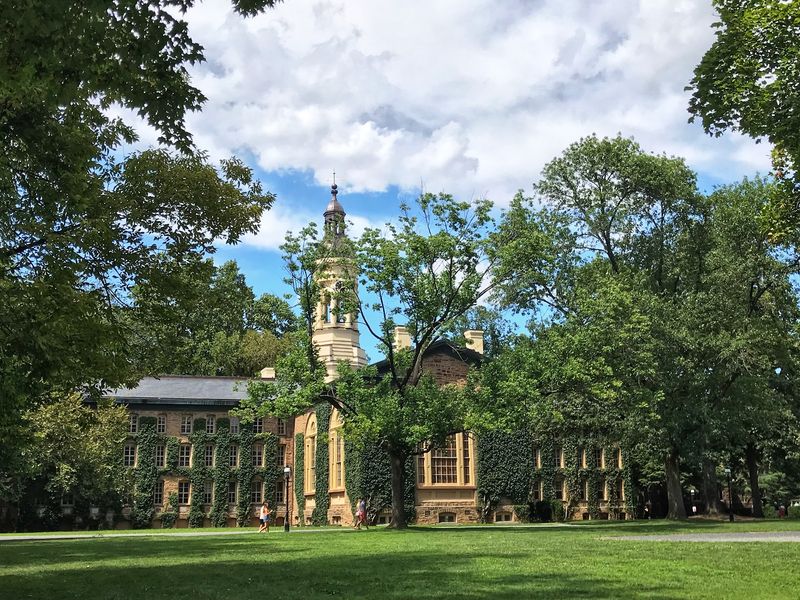
Nassau Hall has served as a college building, military barracks, battlefield landmark, and temporary home of the Continental Congress. Few structures summarize Princeton’s complicated past so efficiently.
European settlement in the area began near the end of the 17th century, but the town’s identity changed dramatically after the College of New Jersey—now Princeton University—relocated here in 1756.
A walk through campus reveals stone arches, courtyards, chapels, and halls representing multiple architectural periods rather than one frozen colonial moment.
Just off campus, Nassau Street keeps the center energetic with cafés, bookstores, restaurants, and constant foot traffic. Several essential sites require a slightly wider loop.
Morven, once home to Declaration of Independence signer Richard Stockton, operates as a museum exploring New Jersey history through changing exhibitions.
Princeton Battlefield State Park preserves the ground where Washington’s forces defeated British troops in January 1777, while the nearby Thomas Clarke House served as a wartime field hospital.
The Princeton Cemetery contains the graves of political leaders, scholars, writers, and other notable residents, including former president Grover Cleveland. Downtown garages are useful, though weekends and university events can fill them quickly.
Once parked, much of the central town is comfortably walkable. Princeton’s historic depth lies in the collision of ideas and events: colonial settlement, revolution, national government, education, science, literature, and architecture all overlap within a remarkably compact area.
18. Cranbury: A Preserved Village Along an Old Route
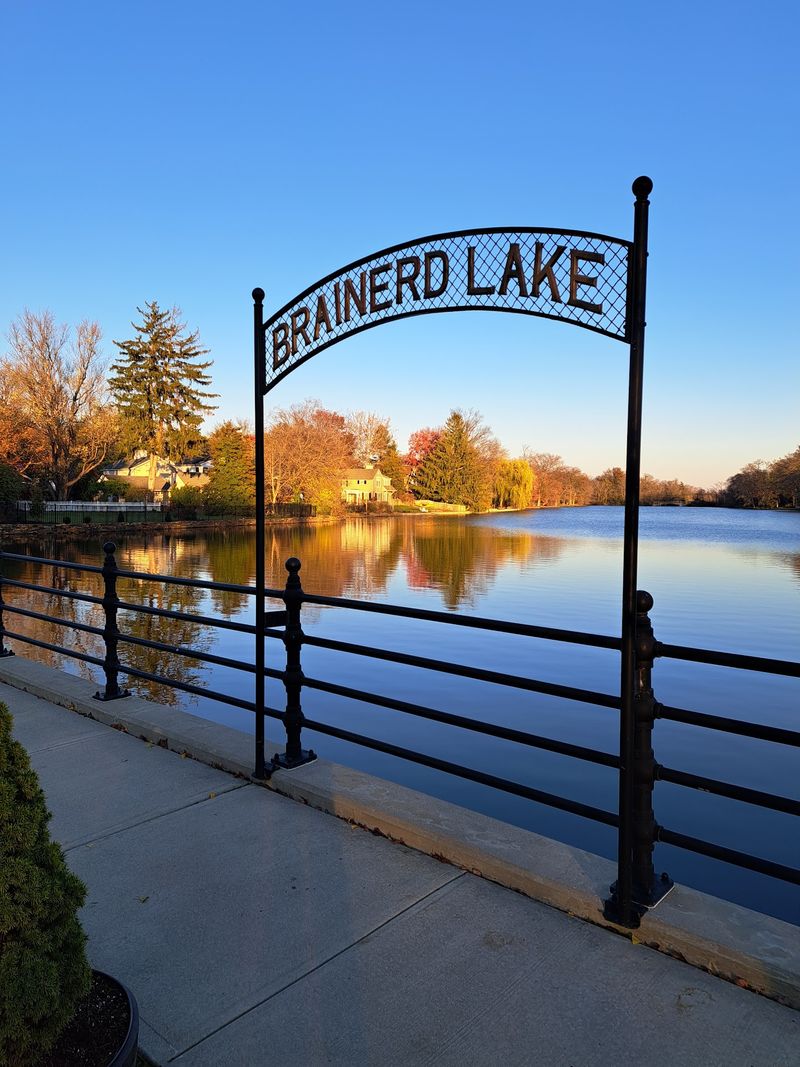
A slow curve along Main Street reveals why Cranbury’s village center earned a place on the National Register of Historic Places. Houses from several centuries stand beneath mature trees, their porches and rooflines forming an unusually coherent streetscape.
Settlers established the community around the end of the 17th century, and its position along an important route between New York and Philadelphia helped it grow as a stop for travelers, merchants, and stagecoaches. The Cranbury Inn carries that roadside tradition forward.
Portions of the property trace back to the 18th century, and the inn remains a functioning restaurant and gathering place rather than a roped-off relic. Nearby, the Cranbury Museum occupies a historic house and displays local furnishings, clothing, tools, photographs, and documents.
Its limited schedule makes checking ahead essential. Brainerd Lake adds a peaceful walking stop just off Main Street, while Memorial Park provides green space near the heart of town.
Cranbury’s appeal comes from how little effort it takes to understand the old village layout. Park near Main Street and most highlights unfold naturally on foot: churches, former shops, historic homes, the inn, and the lake.
Many buildings remain private residences, so admire them from the sidewalk. Despite warehouses and major highways elsewhere in the township, the historic center has held onto its scale and rhythm.
It closes this journey through New Jersey’s oldest towns with a fitting reminder: preservation often succeeds not by stopping time, but by letting a place evolve without erasing its original shape.
Share this story