Warm mozzarella stretching between your hands, a lamb settling into your lap, and a dairy cow patiently waiting beside an old-fashioned milking stool—this is not the New Jersey most drivers see from the Turnpike.
Across the state, working dairies and living-history farms are inviting visitors beyond the farm-store counter to discover what happens before milk reaches the refrigerator.
Some lead guests through barns, milking parlors, and cheese-aging caves. Others offer hands-on classes, animal encounters, butter churning, or demonstrations performed with equipment from more than a century ago.
There are polished farmstead cheeses to sample, fresh loaves begging to be paired with them, and generous scoops of ice cream waiting at the end of the day. Experiences vary by season, and several require advance reservations, but each of these farms offers a closer look at New Jersey agriculture.
Wear shoes that can handle a little mud, bring your appetite, and prepare to meet the animals responsible for the good stuff.
1. Cherry Grove Farm, Lawrenceville
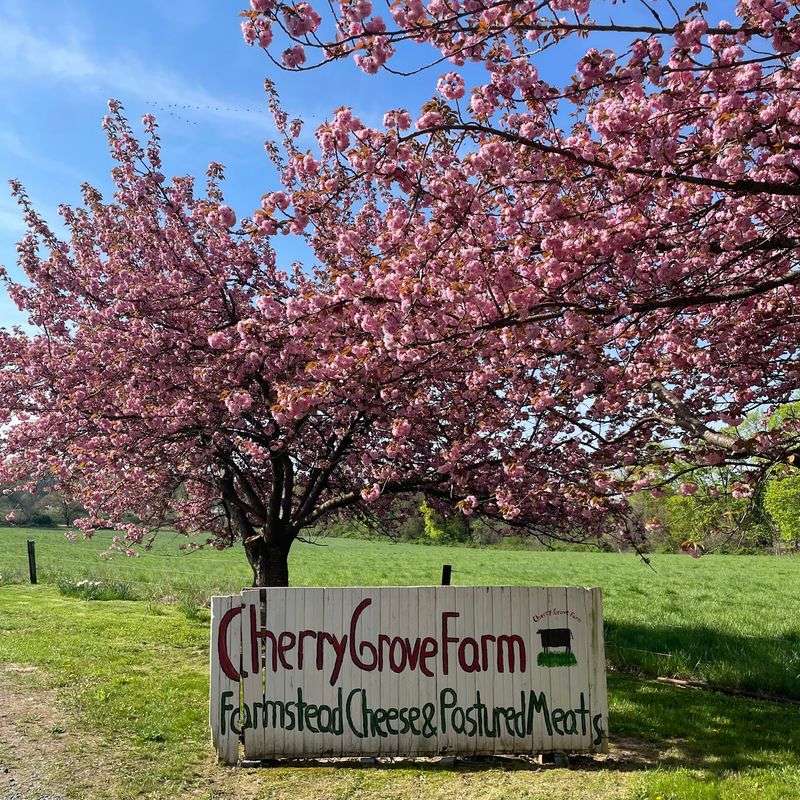
Anyone who has ever wondered why mozzarella stretches—or why handmade cheese tastes so much better than the rubbery supermarket kind—can get answers in Lawrenceville.
Cherry Grove is a working dairy and creamery on preserved Central Jersey farmland, where the cows graze on pasture and their milk becomes an impressive range of farmstead cheeses.
Its classes turn visitors into temporary cheesemakers, with recurring workshops devoted to mozzarella, burrata, ricotta, and paneer. Depending on the class, guests may heat curds, stretch cheese by hand, or sit down to a meal built around what they have made.
Private tours and seasonal activities offer other ways to explore the operation, while events such as the farm’s cow parade put the herd squarely in the spotlight. Even a simple store visit can become a tasting excursion.
Buttercup Brie is a creamy place to begin, while Lawrenceville Jack and the aged raw-milk selections show how dramatically flavor can change with technique and time. The store also stocks the farm’s grass-fed beef, whey-fed pork, eggs, prepared foods, and goods from nearby producers.
It is generally open daily, but classes and tours should be reserved ahead. Allow enough time to wander outside after shopping; seeing the herd grazing makes the cheese in your bag feel considerably less anonymous.
2. Valley Shepherd Creamery, Long Valley
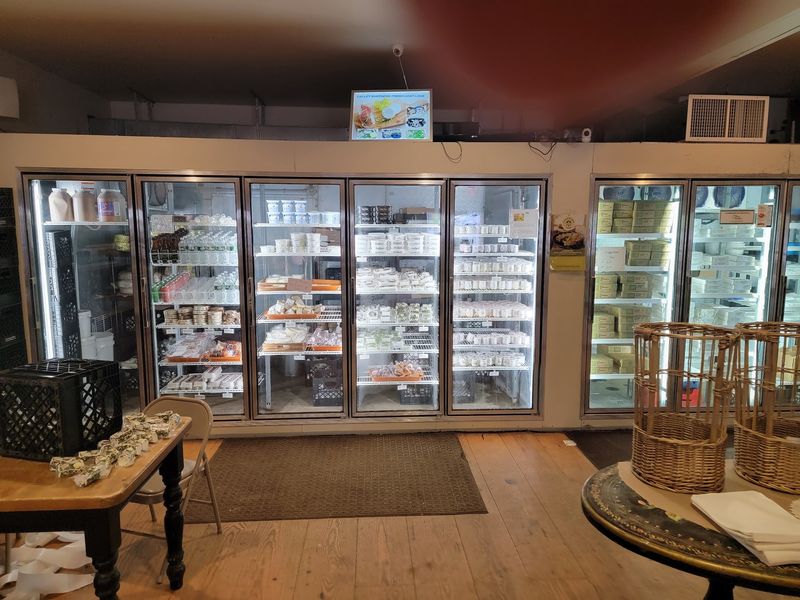
Spring arrives loudly at this Long Valley sheep dairy, with newborn lambs bleating from the barn and visitors lining up for a turn to hold one. Lambing-season tours are among Valley Shepherd Creamery’s most popular experiences, combining close animal encounters with a look into the cheesemaking room, barn, and milking parlor.
Once the lambs outgrow cuddling duty, cave-and-wagon tours provide another perspective on the farm. Guests can learn how milk from sheep, goats, and cows moves through production, then see where wheels of cheese develop their rinds and deeper flavors.
A tasting tray is the natural finish, especially for anyone curious about the richness of sheep’s-milk cheese. The creamery makes fresh and aged varieties, so sampling several side by side reveals far more than simply “mild” versus “strong.”
Some experiences permit guests to bring additional food and drinks to enjoy at the covered porch or picnic tables, turning a tour into a leisurely farm lunch.
Reservations are important because the tours follow a seasonal schedule and certain encounters sell out. Wear practical footwear and arrive ready for a real working farm rather than a polished theme attraction.
Between the milking equipment, aging caves, shaggy residents, and cheese counter, Valley Shepherd delivers the full journey from pasture to tasting board.
3. Gorgeous Goat Creamery, Stockton
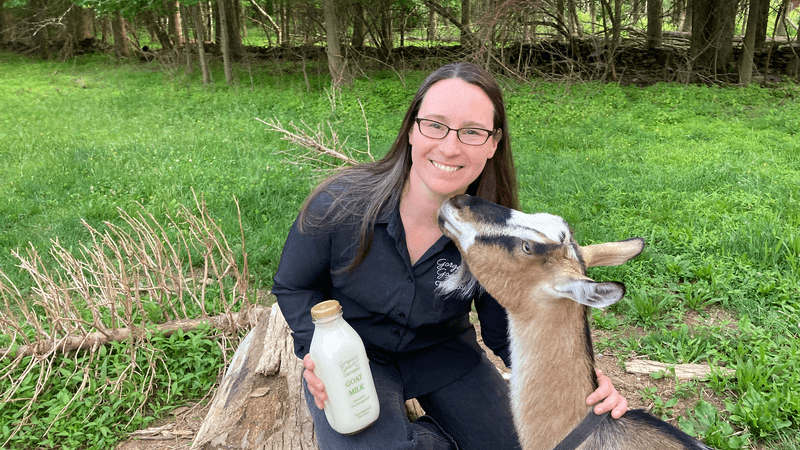
The goats are not background scenery here; they are nosy, funny, treat-motivated hosts who tend to steal the afternoon. Gorgeous Goat Creamery operates as a small goat microdairy near Stockton, welcoming guests through scheduled tours and special events rather than regular drop-in visits.
During a farm tour, visitors meet the herd, learn how the goats are milked, and hear how that milk is transformed into cheese. There is also time to pet the animals and feed them farm-provided treats, an activity that quickly reveals which goats have mastered the art of looking especially hungry.
Other seasonal programs get even more interactive. Goat hikes send a small herd along a woodland trail with guests, while baby-goat events may include cuddling or bottle feeding.
Farmer-for-a-day sessions, when scheduled, offer a glimpse of the evening feeding routine, and separate workshops explore uses for goat milk beyond the cheese board, including soap making. The terrain and format are decidedly outdoorsy, so closed-toe shoes and weather-ready clothes are sensible.
Registration is required, group sizes are kept small, and parking is limited enough that carpooling helps. That intimacy is part of the appeal: instead of viewing livestock from across a fence, visitors spend meaningful time with the animals and leave understanding how much daily work sits behind a small piece of chèvre.
4. Bobolink Dairy and Bakehouse, Milford
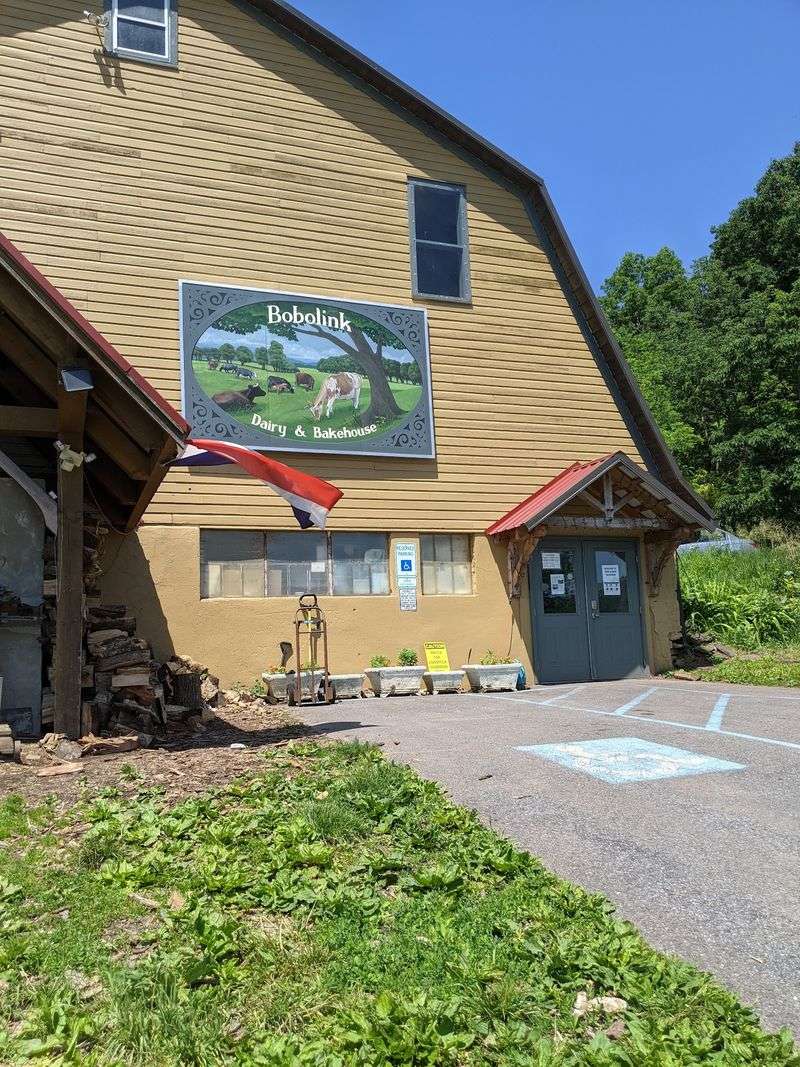
Follow the aroma of naturally leavened bread and it may lead directly to a wheel of grass-fed cheese.
Bobolink Dairy & Bakehouse brings those two pleasures together on its Milford farm, where Nina and Jonathan White have built the operation around pasture-raised cows, traditional baking, and food that reflects the land rather than a factory formula.
Farm tours provide a closer look at that philosophy. Visitors can learn how managed grazing shapes the health of the herd and the flavor of the milk, see the cows outdoors when conditions allow, and hear how raw milk is turned into aged cheese.
This is not a button-pushing production-line tour; the focus is on the relationship between soil, grass, animals, microbes, and the finished food. Back at the bakehouse, naturally fermented breads emerge with dark crusts and sturdy interiors made for cheese.
A loaf and a wedge of Bobolink’s cave-aged cheese are the obvious purchases, though the selection changes with production and aging. The farm also hosts occasional meals, concerts, and other ticketed gatherings, giving visitors reasons to return beyond a standard tour.
Check the schedule before driving out, since tours and events are offered at designated times rather than continuously. Come prepared for uneven farm ground—and bring a cooler if you plan to stock up.
Restraint becomes difficult once fresh bread and deeply savory cheese share the same shopping bag.
5. Fulper Family Farmstead, Lambertville
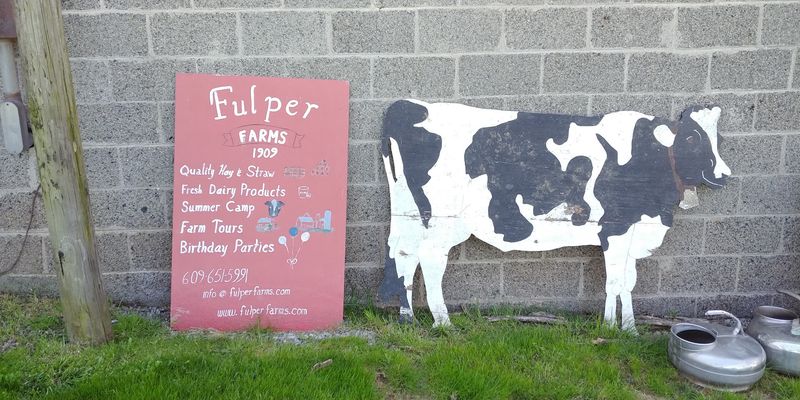
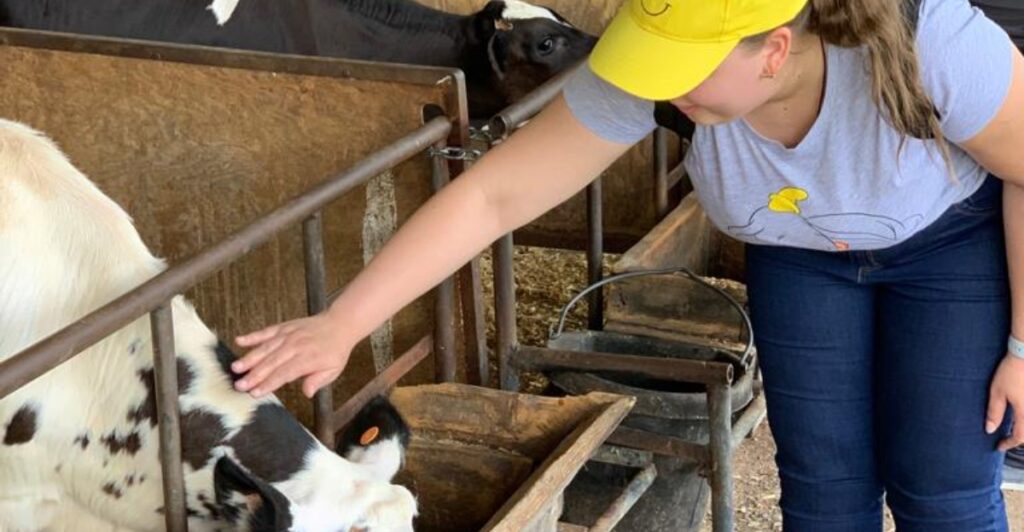
Few children forget the first time they wrap both hands around a bottle and feed a hungry calf. At Fulper Family Farmstead, dairy education is built around moments like that: direct, memorable, and far removed from a worksheet about agriculture.
The Fulper family has worked this Hunterdon County land for generations, and its programs introduce visitors to the routines behind a modern dairy operation.
Seasonal farm experiences, camps, group visits, and special events may include meeting calves, learning what cows eat, exploring barns, and discovering how milk travels from the herd into familiar foods.
The farm is especially well suited to families who want more than a quick animal viewing. Camp programs dig into everyday chores and animal care, allowing children to see that farming involves patience, consistency, and plenty of work before breakfast.
Some events finish on the sweeter side with dairy treats, making the journey from cow to dessert unusually easy to understand. Public access is tied to scheduled programming, so this is not a place to enter the barns unannounced; check for available dates and reserve before visiting.
Dress for dirt, hay, and changing weather rather than family-photo perfection. What makes the experience stand out is its lack of distance.
The animals are not abstract parts of a food system here. They have habits, appetites, and personalities—and occasionally enough enthusiasm to empty a bottle faster than expected.
6. Spring Run Dairy, Pittstown
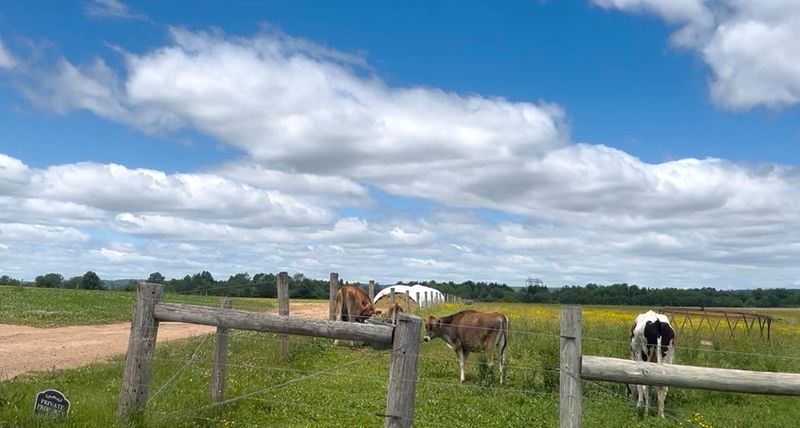
A glass bottle with a cap of cream at the top provides the first clue that Spring Run Dairy does things differently. This Pittstown operation raises Jersey and Holstein cows and processes part of its milk in a small on-farm creamery, producing rich, cream-line whole milk with minimal distance between the barn and the bottle.
The farm market is the easiest way to taste the results, but scheduled tours and open-house events reveal what happens behind the label. Visitors may see the herd, learn about feeding and milking, tour the dairy operation, and watch demonstrations tied to milk and butter production.
Family days have also included hayrides and other activities that make the machinery and routines accessible to younger guests. Jersey cows are particularly prized for milk with generous butterfat, something that becomes obvious as soon as that cream is shaken back into the bottle.
Pick up milk to drink cold, pour into coffee, or turn into the sort of hot chocolate that barely needs help. Availability and visitor programs can be limited, since this remains a working farm rather than an attraction open for continuous touring.
Check the current schedule before setting out, and bring a cooler for purchases. The trip works especially well for anyone who wants to connect a familiar everyday product with the cows, fields, equipment, and early mornings that make it possible.
7. Tranquillity Farms, Green Township
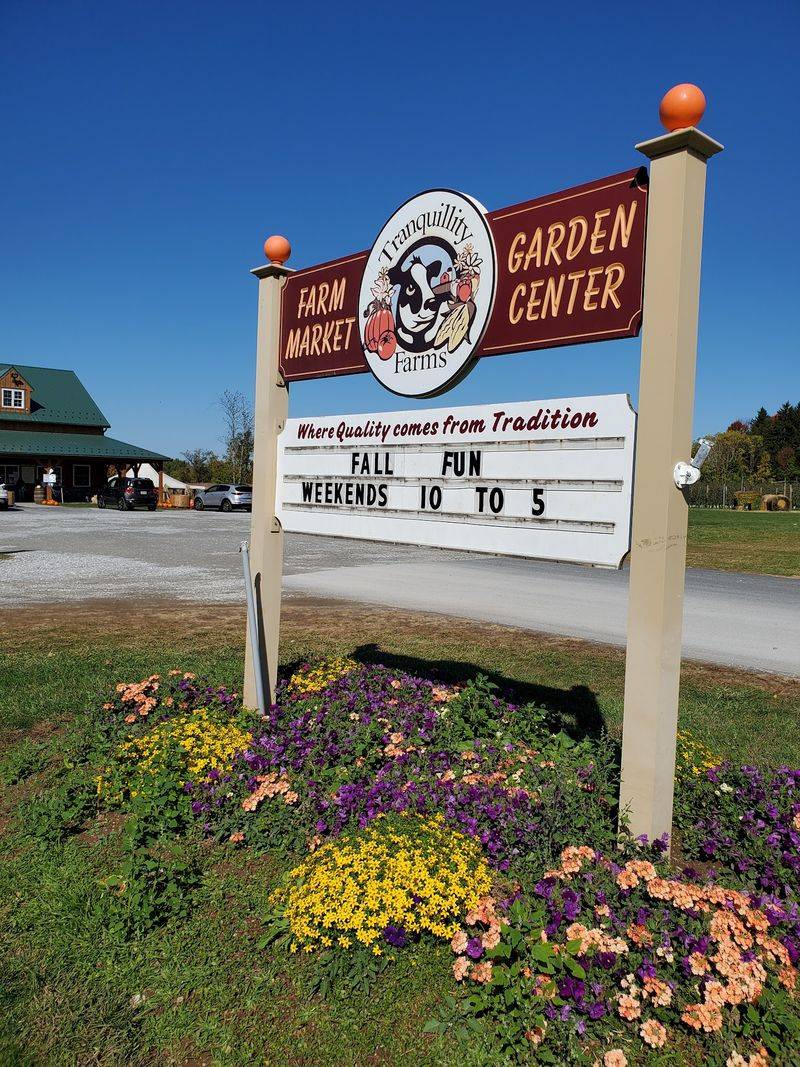
Ordering one scoop at the ice cream window sounds reasonable until the flavor board gets involved. Tranquillity Farms has become a dependable Sussex County stop for homemade ice cream, with cones, cups, pints, quarts, sandwiches, and cakes available from a window that remains busy well beyond summer.
Dairy is only one piece of the visit, though. The farm market carries milk, cheese, yogurt, dips, eggs, meats, baked goods, and seasonal produce, while the surrounding property offers enough activity to turn dessert into a half-day outing.
Families can visit farm animals during the warmer months, use the playground, and join children’s classes built around sensory play, stories, movement, and hands-on farm themes.
The calendar expands with the growing season: cut-your-own flowers, wagon rides, apple and pumpkin picking, a corn maze, festivals, and farm tours or field-trip programming may all appear at different times.
Fall is the busiest and most activity-packed period, but quieter summer visits have their own charm—especially when a bouquet from the flower field is followed by ice cream in the shade. The market and ice cream window keep separate hours, so check both before making a late trip.
Not every dairy product sold here originates on the property, making this entry more farm-market experience than behind-the-scenes creamery tour. Still, few stops combine dairy tasting, animals, produce, and family activities so effortlessly.
8. Creamy Acres Farm, Mullica Hill
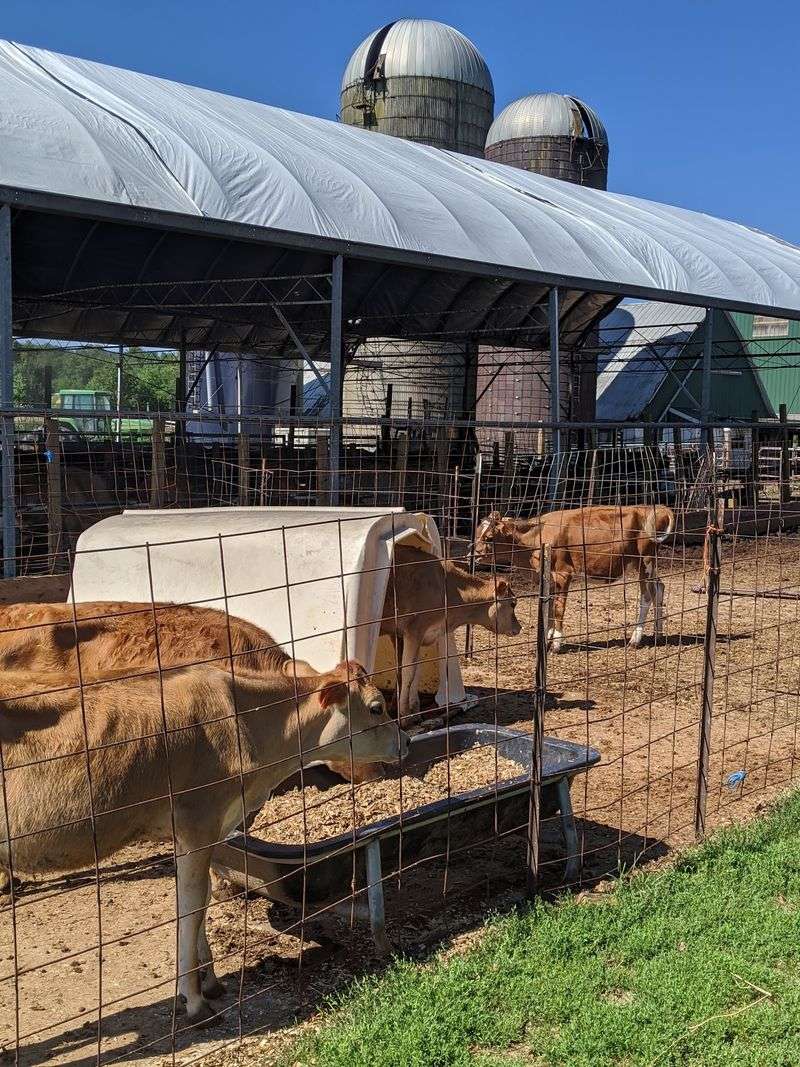
The name dates to 1968, when Larry and Jeanne Ambruster began this Mullica Hill dairy with 30 cows. More than half a century later, Creamy Acres remains a working dairy farm, but its public identity has grown into one of South Jersey’s most elaborate seasonal farm experiences.
Fall Fest is the most approachable time for families to visit. Wagon rides head toward the pumpkin patch, children navigate a small corn maze, and the Family Farm Park provides opportunities to meet animals and burn off energy.
The experience is less about touring the milking parlor and more about spending time on land still shaped by active dairy farming. Come October, another side of the property emerges through Night of Terror, a large haunted attraction intended for visitors who prefer shrieks to calf encounters.
Winter changes the mood again with Night of Lights, featuring illuminated displays viewed by car or hayride, along with an indoor walk-through and holiday characters. The farm market and garden center round out the daytime side of the operation.
Because public activities revolve heavily around ticketed seasons, it pays to choose the visit based on the experience you want; an ordinary market stop and an October festival Saturday are entirely different outings.
Advance tickets are smart for major events, and sturdy shoes remain useful even when the cows are not part of the scheduled entertainment. This is dairy-country agritourism on a big, theatrical scale.
9. Fosterfields Living Historical Farm, Morristown
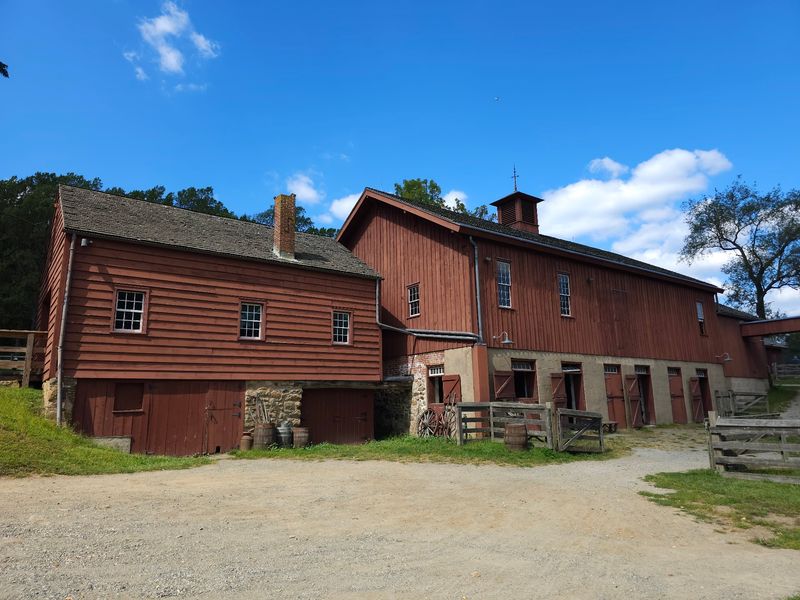
Butter requires more arm strength than the refrigerated stick suggests. At Fosterfields, visitors may take a turn at the churn and discover how an everyday staple was made before electric appliances did the repetitive work.
This Morris Township property recreates farm life from the late 19th and early 20th centuries, using historic buildings, period equipment, costumed interpreters, and real agricultural tasks to make the past tangible. Cows, sheep, goats, pigs, chickens, horses, ducks, and turkeys all contribute to the working-farm setting.
Depending on the day and season, guests might crack corn, collect eggs, feed chickens, watch a traditional demonstration, or learn how dairy work fit into the farm’s daily rhythm. Rather than following a tightly controlled group tour, visitors can generally explore at their own pace and speak with interpreters along the way.
The restored farm complex is paired with exhibits and historic domestic spaces, giving adults plenty to examine while children concentrate on the animals and chores. Fosterfields usually operates on a seasonal schedule, and certain demonstrations appear only on selected dates, so consult the calendar before choosing a day.
Admission is modest, but arrive with enough time to walk from the visitor center and linger around the barns. The paths include dirt and gravel, making comfortable shoes useful after rain.
It is one of the rare places where “earning your butter” can become a literal part of the afternoon.
10. Howell Living History Farm, Hopewell Township
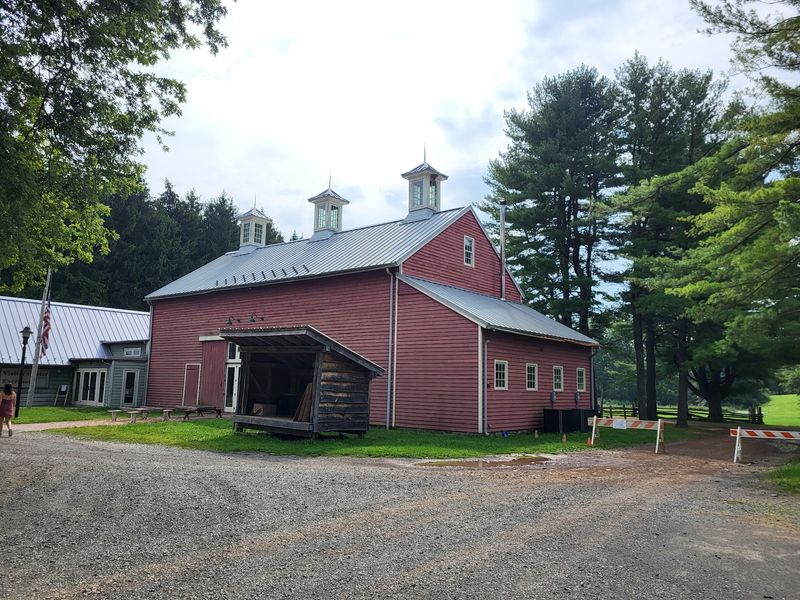
A team of draft horses leaning into a plow sets the pace at Howell Living History Farm, where machinery does not always mean an engine. The county-owned farm in Hopewell Township interprets agriculture from the late 1800s into the early 20th century, keeping older skills in active use rather than displaying them behind glass.
Its Saturday calendar changes with the work demanded by each season. Visitors may encounter planting, sheep shearing, haying, threshing, maple sugaring, ice harvesting, corn picking, or food-preservation demonstrations.
Dairy-related programs can include cow milking and butter making, giving families a practical look at the steps between animal care and the kitchen table. Participation varies by event, but many days include small jobs, crafts, or demonstrations designed to bring visitors into the process.
That rolling schedule is exactly why Howell rewards repeat visits: a spring lambing day bears little resemblance to an autumn corn harvest. General admission is typically free, though certain programs and seasonal attractions may charge fees or require registration.
The farm is open on designated days rather than operating like a conventional daily attraction, so check the calendar before traveling to its Woodens Lane entrance. Pack clothes that can acquire a little dust and resist the temptation to hurry.
Watching a field worked at horse speed makes clear how much planning, muscle, and cooperation once stood behind a pail of milk or a winter pantry.
11. Historic Longstreet Farm, Holmdel
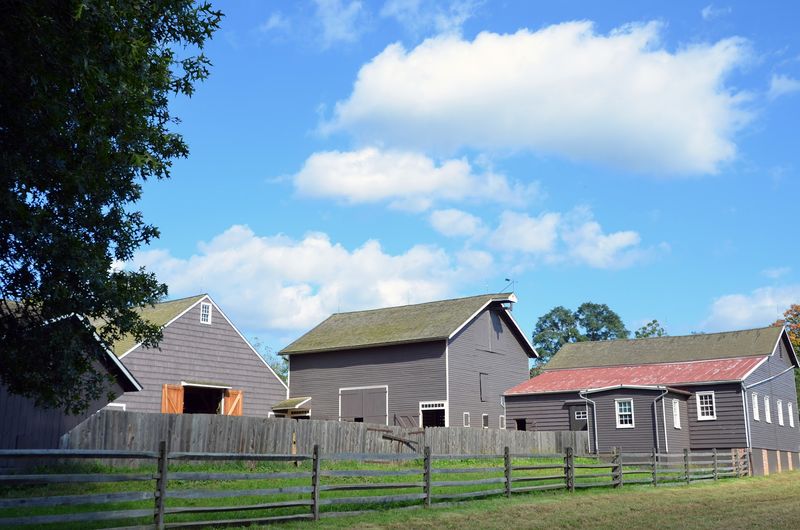
At 3 p.m., the dairy cow does not care that visitors are watching; milking time is milking time. Historic Longstreet Farm recreates rural Monmouth County life in the 1890s, and its daily chores continue according to the needs of the animals rather than a stage curtain.
Located within Holmdel Park, the nine-acre working farm raises historically appropriate livestock and crops while interpreters demonstrate agricultural and domestic skills.
Dairy cows share the grounds with horses, mules, sheep, pigs, and chickens, while period-dressed staff work with tools and methods familiar to a farm family more than 130 years ago.
Guests may observe milking and other routine tasks, though animal contact and feeding are not permitted. Weekend programming adds cookstove, blacksmithing, quilting, cider-making, music, and food-preservation demonstrations at different points in the year.
The farmhouse, furnished in late-Victorian style, opens on selected weekends and holidays, providing a useful look at where farm products were cooked, stored, and served. Admission is free, and the farm is open daily, making it one of the easiest entries on this list to visit without elaborate planning.
Still, check the activity calendar if seeing a specific demonstration matters. Pair the farm with a walk through Holmdel Park, but give the barns their due; the steady rhythm of real chores is what makes this historical setting convincing.
12. Rutgers University Farm, New Brunswick
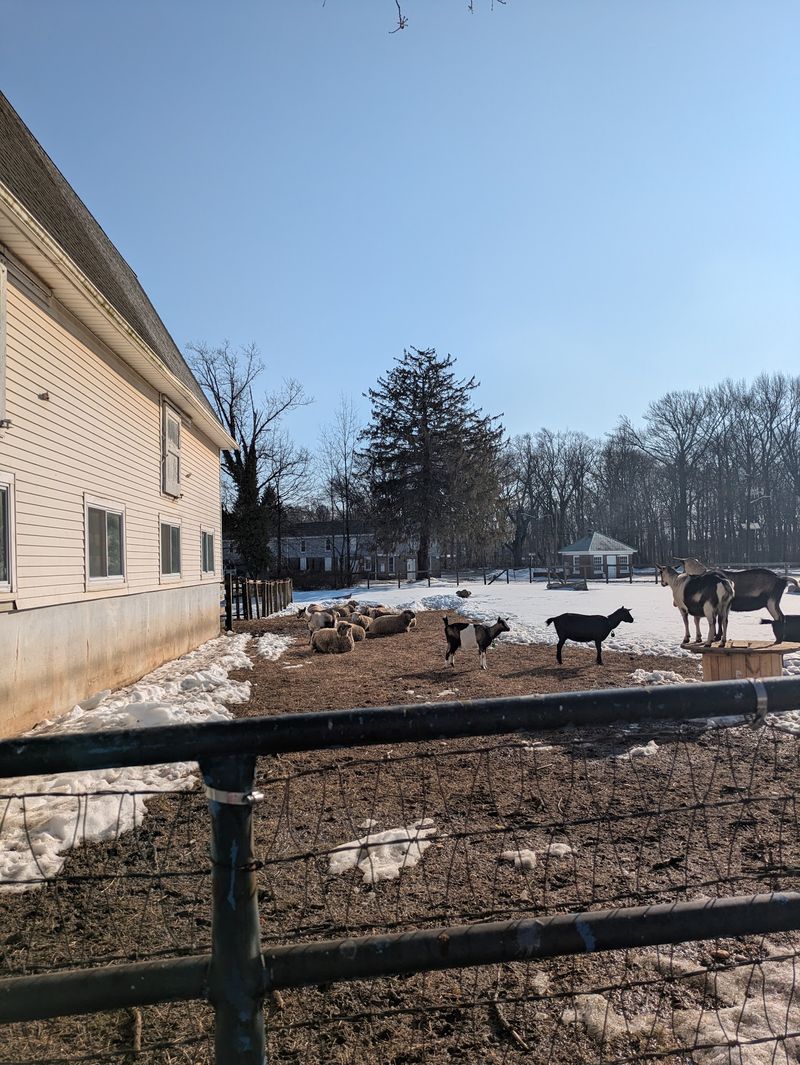
College students are not the only ones learning on Rutgers’ George H. Cook Campus.
The university farm offers guided visits that introduce groups to cattle, goats, horses, sheep, and pigs while explaining how each animal is raised and cared for. Tours are led by farm staff or student farmers and can be adjusted to suit everyone from preschool classes to professional organizations.
That flexibility makes the experience unusually informative: younger visitors can focus on identifying animals and understanding basic care, while older groups can ask about nutrition, husbandry, research, and modern agricultural practices. Tours generally last 45 minutes to an hour and operate from March through October.
They must be requested in advance, with a minimum group size or equivalent minimum charge, so this is best planned with a school, club, extended family, homeschool group, or several curious friends.
The setting is a genuine teaching and research farm, complete with mud, moving equipment, uneven surfaces, and rules intended to protect both visitors and livestock.
Closed-toe shoes are required, food is prohibited, and animals may only be touched when the guide permits it. Do not arrive expecting an ice cream counter or staged barn show.
The reward is access to people who work directly with the animals and can explain why farms operate as they do. For future veterinarians, animal lovers, and relentlessly curious children, that expertise is better than a sundae.
Share this story