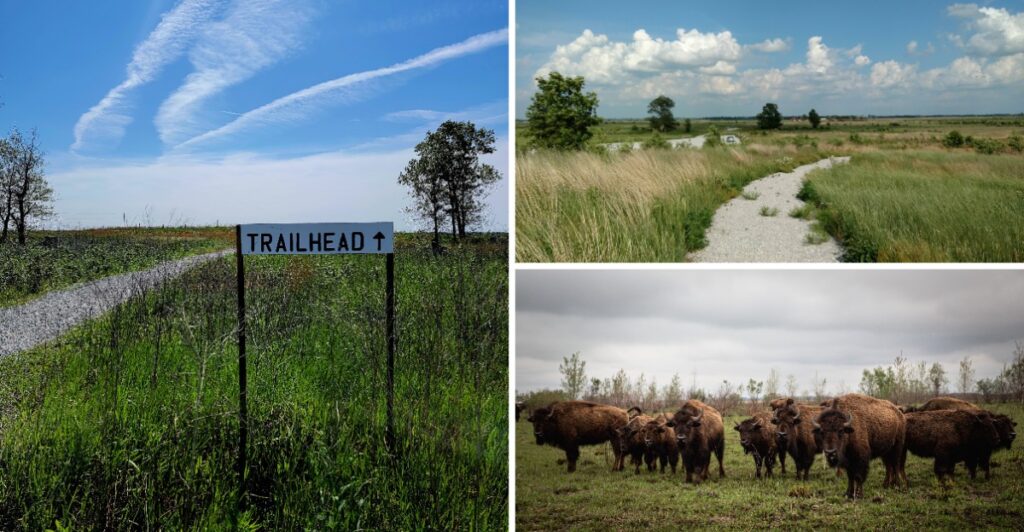
For a few fleeting weeks, the skies above Kankakee Sands can fill with flashes of orange and black. This sprawling restored prairie in northwest Indiana is best known for its bison, but the monarch migration brings a completely different kind of wildlife spectacle in late summer and early fall.
Butterflies pause among blooming prairie plants as they continue their remarkable journey south toward Mexico, rewarding visitors who arrive at just the right time. On a particularly memorable afternoon, bison may be grazing while monarchs flutter nearby. It is a seasonal combination that makes this quiet Indiana preserve feel anything but ordinary.
Orange Wings Over a Gravel Road
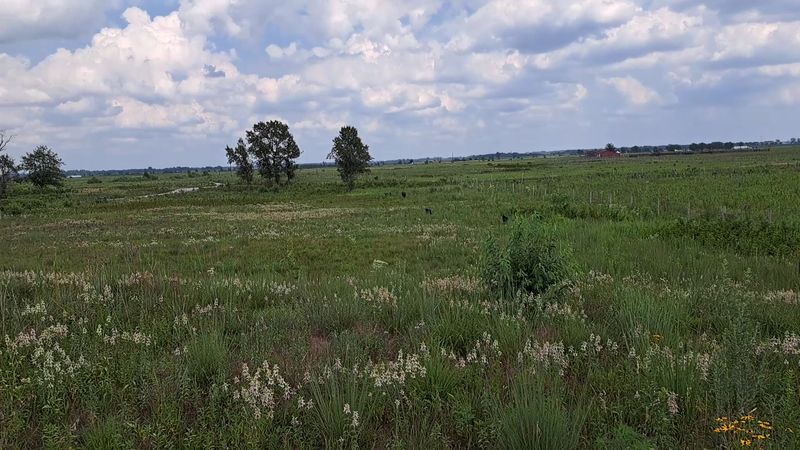
Picture a gravel road cutting through grass taller than a car window. Now add dozens of orange wings flickering above the seed heads like sparks blown loose from a campfire. That is the scene waiting for sharp-eyed visitors to Kankakee Sands near Morocco when fall migration hits its stride.
The preserve sits in Newton County, a region most people know for cornfields and long, straight highways. Then the fields suddenly give way to thousands of acres of rolling prairie, and the whole landscape changes color. Late summer paints it in gold, rusty red, and purple, and those colors are exactly what traveling monarchs are hunting for.
Monarchs heading south need fuel. A butterfly flying to the mountains of central Mexico can travel a couple thousand miles, and it cannot pack snacks. Prairie flowers loaded with nectar work like roadside gas stations, and a big restored prairie is one of the best refueling stops in the region.
The drive in is part of the fun. Pull-offs line the gravel road leading to the bison viewing parking lot, giving you safe spots to stop, roll down the window, and scan the flowers.
Monarchs rarely hold still for long, so watch for that lazy glide followed by a few quick flaps, a flight style that sets them apart from smaller orange butterflies.
Wind matters out here. On breezy days, the butterflies tuck low into the plants, while calm, sunny afternoons bring them up and out in the open. Cloudy mornings can feel empty, then a burst of sunshine sends wings rising everywhere at once.
Keep your speed slow on the gravel. The roads are narrow, dust kicks up fast, and a butterfly crossing in front of your bumper deserves a fighting chance.
The Monarch Trail Is Short on Purpose
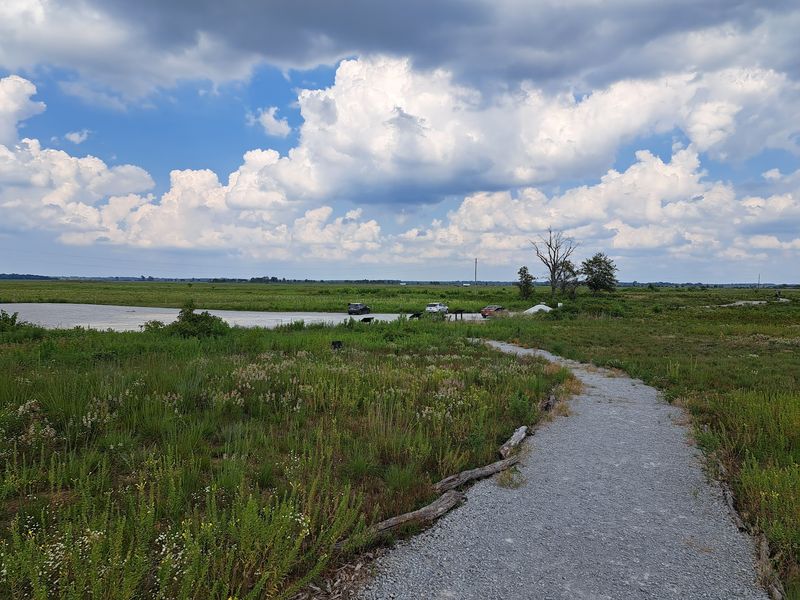
Only a tenth of a mile long. The Monarch Trail at the bison viewing area will not wear out anyone’s legs, and that tiny size is exactly the point.
Starting from the parking lot, this out-and-back gravel walkway works more like an outdoor classroom than a hike. Signs along the path explain how monarchs and milkweed depend on each other, and the plants themselves grow right beside the words. You can read about a leaf and then bend down to look at the real thing a few steps later.
Here is the big lesson. Monarch caterpillars can only eat milkweed, nothing else. Adult butterflies sip nectar from many flowers, but a female must find milkweed to lay her eggs, which means no milkweed equals no new monarchs.
Walking this path in late summer, flip a few milkweed leaves gently and check the undersides. Tiny cream-colored eggs or striped yellow, black, and white caterpillars sometimes hide there. By early fall, the plants start forming bumpy green pods that later split open and release fluffy white seeds on the wind.
The trail also ends at spots built for sitting and looking out over the bison pasture. That makes it a smart first stop for families with small kids or anyone who wants a quick taste before deciding on something longer.
Hikers craving more distance have options elsewhere on the larger preserve. The Grace Teninga Discovery Trail makes a 2-mile loop, the Conrad Station Savanna Trail covers about 1.6 miles, and the Wet Prairie Trail offers a 1-mile loop.
Stick to the Monarch Trail first, though. Five slow minutes here teach you what to look for on every other path, and suddenly the whole prairie starts making sense.
Bison and Butterflies Share the Same Indiana Prairie
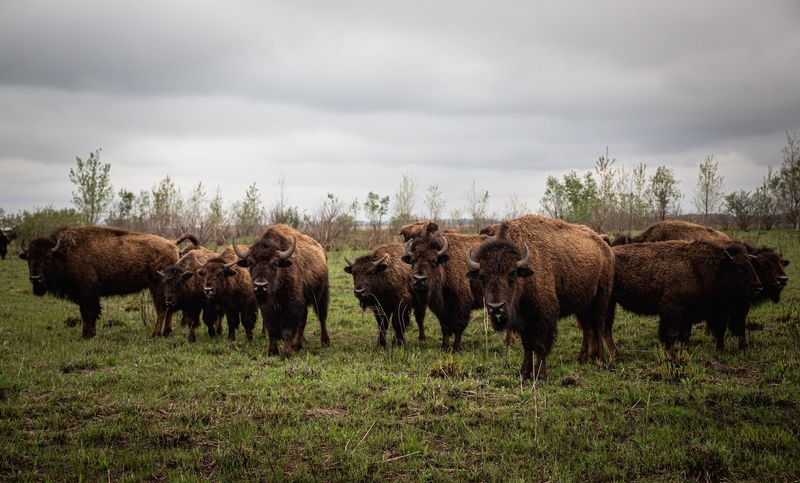
A two-thousand-pound animal and a creature that weighs less than a paperclip might seem like strange neighbors. At Kankakee Sands, they actually help each other out.
The Nature Conservancy brought bison back to this land to act as prairie gardeners. As the herd grazes, it trims some grasses short and leaves other patches alone, creating a patchwork of plant heights. Their wallows, the dusty spots where bison roll around, open up bare soil where different wildflowers can sprout.
More kinds of flowers mean more nectar choices for migrating monarchs. A prairie with only one type of tall grass would feel like a grocery store stocked with a single item. Bison help keep the shelves varied.
The herd itself can be large, and some visits turn up seventy or more animals moving slowly across the grass. Other days, they wander so far into the pasture that they look like brown dots on the horizon. These animals roam a huge fenced area, not a small pen, so spotting them takes patience and sometimes a little luck.
If the viewing area comes up empty, drive the roads around the perimeter of the fenced prairie. Bison often show up near the edges, and some sightings happen close to US 41. Just stay in your car or on public roads, and never climb any fence.
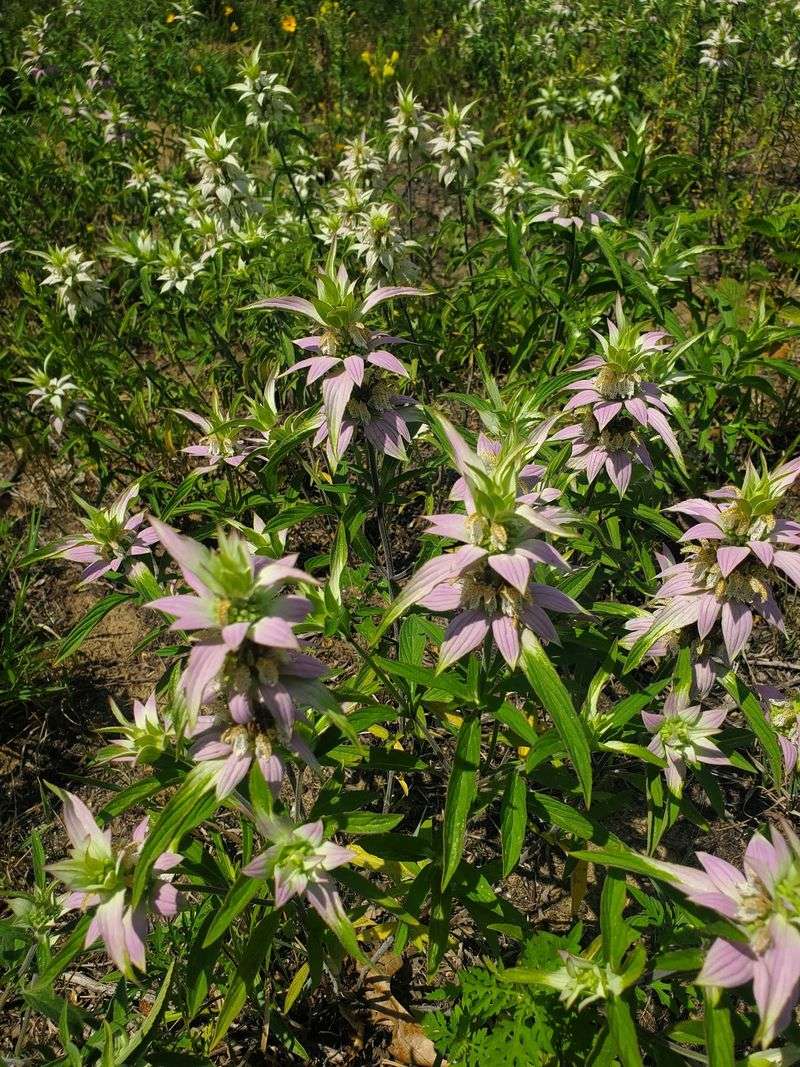
On a warm fall day, watch the flowers near the fence line while you wait. Goldenrod, asters, and blazing star can hold monarchs within sight of grazing bison, giving you a rare two-for-one view.
Hot weather sends the herd looking for shade or water. One lone bison standing chest-deep in a pond is not unusual when temperatures climb.
Platforms, Binoculars, and a Bison Pelt You Can Touch
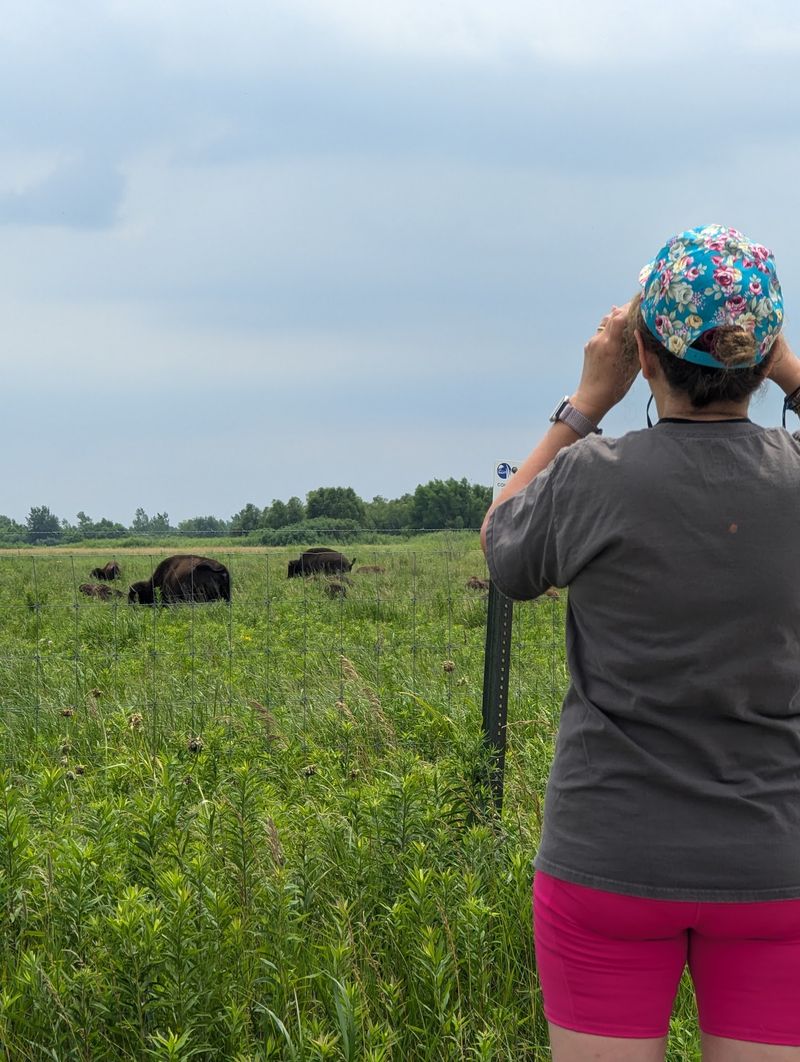
Most wildlife stops offer a sign and a parking spot. The viewing area here goes further, with raised observation platforms that lift you above the grass for a wider look across the pasture.
Mounted binoculars sit on the platforms, so even visitors who forgot their own gear can zoom in on distant bison or a butterfly working a flower patch. The upgraded lookout gives the whole site a finished, welcoming feel. Two viewpoint trails lead from the parking lot to different overlooks, and each one frames the prairie a little differently.
Comfort counts too. Picnic tables and benches spread across the area, so packing lunch makes a lot of sense. The parking lot is free, and composting restrooms keep things clean without plumbing out in the middle of the prairie.
Information boards scattered around the site deserve more attention than a quick glance. They cover bison history, prairie plants, and how the land was restored. Reading a few before heading to the platform turns random grass into a story you can follow.
On some days, volunteers staff the site and share what they know. They have been known to bring out a bison pelt for visitors to touch, which surprises plenty of people. The fur feels thick and coarse on top, with a denser layer underneath built for brutal prairie winters.
Hikers sometimes stumble across natural leftovers too, like tufts of shed fur caught on plants or even old bones. Look, photograph, and leave everything where it lies.
Photographers should plan for distance. A long telephoto lens pays off for bison, while a macro lens or close-focusing zoom works better for monarchs perched on flowers. Bringing both covers the big and the tiny in one trip.
Farmland Once Covered What You See Today
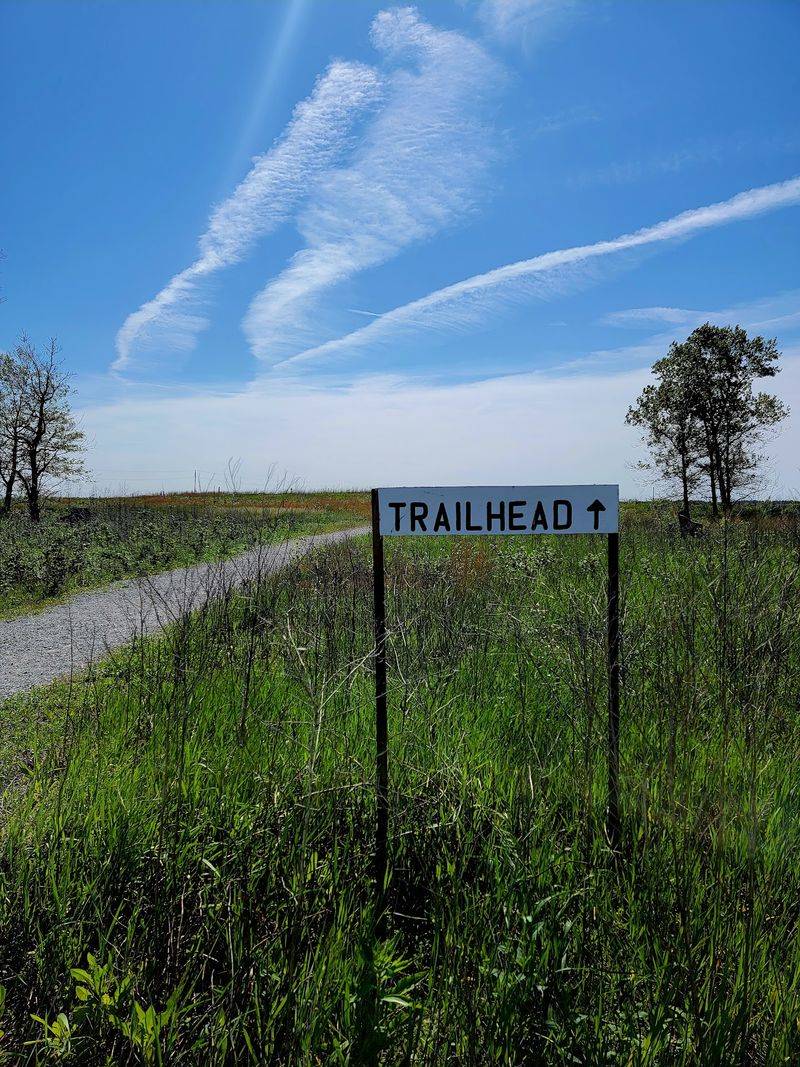
Hard to believe now, but much of this prairie used to be something else entirely. Northwest Indiana was once home to Beaver Lake, one of the largest lakes in the state, along with sprawling wetlands and grasslands. Over time, the lake was drained and the land turned into farm fields.
The Nature Conservancy began restoring the area decades later, planting native prairie species acre by acre. That kind of work is slow and dirty. Seeds must be collected, grown, and planted, and invasive weeds have to be pushed back year after year.
Volunteers play a real part in this effort. Some spend time in the greenhouse planting prairie seedlings, while others help collect seeds in fall, the same season when monarchs pass through.
Groups of all sizes can get involved, which makes it a neat outing for scout troops, school clubs, or families who like getting their hands in soil.
For monarchs, restoration projects like this matter a lot. Their numbers have dropped over the years, partly because milkweed and wildflowers disappeared from farm country. Every restored acre adds back food that migrating butterflies can count on.
Birds benefit as well. Listen closely on a quiet morning and you might hear the clear whistle of a bobwhite quail, a sound that has grown rare in much of the Midwest. Owls, deer, and many grassland songbirds also call this place home.
Driving past neighboring corn and soybean fields on the way in helps you understand the scale. One side of the road looks neat and uniform.
The other bursts with dozens of plant species tangled together, buzzing with insects and shifting color with every season. That contrast tells the whole history without a single sign.
Timing the Short Migration Window
Blink and the butterflies are gone. Monarch migration through northern Indiana usually peaks from late August through September, with stragglers sometimes lingering into early October depending on the weather.
No calendar can promise an exact date. Cold fronts coming down from the north often push big waves of monarchs south, so a few days after a cool, breezy change in the weather can be a great time to visit. Warm, sunny afternoons that follow are prime hours for watching them feed.
The site is open daily from 7 AM to 7 PM. Early mornings bring cooler air, and monarchs may still be resting in trees or clinging to plants, wings closed, waiting to warm up. By late morning, they begin moving, and midday through mid-afternoon tends to be the busiest stretch.
Bison follow their own schedule. Cooler parts of the day sometimes bring the herd closer, while hot afternoons can send them off toward distant water. Visiting in the late morning offers a fair shot at both.
Pack with the location in mind. The preserve sits far from stores and restaurants, so bring water, snacks, sunscreen, and a hat.
Bug spray helps near wetter areas, and sturdy shoes make sense because trails can get muddy and bison droppings dot some paths. Wind can be fierce on open prairie. A light jacket earns its place in the car, even on a warm-looking fall day.
Binoculars are a smart bring-along. They make it easier to scan flower patches from a distance and follow butterflies without chasing them through the grass.
Keep a simple tally on your phone of how many monarchs you spot. Comparing counts across different visits shows how fast the migration rises and fades.
Quiet Crowds and Nearby Wild Places
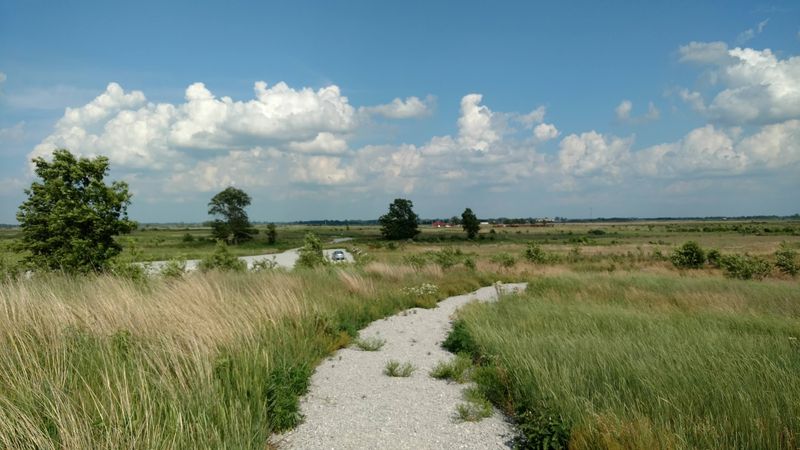
Two other people. That might be the entire crowd on a typical weekday visit, and some winter visitors report having the whole viewing area to themselves.
Compare that with famous western parks where bison jams stretch for miles. Here, you can stand on a platform, listen to grass rustle, and watch a monarch float past without anyone nudging your elbow. Seeing wild bison in Indiana without driving to South Dakota already surprises people, and the quiet makes it even better.
Getting around takes a little planning. Map apps sometimes guide drivers to a building with a small pavilion rather than the actual viewing area. From there, follow the signs north toward bison viewing, and expect narrow roads that are mostly gravel.
Stopping at the main preserve office area first can be helpful, since maps and trail information are posted there. Then continue on to the viewing site for the platforms and the Monarch Trail.
Make a day of it by adding Willow Slough Fish and Wildlife Area, a short drive away. Its lake, woods, and marshes offer a different kind of scenery, with plenty of birds and peaceful spots to walk. Pairing the two gives you open prairie in the morning and shaded water views later on.
Leave room for flexibility. If bison stay hidden near the platforms, loop around the pasture roads, stopping at safe pull-offs. Many of the best sightings happen from the car, especially along the edges of the fenced area.
By the time monarchs leave for the season, the prairie shifts toward bronze and tan. Seed heads rattle in the wind, bison grow thicker coats, and another migration, this one of geese and cranes, starts crossing the same wide Indiana sky.