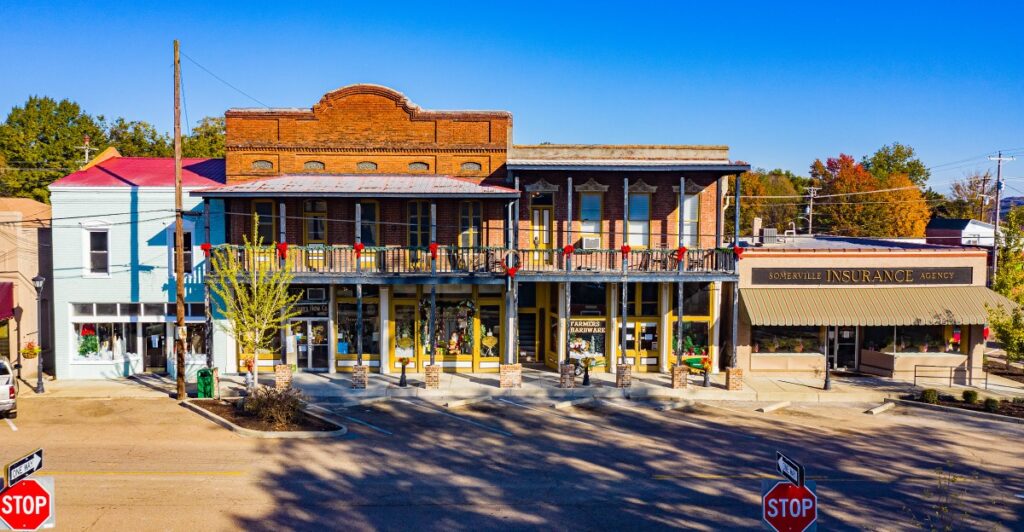
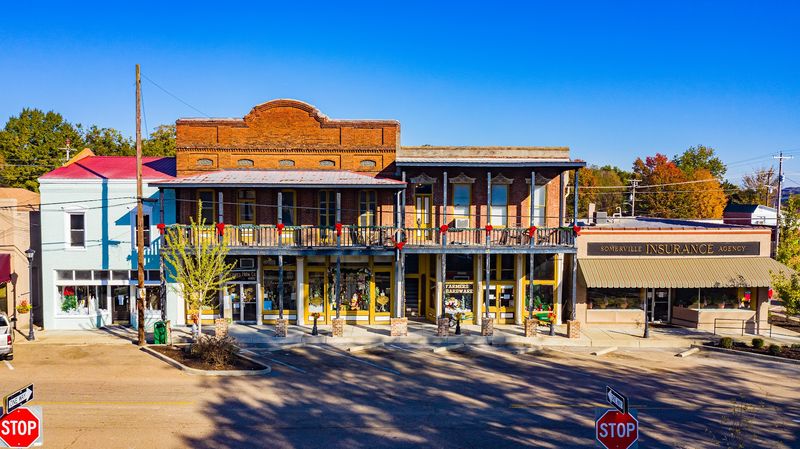
A short drive east of Memphis leads to Somerville, a quiet Tennessee town where history remains visible around nearly every corner. Its charming town square, historic courthouse, and preserved commercial buildings reflect the community’s deep roots in Fayette County, while local landmarks tell stories reaching back to the early 1800s. Visitors can slow down for a walk through the Somerville Historic District, browse local businesses, and explore exhibits at the Somerville–Fayette Gallery of Art and History.
Seasonal gatherings on the square add energy without taking away from the town’s easygoing character. Somerville may not attract the crowds found in larger Tennessee destinations, but that is part of its appeal. With handsome architecture, a welcoming downtown, and generations of local stories woven into its streets, this overlooked town offers a peaceful day trip for anyone interested in discovering the past beyond Memphis.
The Historic Courthouse Square
Picture a town square where the clock still feels like the boss. The Fayette County Courthouse stands in the middle of Somerville like a proud grandparent, keeping an eye on everyone who strolls past. The current building dates to 1925, but a courthouse has anchored this spot since the town took shape in the 1820s.
Somerville was founded in 1825 and named for Lieutenant Robert Somerville, who died at the Battle of Horseshoe Bend. That little detail gives the square a quiet weight. You are standing in a place that was planned when Andrew Jackson was still a rising star.
The buildings around the square tell their own story. Brick fronts with tall windows once held dry goods stores, law offices, and pharmacies. Some still house local businesses, so you can shop in the same rooms where farmers once bought seed and sugar.
Here is a local tip. Walk the full loop around the square slowly, and look up above the modern signs. Many buildings have old names, dates, and fancy brickwork near the rooflines that most folks miss.
The square also comes alive during seasonal events. Holiday decorations, small festivals, and community gatherings turn the lawn into a friendly hangout. If you visit on a weekday morning, you might see attorneys hustling in with briefcases while retirees chat on the benches.
Photographers love this spot in the late afternoon. The sunlight hits the courthouse bricks and makes them glow a warm orange. Bring your phone or camera and grab a shot from each corner, because every angle shows something new.
Parking is easy, which is a treat if you are coming from Memphis traffic. Most spaces are free and close to the action. That makes the square a smart first stop before exploring the rest of town.
Think of this area as Somerville’s living room. It is where news gets shared, where parades roll through, and where the town’s long memory feels most real. Start here, and the rest of your visit will make a lot more sense.
Fayette County Museum
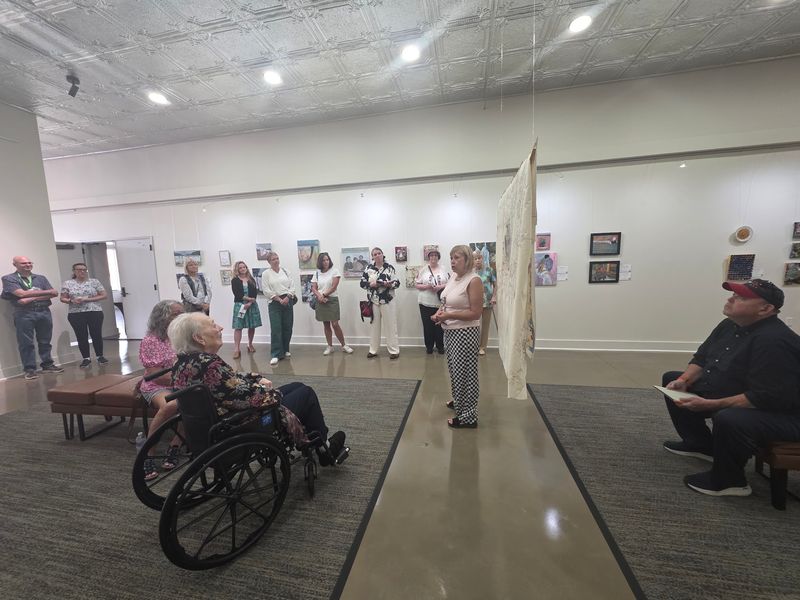
Tiny museums hide the best surprises, and this one proves it. The Fayette County Museum packs generations of local life into a space you can explore in an afternoon. It feels less like a lecture and more like flipping through a giant family scrapbook.
Inside, you will find old photographs, farm tools, household items, and records that show how people lived here long ago. Cotton shaped this county for well over a century. Many displays connect back to that crop and the people, both free and enslaved, whose labor built the local economy.
That honest look at the past matters. Fayette County has a complicated history, including the Civil War era and later the civil rights movement. The museum helps visitors see the full picture instead of just the pretty parts.
Families with kids can make a game out of the visit. Challenge young ones to find the oldest object in the room or spot a tool they cannot identify. Ask the volunteers for help, because they often know fun backstories that are not written on the labels.
Speaking of volunteers, they are the secret weapon here. Many grew up in the area and have relatives who appear in the photos. A quick question can turn into a ten-minute story about a great-uncle’s general store or a flood that nobody forgot.
Hours can be limited, so check ahead before you drive out. Small-town museums often run on volunteer schedules. A quick call or look at the county’s pages online can save you a wasted trip.
Admission is usually free or very low cost, though donations are welcome. Dropping a few dollars in the box helps keep the lights on and the collection safe. It is a simple way to support local history.
Genealogy fans should take special note. If your family has roots in West Tennessee, the museum and nearby records offices may help you trace names and dates. More than one visitor has walked in curious and walked out with a new branch on the family tree.
Antebellum Homes Along the Old Streets
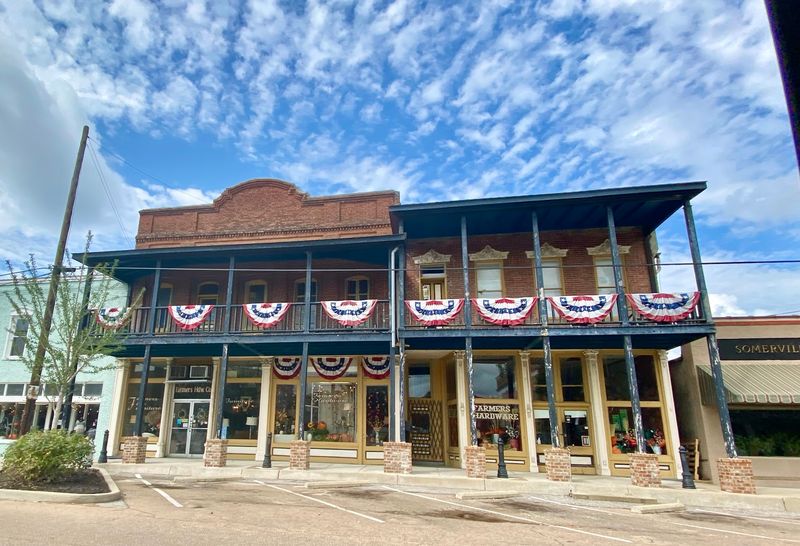
Tall columns, wide porches, and windows taller than a basketball player. Somerville’s historic homes look like they walked straight out of an old novel. Some date back to the 1830s and 1840s, when cotton money flowed through the county.
Several of these houses survived the Civil War, which is a big deal. Plenty of Southern towns lost their older buildings to fire or neglect. Somerville kept a surprising number, and many are listed on the National Register of Historic Places.
The styles vary more than you might expect. You will spot Greek Revival homes with bold white pillars, Victorian houses with fancy trim, and simpler cottages that show how working families lived. Each street is like a design class you can take on foot.
Remember one thing, though. Most of these homes are private residences, so enjoy them from the sidewalk. Waving at a homeowner on the porch is fine, but walking up the steps for a selfie is not.
A self-guided driving or walking tour is the best approach. Start near the square and wander the side streets within a few blocks. Take your time, since the best details, like iron fences and old carriage steps, are easy to miss when you rush.
Fall is a fantastic season for this stroll. Big oaks and maples turn gold and red, framing the houses like paintings. Spring brings blooming dogwoods and azaleas, which are just as pretty.
It also helps to remember the full history behind these grand homes. Many were built by wealthy planters who relied on enslaved people. Keeping that truth in mind gives the architecture deeper meaning and honors those whose stories were rarely written down.
Occasionally, local groups host tours of homes that open some private houses to the public. These events are rare treats. Keep an eye on community calendars, because tickets can go fast when a famous old house opens its doors for a day.
Stories from the Civil War Years
In December 1863, Union and Confederate forces clashed near Somerville. The fighting was part of a larger struggle for control of West Tennessee and its railroads. For a quiet farm town, it was a sudden and frightening brush with the war.
Fayette County sat in a tricky spot. It was close to Memphis, which Union troops captured in 1862. That meant soldiers from both sides moved through the area often, taking food, horses, and supplies along the way.
Local families felt it deeply. Letters and diaries from the time describe worry, shortages, and sons who never came home. Enslaved people in the county also saw the war as a path toward freedom, and many left to follow Union lines.
Today, you can find historical markers around the region that explain these events. They are easy to overlook while driving. Pull over safely and read them, because each one packs a surprising amount of detail into a few lines.
A nearby cemetery also holds graves connected to the war era. Walking among the old stones is a sobering but meaningful experience. Look for dates in the early 1860s and notice how young many soldiers were.
History buffs may want to pair a Somerville visit with other sites in West Tennessee. Places like Shiloh National Military Park are a few hours away. Seeing the bigger battles helps you understand why small towns like this one mattered in the war’s chess game.
Kids often connect best through personal stories. Instead of focusing only on dates and generals, talk about what everyday life was like. Imagine not having enough food because soldiers took the family’s corn.
Here is a quick fact to share on the ride home. Many towns in this part of Tennessee changed hands several times during the war, sometimes within weeks. Residents never quite knew which army would show up next, which must have made every knock on the door a little scary.
Tent City and the Fight for the Vote
Few people outside Tennessee know this story, and that needs to change. In 1959 and 1960, Black residents of Fayette County registered to vote in large numbers. The response from some local landowners and businesses was harsh.
Many Black sharecroppers and tenant farmers were evicted from the land they worked. Stores refused to sell them goods, and some banks denied them loans. It was a punishment meant to scare people away from voting.
They did not back down. Families moved into tents on land owned by a Black farmer named Shepard Towles. The camp became known as Tent City, and it turned into a national symbol of courage during the civil rights movement.
Life in the tents was tough. Winters were cold, and people faced threats and even gunfire. Still, supporters from across the country sent food, clothing, and money to help them survive.
The federal government eventually stepped in. The U.S. Justice Department filed lawsuits to stop the economic retaliation.
This case became one of the early legal fights that paved the way for the Voting Rights Act of 1965.
Visiting today, you will not find a giant monument, but the story lives in local memory. Some historical groups and churches keep the history alive through events and oral histories. Ask around respectfully, and you may hear firsthand family stories passed down through generations.
Teachers and parents, this is an amazing history lesson for young people. It shows how ordinary folks, farmers and families, changed the country. Voting was not just a right on paper for them.
It was something they risked everything to claim.
Reading ahead helps a lot. Look up books and documentaries about Fayette County’s Tent City before your trip. When you stand in the area knowing what happened, the quiet fields suddenly feel full of meaning.
Somerville’s story is not complete without this chapter. It might be the most important one of all, and it deserves a spot at the top of your list.
Old Churches with Deep Roots

Sunday mornings in Somerville still sound like they did a century ago. Church bells ring across town, and steeples poke above the treetops like old friends saying hello. Some congregations here trace their beginnings back to the 1800s.
These buildings are more than places of worship. For generations, churches served as meeting halls, schools, and community centers. News spread there, weddings happened there, and neighbors helped each other through hard times.
Black churches in Fayette County played an especially powerful role. During the civil rights era, they hosted meetings, organized voter registration, and gave people strength. Their history is tied closely to Tent City and the struggle for fair treatment.
Architecture fans will enjoy the variety. You can spot brick churches with stained glass, white wooden chapels with simple lines, and styles that show different eras of building. Stained glass windows in older churches can be breathtaking when the afternoon sun shines through.
A quick word on manners goes a long way. If you want to look inside, it is best to attend a service or call ahead. Many congregations are happy to welcome visitors, but walking in during a funeral or private event is a no-go.
Church cemeteries are worth a quiet walk too. Old headstones often include poems, carvings, and family names that show up all over town. You might notice the same last names on street signs and storefronts.
Here is a fun thing to try. Visit on a day when a church is holding a community dinner or fundraiser. Southern church cooking is legendary, and you might leave with a plate of fried chicken, greens, and pie that beats any restaurant.
Photographing the outside of these buildings is usually fine. Just be respectful and avoid blocking entrances or snapping pictures of people without asking. A friendly smile and a quick hello can open the door to great conversations.
These churches hold Somerville’s heart in a way few other places can. Spend a little time near them, and you will feel it.
Down-Home Eats Near the Square
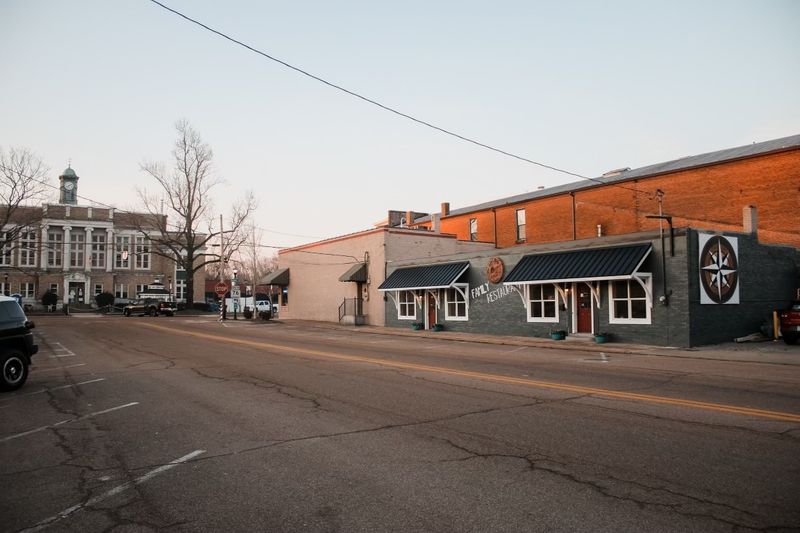
History makes you hungry, and luckily Somerville knows how to feed a crowd. Small diners and local spots near the square serve up the kind of food your grandmother would approve of. Think fried catfish, barbecue, biscuits, and sweet tea so sweet it should come with a warning label.
West Tennessee is serious barbecue country. Memphis gets most of the fame, but smaller towns hold their own. Slow-smoked pork shoulder, tangy sauce, and a side of slaw are standard orders around here.
Meat-and-three restaurants are another local favorite. You pick one main dish and three sides from a daily list. Mac and cheese, turnip greens, fried okra, and pinto beans often show up, and the cornbread is usually free-flowing.
A pro move is going at lunchtime on a weekday. That is when locals pack the booths and the food is freshest. You will hear real Tennessee accents and maybe pick up some town gossip along with your meal.
Save room for dessert, seriously. Chess pie, banana pudding, and cobbler are classic Southern sweets. Many small spots make them from scratch, and the slices tend to be generous.
Hours can be quirky in small towns. Some places close early or skip Sundays and Mondays entirely. Check online listings or call ahead so you are not staring at a locked door with a growling stomach.
Don’t be shy about asking servers for recommendations. They know which dish the kitchen nails and which daily special sells out fast. Sometimes the best meal is not even printed on the menu.
If you like to grab snacks for the road, look for local stores selling homemade goods. Jams, pickles, and baked treats make easy souvenirs. They also support small businesses that keep the town lively.
Food is part of Somerville’s story too. Recipes passed down for generations connect families to their roots, just like the old houses and churches. Every bite carries a bit of history, which is the tastiest kind of learning around.
Countryside Drives and Old Farm Roads

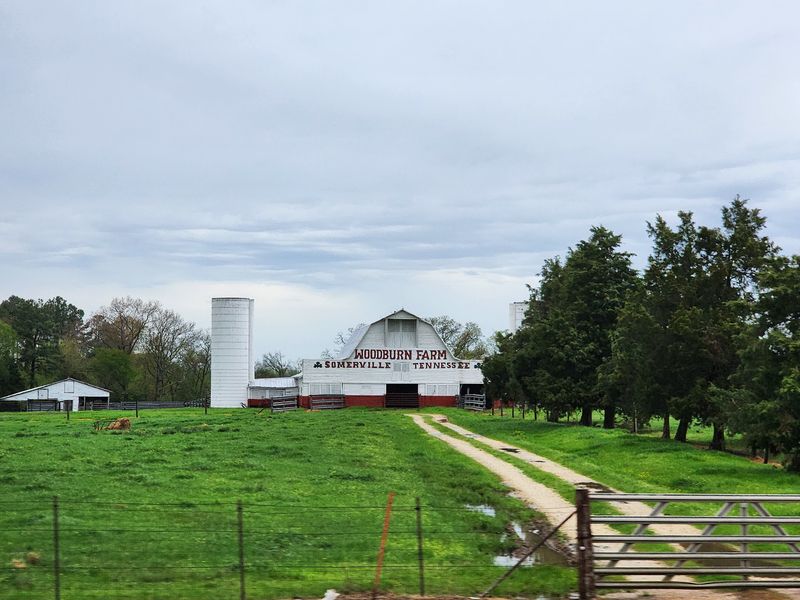
Roll down the windows and let the pavement do the talking. The roads around Somerville wind past rolling fields, weathered barns, and quiet creeks. It is the kind of drive where you catch yourself slowing down without meaning to.
Fayette County has deep farming roots. Cotton ruled for generations, and you can still see fields of it in late summer and fall. Soybeans, corn, and hay fill in the rest of the patchwork.
Old barns are the stars of the show. Some lean at funny angles, while others stand strong with fresh coats of red paint. Each one hints at families who worked the same land for decades.
The Wolf River runs through the region too. It is known for its natural beauty and wetlands. Parts of it are great for paddling, and nearby areas offer spots to spot birds, turtles, and even the occasional deer.
Timing makes a big difference. Early morning brings mist hanging over the fields, which looks almost magical. Golden hour before sunset paints everything in warm light that photographers dream about.
Safety is key on country roads. Many are narrow with no shoulder, so pull off only where it is safe. Watch for tractors, too, since farm equipment moves slowly and has every right to be there.
Want to add some adventure? Pack a picnic and stop at a park or pull-off with a view. A simple sandwich tastes better with a breeze blowing across the fields.
Kids might get restless on long drives, so turn it into a game. Count barns, spot cows, or look for old mailboxes shaped like animals. You would be surprised how quickly the miles fly by.
These drives show a side of Somerville that the square cannot. They remind you that this town grew from the land around it. Every field and fence line connects back to the stories you heard in town, making the whole trip feel complete.
Small-Town Festivals and Hometown Traditions
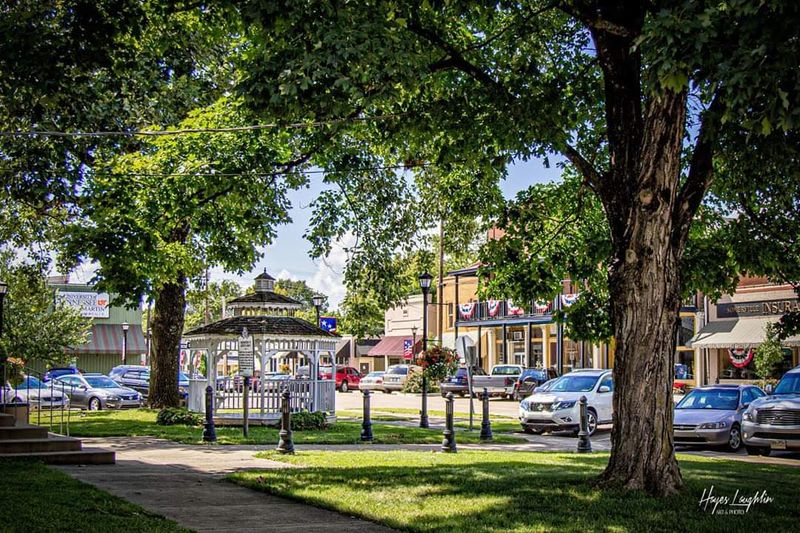
Nothing beats a small-town festival for people-watching and funnel cake. Somerville throws gatherings that feel like one big family reunion. Even if you are a first-time visitor, folks will treat you like you have been coming for years.
Seasonal events bring the square to life. Holiday parades feature decorated floats, school bands, and plenty of waving. Spring and fall often bring craft fairs, music, and food booths that stretch around the courthouse lawn.
These traditions carry real history. Many families have attended the same events for generations. Grandparents who once marched in parades now cheer from lawn chairs while their grandkids take a turn.
Local artists and makers usually show up with their best work. Handmade quilts, woodcrafts, candles, and jewelry make great one-of-a-kind souvenirs. Buying from them helps keep old crafts alive.
Live music is often part of the fun. Expect gospel, blues, bluegrass, or country, since all of these styles have roots in this part of Tennessee. Memphis is close enough that blues influence runs deep.
A few smart tips make the day smoother. Arrive early for good parking and cooler temperatures. Bring cash, since some vendors may not take cards, and pack sunscreen for those bright Tennessee afternoons.
Checking the calendar is a must. Event dates can shift from year to year. Look at the town or county websites, or follow local pages on social media for the latest updates.
Festivals are also a sneaky way to learn history. Chat with vendors, volunteers, and older residents between bites of barbecue. You might hear stories about the town that never made it into any book or museum display.
Somerville may be quiet most days, but these events show its lively spirit. They prove the town is not just preserving its past. It is still writing new stories, one parade and potluck at a time, and you are invited to be part of them.
Share this story