Autumn transforms Nashville’s wooded trails into colorful corridors filled with fiery reds, warm oranges, and brilliant golds. These seven scenic routes offer some of the area’s most rewarding fall views, leading hikers beneath leafy canopies, along peaceful lakeshores, and across ridges overlooking the changing landscape. The collection includes relaxed walks suited to an easy afternoon as well as hillier paths that reward a little extra effort.
Along the way, hikers may encounter quiet streams, rocky outcroppings, wildlife, and plenty of natural viewpoints framed by seasonal color. Whether you want a family-friendly outing, a peaceful solo walk, or a picturesque setting for fall photography, these Nashville trails make it easy to enjoy Tennessee’s most colorful season without traveling far from the city.
1. Ganier Ridge Trail at Radnor Lake
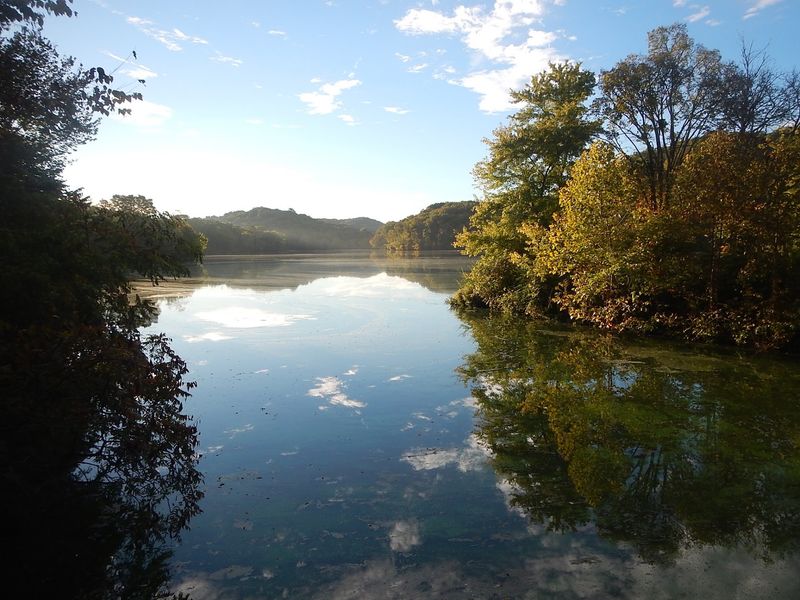
Ask any Nashville hiker where to burn off a hot chicken lunch, and Ganier Ridge will come up fast. It climbs to some of the highest ground at Radnor Lake State Natural Area, and your legs will feel every step. The reward is a treetop view of fall color that feels miles away from the city.
The path rolls up and down along the ridge, so plan on a real workout. Sturdy shoes are a smart call, since fallen leaves can hide roots and loose rocks. Take your time on the downhill parts, especially after a rain.
Up top, the forest opens just enough to show off layers of red, orange, and gold spilling down the hillsides. Hickories tend to glow bright yellow here, while oaks add deeper browns and burgundy. On a sunny afternoon, the whole ridge looks lit from the inside.
Radnor is a protected natural area, so pets, bikes, and jogging on some trails are not allowed. That rule keeps the woods quiet, which means your chances of spotting deer, owls, or wild turkeys go way up. Keep your voice low and your eyes open.
Here is an insider tip: parking lots fill up quickly on fall weekends. Arriving early in the morning gives you cooler air, softer light for photos, and a calmer trail. Weekday visits are even better if your schedule allows.
Pack water and a snack, because the climb earns it. Once you catch that ridge view, you will understand why locals keep coming back every October.
2. Mossy Ridge Trail at Percy Warner Park
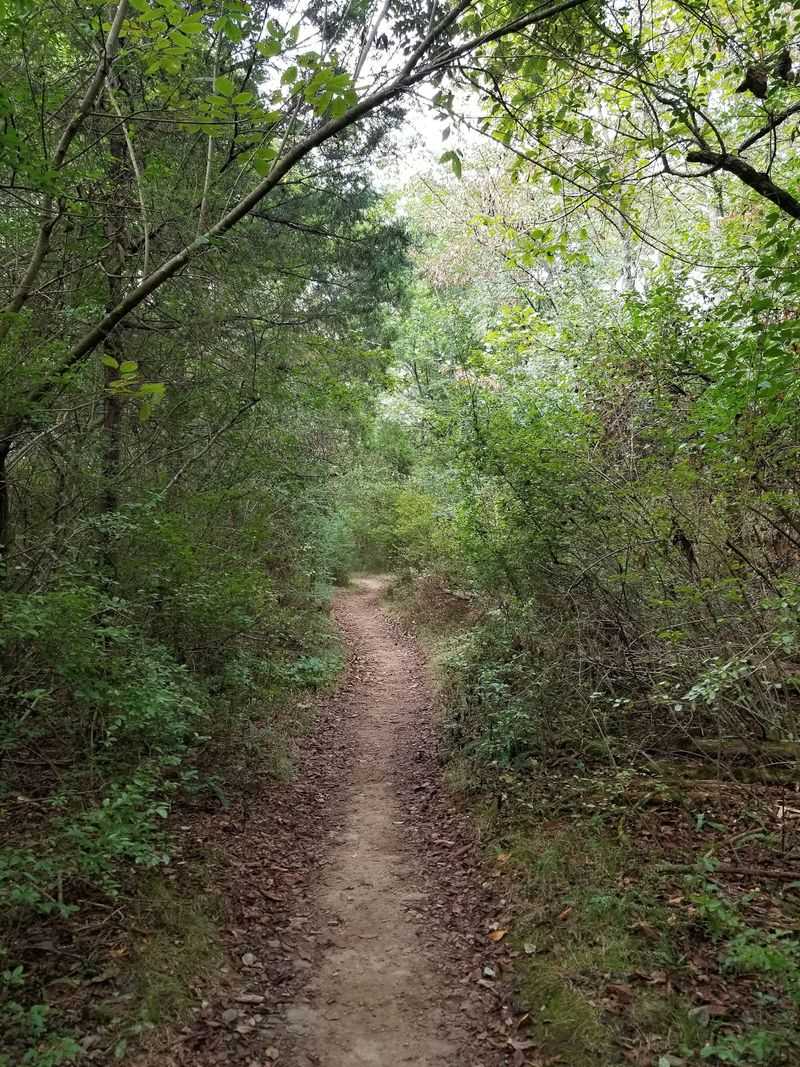
Green moss and red maple leaves make a surprising team. On Mossy Ridge Trail in Percy Warner Park, you get both at once, and the contrast looks almost too good to be real. It is like the forest decided to wear a holiday sweater early.
The loop runs close to five miles, so it is more of a half-day adventure than a quick stroll. Expect several climbs and dips through hollows and over ridges. Hikers who like a steady challenge will feel right at home.
Soft moss clings to rocks and fallen logs along the way, staying bright even when the trees start to go bare. Overhead, the canopy shifts through yellow, copper, and scarlet as the weeks go by. Every bend seems to bring a new color combo.
Percy Warner is one of the biggest city parks in Tennessee, and old stone walls and bridges built long ago still pop up around the grounds. Spotting them adds a little history lesson to your hike. They also make great photo backdrops when leaves pile up against the stones.
Trail markers help keep you on track, but it is still wise to snap a photo of the map at the trailhead. Some sections cross paths with other trails, and it is easy to take a wrong turn when you are busy staring at the trees.
Bring a light jacket. Shady hollows can feel chilly, even when the parking lot feels warm.
3. Harpeth Woods Trail at Edwin Warner Park
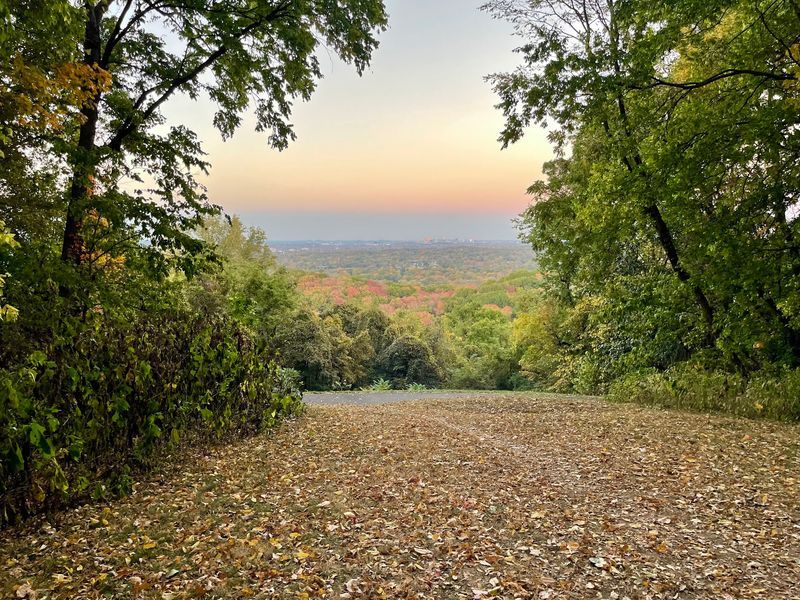
Not every leaf-peeping trip needs to leave you out of breath. Harpeth Woods Trail in Edwin Warner Park keeps things easygoing, with a mostly flat loop that works for little legs and grandparents alike. Think of it as the cozy blanket of Nashville fall hikes.
The loop is about two and a half miles, which makes it a great pick for a lazy Sunday. You can finish it in an hour or stretch it out with plenty of stops. Nobody is timing you.
Tall trees shade most of the path, and in autumn they turn it into a tunnel of butter yellow and pumpkin orange. Kids love kicking through the crunchy piles along the edges. Honestly, adults do too, even if they pretend otherwise.
The nearby Warner Park Nature Center is worth a quick visit before or after your walk. It often has displays about local plants and animals, and staff can point you toward seasonal highlights. It is a fun way to turn a hike into a mini science lesson.
Keep an eye out for woodpeckers tapping on trunks and squirrels racing to stash acorns. Fall is their busiest season, so the woods feel lively. A small pair of binoculars can make the trip even more exciting for young explorers.
Since the trail stays fairly level, it is also a solid choice for beginner hikers testing the waters. Pack a picnic and make an afternoon of it.
4. Laurel Woods Trail at Beaman Park
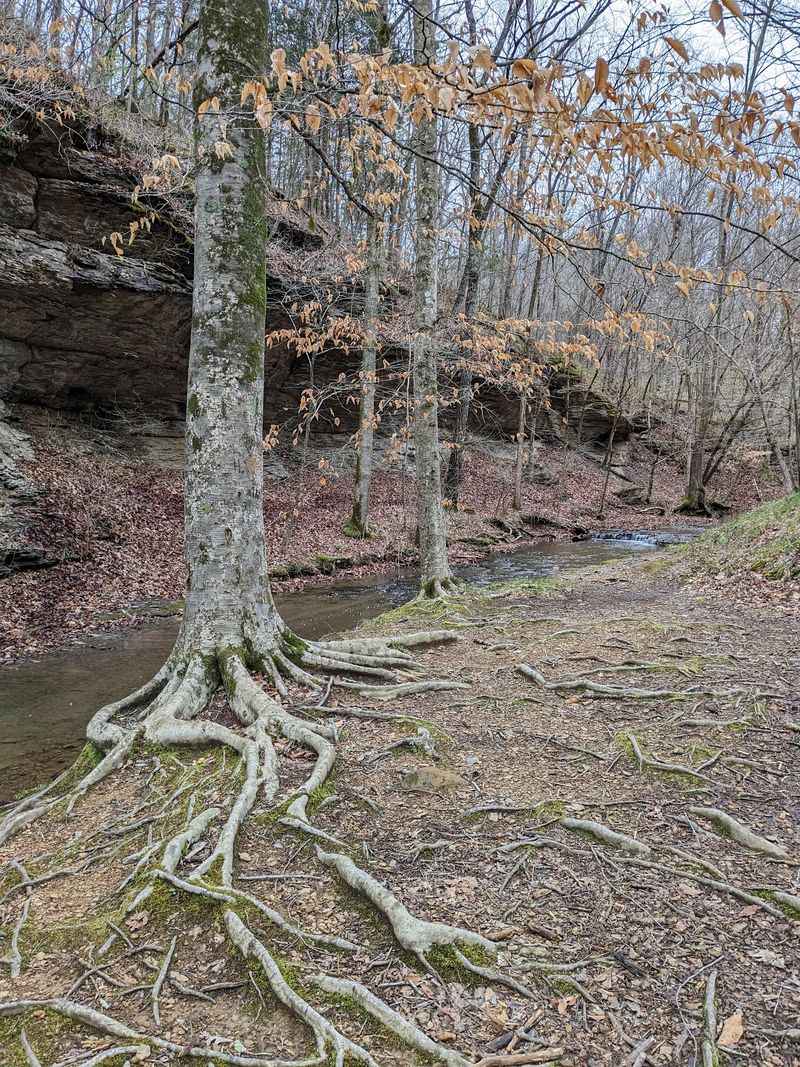
A quiet creek trickling over flat rocks, a few red leaves spinning in the current, and not another person in sight. That is a normal fall morning at Beaman Park. Laurel Woods Trail is one of the best ways to soak it all in.
Beaman sits on the northwest edge of Nashville and feels far more wild than most city parks. Steep hills and deep hollows give it a Highland Rim personality. Many locals still have not discovered it, which is great news for you.
The trail winds through thick hardwood forest before dipping down near a creek. Fall color here tends to be rich and layered, with maples, poplars, and beech trees all taking turns in the spotlight. Beech leaves often cling on late, glowing a pale bronze.
Some parts get rocky and uneven, so watch your footing. Creek crossings can be slick after rainy weeks. Waterproof boots are your best friend on this one.
Because Beaman is so peaceful, it is a favorite for people who want to slow down and unplug. Try walking for a few minutes without talking and just listen. You might hear leaves falling, which sounds a lot like soft rain.
Cell service can be spotty, so let someone know your plans before heading out. Download a trail map ahead of time too. A little prep keeps the adventure fun instead of stressful.
5. Henry Hollow Loop Trail at Beaman Park
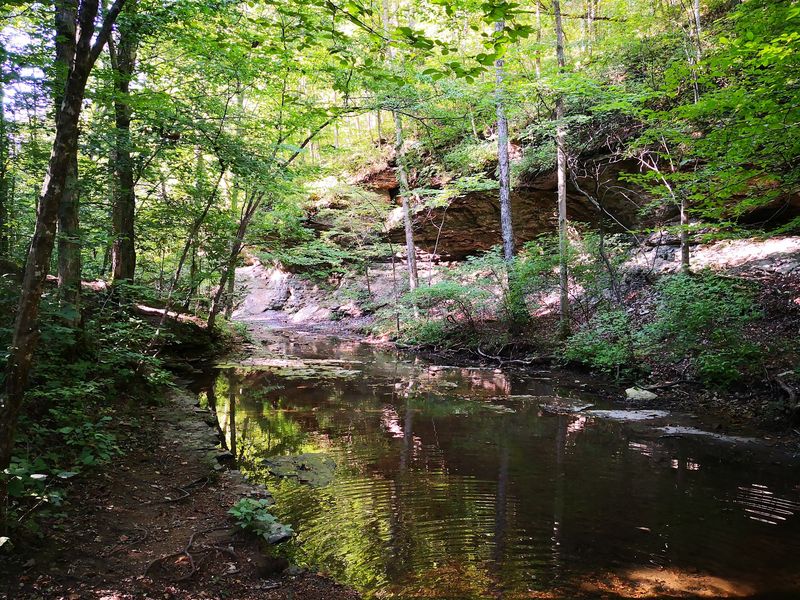
Hollows are sneaky. From the road they look like simple dips in the land, but step inside and they feel like a hidden world. Henry Hollow Loop at Beaman Park proves that point every single autumn.
This loop pairs nicely with a visit to Laurel Woods, since both start from the same park. It covers a bit more ground and packs in a few climbs that will get your heart pumping. Hikers who want a moderate challenge without a full-day commitment will like the balance.
The best part is the view down into the hollow as you climb. When the trees peak, you are looking over a bowl of color that shifts from gold to deep red. Late-afternoon sun makes it look even warmer.
Fun fact: hollows like this can stay cooler and damper than the ridges above them. That can change how quickly leaves turn, so the colors at the bottom and the top may not match. Hiking the full loop is almost like visiting two slightly different seasons.
Wildflowers get most of the attention at Beaman in spring, but fall deserves equal credit. Mushrooms pop up after rain, and acorns crunch under every step. Leave them where they lie so wildlife can enjoy the snacks.
Bring trekking poles if your knees complain on descents. They make the steeper sections much easier. Then find a log, sit for a minute, and let the hollow do its thing.
6. Volunteer Trail at Long Hunter State Park
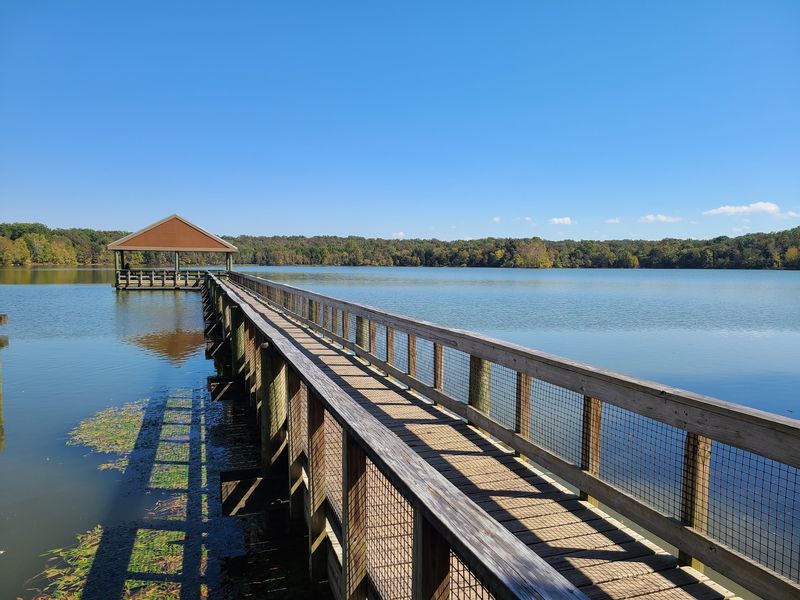
Leaves are pretty. Leaves reflected in a big blue lake? That is next-level.
Volunteer Trail at Long Hunter State Park in Hermitage gives you both, hugging the shoreline of Percy Priest Lake for long stretches.
This is a long trail, and the full route is often done as an overnight backpacking trip with a campsite along the way. Day hikers do not have to go the whole distance, though. Walk out as far as you like, then turn back when your legs say so.
The mix of cedar trees and hardwoods creates a cool effect in fall. Evergreen cedars stay dark green while nearby oaks and maples blaze orange and red. That contrast makes the bright colors look even bolder.
Long Hunter is known for its cedar glades, which are open, rocky spots with thin soil. They support tough little plants you will not see in many other places. Stop and look closely, because these habitats are pretty special in Middle Tennessee.
Limestone rocks along the path can get slippery, so choose shoes with good grip. Sun can also be stronger near the water, even on cool days. A hat and sunscreen are not a bad idea.
If you plan to camp, check the park rules and reservation details before your trip. Either way, save some energy for the views on the way back. The lake tends to sparkle brightest as the afternoon light fades.
7. Day Loop Trail at Long Hunter State Park
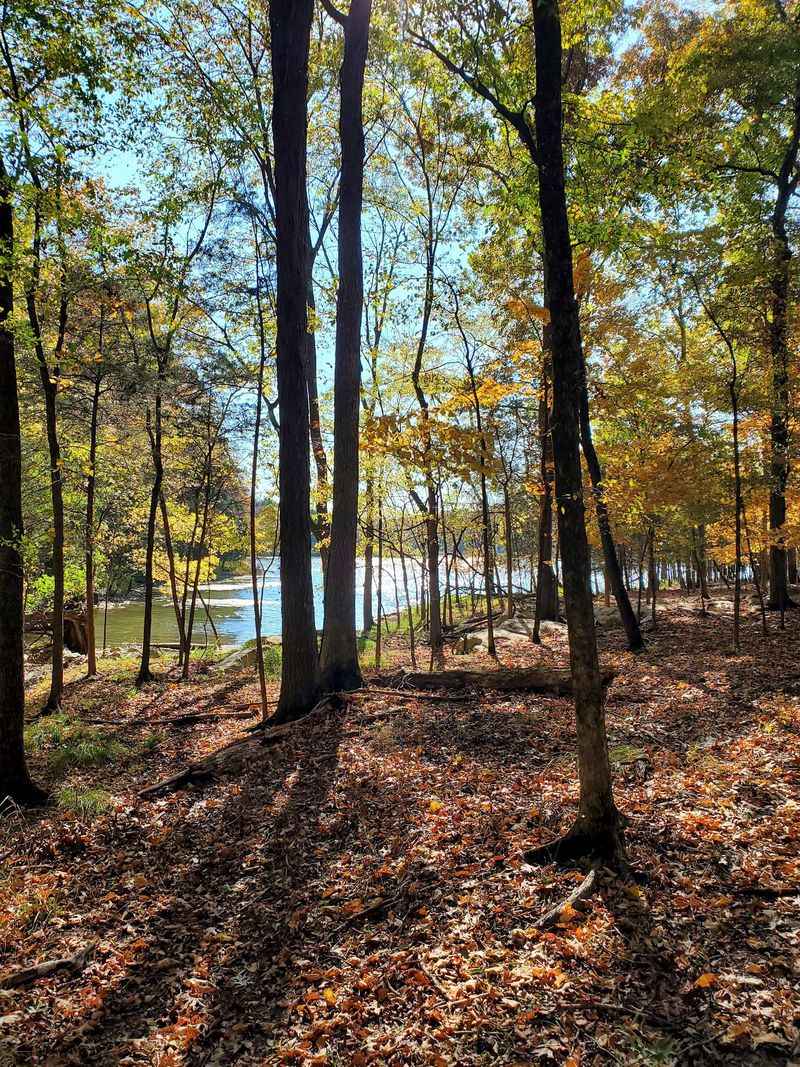
Short on time but big on leaf cravings? Day Loop Trail was practically made for you. Found at Long Hunter State Park in Hermitage, it offers a bite-sized taste of lakeside fall color in a fraction of the time.
The loop is only a few miles long and shares its starting point with the Volunteer Trail. Think of it as the sampler platter. You get woods, rocky ground, and peeks at Percy Priest Lake without a huge commitment.
Terrain here is mostly moderate, with some rocky spots and gentle ups and downs. Most healthy walkers can handle it without trouble. It makes a nice after-work escape when the days are still long enough.
Around peak season, sugar maples and sweetgums bring the drama. Sweetgum leaves are shaped like little stars and can turn purple, red, and yellow all on one branch. Pick one up and count the colors, it is a fun game for kids.
Birdwatchers should keep binoculars handy. The lake attracts herons and other water birds, and fall migration can bring surprise visitors passing through. Early mornings are usually best for spotting them.
After your hike, stick around the park for a lakeside picnic or a slow walk along the water. Sunsets here can be stunning when the sky picks up the same oranges as the trees. It is the kind of simple evening that sticks with you long after the leaves drop.
Share this story