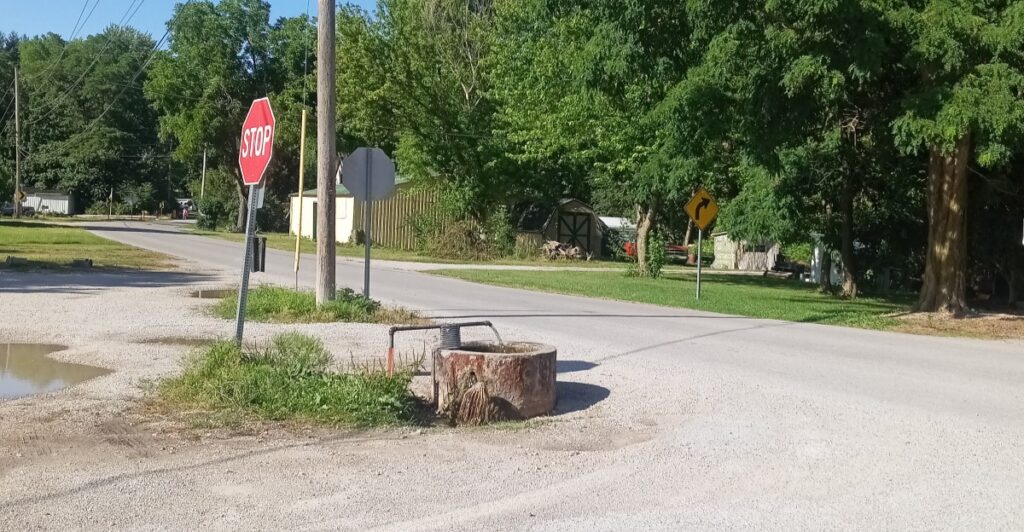
Cold water flows around the clock from an unassuming roadside pipe in Pittsburg, a tiny community just outside Delphi. There is no elaborate attraction surrounding the natural spring, yet generations of families have stopped here with empty jugs and containers to collect its clear, free-flowing water.
Some regulars even make the drive week after week, drawn by a taste they insist is among the best in Indiana. That enduring local tradition gives an otherwise simple roadside stop a surprising amount of character. Bring your own containers and a little curiosity, because this Carroll County spring is the kind of place most travelers would never know to look for.
A Roadside Pipe With a Big Reputation
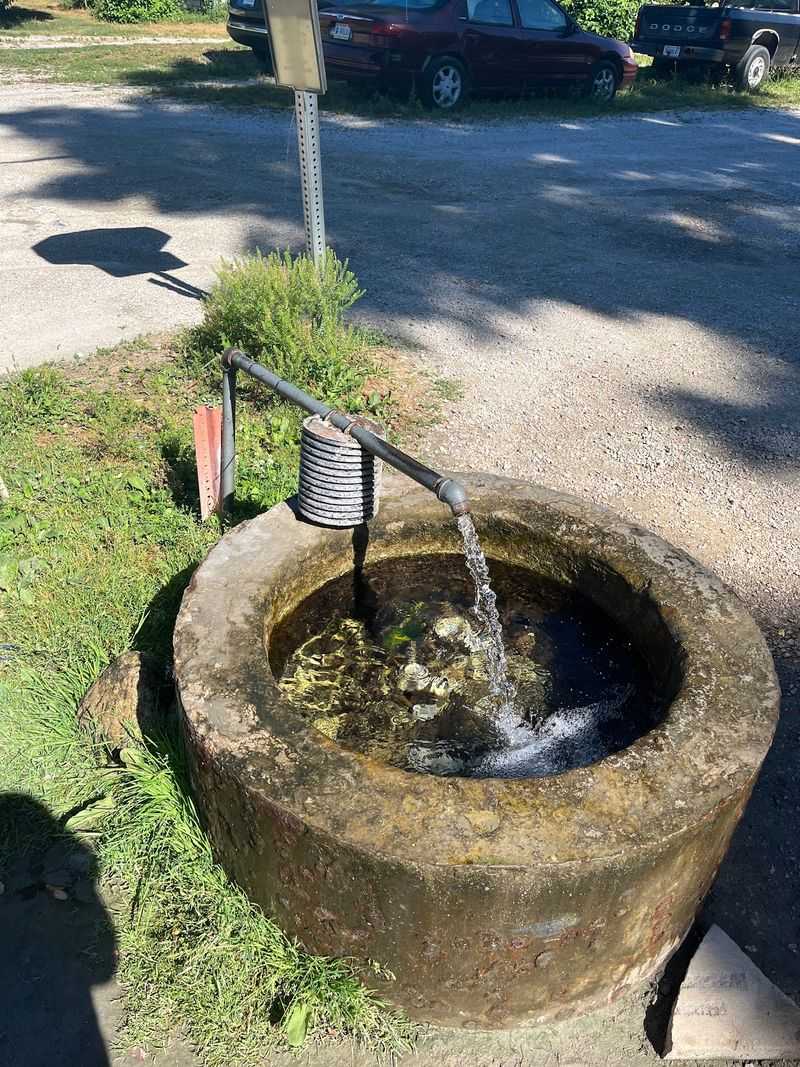
Blink and you could drive right past it. There is no gift shop, no ticket booth, and no fancy fountain. Just a pipe near the edge of Howard Street, steadily pouring water onto the ground below.
That plain look is a big part of the surprise. Pittsburg is a tiny spot tucked along the Wabash River area near Delphi, and the spring blends right into the neighborhood.
Small buildings, parked trucks, and quiet streets surround it. Nothing about the setting shouts that this is one of the most loved water sources in the region.
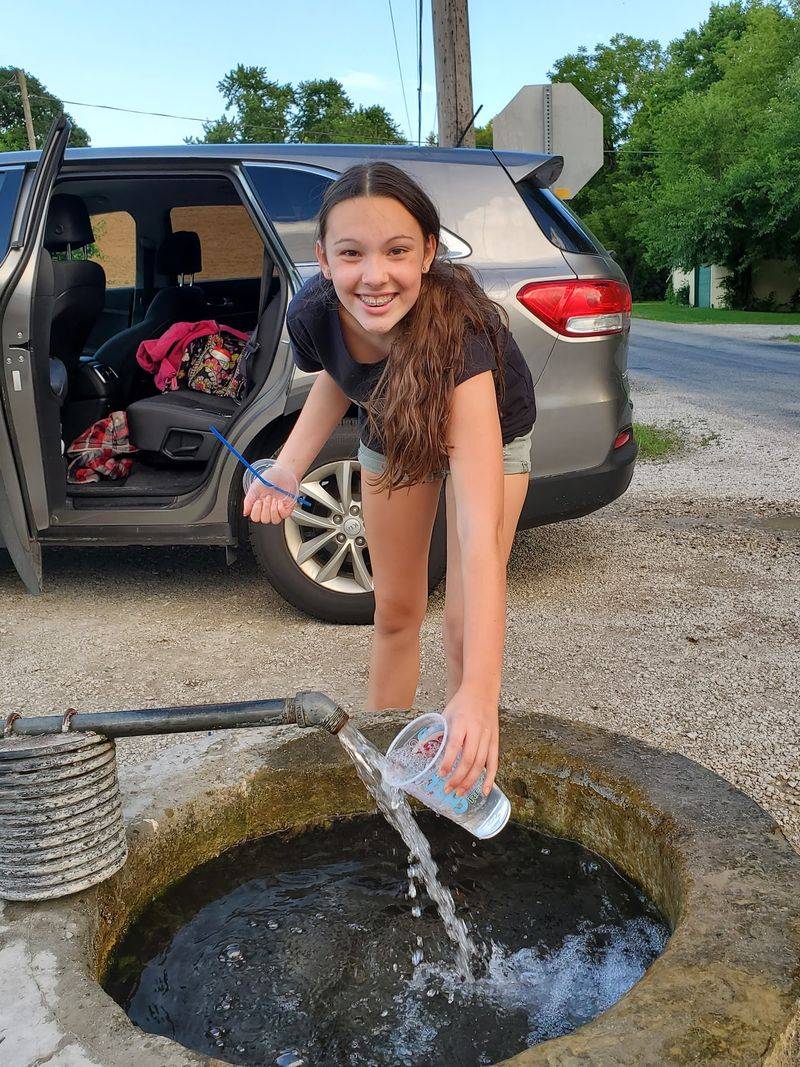
Then you notice the line of people. Someone is balancing a stack of empty jugs on a tailgate. Another driver waits patiently with the engine off. A kid holds a reusable bottle under the stream and gasps at how cold it is.
Calling it a historical landmark might sound grand for a pipe, but the label fits. The spring has served this community for a very long time, long before bottled water filled grocery store shelves.
It still does the same job today, without any help from pumps or electricity, since artesian water rises up on its own from pressure underground.
Here is a quick science bit worth knowing. An artesian spring happens when water gets trapped between layers of rock or clay underground. That pressure pushes the water up and out once a path opens. No one needs to crank a handle or flip a switch.
So the first visit usually goes like this. You park, you look around for something bigger, and then you realize the pipe in front of you is the whole show. A few minutes later, you are holding a cup of water so crisp it makes tap water seem flat.
Cold, Clean, and No Weird Aftertaste
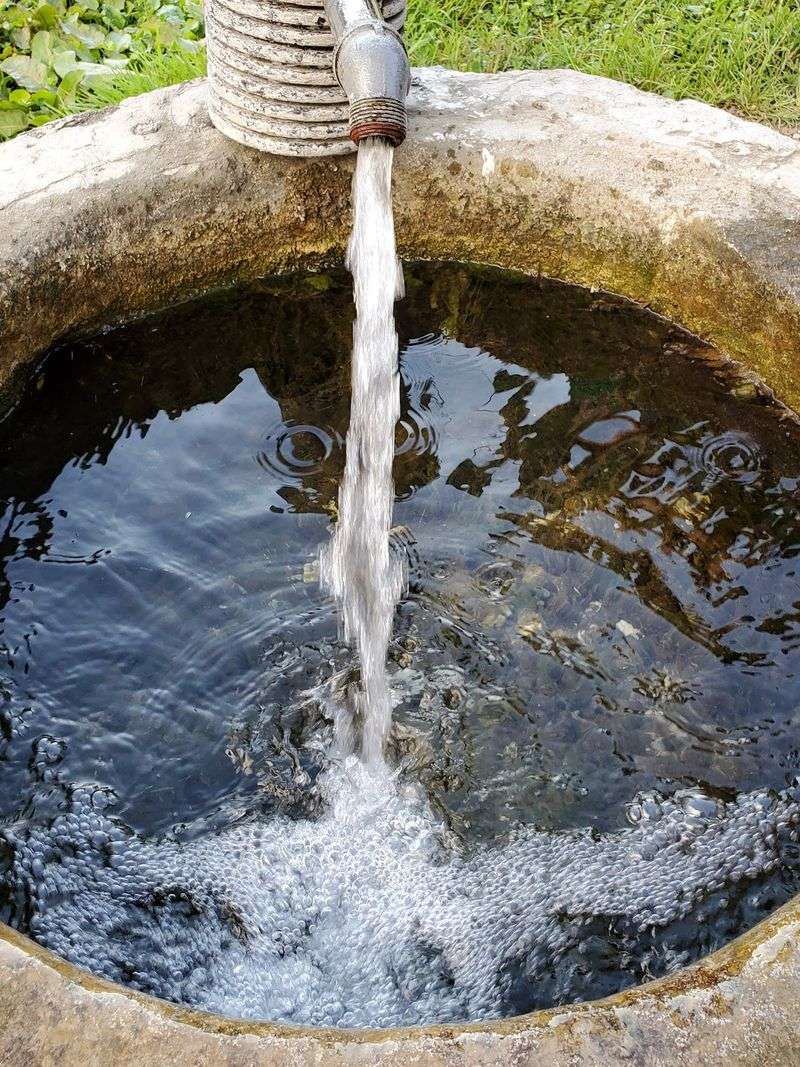
Take one sip on a hot July afternoon and you will understand the fuss. The water comes out fast and cold, even when the air around you feels like a sauna. It tastes clean, with none of the chlorine bite that many city taps carry.
Flavor is the main reason people make the drive. Plenty of homes around Carroll County deal with well water that is heavy in iron, which can leave a rusty taste and orange stains in sinks. Next to that, this spring tastes like a fresh start.
There is no metallic edge, no sulfur smell, and no strange film left behind. Regulars use it for more than just drinking straight from a cup. Some cook every meal with it. Others brew coffee or tea, where clean water makes a noticeable difference in flavor.
A few even share it with their dogs, figuring their pets deserve the good stuff too. Safety matters as much as taste, and that is a fair question with any outdoor water source. In the past, health department inspection notices were posted at the site.
Still, conditions can change over time, so take a look for any current postings or local updates before you fill up. That small habit keeps your visit smart and stress free.
Want to really notice the difference? Try a simple taste test at home. Pour one glass of tap water and one glass of spring water, both chilled to the same temperature. Ask someone in your family to guess which is which without looking.
Most people pick the spring water almost right away. It feels smoother on the tongue and finishes clean, which is exactly why so many fridges in this part of Indiana hold a jug filled from this pipe.
Horse-Drawn Wagons to Pickup Trucks
Picture a little girl perched on a wooden wagon, horses clopping down a dirt road toward the spring. Her family needs water for the house, so this trip is a regular chore. Decades later, that same girl, now in her late eighties, still shows up with her husband to fill containers at the very same spot.
Stories like hers are woven into the spring’s history. This is not a new attraction that went viral online. It is a working part of daily life that has quietly passed from one generation to the next.
Some locals have been drinking from it for more than seventy years. Kids who sipped from the pipe in the 1960s grew up, married, and kept coming back with their own jugs. Now their children and grandchildren take turns hauling water.
That family chain shows up in small, sweet ways. A parent teaches a child how to tilt a jug so it fills without splashing. A teenager who just got a driver’s license becomes the official water runner for grandparents and cousins.
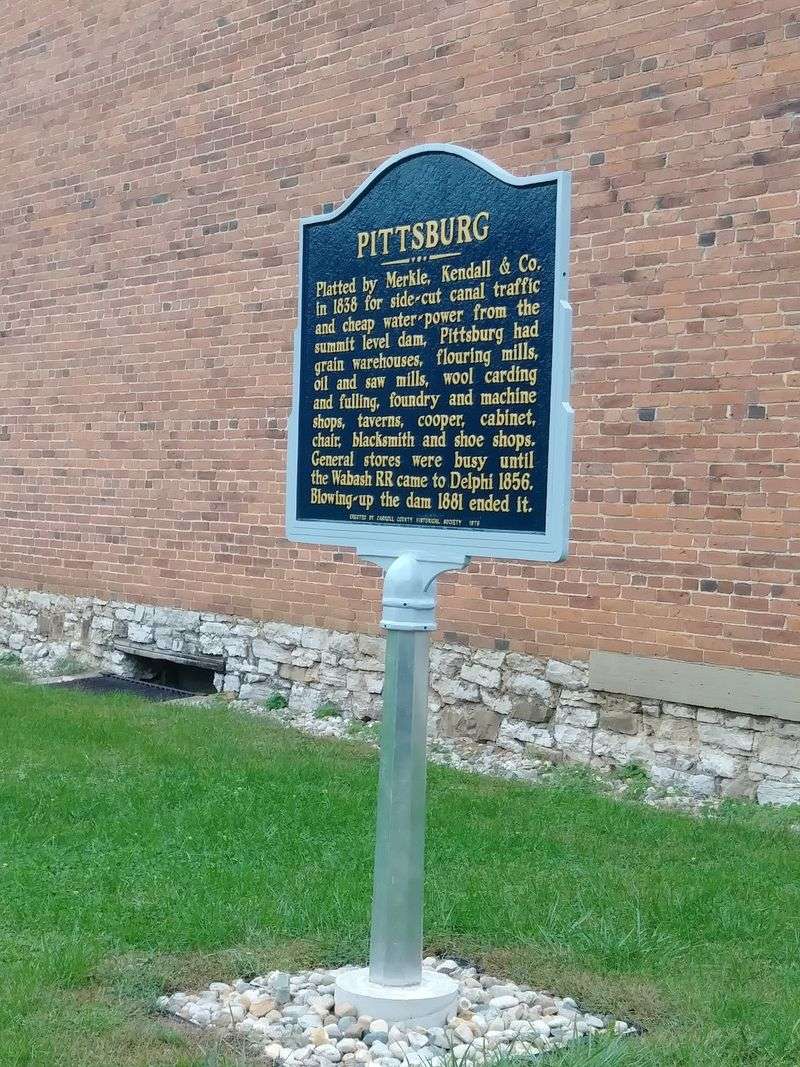
Former residents who moved to other states stop here first whenever they visit home. Pittsburg itself has deep roots.
It sits near Delphi, a town shaped by the Wabash and Erie Canal era of the 1800s. Water has always mattered in this area, from canal boats to farm wells, so it makes sense that a free, reliable spring would earn such loyalty.
Chatting with other people in line is half the fun. You might hear about how the spring looked fifty years ago or which family has filled up there the longest. Bring a little patience and a friendly hello, and you could walk away with a story worth more than the water.
Finding the Spring Without Getting Lost
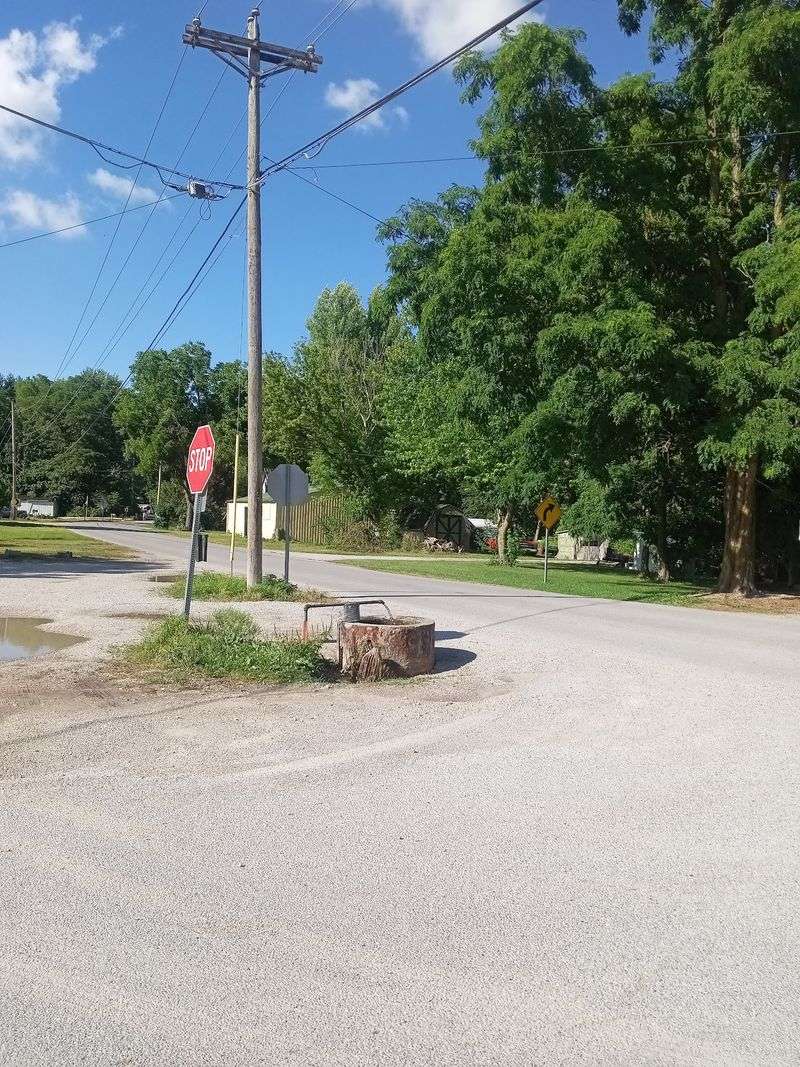
GPS can be a little moody around here. Map apps sometimes drop a pin in the wrong place, which leaves first-timers circling the block and wondering if the spring is real. Good news: a couple of simple landmarks make it easy to find.
Look for the American Legion building. The spring sits across the street from it, right on Howard Street in the Pittsburg area just outside Delphi. A small neighborhood bar sits next to the spring, which gives you a second clue once you are close.
Pulling in is simple. There is room to stop near the pipe, so you do not have to carry heavy jugs very far. That matters more than you might think, because a full five-gallon container weighs over forty pounds.
Coming from Delphi, the trip is short. Pittsburg sits just across the Wabash River from town, so it is a quick hop from Delphi’s historic downtown and the canal area. Travelers coming from Lafayette or Logansport can work it into a drive along the river without adding much time.
A few tips help the trip go smoothly. Write down the landmarks before you leave in case your phone loses signal. Drive slowly once you reach Howard Street so you can spot the pipe. Park so you do not block traffic or the next person waiting.
Night visits are possible too, since the spring flows around the clock. Bring a flashlight, though, because the street is quiet and the pipe is easy to miss in the dark.
Once you have found it the first time, you will never need directions again. The route becomes as familiar as the way to your own grocery store, and that pipe becomes a regular stop.
Bring the Right Jugs and Fill Like a Pro
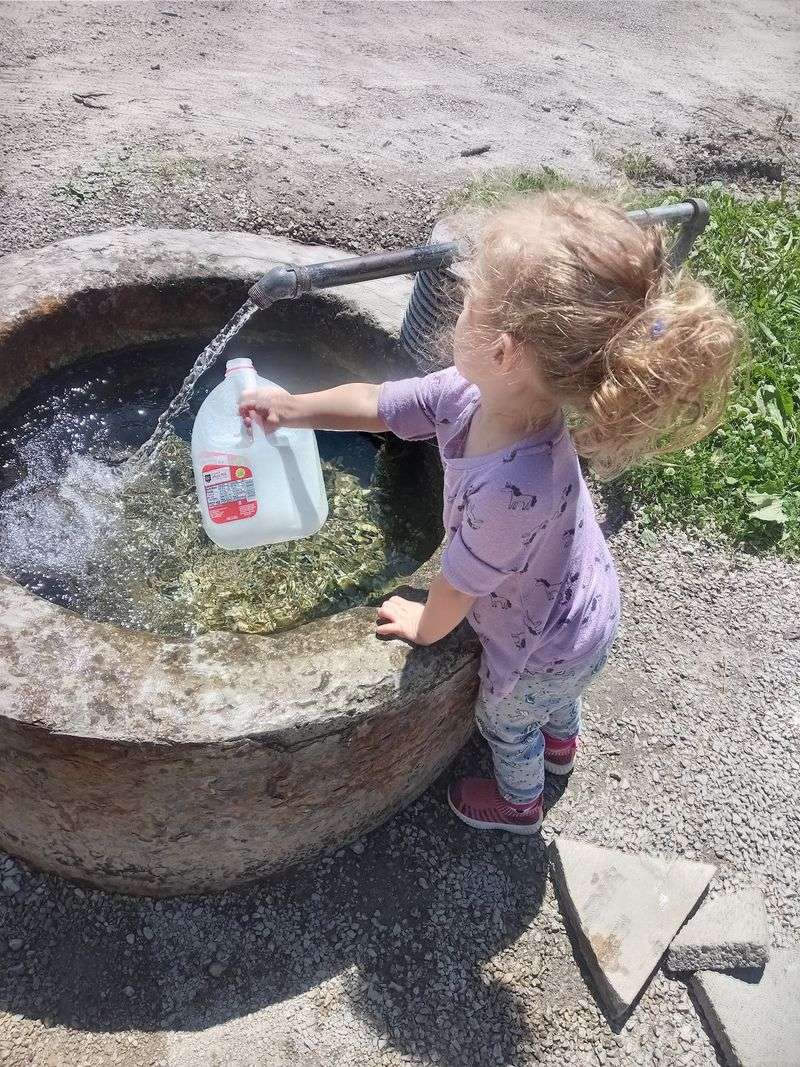
Show up with one tiny bottle and you will instantly feel underprepared. Regulars arrive with gear. Five-gallon jugs, stacks of one-gallon containers, and sturdy crates fill truck beds and back seats.
Some visitors stop every two weeks and leave with ten gallons. Others fill two five-gallon jugs at a time, or load up once a month with a mix of big and small containers. One trip can easily keep a household stocked for weeks.
Choosing containers wisely makes a real difference. Food-grade jugs with tight caps work best, since they keep the water fresh and stop leaks in the car.
Glass bottles look great and avoid any plastic taste, but they get heavy and can break, so pack them carefully. Spigot-style jugs are handy for pouring once you get home.
Cleaning matters too. Rinse containers well before each trip, and wash them with warm soapy water now and then. Let them dry fully so nothing funky grows inside. Fresh water deserves a clean home.
When it is your turn, work efficiently. The water flows fast, so a gallon fills quickly. Tilt your jug slightly to cut down on splashing and foam. Cap each one right away before moving to the next.
Etiquette is simple but important. If people are waiting and you brought a huge load, consider filling a few jugs, then letting someone with a single bottle jump in. Small kindness keeps the spot friendly for everyone.
At home, store the water in a cool, dark place, away from direct sunlight. Use older jugs first so nothing sits too long. A spare cooler in the car on hot days also keeps your haul chilled for the ride back.
Open All Night, Every Night
Midnight water run? Totally possible. The spring never closes, which makes it one of the few landmarks you can visit at any hour of any day of the week.
Timing still shapes your experience. Weekend afternoons and early evenings tend to be busier, since that is when people run errands and families have free time. If you are carrying a big batch of jugs, an early morning stop on a weekday usually means less waiting.
Late evening has its own charm. The street turns quiet, the air cools off, and you can hear the water splashing more clearly. Bring a headlamp or flashlight so you can see your jug openings and step carefully around wet ground.
Seasons matter too. Summer is prime time, when cold spring water feels like a gift on a humid Indiana day. Fall brings crisp air and colorful trees along the Wabash, a pretty backdrop for the drive.
In winter, wear boots with good grip, because spilled water near the pipe can freeze into slick patches. Flow is another thing to keep an eye on.
Longtime users have noticed the stream slowing in recent years compared to decades past. Natural springs can change with rainfall, groundwater levels, and other factors, so the pressure you see one season might differ the next.
A slower flow just means filling takes a bit longer. Plan a few extra minutes, especially if you are bringing a lot of containers. Combine your stop with other plans if you like.
A walk along the trails near Delphi pairs nicely with a refill afterward, giving you a cold drink right when you need it. Then, jugs loaded, the drive home begins with a full tank of the good stuff riding along.
Share this story