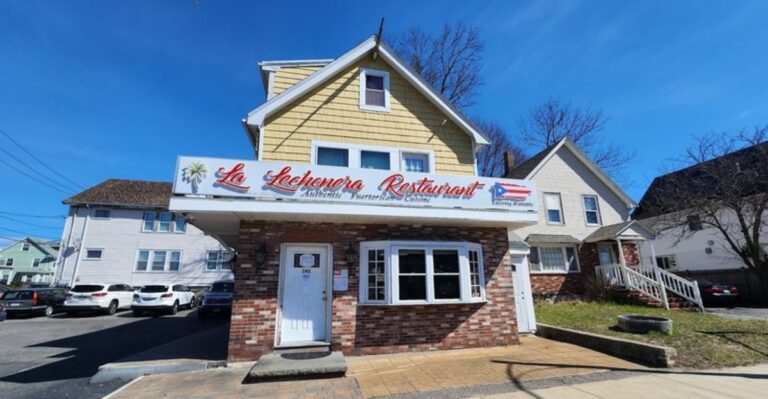
You can usually spot a longtime Massachusetts local before they ever tell you where they are from. Maybe it is the effortless pronunciation of Worcester, the strong opinion about a coffee order, or the way a coastal storm barely changes the day’s plans. Across the state, small habits, shared frustrations, food loyalties, and oddly specific local knowledge create an instant connection between people who may live hours apart.
The accents and hometowns might be different, but plenty of experiences feel surprisingly universal. If more than a few of these sound familiar, your Massachusetts roots may be showing.
1. Defending Your Dunkin’ Order to Out-of-Towners
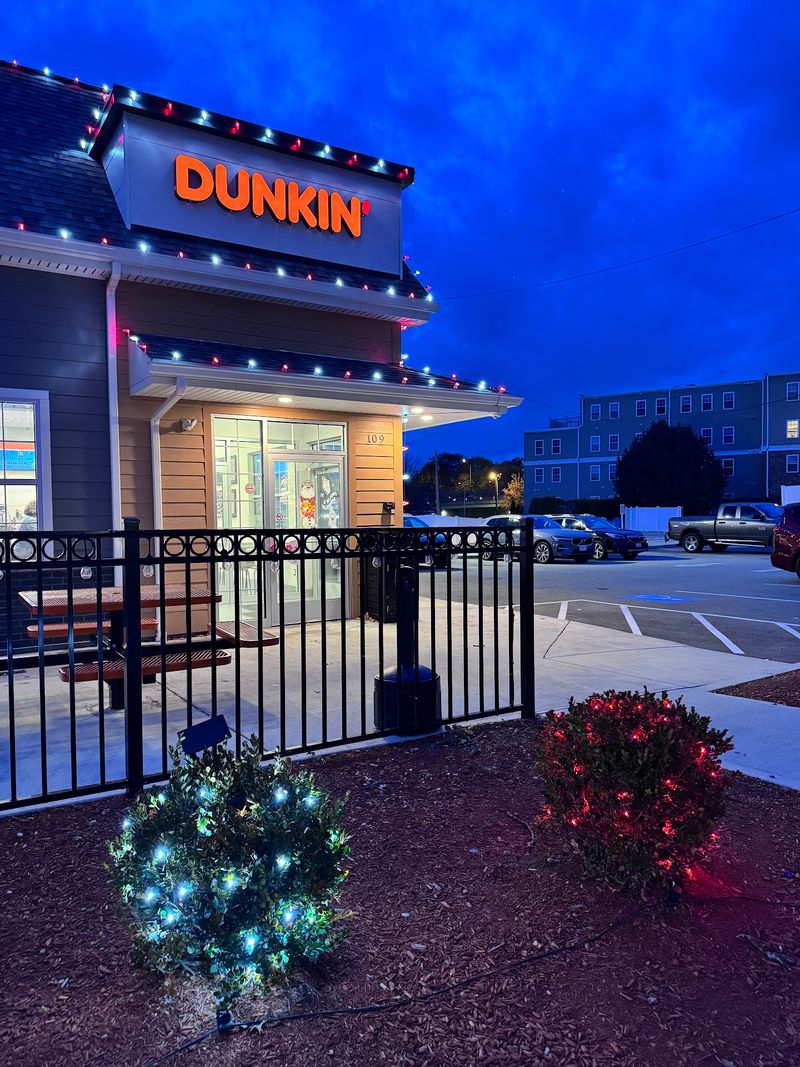
The visitor takes one sip, raises an eyebrow, and suddenly you’re defending your morning routine like a courtroom lawyer. Your Dunkin’ order needs no fancy introduction. You know the size, the sweetness, and which nearby location usually gets it right.
For plenty of Massachusetts locals, the attachment is about familiarity as much as flavor. Dunkin’ began in Quincy, so the brand has a real connection to the state. Still, nobody needs a history lesson when there’s a coffee waiting before work.
You may have ordered iced coffee during a cold snap, carried it through slush, or balanced it beside a snowbrush. That doesn’t mean every resident drinks it or that everyone agrees on the best order. Local loyalty leaves plenty of room for strong complaints about too much cream.
When someone asks why you don’t choose a small coffee shop instead, the honest answer can be simple: convenience matters. A familiar stop fits into a commute, a school dropoff, or an early shift. Sometimes your favorite coffee is the one you can grab without changing your entire morning.
For a smoother order, name the drink size first and be clear about milk, sugar, and flavor additions. Menu terms can confuse newcomers, especially when sweetened flavor options and unsweetened ones sound similar. Check the current choices rather than assuming every shop carries exactly the same selection.
You can appreciate an independent café and still keep a regular Dunkin’ habit. There’s no need to turn breakfast into a loyalty test. But when an outsider starts ranking your cup against a carefully poured specialty brew, you may find yourself explaining that this particular coffee comes with a schedule, a shortcut, and years of practice ordering before you’re fully awake, all while finding your keys and checking whether the windshield needs scraping again today.
2. Complaining About Traffic on the Mass Pike
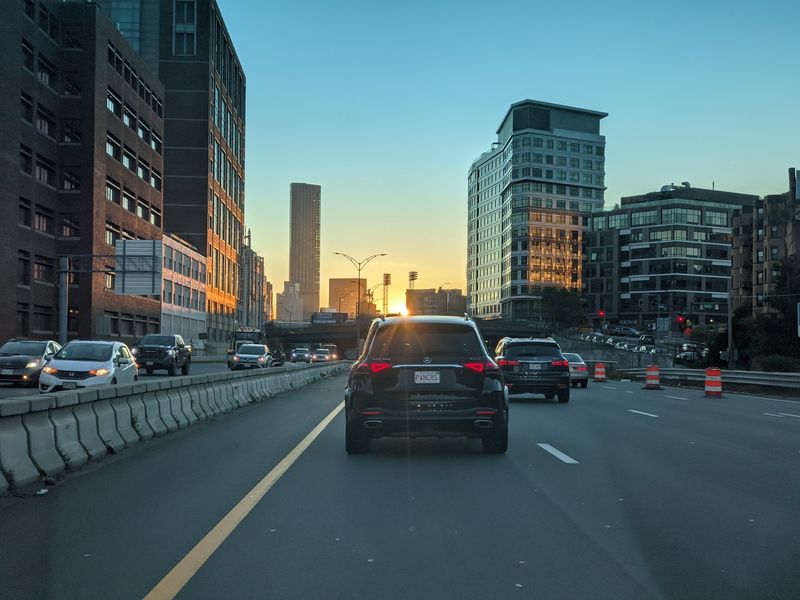
Brake lights stretch ahead, and your arrival time starts sliding backward. You’ve barely settled into the drive before someone mentions the Mass Pike. Around here, complaining about Interstate 90 can be less a conversation starter than a shared weather report.
The road links Boston with communities farther west, carrying commuters, trucks, weekend travelers, and everyone else trying to cross the state. Congestion changes with location, time, construction, and crashes. A quiet stretch near one town tells you little about what’s waiting closer to Boston.
Experience teaches you to question an easy travel estimate. Friday departures, holiday traffic, and bad weather can turn a simple plan into a long afternoon. You might pack water, charge your phone, and leave extra time without announcing any of this as advanced trip planning.
Before leaving, check current traffic and weather rather than relying on last week’s drive. Set up navigation while parked, and let a passenger handle updates when possible. A suggested shortcut deserves a second look, especially if it sends you through unfamiliar neighborhoods for only a small time savings.
Electronic tolling means you should also understand how your trip will be billed. Review current Massachusetts toll information, and check rental car policies before driving. Different vehicle arrangements can carry different charges, which is a dull detail until it shows up on a statement after your trip.
The most useful local skill is knowing when to stop fighting the clock. Leave room ahead, avoid sudden lane changes, and take a proper break if frustration turns into fatigue. You can grumble about the backup without making it worse for everyone nearby.
And when the road finally opens, resist the urge to make up lost time: your destination will still be there, even if the person waiting has already heard your full traffic report twice over.
3. Explaining What Goes Into a Fluffernutter

Peanut butter, marshmallow creme, bread. The explanation is short, but the reaction can take a while. Someone unfamiliar with a fluffernutter may look at you as though you’ve suggested serving cake frosting for lunch, and you’re ready to explain the difference.
A classic version pairs peanut butter with Marshmallow Fluff, usually between slices of soft white bread. The salty peanut flavor balances the sweet, sticky filling. It’s a simple sandwich with a strong New England connection, and Massachusetts has a special link through the Fluff brand’s history in Somerville and Lynn.
Your household may have had rules about the proper amount of each ingredient. Too much peanut butter makes every bite cling to your mouth; too much marshmallow creme can squeeze out the sides. A thin, even spread usually makes the sandwich easier to handle, especially when packing it for later.
Use separate clean utensils if you want to keep each jar free of crumbs and stray filling. Spreading the peanut butter on one slice and the marshmallow creme on the other also saves some wrestling. Press the slices together lightly, then cut with a clean knife for a neater edge.
There’s no need to present it as a balanced meal or a food everyone should try. Peanut allergies matter, and ingredient labels should guide any substitute. Serve fruit or another simple side alongside it, and treat the sandwich as the sweet comfort food it is rather than dressing it up with health claims.
Some families toast the bread or add extras, while others consider changes completely unnecessary. If you’re introducing it to a newcomer, start with the basic version so the texture makes sense. Keep a napkin nearby and expect a sticky knife.
The real test isn’t whether someone understands the name immediately, but whether they request another bite before finishing their first skeptical comment.
4. Correcting Someone’s Pronunciation of Worcester

Nothing gives away an unfamiliar visitor faster than carefully sounding out every letter in Worcester. You hear the extra syllables forming and prepare a gentle correction. The spelling promises one thing, while local speech delivers a much shorter result.
In Massachusetts, Worcester is commonly pronounced roughly WUSS-ter, with some local accents making the ending sound closer to tuh. Saying Wor-chess-ter will stand out. You don’t need a heavy accent to say the city’s name correctly, and forcing one usually makes the lesson more confusing.
The kindest approach is to offer the pronunciation once, then move on. Someone asking for directions probably wants to find a station, restaurant, or campus, not enter a public speaking contest. A quick correction helps; making them repeat it five times turns useful local knowledge into an awkward performance.
Place names across the state offer plenty of similar traps. Leicester and Gloucester also surprise people who rely only on spelling. Rather than inventing a rule that supposedly covers every town, listen to local usage or check a reliable pronunciation source before a meeting or trip.
If you’re the person learning, break Worcester into two clear beats and practice without staring at the written word. Seeing all those letters can tempt your mouth to put them back in. When making travel plans, keep the proper spelling in searches even though the spoken version sounds much simpler.
Knowing the pronunciation doesn’t mean you know every part of the city, either. Worcester has its own neighborhoods, institutions, and daily routines beyond being a name outsiders stumble over. Ask specific questions when you visit instead of treating the city as a language joke.
Still, when a television announcer adds an unexpected syllable, you may glance across the room and find that someone else has already made exactly the same face before you can say a single word aloud.
5. Taking the Boston-to-Provincetown Ferry and Planning a Return
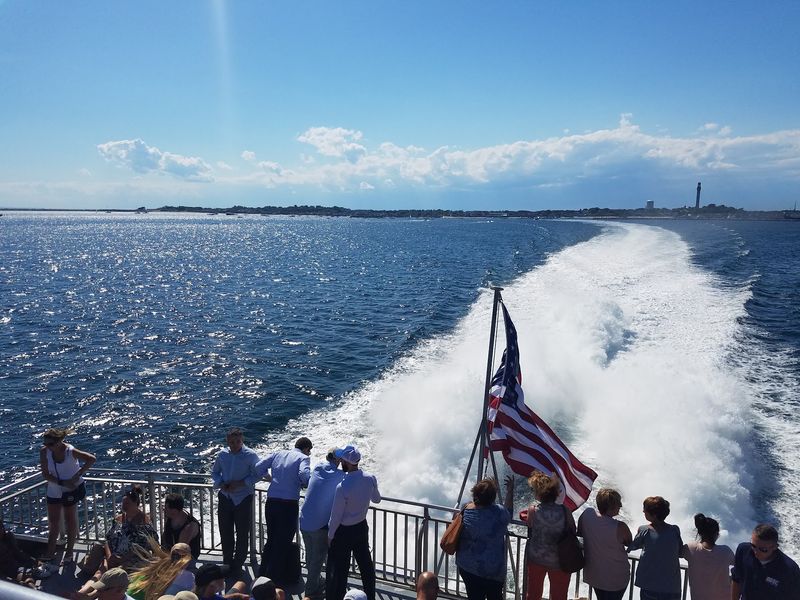
Boston slips behind you, the harbor opens up, and the road trip you didn’t take becomes part of the pleasure. A ferry ride to Provincetown changes the pace before you even arrive. You trade highway lanes for water, wind, and a seat with a view.
Passenger ferry services connect Boston and Provincetown seasonally, with schedules and sailing times varying by operator. Check the current timetable before building your day around an old memory. Weather can affect departures, and the last return boat deserves more attention than your loose plans for lunch.
Bring a light layer even when the city is hot. An outdoor deck can be breezy, while indoor seating offers shelter if the ride gets chilly or wet. If motion sickness is a concern, plan ahead and follow appropriate medical advice rather than waiting until the boat starts moving.
Once ashore, you can explore much of central Provincetown on foot. Commercial Street offers shops, restaurants, and plenty of reasons to slow down, while the waterfront keeps the harbor close. The town also has deep ties to fishing, the arts, and LGBTQ+ communities, making respectful curiosity more useful than treating it as a beach backdrop.
A day trip works best with a few priorities rather than a packed checklist. Leave time for food, walking, and finding your departure point without rushing. Beach visits or outings farther from the center may require extra transportation, so check distances instead of assuming everything sits beside the pier.
The return ride can reveal why you wanted to book again before reaching Boston. You got a coastal outing without spending the entire day driving, and the crossing itself became part of the plan. Reserve ahead during busy periods, check baggage and bicycle rules, and keep your ticket handy.
Missing the final sailing is a much bigger adventure than most day trippers intended.
6. Defending Your Accent, or Explaining Why You Don’t Have One
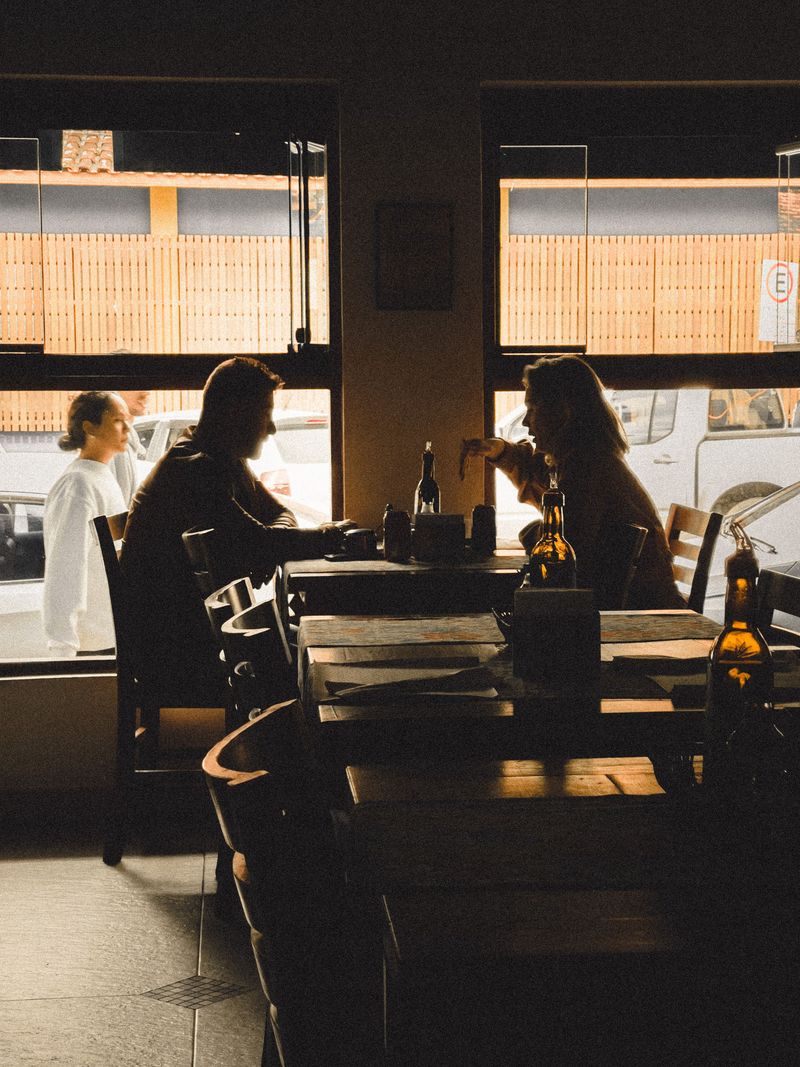
Say you’re from Massachusetts, and someone may immediately ask you to perform a sentence about parking a car. Suddenly your voice becomes the entertainment. Whether you have a strong regional accent or barely a trace, you’ve probably had to explain yourself.
There isn’t one voice shared by everyone in the state. Speech varies across regions, families, generations, and communities. The familiar Boston accent is real, but treating it as a statewide requirement leaves out a lot of Massachusetts residents, especially those whose speech developed through different influences.
Some local accents soften or drop certain r sounds, though actual speech is more complex than a movie imitation. Vowels and rhythm matter too. You may sound different with relatives than at work, or notice stronger features when you’re tired, excited, or telling an old story.
If someone questions your roots because you pronounce every r, a short answer is enough: not everyone here speaks alike. You don’t owe anyone a performance to prove where you grew up. Likewise, a noticeable accent says nothing useful about intelligence, manners, or how seriously someone should be taken.
Good conversation starts with listening rather than imitation. Ask about a person’s hometown if you’re curious, and avoid repeating their words back as a joke. Regional speech can be interesting without becoming a contest over who sounds most local or whose version deserves to count.
You can also separate vocabulary from pronunciation. A person might use familiar local terms while sounding nothing like a Boston movie character. Another may carry a strong accent but choose different expressions.
Those combinations are normal. When the inevitable parking request arrives, answer in your regular voice and keep the conversation moving. There are better questions to ask about Massachusetts than whether you can deliver one sentence exactly the way a visitor heard it on television last night.
7. Riding Out a Nor’easter
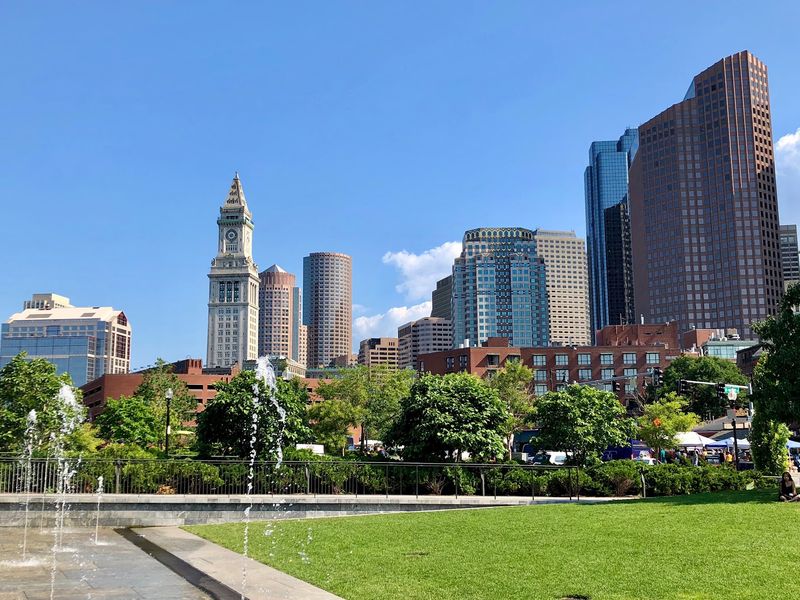
The windows rattle, the forecast keeps changing, and everyone starts discussing the storm’s timing. A nor’easter can bring heavy snow, pounding rain, strong winds, or an unpleasant mix. Your Massachusetts experience may involve a shovel, a flooded street, or a power outage rather than a pretty snowfall.
These storms are associated with winds from the northeast along the coast, but their effects vary widely. Coastal areas may face rough surf and flooding while inland towns deal with heavy snow. Temperature shifts can change precipitation, so a single statewide forecast rarely tells the whole story.
Prepare before conditions worsen. Charge devices, locate flashlights, refill needed prescriptions, and keep basic food and water available. Check official weather alerts and local emergency updates, especially if your home sits near water or in an area that has flooded before.
During an outage, use battery lighting rather than candles when possible. Never run a generator indoors, in a garage, or near openings where exhaust can enter. Carbon monoxide is a serious danger, and outdoor equipment must be placed according to safety instructions, not wherever it stays driest.
Snow adds its own chores. Take breaks while shoveling, clear vehicle exhaust pipes before running engines, and avoid crowding plows on the road. If officials advise staying home, a routine errand can wait; coastal flooding and windblown debris are not conditions to test for a dramatic photograph.
After the storm, watch for downed wires, damaged branches, and standing water. Report hazards rather than approaching them, and check on neighbors when it’s safe. The local habit worth keeping is preparation, not pretending every storm is harmless because you’ve seen worse.
You may still debate whether the forecast got your snowfall total right, but first make sure the heat works, the walkway is safe, and nobody nearby needs practical help getting through the cleanup.
8. Cheering Yourself Hoarse for a Home Team

By the final minutes, your normal speaking voice has disappeared. You’ve shouted at a screen, celebrated with strangers, or argued that one play changed everything. Following the Red Sox, Patriots, Celtics, or Bruins can turn an ordinary evening into a very loud household event.
Each team brings a different rhythm. Baseball leaves room for long conversations between tense moments, football builds the week around a single game, and basketball or hockey can swing quickly. You don’t have to follow all four to recognize how schedules shape local plans and small talk.
Game day also comes with practical decisions. Before heading to a venue, check bag rules, ticket details, transportation options, and the forecast when relevant. Fenway Park, TD Garden, and Gillette Stadium have different locations and logistics, so one familiar routine won’t cover every outing.
Watching from home can be just as social. Set out food before the action gets tense, give everyone a clear view, and let newer fans ask questions without turning the room into a quiz. Explaining a rule kindly does more for the gathering than mocking someone for missing a detail.
Strong loyalty doesn’t excuse bad behavior. Keep rivalries playful, respect opposing fans, and skip personal insults toward players or officials. If children are watching with you, they notice how adults handle a loss as clearly as they notice the celebration after a win.
Protect your ears in loud settings, drink water, and give your voice a rest when it starts hurting. Tomorrow’s meeting won’t care that your team forced overtime. You may still remember exactly where you stood during a huge win, or which friend sent the first message after a painful finish.
Just make your ride home part of the plan, especially when a crowded exit, late ending, and tired crowd all arrive together at once.
9. Keeping Your Cool Around Impatient Drivers
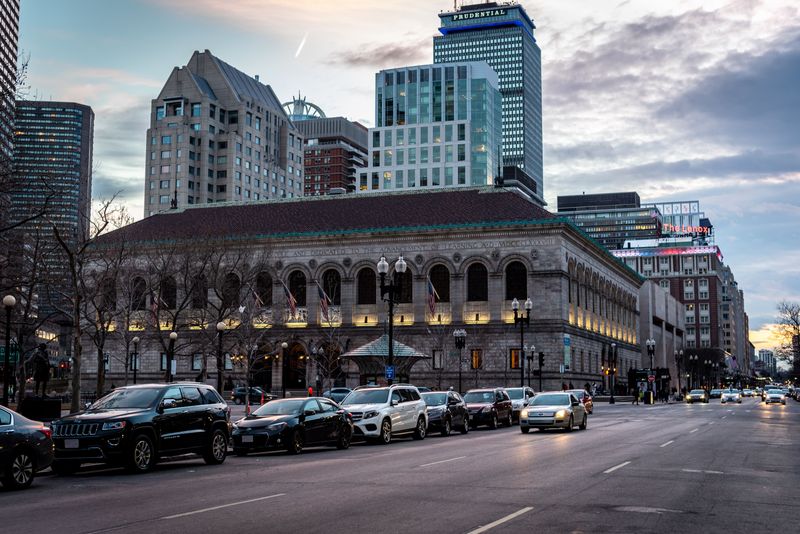
A horn sounds almost before the light changes, and you haven’t even lifted your foot. Massachusetts driving can test your patience, especially on busy roads with short merges and confusing turns. The useful local skill isn’t matching someone’s temper; it’s refusing to borrow it.
Not every driver here is impatient, and aggressive behavior isn’t unique to the state. Still, dense traffic, older street layouts, and crowded intersections can create tense moments. Being prepared for a rushed move helps more than assuming everyone nearby will wait politely while you sort out directions.
Set your route before moving, use signals early, and leave a safe following distance. If you miss a turn, continue until you can change course legally. A sudden stop or desperate lane crossing is far riskier than adding a few minutes to your trip.
When another driver tailgates, avoid brake checking or making gestures. Allow them to pass when you can do so safely, and keep your attention on the road ahead. Someone else’s impatience doesn’t create an obligation to speed, squeeze into a gap, or ignore a pedestrian.
City driving requires extra care around cyclists, buses, and people crossing between parked cars. Look before opening a door, respect marked crossings, and don’t block an intersection just because the light is green. If traffic ahead leaves no room, wait rather than becoming the next obstacle.
For visitors, a calm passenger who handles navigation can be more useful than constant shouted advice. For locals, familiarity should never turn into careless shortcuts. Pull over safely if you need to reset your route or settle your nerves.
You can complain about a rude driver later, once you’re parked. In the moment, the smartest response is boring and effective: steady speed, clear signals, enough space, and no attempt to win an argument through a windshield at rush hour.
10. Explaining a Rotary Versus a Modern Roundabout

You’re giving directions when the word rotary brings the conversation to a halt. Someone asks whether you mean a roundabout, and now the route needs a small traffic lesson. Massachusetts drivers often use rotary for circular intersections, but design differences deserve more than a quick shrug.
Older traffic circles or rotaries may be larger and allow higher travel speeds than modern roundabouts. Modern roundabouts generally use entry curves and other design features to slow vehicles. Entering drivers yield to traffic already circulating, though you should always follow the signs at the actual intersection.
Terminology can vary in everyday conversation, so the name alone isn’t a complete set of instructions. Look for yield signs, lane arrows, crosswalks, and posted guidance as you approach. An unfamiliar circle demands attention even if someone confidently described it as the easy one near the grocery store.
For a modern roundabout, reduce speed before entering and choose the correct lane in advance when there are multiple lanes. Yield as directed, watch for pedestrians, and keep moving once inside unless traffic requires you to stop. Signal your exit when appropriate, following local rules and the roadway layout.
Never assume the vehicle beside you is leaving at the same exit. Avoid passing or changing lanes within a multilane roundabout unless the markings specifically direct the movement. If you miss your exit, follow the layout safely rather than cutting across another vehicle’s path to rescue the turn.
When explaining the difference, focus on slower design, entry control, and the posted rules instead of claiming every rotary works one way. Massachusetts intersections can have their own quirks, and signs outrank advice from the passenger seat. Check an official driving guide if you’re unsure.
The best local directions include the exit you need, a nearby landmark, and enough warning to get into the proper lane without panicking.
11. Savoring Fresh Lobster on the Massachusetts Coast

The shell cracker lands beside your plate, and lunch suddenly requires a little strategy. Eating lobster on the Massachusetts coast can be messy, slow, and pleasantly focused. You’re working for each bite while trying to keep the butter away from your sleeves.
A whole lobster and a lobster roll offer different experiences. The first calls for tools and patience; the second usually puts picked meat into a bun. Roll styles vary, including chilled meat with mayonnaise or warm meat with butter, so read the menu rather than assuming one preparation.
Coastal location alone doesn’t prove a lobster was caught nearby or served fresh. Ask about sourcing if that matters to you, and choose a business that handles seafood carefully. Prices can change with season, supply, portion size, and preparation, making a posted market price worth clarifying before ordering.
For whole lobster, start with the claws and tail, using the supplied tools without forcing sharp shell pieces toward your hands. Ask staff for a quick demonstration if needed. There’s no prize for pretending you already know, and a little guidance can save both meat and frustration.
Keep shellfish allergies in mind, including possible contact with shared cooking surfaces. If you’re taking seafood away, follow safe temperature guidance and don’t leave it sitting in a hot car. A waterfront picnic needs the same food safety care as any other meal, however inviting the view may be.
Bring extra napkins, protect loose paper from the breeze, and check whether outdoor tables attract gulls before leaving food unattended. You can skip heavy sauces if you want the lobster’s flavor to lead, or choose the preparation you enjoy most. Either way, take your time instead of treating the plate as a race.
By the last bite, you’ll likely understand why experienced diners keep one clean hand available for their drink and phone throughout the meal.
Share this story