Massachusetts history has a way of hiding in plain sight. A familiar park, school, harbor, or town street can be tied to a story that sounds exaggerated until you look closer. That is what makes these facts so fun: some feel like local legend, but the real history is often just as surprising.
Knowing the details gives you something new to notice on an ordinary walk and plenty of material for the next hometown debate. If you think you already know Massachusetts well, these facts may give you a few reasons to look again.
1. The Boston Marathon Is the World’s Oldest Annual Marathon
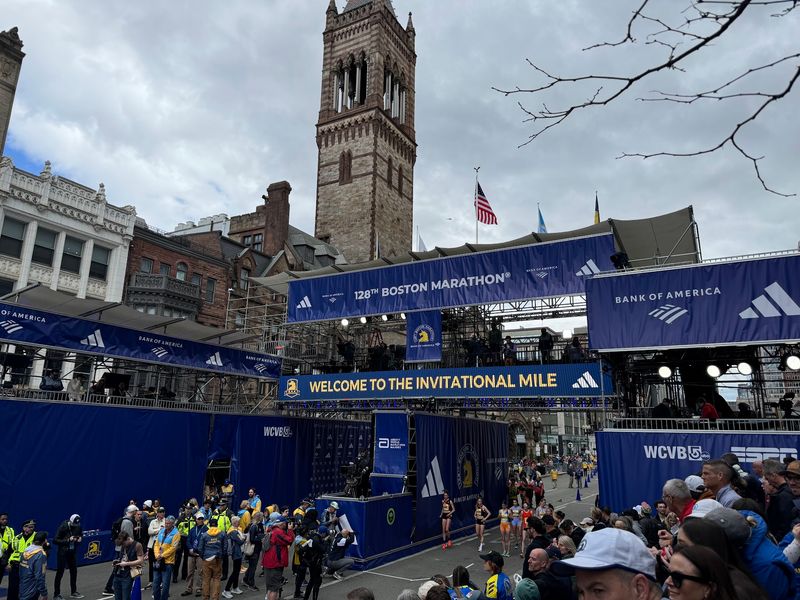
Before running apps, energy gels, and fancy race shoes, Boston was already sending runners down the road. The Boston Marathon began in 1897, inspired by the marathon at the first modern Olympic Games in Athens the previous year.
The Boston Athletic Association organized that first race, which had a much smaller field than today’s event. John J. McDermott won, earning a place in a sports tradition that would become known around the world.
Its famous title needs one small clarification: oldest annual marathon does not mean every edition happened exactly as planned. The 2020 race was canceled as an in-person event during the pandemic, and a virtual version took its place.
The current course starts in Hopkinton and finishes on Boylston Street in Boston. Along the way, runners cross several communities, pass the loud crowds near Wellesley College, and face the Newton hills before reaching the city.
Heartbreak Hill gets plenty of attention, but it is only part of the challenge. Its location late in the race matters as much as its slope, because tired runners reach it after many miles of hard work.
For spectators, choosing a viewing spot takes a little planning. Check road closures and transit changes before leaving home, and remember that crossing the route may be difficult once the race is underway.
You can also enjoy the history without attending on race day. A walk near the finish line gives you a clear sense of how this sporting event fits into Boston’s everyday streets.
During your next local trivia argument, keep the wording precise: the world’s oldest annual marathon, first held in 1897. That version holds up better than claiming it was the first marathon ever run, which would erase its ancient inspiration and the modern Olympic race that helped launch Boston’s event.
2. Massachusetts Has the World’s Oldest Written Constitution Still in Effect
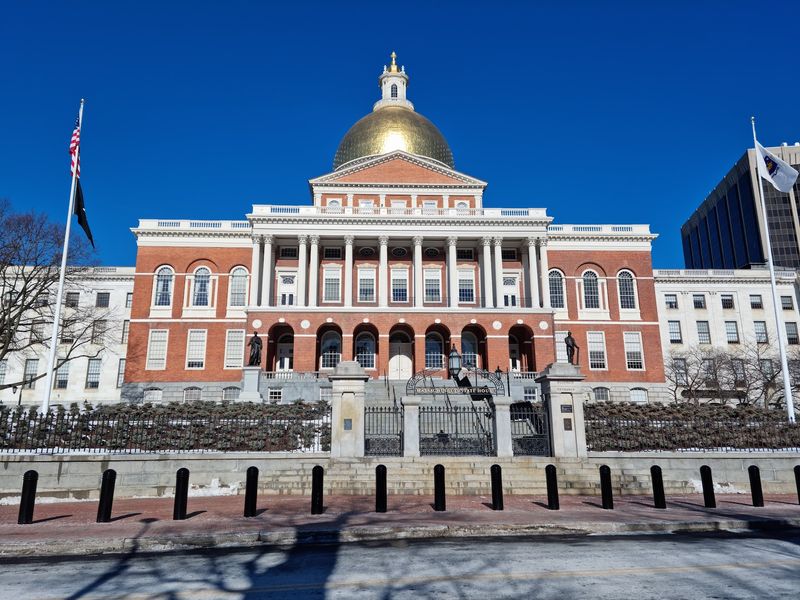
Your state government runs on a document older than the United States Constitution. Adopted in 1780, the Massachusetts Constitution is widely recognized as the world’s oldest written constitution still governing a political community today.
John Adams played the leading role in drafting it, working alongside a committee that included Samuel Adams and James Bowdoin. Voters considered the proposed document through town meetings, giving local communities a direct role in its approval.
One of its biggest ideas was separating government power among legislative, executive, and judicial branches. That structure helped shape the later federal Constitution, although the two documents are not identical and should not be treated as copies.
The opening declaration says that all people are born free and equal. That language became central to the court cases associated with Quock Walker, which helped bring legal slavery in Massachusetts to an end in the 1780s.
Old does not mean untouched. Amendments have changed the constitution over time, so the government operating today is not frozen in the rules or voting limits of the eighteenth century.
You can read the document online through official state sources without digging through a museum archive. Start with the Declaration of Rights, where the language connects broad ideas about freedom with the duties of government.
A visit to the Massachusetts State House adds a useful setting for this story. Check current tour arrangements before arriving, since access, schedules, and security requirements can change.
There is a neat distinction to remember when this fact comes up: Massachusetts has the oldest functioning written constitution, not the oldest system of government. Countries and communities had laws and governing traditions long before 1780, but this particular document has remained in force through generations of change, debate, amendments, and court decisions that still affect daily life across the state today.
3. America’s First Chocolate Factory Was Established in Massachusetts
That chocolate bar in your kitchen has a Massachusetts history cousin. In 1765, John Hannon and James Baker began making chocolate in Dorchester, in an operation commonly credited as America’s first chocolate factory.
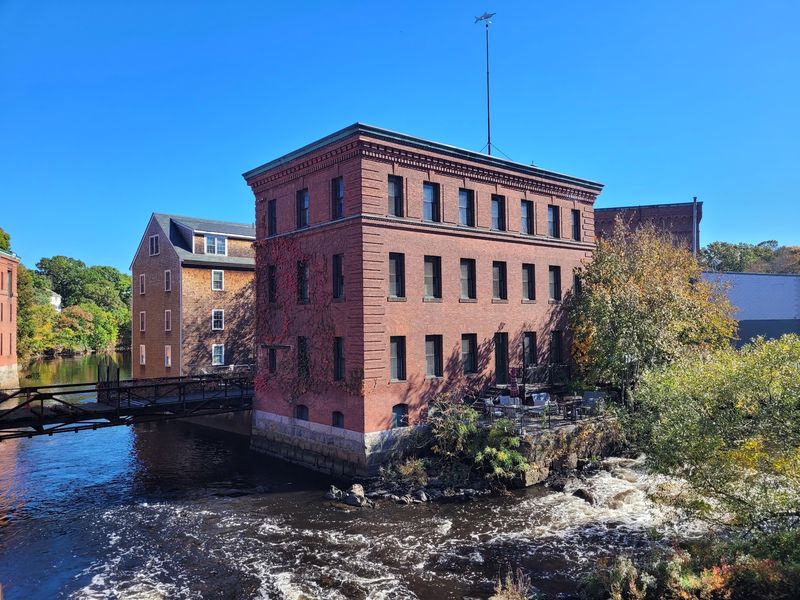
The setting was the Lower Mills area along the Neponset River. Moving water supported manufacturing there, making the neighborhood a practical place for turning imported cacao into a product that could be sold and shipped.
Do not picture a modern candy aisle. Chocolate in colonial America was often prepared as a drink, and the early business produced chocolate for uses quite different from today’s wrapped bars and filled sweets.
Hannon brought chocolate-making knowledge, while Baker helped support the venture financially. After Hannon disappeared during a sea voyage, Baker continued the business, which eventually developed into the familiar Baker’s Chocolate brand.
The factory story also connects Massachusetts to trade far beyond its borders. Cacao came from warmer regions, and colonial commerce was tied to unequal labor systems and slavery, not simply clever machinery and cheerful shop counters.
You can explore the neighborhood without expecting a working chocolate factory. The surviving industrial buildings at Dorchester’s Lower Mills reflect later stages of the business, and many have been adapted for other uses, including housing.
Look for public viewpoints and local historical information rather than wandering into private buildings. The river, old mill structures, and nearby streets make it easier to understand why manufacturing gathered in this particular corner of Boston.
For a strong trivia answer, say that America’s first chocolate factory is commonly credited to the 1765 Dorchester venture. Avoid expanding that into the first chocolate ever made in the Americas, since Indigenous peoples had cultivated and prepared cacao long before European colonists arrived, and their traditions belong at the beginning of the much larger story of chocolate itself.
4. The First American Lighthouse Was Built in Massachusetts
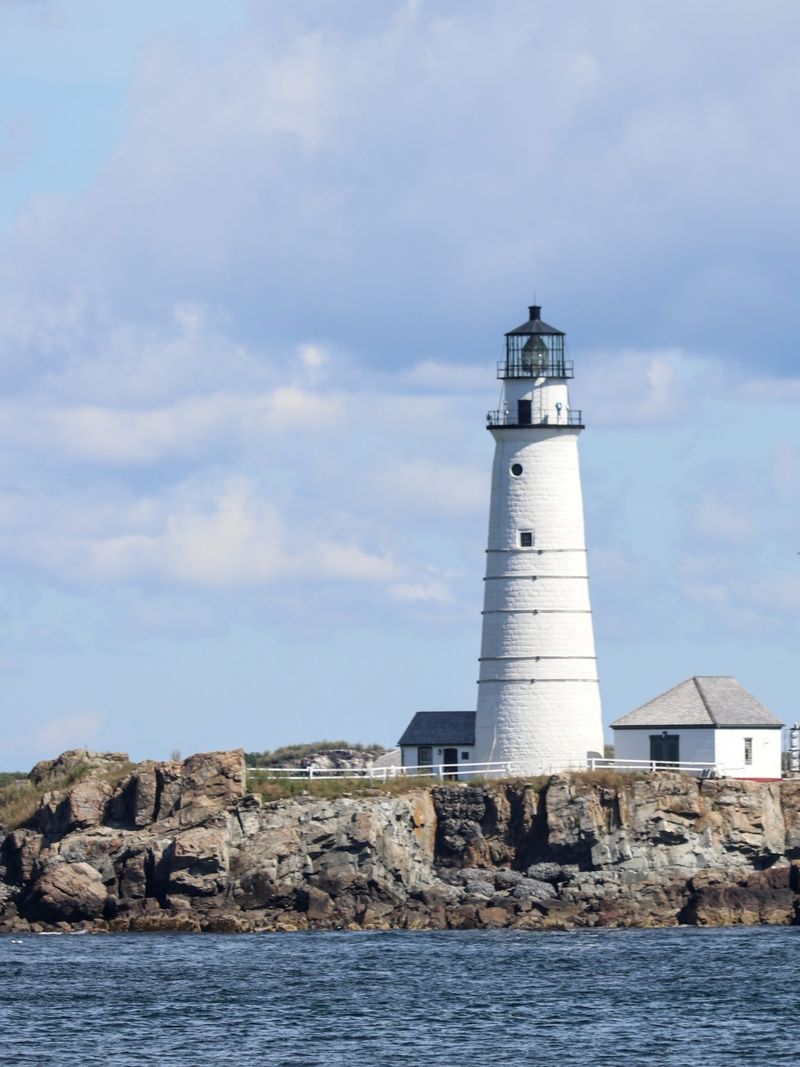
A small island at the edge of Boston Harbor carries a very big first. Boston Light began operating on Little Brewster Island in 1716, making it the first lighthouse established in what became the United States.
Ships needed help finding a safe route through a harbor filled with islands, rocks, and changing weather. The light served a practical purpose: guiding mariners toward Boston and warning them about dangerous approaches after dark.
The original tower did not survive the Revolutionary War. British forces destroyed it in 1776, and a replacement was built in 1783, so the lighthouse you see today is not the exact structure erected in 1716.
That distinction does not cancel the site’s place in history. Think of it as the country’s first lighthouse station, with a later tower carrying on the job at the same important harbor location.
Its first keeper, George Worthylake, died in a boating accident in 1718 along with family members and others. A young Benjamin Franklin wrote a ballad about the tragedy, linking the lighthouse to another familiar Massachusetts story.
Seeing Boston Light requires more planning than visiting a downtown landmark. Little Brewster is offshore, and public access depends on current boat services, tour programs, weather, and any restrictions affecting the island or lighthouse.
Check official Boston Harbor Islands and Coast Guard information before making plans. A harbor cruise may offer a distant view even when landing or climbing opportunities are unavailable, but routes differ between operators.
Bring a windproof layer and avoid assuming a sunny forecast means calm water. Harbor conditions can shift quickly, and the strongest version of this fact remains simple: America’s first lighthouse station started here in 1716, while its surviving tower dates to the years just after the Revolution, a useful detail when comparing old photographs or reading signs.
5. Massachusetts Is Home to the Oldest Public Park in the U.S.
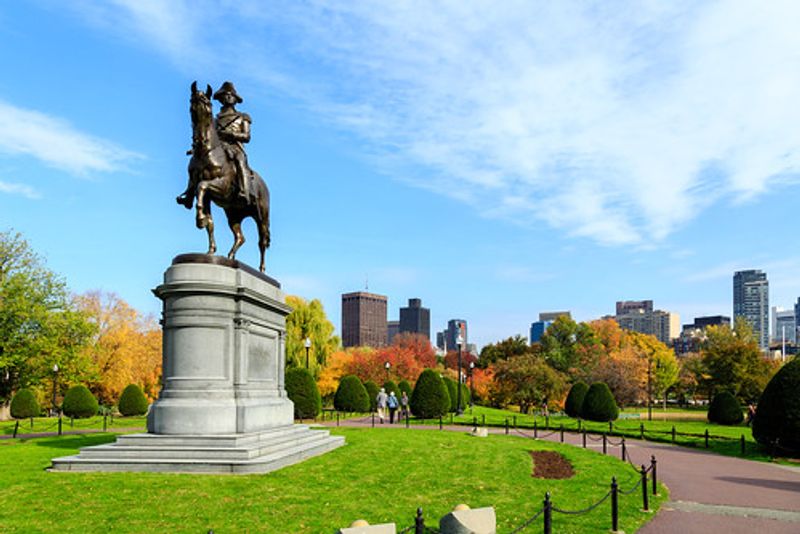
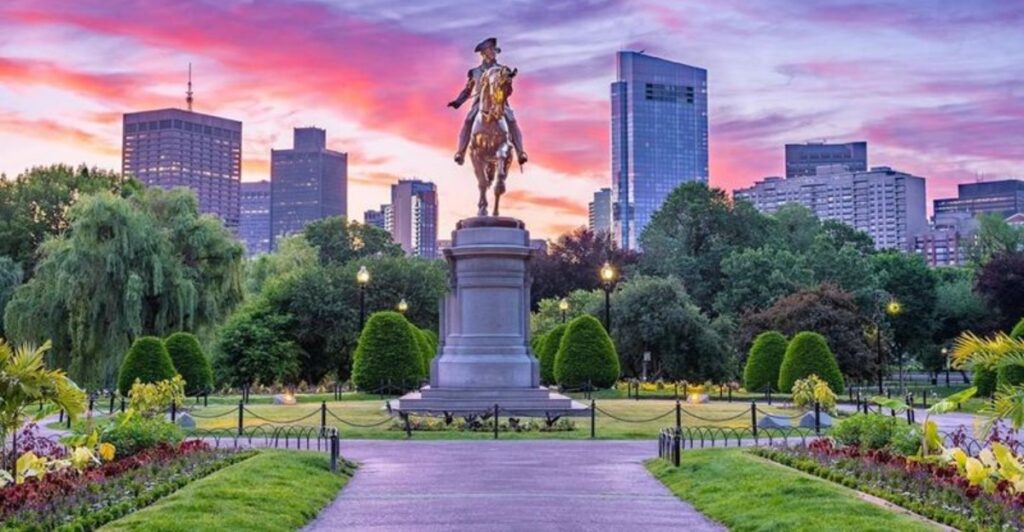
Cows used Boston Common long before joggers did. Established in 1634, this downtown green space is recognized as the oldest public park in the United States, though its early appearance was far less polished than today’s lawns.
The land served as shared ground for the town, including grazing livestock. Over time, it also hosted military activity, public gatherings, protests, celebrations, and punishments that remind you colonial public life could be harsh.
British troops camped on the Common before the Revolutionary War. Later generations used the same ground for speeches and demonstrations, turning a practical town space into a stage for arguments about the country’s future.
Today, you can cross it between errands without realizing how many layers sit beneath your feet. The Common is also the starting point of the Freedom Trail, making it an easy place to begin a history walk.
Keep Boston Common separate from the neighboring Public Garden. They touch at Charles Street, but they have different founding dates, layouts, and purposes; the Common’s older story centers on shared public land.
The Frog Pond offers different activities by season, while paths connect visitors to nearby neighborhoods and transit stops. Check current schedules before promising children skating or splash time, since weather and maintenance can change operations.
For a quieter visit, try an early weekday and move away from the busiest entrances. Stay on designated paths where requested, respect event barriers, and remember that a major city park is shared by commuters, residents, and tour groups.
The surprising part is not that Boston has an old park. It is that a place still used for lunch breaks and dog walks began serving the public in 1634, nearly a century and a half before American independence, when the surrounding town was smaller and its needs were very different.
6. The First Telephone Call Was Made in Boston
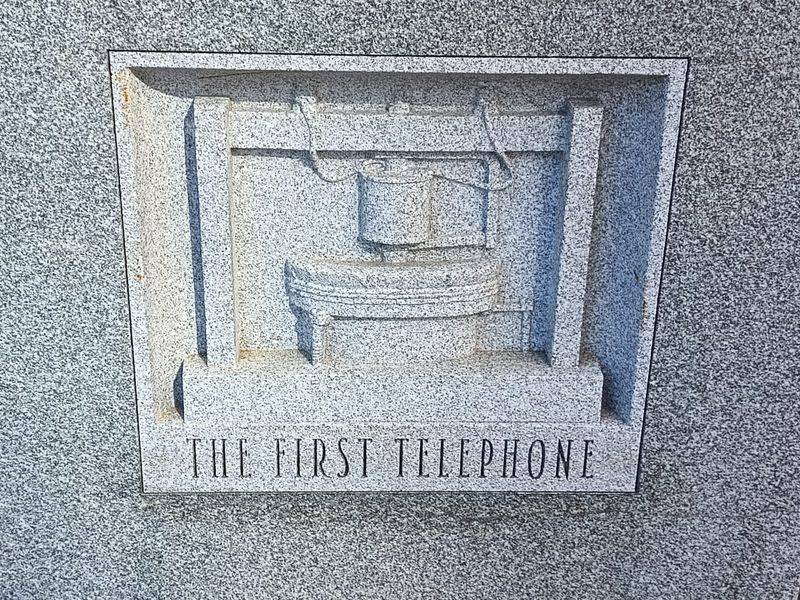
Boston’s telephone claim begins with a request for help, not a friendly chat. On March 10, 1876, Alexander Graham Bell spoke the famous words, ‘Mr. Watson, come here, I want to see you,’ during an experiment.
Thomas Watson heard the message through the device in another room. The event is widely recognized as the first successful transmission of clear, understandable speech over Bell’s telephone, a more precise claim than the first sound sent electrically.
The experiment took place at Bell’s laboratory on Exeter Place in Boston. The original building no longer stands, so do not arrive expecting a perfectly preserved room with the equipment sitting where Bell left it.
Telephone history involved many inventors, competing designs, and fierce patent disputes. Bell’s famous call is a major milestone, but it should not erase the work of other researchers who explored electrical communication before and alongside him.
Even the familiar quote deserves careful handling. Popular retellings sometimes add dramatic details, while Bell’s recorded words and the experiment itself provide a firmer starting point for understanding what happened that day.
Consider how strange the result must have seemed in 1876. A recognizable voice traveling through a wire changed the possibilities of communication, even though reliable service and widespread household use still required years of development.
You can pair this story with a walk through Boston’s historic downtown rather than searching for a grand telephone monument. Use reliable local history resources to locate commemorative information, since modern streets and buildings differ from Bell’s working neighborhood.
The handy dinner-table correction is that Boston hosted Bell’s breakthrough intelligible telephone call. Saying nobody had ever transmitted sound before would overreach, but hearing Watson understand a spoken message marked a clear step toward the everyday calls, emergency lines, and pocket-sized communication tools people now use without giving them much thought.
7. Massachusetts Was the First U.S. State to Legalize Same-Sex Marriage
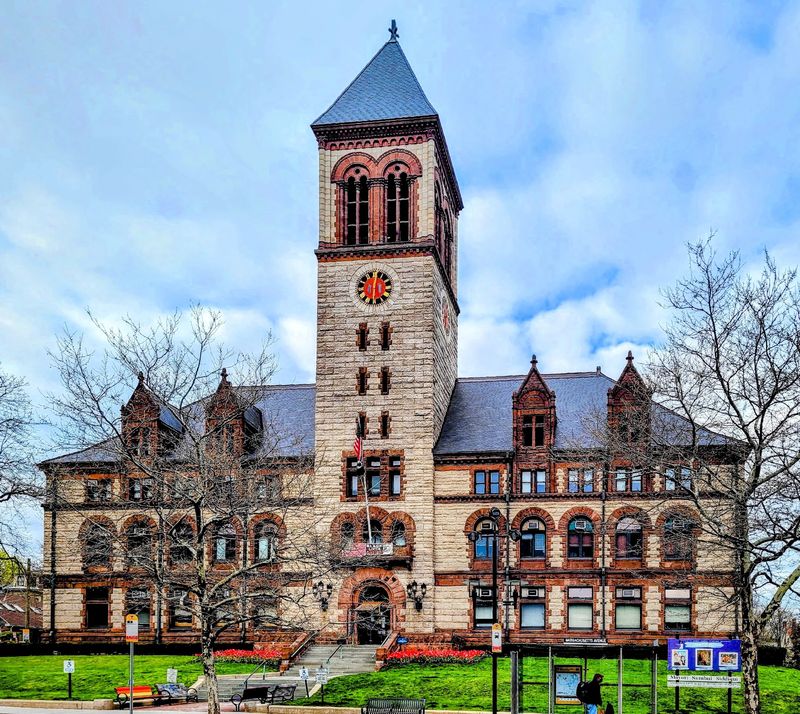
For many couples, May 17, 2004, was more than a date on a calendar. It was the day Massachusetts began allowing same-sex couples to marry, becoming the first U.S. state to make those marriages legal.
The change followed the Massachusetts Supreme Judicial Court’s 2003 decision in Goodridge v. Department of Public Health. The court ruled that excluding same-sex couples from civil marriage violated protections in the state constitution.
That timing matters because a ruling and its practical effect are not always simultaneous. The decision came first, followed by a period that allowed the state to prepare before marriage licenses became available.
Cambridge drew national attention when couples gathered as the new rules took effect. Across Massachusetts, city and town clerks became part of a moment that combined ordinary paperwork with a major change in civil rights.
Marriage brings legal responsibilities as well as recognition. Questions involving inheritance, medical decisions, taxes, and family protections helped explain why access to civil marriage mattered beyond a ceremony or a wedding photograph.
The state’s decision did not immediately create marriage equality nationwide. Different states followed different paths, and the U.S. Supreme Court’s 2015 ruling in Obergefell v.
Hodges later established the right across the country.
When discussing the Massachusetts milestone, use the word state carefully. Other countries had already recognized same-sex marriage, so claiming Massachusetts was first in the world would stretch a strong fact into an inaccurate one.
You can explore this history through court records, local archives, and news coverage from 2003 and 2004. If you are planning your own wedding, check current municipal requirements rather than relying on historical accounts, because license applications, waiting periods, fees, and appointment systems are practical details handled by today’s offices, not by the headlines that first put Massachusetts at the center of this national debate.
8. The Feast We Know as the First Thanksgiving Took Place in Plymouth
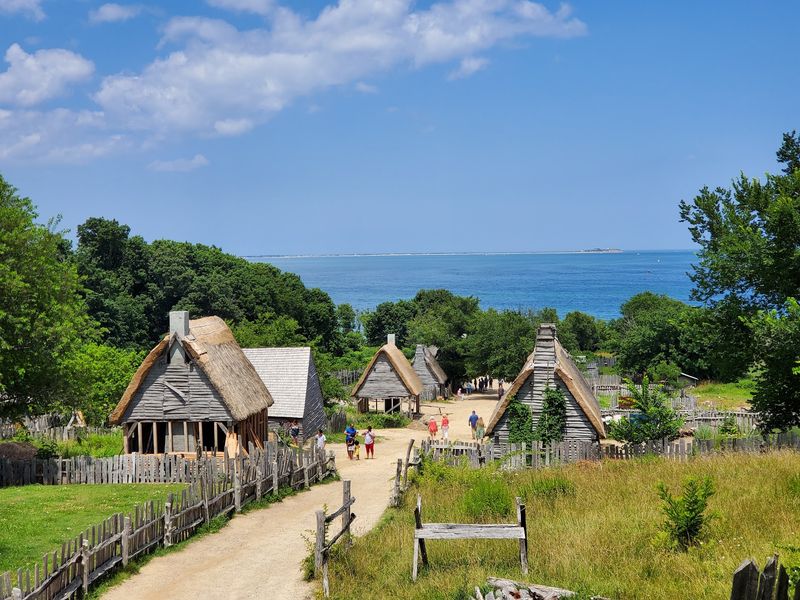
Forget the neat classroom picture with matching hats and a perfect turkey centerpiece. The 1621 gathering in Plymouth was a harvest celebration involving English colonists and Wampanoag people, later widely labeled the first Thanksgiving.
Edward Winslow’s account describes a celebration lasting three days. Ousamequin, often called Massasoit in English histories, attended with about ninety men, and the Wampanoag participants brought deer that contributed to the food available.
The surviving evidence does not provide a complete menu. Wild fowl and venison appear in the record, but pumpkin pie, cranberry sauce, and many familiar holiday dishes should not be added as if someone saved a recipe card.
Calling it the first Thanksgiving also needs context. Indigenous communities had long practiced giving thanks, and Europeans held other thanksgiving observances before 1621; the Plymouth event became central to a later American national story.
The relationship between the colonists and Wampanoag people was shaped by diplomacy, survival, disease, and competing interests. Reducing the gathering to a simple friendship party hides the difficult history that followed English settlement.
Plimoth Patuxet Museums offers ways to examine the period through exhibits and living history. Check current programs and hours, and understand that recreated spaces help explain the past rather than preserve the actual feast site unchanged.
You can also seek out Wampanoag perspectives when learning about Plymouth. The National Day of Mourning, observed in the town on Thanksgiving, addresses Native history and the losses often left out of the holiday’s popular version.
A useful way to tell this fact is that the 1621 Plymouth harvest gathering inspired the feast Americans commonly call the first Thanksgiving. That phrasing leaves room for the real evidence, older traditions of gratitude, and the voices of people whose history did not end when the meal was over or when later textbooks settled on a tidy holiday scene.
9. The Salem Witch Trials Helped Drive Changes in Evidence and Due Process
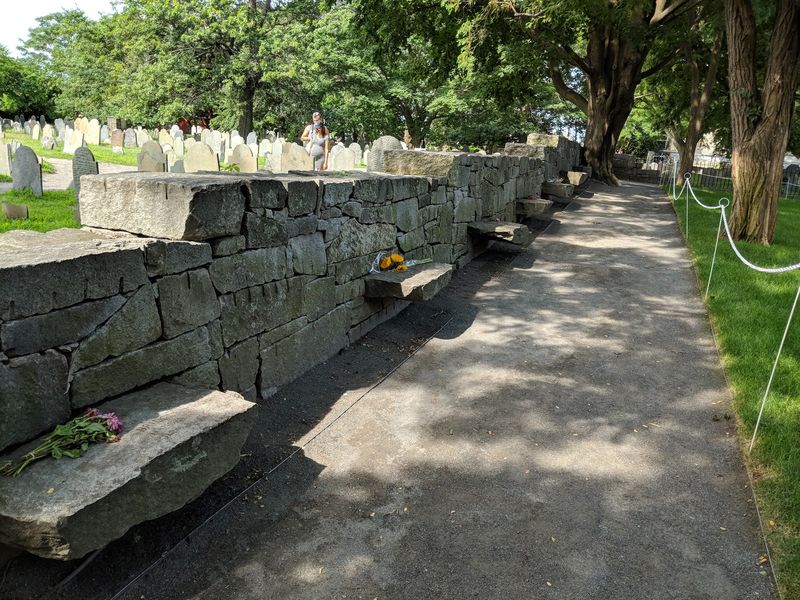
A ghostly accusation could once carry terrifying weight in a Massachusetts courtroom. During the Salem witch trials of 1692, judges accepted spectral evidence, meaning claims that an accused person’s spirit had appeared and caused harm.
Such claims were nearly impossible for the accused to disprove. Combined with fear, pressure, and unreliable testimony, they helped create proceedings that punished people without the safeguards expected in a modern criminal trial.
Nineteen people were hanged, and Giles Corey died after being pressed with heavy stones for refusing to enter a plea. Others died in jail, so the human cost extended beyond the executions most often listed.
Governor William Phips eventually stopped the special court that had handled the cases. The court that followed did not accept spectral evidence, and the wave of convictions ended as the legal response changed.
Salem did not invent due process, nor did one decision instantly create today’s evidence rules. Its failures became a lasting warning about unreliable accusations, unfair procedures, and the danger of letting public panic guide justice.
Later efforts included apologies, reversals of convictions, and compensation for some families. Massachusetts continued addressing the record centuries afterward, showing how correcting an injustice can take much longer than the proceedings that caused it.
For a grounded visit, spend time at the Salem Witch Trials Memorial and look into the separate memorial at Proctor’s Ledge. Remember that the trials involved several communities, including the area now known as Danvers.
Halloween entertainment is easy to find in Salem, but it should not replace the actual history. Read names, dates, and court accounts, and keep the distinction between accused people and fictional witches clear; the lesson concerns real neighbors harmed by a legal system that treated fear as proof, leaving later generations to ask harder questions about fairness and the evidence needed before taking away someone’s freedom.
10. America’s Oldest Public School Was Founded in Boston
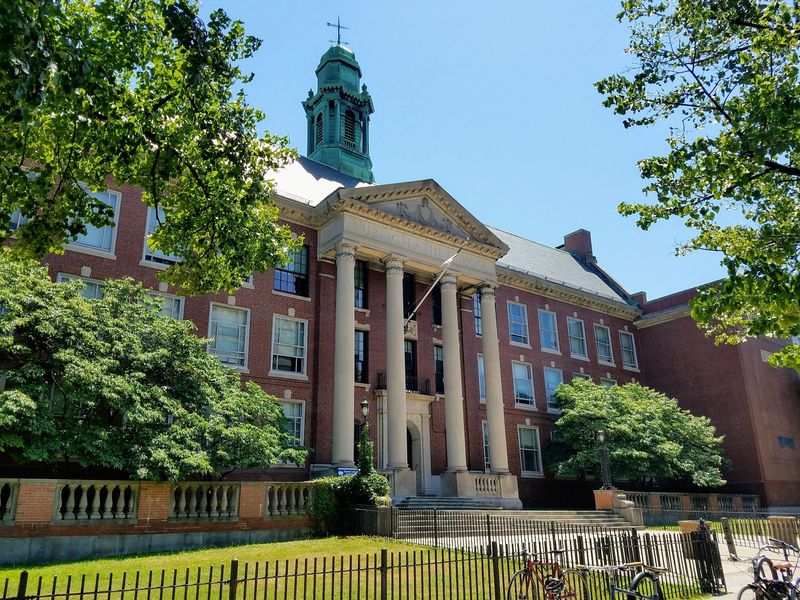
Homework has a very long local paper trail. Boston Latin School was founded in 1635, making it the oldest public school in the United States and older than Harvard, which was established the following year.
The school originally educated boys and emphasized Latin, Greek, and preparation for further study. Its founding reflected a colonial belief that trained students would become ministers, civic leaders, and other educated members of the community.
Famous former students include Samuel Adams, John Hancock, and Benjamin Franklin. Franklin did not graduate, a detail that gives this impressive alumni story a useful reminder: attending a famous school and finishing there are different things.
The original school stood on School Street in downtown Boston. A marker and nearby Franklin statue help tell that early story, but the school operating today is in the Longwood area, not at its first location.
Public education in 1635 did not mean equal access for everyone. Girls were excluded for centuries, and Boston Latin became coeducational in 1972, long after its founding claim had become part of the city’s identity.
The institution has also changed its curriculum and admissions practices over time. Avoid assuming that today’s students spend their entire day translating ancient texts simply because Latin remains part of the school’s name and tradition.
If you are walking the Freedom Trail, the downtown school site makes an easy history stop. The current campus is an active school, so treat it as a place of learning rather than a tourist attraction with open access.
Families considering enrollment should consult Boston Public Schools for current eligibility and application rules. For everyone else, the memorable contrast is enough: a school founded when Boston was a young colonial town still teaches students today, while its original street location sits among the offices, churches, and busy sidewalks of a very different modern city.
11. Massachusetts Has the Western Hemisphere’s Oldest Continuously Existing Appellate Court
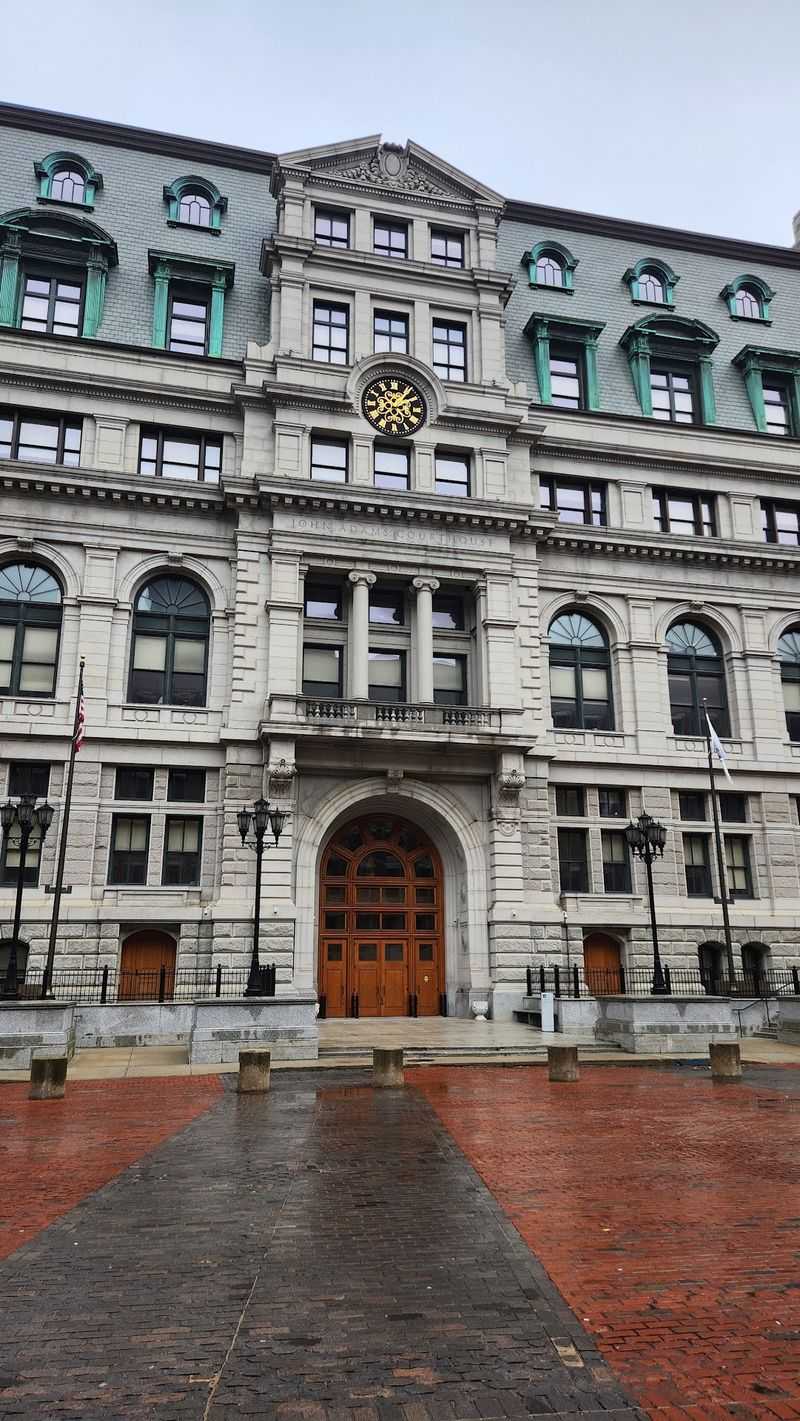
Behind Boston’s courthouse doors is an institution with roots in 1692. The Massachusetts Supreme Judicial Court is recognized as the oldest appellate court in continuous existence in the Western Hemisphere, a distinction that surprises even history-minded locals.
It began as the Superior Court of Judicature under the province’s new charter. The court later took its current name under the Massachusetts Constitution of 1780, connecting its colonial beginnings to the state government that exists today.
An appellate court reviews legal questions raised by cases rather than simply repeating a trial. Judges examine issues such as whether the law was applied correctly, helping establish rules that lower courts must follow.
The Supreme Judicial Court has shaped major parts of Massachusetts life. Its history includes cases connected to the end of slavery in the state and the Goodridge decision that opened civil marriage to same-sex couples.
Its age does not mean its membership, procedures, or responsibilities have stayed unchanged. Continuous existence describes the institution’s long legal life, not a claim that judges still operate exactly as their predecessors did three centuries ago.
The court sits in the John Adams Courthouse at Pemberton Square in Boston. That building is much younger than the institution, so comparing the courthouse’s construction date with the court’s founding date can lead to unnecessary confusion.
You may be able to observe public proceedings, depending on the schedule and access rules. Check official court information before visiting, allow time for security, and keep your phone and conversation from disrupting the work.
For a simpler introduction, read an official case summary or explore the court’s historical resources online. The interesting local connection is that this long-running institution does not merely preserve old records; it continues deciding legal questions that affect Massachusetts residents, with a history stretching back before independence and a present-day role far beyond the impressive stone exterior.
12. America’s First Public Botanical Garden Was Established in Boston
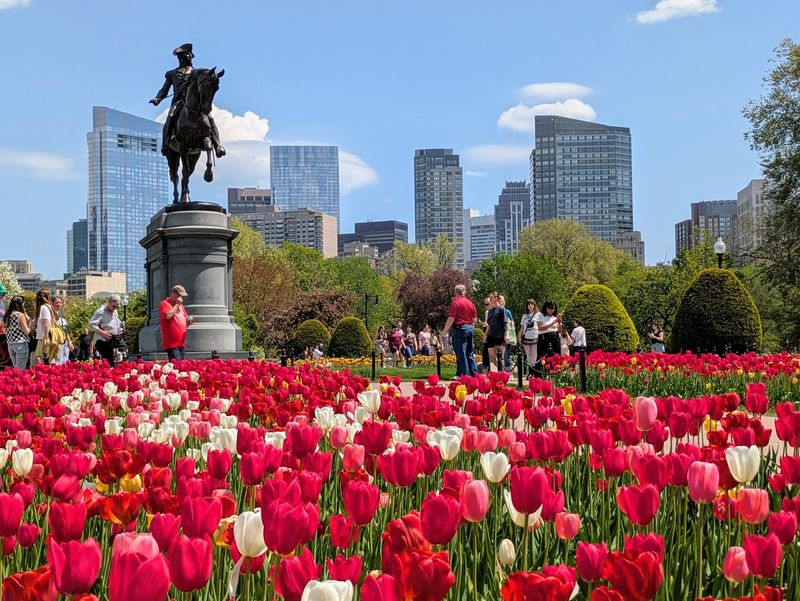
Cross Charles Street from Boston Common and the landscape changes on purpose. The Boston Public Garden, established in 1837, is widely recognized as America’s first public botanical garden, designed around plants, ornamental beauty, and carefully arranged grounds.
While the Common began as shared town land, the garden developed as a more formal setting. Curving paths, flower beds, trees, and a lagoon encouraged people to stroll and notice the planting rather than simply cross an open field.
The land itself tells another Boston story. Much of this area was once tidal ground, and filling and reshaping the shoreline helped create the setting that now looks so comfortably settled beside the city’s streets.
The Swan Boats arrived later, beginning operation in 1877. They are a famous part of the garden’s identity, but they were not present at its founding and should not be folded into the 1837 date.
Seasonal planting means the garden changes throughout the year. Spring flowers, summer beds, autumn leaves, and winter branches each reveal different parts of the design, so a visit need not depend on catching one particular bloom.
For photographs, use the paths and avoid stepping into planted beds. Early daylight can make the lagoon and bridge easier to capture without heavy foot traffic, although this remains a busy public space rather than a private backdrop.
Check current operating information before planning a Swan Boat ride, since service is seasonal and weather can affect it. The nearby Make Way for Ducklings sculpture offers another stop, especially when you have children along.
The best trivia distinction is between the two neighboring green spaces: Boston Common is the country’s oldest public park, while the Public Garden holds the public botanical garden claim. Remembering those separate roles prevents an easy mix-up and explains why two places only a street apart look and function differently today.
Share this story