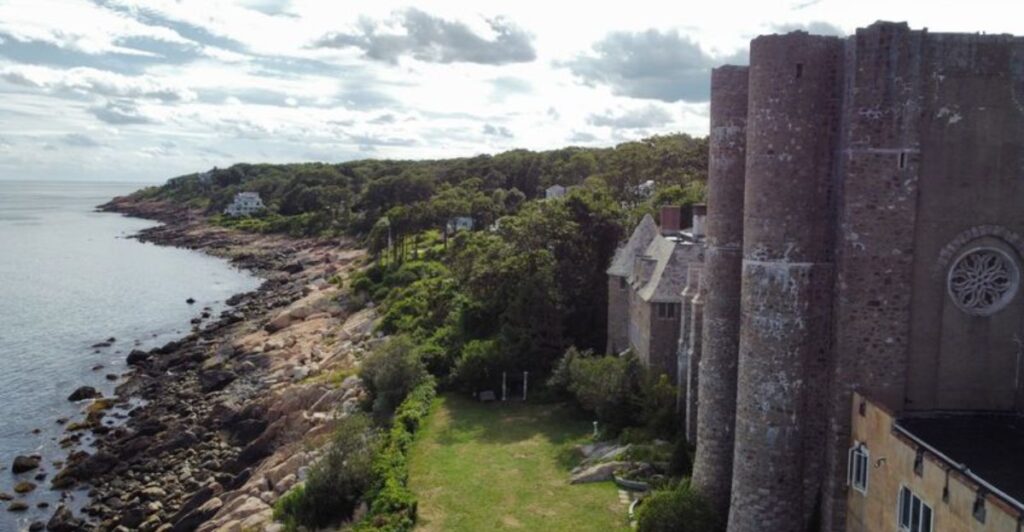
A medieval-looking castle above the Gloucester shoreline would be unusual enough on its own, but Hammond Castle has a much stranger story behind the stone. The former home of inventor John Hays Hammond Jr. blends European-inspired architecture, old artwork, hidden-feeling rooms, and connections to early radio-control technology. Hammond also knew Nikola Tesla, adding another layer to a place already packed with curious details.
The appeal comes from how easily history, science, and dramatic scenery overlap as you move through the property. For anyone drawn to Massachusetts landmarks with a little mystery and a lot of personality, Hammond Castle gives you far more to explore than its towers suggest.
A European Skyline on the Massachusetts Coast
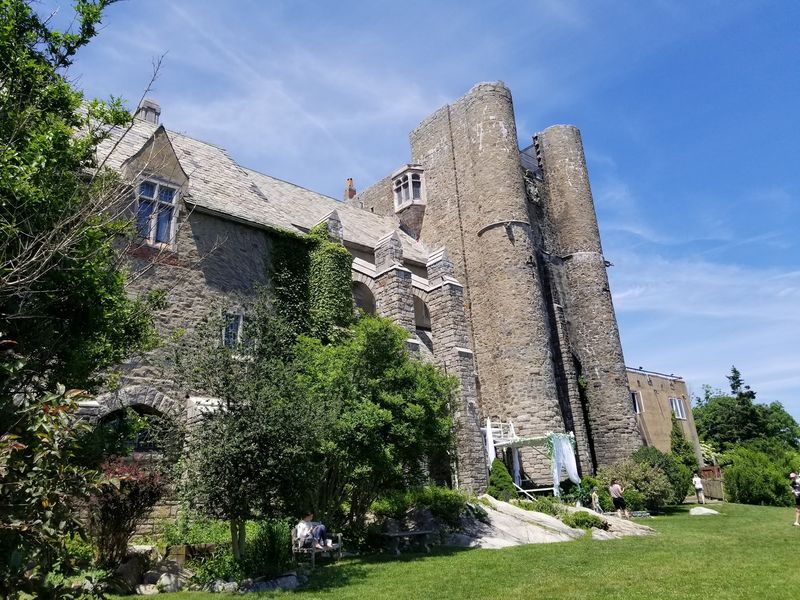
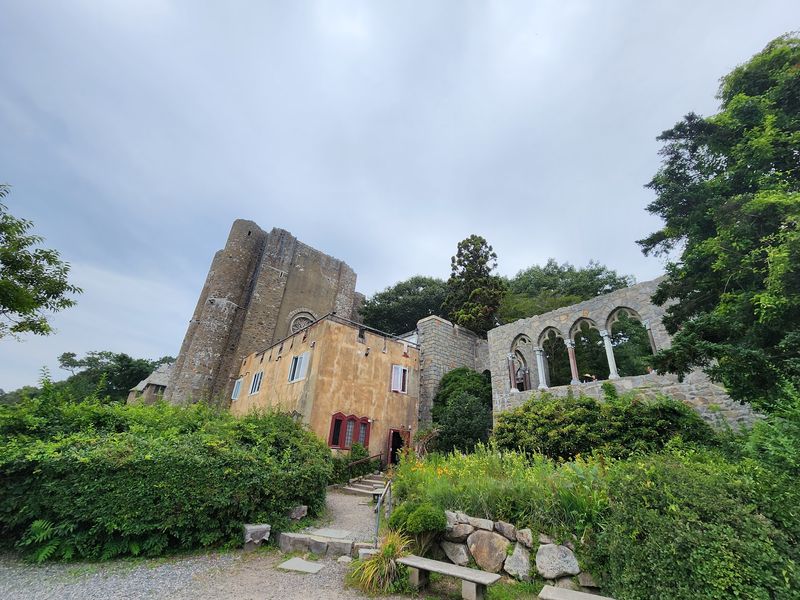
Stone towers above the Atlantic are not the usual Gloucester sight. Yet Hammond Castle Museum stands along the rocky coast, trading the familiar look of a seaside home for walls and windows inspired by European architecture.
The setting explains much of its immediate appeal. Rough stone meets open water, and the building’s heavy shapes contrast with the changing sky beyond them. Before heading inside, pause where public access allows and look at how the castle sits within the shoreline.
Despite its old appearance, the castle is not a medieval fortress transplanted whole from Europe. John Hays Hammond Jr. built it between 1926 and 1929 as his home, a place for his collection, and a setting for his work. Knowing that changes how you read the building.
Its design draws on different European periods rather than copying one historic castle. That mixture was deliberate, reflecting Hammond’s travels and interests. You are looking at a personal creation, not the remains of a royal stronghold or a defensive outpost.
For photographs, give the architecture some breathing room. A wider view can show the relationship between the stonework and ocean better than a close shot of a single tower. Coastal wind can also make the grounds cooler than expected, so bring a layer even when inland temperatures seem comfortable.
Save your first detailed history questions for the interior. Outside, concentrate on scale, texture, and placement: the pale sky behind darker masonry, the edges of the towers, and the water beyond the grounds. Those contrasts introduce Hammond’s taste before you encounter his inventions or collections.
Check which outdoor areas are open during your visit, since museum activities and private events can affect access. The best opening view is the one you can enjoy safely without crossing barriers or blocking other visitors on the paths nearby.
Tesla’s Connection Begins With the Man Who Built It
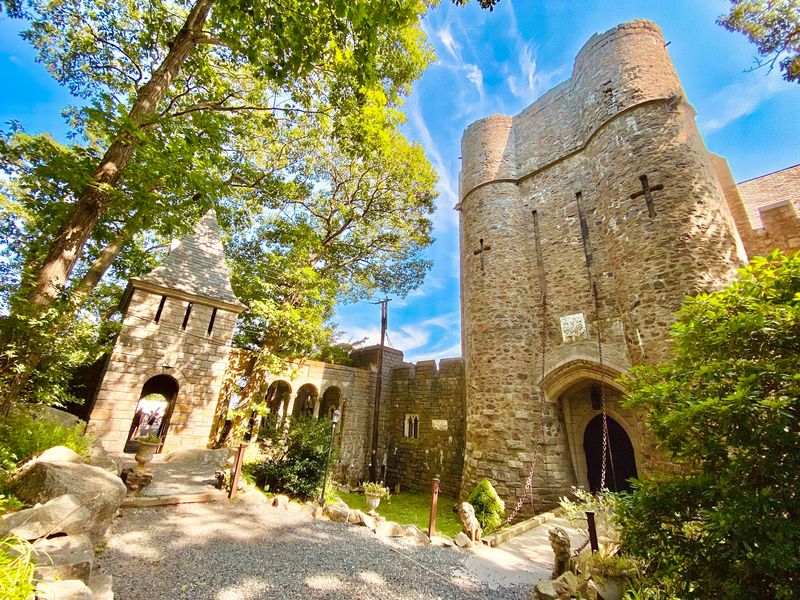
The castle’s link to Nikola Tesla is personal, not architectural. Its owner, John Hays Hammond Jr., knew Tesla, who became an important mentor and influence during Hammond’s development as an inventor. The connection belongs to Hammond’s life story rather than the castle’s construction.
Hammond grew up with access to leading scientific thinkers through his family’s connections. Both Tesla and Thomas Edison helped shape his interest in invention. For a young person fascinated by electricity and communication, those relationships opened a remarkable window into the changing world of technology.
Tesla’s work with wireless technology provides useful background for understanding Hammond’s later achievements. However, influence does not mean that the two men shared credit for every invention. Hammond developed his own career, and the museum is chiefly about his work, home, and collections.
Keep that distinction in mind when exploring the rooms. This is not Tesla’s former residence, and the connection should not be mistaken for proof that he designed the castle or built its features. The stronger story is how an inventive mind learned from another and then followed its own path.
A guided visit can help connect names and dates that might otherwise blur together. Ask how Tesla influenced Hammond and which displays explain their relationship. Specific questions are more useful than assuming every unusual device or architectural trick came from Tesla’s ideas.
The surprise is the setting. A building dressed in European stonework turns out to belong to someone linked to the scientists who helped define modern electrical life. That contrast gives the museum a second layer beyond its appearance.
As you move through the house, look for the inventor behind the collector: a man interested in both the distant past and possibilities still taking shape. The castle’s historical displays offer the best starting point for separating documented connections from colorful speculation or modern legends.
Radio Control Hides Behind the Stone Walls
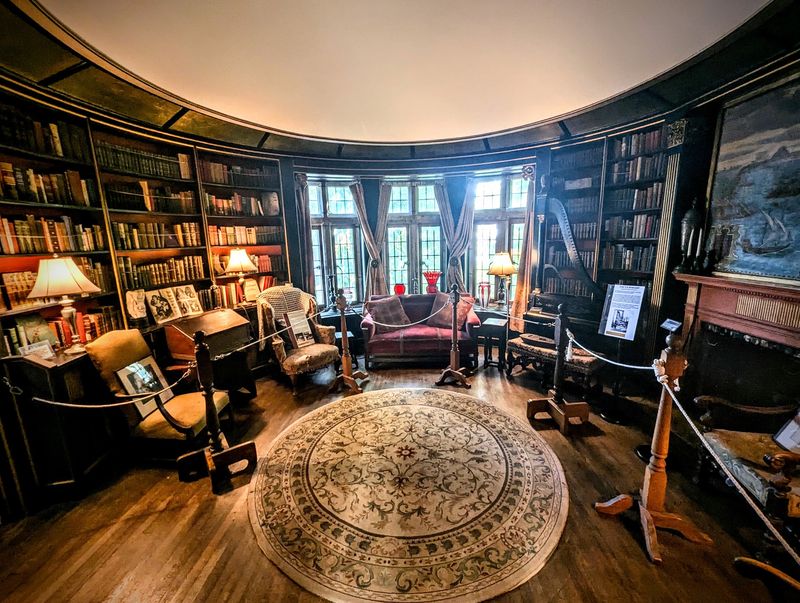
Forget the battlements for a minute: the owner’s most important legacy involved sending commands without wires. John Hays Hammond Jr. became known as the father of radio control, a title that points toward the scientific work behind his unusual home.
Radio control means using transmitted signals to operate something at a distance. Today, that basic idea is familiar through remote-controlled vehicles and other devices. In Hammond’s working years, developing dependable ways to send and receive those instructions presented major technical challenges.
His research had particular importance for remotely operated vessels and military systems. Rather than treating him as a castle owner who occasionally tinkered, it helps to see him as a serious inventor with wide interests. The medieval appearance can otherwise distract from the scale of his technical career.
You do not need an engineering background to follow the central idea. Imagine giving a boat directions while standing somewhere else, without a physical cable connecting you. The signal must reach the boat, and the equipment aboard must turn that signal into a useful action.
That simple example gives younger visitors a foothold in the story. When studying museum material, look for explanations of the problem Hammond was trying to solve, not just lists of patents or technical terms. Asking what a device allowed someone to do makes complicated science easier to understand.
The castle served as both a residence and a setting associated with Hammond’s scientific work. Its mix of historical collecting and modern invention was not an accidental pairing. He could admire craftsmanship from earlier centuries while thinking about machines that had not yet become everyday objects.
Carry that contrast into the rest of your visit: the walls point backward, but the owner’s research pointed forward. Even a brief stop with the scientific displays can change the way you understand the entire building around you.
The Great Hall Rewards a Slower Look
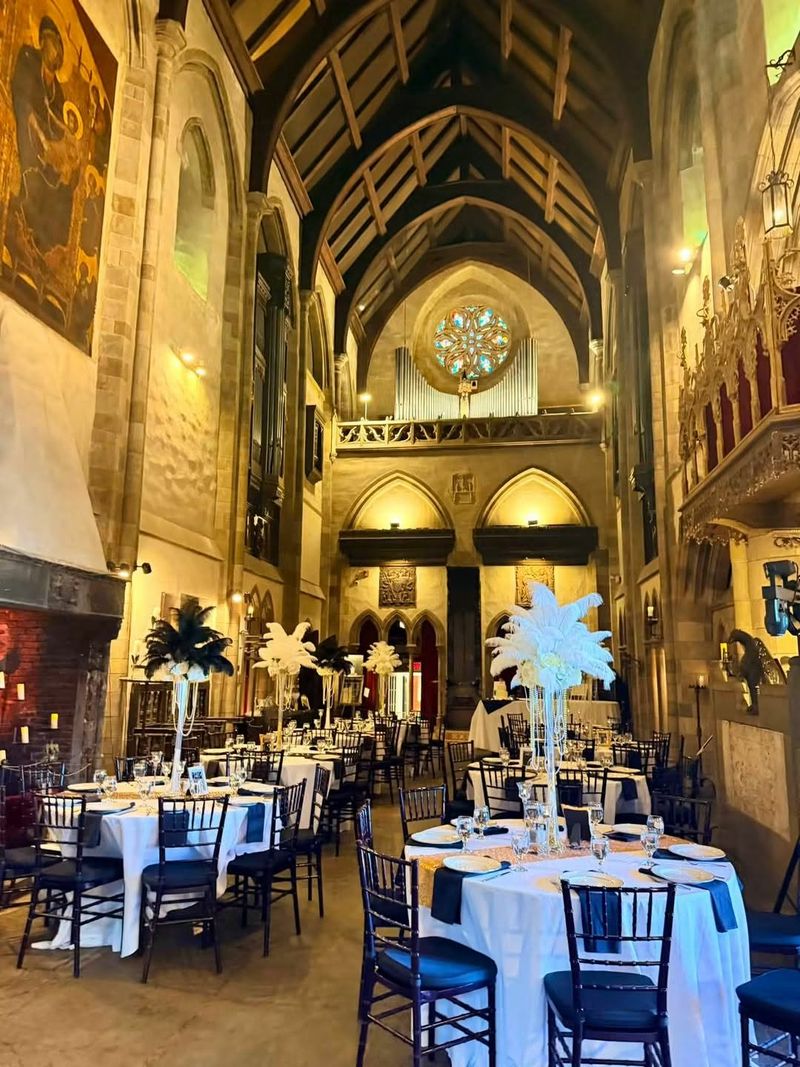
A room this tall makes you look up before you look closely. The Great Hall gives Hammond’s collection a dramatic setting, with architecture that asks for your attention even before individual objects enter the picture.
Hammond collected historical artwork and architectural material, bringing different ages together inside a twentieth-century house. The setting can make everything appear equally old at first glance. Labels and tour explanations help separate the age of an object from the age of the room surrounding it.
Start with the room as a whole, then choose a few details to examine. Moving your eyes between a large architectural feature and a smaller object gives you a better sense of scale. Trying to absorb every item immediately can turn a rich space into visual overload.
The castle’s large pipe organ adds another dimension to the hall’s story. It reflects Hammond’s interest in music as well as technology, making it more than decorative scenery. Do not assume it will be played during an ordinary visit; performances and demonstrations depend on the museum’s program.
If hearing the instrument is a priority, check the current event schedule before booking. Otherwise, study how its presence fits within the room and ask about its history. A quiet visit can still reveal how much planning went into combining a musical instrument with such a distinctive interior.
Photography deserves a little patience here. Follow posted rules, avoid flash where prohibited, and wait rather than stepping into someone else’s view. One broad photograph can establish the hall, while a closer image records a detail you want to research later.
Before leaving, read at least one object label fully. That small pause helps turn the collection from a handsome backdrop into evidence of Hammond’s choices, interests, and resources. Then let the next room change the scale, rather than rushing straight toward another photograph.
An Indoor Courtyard With a Village Twist
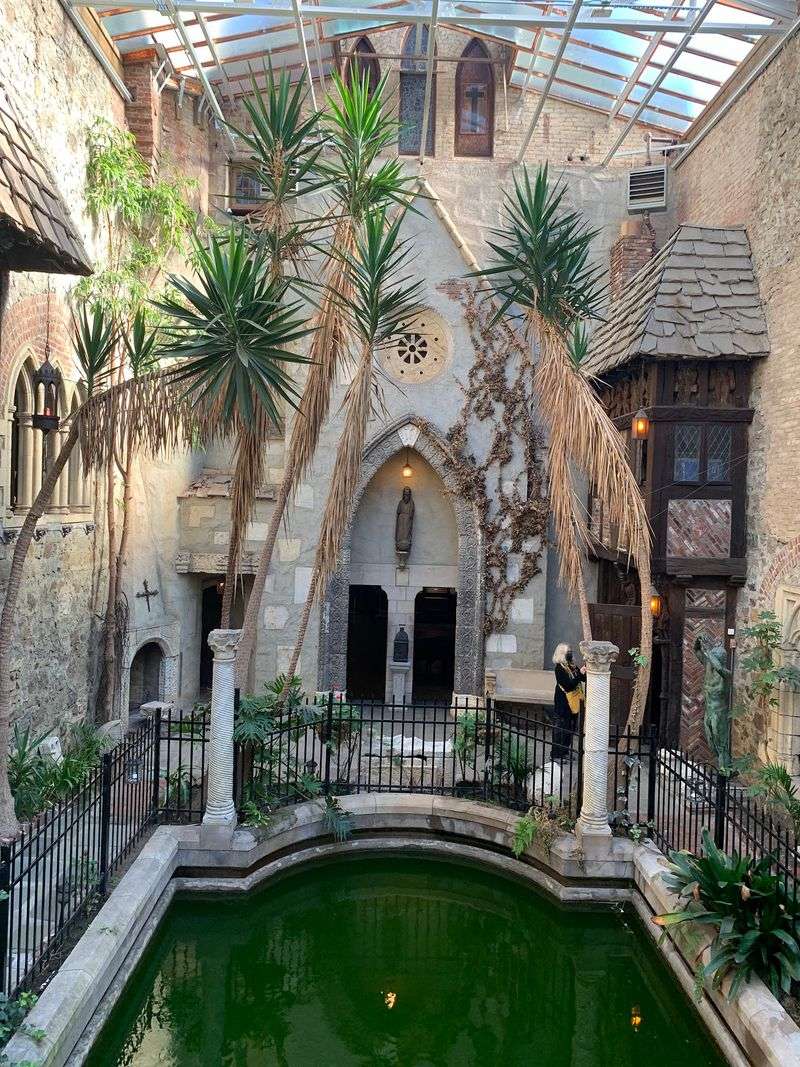
Suddenly, the house starts behaving like a village. Hammond’s indoor courtyard brings together European-inspired building fronts around an enclosed space, creating a sharp change from the larger formal rooms. Windows and walls become part of a carefully arranged architectural scene.
The courtyard is one of the clearest examples of his playful approach to design. Instead of making every room match, he used changes in shape and scale to create different experiences. You can move through a grand interior and then find yourself studying details that suggest an outdoor street.
A pool adds another unexpected element to the space. Its presence belongs to the castle’s unusual domestic design, not to a conventional museum floor plan. Treat it as a feature to observe, and follow any barriers or instructions rather than assuming the surrounding area is unrestricted.
Look upward before moving on. The relationships between windows, upper walls, and the enclosure explain more than a quick photograph at eye level. This is a good place to notice how Hammond used architecture to frame views within the building itself.
For families, give children a simple observation challenge: find two windows that differ, or compare the shapes of nearby doorways. That approach encourages close looking without requiring them to understand every historical reference. Ask staff whether any official family activity is available during your visit.
Older photographs can be misleading when planning what you expect to see. Seasonal displays and past arrangements may no longer be present, so focus on the permanent architecture rather than decorations shown in an old image. The courtyard’s interest does not depend on a holiday setup.
Stand back where space permits, trace the different facades with your eyes, and notice how the pool changes the room’s center. Then continue through the museum with a better sense of Hammond’s habit of turning ordinary household spaces into architectural experiments.
Choose Your Tour Before Tackling the Stairs
Your route matters almost as much as your curiosity. Hammond Castle has narrow passages, changing floor levels, and stairs that can make a casual museum visit more physically demanding than expected. Planning around that layout helps you enjoy the details without rushing.
Guided and self-guided options serve different needs when available. A guided tour provides a clear thread through Hammond’s history and gives you chances to ask questions. Exploring independently offers more control over how long you spend with particular rooms and objects.
Choose based on how you like to learn, not simply which ticket appears first. If the Tesla connection is your main interest, a guide may help place it within Hammond’s broader life. If architecture catches your eye, a slower independent route may suit you better.
Check the current ticket description for timing, included access, and any opportunity to explore afterward. Do not assume every tour follows the same arrangement or that all rooms are open every day. Special programs and private events can change the usual visitor experience.
Footwear should be practical rather than photo-ready. Uneven steps and tight turns call for secure shoes, attention, and enough space between visitors. Keep your hands free when possible, and pause before taking photographs instead of trying to shoot while moving on a staircase.
Anyone with mobility concerns should ask the museum about the specific route before purchasing tickets. The historic layout presents accessibility limits, and assumptions based on modern museum buildings may not apply. Families should also confirm arrangements for strollers and young children.
Give yourself enough time to stop, read, and navigate carefully rather than treating the visit as a fast circuit. A well-chosen tour turns the building’s complicated layout into a manageable part of the day. You can focus on Hammond’s story instead of deciding your next move at every doorway or landing.
Book Ahead for This Gloucester Address
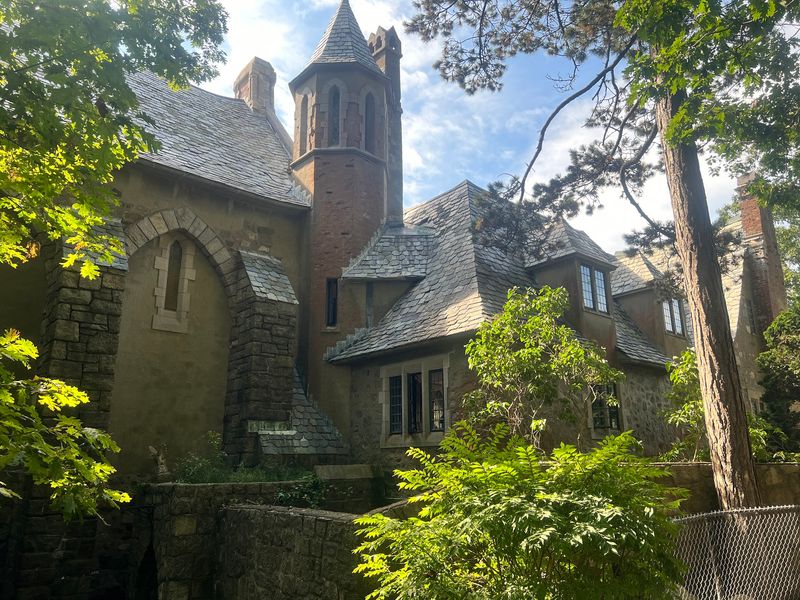
A little preparation beats sorting out tickets beside a coastal road. Hammond Castle Museum is at 80 Hesperus Avenue in Gloucester, and its limited parking makes advance planning especially useful. Secure your admission before traveling rather than depending on availability when you arrive.
Check the museum’s current hours and calendar for your chosen date. Listed opening times are a starting point, not a promise that every tour or area will remain available throughout the day. Weddings, special events, and seasonal schedules can affect access.
Read the parking instructions attached to your reservation. Admission and parking arrangements can change, so avoid relying on an older account of how someone entered the grounds. Have your confirmation ready before reaching the property, ideally saved where you can open it without mobile service.
Phone reception may be unreliable around the castle. Download directions beforehand and keep essential booking details available offline. If you are arriving without a car, arrange the return journey carefully rather than assuming a ride or convenient transit connection will be waiting outside.
Allow roughly ninety minutes to two hours as a planning cushion, adjusting for your tour and interest level. That is an estimate, not a required visit length. Arriving near the end of the admission window can leave little time for the collections, outdoor views, and slower movement through stairways.
Bring a light layer for the grounds, follow current photography rules, and ask about any areas closed that day. Most importantly, arrive with the right expectation: this is a twentieth-century inventor’s home shaped by European history, not a surviving medieval fortress. Its strongest story comes from that combination.
At one Gloucester address, old stone forms and collected artwork share space with the legacy of radio control and Hammond’s connection to Tesla. Plan the practical details first, and you can spend your visit exploring that unusual meeting of interests.
Share this story