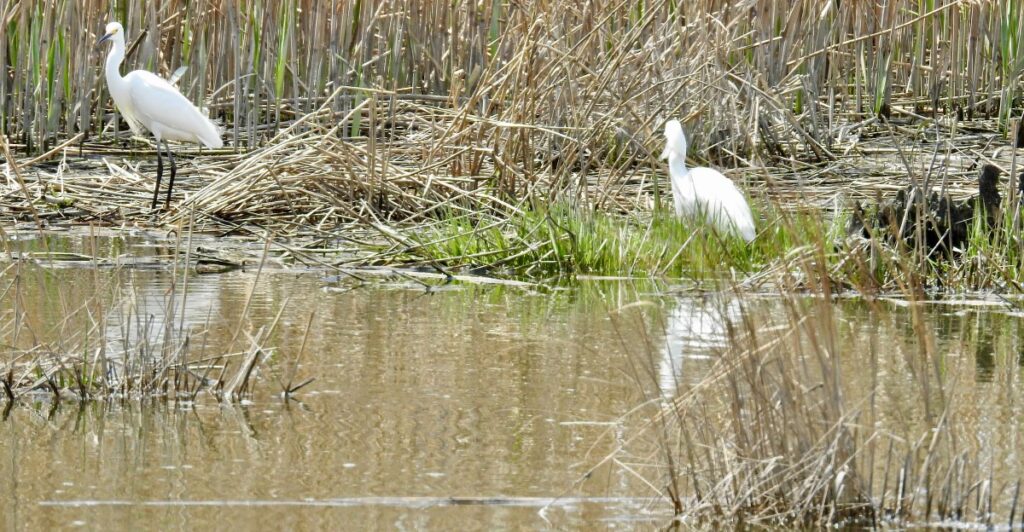
By late September, some of New Jersey’s quietest marshes start looking suspiciously busy. Egrets stalk the shallows, flocks of shorebirds rise almost in unison, ducks begin slipping back onto open water, and warblers appear in patches of shrubs that seemed empty a week earlier.
Fall migration turns the state into one enormous rest stop, and wetlands are among the best places to watch the traffic. New Jersey happens to sit along the Atlantic Flyway, giving birders access to tidal marshes, freshwater swamps, coastal impoundments, mudflats, ponds, and river wetlands within a relatively small state.
Better still, you do not need to be an expert carrying a telescope the size of a small cannon. A pair of binoculars and a little patience can reveal plenty.
From Cape May’s famous migration corridor to surprisingly wild marshes within sight of North Jersey highways, these 12 wetlands offer some of the most rewarding places to watch autumn arrive on wings.
1. Edwin B. Forsythe National Wildlife Refuge
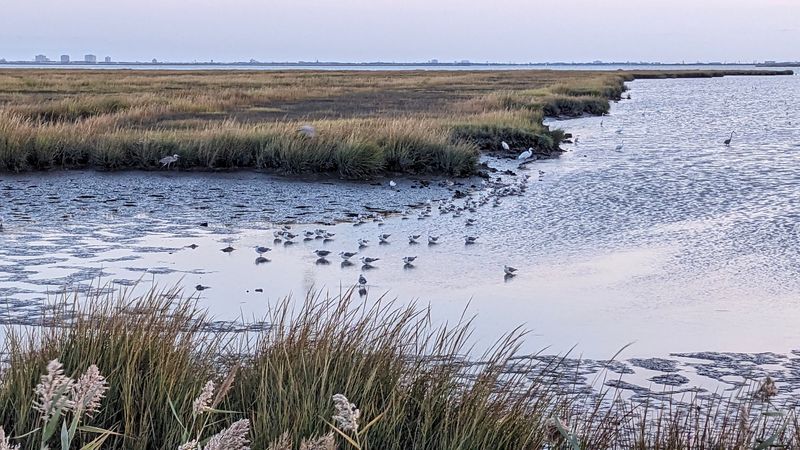
Few New Jersey birding experiences deliver as much wildlife without requiring much walking as the Wildlife Drive through the Brigantine Division of this enormous coastal refuge. The route threads between freshwater impoundments and broad salt marshes, letting visitors scan water, mudflats, grassy edges, and open sky from one stop to the next.
During fall migration, that variety pays off. Shorebirds gather on exposed flats, egrets and herons work the shallows, and increasing numbers of ducks begin appearing as temperatures drop.
Raptors may pass overhead, while sparrows and other smaller migrants use brushier sections around the refuge edges. The real advantage here is scale.
Instead of watching one tiny pond and hoping something interesting drops in, you are surrounded by acres of potential habitat, with new birds appearing around nearly every bend. Bring binoculars at minimum, and a spotting scope can be especially useful because many birds stay well away from the road.
Early morning usually provides quieter conditions and softer light, although changing tides can completely rearrange where feeding birds congregate. The refuge sits near Atlantic City but feels worlds removed from casinos and boardwalk crowds.
For someone planning a first serious fall birding outing in New Jersey, this is one of the easiest places to understand why the state matters so much to migrating birds.
2. South Cape May Meadows Preserve
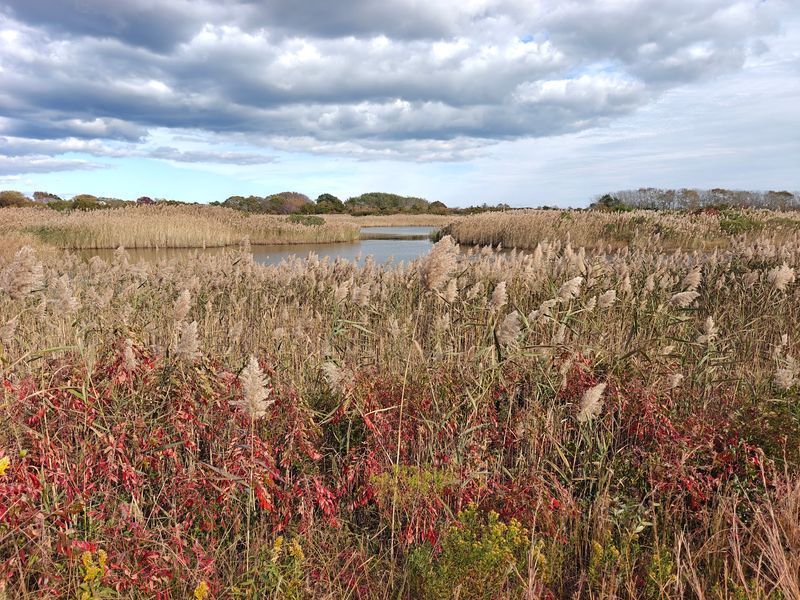
At the southern tip of the state, migration can feel less like a subtle seasonal shift and more like a traffic jam. South Cape May Meadows places you directly in that funnel.
Freshwater ponds, dunes, beach habitat, wetlands, and surrounding vegetation sit along a coastline that naturally concentrates southbound birds, giving visitors a chance to see an impressive mix without covering huge distances. Autumn brings shorebirds, wading birds, waterfowl, sparrows, warblers, and raptors through the preserve, sometimes within the same visit.
The walking trails are relatively approachable, making this a good choice when you want a birding outing that feels relaxed rather than expeditionary. One minute you might be scanning a pond for ducks; several minutes later, your attention may be pulled toward a hawk passing overhead or a group of songbirds moving through vegetation beside the trail.
The beach adds another layer, particularly when seabirds or coastal migrants are active. September and October are especially rewarding because migration is constantly changing.
A quiet morning can suddenly become busy when a weather front pushes birds south. Cape May’s reputation among birders means you will often encounter people who know exactly what they are looking at, which can be surprisingly useful when an unfamiliar silhouette appears.
Bring binoculars, allow more time than you think you need, and expect the bird list to change every time you return.
3. Great Swamp National Wildlife Refuge
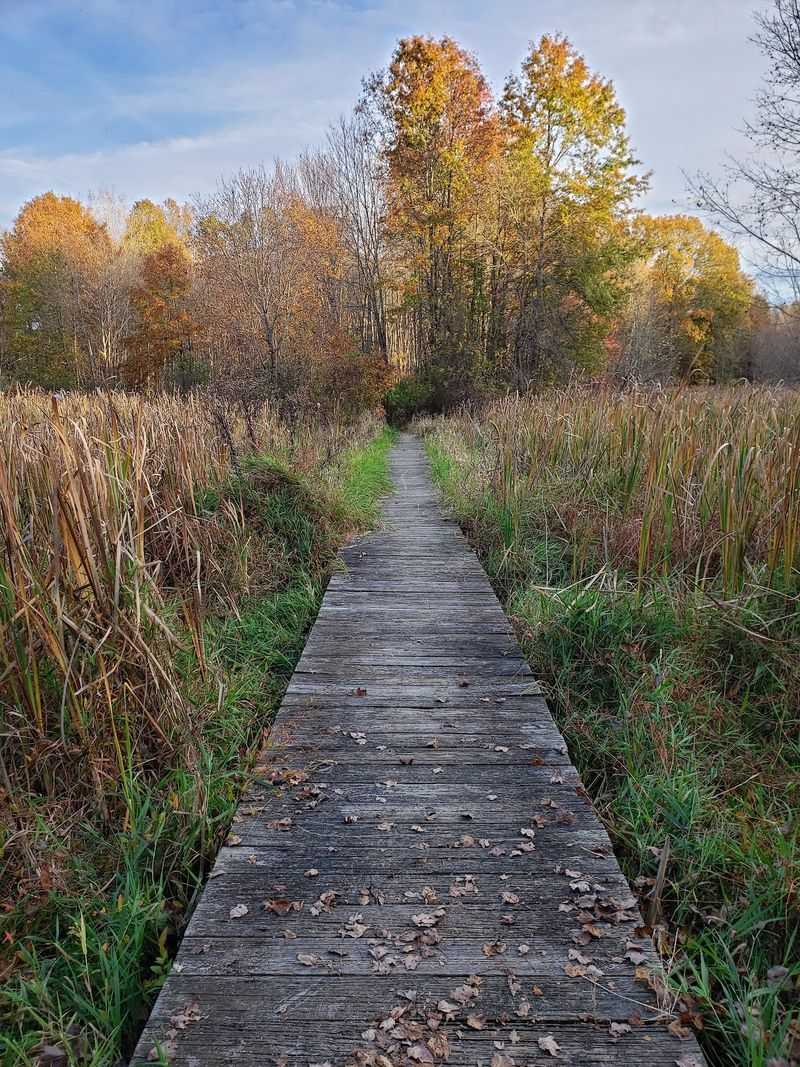
Not every great migration wetland comes with salt air. In Morris County, Great Swamp offers a completely different fall birding experience, built around freshwater marshes, wooded wetlands, ponds, streams, and forest.
That mixture attracts birds moving through inland New Jersey while also supporting plenty of species that remain in the area for longer stretches. Autumn mornings can bring migrating warblers and vireos into woodland edges, while marsh habitat provides opportunities to watch herons, waterfowl, rails, and other wetland birds.
Raptors also benefit from the open areas and abundant prey. The refuge is particularly appealing to birders who enjoy listening as much as looking.
Dense vegetation means some birds announce themselves long before they appear, so slowing down can be more productive than trying to cover every trail quickly. Boardwalks and observation areas provide access to habitat that would otherwise require very wet shoes and questionable decision-making.
Fall also makes the refuge more comfortable for hiking than the humid height of summer, and changing foliage adds plenty of scenery between sightings. Because Great Swamp sits within heavily developed North Jersey, the sense of separation can be startling.
One moment you are navigating suburban roads; shortly afterward, you are staring across wetlands that look far removed from traffic. Visit early, keep your pace slow, and check both the treetops and water instead of assuming all the action will be in the marsh.
4. Cape May Point State Park
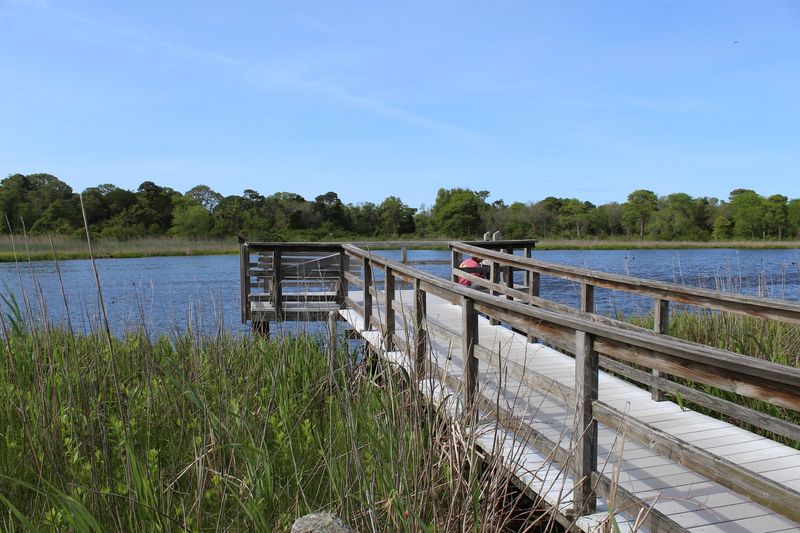
The hawks usually give away what makes this place special. On productive fall days, visitors near the observation areas can watch raptors moving south in remarkable numbers, but looking only at the sky would mean missing half the show.
Cape May Point State Park also includes ponds, marshy habitat, coastal vegetation, dunes, and woodland edges that attract an enormous range of migrants. Ducks settle onto the ponds, herons patrol shallow water, songbirds pause in shrubs and trees, and shorebirds work nearby coastal habitat.
The park’s location at the tip of the Cape May Peninsula helps concentrate birds reluctant to continue across Delaware Bay, creating one of the most famous migration bottlenecks on the East Coast. You do not need to recognize every hawk by wing shape to enjoy it.
Simply standing near experienced birders for a while can become an informal lesson in identifying kestrels, accipiters, falcons, and larger raptors as they pass. The lighthouse provides an unmistakable backdrop, but the best strategy is to resist turning the visit into a quick sightseeing stop.
Walk the trails, linger near the ponds, and keep checking open sky. Fall weekends can be busy, especially during peak migration, so an early arrival makes parking and birding easier.
For sheer variety, few New Jersey locations can match a good October morning here.
5. Supawna Meadows National Wildlife Refuge
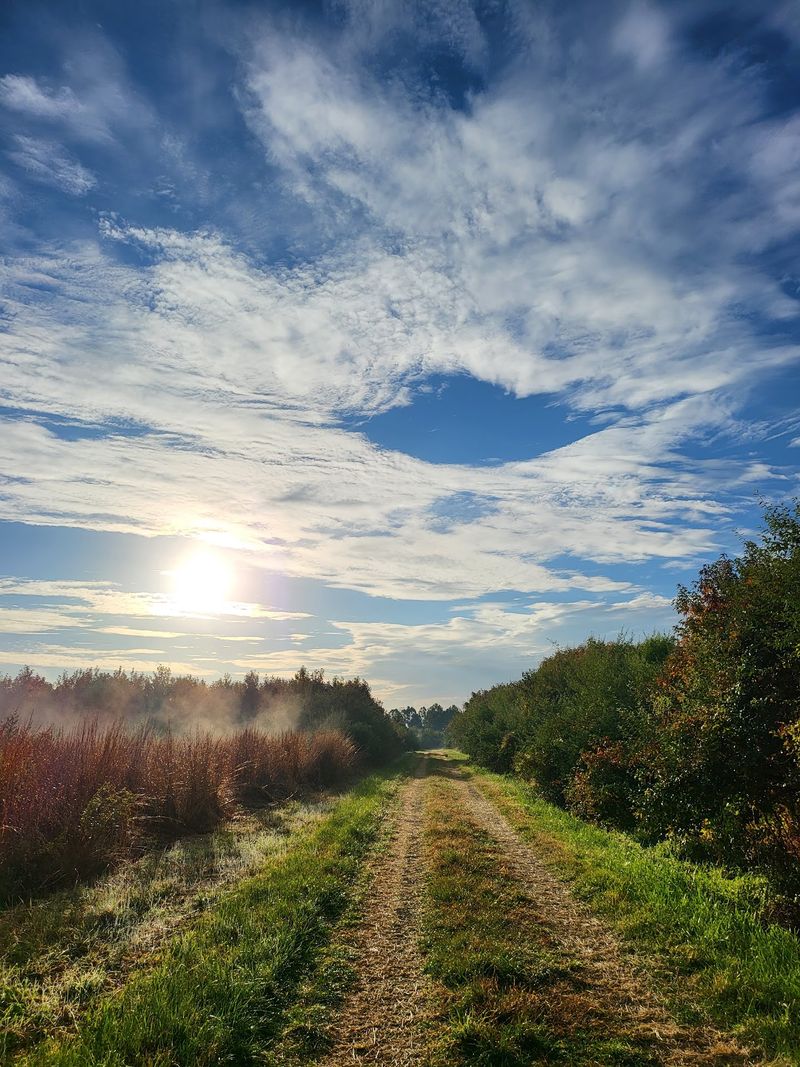
Down along the Delaware River in Salem County, the landscape opens into tidal marshes, wooded wetlands, grasslands, and shoreline that feel far removed from New Jersey’s more crowded corners. Supawna Meadows is not the sort of place where every bird conveniently poses beside an observation deck.
That is part of its appeal. Birding here rewards patience, scanning, and a willingness to spend time watching marsh edges where movement can be subtle.
Fall migration brings waterfowl, wading birds, shorebirds, songbirds, and raptors through the refuge, while the river corridor itself acts as an important travel route. Bald eagles are also associated with this part of the state, giving visitors another reason to check large trees and open sky.
Compared with Cape May’s concentrated birding scene, Supawna Meadows can feel quieter and more spacious. You may spend several minutes hearing little beyond insects, distant calls, and wind moving through marsh grass before a flock suddenly sweeps across the water.
That slower rhythm makes the refuge particularly rewarding for anyone who prefers birding without crowds. Binoculars are essential, and a spotting scope helps with distant birds along open water or mudflats.
Conditions change with tide and weather, so repeat visits can produce completely different results. If your idea of a good migration morning involves big horizons, marsh light, and plenty of room to stop and scan, Salem County delivers.
6. Richard W. DeKorte Park
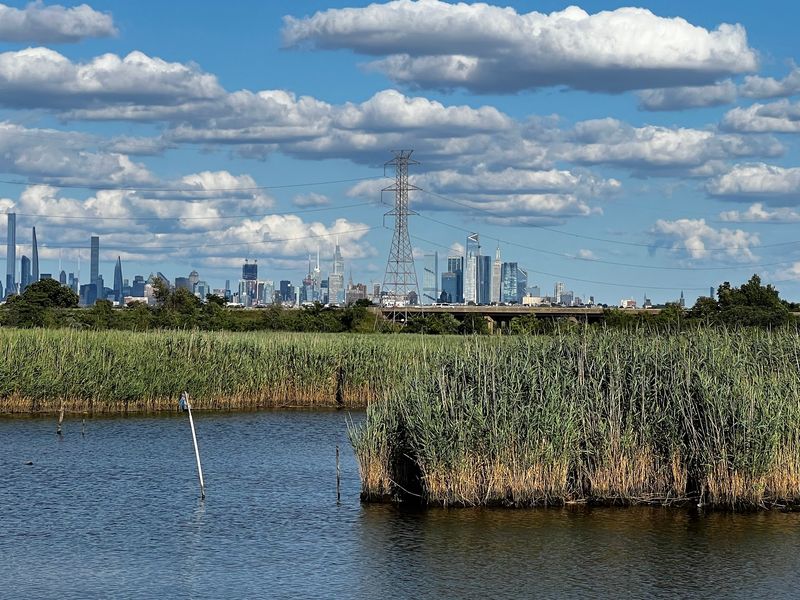
Manhattan rises in the distance, jets cross overhead, highways hum nearby, and somehow the birds keep stealing the show. Richard W.
DeKorte Park in the Meadowlands demonstrates just how productive an urban wetland can be. Its tidal marshes, impoundments, mudflats, and open water attract migrating shorebirds, ducks, herons, egrets, gulls, and raptors, while planted areas and patches of vegetation provide additional habitat for smaller migrants.
Fall is especially interesting because the cast keeps changing. Early-season shorebirds may still be feeding when later waves of waterfowl begin arriving, and hawks can appear above the marsh while sparrows move through grasses closer to the trails.
The park’s paths and boardwalk-style viewing areas make it unusually accessible for casual birders, photographers, and families who may not want to hike several miles through rough terrain. It is also a fantastic place to practice bird identification because the open habitat often provides long, unobstructed views.
Bring binoculars and pay attention to exposed mud at lower tide, where feeding birds can become much easier to spot. The juxtaposition is part of the fun: glossy ibis or egrets may be feeding in the foreground while the New York skyline sits behind them.
For anyone who assumes good birding requires driving deep into rural New Jersey, DeKorte offers a convincing rebuttal.
7. Mill Creek Marsh
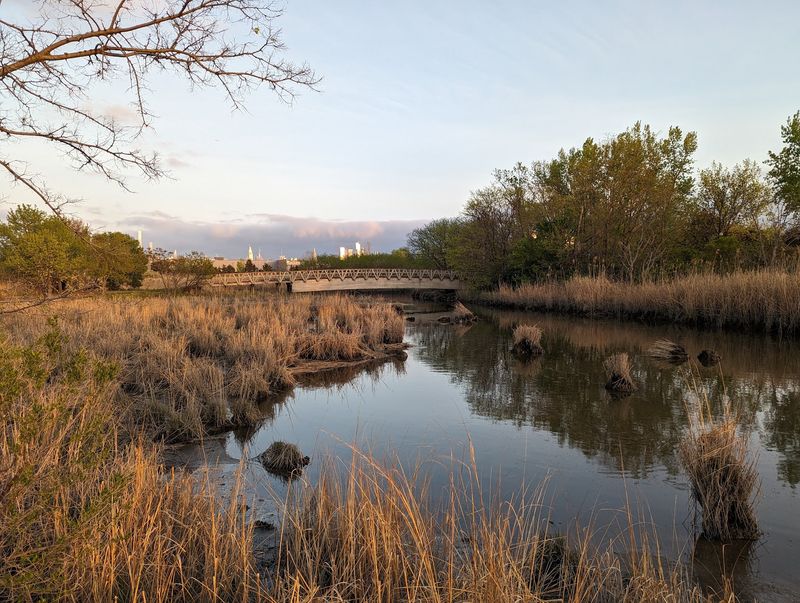
The bare cedar stumps are usually the first thing people notice. Rising from the Meadowlands like remnants of a drowned forest, they give Mill Creek Marsh one of the strangest landscapes on this list.
Birds, however, are the reason to stay. The tidal wetlands and mudflats create feeding and resting habitat for migrating shorebirds, wading birds, ducks, gulls, and other species moving through the Hackensack Meadowlands.
Fall can be particularly productive when exposed mud concentrates feeding birds and cooler weather encourages waterfowl to return. The walking trail keeps the outing simple, and because much of the habitat is open, you can spend a long time scanning without moving very far.
Watch the edges where water meets mud, check shallow pools for herons and egrets, and occasionally look up; raptors use these wetlands too. A spotting scope is useful if birds are feeding far from the trail, though binoculars will still reveal plenty.
Tides matter here more than many first-time visitors expect. A high-tide visit and a low-tide visit can feel like two completely different birding trips because feeding areas appear and disappear with the water.
Despite being surrounded by some of the most developed territory in New Jersey, Mill Creek Marsh feels wonderfully odd and unexpectedly wild. Come for the surreal scenery, then realize an hour later that you have been staring at sandpipers the entire time.
8. Palmyra Cove Nature Park
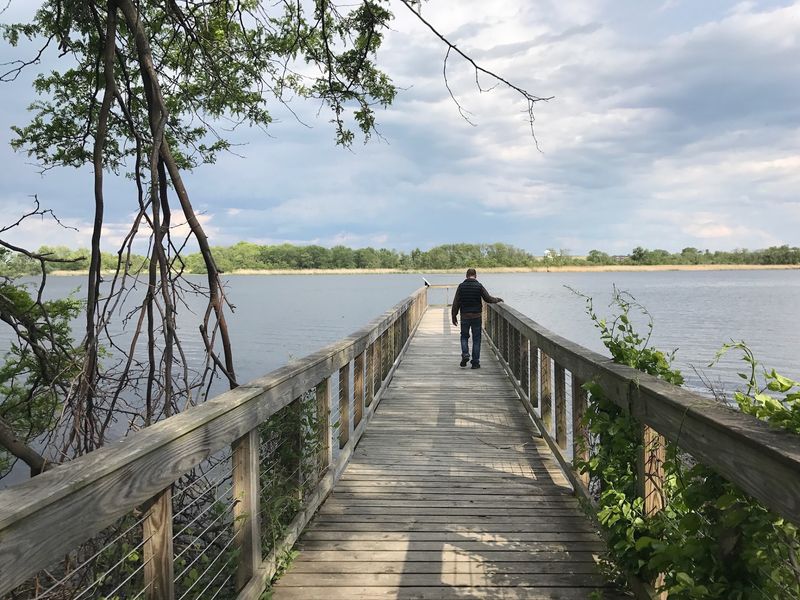
The Delaware River creates the western boundary, but the real strength of Palmyra Cove is how many habitats fit into one relatively compact park. Wetlands, wooded areas, ponds, river shoreline, and meadows sit beside one another, allowing fall migrants with very different preferences to show up within a single walk.
Scan the water and you may find ducks or other waterbirds; turn toward the trees and the activity shifts to warblers, vireos, thrushes, and sparrows moving south. Herons and egrets use wet areas, while raptors can appear overhead as they follow the river corridor.
That mix makes Palmyra especially enjoyable during migration because you never quite know where the next interesting bird will appear. It also suits birders who get restless standing at one overlook for two hours.
Trails let you move between habitats and keep changing the search. Early morning is typically the most productive time for songbird activity, while shoreline and wetland birds may remain visible throughout much of the day.
Bring footwear suitable for damp conditions after rain, and pack binoculars even if you are planning what sounds like a casual walk. Palmyra’s location near the Philadelphia metropolitan area makes its wildlife diversity even more surprising.
You can spend the morning tracking tiny birds through treetops and scanning the river, then be back among busy roads remarkably quickly.
9. Abbott Marshlands
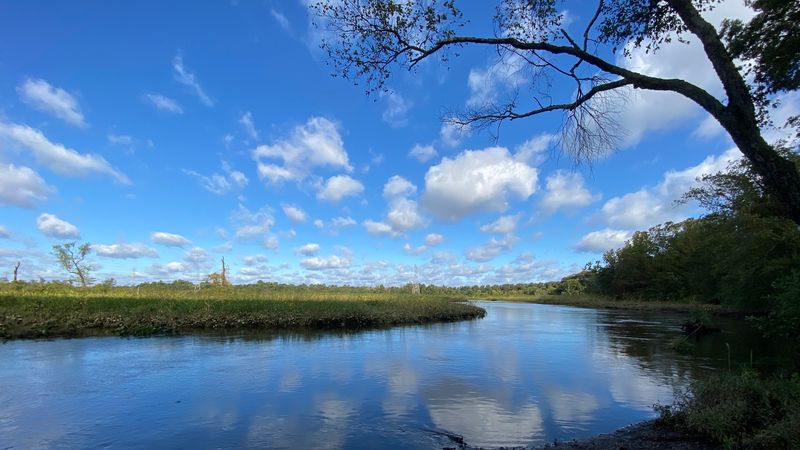
History and bird habitat overlap beautifully along the Delaware River near Trenton, where the Abbott Marshlands protect an extensive complex of freshwater tidal marshes, ponds, creeks, and wooded wetlands. Fall migration adds another layer to an area already rich in ecological and cultural importance.
Waterfowl use the open water and marsh, herons and egrets hunt along edges, and songbirds move through surrounding woodland and brush. Because the marshlands cover a broad area rather than functioning as one small park, birding here can take several forms.
Some visitors explore trails around Roebling Memorial Park and Spring Lake, while others focus on wetland viewpoints and waterways elsewhere in the system. That variety makes it possible to build a longer outing instead of simply stopping at one platform.
Fall colors also transform the marsh edges, giving photographers plenty to work with even when birds are being stubborn. Listen for calls from reeds and brush before assuming an area is empty; dense wetland vegetation hides birds remarkably well.
Morning tends to be best for active songbirds, while ducks and larger waterbirds are easier to watch throughout the day. Abbott Marshlands is particularly satisfying for birders who enjoy exploring landscapes rather than checking species off a list as quickly as possible.
Give yourself time to wander, pause often, and let the marsh reveal what is moving through.
10. Heislerville Wildlife Management Area
Some birding spots are pretty. Heislerville is productive.
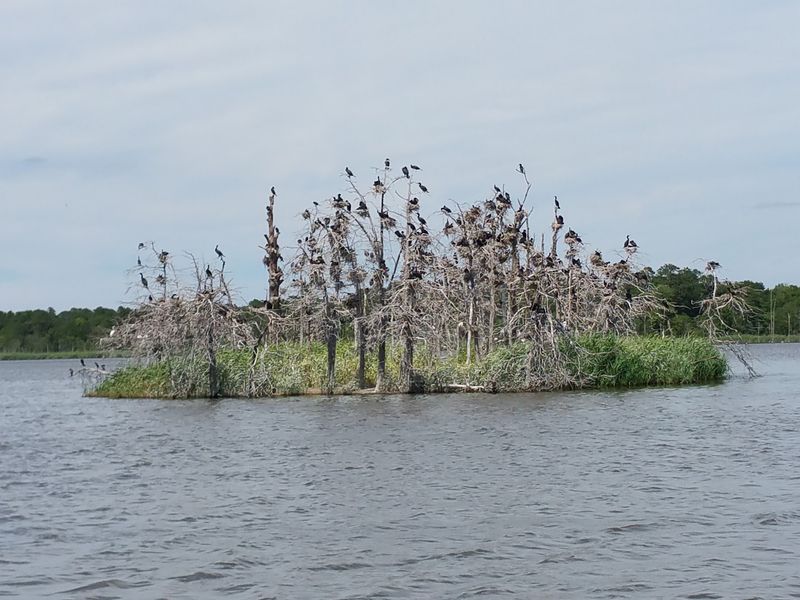
The difference matters. Located along Delaware Bay in Cumberland County, this wildlife management area includes impoundments and marsh habitat that can attract impressive concentrations of shorebirds, waterfowl, wading birds, and other migrants.
While spring shorebird migration gets much of the attention along Delaware Bay, fall brings its own steady turnover of species heading south. Depending on water levels, mudflats can become feeding grounds filled with small shorebirds that initially look nearly identical until you start paying attention to leg color, bill length, and feeding style.
Herons and egrets add easier identification targets, and ducks become increasingly noticeable later in the season. This is a place where a spotting scope genuinely earns its space in the car.
Birds may gather across large open areas, and magnification makes sorting through distant flocks far more rewarding. The setting is rural and comparatively quiet, so do not expect extensive visitor facilities or a polished park experience.
Come prepared with water, binoculars, appropriate footwear, and enough time to watch rather than rush. Light can be beautiful across the impoundments early and late in the day, especially when large flocks lift off at once.
Serious birders have long valued this stretch of Cumberland County, but even beginners can appreciate the simple spectacle of hundreds of migrating birds sharing one wetland.
11. Great Bay Boulevard Wildlife Management Area
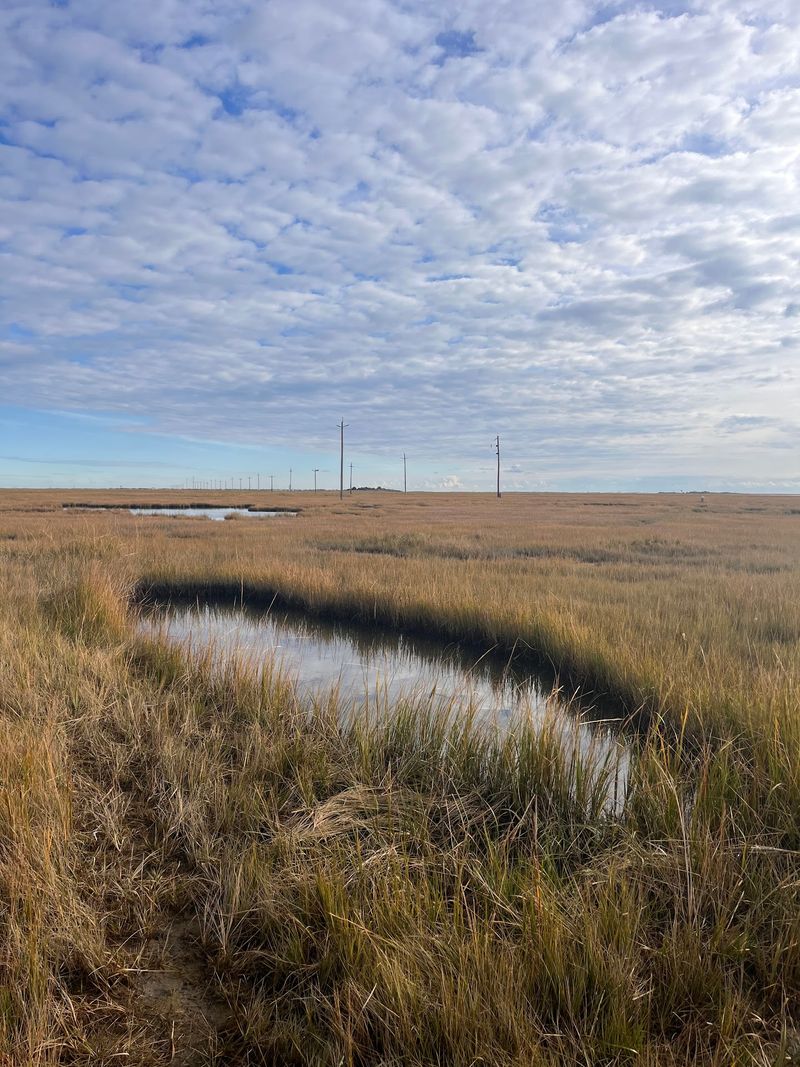
Drive toward the end of Great Bay Boulevard near Tuckerton and development gradually gives way to one of South Jersey’s most expansive marsh landscapes. Salt marsh spreads toward Great Bay, broken by tidal creeks, pools, mudflats, and patches of higher ground.
That openness makes the road especially useful for migration watching because you can stop at appropriate pull-offs and scan several different habitats without committing to a long hike. Fall may bring egrets, herons, shorebirds, terns, gulls, ducks, and raptors, with sparrows working grasses and shrubs closer to the roadway.
Northern harriers are particularly memorable when they appear, flying low over marsh vegetation in search of prey. Timing your visit around changing tides can dramatically affect what you see, especially when mudflats emerge and shorebirds begin feeding.
Wind matters too; exposed marshes can be breezy enough to make a cool autumn morning feel significantly colder than the temperature suggests. Bring a scope if you have one because many birds remain distant across the wetlands.
The farther you travel down the boulevard, the more isolated the landscape begins to feel, even though Tuckerton is not far behind you. This is less a single birding destination than a slow-driving, frequent-stopping experience.
Keep the windows cracked, listen for marsh birds, and resist the temptation to hurry toward the road’s end.
12. Cape May National Wildlife Refuge
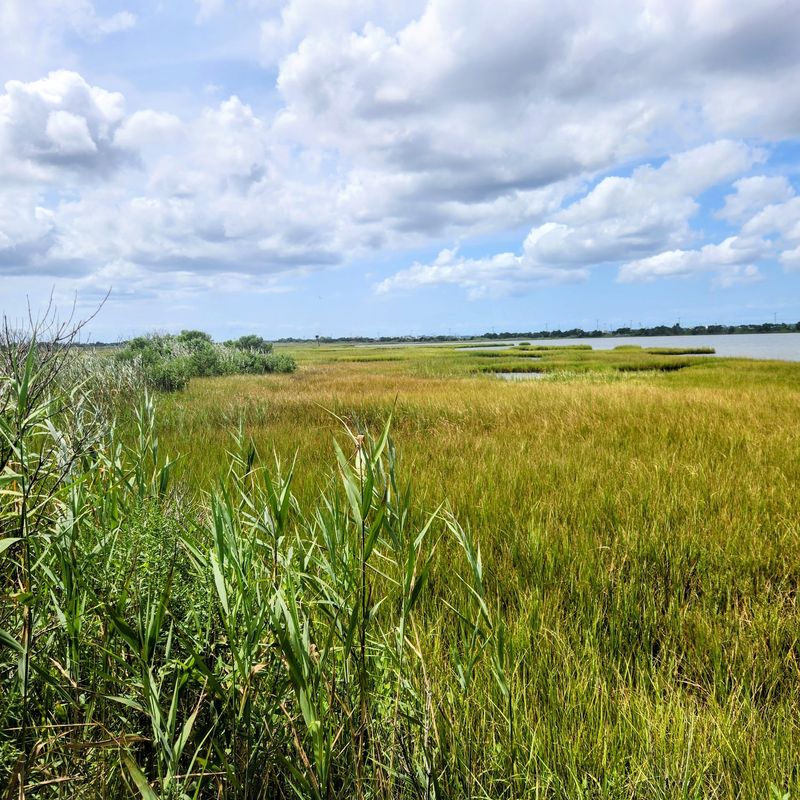
Cape May gets plenty of attention for hawks and songbirds, but the larger refuge surrounding the peninsula protects the quieter habitats that make those migrations possible. Cape May National Wildlife Refuge includes marshes, forests, grasslands, ponds, and coastal areas spread across multiple sections, creating important resting and feeding habitat for birds moving along the Atlantic Flyway.
Fall visitors can encounter everything from warblers and sparrows to herons, shorebirds, ducks, and raptors depending on which section they explore and when they arrive. The Two Mile Beach Unit offers a particularly interesting mix of maritime forest, wetlands, dunes, and shoreline, while other refuge lands protect habitat farther inland.
Rather than treating the refuge as one attraction with a single entrance and obvious loop, it helps to think of it as a network of migration habitat. Pick a section, walk slowly, and pay attention to transitions between environments.
Birds frequently concentrate where woodland meets wetland or shrubs meet open marsh. Early fall tends to favor songbirds and shorebirds, while later weeks bring increasing numbers of waterfowl.
Weather can change everything overnight; north or northwest winds following a cold front may push a fresh wave of migrants into the peninsula. For anyone spending more than a day birding Cape May, exploring refuge lands beyond the best-known observation areas reveals just how much habitat supports the famous migration spectacle.
Share this story