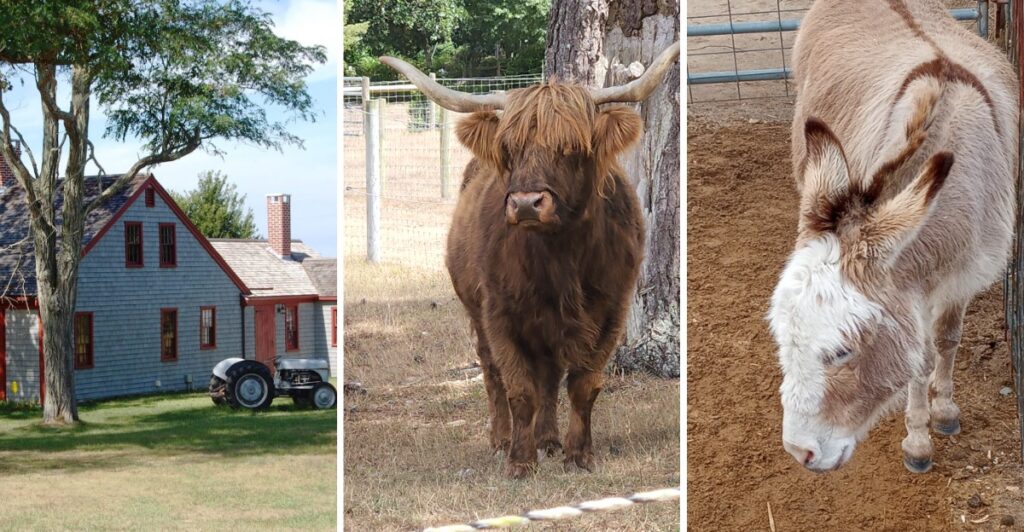
A shaggy Highland cow is not the first thing most people expect to find on a Cape Cod outing. In Yarmouth Port, Massachusetts, Taylor-Bray Farm gives visitors a free chance to see farm animals, wander past historic buildings, and follow a boardwalk toward peaceful marsh views.
The appeal comes from how easy it is to mix a little animal watching with a quiet walk and some local scenery, all without turning the stop into a major expense. Long-eared donkeys and other farm residents add even more personality.
For anyone looking for a relaxed Cape Cod detour with animals, history, and room to wander, this small farm makes an easy stop.
A Massachusetts Farm Visit Without the Ticket Price
Your wallet can stay tucked away when you arrive at Taylor-Bray Farm. General admission is free, so seeing the animals does not require buying tickets for everyone in your group.
That makes the farm especially useful when you want a simple outing rather than a full day of planned activities. You can stop for a short look around or stretch the visit with a walk and a picnic.
The setting is small, with animal enclosures, farm buildings, and open ground rather than a long lineup of attractions. Come expecting a self-guided farm visit, not a large zoo or an amusement park.
Free entry also takes some pressure off families with young children. If a toddler gets tired after half an hour, you can leave without feeling that you need to squeeze more value from an expensive ticket.
Donations help support the place, and a donation box gives you a straightforward way to contribute. Bringing a little cash is useful if you would like to help with the ongoing work behind those open gates.
Animal care, maintenance, and keeping public spaces welcoming all take effort, even when admission costs nothing. Explain that connection to children, and dropping in a few dollars becomes more than a spare-change moment.
Keep the free-entry promise separate from special events or purchases. Markets and festivals may have their own arrangements, and anything you choose to buy is different from ordinary access to the grounds.
For the everyday visit, the appeal is refreshingly clear: walk in, explore respectfully, and decide your own pace. Start by checking posted information, then head toward the animal areas before choosing where to wander next.
A modest budget does not have to mean staying indoors. Here, your main expenses may be getting there and whatever snacks you decide to pack for the outing.
The Highland Cow Has the Best Hair on the Farm
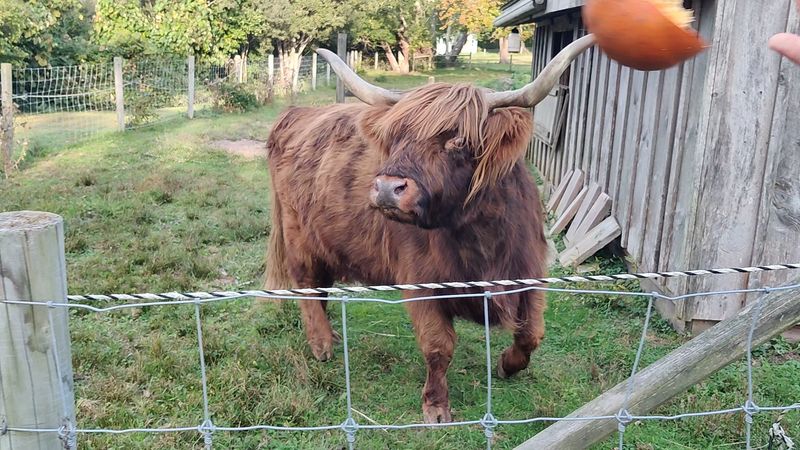
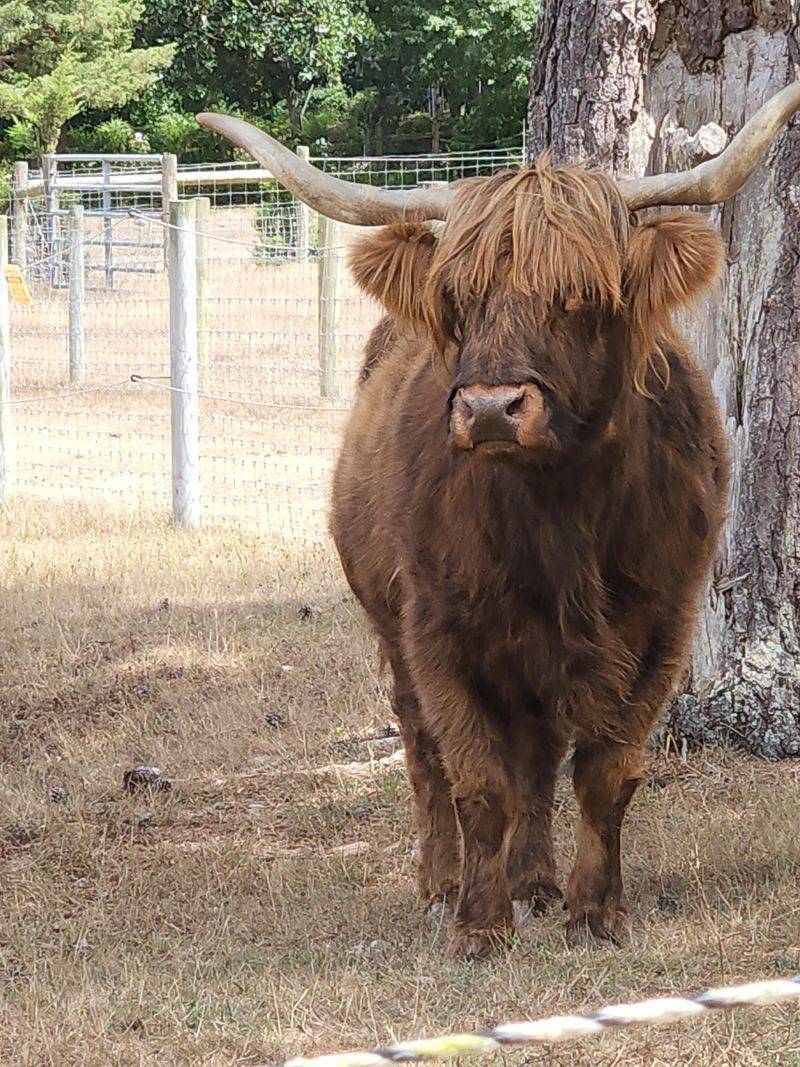
A shaggy coat does most of the introducing here. The Highland cow is the farm’s standout animal for anyone drawn to unusual looks, with long hair that makes ordinary cattle seem neatly trimmed by comparison.
Highland cattle come from Scotland, where their thick coats help protect them in rough weather. Seeing that hair up close gives children an easy starting point for talking about how animals suit the places they come from.
At Taylor-Bray Farm, look for the cow from the public side of the enclosure. Depending on the moment, it may be grazing, resting, or standing farther away than your camera would prefer.
Patience beats trying to get its attention. A quiet pause lets you notice the broad muzzle, the shape of the horns, and the way the long coat moves as the animal changes position.
Skip the urge to offer a snack or reach through a fence. A farm animal can look wonderfully approachable while still needing space, a managed diet, and clear boundaries between its enclosure and the visiting public.
For photographs, choose a spot where the fence does not block the entire view. Use your camera’s zoom rather than leaning into the enclosure, and avoid crowding another family that has already found a viewing angle.
If you are visiting with children, turn the stop into a small observation game. Ask them to describe the coat, compare the ears with the donkeys’ ears, or count how many different textures they can spot.
Do not build your whole schedule around an animal posing on demand. Farm routines, weather, and where the cow chooses to stand can all change the view.
Allow a few unhurried minutes, then move on if it is resting out of sight. You can circle back later and see whether the farm’s shaggy headliner has stepped into a clearer spot.
Long Ears Give the Donkeys Their Own Spotlight
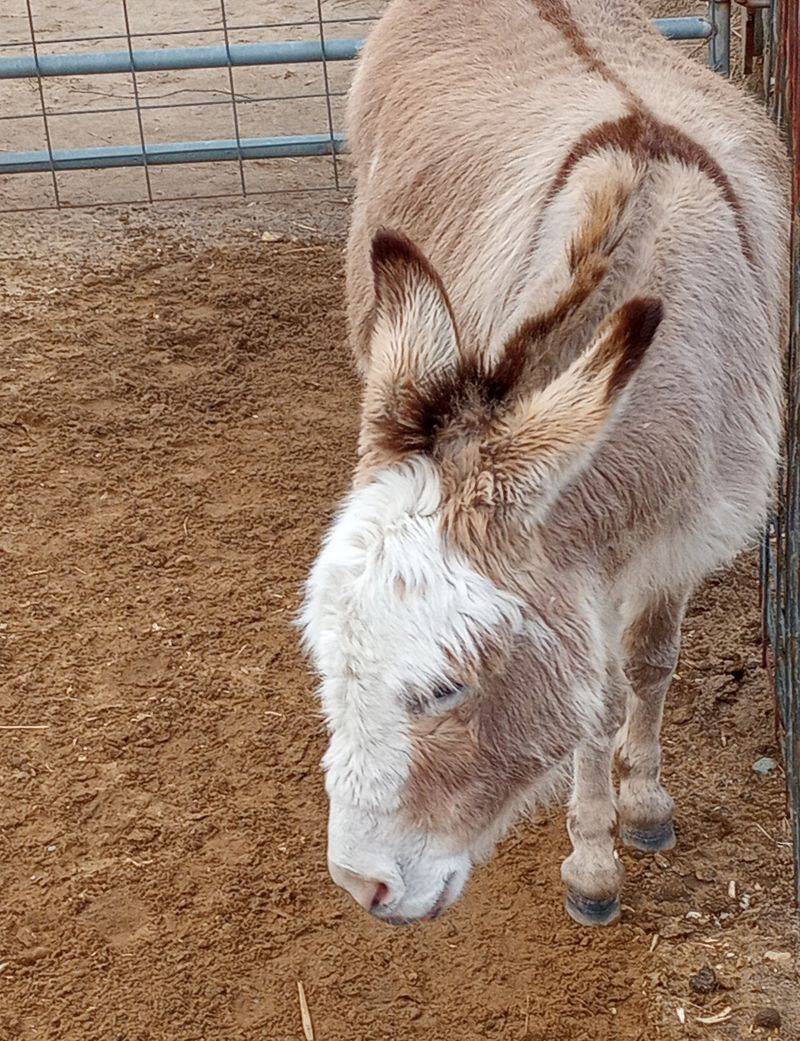
Watch the ears before you watch anything else. The donkeys bring a different kind of interest to Taylor-Bray Farm, with alert faces and small movements that reward a slower look.
Rather than treating their enclosure as a quick photo stop, give yourself time to see what they are doing. An ear turning toward a sound or a head lifting from the ground can become the whole show.
Children often find these details easier to follow than a long explanation about farming. You can ask where a donkey seems to be looking, then wait together to see whether it changes position.
Keep those observations separate from guesses about mood. Ears and posture offer clues, but a visitor cannot know an animal’s temperament simply because it stands close to the fence.
The safest approach is also the least complicated: stay in public areas, keep hands outside the enclosure, and follow posted rules. Do not assume that visiting the donkeys includes petting, feeding, or a staff-led encounter.
Even fresh carrots or apple pieces should stay in your bag unless farm staff specifically allow feeding. Foods that seem harmless can interfere with an animal’s diet, and hand feeding can encourage unwanted behavior near fences.
If several families gather at once, step back and leave room for smaller children to see. A clear view from a little distance is better than a crowded line of hands and phones along the enclosure.
There is no need to call, clap, or bang on anything to create a reaction. Quiet watching makes it easier to notice ordinary behavior without turning the animals into performers.
Pair this stop with the Highland cow enclosure for a comparison of shapes, coats, and movement. The cow supplies the dramatic hair; the donkeys offer long ears, sturdy legs, and plenty to observe at their own pace.
Sheep, Goats, and Chickens Round Out the Walk
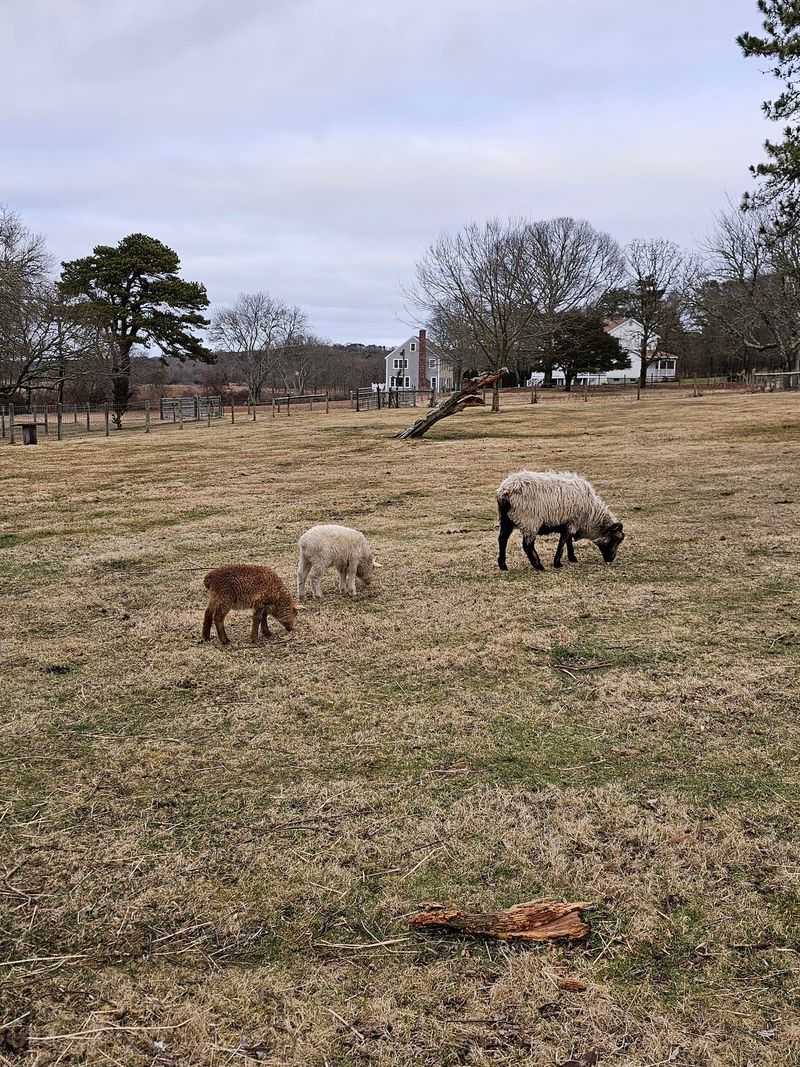
Save a little attention for the smaller residents. Sheep, goats, and chickens add variety to the farm walk, giving you more to notice after the cow and donkeys have had their turn.
Their different shapes make a useful lesson without needing a classroom voice. Sheep carry wool, goats have their own distinctive build, and chickens bring feathers, quick steps, and ground-level activity into the mix.
Read the animal signs as you go. Breed information can explain details that are easy to miss, and it helps you identify what you are seeing instead of guessing from a familiar picture-book image.
A good approach is to choose one feature at each enclosure. Look at a sheep’s fleece, study a goat’s face, then watch how a chicken searches the ground with its beak and feet.
That simple change in focus keeps the walk from becoming a race to count animals. It also gives older children something more interesting to do than waiting while younger siblings point at every fence.
Allow for changes in the animal lineup. Farm populations and enclosure use can shift, and a particular animal may be sheltered or away from easy viewing when you arrive.
Spring can bring extra interest around a farm, but young animals should never be treated as a guaranteed attraction. If any are present, observe from the allowed area and give staff and animals plenty of room.
Keep snacks for your own group, and wash or clean your hands before eating. Even a visit without touching animals calls for sensible habits around fences, outdoor surfaces, and farm ground.
By the time you finish this part of the walk, the farm has offered several ways to look closely. Instead of one headline animal and a quick exit, you have wool, feathers, horns, hooves, and different patterns of movement to compare together.
Follow the Boardwalk Toward the Marsh
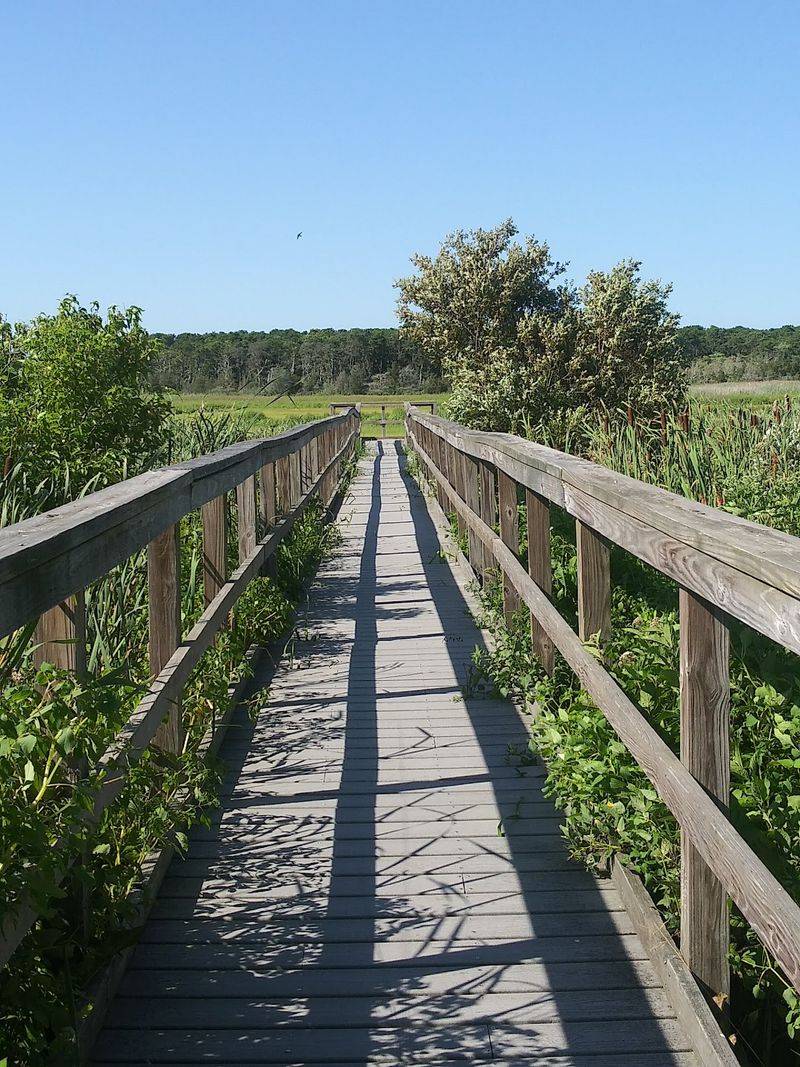
Beyond the animal areas, the view opens toward the marsh. Taylor-Bray Farm’s short boardwalk adds a coastal landscape to the visit without requiring you to trade the farm stop for a separate destination.
Follow the designated route and let the change in scenery set the pace. Fences and farm activity give way to marsh grasses, wider sky, and a view that asks for a different kind of attention.
The boardwalk is more than a convenient place for a photograph. Staying on it helps protect wet ground and plants while keeping your route clear through an area that should not be treated like an open lawn.
Keep children close, especially if they are excited after seeing the animals. Walk rather than run, and leave enough space for other groups to pass without anyone needing to step off the boards.
Look for the osprey nesting area from the viewing route, particularly during spring and summer. A nest does not guarantee a bird sighting, so bring curiosity rather than a promise of wildlife activity.
Binoculars can make this stop more rewarding if you already own a pair. They let you study distant movement without getting closer to nests or leaving the marked public space.
Wind and weather can change the experience quickly in an exposed setting. A light layer may be useful even when the animal area feels comfortable, and damp boards deserve careful footing.
The farm also has a wooded walking trail, offering another option if your group wants to keep moving. Check signs and current conditions before extending the visit beyond the main grounds.
Choose the marsh stop when everyone is ready for a quieter activity. You do not need to identify every plant or bird; watch the grasses move, scan the sky, and give the farm’s waterside setting a few minutes of its own.
Old Farm Buildings Tell a Local Story
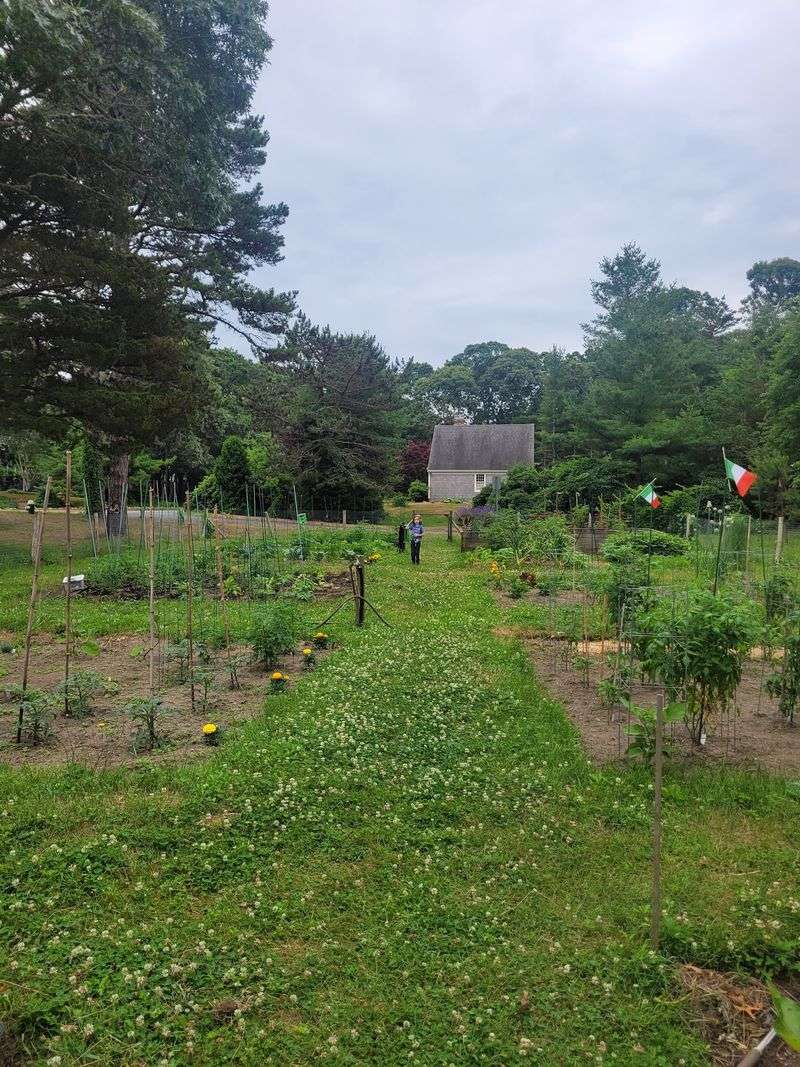
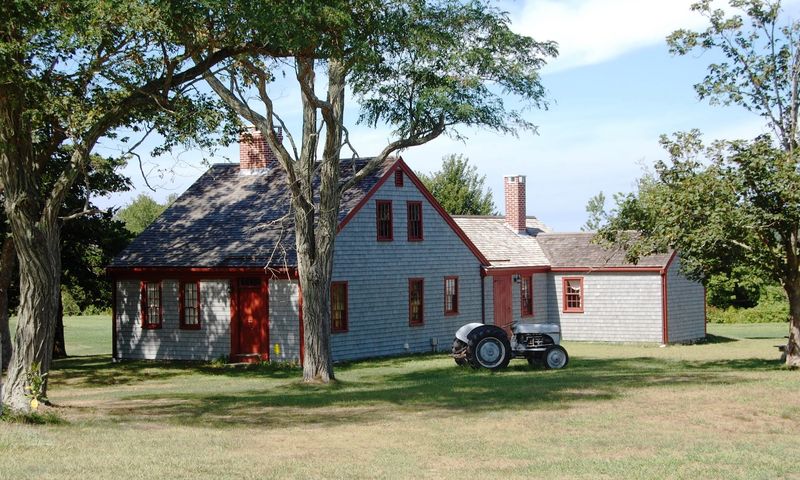
The animals are only one layer of the property. An old farmhouse, farm buildings, and information plaques give Taylor-Bray Farm a connection to local life that goes beyond a pleasant afternoon outdoors.
Take time to read the posted history rather than walking past it on the way to another enclosure. Those details help place the grounds within Yarmouth Port’s story and explain why preserving a farm site matters.
You do not need to turn the visit into a history lesson with dates to memorize. Start with a practical question: how did people use the buildings and land before they became part of today’s public experience?
Let the signs supply the answers instead of guessing from the age or appearance of a structure. An old-looking building does not automatically mean its rooms are open, so respect any closed doors or restricted areas.
The present-day farm also depends on community effort. Volunteers and donations support its care, making the place a useful example of how a local site can remain available without ordinary admission charges.
If children are curious, connect that work to things they can actually see. Animals need daily attention, fences need upkeep, and public grounds need people willing to look after them.
Seasonal activities add another layer to that community connection. The farm has hosted a Sheep Festival, harvest celebrations, holiday markets, and summer farmers markets, although dates and formats can change.
Check current event announcements before planning around any particular gathering. An ordinary quiet visit and a festival day are different experiences, and neither should be described as the permanent version of the farm.
For a casual stop, the plaques and buildings provide enough context to deepen your walk. Pause beside the farmhouse, read what is available, and notice how the historic setting sits alongside the everyday work of caring for animals today.
Plan a Short Stop, Then Leave Room to Linger
Half an hour can cover a quick animal visit, while a slower outing can stretch longer with the marsh walk and a picnic. Build your plan around your group’s energy rather than expecting a full day of attractions.
The address is 108 Bray Farm Rd N in Yarmouth Port, Massachusetts. Use that exact destination when planning your drive so you arrive at the farm rather than a similarly named road or nearby stop.
Listed hours are 8 a.m. to 8 p.m. daily, but confirm current access before leaving. Weather, maintenance, seasonal daylight, or special activities can affect how much of the grounds you can comfortably explore.
On-site parking makes the arrival straightforward. Once parked, check the available signs for visitor guidance and any notices that apply to the animal areas, walking routes, or events that day.
Wear shoes that can handle outdoor ground instead of choosing footwear only for photographs. Rain can leave damp or muddy patches, and a farm walk is easier when you are not worried about every step.
Pack water, sun protection, and a layer suited to the forecast. For young children, a small snack can help bridge the gap between watching animals and taking the boardwalk route.
Picnic tables offer a place to pause if you bring food. Keep meals in the visitor areas, collect every wrapper, and avoid leaving scraps that might attract wildlife or reach the farm animals.
If mobility access, restrooms, or stroller suitability are essential to your visit, confirm those details ahead of time. Do not assume that every outdoor path has the same surface or level of access.
A simple order works well: animals first, history signs next, then the marsh or a picnic if everyone is still interested. Leave room to adjust, and make your final stop the donation box if you can contribute.
📍 108 Bray Farm Rd N, Yarmouth Port, MA 02675, United States
Share this story