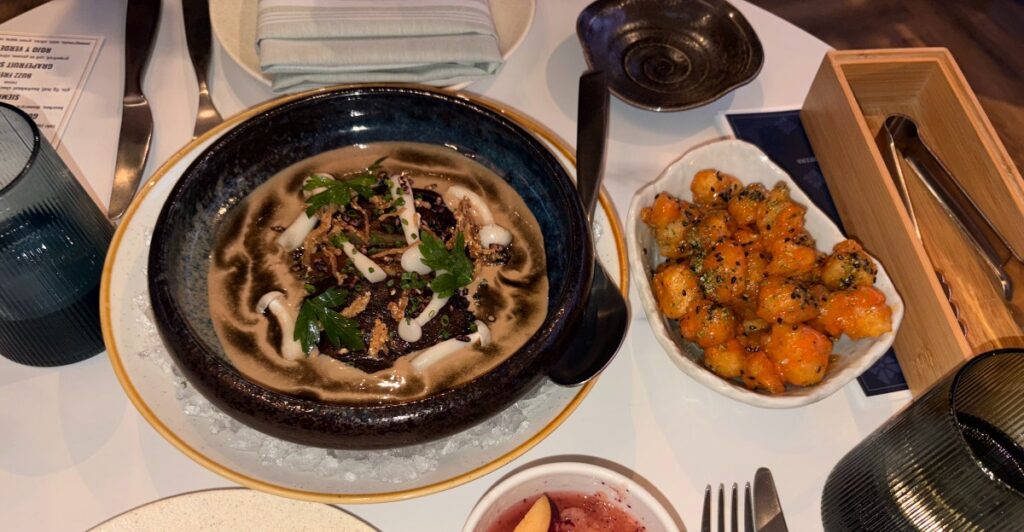
Yellowtail with yuzu and green apple, a charcoal-fired steak with wasabi cream, and a cocktail built around pisco and cacao might sound like three different dinner plans. At Esquina No. 525, they belong to the same evening.
This new restaurant at the corner of Cookman and Bangs avenues brings Japanese and Peruvian flavors together through Nikkei cuisine, a tradition with considerably more history than the word “fusion” suggests.
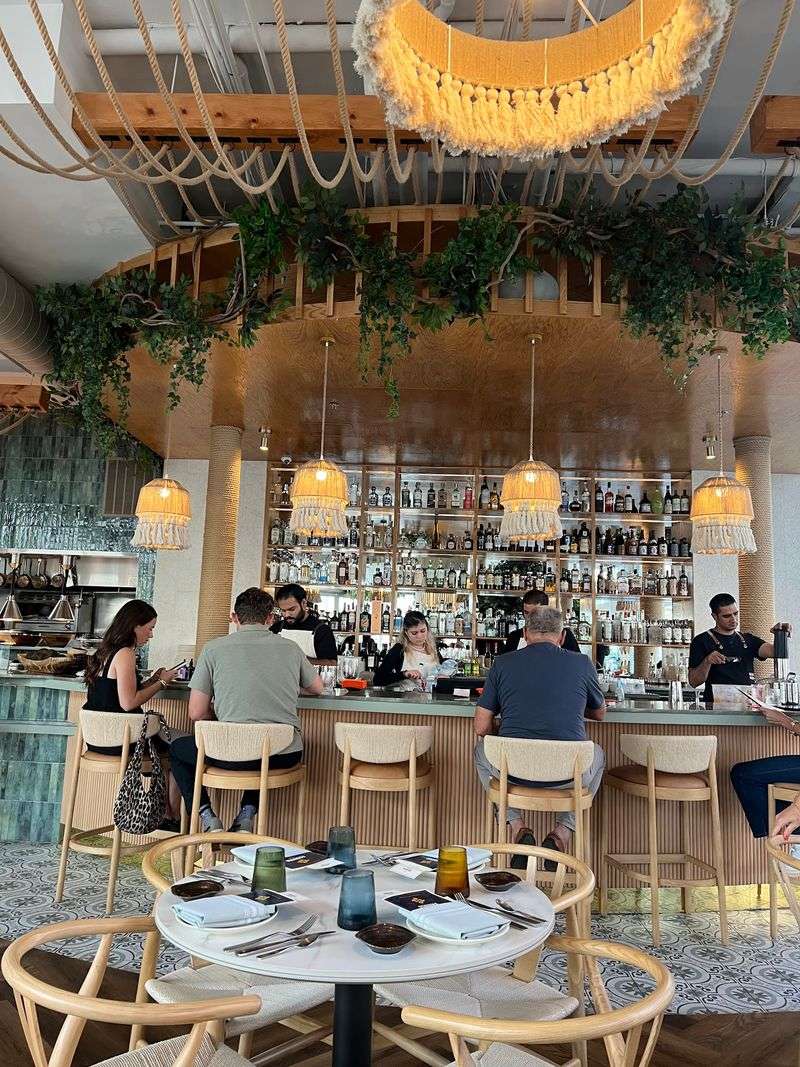
The setting makes an impression, too, with earthy colors, decorative ceramics, and a dining room designed to pick up energy as the night unfolds.
But the interesting part happens between the first chilled seafood plate and the last spoonful of dessert. There is citrus, charcoal, heat, and enough variety to make sharing a sensible strategy.
For an Asbury Park dinner that breaks out of the usual sushi-or-steak debate, this corner offers a rather persuasive third option.
Esquina No. 525 Brings a Fresh Flavor to Cookman Avenue
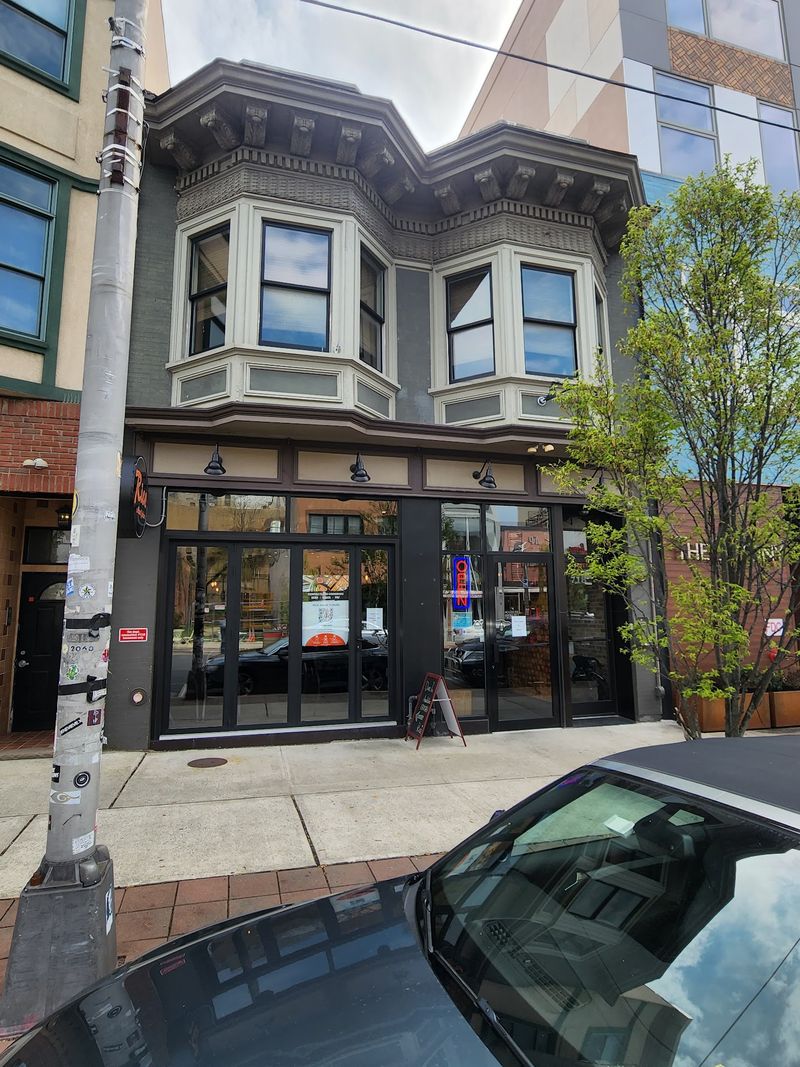
The address will ring a bell for anyone who has followed downtown Asbury Park’s restaurant shuffle. At 525 Cookman Avenue, Esquina occupies the corner space previously home to The Mainstay and, before that, The Bonney Read.
Its arrival gives a familiar location a different culinary direction, exploring the possibilities of Japanese technique and Peruvian ingredients. Behind the restaurant is Hungry Trio, the hospitality group associated with Aarzu Modern Indian Bistro and Ramen Nagomi.
That connection provides useful context for diners who already know those names, though this restaurant has an identity of its own. Culinary director Chef Marques Tone leads the Nikkei kitchen, where the central conversation moves between chilled seafood and the heat of the grill.
For a first visit, it makes sense to think about the evening before thinking about individual dishes. A dinner for two could follow a simple progression from something cold to something cooked, with room left for dessert.
A larger table gives everyone more opportunities to sample, provided the ordering does not turn into six people independently choosing six enormous meals. Establishing what the table wants to share makes the menu easier to navigate.
The location also lends itself to an evening spent downtown, with dinner as the anchor rather than a quick stop between other plans. Current posted hours are Wednesday through Sunday from 5 to 10 p.m., with Monday and Tuesday closed.
Reservations run through Resy, and the restaurant identifies a municipal parking lot one block north. Those are useful details in a town where finding your table can be considerably easier than finding a parking space.
Allowing a little breathing room before the reservation leaves more attention for the enjoyable decisions waiting inside.
Japanese and Peruvian Traditions Meet on the Nikkei Menu
Nikkei cooking has roots in the Japanese immigrant communities that developed in Peru beginning in the late nineteenth century. Familiar cooking methods met a different pantry, and a culinary tradition grew from that everyday exchange.
Understanding that history changes how you approach dinner here. The combination has a cultural foundation; the kitchen is working within a tradition that already knows how to bring these flavors together.
At Esquina, that means Japanese approaches to cutting fish, fermentation, and charcoal cooking alongside Peruvian peppers, corn, herbs, and citrus. Ingredients such as ají amarillo, rocoto, choclo, and cancha help establish the Peruvian side of the conversation.
Miso, dashi, and careful knife work contribute another set of tools. You do not need to memorize the pantry before taking a seat.
A better approach is to notice what each preparation contributes. A chilled seafood dish can make acidity the first thing you register.
Something cooked over charcoal shifts attention toward aroma and savory depth. A crisp garnish introduces texture, while a sauce can tie the different elements together.
Those contrasts give a meal its movement and help explain why ordering across several parts of the menu is appealing. They also offer an easy way to talk through preferences with your server.
Saying you enjoy citrus but prefer gentle heat is more useful than guessing which unfamiliar ingredient might suit you. Likewise, diners who love sushi can explain which fish and textures they usually choose without expecting the meal to follow a conventional sushi-bar format.
Think of the menu as an invitation to explore familiar preferences in different combinations. You can recognize the precision of a Japanese preparation and still encounter a distinctly Peruvian direction in the seasoning.
That is where dinner gets interesting, even before the next plate arrives.
A Striking Dining Room Sets the Mood for a Night Out
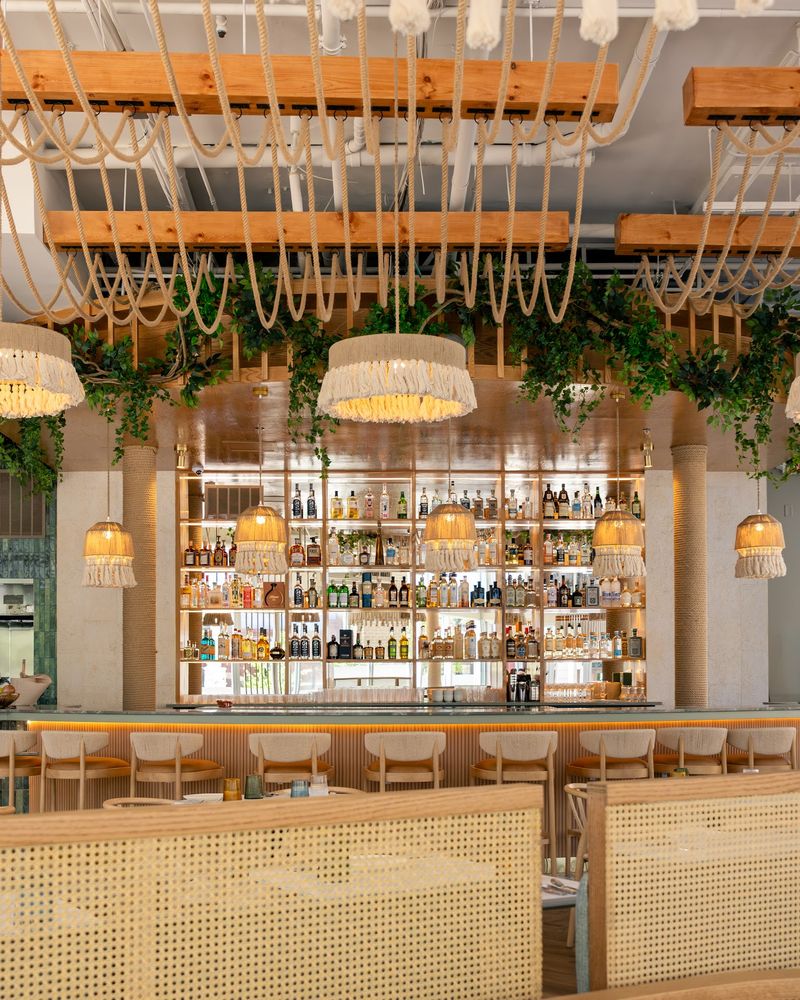
A window-side banquette gives you one version of the evening; a seat near the kitchen offers another. Esquina’s space includes cane screens, a ceramic vessel wall, lounge seating, and a chef’s counter at the pass.
These details give the room more character than a collection of attractive tables. The banquettes suggest settling in with your companions, while the counter puts the kitchen’s work closer to the center of the experience.
For private gatherings, the restaurant offers arrangements ranging from semi-private banquette dinners to a chef’s counter tasting and a full-room reception. The overall palette combines earthy shades with brighter accents, making the setting feel expressive without requiring every surface to compete for attention.
Its personality also changes with the hour. Esquina describes an evening that moves from brighter early light toward a fuller, more animated room, then lower lighting and more prominent music later on.
That makes the reservation time part of the planning. If your dinner revolves around catching up with someone you have not seen in months, an earlier seating is a sensible choice.
If the appeal is a livelier atmosphere and cocktails woven through the meal, later dinner better matches that intention. Neither requires a complicated occasion.
Sometimes the occasion is simply finally getting everyone’s calendars to cooperate. The room gives that ordinary achievement a little ceremony.
Clothing can follow the same logic: choose something that makes the evening feel enjoyable, without inventing a dress code the restaurant has not stated. What matters is arriving with expectations that fit the setting.
This is a place where conversation, food, and the bar share the spotlight. The visual details give you plenty to notice at the beginning, and the changing energy gives the evening somewhere to go.
Yellowtail Tiradito and Sea Bass Ceviche Start Things Off Bright
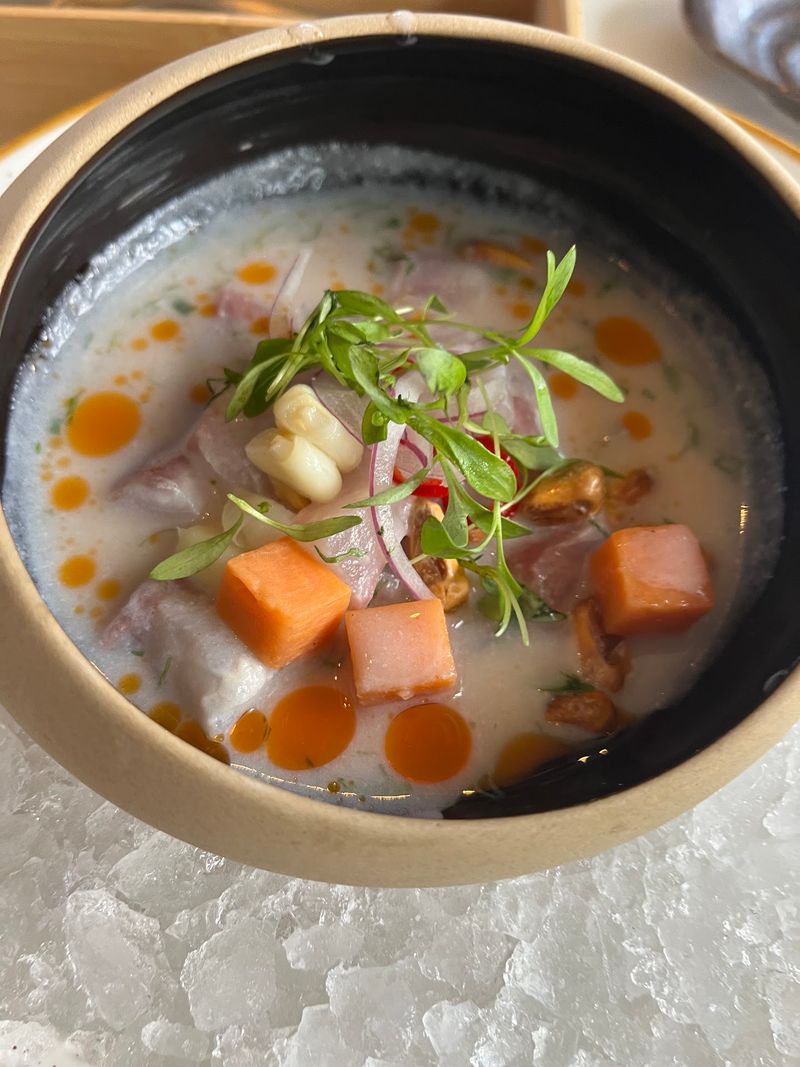
Start with two forks and a little curiosity. Tiradito offers a particularly useful introduction to Nikkei cooking because its thinly sliced fish reflects a Japanese influence within a Peruvian preparation.
Compared with a plate of familiar sushi, it asks you to pay attention to the relationship between the fish and its dressing. Yellowtail is an appealing candidate for that treatment, bringing a rich texture that can sit comfortably beside tangy seasoning.
Esquina’s version pairs it with miso, coriander, orange tobiko, yuzu, and green apple. Sea bass ceviche takes a different route, with choclo, cancha, sweet potato, and leche de tigre.
The menu currently lists the yellowtail at $32 and the sea bass ceviche at $29. Together, they make an instructive opening order for a table interested in comparing preparations.
Try each on its own before deciding which you prefer. Notice the cut of the seafood, the balance of the dressing, and what happens when a bite includes the accompanying ingredients.
This is also a good moment to resist the temptation to rush through the first course while debating everything still to come. Give those initial plates their own stretch of the evening.
For two diners, choosing one chilled dish first leaves more flexibility for the cooked courses; a table of four has more room to compare both. Sharing works best when everyone knows what is arriving and has a chance to taste it before the serving plate becomes a competitive sport.
Anyone uncertain about raw preparations can ask the server which cooked dishes offer a useful introduction instead. The point is to build a meal around what your table enjoys.
These seafood dishes provide a bright beginning and a clear reference point for the richer flavors that follow.
The Robata Grill Adds Smoke to Seafood and Steaks
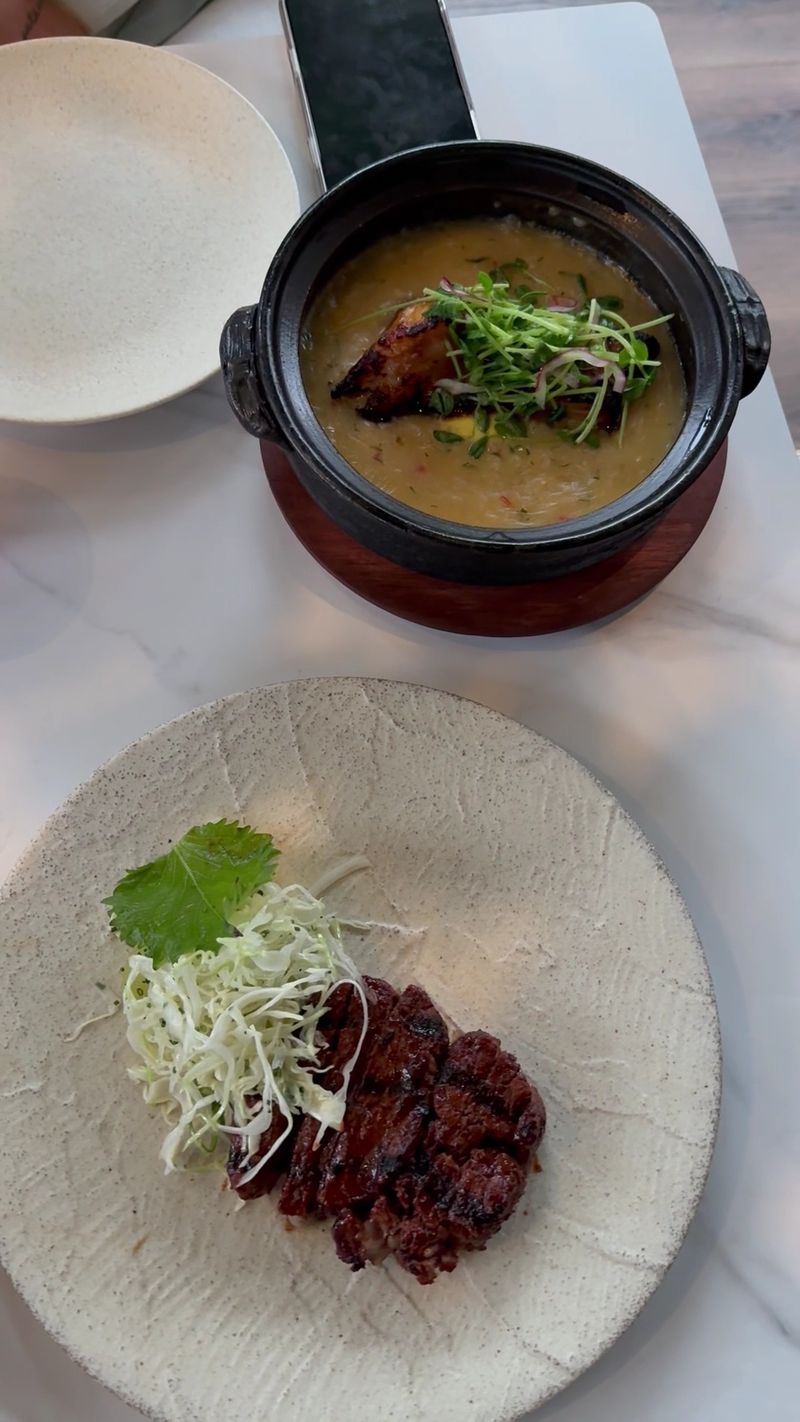
After citrus and chilled fish, charcoal changes the direction of dinner. Robata is the Japanese grilling tradition at the heart of Esquina’s fire-focused cooking, using binchotan charcoal to bring another dimension to the menu.
Here, the grill connects seafood and meat with the restaurant’s broader Japanese-Peruvian approach. Whole bronzino with burnt nori butter and fennel salad gives seafood lovers a substantial option beyond the raw dishes.
Lamb chops with ají panca, rosemary, and plum purée offer a different combination of seasoning and richness. For steak-minded diners, there is Grade 7 Wagyu sirloin with chimichurri and togarashi, plus Japanese Miyazaki A5 Wagyu.
The financial difference between those choices deserves attention before the order goes in. Current listed prices include $60 for the whole bronzino, $55 for the lamb chops, $95 for the Wagyu sirloin, and $150 for the eight-ounce A5 preparation.
At the larger end, a 42-ounce tomahawk is listed at $240 for two to share. Those numbers help define the kind of evening you are putting together.
A table can explore the kitchen without choosing its most expensive cut, while a celebration might deliberately make one premium dish the centerpiece. Either way, decide what role the main course will play.
If everyone has already shared several starters, ask about the size of the cooked dishes before adding another round. If one person wants fish and another wants steak, two contrasting preparations may be more satisfying than agreeing on a compromise neither particularly wanted.
A thoughtful order leaves space to appreciate the change from cool, sharp flavors to something warmer and more substantial. The grill gives that progression its turning point, and the table can set the pace.
Pisco Cocktails and Yuzu Cheesecake Keep the Evening Going
Dessert decisions become easier when someone admits they still want dessert. At Esquina, the closing choices include yuzu cheesecake with shiso and hazelnut crumb, and a chocolate cookie served with coconut ice cream and miso.
Both are currently listed at $19. They offer two useful directions for the table: citrus for diners drawn to a brighter finish, chocolate for those whose interest in the dessert menu begins with cocoa and works outward from there.
Ordering one of each to share would continue the comparison that started with the seafood, though there is also something perfectly reasonable about guarding your own cheesecake. The bar follows the restaurant’s interest in crossing culinary traditions.
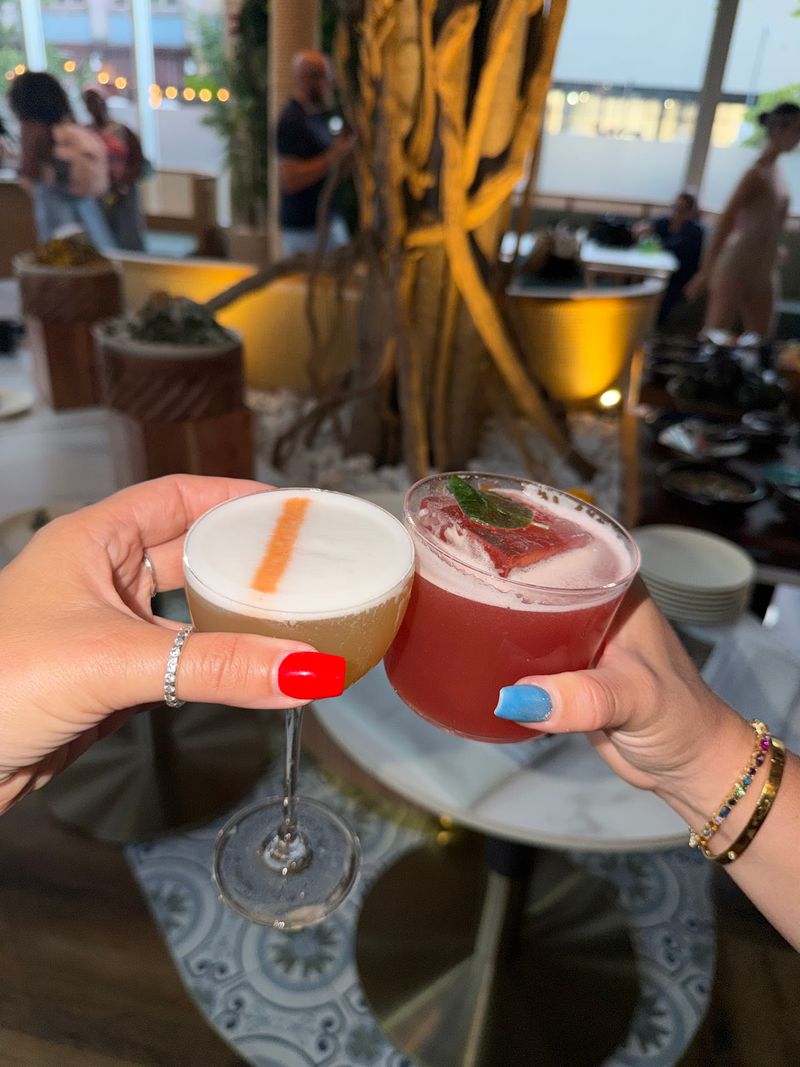
Pisco and shochu feature alongside Japanese whisky, tequila, gin, and bourbon, giving the drinks list several paths beyond a standard dinner cocktail. Among the current $17 cocktails, the Ica combines pisco quebranta with cacao, citrus, and orange, while the Toki(o) brings together Japanese whisky, green apple, green Chartreuse, and citrus.
Choosing by preferred spirit is a useful starting point, but the supporting ingredients tell you more about the drink’s direction. Someone who enjoys a citrus-forward cocktail may make a different choice from a diner looking for a final, spirit-led sip.
There is no need to order every course and drink at the beginning; leaving the last decision until after the main course gives you a better sense of what sounds good. By then, the meal has already moved through several temperatures, textures, and moods.
The closing plate can be smaller and simpler in purpose. A spoonful of cheesecake, a little conversation, and the remaining drink are enough to let the evening settle comfortably into its final stretch.
Share this story